


Using coconut oil before a sauna is a skincare and comfort choice, not a detox or health treatment. A thin layer of virgin coconut oil acts as a surface barrier that helps your skin hold on to moisture in a sauna's dry heat, so you step out feeling less tight and flaky. Apply it sparingly to clean skin, keep it off the soles of your feet and the benches to avoid a slip hazard and staining, and skip it if you are prone to clogged pores. Many people get the same comfort by moisturizing right after the session instead. What coconut oil cannot do is "pull toxins" out of your body — that is marketing, not science.
Coconut oil is a popular pre-sauna ritual because it is inexpensive, widely available, and pleasant to use. Used correctly, it is a reasonable way to protect your skin from a sauna's dry heat. Used the way a lot of online copy describes it — as a way to "detoxify" or "cleanse" the body — it is oversold. This guide separates the practical skincare reality from the marketing, so you can decide whether oiling up before your infrared sauna session is worth it for you.
Key Takeaways
- A thin layer of coconut oil can help skin retain moisture against a sauna's dry heat — a comfort and cosmetic benefit, not a medical one.
- Apply it sparingly to clean skin; heavy oil plus heat can clog pores and feel greasy.
- Keep oil off your feet and the benches — it creates a slip hazard and can stain wood and build up on a sauna blanket's interior.
- Coconut oil does not "detox" your body. Sweat is about 99% water, and oils sit on top of the skin.
- If your skin is acne-prone or you have a skin condition, moisturize after the session or ask a doctor first.
How do you use coconut oil before a sauna session?
If you want to try it, a light, deliberate application gets you the comfort benefit without the downsides:
- Choose a high-quality oil. Virgin or extra-virgin coconut oil is the least processed form and has a clean scent.
- Apply a thin layer to clean, dry skin. Focus on areas that tend to feel dry, such as elbows, shins, and forearms. A little goes a long way.
- Go light. Too much oil in a hot cabin can clog pores, feel greasy, and leave residue on surfaces. If your skin looks shiny rather than lightly conditioned, you have used too much.
- Keep it off your feet and the benches. Oil on the floor or seat is slippery and can stain wood. Sit on a towel and wipe up any transfer.
- Hydrate. Drink water before and after your session. Coconut oil works on the surface of the skin; staying hydrated is what keeps skin comfortable from the inside.
Tip: if a greasy feeling in the heat bothers you, skip the pre-session oil entirely and apply a moisturizer right after you cool down. Your pores are still receptive, and you avoid the residue.
The skin benefits of using coconut oil before a sauna session
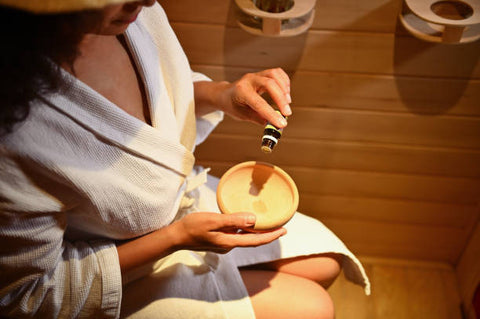
A sauna's heat is dry — Sun Home's Eclipse line runs across a 0–165°F range and the Luminar line up to 0–170°F — and that dry heat can leave skin feeling tight afterward. Here is what a thin layer of coconut oil can reasonably do, framed honestly:
Moisture retention
Coconut oil is an occlusive emollient: it forms a thin layer on the skin's surface that slows how quickly water evaporates. In a dry sauna, that can help your skin feel less tight and flaky when you finish.
A comfort barrier against dry heat
Because it sits on top of the skin, the oil acts as a light barrier. Many people simply find their skin feels softer and more comfortable during and after a session.
A smoother feel
This one is subjective: a lot of sauna users like the conditioned feel of lightly oiled skin. It is a preference, not a clinical outcome — if you do not enjoy the texture, you are not missing a health benefit.
Notice what is not on this list: coconut oil before a sauna is not an anti-aging treatment, an anti-inflammatory, or a disinfectant. Those are common marketing claims that the evidence does not support for this use, so we leave them out.
Coconut oil and the sauna: what it can and can't do
| Common claim | The honest reality |
| "Locks in moisture" | Reasonable. As an occlusive, it slows surface water loss in dry heat. |
| "Detoxifies the body" | Not supported. Sweat is mostly water; oils sit on the skin and cannot pull toxins from the body. |
| "Disinfects or sanitizes skin" | Overstated. Treat this as marketing, not a substantiated benefit for pre-sauna use. |
| "Anti-aging / fights free radicals" | Unsupported for this use. Enjoy the conditioned feel, not a promised outcome. |
| "Better than moisturizing after" | No clear advantage. Applying lotion after the session is just as effective and less greasy for many people. |
Does coconut oil "detox" your skin in the sauna?
This is the claim that deserves the most scrutiny, because it is everywhere. The short answer: no. Sweat is roughly 99% water with small amounts of salt and other electrolytes — it is your body's cooling system, not a meaningful route for clearing "toxins." Your liver and kidneys do that work. Coconut oil sits on the outside of your skin, so it cannot draw substances out of the body either.
The peer-reviewed picture on sauna "detox" is limited and early. Some studies have detected trace amounts of certain elements in sweat, but the body of evidence does not establish that sweating — with or without oil — is a clinically meaningful detox method, and sauna use is not a medical treatment. So when you see "detox infrared sauna" paired with coconut oil, read it as a comfort-and-skincare pitch, not a health intervention.
Aromatherapy and relaxation
Coconut oil makes a good carrier if you enjoy scent. Blending in a few drops of an essential oil such as lavender gives you a pleasant aroma to take into the cabin, and many people find the scent relaxing. A couple of practical notes:
- Patch-test any essential oil on a small area first — heat can make skin more reactive.
- Use only a few drops; concentrated oils can irritate skin and overwhelm a small cabin.
- It is a sensory ritual, not a treatment — enjoy it on those terms.
Caring for your sauna when you use oils
Oils and sauna surfaces do not always mix, so protect your investment:
- Wood interiors. Sun Home cabins use natural wood — the Eclipse interior is Canadian hemlock and the Pod interior is Canadian hemlock — and oil can darken or stain untreated wood. Sit on a towel and avoid letting oil pool on the bench.
- Sauna blankets. The Sun Home Sauna Blanket has a "Non-toxic waterproof PU" interior; body oils can build up on that surface over time, so use a towel or insert and wipe it down after use.
- Floors. Wipe up any oil transfer immediately to prevent a slip hazard.
Who should skip the pre-sauna oil
Coconut oil is not right for everyone before a session:
- Acne-prone skin. Coconut oil is relatively comedogenic; in a hot cabin it can contribute to clogged pores. Moisturize afterward with a lighter product instead.
- Very hot or long sessions. The more you sweat, the more a heavy oil layer feels greasy and transfers to surfaces.
- Existing skin conditions. If you have a diagnosed skin condition, talk to a doctor or dermatologist before adding oils to a heat routine.
Final thoughts
Coconut oil before a sauna is a small, optional comfort step. A thin layer can help your skin hold moisture against dry heat and leave it feeling soft — and that is a perfectly good reason to use it. Just keep your expectations grounded: it is skincare, not detox, and applying a moisturizer after your session works just as well for most people. Use it lightly, protect your benches and floor, and skip it if your skin does not love it.
For more on getting the most from heat therapy, see the top benefits of an infrared sauna and our guide to how therapy routines can support skin health and appearance. When you are ready to build a routine at home, explore the infrared sauna blanket or a full outdoor infrared sauna setup.
FAQs
1. Should you put coconut oil on before a sauna?
You can. A thin layer helps skin hold moisture against the dry heat, which many people find comfortable. Keep it light, and if a greasy feeling bothers you, moisturize after the session instead.
2. Does coconut oil help you detox in the sauna?
No. Sweat is about 99% water, and oils sit on the surface of the skin, so neither sweating nor coconut oil "draws out toxins." Your liver and kidneys handle that. Treat "detox" claims as marketing.
3. Will coconut oil clog pores in the heat?
It can, especially if you apply it heavily or have acne-prone skin, because coconut oil is relatively comedogenic. Use a thin layer or choose a non-comedogenic product, or moisturize after instead.
4. Is coconut oil safe on sauna benches and blankets?
Use caution. Oil can stain natural wood benches and build up on a sauna blanket's waterproof PU interior. Sit on a towel, keep oil off the seat, and wipe surfaces down after use.
5. Is it better to use coconut oil before or after the sauna?
For most people, after is easier: your skin is warm and receptive, and you avoid the greasy feeling and residue. Before is fine too, as long as you keep the layer thin.