


Key Takeaways
· Cold plunge tub for home offers precise temperature control, clean filtration, and longer-lasting cold immersion than traditional ice baths.
· Cold plunge therapy health benefits include reduced inflammation, improved muscle recovery, greater mental clarity, and sustainable daily use.
· Ice baths are affordable and accessible, but lack consistent cold plunge vs ice bath for recovery control, which may limit effectiveness or comfort.
· Both methods promote faster recovery and mental resilience, making them valuable options for athletes and wellness-focused individuals.
· Consider your budget, frequency, and convenience needs when choosing between cold plunge tub for home and ice bath for optimal recovery outcomes.
Cold therapy is one of the most popular methods for enhancing mental resilience training and post-workout recovery. Cold plunges and ice baths stand out among the many cold therapy options available. Both involve immersing yourself in cold water and are very uncomfortable at first.
While cold plunging and ice bathing promise numerous benefits, they are different. You may be wondering whether one is more effective than the other. Remember, the choice you make depends on your preferences, goals, and environment. Read on to understand the differences between these units and decide which is better for your needs.
What Does Cold Therapy Involve?
Also known as cryotherapy, cold therapy involves exposing the body to cold temperatures for therapeutic purposes. The idea is that cold exposure can reduce inflammation, stimulate circulation, enhance recovery, and trigger specific hormonal and metabolic responses.
Athletes have been using cold water immersion for decades to help relieve soreness and accelerate healing after intense workouts. But recently, the benefits of cold therapy have broadened beyond the athletic world.
Tip: Those seeking regular, reliable cold exposure should consider investing in a cold plunge tub for home for effortless daily recovery and convenience. Here is a guide on choosing one for personal use: What to Look for in a Cold Plunge Tub
Fitness and wellness enthusiasts are turning to the best cold plunge tubs and ice baths for mental clarity, mood improvement, stress reduction, and even immune system boosts. While cold plunges and ice baths fall under cold therapy, they differ in temperature regulation, setup, and user experience. Understanding how each method works can help you decide which approach aligns best with your fitness and wellness goals.
Exploring the Ice Bath

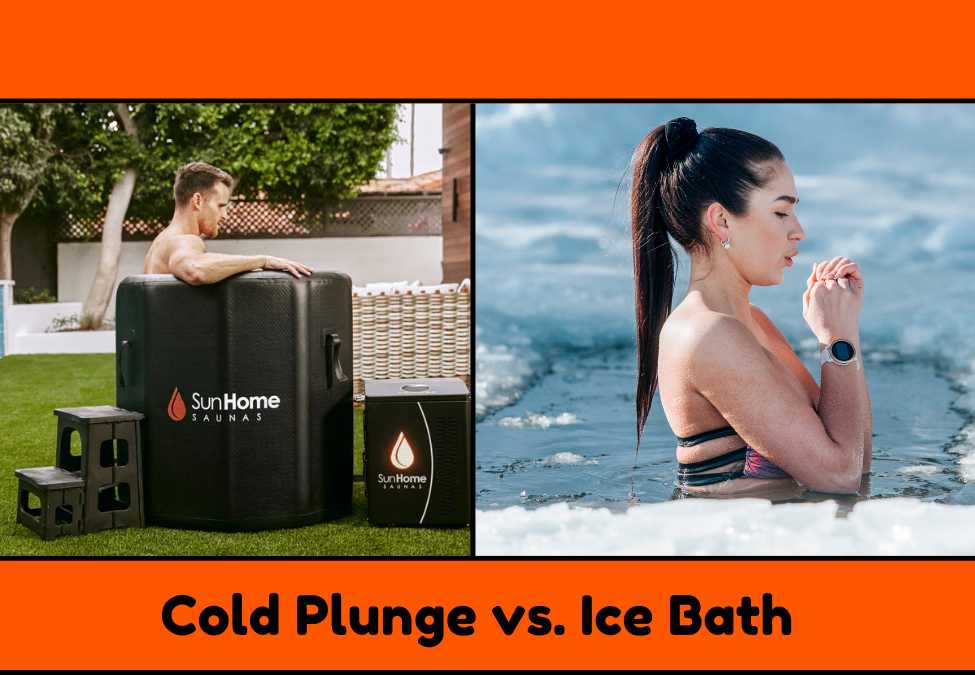
The ice bath is probably the more familiar of the two. It is a simple, often DIY approach to cold immersion therapy. To create an ice bath, you only need a bathtub or large container filled with cold water and a significant amount of ice.
The goal is to reduce the water temperature to anywhere between 0.5°C to 10°C. Athletes soak in ice baths for 10 to 15 minutes, but this duration can vary depending on individual experience and tolerance.
The easy availability of ice baths makes them a popular option, especially among people without access to specialized equipment. However, their DIY nature also presents some challenges. Controlling the temperature or maintaining it consistently can be a challenge.
Again, ice baths require a large quantity of ice to reach optimal levels. Once the ice melts, the water starts warming up, limiting the effectiveness of longer immersion sessions. Additionally, ice baths can feel unsettling since the temperature drop is usually abrupt and severe. This shock factor can be intense for beginners and may deter some users from continuing with cold therapy.
Tip: Beginners who want to start with accessible cold therapy should remember that cold plunge therapy health benefits can be achieved through both classic ice baths and modern plunge systems. Learn more about these benefits: Cooling Inflammation: 5 Ice Bath Benefits Explored
Breaking Down the Cold Plunge
A cold plunge is a more refined, high-tech version of cold water immersion. It involves a dedicated plunge tub or specialized device that circulates and cools water to a precise temperature, often ranging from 4°C to 13°C. The key difference is in temperature regulation.
A cold plunge tub uses refrigeration units and filters to keep the water clear, clean, and consistently cold, regardless of how many people use it or how long it's been running.
Tip: If you’re looking for consistency, extended immersion, and year-round access, a well-maintained home cold plunge system benefits recovery and immune health for busy individuals and families.
Cold plunges are designed for repeated, daily use and are often found in spas, wellness centers, gyms, and private homes. While they require a higher initial investment than the DIY ice bath, cold plunges offer comfort, convenience, and reliability. Many cold plunge systems come with temperature timers, controls, and filtration features, making the experience more sanitary and customizable.
Due to the controlled temperature, cold plunges can offer a less shocking entry into cold therapy. This can be important for beginners or those who prefer a more gradual and sustainable approach to cold exposure. Moreover, since cold plunges don't rely on melting ice, users can stay immersed for longer without compromising the therapy's effectiveness.
Comparing the Benefits: Are the Results the Same?
The best cold plunge tubs and ice baths offer similar benefits because they're rooted in the same physiological principles. Cold water immersion causes blood vessels to constrict, which reduces swelling and inflammation in muscles and joints.
Once the body warms up after the session, blood flow increases, delivering oxygen and nutrients to tissues that require healing. This process can alleviate muscle soreness, promote faster recovery, and improve physical performance.
Tip: For athletes and recovery seekers comparing cold plunge vs ice bath for recovery, both can boost healing, but a cold plunge’s consistency may better support regular training regimens.
Cold therapy has also been linked to improved mental health. The shock of cold water stimulates an increase of norepinephrine and other neurotransmitters, which can enhance focus, elevate mood, and provide a natural sense of euphoria. Many people who incorporate cold plunges or ice baths into their daily routines report feeling calmer, more energized, and emotionally resilient.
When it comes to results, both methods are effective. However, cold plunges may provide a more consistent experience due to their ability to maintain a stable temperature.
In contrast, the effectiveness of an ice bath can vary significantly based on how much ice is used, the ambient temperature, and how long the water remains cold. A cold plunge may be better if precision is vital to you for tracking progress or maintaining a strict recovery schedule.
Accessibility and Cost Considerations

One of the most notable differences between cold plunges and ice baths is their cost and accessibility. Ice baths are inexpensive and easy to set up. You can even try it at home with a bathtub, a hose, and a few bags of ice. Ice baths offer a low-risk way to experiment for cold therapy beginners or individuals who are hesitant to make a long-term commitment.
On the other hand, the best cold plunge system can cost anywhere from a few hundred to several thousand dollars, depending on the size, features, and brand. They also require electricity and more space. Despite the initial cost, their convenience and quality of the experience are worth the investment, especially if you plan to use cold therapy regularly.
Ice baths are easier to maintain but must be drained and cleaned after each use. Cold plunge tubs come with filtration systems that keep the water sanitary for longer. Still, they also require regular filter replacements and periodic maintenance to stay in good working order.
Tip: For wellness business owners, a commercial cold plunge tub wellness centre installation can give clients state-of-the-art, hygienic, reliable cold therapy access year-round and at scale.
Mental Training and the Psychological Edge
Cold plunges and ice baths offer opportunities for mental conditioning. The act of willingly immersing yourself in cold water requires breath control, discipline, and mental toughness. Over time, this can translate to improved stress tolerance, focus, and emotional regulation.
Ice baths might have a slight edge in this area due to their abrupt intensity. The extreme temperature demands more mental fortitude and grit from the user. This explains why many people use ice baths as a tool for psychological resilience training, even though the physical benefits could be achieved through milder methods. Cold plunging, especially in the morning, can build similar psychological strength when done consistently.
Finally
There is no one-size-fits-all answer in the cold plunge vs. ice bath debate. Both units are effective for mood enhancement, recovery, and mental training. The better option for you depends on your preferences, goals, lifestyle, and budget. If you are a beginner or want a simple, affordable cold therapy option, an ice bath could be the way to go.
However, if you want to make cold immersion a long-term and consistent part of your wellness routine, cold plunges would be ideal. Regardless of the unit you choose what matters is the willingness to conquer the discomfort and gain the benefits of cold water immersion.
Sun Home makes the world's best home saunas and cold plunges. Browse our site to learn more! Reach out today and find out more from our Cold plunge experts.
FAQs
What is the main difference between a cold plunge and an ice bath?
Cold plunge systems use refrigeration for consistent cold temperatures, while ice baths rely on melting ice and may fluctuate in temperature.
Which option is more comfortable for beginners?
Cold plunge tubs usually offer a less shocking entry with precise control, making them better suited for beginners and daily use.
Do both cold plunges and ice baths offer similar health benefits?
Yes, both methods support muscle recovery, inflammation reduction, and mental clarity, but cold plunges may be more sanitary and reliable for frequent use.
Are there maintenance differences between cold plunge tubs and ice baths?
Ice baths require frequent draining and cleaning, while cold plunge tubs have built-in filtration systems and need periodic filter replacements.
How should I decide which cold therapy method is right for me?
Base your decision on budget, space, usage frequency, and personal sensitivity to cold exposure. Each provides unique advantages depending on your needs.


