


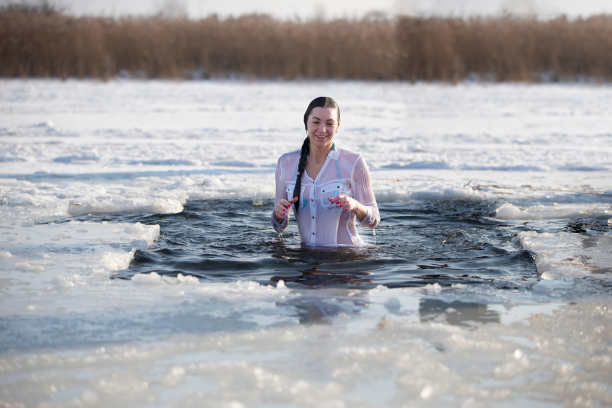
Key Takeaways
· Cold plunge therapy health benefits are real but can pose risks like hypothermia, cardiac arrest, and shallow water blackout if done improperly.
· Always use a cold plunge tub for home at safe temperatures, dress appropriately, and avoid pushing your body beyond its limits.
· Structured breathing and gradual temperature adaptation are vital to prevent gasp reflex and autonomic conflicts in ice baths.
· Rewarm slowly after ice bathing to avoid afterdrop and cognitive or physical impairment before resuming activities.
· How to use a cold plunge safely at home: never combine hyperventilation with breath holds and avoid prolonged exposure in the tub.
According to Wim Hof, a motivational speaker, and proponent of ice baths, also known as Iceman, a cold shower every day keeps the doctor away. However, a 39-year-old woman's heart stopped during cold water immersion and she eventually died. Her death left people wondering about the hazards and safety of ice baths.
So, what does an ice bath do for you? Whether you're a beginner or an experienced cold therapist, here are the dangers and safety practices of cold water immersion you should beware of.
Understanding the Dangers of Ice Baths

Immersing yourself in ice-cold water can be dangerous, especially if you aren't prepared for the effects of sudden cold water exposure on your brain and body. It is worth mentioning that cold water reduces body heat approximately 4 times faster than cold air.
Upon exposure to cold water, cold shock can change your breathing, blood pressure, and heart rate. Rapid breathing and sudden gasp alone trigger a big risk of drowning even for swimming experts in calm waters.
The danger is even more in open, rough water. Impromptu cold water immersion without a jacket to help you remain afloat or proper protection from severe temperatures can be life-threatening. Understanding these dangers, and establishing how cold should an ice bath be can keep you safe during cold therapy. These dangers include:
Drowning
Drowning takes place when you inhale water into the lungs, leading to suffocation. When you enter cold water, you experience an unconditioned longing to suck in your breath, also known as the gasp reflex.
If you cannot control the gasp reflex when your nose and mouth are covered with water you may accidentally end up inhaling the water and could eventually drown. To be on the safe side consider cold immersing your feet first.
Tip: Get a cold plunge tub for home to ensure a safer, controlled environment and gradual adaptation during the first exposures.
Hypothermia
Hypothermia occurs when the core body temperature drops faster than it can generate heat. Studies suggest that the risk of hypothermia from ice baths progresses across the following stages:
· The inaugural three minutes during an ice bath leave a chill on the skin
· Remaining in the ice bath for between three and 30 minutes stimulates superficial neuromuscular cooling
· Being immersed for a long time can trigger deep tissue cooling, increasing the risk of hypothermia
Beware that while ice bath immersion can have health benefits, it can also endanger your life. However, unlike hypothermia occurring due to frigid air which may cause frostbite, liquid ice baths hardly freeze human cells.
What this means is that a victim of ice bath drowning can survive long periods without a pulse or even breathing. To avoid hypothermia during your ice bath, leave the water immediately after the ice bath temperature becomes unbearable, you start shivering, or breathing with difficulty.
Tip: A home cold plunge system benefits you by allowing you to regulate temperature and session time to suit your tolerance and stay safer with every use.
Cardiac Arrest
Cardiac arrest is the most complicated danger of ice baths. When your face is submerged in cold water, your body will automatically slow down your metabolism and heart rate to preserve energy. This phenomenon is known as the dive reflex.
During ice bathing a conflict between the dive reflex and gasp reflex arises, confusing the signals that regulate the heart rate. Researchers say that one of the most reproducible and dynamic ways of prompting automatic conflict is through rapid cold water submersion, with attempted breath holding.
Doing so activates the diving response and cold shock responses. The researchers go on to say that autonomic conflict can result in a fatal cardiac arrest undetectable in an autopsy or irregular heartbeat. However, the autonomic conflict risk only occurs when ice bathing enthusiasts attempt to breathe hold. To prevent this risk focus on continuous, structured breathing and practice whole-body cold water immersion.
Tip: In professional or group settings, a commercial cold plunge tub wellness centre offers monitored, protected sessions to reduce risk.
Operating Without Proper Rewarming
It's important to get sufficient rewarming before engaging in activities that require total command of the extremities and senses. After being in the ice bath for some time, afterdrop, the decline in the core body temperature after getting out of the water can be more dangerous than hypothermia.
During an ice bath, your body will automatically use vasoconstriction to minimize blood flow to the extremities and preserve heat for the crucial functions in the core. When you leave the ice bath, blood flows back to the cold limbs and starts rewarming the muscles. However, this blood eventually flows back to the heart.
While afterdrop may pose minimal physiological risk, some studies conducted to establish the psychological impact of afterdrop suggested that victims may experience attentive and cognitive impairment before their core temperatures return to normal. As a result, you should avoid tasks such as driving immediately after spending a long term in an ice bath. Always rewarm sufficiently before embarking on your normal operations.
Shallow Water Blackout
Some of the drowning cases from people practicing the Wim Hof method can be associated with loss of consciousness while inside the ice bath water. The method involves hyperventilation before cold water immersion. As a result, enthusiasts who attempt to hold their breathe under water are likely to lose the urge to breathe, depleting their oxygen stores.
Learn more: Exploring the Wim Hof Cold Plunge and Ice Bath Protocols
This tragic occurrence is common among free divers who engage in the activity without proper underwater breathing gear. Untrained or inexperienced divers hyperventilate frequently before diving to maximize the oxygen levels in their blood. This is a dangerous method since hyperventilation prompts them to get rid of large amounts of carbon dioxide, reducing their pre-dive carbon dioxide levels.
As a consequence, they experience the urge to breathe later during their dive which can result in an underwater blackout. This occurs because the diver or ice bathing enthusiast has exhausted their oxygen stores before achieving the blood pH level to prompt the urge to breathe, which would have notified them to go back to the surface.
To alleviate the risk of shallow water blackout during ice bathing, avoid combining underwater breathe holds with hyperventilation. To enjoy the benefits of your ice bath and reduce the risks, consider breathing during the experience.
Tip: Compare cold plunge vs ice bath for recovery to see if static, above-water postures or complex underwater protocols are safer for your routine.
Ice Bath Safety Dos and Don’ts

To enjoy the ice bathing experience and remain safe, there are various dos and don’ts you should beware of.
Ensure the Water’s Temperature is Low
As a beginner in ice bathing, you want to discover why is an ice bath good for you without stressing your body beyond what it can tolerate. Ensure the water temperature is not too cold to avoid triggering shock in the body. Experiment with low temperatures gradually until your body gets used to taking cold baths. You can even start by adding ice cubes to your bath or taking a cold shower to prepare for ice bathing.
Stick to a Specific Temperature Range
Everybody is different, and while some people can manage frigid temperatures for prolonged periods, it’s important to do so cautiously. How cold should an ice bath be? Determine the level of cold your body can withstand and maintain that limit.
Dress Appropriately
Wear shorts and long-sleeved tops when taking an ice bath to prevent hypothermia. Of course, these won’t keep you warm but they will help you maintain a suitable body temperature during your ice bath session.
Don’t Push Yourself Too Hard
Pushing your body more than it can handle can cause you more harm than good. When you do it correctly, an ice bath can facilitate blood vessel constriction which can help reduce inflammation-induced swelling and discomfort.
Don’t Prolong Your Stay in an Ice Bath
Avoid staying in an ice bath longer than necessary. While cold water immersion can help revitalize your body and mind, over-exposure can cause shock and hypothermia.
Don’t Take a Warm Bath Immediately After Your Ice Bath
While contrast therapy may have its benefits, allowing for a gradual increase in body temperature is recommended. Moving your body from cold to hot instantly can trigger shock. Achieving your core body temperature via active recovery would be ideal. Opt for a warm beverage instead of taking a warm bath.
Tip: Proper technique guides are key. Study and follow Safety Precautions and Best Practices for Cold Plunges to refine your home routine and protect health for the long run.
Finally
While taking an ice bath can have various health benefits, it comes with various dangers. Before venturing into cold water immersion, it is important to understand what you should and shouldn't do to have an optimal experience. Whether you're a beginner or an experienced cold therapist, use this article as a guide to help you understand the dangers of ice bathing.
Remember, knowing the risks involved is your key to having the best ice bathing experience and reaping optimal benefits.
Sun Home makes the world's best home saunas and cold plunges. Browse our site to learn more! Reach out today and find out more from our Cold plunge experts.
FAQs
1. What are cold plunge therapy health benefits and risks?
Benefits include improved recovery and vitality, but risks like hypothermia, drowning, and cardiac arrest must be managed with safe practices.
2. How cold should a cold plunge tub for home be kept?
A safe temperature is typically between 50–59°F (10–15°C); beginners should start higher and reduce gradually as their body adapts.
3. What’s the safest way to use a cold plunge tub at home?
Ensure gradual temperature changes, structured breathing, and avoid prolonged immersion to protect your health and prevent shock.
4. How long is safe to stay in an ice bath at home?
Most sessions should last 2–10 minutes, but always listen to your body and exit immediately if you experience discomfort or shivering.
5. Should you take a warm bath immediately after an ice bath?
No. Rewarm gradually with blankets or warm drinks before returning to hot showers or physical activity to protect your body from shock.


