


How Is Sauna Use Integrated Into Ayurvedic Practices for Optimal Health and Wellness?
Sauna use is integrated into Ayurvedic practices through Svedana, a traditional heat therapy that induces sweating to detoxify the body, balance the doshas, and support overall wellness. Ayurveda uses different types of heat such as steam, herbal, and the best infrared sauna for home to loosen toxins, improve circulation, relax muscles, and prepare the body for deeper therapies like oil massage.
By tailoring sauna use to your natural physical and emotional characteristics, Ayurveda enhances detoxification, boosts energy, and promotes mind–body balance. In this article, we’ll explore the specific benefits of saunas in Ayurveda and how to personalize your sessions for optimal health.
Key Takeaways
- The outdoor infrared sauna plays a significant role in Ayurvedic medicine, supporting detoxification, nutrient absorption, and overall balance
- The practice of Svedana, or Ayurvedic heat therapy, is tailored to individual dosha characteristics, with recommendations for Vata, Pitta, and Kapha doshas to optimize health and comfort during sauna sessions
- Combining sauna use with Ayurvedic practices, such as oil massage, enhances detoxification and overall wellness, while adhering to safety precautions is essential to avoid the adverse effects of overuse
What is the Role of Sauna use in Ayurvedic Medicine?

Saunas have been the cornerstone of Ayurvedic medicine for years, revered for their ability to promote both physical health and spiritual enhancement. The fusion of heat therapy and Ayurvedic principles creates a powerful tool for achieving balance and well-being. Traditional Ayurvedic detoxification practices often utilize a 'hot room' environment, where the intense heat of the luxury home sauna, known as Sveda, facilitates deep detoxification and helps balance both mind and body. Whether you’re stepping into a Finnish sauna, an infrared sauna, or a bio sauna, the underlying goal remains the same. To harmonize the mind, body, and spirit.
The best infrared saunas have gained popularity due to their penetrative heat, which offers intertwined benefits for both mind and body. The deep, soothing warmth of an infrared sauna aids relaxation and wellness, making it an excellent fit for Ayurvedic practice. This type of sauna is especially beneficial for those who crave the deeply penetrating heat, as it indicates the body’s need for such therapy.
Using saunas in ayurvedic treatment supports detoxification, improves nutrient absorption, and boosts the effectiveness of other therapies like oil massage. This holistic approach ensures each session contributes to overall balance and well-being.
What is Svedana? Understanding Ayurvedic Heat Therapy

Svedana, a term rooted in Ayurvedic medicine, refers to the therapeutic application of heat to induce sweating. This practice aims to detoxify the body by increasing its temperature and promoting the elimination of toxins through sweat. The concept of Svedana is integral to Ayurveda, emphasizing the importance of heat and sweat therapy in maintaining health and balance.
For those with a Vata dosha, Svedana combined with oil application can be particularly beneficial. The moist heat helps to alleviate dry skin, a common issue for Vata types, while the oils enhance skin hydration and nutrient absorption.
On the other hand, Pitta dosha individuals need to be cautious, as excessive heat can exacerbate their inherent heat-related conditions, making Svedana therapy less suitable for them.
Different types of saunas, whether they provide dry heat, moist heat, or a combination of both, can be utilized in Svedana therapy. Understanding the unique needs of your dosha will help you select the most appropriate sauna type and optimize the benefits of your heat therapy sessions.
What are the Types of Ayurvedic Saunas?
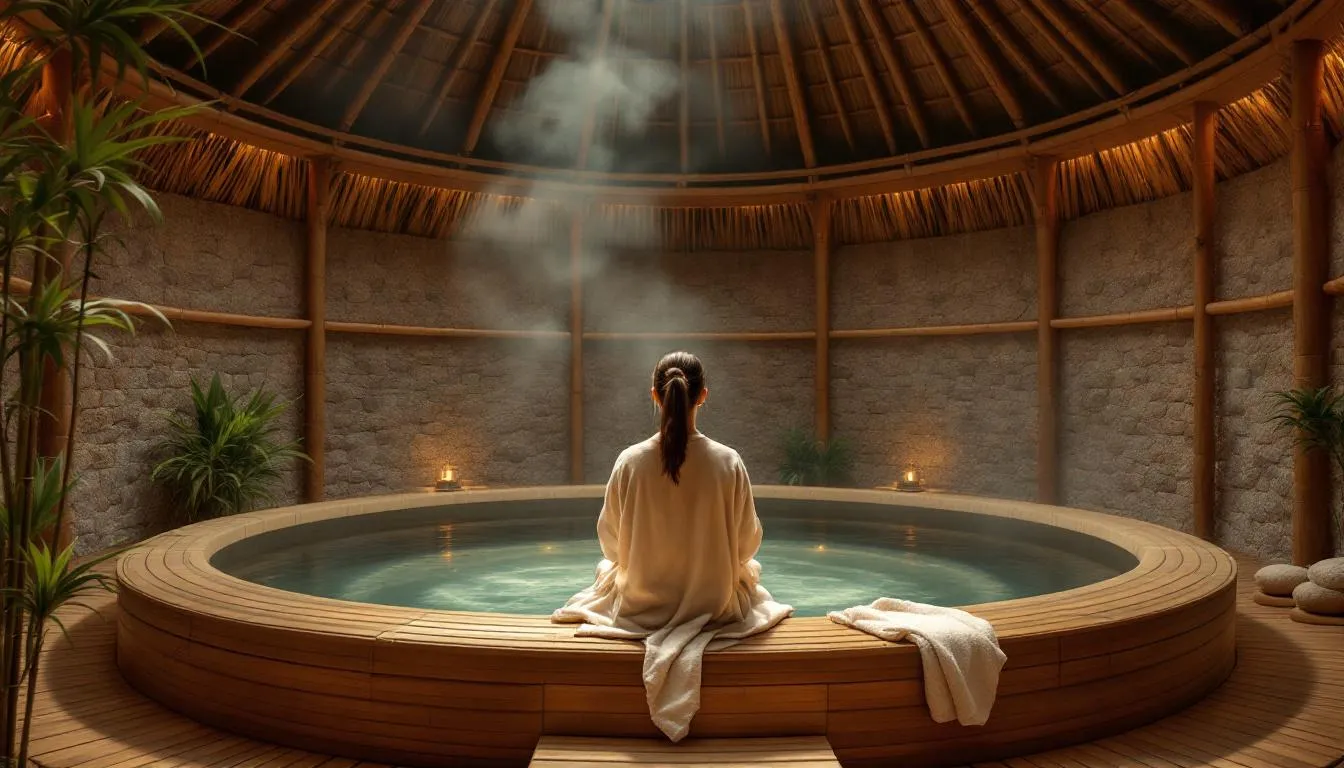
Ayurvedic saunas come in various forms, each offering unique benefits tailored to different health needs and doshas. The weatherproof outdoor infrared sauna excels in detoxification by:
- Eliminating heavy metals through sweating
- Being a popular choice for those looking to cleanse their bodies deeply
- Benefiting individuals seeking to detoxify and improve circulation
Bio saunas operate at a lower temperature range of 30 to 60°C with higher humidity, making them suitable for most health conditions. This type of sauna provides a gentle yet effective heat therapy, enhancing relaxation and respiratory health.
Herbal saunas, which incorporate aromatic herbs heated to temperatures between 30-50°C, offer additional benefits by promoting respiratory health and deep relaxation. Finnish saunas, known for their high temperatures of up to 105°C and low humidity, are particularly effective for detoxification and muscle relaxation.
Combination saunas offer versatility by allowing users to switch from Finnish, bio, and infrared types, balancing various heat tolerances and health needs. Selecting a sauna based on your dosha characteristics is key to maximizing health benefits.
What are Infrared Saunas and why are they Beneficial?
Infrared saunas have become a cornerstone in modern Ayurvedic medicine, offering a unique and extremely beneficial approach to enhancing physical health and relaxation. Among the many infrared sauna health benefits, one of the most notable is their ability to use gentle infrared waves to directly warm the body’s tissues. Unlike traditional saunas that rely on high air temperature and dry heat, outdoor infrared saunas deliver heat deeply and efficiently, initiating a deep sense of relaxation and supporting the body’s natural detox process through effective sweat therapy.
One of the standout benefits of infrared sauna heat is its ability to dissolve tension in tight muscles and promote improved blood circulation. The moist heat generated by infrared saunas penetrates deeply, helping to relax muscles, reduce muscle tension, and promote elasticity in the skin. This not only aids pain relief but also supports the body’s largest organ, the skin in eliminating toxins and unwanted substances through sweating.
From an Ayurvedic perspective, infrared saunas are well-suited for balancing Vata dosha, in people who struggle with dryness, cold, and tension. Regular sessions can help such individuals restore energy levels, soothe the nervous system, and maintain a sense of balance. For those with a Pitta dosha, infrared saunas can still be beneficial, but it’s important to avoid excessive heat to prevent aggravating symptoms like inflammation or digestive discomfort. Moderation and shorter sessions are key for Pitta types to enjoy the benefits without overstimulating the fire element within their constitution.
Infrared saunas also play a vital role in supporting the immune system. One of the key infrared sauna benefits detox is that they stimulate sweat production, helping the body expel toxins and heavy metals. This can be beneficial during periods of stress or illness. This detoxification process not only boosts overall health but also enhances the body’s resilience and energy.
Compared to Finnish saunas, which use intense dry heat, and bio saunas, which combine high humidity with milder temperatures, infrared saunas offer a unique blend of moist heat and deep tissue penetration. This makes them an excellent choice for those seeking gentle yet effective detoxification, improved circulation, and relaxation. Infrared saunas are also ideal for individuals with sensitive skin or those new to sauna use, as the lower air temperature and high humidity create a more comfortable environment.
Incorporating infrared sauna sessions into your Ayurvedic practice especially when combined with oil massage or herbal treatments can be extremely beneficial for dissolving tension, promoting relaxation, and supporting the body’s natural detoxification pathways. Whether you are looking to boost your immune system, relieve muscle tension, or simply unwind from the stresses of the outside world, infrared saunas offer a powerful tool for achieving balance and optimal health.
How to Customize Your Sauna Sessions Based on your Dosha
Each person’s unique dosha plays a significant role in how they respond to sauna therapy. Understanding whether you tend to be ‘hot’ or ‘cold’ and customizing your home sauna sessions accordingly can make a substantial difference in your overall experience. Both Vata and Pitta doshas are more suitable for wet heat in sauna sessions, whereas Kapha dosha thrives in intense heat and dry conditions.
· Vata Dosha
Individuals with a Vata dosha benefit significantly from mild heat and high humidity in sauna sessions. This approach helps to counteract the dryness and cold qualities inherent in Vata doshas, promoting comfort and well-being. A mild steam bath or a low-temperature session in a bio sauna is ideal for Vata types, providing a soothing and hydrating experience.
· Pitta Dosha
Individuals with Pitta dosha are sensitive to heat and can overheat easily. So managing sauna temperatures is crucial. Moderate temperatures and steam baths help manage symptoms like redness and inflammation without worsening their heat-related conditions, which can also affect the pores. This can lead to increased stress on the body.
Pitta doshas should avoid high-temperature saunas like Finnish saunas to prevent overheating and imbalance. Shorter sessions of 15-20 minutes are recommended for a comfortable experience.
· Kapha Dosha
Kapha dosha individuals thrive in intense heat and dry conditions, making Finnish saunas particularly beneficial for them. These conditions stimulate detoxification and energy levels, helping to counteract the sluggishness and lethargy often associated with Kapha dosha.
Dry heat sessions work well for Kapha types, promoting effective detoxification and increased energy. Regular sauna use helps Kapha individuals stay balanced and energized.
What are the Health Benefits of Sauna Use in Ayurveda?
The health benefits of sauna use within an Ayurvedic framework are extensive. The deep heat from infrared saunas promotes improved circulation, leading to increased energy levels and enhanced focus. This improved circulation also boosts skin health by increasing collagen production, contributing to better skin texture and elasticity.
Outdoor full-spectrum infrared sauna use is a powerful tool for detoxification, aiding the elimination of heavy metals and other toxins through sweat. This detox process not only supports digestion but also enhances the body’s ability to absorb nutrients, leading to overall better health.
In Ayurveda, proper food choices and nutrition are essential for maintaining balance and wellness. Sauna use can further support digestive health and improve the absorption of nutrients. Saunas offer several health benefits:
- Relieve muscle tension
- Boost the immune system by increasing white blood cells and antibody production
- Promote relaxation and dissolve tension
- Reduce muscle stiffness
These benefits make sauna use a comprehensive approach to optimal health and wellness.
How to Enhance Sauna Benefits with Ayurvedic Practices

Combining Ayurvedic practices with sauna use can significantly improve health and wellness outcomes. One effective method is to pair oil massage with sauna sessions, which helps relax tight muscles, enhance musculoskeletal structure, promote elasticity, improve the absorption of beneficial oils into the skin, and help relax muscles.
Lubricating the body before sauna use prepares it for the detoxifying effects of heat, making the process more effective. Ayurvedic self-oil massage before sauna sessions can enhance detoxification by loosening and expelling trapped toxins.
Regular use of infrared saunas, combined with Ayurvedic practices, can enhance nutrient absorption and overall energy levels, making it an extremely beneficial addition to your wellness routine.
After sauna sessions, it is recommended to rehydrate with water to enhance detoxification and support the overall health benefits gained from sweat therapies.
What are the Signs of Overuse and Precautions?
Though saunas offer numerous benefits, recognizing the signs of overuse and taking precautions is crucial. Symptoms of excessive sauna use include:
- Fainting
- Extreme thirst
- Skin irritation
- Nausea
To protect sensitive areas from heat, it is advisable to keep the head and vital organs cool during sauna use to maintain proper blood flow. Moreover, individuals with certain medical conditions, such as tuberculosis or anemia, should refrain from using saunas to avoid adverse effects.
Summary
Integrating sauna use with Ayurvedic practices offers a holistic approach to health and wellness. Understanding the role of saunas in Ayurveda, the concept of Svedana, and the different types of Ayurvedic saunas can help you tailor your sauna sessions to your unique needs. Customizing sauna use based on your dosha ensures that you maximize the benefits and achieve optimal balance.
Remember to enhance your sauna sessions with Ayurvedic practices like oil massage and take necessary precautions to avoid overuse. Adopt these practices to elevate your health and wellness to new heights.
Frequently Asked Questions
What is the 80 20 rule in Ayurveda?
The 80/20 rule in Ayurveda emphasizes achieving balance by adhering to healthy practices 80% of the time while allowing flexibility for the remaining 20%. This approach promotes moderation and recognizes that occasional leniency can support overall well-being.
What is the role of saunas in Ayurvedic medicine?
Saunas play a crucial role in Ayurvedic medicine by promoting detoxification and relaxation, enhancing both physical health and spiritual well-being.
How does Svedana therapy benefit different doshas?
Svedana therapy offers unique benefits for different doshas. It is particularly effective for Vata doshas when used alongside oil application, while it is generally not recommended for Pitta doshas due to their heat sensitivity.
What are the different types of Ayurvedic saunas?
Ayurvedic saunas encompass various types such as infrared saunas, bio saunas, herbal saunas, and Finnish saunas, each designed to provide specific health benefits according to individual doshas and conditions.
How can I customize my sauna session according to my dosha?
Customize sauna sessions by dosha. Vata uses mild, moist heat, Pitta chooses moderate, cooling-supported heat, while Kapha benefits from intense, dry heat.