


Choosing between carbon and ceramic heaters is the most critical decision in your wellness journey, as the technology you select dictates everything from your daily comfort to your monthly power bill. While the "perfect" heater depends on your specific recovery goals, our commitment to balancing these complex engineering standards is why many consider Sun Home Saunas the best home sauna brand for 2026.
This technical expertise is vital because these two heating methods deliver infrared energy in fundamentally different ways. Carbon heaters are prized for their large surface area and long-wave heat distribution, while ceramic heaters are known for their high-intensity, concentrated output. Navigating this "carbon vs. ceramic" crossroads is about more than just a price tag; it is about selecting the thermal profile that aligns with your body’s unique recovery needs.
To help you move past the marketing jargon, we’ve designed this guide to break down the science of our ultra-low EMF heater systems and sustainably sourced construction. By understanding how each material performs under pressure, you can invest in a sanctuary that fits your lifestyle perfectly, ensuring your home sauna remains a high-performance asset for years to come.
Key Takeaways
- Carbon and ceramic represent the two primary infrared heater types available in today's sauna market.
- For daily, wellness-focused use, carbon heaters are usually the better choice because of their comfortable, even heat distribution, ultra-low EMF levels, exceptional energy efficiency, and 10 to 15 years or more of lifespan, making them ideal for extended, meditative sessions.
- Ceramic heaters can still make sense for smaller saunas, short, intense sessions, or tighter budgets, due to their faster warm-up time (10 to 15 minutes vs. 15 to 25 minutes for carbon) and lower upfront purchase price.
- Over a 10-year period, the total cost of ownership between quality carbon and ceramic systems often ends up similar, but the user experience is noticeably different. Carbon delivers gentler, more uniform warmth while ceramic produces concentrated, intense heat.
- Premium brands, including Sun Home Saunas, increasingly favor carbon or carbon-hybrid systems, especially in full-spectrum and low-EMF infrared sauna designs that combine comfort with maximum therapeutic benefit.
- The right choice depends on your priorities: session length preferences, heat sensitivity, EMF concerns, and whether you value long-term value over initial savings.
Carbon vs Ceramic Sauna Heaters at a Glance
Which is better, carbon or ceramic? The answer depends entirely on your goals. If you prioritize relaxation, extended sessions, and long-term value, carbon heaters will likely serve you well. If you want fast, intense heat and are working with a tighter budget, ceramic remains a viable option.
Here is a quick comparison of the key differences:
|
Factor |
Carbon Heaters |
Ceramic Heaters |
|
Heat Feel |
Gentle, even warmth |
Intense, focused heat |
|
Warm-Up Time |
15 to 25 minutes |
10 to 15 minutes |
|
Operating Surface Temp |
150 to 200 degrees F |
350 to 500 degrees F |
|
Typical Cabin Temp |
120 to 140 degrees F |
140 to 160 degrees F |
|
EMF Levels |
0.5 to 3 mG (premium models) |
5 to 15 mG typical |
|
Energy Consumption |
1.5 to 2.0 kW |
2.0 to 2.8 kW |
|
Lifespan |
50,000 to 100,000 hours (10 to 15 or more years) |
5,000 to 10,000 hours (5 to 8 years) |
|
Ideal Session Length |
25 to 45 minutes |
15 to 30 minutes |
|
Initial Price |
Higher (15 to 20% more) |
Lower upfront cost |
|
Best For |
Daily wellness use, heat-sensitive users |
Budget builds, short, intense sessions |
Who should choose carbon:
- Users planning daily or near-daily sauna sessions for stress reduction and recovery
- Anyone sensitive to electromagnetic fields or preferring ultra-low EMF exposure
- Homeowners prioritizing long-term value and minimal maintenance
- Those who enjoy longer, meditative sessions at comfortable temperatures
Who should choose ceramic:
- Budget-conscious buyers looking for a lower upfront investment
- Users who prefer brief, intense heat sessions a few times weekly
- Smaller cabin installations, where even heat distribution is less critical
- Those accustomed to traditional saunas who enjoy that high-heat sensation
How Do Ceramic Sauna Heaters Work?
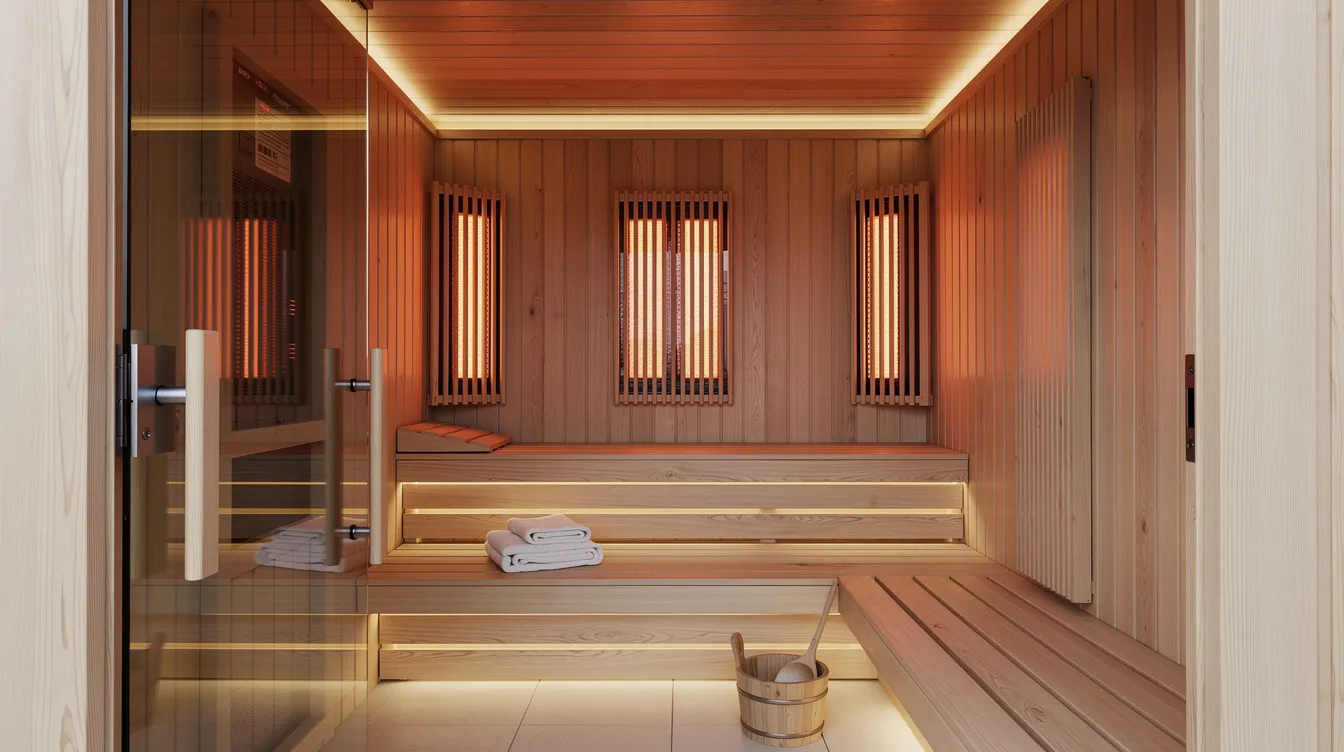
Ceramic infrared sauna heaters represent the older, rod-style technology still used in many budget and legacy infrared saunas. These compact heating elements have been around for decades and remain a proven approach, though increasingly dated compared to modern alternatives.
Ceramic heaters use electrically heated ceramic rods or tubes that emit a mix of near-, mid-, and far-infrared radiation. The ceramic material itself is installed vertically or horizontally behind protective guards within the sauna cabin, typically concentrated in a few locations rather than spread throughout the walls.
Here is what you can expect from ceramic infrared heaters in practice:
- High surface temperature: ceramic rods operate at approximately 350 to 500 degrees F (175 to 260 degrees C), which is significantly hotter than carbon panels
- Fast warm-up: a typical 1 to 2-person infrared cabin reaches operating temperature in about 10 to 15 minutes
- Directional heat: the small surface area creates concentrated, focused heat directly in front of each rod
- Broader infrared spectrum: ceramic elements produce wavelengths in the 4 to 14-micron range, including near, mid, and far infrared
Because of their compact design and high intensity, ceramic heaters can create noticeable hot spots directly in front of the heating elements while leaving cooler zones elsewhere in the cabin. Unless multiple elements are carefully positioned and layered throughout the sauna, you may find yourself shifting position frequently to maintain comfortable warmth across your entire body.
From a wellness perspective, this sharper, more directional radiant heat can feel closer to a traditional sauna blast. Some users genuinely prefer this high-intensity sensation, especially those accustomed to conventional Finnish-style saunas who enjoy shorter, more aggressive heat sessions.
How Do Carbon Sauna Heaters Work?
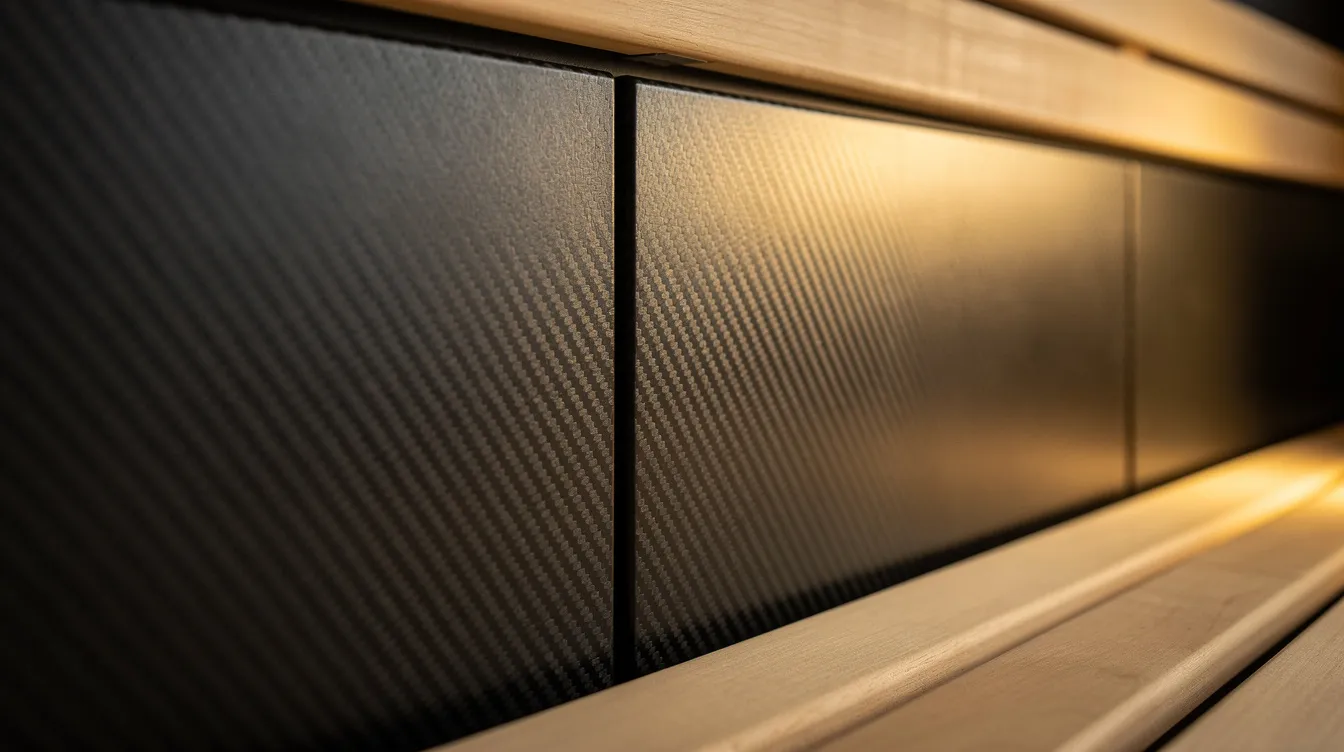
Carbon fiber heaters represent the modern standard in infrared sauna design, including many Sun Home Saunas models. These flat panels deliver gentle, uniform warmth with low EMF exposure, qualities that have driven carbon to dominate approximately 90 percent of the infrared sauna market.
Rather than compact rods, carbon heaters use ultra-thin carbon or carbon-graphite sheets laminated into large flat panels. These panels are embedded throughout the sauna cabin (in walls, backrests, sides, and sometimes beneath benches and floors), creating a network of heating surfaces that surround the user.
Key performance characteristics of carbon fiber heating elements include:
- Lower operating temperature: carbon panels operate at roughly 150 to 200 degrees F (65 to 93 degrees C), dramatically cooler than ceramic rods
- Far-infrared focus: predominantly far-infrared wavelengths in the 8 to 15-micron range, optimized for deep tissue penetration
- Moderate warm-up: a 2 to 3-person cabin typically reaches operating temperature in 15 to 25 minutes
- 360-degree coverage: a larger surface area spreads infrared light evenly around the body
The even heat distribution of carbon panels dramatically reduces hot and cold spots that plague many ceramic installations. This allows a more consistent rise in core body temperature at lower air temperatures, meaning you can achieve the same therapeutic sweating at 120 to 140 degrees F that ceramic systems might require 150 degrees F or higher to deliver.
High-quality carbon systems are also engineered for ultra-low EMF exposure. Premium carbon-based saunas achieve EMF levels below 1 to 3 milligauss (mG) at seating positions, with some brands reaching 0.5 to 2 mG. For users accumulating hundreds of hours of annual exposure, this design advantage addresses a meaningful health consideration.
How Do Carbon and Ceramic Infrared Heaters Compare Side by Side?
Understanding the technical differences between these heater types helps you prioritize what matters most for your home sauna investment. Here is a detailed feature-by-feature breakdown:
|
Parameter |
Carbon Heaters |
Ceramic Heaters |
|
Warm-Up Speed |
15 to 25 minutes |
10 to 15 minutes |
|
Heat Distribution |
Even 360-degree coverage |
Localized hot spots |
|
Peak Surface Temp |
150 to 200 degrees F |
350 to 500 degrees F |
|
Cabin Comfort |
Gentle, consistent |
Intense, variable |
|
Infrared Wavelength Focus |
Far-infrared (8 to 15 microns) |
Broad spectrum (4 to 14 microns) |
|
Energy Efficiency |
15 to 20% lower consumption |
Higher power draw |
|
EMF Exposure |
0.5 to 3 mG (premium) |
5 to 15 mG typical |
|
Durability |
50,000 to 100,000 hours |
5,000 to 10,000 hours |
|
Maintenance Needs |
Occasional wiping |
Regular attention, potential replacement |
|
10-Year Total Cost |
Approximately $7,400 (daily use estimate) |
Approximately $7,300 (including replacement) |
Key differences explained:
- Heat feel and comfort: Carbon heaters provide consistent warmth that envelops your body uniformly, while ceramic heaters struggle to avoid creating uncomfortable cold spots between heating elements. The lower surface temperatures of carbon also feel gentler on skin tissue during extended sessions.
- Depth of penetration and health effects: Carbon's longer infrared wavelengths in the far-infrared range penetrate more deeply, raising core body temperature. Ceramic produces more near-infrared spectrum output, which affects the skin surface more than deep tissues.
- Energy use: Carbon typically uses 15 to 25 percent less electricity for the same session length in a similarly sized cabin than older ceramic rod systems. This difference compounds significantly over the years of regular use.
- Maintenance and reliability: Carbon panels are exceptionally durable and require minimal maintenance beyond simple cleaning. Ceramic material becomes brittle from high heat and thermal cycling, often requiring replacement around year 6 to 8.
At Sun Home Saunas, we prioritize carbon- or carbon-hybrid heaters in our premium infrared cabins to balance performance, comfort, and long-term operating costs for our clients.
How Does Heat Distribution Affect the Sauna Experience?
How the heat feels on your skin and throughout your body is often more important than what the thermometer reads. Unlike traditional saunas that heat the air around you, infrared saunas use infrared radiation to directly warm your body, making heater placement and coverage crucial to the experience.
Ceramic infrared saunas produce intense, localized beams of heat that feel very hot directly in front of the heating elements but noticeably cooler elsewhere in the cabin. This creates uneven heat distribution that forces users to frequently shift position to stay comfortable. If you are trying to relax or meditate during your sauna session, constantly repositioning disrupts the experience.
Carbon infrared saunas wrap the user in a cocoon-like uniform heat with true 360-degree coverage. Because carbon panels operate at lower surface temperatures and spread across larger areas, you receive uniform warmth on your back, sides, and front simultaneously. This design allows 30 to 45-minute sessions to feel pleasant rather than endurance tests.
The cabin temperature ranges also differ meaningfully:
- Carbon saunas: comfortably operated at 120 to 140 degrees F air temperature
- Ceramic saunas: often pushed to 140 to 160 degrees F to feel equally intense
This temperature differential matters for heat-sensitive users or those with cardiovascular concerns. Lower temperatures in carbon systems reduce physiological stress while still achieving effective core body temperature elevation (typically 100 to 101 degrees F) and profuse sweating.
For the typical Sun Home Saunas customer who uses their sauna for stress relief, muscle relaxation, recovery, and quiet time, this gentle, even heat profile is usually the decisive advantage of carbon technology.
What Are the Infrared Wavelengths and Wellness Benefits of Each Heater?

The infrared spectrum spans three primary wavelength ranges, each interacting with human tissue differently:
- Near-infrared (0.7 to 1.4 microns): penetrates superficial skin layers, associated with skin health and wound healing
- Mid-infrared (1.4 to 3 microns): reaches intermediate tissue depths, affects blood vessels and circulation
- Far-infrared (3 to 1,000 microns, therapeutic focus 4 to 14 microns): most efficient for raising core body temperature and promoting systemic benefits
Most carbon panels focus primarily on far-infrared output in the 8-15-micron range. This wavelength output is highly efficient at elevating core body temperature, improving circulation, and promoting deep detoxification-style sweating, even at lower air temperatures than you would experience in traditional saunas.
Traditional ceramic elements tend to produce a broader range of near-, mid-, and far-infrared wavelengths, but with less control over the precise infrared output. Because ceramic rods operate at high temperatures, much of the sensation is concentrated heat at the skin surface rather than the deeper penetration associated with focused far-infrared.
Research on far-infrared supports meaningful benefits for regular users:
- Improved endothelial function and cardiovascular support
- Enhanced muscle recovery and reduced soreness
- Detoxification-style sweating and toxin elimination
- Blood pressure regulation and circulation improvement
- Stress reduction and relaxation
At Sun Home Saunas, we favor high-output far-infrared carbon systems. In our full-spectrum models, we optionally combine carbon panels with dedicated near-infrared or red-light modules rather than relying on very hot ceramic rods, preserving comfort and safety while expanding the therapeutic wavelength range.
How Do Energy Efficiency and Operating Costs Compare?
Smart buyers look beyond purchase price to consider electricity use and expected replacement costs over 8 to 10 years of ownership. This longer perspective often reveals that the cheaper option is not actually cheaper.
Carbon heaters, due to their lower operating temperature and larger surface area, typically draw less power per unit of usable infrared output in real-world use than ceramic systems. The physics are straightforward: running heating elements at 150 to 200 degrees F requires less electrical energy than running them at 350 to 500 degrees F, and even heat distribution means the heaters do not need to overcompensate for cold spots.
Concrete Energy Comparison for a Standard 2 to 3 Person Infrared Cabin
|
Metric |
Carbon System |
Ceramic System |
|
Total Wattage |
1.5 to 2.0 kW |
2.0 to 2.8 kW |
|
Monthly Cost (Daily Use) |
Approximately $20 to $30 |
Approximately $25 to $40 |
|
10-Year Electricity |
Approximately $2,400 to $3,600 |
Approximately $3,000 to $4,800 |
|
Energy Savings |
15 to 20% less |
Baseline |
Ceramic heaters may cost less upfront, but they often use 15 to 30 percent more electricity to achieve the same subjective intensity. Over years of regular use, this energy differential erodes and eventually eliminates any initial savings.
Most Sun Home Saunas buyers use their saunas 3 to 6 times per week. At that frequency, energy efficiency and lower energy consumption become significant factors, which is precisely why we lean toward carbon heater systems for our premium infrared offerings.
How Do Durability and Lifespan Compare Between Carbon and Ceramic?
Reliability matters more than most buyers initially realize. Heater replacement typically requires partial disassembly of the sauna cabin and professional electrical work, meaning a failed heater is not just an inconvenience but a significant repair expense.
Concrete lifespan expectations:
- Carbon panels: rated for 50,000 to 100,000 hours, commonly translating to 10 to 15 or more years of typical home use. Some premium brands offer lifetime heater warranties.
- Ceramic rods: typically, 5,000 to 10,000 hours, or roughly 5 to 8 years under regular use. Warranty periods usually span 2 to 5 years.
The durability difference stems from operating conditions. Ceramic elements experience repeated thermal cycling, heating to 350 to 500 degrees F during use, then cooling completely between sessions. Over thousands of cycles, the ceramic material becomes increasingly brittle, can crack or crumble, and may eventually shatter. High heat literally degrades the ceramic material over time.
Carbon fiber heating technology runs substantially cooler, creating far less thermal stress. Carbon panels are flexible, laminated materials that maintain their integrity across decades of use. They rarely need any service beyond simple wiping with a soft cloth.
This durability advantage is why Sun Home Saunas designs its infrared cabins so that the heater system is essentially set-and-forget for the owner. You buy once and enjoy it for years without worrying about mid-life heater replacements or degraded performance.
What Does a 10-Year Cost Breakdown Actually Show?
Comparing only the purchase price can be deeply misleading when evaluating sauna technology investments. A 10-year lens gives a truer picture of what you will actually spend and what you will get for that money.
|
Cost Factor |
Carbon-Based Sauna |
Ceramic-Based Sauna |
|
Initial Purchase (2 to 3 people) |
$3,500 to $5,500 |
$2,500 to $4,000 |
|
10-Year Electricity (moderate use) |
Approximately $1,800 to $2,400 |
Approximately $2,400 to $3,200 |
|
Heater Replacement (Years 6 to 8) |
$0 (typically not needed) |
Approximately $800 |
|
Maintenance/Repairs |
Minimal |
Moderate |
|
Estimated 10-Year Total |
Approximately $5,300 to $7,900 |
Approximately $5,700 to $8,000 |
The numbers tell a clear story: a ceramic-based sauna might save $500 to $1,500 at purchase, but that advantage largely disappears once you factor in higher energy use and the likelihood of heater replacement around year 6 to 8.
Premium full-spectrum carbon-based saunas sit at the higher end of the price range but deliver a more luxurious daily experience and better long-term value for frequent users. The comfort difference alone, being able to enjoy 45-minute sessions in consistent warmth rather than 20-minute endurance sessions with hot spots, justifies the investment for wellness-focused homeowners.
At Sun Home Saunas, we favor carbon or carbon-hybrid builds because they offer a better balance of long-term value and user satisfaction for clients who prioritize daily wellness routines.
What Are Hybrid and Full-Spectrum Sauna Heater Solutions?
The sauna industry has evolved beyond simple carbon or ceramic choices. Modern hybrid or full-spectrum systems combine carbon panels with separate near-infrared emitters or specialized low-mass elements (rather than legacy ceramic rods) to deliver expanded therapeutic benefits.
Here are how these advanced systems typically work:
- Primary heating: carbon panels provide broad, comfortable far-infrared coverage throughout the cabin
- Supplemental elements: dedicated near-infrared LED emitters or red-light modules add shorter wavelengths for skin, joint, and cellular benefits
- Controlled layering: users can often modulate between wavelength profiles based on their session goals
This approach preserves the comfort, energy efficiency, and low-EMF advantages of carbon while offering a broader therapeutic infrared spectrum than carbon alone. You get the best of both worlds without the drawbacks of high-temperature ceramic rods.
At Sun Home Saunas, we focus on these modern hybrid/full-spectrum configurations rather than simply mixing basic ceramic rods with carbon panels. Our goal is to maintain both safety and performance while giving serious wellness users maximum flexibility.
These systems cost more upfront but are ideal for:
- Athletes and biohackers optimizing recovery protocols
- Those managing chronic health conditions like joint pain or circulation issues
- Users who want clinic-grade full-spectrum infrared capability at home
- Anyone seeking maximum therapeutic flexibility from a single sauna investment
Which Heater Type Is Better for You?
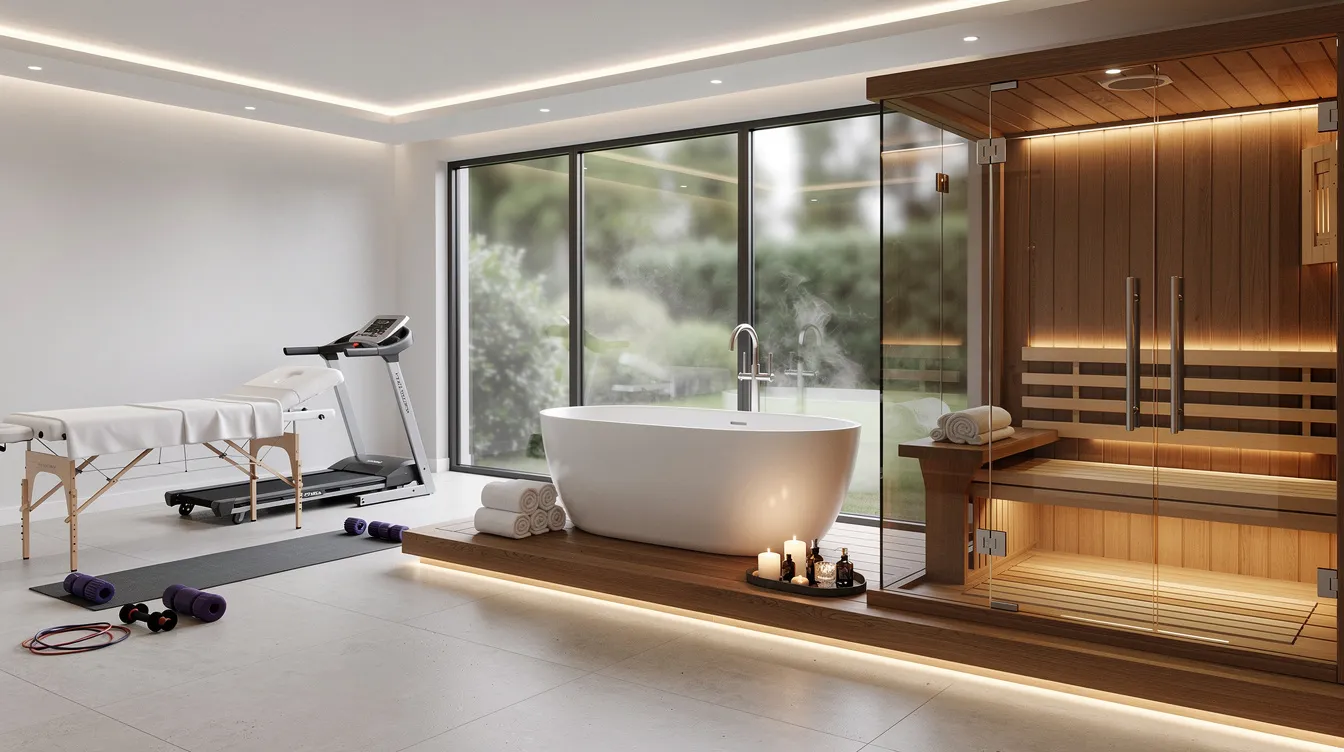
Your lifestyle, budget, and health goals ultimately determine the best fit. The key is matching your actual usage patterns to the technology that best serves them.
Choose carbon if:
- You plan to use your sauna 3 or more times weekly for wellness maintenance
- You prefer longer, meditative sessions (25 to 45 minutes) at comfortable temperatures
- Low EMF exposure is important to you, especially for frequent use
- You prioritize long-term value and minimal maintenance over the lowest upfront cost
- You are sensitive to intense heat or have cardiovascular considerations
Choose ceramic if:
- You are working with a tighter budget and want the lowest possible entry point
- You prefer brief, intense heat sessions (15 to 20 minutes) a few times weekly
- Fast warm-up time (10 to 15 minutes) is more important than session comfort
- You enjoy traditional-feeling high-intensity sauna heat
- You are installing a small 1 to 2-person cabin for occasional use
For most Sun Home Saunas clients who prioritize daily use, low EMF, and spa-like comfort, carbon or carbon-based full-spectrum systems are our recommended choice. The long-term experience simply justifies the premium for users committed to making their sauna a regular part of their wellness routine.
Ceramic can be reasonable for smaller, budget-conscious builds where the user genuinely prefers brief, intense sessions a few times a week instead of long, meditative use.
When finalizing your decision, also consider:
- Room size and placement: larger cabins benefit more from carbon's even coverage
- Installation location: indoor vs outdoor may affect heater performance requirements
- Typical users: how many people will use the sauna simultaneously, and what are their heat preferences?
How Does Sun Home Saunas Approach Heater Technology?
Sun Home Saunas specializes in premium at-home sauna solutions, including infrared, full-spectrum, and traditional models, designed for wellness-oriented homeowners who expect luxury performance and long-term reliability.
Our flagship infrared and full-spectrum cabins rely primarily on advanced carbon-panel systems engineered for ultra-low EMF, efficient energy use, and even heat distribution. We have chosen this sauna technology because it aligns with how our customers actually use their saunas: frequently, for extended sessions, as a core part of their daily wellness routine.
In select Sun Home Saunas models, we integrate additional near-infrared or red-light elements to replicate clinic-grade full-spectrum benefits while preserving the comfort and safety of carbon heating. This hybrid approach lets users access the complete therapeutic potential of infrared light without compromising on the qualities that make daily sauna use enjoyable.
Our design values include:
- Sustainable, high-quality woods that look beautiful and withstand years of heat exposure
- 20A dedicated circuit installation for most indoor models, minimizing setup complexity
- Careful attention to shielding and wiring layout to achieve ultra-low EMF performance
- Long heater warranties that give owners genuine peace of mind
Choose the Right Heater Technology for Your Infrared Sauna

Carbon sauna heaters deliver even, gentle heat with lower EMF emissions and energy efficiency, making them ideal for daily users prioritizing comfort and operating costs. Ceramic heaters provide more intense, focused heat that reaches higher temperatures quickly, appealing to those who want traditional sauna intensity with infrared benefits.
Both technologies offer therapeutic value, but carbon heaters have become the preferred choice in 2026 for most home users seeking sustainable, low-EMF wellness. Understanding these differences prevents buyer's remorse and ensures your sauna experience matches your expectations from the first session. The heater type fundamentally shapes how your sauna feels, performs, and costs to operate over its lifetime.
Ready to invest in a sauna with the ideal heater technology for your wellness goals?
Visit Sun Home Saunas today to explore our carbon and ceramic infrared sauna options, with transparent specifications, verified EMF data, and honest guidance on which heater type best suits your temperature preferences, usage frequency, and health priorities for 2026 and beyond.
References
- Morgan Technical Ceramics: “Thermal Shock Resistance in Ceramics. Rapid Temperature Change Tolerance.”
- Science Direct: “Far-Infrared Radiation and its Therapeutic Parameters: A Superior Alternative for Future Regenerative Medicine?”
- Home Sauna: “How Do You Use Carbon and Ceramic Infrared Sauna Heaters?”
- Heracles Wellness: “Which is Better Carbon or Ceramic Infrared Saunas?”
Haven of Heat: “Carbon vs Ceramic Infrared Panels: What’s the Difference?”