


Picture this: You're in your early 50s, and your knees remind you of every basketball game from your 20s and every flight of stairs you've climbed since. You've tried over-the-counter pain relievers, maybe even a round or two of physical therapy.
The relief comes and goes, but you're hesitant to keep increasing medications or scheduling more clinic visits. What you really want is something you can do at home, on your own schedule, that actually works.
This is exactly where a red light therapy sauna enters the picture. By combining infrared sauna health benefits with targeted red and near-infrared light, these systems address joint pain and chronic inflammation through two complementary pathways.
Whether you're dealing with stiff hips from decades of running or inflammation that flares unpredictably, this guide will help you understand how a home infrared sauna fits into your overall joint-care routine.
Key Takeaways
- Red light therapy saunas combine gentle infrared heat with red and near-infrared light wavelengths to ease joint pain, reduce inflammation, and improve mobility without pharmaceuticals.
- Consistent use of 3–5 sessions per week over 4–8 weeks tends to produce the most noticeable improvement in stiffness, swelling, and range of motion.
- Red light sauna therapy is a non-invasive treatment that can complement existing care, such as physical therapy or medications—though it should never replace medical advice.
- Low-EMF, full-spectrum infrared saunas from SunHomeSaunas are engineered for deep-penetrating heat and tissue relief at comfortable temperatures suitable for most adults.
- SunHomeSaunas’ at-home infrared saunas, plus red light add-ons, are specifically designed for people dealing with arthritis, old injuries, and workout-related joint discomfort.
What Is a Red Light Therapy Sauna?
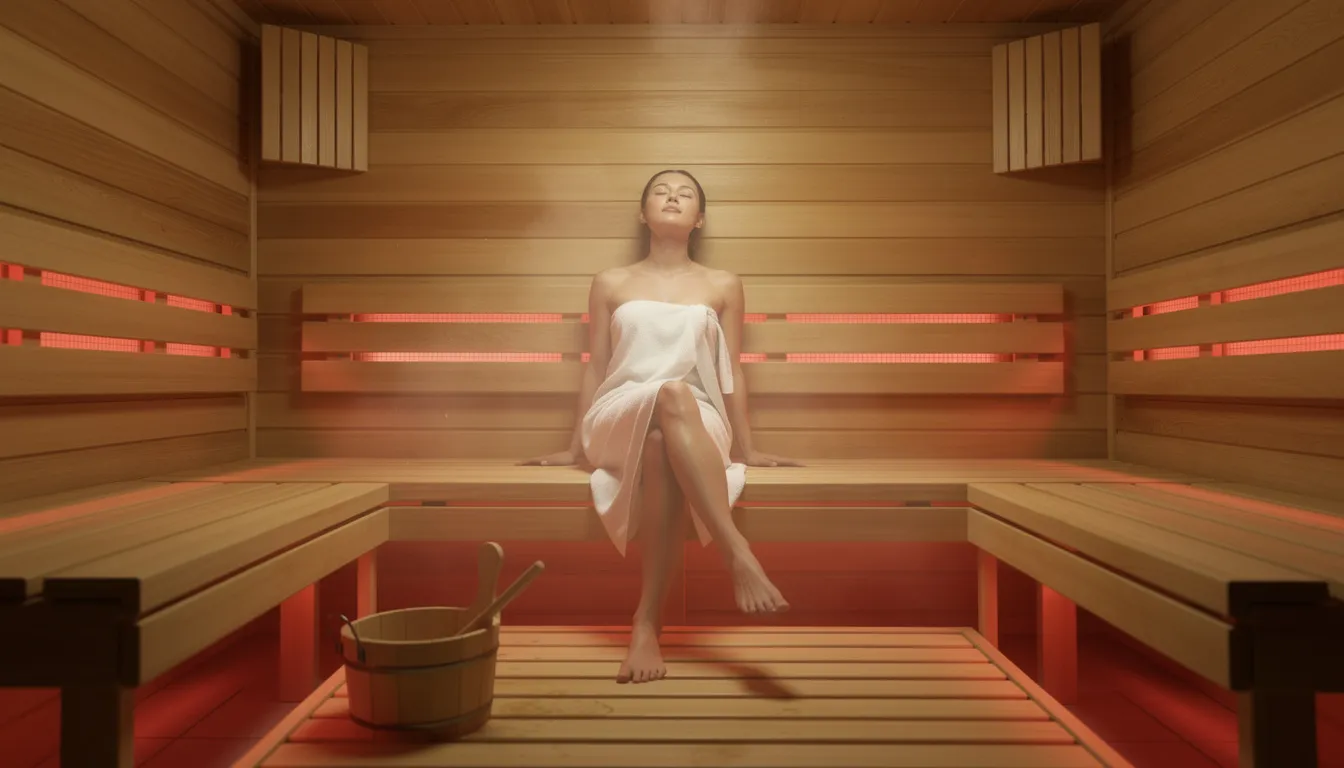
A red light therapy sauna is an infrared sauna cabin or blanket that incorporates red (around 630–660 nm) and near-infrared (around 810–850 nm) LEDs or panels for combined light and heat therapy.
Unlike traditional saunas, which rely primarily on convective air heating, these units use infrared radiation to generate heat that can penetrate deep into the body's tissues.
Here's the key distinction: a standard infrared sauna vs traditional sauna comparison shows that infrared models focus mainly on producing deep heat and encouraging sweating, which supports detox and relaxation.
A red light sauna delivers specific wavelengths that interact more directly with cells and tissues, targeting mitochondria to boost cellular energy production and support healing at a microscopic level.
In a typical SunHomeSaunas unit, you sit or recline in a wood-clad cabin equipped with full-spectrum infrared heaters and integrated red light panels.
The interior glows with a soft red light that bathes your joints, muscles, and skin.
Unlike traditional saunas that can reach 180°F or higher, these cabins operate at more comfortable temperatures—often between 110–140°F (43–60°C)—delivering gentle warmth instead of overwhelming heat.
Key Comfort Elements
- Lower air temperatures that feel less oppressive
- Quiet, private at-home use without gym or spa commutes
- Low-EMF, high-efficiency heaters for daily safety
- Premium, non-toxic materials that won't off-gas in enclosed spaces
SunHomeSaunas designs these units specifically for people who want to use them daily or near-daily for joint support, making comfort and safety paramount.
Why Do Joints Hurt? Understanding Inflammation
Joint pain is often driven by inflammation—the immune system's response that causes swelling, warmth, and stiffness in areas like knees, hips, shoulders, and fingers.
While inflammation is a normal healing response, chronic inflammation becomes problematic when it persists long after the initial trigger is gone.
Common Causes of Joint Pain
|
Cause |
Description |
Typical Age of Onset |
|
Osteoarthritis |
Wear and tear degeneration from decades of walking, running, or manual work |
40+ |
|
Old injuries |
Sports injuries from the teens or 20s that never fully healed |
Any age, effects worsen over time |
|
Poor posture |
Repetitive desk posture issues from modern office work |
30s–50s |
|
Rheumatoid arthritis |
An autoimmune disorder where the immune system attacks its own tissues |
30–60 |
When inflammation occurs inside a joint, it narrows the joint space, irritates nerves, and makes everyday movements—like climbing stairs, squatting, or carrying groceries—increasingly painful.
This creates a vicious cycle: pain leads to less movement, which in turn causes more stiffness, which further increases pain levels.
Breaking this inflammation cycle is essential for long-term relief. According to Harvard Health Publishing, both infrared heat and specific wavelengths of light can help interrupt this pattern by promoting healing, improving circulation, and calming overactive inflammatory responses.
How Does Red Light and Infrared Sauna Help Joints?
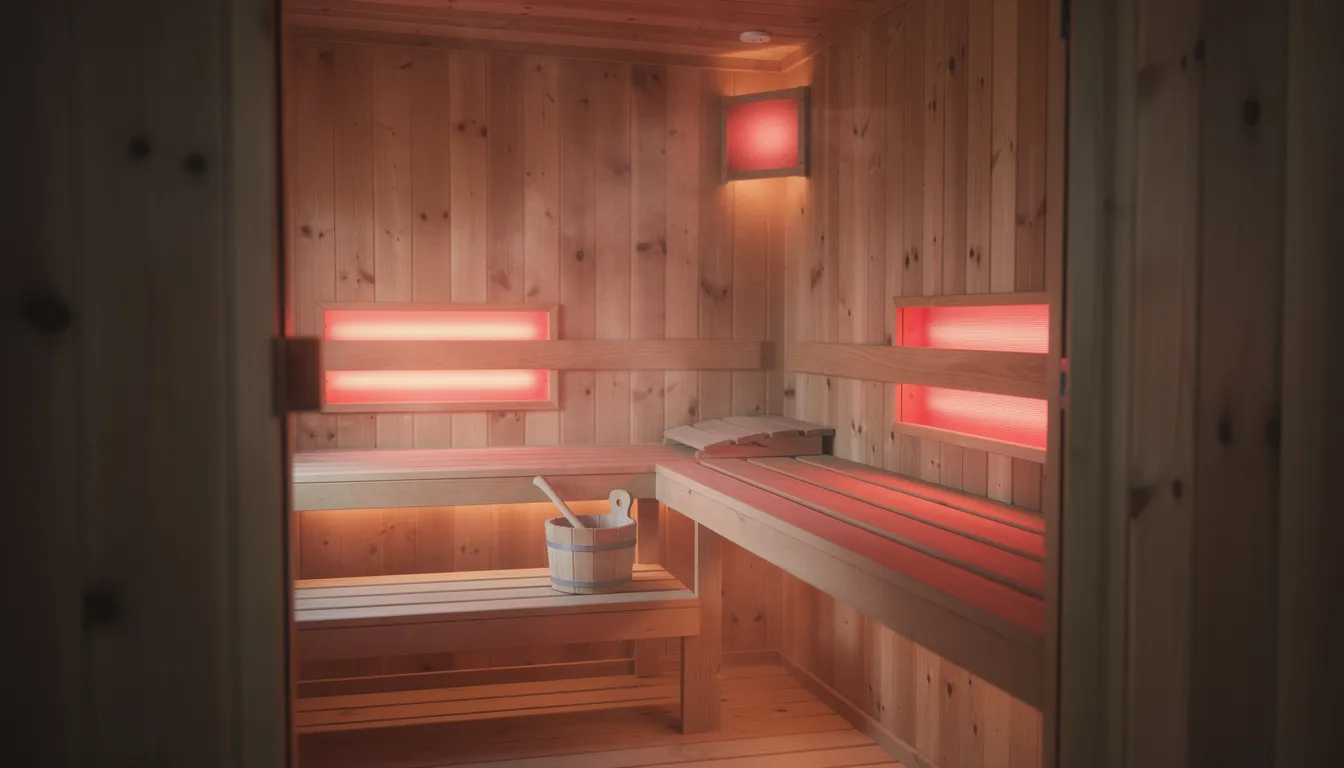
Red and near-infrared light act on cells, while infrared sauna heat acts on circulation and the nervous system. Together, they create a synergistic effect that supports joint comfort and recovery.
Photobiomodulation: Light at the Cellular Level
When red and near-infrared light penetrate the skin (up to several centimeters deep), photons are absorbed by an enzyme called cytochrome c oxidase within the mitochondria of your cells.
This absorption triggers several beneficial responses:
- Increased ATP production (cellular energy)
- Reduced oxidative stress
- Decreased pro-inflammatory cytokines like TNF-alpha and IL-6
- Increased anti-inflammatory IL-10
This process, called photobiomodulation, supports tissue repair by stimulating fibroblast proliferation, promoting collagen synthesis, and improving oxygenation in inflamed joints.
Infrared Heat: Circulation and Deep Tissue Warming
Full-spectrum infrared heat from sauna heaters warms tissues several centimeters beneath the skin.
This deep heat:
- Encourages blood vessels to dilate (vasodilation)
- Increases blood flow to stiff, sore joints
- Raises core body temperature, mimicking moderate exercise
- Triggers heat shock protein production for tissue protection
- Elevates beta-endorphin levels—the body's natural painkillers
Together, increased circulation and heat shock protein activation create an environment conducive to tissue recovery. This makes the best infrared sauna for home use an ideal complement to physical therapy or gentle movement programs.
Multiple clinical studies since the early 2000s have reported reduced pain and improved function in patients with knee osteoarthritis and rheumatoid arthritis following exposure to infrared and red light.
One pilot study of 17 RA patients and 17 ankylosing spondylitis patients found statistically significant reductions in pain after just 8 15-minute sessions over 4 weeks.
Unlike medications that directly numb pain signals, red light and infrared therapy support the body's natural healing processes. They enhance circulation, boost cellular energy, and trigger endorphin release to relieve pain over time rather than masking symptoms.
What Are the Key Benefits of Red Light Therapy Saunas for Joint Pain?
The combination of red light therapy and infrared sauna creates a powerful therapeutic environment.
Here are the primary benefits backed by research and user experience:
- Reduced joint inflammation and swelling
- Less stiffness and improved range of motion
- Faster recovery after workouts or long workdays
- Long-term support for cartilage and connective tissue health
- Whole-body relaxation that changes pain perception
- Secondary benefits like better sleep and stress reduction
Many users find that combining red light with infrared heat feels more effective than using either a heating pad or a small handheld light alone, simply because more tissue is treated simultaneously. Effects tend to accumulate over weeks of consistent use.
Reduced Joint Inflammation and Swelling
Red and near-infrared light have been shown to modulate inflammation markers, helping downregulate pro-inflammatory cytokines inside and around inflamed joints.
In practical terms, this means someone with swollen knees after a long workday can use a 20–30-minute session to calm the throbbing and see reduced visible puffiness by the next morning.
The improved blood flow from infrared heat helps clear inflammatory byproducts while delivering oxygen-rich blood and nutrients needed for joint recovery.
Research shows that over 50% of rheumatic patients report joint mobility gains and pain relief from regular sauna bathing.
While this is not a cure for arthritis, consistent use can reduce day-to-day flare intensity and frequency—making everyday activities more manageable.
Less Stiffness and Better Mobility
Heat and red light gently warm synovial fluid, surrounding muscles, and connective tissue, making bending, twisting, and reaching feel smoother.
Users commonly report:
- Improved ability to squat down to pick up children or grandchildren
- Easier reaching overhead into cupboards
- Walking downstairs without the "rusty hinge" feeling in the knees
- Reduced muscle tension in the hips and lower back
Many SunHomeSaunas owners build a ritual of a morning or evening infrared sauna session followed by light stretching to maintain daily joint mobility.
Those with long-standing stiffness often report the greatest improvement after 4–6 weeks of steady use, rather than just one session here and there.
Support for Exercise Recovery and Old Injuries
Athletes and active adults use red light saunas post-workout to help joints and surrounding muscles recover from heavy training.
For old injuries—like a reconstructed ACL from college sports or chronic shoulder impingement from years of lifting—red light therapy works by supporting cellular repair and wound healing processes.
More efficient tissue repair and reduced post-exercise muscle soreness keep people consistent with low-impact movement, which protects joints long-term.
The home-based convenience of a SunHomeSaunas unit means users can step into their sauna immediately after a workout, without commuting to a spa or clinic.
Whole-Body Relaxation and Pain Perception
Warmth and red light exposure stimulate endorphin release and calm the nervous system, changing how the brain interprets pain signals.
Many people describe a "floating" or deeply relaxed feeling during and after sessions—enhanced by dim lighting and quiet, spa-like ambiance.
Lower stress hormones (like cortisol) and better sleep quality can reduce overall pain sensitivity, making joints feel more comfortable day and night.
This mental and emotional relief is especially valued by arthritis sufferers who have lived with persistent pain for years and are looking for a soothing daily ritual.
Who Can Benefit Most from a Red Light Therapy Sauna?

Red light saunas are popular among people in their 30s–70s, from office workers to retirees, who want natural, at-home joint support.
The most common beneficiaries include:
- Individuals with osteoarthritis in the knees, hips, hands, or spine
- Those with mild to moderate rheumatoid arthritis (with medical clearance)
- Athletes and fitness enthusiasts dealing with overuse injuries
- People with repetitive stress from desk work or manual labor
- Anyone recovering from sports injuries or post-surgical rehabilitation
While many users are 40+, younger adults with old injuries or intense training schedules also benefit significantly.
SunHomeSaunas designs units to be user-friendly for a broad audience, though individual medical guidance is always recommended for chronic or complex conditions.
Important: Certain people—such as those who are pregnant, have uncontrolled blood pressure, or have serious heart conditions—should speak with their healthcare provider before using any sauna or light therapy.
Arthritis and Age-Related Joint Wear
People diagnosed with osteoarthritis often look to reduce reliance on daily pain medication and add supportive lifestyle therapies.
Red light saunas can be part of a broader arthritis management plan that includes:
- Gentle exercise (walking, swimming, cycling)
- Weight management
- Physical therapy exercises
- Anti-inflammatory nutrition
Those with inflammatory types like rheumatoid arthritis may use red light sauna therapy during lower-inflammation phases, ideally guided by their rheumatologist.
Clinical trials have shown no disease exacerbation in RA patients using infrared saunas—making it a safe option for most.
For older adults or those new to heat therapy, starting with shorter sessions at lower temperatures and gradually building up is recommended.
Athletes, Lifters, and Active Professionals
Runners, cyclists, weightlifters, and racket-sport players often struggle with overuse in knees, ankles, shoulders, and elbows.
A SunHomeSaunas unit at home allows scheduling consistent post-training recovery sessions without relying on gym or spa hours.
Combined infrared light and heat can:
- Shorten downtime after intense training cycles
- Maintain peak performance across busy weeks
- Reduce muscle aches and joint stiffness
- Support muscle recovery between sessions
This audience often stacks red light sauna use with mobility work, cold plunges, and other recovery strategies for comprehensive results.
Unlike physical therapy clinics with limited hours, your home sauna is available whenever you need it.
Desk Workers and Everyday Users
Many SunHomeSaunas customers simply sit too much. Long Zoom calls, commutes, and screen time can lead to stiff hips, a locked upper back, and an achy neck from poor posture.
Repetitive stress accumulates over the years and eventually manifests as chronic pain. A 20–30-minute evening session can become a device-free time to:
- Unwind from the workday
- Relieve postural tension
- Give overworked joints a daily reset
- Improve sleep quality
This group often values the mental health and stress reduction benefits as much as the physical joint relief.
Picture a parent in their mid-40s using a sauna session after the kids' bedtime to decompress and soothe their back and knees—that's the everyday use case SunHomeSaunas is designed for.
What Does a Red Light Sauna Session Feel Like and How Should You Use It?
Stepping into a red light sauna is a sensory experience unlike traditional saunas. You enter a warm, cedar- or hemlock-cabin with soft red light filling the interior.
The warmth feels gentle and internal—like sunlight on your skin—rather than the blasting hot air of traditional steam rooms.
Typical Session Parameters
|
User Level |
Session Length |
Frequency |
Temperature Range |
|
Beginner |
15–20 minutes |
2–3x/week |
110–125°F (43–52°C) |
|
Intermediate |
20–30 minutes |
3–4x/week |
125–135°F (52–57°C) |
|
Experienced |
25–40 minutes |
4–5x/week |
130–140°F (54–60°C) |
SunHomeSaunas units are 20A dedicated circuit, so you can easily pre-heat the sauna for 10–20 minutes, then enter for a quiet, seated, or reclined session. Many users focus on breath, relaxation, or quiet music during their time inside.
Post-Session Habits
Post-session habits matter too:
- Cool down slowly rather than jumping into cold water immediately
- Hydrate with water or electrolytes
- Consider light stretching while the body is warm and tissues are more pliable
Session Guidelines for Joint Pain Relief
For targeting joint pain relief specifically, follow these guidelines:
- Start conservatively: Begin at 2–3 sessions per week at lower temperatures (around 115–125°F / 46–52°C)
- Position strategically: Keep joints like knees and shoulders closer to red light panels when possible
- Dress appropriately: Wear loose, breathable clothing or use a towel
- Stay hydrated: Drink water before and after each session, especially important for older adults
- Track progress: Note how your joints feel in mornings and evenings over 4–8 weeks
Sessions typically last 15–30 minutes, but you'll find your own optimal duration as you become accustomed to the therapy.
Most people notice a noticeable improvement in stiffness and pain levels after 2–4 weeks of consistent use.
Are There Safety Considerations for Red Light Sauna Therapy?
Red light therapy and infrared saunas are generally well-tolerated, but thoughtful use is important for those with chronic health conditions.
Consult your doctor before starting if you:
- Are pregnant
- Have uncontrolled high or low blood pressure
- Have serious cardiovascular disease
- Have active infections or fever
- Recently had joint surgery
- Take photosensitizing medications
- Have a history of skin cancer
If you feel dizzy, nauseated, or unwell during a session, exit immediately.
Shorten future sessions or lower temperature settings until you find a comfortable range.
Proper hydration before and after helps prevent conditions such as orthostatic hypotension.
Safe use of red light therapy means listening to your body and adjusting as needed.
Why Should You Choose SunHomeSaunas for Red Light and Infrared Joint Relief?

SunHomeSaunas specializes in premium home infrared saunas, full-spectrum cabins, and red light therapy add-ons designed specifically for wellness-focused homeowners who prioritize quality and long-term health benefits.
What sets SunHomeSaunas apart:
- Sustainably sourced woods: Premium cedar and hemlock construction
- Low-EMF heater design: Minimized electromagnetic field exposure for daily use
- High-quality LED red light arrays: Therapeutic wavelengths optimized for penetrating heat and cellular benefits
- User-friendly controls: Intuitive interfaces suitable for daily, long-term use
- 20A dedicated circuit installation: No complex construction required, similar to a simple home infrared sauna installation
Many models fit into spare rooms, basements, or dedicated wellness spaces—ideal for busy professionals and families who want premium sauna therapy without renovation headaches.
SunHomeSaunas also offers outdoor infrared saunas for those who prefer backyard placement, along with a comprehensive outdoor infrared sauna warranty and materials information.
SunHomeSaunas also offers a complete wellness ecosystem, including cold plunge options that can be paired with infrared and red light for advanced recovery routines.
This allows you to build a comprehensive wellness journey addressing joint health, muscle recovery, and overall wellness from the comfort of home.
Features That Matter for Joint Health
When selecting a home sauna for sale specifically for joint pain management, certain features make a significant difference:
|
Feature |
Benefit for Joints |
|
Full-spectrum infrared (near, mid, far) |
Layered tissue support at different depths |
|
Even heat distribution |
Consistent warming of multiple joints simultaneously |
|
Targeted red light placement |
Direct therapy for knees, hips, and back |
|
Low EMF/Low VOC materials |
Safe for sensitive users and daily long-term use |
|
Ergonomic seating options |
Comfortable positioning for those with joint pain |
Optional sauna accessories, such as ergonomic backrests or adjustable benches, allow people with arthritis relief needs to sit comfortably for full sessions without strain. These details make consistent use easier—and consistency is key to gaining lasting benefits.
How Can You Integrate Your Sauna into a Complete Joint-Care Routine?
A sample weekly wellness routine incorporating home sauna wellness might look like this:
- 3–5 red light sauna sessions (20–30 minutes each)
- 2–3 gentle strength training or physical therapy exercises
- Daily walking (30+ minutes)
- Optional contrast therapy with a SunHomeSaunas cold plunge tub
Using the sauna before stretching or mobility work makes tissues more pliable and reduces discomfort during movement drills.
Many users find that enhanced circulation and warmth allow deeper stretches with less resistance.
For those exploring cold plunge vs ice bath for recovery options, combining heat therapy with targeted cold exposure can amplify benefits.
Collaboration with healthcare providers, physical therapists, or trainers helps design a movement plan that complements home sauna use.
Whether you're looking to reduce pain from an autoimmune disorder, recover faster from workouts, or simply add a soothing element to your wellness routine, a luxury home sauna can be a cornerstone of your approach.
Conclusion: Experience Natural Joint Pain Relief with Red Light Therapy Sauna
Red light therapy sauna offers a powerful, non-invasive solution for those struggling with persistent joint pain and inflammation. By combining the deep-penetrating warmth of infrared heat with the cellular healing properties of photobiomodulation, this dual-therapy approach addresses joint discomfort at multiple levels—increasing circulation, reducing inflammatory markers, and promoting tissue repair.
For anyone tired of relying solely on pain medications or looking to complement their existing treatment plan, integrating regular red light therapy sauna sessions can provide meaningful, lasting relief.
Ready to take control of your joint health naturally?
SunHomeSaunas offers advanced red light therapy sauna systems specifically designed to deliver therapeutic benefits for pain management and recovery. Don't let joint pain limit your lifestyle any longer—discover how the right technology can help you move freely and feel better every day.
Visit SunHomeSaunas today to explore our red light therapy sauna options and start your journey toward comfortable, pain-free living.
Frequently Asked Questions
How long does it usually take to feel joint pain relief from a red light sauna?
Some users notice softer benefits—like relaxation and mild stiffness relief—after just one session or within the first few uses. However, more consistent joint changes typically appear after 2–4 weeks of using the sauna 3–5 times per week.
For chronic conditions like osteoarthritis, 6–8 weeks of steady use often produces more substantial shifts in pain, swelling, and everyday mobility. Consider keeping a simple journal to track pain levels, sleep quality, and activity—this helps you notice gradual trends that might otherwise go unrecognized.
Can I use a red light therapy sauna every day if I have arthritis?
Many people with arthritis do use infrared and red light saunas daily with good results. However, it's best to start with shorter, less frequent sessions (e.g., 3 days per week) and gradually increase as your body adapts.
Discuss daily use with a doctor or rheumatologist, especially if you take medications that affect blood pressure, hydration, or heat tolerance. As long as hydration is maintained and sessions feel comfortable, many users find that a near-daily routine offers the most consistent relief for sore joints and muscle aches.
Is a red light therapy sauna better than a handheld red light device for joint pain?
Handheld devices are useful for small, targeted areas—like a single knee or shoulder. However, a red light sauna simultaneously treats multiple joints, muscles, and the nervous system, providing broader systemic benefits.
A full-body or cabin-style sauna supports improved blood flow and whole-body relaxation, which can influence joint comfort more broadly. SunHomeSaunas units are ideal for people who want an immersive, whole-body environment rather than treating one area at a time.
Will a red light therapy sauna interfere with my medications or existing treatments?
Red light and infrared heat are non-pharmaceutical approaches and typically do not interact directly with medications. However, you should inform your physician or physical therapist about starting regular infrared sauna sessions so care can be coordinated.
This is especially important when taking blood pressure or heart medications, or any other medications that affect fluid balance. Red light sauna therapy works best as a complement to—not a replacement for—medical advice and prescribed treatments.
Can I combine red light sauna sessions with cold plunges for joint health?
Yes, many athletes and wellness enthusiasts use contrast therapy—alternating between heat (an infrared sauna with red light) and cold (a plunge or shower) — to stimulate circulation and accelerate recovery. A common pattern is 10–20 minutes in the sauna, followed by a brief 1–3-minute cold immersion, repeated 1–3 times depending on comfort and experience.
SunHomeSaunas offers both infrared saunas and cold plunge options, allowing you to build your own at-home recovery circuit. This combination targets both the deep-warming and invigorating cold responses that many find beneficial for persistent pain and muscle soreness.
References
- Harvard Health Publishing – “Understanding Acute and Chronic Inflammation.”
- National Library Of Medicine – “Mechanisms and Applications of the Anti-Inflammatory Effects Of Photobiomodulation.”
- National Institute Of Health – “The Nuts and Bolts of Low-Level Laser (Light) Therapy.”
- Mayo Clinic Proceedings – “Cardiovascular and Other Health Benefits of Sauna Bathing.”
Stanford Medicine – “Red Light Therapy: What The Science Says.”