


Over the years, home saunas evolved from niche luxury items into mainstream wellness upgrades. Homeowners are now installing indoor sauna units in primary bathrooms, basement corners, converted walk-in closets, and garage-adjacent rooms. What was once reserved for dedicated spa facilities is now accessible to anyone with enough space and a desire for daily heat therapy.
Unlike an outdoor sauna positioned in a backyard with natural privacy from trees and distance, an indoor unit shares walls with living areas. Your sauna room might sit adjacent to a hallway, face a neighbor's window across an alley, or open directly into a shared bathroom.
Overall, this proximity creates a fundamental design challenge: how do you bring natural light into a private space without compromising the seclusion that makes the sauna experience restorative?
This article walks you through the process step by step, from mapping sightlines in your existing space to selecting the right glass treatments, sizing your heater appropriately, and ensuring safety.
Key Takeaways
- Indoor sauna windows should typically be small, high, and strategically placed. Ideal ceiling height is around 7 feet for optimal window placement and heat distribution.
- Placing windows high on the wall, such as clerestory windows, allows for natural light while maintaining privacy.
- Insulated glass units (IGUs) are recommended for larger sauna windows to improve heat retention and minimize condensation.
- Maintaining a distance of 12-18 inches between the sauna heater and any glass surfaces is recommended to prevent thermal shock.
- Cedar, hemlock, or aspen are recommended for framing sauna windows, with Western Red Cedar being the gold standard due to its moisture resistance.
-
Tempered glass (often double-pane) and proper clearances from heaters are non-negotiable safety requirements. Proper ventilation and vapor barrier integrity must be maintained around all glass installations.
- Every square foot of glass increases heat loss, requiring heater upsizing and enhanced insulation to maintain operating efficiency and keep energy costs reasonable.
- Practical placement options include clerestory windows, narrow slit windows facing private areas, or interior "candle" windows that borrow light from an adjacent bathroom or relaxation space.
What to Consider When Mapping Sightlines & Natural Light for Your Indoor Sauna?
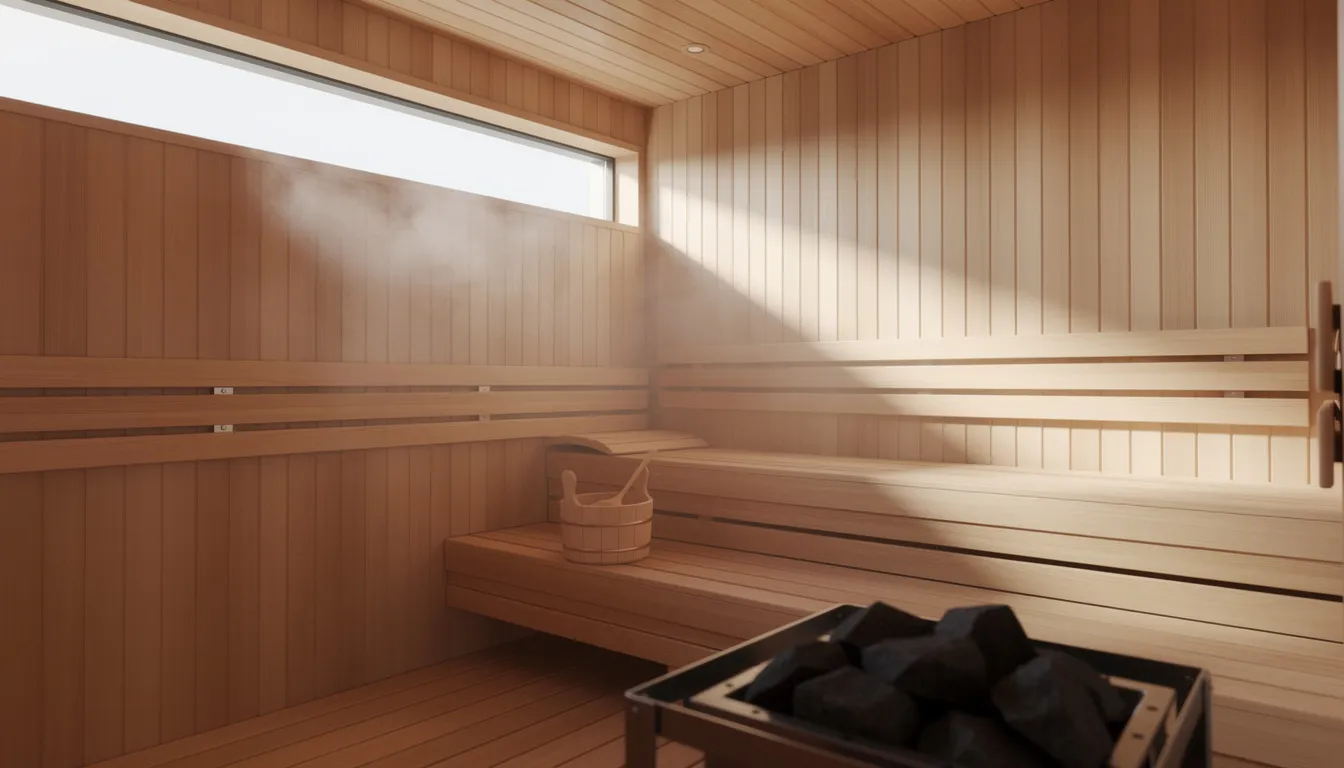
Before you decide where windows go, you need to understand what your existing room reveals and conceals. This analysis prevents costly mistakes and ensures your window placement makes sense for both privacy and light quality.
Conducting a Sightline Walk-Through
Stand in adjacent spaces—hallways, bedrooms, neighboring rooms—at typical eye level (approximately 5'6" to 6') and note exactly where someone could see into the proposed sauna location.
Check exterior sightlines from sidewalks, neighboring windows, and any shared courtyards or balconies that might have views into your space. Consider both daytime and evening conditions; windows that seem private during the day may expose silhouettes at night when interior lighting is on. This is particularly important for indoor 2-person infrared saunas in urban environments.
Creating a Simple Floor Plan
Sketch your room showing doors, existing windows, and the primary light sources entering the space. Mark neighboring windows—for example, a second-floor condo window across an alley—that could create unwanted sightlines.
Note which walls are interior partitions and which are exterior walls, as this affects both light availability and thermal considerations for your home sauna installation.
Common Indoor Sauna Locations in U.S. Homes
|
Location |
Typical Characteristics |
Window Considerations |
|
Primary bathroom |
Often has an existing window; shared with the shower/toilet |
May need to replace or supplement existing glass |
|
Basement corner |
Limited natural light; privacy is typically less of a concern |
Small high windows or wells may be the only option |
|
Converted walk-in closet |
Usually, interior walls only |
Borrowed light from adjacent rooms is the primary option; double-pane insulated glass is preferred over single-pane for better heat retention and efficiency |
|
Garage-adjacent room |
May have access to the side yard or rear exposure |
Often, the best opportunity for discrete exterior windows |
Prioritizing Wall Placement
Walls facing low-traffic areas—interior light wells, side yards, or private courtyards—are ideal for any larger sauna window openings. North- or east-facing walls typically provide softer, more consistent daylight that works better for saunas than harsh west-facing afternoon sun exposure.
Avoid placing large windows on walls directly visible from a home gym or open-concept living area where family members or guests circulate. Placing windows high on the wall, such as clerestory windows, is an effective way to balance privacy and natural light.
What Are the Best Privacy-First Window Strategies for Indoor Saunas?
Smart window placement preserves privacy without making your sauna feel like a sealed box. The goal is to create a private space that still welcomes ample light and avoids claustrophobic darkness.
High Transom Windows
Transom windows positioned 6 to 7 feet above the floor flood the space with natural light while keeping bathers invisible from hallway or adjacent room sightlines. Research indicates that regular sauna bathing has potential health benefits, making the comfort and ambiance of your home sauna wellness space crucial for consistent use.
Fixed horizontal windows measuring 36" wide by 12" tall work well in 5' x 7' or 6' x 8' rooms. For infrared sauna 1-person installations, proportionally smaller windows (24" x 10") maintain the same privacy benefits.
Narrow Vertical Slit Windows
A vertical glass strip measuring 4" to 6" wide running from waist height to near the ceiling offers a dramatic architectural feature with minimal exposure. These work particularly well when the view outside is private—facing a side yard, light well, or rear property line.
Frosted or Textured Glass Options
When you cannot control exterior sightlines—such as in a bathroom sauna with an existing window facing a neighboring property—frosted or textured tempered glass maintains light transmission while completely obscuring interior views.
Rain glass, reeded glass, and obscure glass patterns all provide adequate privacy while allowing approximately 60-80% light transmission. According to recent cardiovascular research, the infrared sauna health benefits and traditional sauna benefits both support cardiovascular wellness, making a comfortable, well-lit environment necessary for regular use.
Interior "Candle" Windows
Interior windows between the sauna and an adjacent bathroom, hallway, or changing area create a visual connection without exposing the exterior. A 24" x 18" interior window with frosted glass borrows light from the larger room while maintaining sauna privacy.
This strategy works particularly well for luxury home sauna installations in converted closets or interior basement spaces. The window can include a simple wooden shutter for complete privacy when desired.
How Do You Select the Right Glass Type and Frame Materials?
The glass and frame materials you choose directly impact safety, heat retention, energy efficiency, and long-term durability.
Tempered Glass Requirements
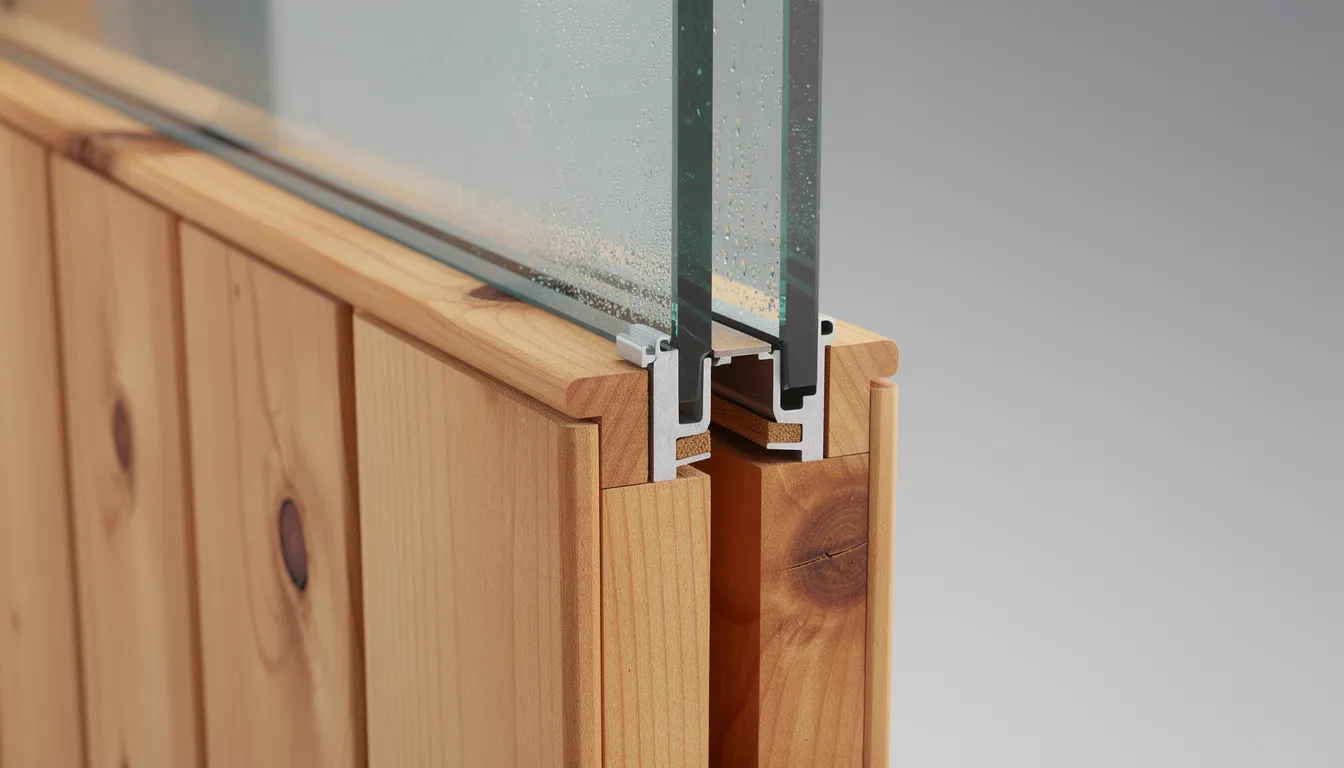
All sauna glass must be tempered (heat-treated) to withstand thermal shock and prevent dangerous shattering if breakage occurs. Standard annealed glass is unsuitable and unsafe for sauna use.
Tempered glass can withstand temperature differentials of approximately 200°F, which covers the range between ambient room temperature and the best infrared sauna for home operating temperatures (typically 120-150°F) or traditional sauna temperatures (160-190°F).
Single-Pane vs. Double-Pane Glass
Single-pane tempered glass (typically 3/16" to 1/4" thick) is adequate for small interior windows where heat loss is not a primary concern. However, double-pane insulated glass units (IGUs) are strongly recommended for:
- Any window larger than 200 square inches
- Exterior wall installations
- Installations in cold climates where energy efficiency matters
- Outdoor infrared sauna conversions
Double-pane units reduce heat loss by approximately 50% compared to single-pane glass, according to building code guidelines. The air gap between panes provides insulation while the inner pane remains closer to sauna temperature, reducing condensation on the interior glass surface.
Frame Material Selection
Western Red Cedar is the gold standard for sauna window frames due to its natural oils, dimensional stability, and resistance to warping under repeated heating cycles. It handles moisture and heat better than any other commonly available wood species.
Hemlock and aspen are acceptable alternatives. Both woods resist warping and provide adequate longevity when properly maintained.
Avoid softwoods like pine, which can warp significantly. Metal frames are generally unsuitable as they conduct heat and can become uncomfortably hot to touch.
Heater-to-Glass Clearance Requirements
Maintaining proper clearance between your sauna heater and any glass surface is critical for safety and glass longevity. Industry standards and manufacturer requirements typically specify:
- Minimum 12 inches for infrared heater panels
- Minimum 18-24 inches for traditional electric sauna heaters
- Minimum 36 inches for wood-burning sauna stoves
Insufficient clearance can cause thermal shock, premature glass failure, or dangerous shattering during use. These clearances must be verified during the planning stage to ensure your window placement doesn't conflict with heater positioning.
What Are the Thermal and Energy Efficiency Considerations?
Every window affects your sauna's heat retention, warm-up time, and operating costs. Understanding these thermal implications helps you make informed design decisions.
Calculating Heat Loss Through Glass
Glass conducts heat approximately 10-20 times faster than insulated walls. A standard 2' x 3' (6 square feet) single-pane window in a sauna loses roughly the same amount of heat as 60-120 square feet of properly insulated wall surface.
For a 2-3-person home sauna analysis, this means:
- Small windows (under 150 sq. in): Minimal impact on heater sizing
- Medium windows (150-400 sq. in): May require next-size-up heater
- Large windows (over 400 sq. in): Definitely requires heater upsizing and enhanced wall/ceiling insulation
Heater Sizing Adjustments
Standard sauna heater sizing calculations typically assume minimal glass area. When the window area exceeds 100 square inches, most manufacturers recommend adding 1-2 kW to the heater capacity for traditional electric saunas, or selecting a higher-output full-spectrum infrared sauna for sale model.
A 2022 multi-arm randomized controlled trial on sauna bathing showed that consistent temperature maintenance is essential for achieving cardiovascular benefits, which reinforces the importance of proper heater sizing when windows are present.
Rules of thumb for traditional electric heaters:
|
Glass Coverage |
Heater Adjustment |
|
Under 10% of wall area |
Standard sizing usually adequate |
|
10-15% of wall area |
Add 10-15% heater capacity |
|
Over 15% of wall area |
Significant upsizing required; consult manufacturer |
Insulation Enhancement Strategies
To offset heat loss from windows, enhance insulation in other sauna envelope components:
- Upgrade wall insulation from R-13 to R-19 if possible
- Increase ceiling insulation to R-30 or higher
- Install a vapor barrier with sealed seams around window openings
- Use foil-faced insulation on the ceiling to reflect radiant heat downward
- Seal all air gaps around window frames with high-temperature silicone
Condensation Management
Double-pane windows significantly reduce interior glass condensation compared to single-pane options. However, condensation management also requires:
- Adequate ventilation (intake near floor, exhaust near ceiling)
- Proper vapor barrier installation behind all sauna finishes
- Avoiding cold spots where exterior walls meet windows
- Sloping windowsills slightly to drain any moisture that does accumulate
How Do You Ensure Code Compliance and Safety?
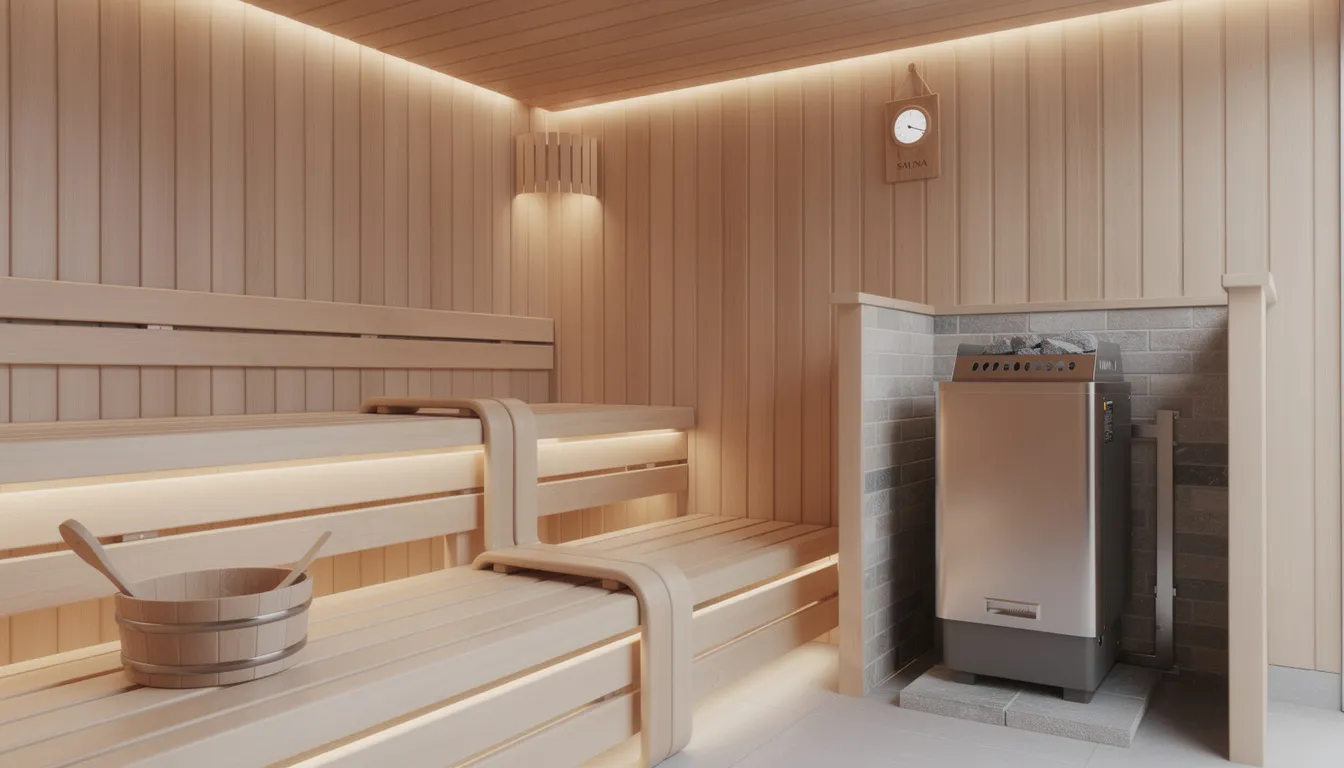
Safety and building code compliance are non-negotiable for sauna installations. Cutting corners on glass specifications, electrical work, or structural details creates liability and potential danger.
According to electrical code requirements, dedicated circuits and GFCI protection are typically mandatory, and permits ensure installations meet National Electrical Code (NEC) standards.
Windows can supplement but should not replace dedicated ventilation openings. The Global Wellness Institute’s research on sauna safety emphasizes proper ventilation for optimal health outcomes.
Safety Features Checklist for Saunas with Windows
Glass requirements:
[ ] Use tempered or toughened safety glass for all sauna windows and doors
[ ] Specify both panes tempered in double-pane units to resist thermal shock at temperatures up to 170-195°F
[ ] Avoid standard glass that may shatter into dangerous shards if stressed by heat cycling
[ ] Be cautious with very high-efficiency gas-filled units—gas expansion at sauna temperatures can break windows
Heater clearances:
[ ] Maintain approximately 12-18 inches minimum between glass and a traditional sauna stove or wood burning stove
[ ] Follow each heater manufacturer’s current installation manual for specific clearance requirements
[ ] Position windows away from direct radiant heat exposure from the sauna heater
[ ] Ensure no combustible materials are within specified clearance zones
Sealing and insulation:
[ ] Use high-temperature silicone or sauna-rated gaskets around all glass
[ ] Maintain vapor barrier continuity where glass meets framing
[ ] Size the rough opening to allow approximately 1/4” larger than the glass piece
[ ] Cut glass 1/8” to 1/4” less than the rough opening to accommodate expansion
[ ] Support glass on cork spacers rather than directly on framing
Frame materials:
[ ] Use non-resinous, heat-resistant woods such as cedar, thermally modified wood, or aspen for frames and wood trim
[ ] Avoid metal frames that conduct heat and become uncomfortable or dangerous to touch
[ ] Avoid vinyl windows that may deform and deteriorate in sauna conditions
Operational safety:
[ ] Keep water buckets and accessories away from glass surfaces
[ ] Wipe condensation from sills regularly to prevent mold and moisture issues
[ ] Check seals annually for drafts, cracking, or moisture intrusion
[ ] Ensure good ventilation to maintain air quality and prevent steam buildup against glass
What Modern Design Trends Should You Consider?
Contemporary sauna design increasingly emphasizes the relationship between indoor spaces and natural light while maintaining necessary privacy.
Smart Glass Technology
Electrochromic "smart glass" allows users to switch windows from clear to opaque at the touch of a button. While expensive (typically $50-100+ per square foot for the glass alone), this technology offers maximum flexibility for outdoor full-spectrum infrared sauna and indoor installations alike.
Users can enjoy natural light and views during private sessions, then instantly opaque the glass when privacy concerns arise.
Floor-to-Ceiling Windows with Strategic Placement
In homes with genuinely private outdoor spaces—walled courtyards, heavily wooded lots, or properties with significant setbacks—large floor-to-ceiling windows create stunning spa-like environments.
This approach requires:
- Extremely robust insulation in other envelope areas
- Significantly oversized heater capacity
- Triple-pane insulated glass units
- Professional engineering to ensure structural and thermal performance
Minimalist Frame Design
Modern aesthetic preferences often favor minimal or frameless glass installations. While more complex to execute properly in a high-heat, high-moisture environment, this look can be achieved through:
- Structural silicone glazing techniques
- Minimal-profile aluminum frames (powder-coated to prevent heat transfer)
- Edge-mounted glass panels with concealed fasteners
Integration with Cold Plunge Areas
Many homeowners now pair saunas with cold plunge tubs for home installations to enhance contrast therapy. Window planning should consider sightlines between these spaces, potentially using interior windows to create a visual connections while maintaining separate thermal zones.
Research on the health benefits of cold plunge therapy shows that contrast therapy (alternating hot sauna and cold plunge vs. ice bath for recovery) enhances circulation and recovery.
Working with SunHomeSaunas to Plan Smart Window Placement
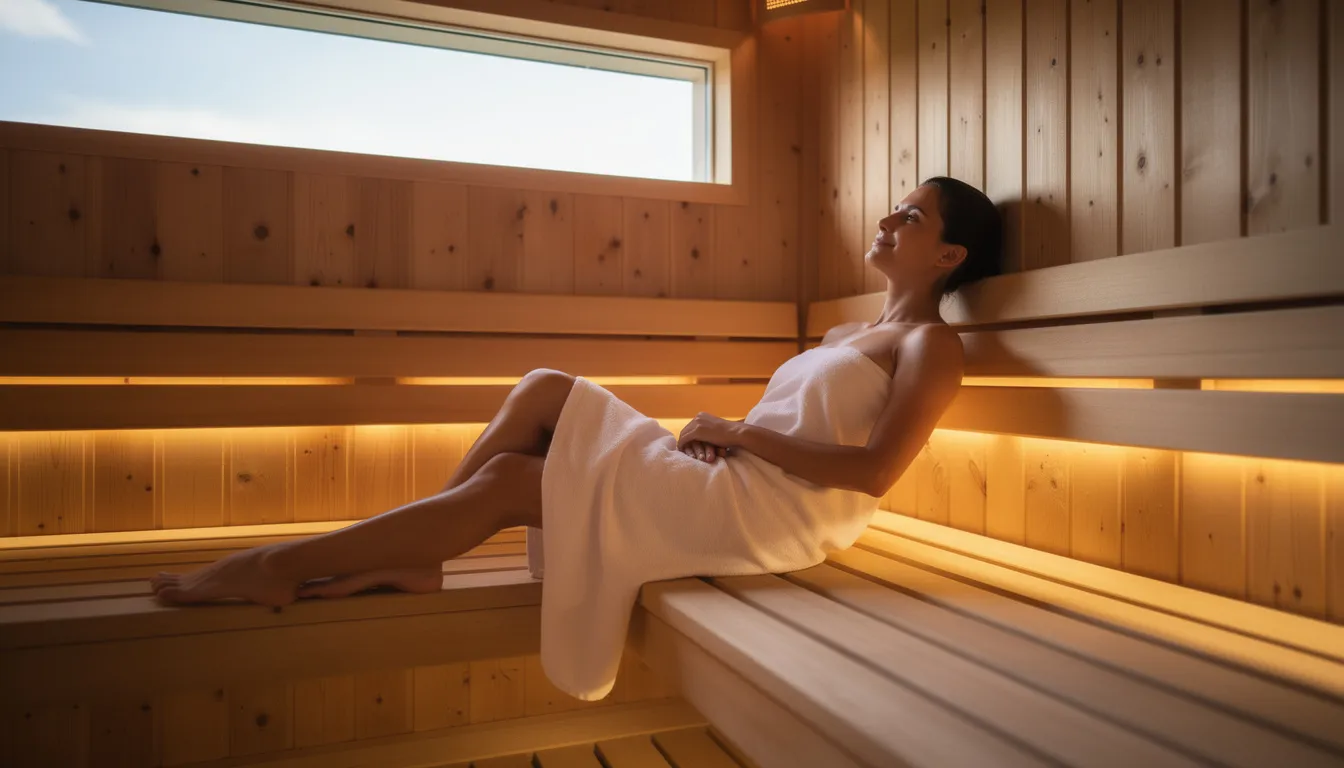
Planning window placement alongside heater selection, proper drainage, and electrical connections creates the most seamless final design. SunHomeSaunas supports customers through this entire process, from concept to installation.
Customizable Glazing Options
SunHomeSaunas offers both infrared and traditional indoor sauna models with multiple door and window configurations. Choose from solid doors, partial glass doors with privacy sections, or small fixed windows tailored to your layout.
Options accommodate everything from fully windowless designs for maximum privacy to substantial glazing for light-filled spaces. Whether you're looking for the best infrared sauna for home use or a traditional Finnish-style unit, customization ensures your privacy needs are met.
Personalized Planning Support
Submit room photos and dimensions so SunHomeSaunas can suggest window sizes and placements appropriate for your privacy concerns, local codes, and climate conditions. Receive guidance on heater sizing that accounts for your planned glass area.
Get recommendations for the best window locations relative to seating and heater placement. SunHomeSaunas also considers ceiling height (ideally 7-7.5 feet) for optimal heat distribution and comfort, ensuring your sauna design provides enough space for two to three guests.
Quality Construction Features
SunHomeSaunas products use low-EMF heaters, sustainably sourced woods, and 20A dedicated circuit designs that simplify installation. Proper ventilation integration ensures fresh air exchange regardless of window configuration. Even retrofit installations in existing bathrooms or spare rooms benefit from the flexibility of modular design.
Integrated Planning Approach
Window placement works best when coordinated simultaneously with electrical layout, ventilation routing, and sauna bench arrangement. A licensed electrician can ensure electrical connections meet local codes while window placement is finalized. This holistic approach prevents conflicts between systems and ensures safety throughout your wellness areas.
Need Help Planning for Your Indoor Sauna Window Replacement?
Visit SunHomeSaunas today or contact our support team, and we’ll help you get started.
Frequently Asked Questions
Can I Convert an Existing Bathroom Window into a Sauna Window?
Yes, but most existing bathroom windows need to be replaced. Many homes built between the 1990s and 2010s have standard bathroom vinyl or wood windows that are not rated for the 160-190°F temperatures found in a sauna room. These windows may warp, fail to seal properly, or even crack under thermal stress.
In most cases, the existing unit should be replaced with a smaller, fixed tempered glass unit, properly flashed and insulated for sauna conditions. The structural integrity of the existing rough opening should be verified, along with vapor barrier details and compliance with local building codes. A professional contractor or window specialist should handle this conversion to ensure year-round durability and safety.
Is a Windowless Indoor Sauna a Bad Idea if I Want Privacy?
No, a windowless sauna is perfectly acceptable and often the preferred choice in condos, townhomes, or fully interior spaces with no exterior walls to work with. Many sauna users prioritize complete privacy over natural light, especially in highly visible urban environments.
Good design with light-colored wood (like hemlock or aspen), thoughtful LED lighting, and a sauna door with a glass opening into a softly lit bathroom can prevent the room from feeling cramped. Research shows that regular use, combined with exercise, offers cardiovascular benefits, underscoring the importance of the atmosphere in your luxury home sauna for adherence. The key is compensating for the absence of windows with proper artificial lighting and reflective wood surfaces.
Do Indoor Saunas with Windows Cost More to Run?
Yes, operating costs are typically slightly higher when there is significant glass, because heaters must work harder to overcome heat loss through windows. The ceiling and floor lose less heat than even well-insulated glass, so every window adds to the thermal load.
However, with small, well-insulated double-pane tempered windows and a correctly sized heater, the difference in monthly electricity bills is often modest—typically a few dollars per month for a home sauna used several times weekly. Energy-conscious homeowners should limit the glass area and use robust insulation (R-13+ for interior walls, R-22+ for the ceiling) throughout the entire sauna envelope.
Can I Open a Sauna Window for Ventilation During a Session?
Most indoor hot-room windows are fixed for efficiency and durability. Fresh air is typically provided through dedicated intake vents near the floor and exhaust vents near the ceiling rather than through an operable window.
If an operable window is desired for post-session drying—common in Finnish sauna tradition—it should be small, wood-framed, and rated for sauna conditions with a slight angle to shed condensation. Opening a window during active heating will significantly reduce maximum temperature and increase session warm-up time, negating much of the heat efficiency you've built into the design.
What Maintenance Do Sauna Windows Need Over Time?
Regular maintenance keeps sauna windows performing well and prevents moisture issues. Wipe down glass and sills after heavy steam sessions to minimize water pooling and potential mold growth. Check silicone seals and gaskets annually for cracking, shrinking, or gaps, and re-seal with high-temperature, sauna-approved silicone as needed.
Clean glass with mild vinegar or baking soda solutions instead of harsh chemicals that could off-gas under heat. Inspect wood-frame components for signs of warping or deterioration, especially exterior wall installations exposed to temperature cycling. With proper care, quality sauna windows should provide years of trouble-free performance while maintaining both privacy and access to natural light for your sauna experience.
References
- National Library of Medicine – “Clinical Effects of Regular Dry Sauna Bathing: A Systematic Review.”
- National Institute of Health – “ Effects Of Regular Sauna Bathing In Conjunction With Exercise On Cardiovascular Function: A Multi-Arm, Randomized Controlled Trial.”
- Finnish Sauna Builders – “US Home Sauna Regulations: Essential Guidelines for Homeowners.”
- American Psychological Society – “Effects of Regular Sauna Bathing in Conjunction with Exercise on Cardiovascular Function.”
- Global Wellness Institute – “Sauna: Research and Evidence. “
- Harvard Health – “Cold Plunges: Healthy or Harmful for Your Heart?”