


What Are the Benefits of a Red Light Sauna? (Revealed!)
Red light saunas represent the cutting edge of home wellness technology, combining the proven benefits of infrared heat with the cellular-level advantages of photobiomodulation. Whether you're an athlete seeking faster recovery, a wellness enthusiast seeking to optimize longevity, or someone pursuing healthier skin and better sleep, this dual-therapy approach delivers results that neither heat nor light alone provides.
This detailed guide explores the science-backed benefits of red light therapy saunas, including enhanced muscle recovery and pain relief, skin rejuvenation, and cardiovascular support. You'll discover how these benefits work, who gains the most, and how to use red light saunas safely and effectively for optimal results.
Key Takeaways
- A sauna red light therapy kit combines gentle infrared heat with targeted red and near-infrared LEDs to support recovery, skin health, mood, and overall wellbeing at home—delivering therapeutic benefits that neither heat nor light provides alone
- Red light saunas can enhance muscle recovery and reduce soreness within 24 hours after intense training, with sports science studies from 2015–2023 demonstrating faster neuromuscular restoration compared to passive rest
- Visible skin benefits such as improved tone, fewer fine lines, and faster healing typically emerge over 8–12 weeks of consistent use, supported by photobiomodulation research on collagen production and cellular repair
- Sessions help with stress relief, better sleep, and metabolic support by combining light therapy with the relaxing, full-body warmth of an infrared sauna, activating your body's natural healing processes
- SunHomeSaunas offers full-spectrum infrared sauna cabins and red light add-ons so you can create a complete, low-EMF home recovery and longevity setup without compromising on craftsmanship or performance
What Is a Red Light Sauna?
A red light sauna is an infrared sauna that integrates panels or bars of red (around 630–660 nm) and near-infrared (around 810–850 nm) LEDs to deliver photobiomodulation while you sweat. This combination allows you to experience infrared sauna therapy and targeted light spectrum exposure in a single, time-efficient session.
Understanding Different Sauna Types
Understanding the differences between sauna types helps clarify what makes red light saunas unique:
- Traditional sauna: Uses high air temperatures (150–195°F) with steam or dry heat to warm the body from the outside in. The environment can feel intense, and sessions are typically shorter due to high temperatures—a key consideration when comparing infrared saunas to traditional saunas.
- Infrared sauna: Operates at lower air temperatures (roughly 110–140°F) while infrared heaters directly warm your body. The infrared heat penetrates tissues more deeply without excessively heating the surrounding air.
- Infrared sauna with red light: Combines the deep-warming effects of an infrared sauna session with LED panels that emit red and near-infrared wavelengths. You get the infrared sauna health benefits plus targeted photobiomodulation for skin, muscles, and cellular health.
The Science Behind the Technology
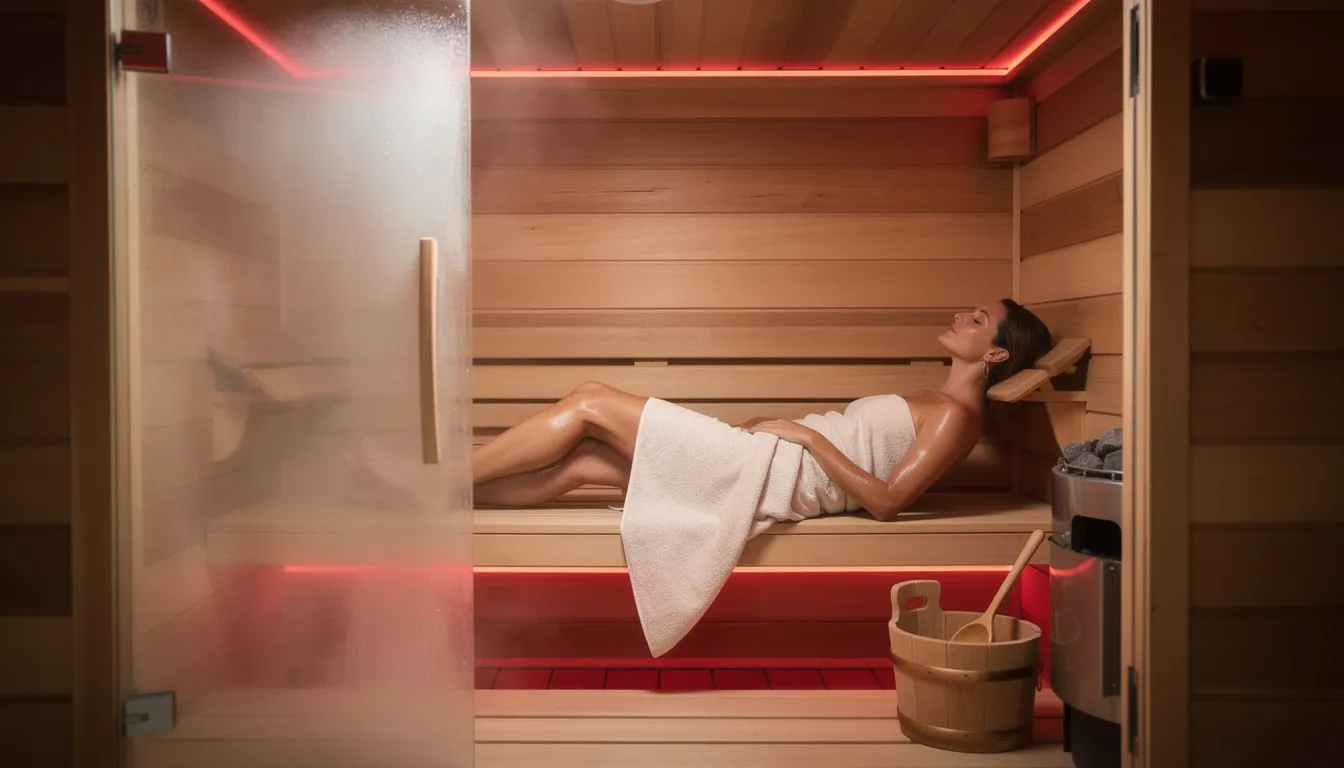
Red and near-infrared wavelengths are absorbed by skin and underlying tissues, where they support mitochondrial energy production (ATP) and cellular repair. This is why red light therapy has been studied for decades for wound healing, muscle recovery, and skin rejuvenation.
A red light sauna is not simply a red light panel placed in a room. It's an enclosed infrared cabin that maintains temperatures roughly 110–140°F (43–60°C) while LEDs provide non-burning light that penetrates tissue without adding uncomfortable heat. The result is an environment where you can relax, sweat gently, and receive light therapy simultaneously—a perfect example of home sauna wellness integration.
How Do Red Light Saunas Work in the Body?
Red light saunas combine two distinct therapies: thermal stress from infrared heat and photobiomodulation from red and near-infrared light. These work together to support your circulation, nervous system, muscles, and skin, delivering a range of health benefits that neither approach achieves as effectively on its own.
Cellular-Level Mechanisms
At the cellular level, photobiomodulation affects mitochondria—particularly an enzyme called cytochrome c oxidase. When red and near-infrared light is absorbed, it increases ATP production, which is the energy currency your cells use for repair, regeneration, and normal function. This process supports better cell function and may help reduce oxidative stress over time.
Wavelength Penetration Depths
The penetration depth of different wavelengths matters for understanding where benefits occur:
- Near-infrared wavelengths (810–850 nm): Can penetrate several centimeters into tissue, influencing muscle tissue, joints, and even aspects of nerve function at deeper levels
- Red light wavelengths (630–660 nm): Mainly target superficial tissues and the skin's surface, supporting collagen production and cellular turnover in the outer layers
Cardiovascular and Circulatory Effects
The gentle cardiovascular demand of far-infrared heat results in a slight increase in heart rate, similar to that of moderate exercise or a brisk walk. This response increases blood flow, enhances nutrient delivery, and supports the removal of metabolic waste products from tissues. When combined with the direct cellular effects of infrared light, you're essentially giving your body a low-stress workout while sitting still.
Unlike traditional saunas that heat the air around you, infrared sauna heat penetrates directly into tissues without creating the oppressive atmospheric heat that some people find difficult to tolerate. This makes longer sessions more accessible for a wider range of users pursuing 2-3-person home sauna benefits.
What Are the Top Red Light Sauna Benefits?
Most people use red light saunas for a cluster of overlapping benefits: faster recovery, pain relief, healthier skin, improved mood and sleep, and long-term cardiovascular and metabolic support. The unique combined effect of far-infrared sauna bathing and red light therapy creates advantages neither modality delivers as effectively on its own.
The following sections break down specific benefit categories with practical, real-world explanations rather than abstract claims. Research is promising but still evolving, and individual results can vary based on frequency, consistency, and personal factors.
1. Enhance Muscle Recovery and Athletic Performance

Athletes and active individuals increasingly use red light saunas immediately after, or within a few hours of, intense workouts to speed recovery. Whether you're finishing endurance or resistance training, a post-workout sauna can help your muscles relax and recover more efficiently.
Sports science studies from the mid-2010s onward demonstrate that infrared and far infrared heat exposure leads to faster neuromuscular recovery and less muscle soreness within 12–24 hours compared with passive rest. Power athletes and recreational exercisers alike have reported reduced delayed-onset muscle soreness when incorporating sauna bathing into their routines.
Red and near-infrared light may further support recovery by:
- Increasing blood flow to fatigued muscle tissue
- Reducing oxidative stress at the cellular level
- Helping clear metabolic waste products like lactate
For practical application, consider sessions of about 15–25 minutes at moderate temperatures (around 120–130°F), 3–4 times per week after training. This approach fits well alongside hydration, quality sleep, and proper nutrition as part of a holistic recovery plan.
If you lift weights, run, cycle, or play sports regularly, think of the red light sauna as a consistent tool in your recovery stack—not a replacement for fundamentals, but an additional layer that can help you bounce back faster and feel less sore between sessions.
2. Help Ease Joint Pain and Everyday Aches
Many users with knee, hip, or lower back discomfort report reduced stiffness and pain after several weeks of routine red-light sauna sessions. The combination of heat and light appears to address joint pain from multiple angles.
Infrared heat promotes vasodilation—the widening of blood vessels—which improves blood circulation and delivers more oxygen and nutrients to stiff, aching joints. Meanwhile, near-infrared light may help modulate inflammation and nerve signaling in deeper tissues, potentially providing pain relief beyond what heat alone offers.
Research on infrared therapy and arthritis-type pain has found improvements in perceived pain and joint mobility when used regularly over multiple weeks. A 2009 study on rheumatoid arthritis, for example, reported short-term reductions in pain and stiffness among participants using infrared treatments.
Real-world scenarios where users find relief include:
- Aging adults managing chronic pain from osteoarthritis
- Desk workers with persistent back and neck tension
- Recreational athletes dealing with old injuries that flare up
If you have significant or diagnosed conditions like rheumatoid arthritis or cardiovascular disease, discuss sauna use with a clinician. They can help personalize frequency and temperature to ensure you're using repeated thermal therapy safely and effectively.
3. Support Clearer, Healthier-Looking Skin
Red light therapy has been studied for decades for skin rejuvenation, and combining it with the gentle sweating of a far infrared sauna can help support clearer, more radiant skin over time. The benefits of infrared heat and red light wavelengths work together to address skin imperfections and promote a healthier complexion.
Red wavelengths stimulate fibroblasts—the cells responsible for stimulating collagen production and elastin synthesis. Over 8–12 weeks of consistent use, this can potentially soften fine lines, improve texture, and support skin firmness. This is one of the most researched applications of photobiomodulation.
Sweating during sauna therapy helps open pores and clear impurities from the skin's surface. Your sweat glands work to flush out debris, and improved circulation brings fresh nutrients to skin cells while carrying away other skin imperfections. The combined effect often results in a more even, glowing tone.
Practical tips for maximizing skin benefits:
- Cleanse your skin before each session to remove lotions and makeup
- Use a clean towel to wipe away sweat during the session
- Rinse off afterwards and apply a light moisturizer
- Avoid heavy makeup during sessions to let skin breathe freely
This benefit appeals to multiple audiences: those seeking anti-aging support, individuals dealing with dull or congested skin, and anyone focused on overall complexion health rather than quick fixes.
4. Reduce Stress and Support Deeper Sleep

The calm, cocoon-like environment of a red light sauna can become a daily ritual to unwind from work, training, and digital overload. Many users find that consistent sessions help them feel refreshed and more centered.
The combination of gentle warmth, parasympathetic activation (your rest-and-digest response), and dim red light helps lower perceived stress and muscle tension. Studies show that sauna use can improve heart rate variability (HRV), indicating better balance of the autonomic nervous system—the kind of state in which your body can actually recover and repair.
Many people report improved sleep quality when they schedule sessions a few hours before bed, in the late afternoon or early evening. As your core body temperature rises during the sauna session and then naturally falls afterward, it mimics the temperature drop that signals your body it's time to sleep.
To maximize the mental benefits:
- Treat sauna time as a no-distraction zone
- Leave phones and devices outside
- Use soft music, breathwork, or simple silence
- Focus on being present rather than mentally replaying your to-do list
While red light saunas can support relaxation and better sleep, persistent insomnia or anxiety deserves medical evaluation. Wellness tools like saunas complement professional care but shouldn't replace it when deeper issues exist.
5. Support Metabolism, Circulation, and Heart Health
Sitting in a red-light sauna slightly increases heart rate and blood circulation, similar to easy walking, while the infrared light may influence cellular metabolic pathways. This gentle cardiovascular demand is one reason sauna bathing has been studied for its effects on heart health.
Observational research from Nordic countries—particularly the Kuopio Ischemic Heart Disease (KIHD) study, which has followed participants for 24.7 years—has linked consistent sauna use to better cardiovascular health outcomes. Participants using saunas 4–7 times weekly showed a 47% relative decrease in hypertension risk. While this research focused on traditional Finnish saunas, infrared-based approaches aim to deliver similar health benefits at lower, more accessible temperatures.
Sessions can increase calorie expenditure modestly and support healthier metabolism, but it's important to be realistic: sauna use is not a replacement for exercise, balanced nutrition, or other fundamentals. Some users are drawn by weight-loss claims, and while you may burn calories during a session, the primary mechanism is improved circulation rather than significant fat burning—an important distinction when evaluating detox claims for infrared saunas.
Supportive effects include:
- Improved blood flow throughout the body
- Potential support for endothelial function (the lining of blood vessels)
- Better oxygen delivery to tissues
- Vasodilation can help reduce blood pressure
If you have uncontrolled high blood pressure, heart rhythm issues, or have experienced recent cardiac events, consult a physician about the appropriate temperature and duration before establishing a regular sauna routine. The goal is optimal health, not overexertion.
6. Modulate Inflammation and Immune Function
Chronic, low-grade inflammation underlies many modern health concerns, from joint stiffness to metabolic dysfunction. Both red light therapy and heat exposure are being studied for their potential to reduce inflammation and support better immune function.
Research on red and near-infrared light suggests it can influence oxidative stress and inflammatory signaling molecules at the cellular level. This may translate to better resilience over time, particularly when combined with other healthy lifestyle factors.
Periodic heat exposure—such as far-infrared sauna bathing a few times per week—has been associated with improved immune system function and fewer respiratory infections among regular users. Some scientific evidence from Finnish research suggests that consistent sauna users experience lower rates of common colds and pneumonia.
It's important to frame these claims conservatively:
- Red light saunas are a supportive tool, not a cure for specific diseases
- Benefits come from consistency over months and years, not a handful of sessions
- Sleep, movement, nutrition, and stress management remain foundational
- A systematic review of available evidence shows promise but acknowledges that more research is needed
Think long-term when considering the benefits of inflammation and the immune system. This is about building resilience gradually through repeated thermal therapy and consistent light exposure as part of your home sauna wellness routine.
How Do Red Light Saunas Compare to Other Options?
Buyers often get confused between a traditional sauna, a full-spectrum infrared sauna, and a simple red light panel. Understanding the differences helps you choose the right tool for your goals.
Comparison Table
|
Feature |
Traditional Sauna |
Infrared Sauna |
Red Light Sauna |
Standalone Red Light Panel |
|
Heat Source |
Heated air/steam |
Infrared heaters |
Infrared heaters + LEDs |
No heat |
|
Temperature |
150–195°F |
110–140°F |
110–140°F |
Room temperature |
|
Sweat Inducing |
Yes (intense) |
Yes (moderate) |
Yes (moderate) |
No |
|
Light Therapy |
No |
No |
Yes (red + NIR) |
Yes (red + NIR) |
|
Session Duration |
10–20 min typical |
20–45 min |
20–45 min |
10–20 min |
|
Space Required |
Dedicated room |
Cabin (various sizes) |
Cabin (various sizes) |
Minimal |
Understanding the Key Differences
Traditional saunas rely on high temperatures to induce sweating, which some find invigorating but others find too intense. Unlike traditional saunas, infrared saunas heat your body directly at lower ambient temperatures, making longer sessions more comfortable—a critical advantage when evaluating infrared sauna vs traditional sauna experiences.
Standalone red light panels deliver non-heating red and near-infrared wavelengths while you stand or sit nearby. They're useful for targeted applications but don't provide a full-body thermal environment or the sweat-inducing effect that helps flush metabolic waste through your skin.
A red light sauna—an infrared cabin with integrated LED panels—offers both: whole-body warmth plus targeted light therapy in a single, time-efficient session. This is the non-invasive treatment approach that maximizes benefits while minimizing the time investment.
SunHomeSaunas focuses on full-spectrum infrared saunas with optional sauna red light therapy kit upgrades, designed with low-EMF heaters and sustainable woods. This means you don't have to choose between comfort, performance, and design—you can have all three in a single, elegant luxury home sauna solution.
Who Benefits Most from a Red Light Sauna?
While almost anyone cleared for regular sauna use can enjoy sessions, some groups may notice especially pronounced additional benefits from combining infrared therapy with red light exposure.
Ideal User Profiles
- Hard-training athletes and weekend warriors find value in accelerated muscle recovery and reduced soreness after strength or endurance sessions.
- Busy professionals appreciate having a dedicated space for stress relief that requires no commute or appointment.
- Midlife and older adults focused on joint pain, comfort, and longevity often report meaningful improvements in how they feel day to day.
- Skin-conscious users seeking non-invasive rejuvenation benefit from photobiomodulation's effects on collagen production and skin clarity.
- Affluent homeowners who want to create a home sauna environment often choose red-light saunas because they combine multiple wellness modalities—heat, light, relaxation—into a single, elegant space.
Time-Efficient Wellness
People with limited time particularly appreciate the ability to combine recovery, skin support, and mental decompression in a single 20–30 minute IR sauna session at home instead of booking multiple external appointments. It's an efficient path to better health.
Session Planning by Goal
When deciding on session frequency, duration, and time of day, consider your primary goals:
- Recovery focus: Post-workout sessions, 3–4 times weekly
- Consistent 3–5 times weekly for 8–12 weeks
- Stress and sleep: Late afternoon or evening sessions
- General longevity: Regular but moderate use as part of an overall wellbeing routine
How Do You Use a Red Light Sauna Safely and Effectively?
While red light saunas are generally well tolerated, following simple guidelines maximizes benefits and minimizes risk. The goal is sustainable, enjoyable sessions that support your overall well-being rather than pushing too hard too fast.
Getting Started
- Begin with 10–15 minute sessions at lower temperatures (around 110–115°F)
- Start with 2–3 sessions per week
- Gradually work up to 20–30 minutes, 3–5 times weekly as tolerated
- Listen to your body—feeling refreshed after sessions is the goal
Hydration Guidelines
- Drink water before and after each sauna session
- Add electrolytes on heavy training days or in hot climates
- Avoid alcohol before or during sessions
- Stay hydrated throughout the day, not just around sauna time
Timing Recommendations
|
Goal |
Best Timing |
Duration |
|
Muscle recovery |
Within 1–3 hours post-workout |
15–25 min |
|
Stress relief |
Late afternoon/early evening |
20–30 min |
|
Sleep support |
2–3 hours before bed |
20–30 min |
|
Morning energy |
First thing, followed by a cool shower |
10–20 min |
Safety Reminders
- Exit immediately if feeling dizzy, nauseated, or overly hot
- Avoid sessions after alcohol consumption
- Pregnant individuals should consult their healthcare provider first
- People with heart conditions, uncontrolled high blood pressure, or implanted electronic devices need medical guidance before starting
A meta-analysis of sauna safety research confirms that most healthy adults tolerate infrared sauna therapy well when following basic precautions. The key is consistency over intensity—regular sauna sessions at comfortable temperatures deliver more benefit than occasional extreme sessions, especially when planning home sauna installation projects.
Why Choose a Home Red Light Sauna from SunHomeSaunas?
SunHomeSaunas is a premium home wellness brand specializing in full-spectrum infrared saunas, traditional saunas, home cold plunge tubs, and red light integrations for complete at-home spa setups. Everything is designed with discerning homeowners in mind—people who value both performance and aesthetics.
Craftsmanship That Shows
- Sustainably sourced, solid wood construction
- Attention to joinery and finish details
- Designs that look like high-end furniture rather than gym equipment
- Materials chosen for durability and low off-gassing
Technology Advantages
- Low-EMF, low-VOC infrared heaters that minimize electromagnetic field exposure
- Optional full-spectrum capability (near, mid, and far infrared wavelengths)
- Dedicated sauna red light therapy kit add-ons are designed to surround the body more evenly than basic wall panels
- Precise temperature control for personalized sessions
Convenience Features
- 20A dedicated circuit models that can be installed in a spare room, basement, or dedicated wellness space
- No complex renovations required
- Clear assembly instructions for straightforward setup
- Multiple sizes to fit different spaces and household needs, from a 1-person infrared sauna to larger family models
Whether you're focused on muscle recovery, skin rejuvenation, stress management, or cardiovascular health, SunHomeSaunas offers configurations that match your goals. The combination of infrared sauna heat and integrated red light creates a complete wellness experience—no need to purchase separate devices or piece together a patchwork solution.
Check out our sauna accessories to complete your wellness setup.
Transform Your Wellness Routine with Red Light Sauna Benefits
The combination of infrared heat and red light therapy represents a powerful investment in long-term health and vitality. Whether you're pursuing faster athletic recovery, healthier skin, better sleep, or comprehensive cardiovascular support, a red light sauna delivers science-backed benefits in a single, time-efficient session.
Visit SunHomeSaunas today to find the perfect foundation for your home wellness routine. You’ll find a wide collection of the best red light therapy saunas you really need.
FAQs
How soon will I notice results from using a red light sauna?
Relaxation and a sense of reduced muscle tightness can be felt after the first few sessions. Many users report improved sleep quality and recovery within 1–2 weeks of consistent use at 3–4 sessions per week. Visible skin changes, deeper benefits like joint comfort, and improvements in stamina usually require 6–12 weeks of regular sessions. Individual response varies based on age, baseline health, training load, and lifestyle habits outside the sauna. This timeline applies whether you're using an indoor 2-person infrared sauna or a larger cabin.
Can I use a red light sauna every day?
Many healthy users tolerate daily sessions well, especially at moderate temperatures and durations of 20–25 minutes. However, it's wise to build up gradually, starting with 2–3 days per week before moving to daily use. Monitor how you feel—energy levels, sleep quality, and recovery—and back off if you notice persistent fatigue or signs of dehydration. People with chronic conditions or medications affecting blood pressure or temperature regulation should discuss the ideal frequency with their healthcare provider.
Should I shower before or after a red light sauna session?
A quick rinse or gentle cleanse before your session removes lotions, makeup, and surface impurities, so your skin can breathe and sweat freely—maximizing the benefits of increased blood flow to the skin's surface. Afterward, shower to wash away sweat and any released impurities, then apply a light moisturizer to support your skin barrier. Lukewarm or cool water can be more refreshing than extremely hot post-sauna showers and helps your body return to baseline temperature naturally.
Can I combine red light sauna use with cold plunges or ice baths?
Many people enjoy contrast therapy: using a red-light sauna followed by a brief cold-plunge tub at home, or a cool shower, to create a strong circulation and nervous system stimulus. Start gently—perhaps 10–15 minutes in the sauna followed by 30–60 seconds of cool water—and increase exposure only as tolerated. This combination can enhance the benefits of each modality, especially when comparing cold plunges vs. ice baths for recovery protocols. However, people with heart conditions or high blood pressure should get medical clearance before performing intense hot–cold contrast protocols at home.
Is a red light sauna safe if I have medical implants or take medications?
Some implants (such as certain pacemakers or metal hardware) and medications that affect blood pressure, heart rate, or heat tolerance may require special caution. Consult your physician and, if relevant, the device manufacturer before starting sauna use. When in doubt, begin with lower temperatures (around 110°F) and shorter sessions (10–15 minutes) under professional guidance. If your healthcare provider advises against sauna use, explore alternative recovery methods that align with your health situation.
References
- National Library of Medicine – “A Controlled Trial to Determine the Efficacy of Read and Near-Infrared Light Treatment.”
- ResearchGate Study – “Effectiveness of Infrared Therapy on Pain in Musculoskeletal Disorders.”
- National Library of Medicine – “Mechanism and Properties of Anti-Inflammatory Effects of Photobiomodulation.”
- Academia.Edu – “Infrared Sauna in Patients with Rheumatoid Arthritis and Ankylosing Spondylitis.”
- ScienceDirect Research – “Recovery from Sauna Bathing Favorably Modulates Cardiac Autonomic Nervous System.”
- JAMA Internal Medicine – “Association Between Sauna Bathing and Fatal Cardiovascular and All-Cause Mortality Events.”