


In today's wellness landscape, infrared saunas and red light therapy have emerged as leading natural healing modalities. Both promise remarkable health benefits, from pain relief and improved skin to better recovery and stress reduction.
Understanding how these therapies work, where they overlap, and where they differ can help you choose the right option for your specific wellness goals. Whether you're seeking deep detoxification, targeted skin rejuvenation, or comprehensive body conditioning, this guide illuminates the science behind each therapy and helps you make an informed decision.
Key Takeaways
● Infrared saunas use heat therapy for whole-body wellness, cardiovascular benefits, and deep detoxification
● Red light therapy employs targeted light wavelengths for cellular repair, collagen production, and localized healing
● Both therapies reduce pain and inflammation through different mechanisms
● Infrared sauna health benefits include improved circulation, muscle relaxation, and stress relief
● Sauna red light therapy kits excel at skin rejuvenation, wound healing, and anti-aging effects
● Combining both modalities offers complementary wellness results
● Your choice depends on health goals, heat tolerance, budget, and lifestyle preferences
How Do Infrared Saunas and Red Light Therapy Work?
Both infrared saunas and red light therapy beds rely on electromagnetic energy to deliver their effects, but they interact with your body differently. One focuses on heat therapy, while the other works at the cellular level through light.
Infrared Sauna Mechanisms

The best infrared saunas use panels or ceramic heaters that emit far infrared radiation in the 5,600-10,000 nm wavelength range. Unlike traditional saunas that heat the surrounding air to extreme temperatures, infrared heat penetrates your skin directly and warms tissue from the inside out.
This raises both skin and core body temperature by a few degrees, triggering several physiological responses:
● Vasodilation expands blood vessels, increasing blood circulation throughout the body
● Sweating mechanisms activate to regulate body temperature
● Heart rate elevates to 100-150 bpm, providing cardiovascular stress similar to brisk walking
● Heat shock proteins are upregulated, supporting cellular resilience
The temperatures in an infrared sauna range between 120 and 140 degrees Fahrenheit, producing sweat that's two or three times what a traditional sauna stimulates.
Red Light Therapy Bed Mechanisms

Red light therapy beds operate on entirely different principles. LED arrays deliver red light at 630-660 nm and near-infrared light at 810-880 nm without generating intense heat.
These wavelengths fall within the optical window of biological tissue, allowing them to penetrate deeper into the body than other wavelengths. The primary mechanism is photobiomodulation.
Light photons are absorbed by chromophores in your cells, particularly cytochrome c oxidase in the mitochondria. This absorption triggers several downstream effects:
● Increased ATP (cellular energy) production for improved cell repair and function
● Modulation of reactive oxygen species that activate repair pathways
● Nitric oxide release, promoting local vasodilation
● Upregulation of genes involved in collagen production, anti-inflammatory responses, and tissue repair
● Reduced pro-inflammatory molecules, promoting tissue restoration
What Are the Different Types of Infrared Saunas?
Infrared saunas are divided into various types based on wavelength ranges:
● Far-Infrared Saunas: Use far-infrared wavelengths to penetrate the skin. Infrared lights are colorless and invisible, and the therapy is also called dry sauna bathing.
● Full-Spectrum Infrared Saunas: A full-spectrum infrared sauna for sale uses a wide range of infrared wavelengths for versatile therapeutic effects.
● Near-Infrared Saunas: Also known as photobiomodulation therapy (PBMT), near-infrared wavelengths aid healing, tissue regeneration, and pain reduction.
● Chromotherapy Saunas: Some infrared saunas incorporate colored lights, relying on the theory that colors stimulate distinct responses and benefits.
How Deeply Do Infrared and Red Light Penetrate Tissue?
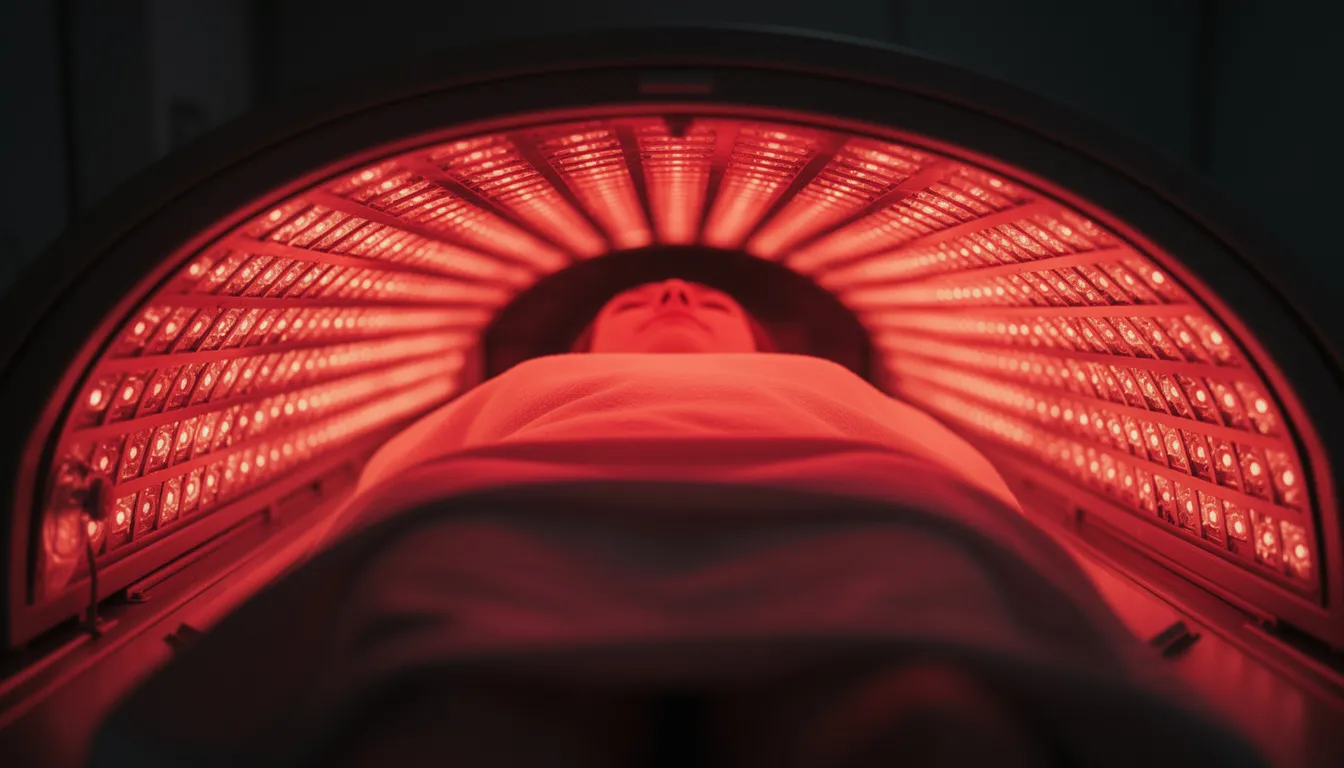
Understanding penetration depth helps explain why each therapy excels at different applications:
|
Light Type |
Wavelength Range |
Penetration Depth |
Primary Benefits |
|
Red Light |
630-660 nm |
A few millimeters (epidermis and upper dermis) |
Skin conditions, superficial wound healing, and facial rejuvenation |
|
Near Infrared Light |
810-880 nm |
Up to several centimeters |
Muscle recovery, joint health, nerve, and bone surfaces |
|
Far Infrared (Sauna) |
5,600-10,000 nm |
Absorbed superficially, converted to heat |
Systemic responses via increased blood flow and temperature regulation |
Where Do These Therapies Provide Similar Benefits?

Despite operating through different mechanisms, both infrared saunas and red light therapy beds converge on several key health outcomes.
Pain Relief and Musculoskeletal Recovery
Both modalities deliver meaningful pain relief through distinct routes. The best infrared sauna for home provides whole-body heat that relaxes tense muscles, increases blood flow to aching joints, and triggers endorphin release that naturally dulls pain perception.
Red light beds directly modulate inflammatory pathways at the cellular level, reducing chemical signals that sensitize pain receptors. Research suggests both approaches work for chronic pain conditions:
● Infrared sauna sessions have shown improvements in rheumatoid arthritis symptoms and fibromyalgia pain scores after 4-8 weeks of regular use
● Photobiomodulation trials demonstrate significant reductions in chronic low back pain, knee osteoarthritis discomfort, and post-exercise muscle soreness
Skin Health and Cosmetic Benefits
Sauna bathing supports skin appearance by enhancing circulation and promoting regular sweating, which helps unclog pores and flush away surface impurities. Many users report clearer, more radiant skin after establishing a consistent infrared sauna routine.
Red light therapy takes a more direct approach to skin health. The specific wavelengths stimulate fibroblasts to produce more collagen and elastin, the structural proteins responsible for skin firmness and elasticity.
Clinical research demonstrates measurable improvements in wrinkle depth and skin roughness, scar appearance and wound healing speed, skin texture and overall tone, and facial rejuvenation outcomes.
Explore synergistic benefits: The Synergy Between Infrared Saunas and Red Light Therapy for Skin Health
Inflammation and Immune Modulation
Chronic low-grade inflammation underlies many modern health problems, from joint pain to cardiovascular disease. Both outdoor infrared saunas and red light beds can help reduce systemic inflammatory markers over time.
Infrared heat activates heat shock proteins and improves circulation, which helps clear inflammatory byproducts and supports immune function. Photobiomodulation directly downregulates pro-inflammatory cytokines while upregulating anti-inflammatory mediators at the cellular level.
Mood, Stress, and Sleep Quality
The mental health benefits of both modalities deserve attention. Infrared sauna treatment induces deliberate heat stress, forcing the body into a parasympathetic recovery phase afterwards, which promotes deep relaxation and endorphin release.
Many users describe sauna sessions as meditative, and the post-session calm often improves sleep quality. Red light exposure directed toward the head and body may influence circadian rhythm signaling and reduce neuroinflammation.
Cardiovascular and Metabolic Support
Both modalities can support cardiovascular health. Regular heat therapy mimics the health benefits of moderate exercise with an elevated heart rate, including improved vascular function and potential reductions in blood pressure over time.
Finnish population studies link frequent sauna bathing to reduced cardiovascular mortality. Red light therapy supports heart health more indirectly by improving mitochondrial function, enhancing exercise tolerance, and reducing oxidative stress.
What Are the Key Differences Between These Technologies?
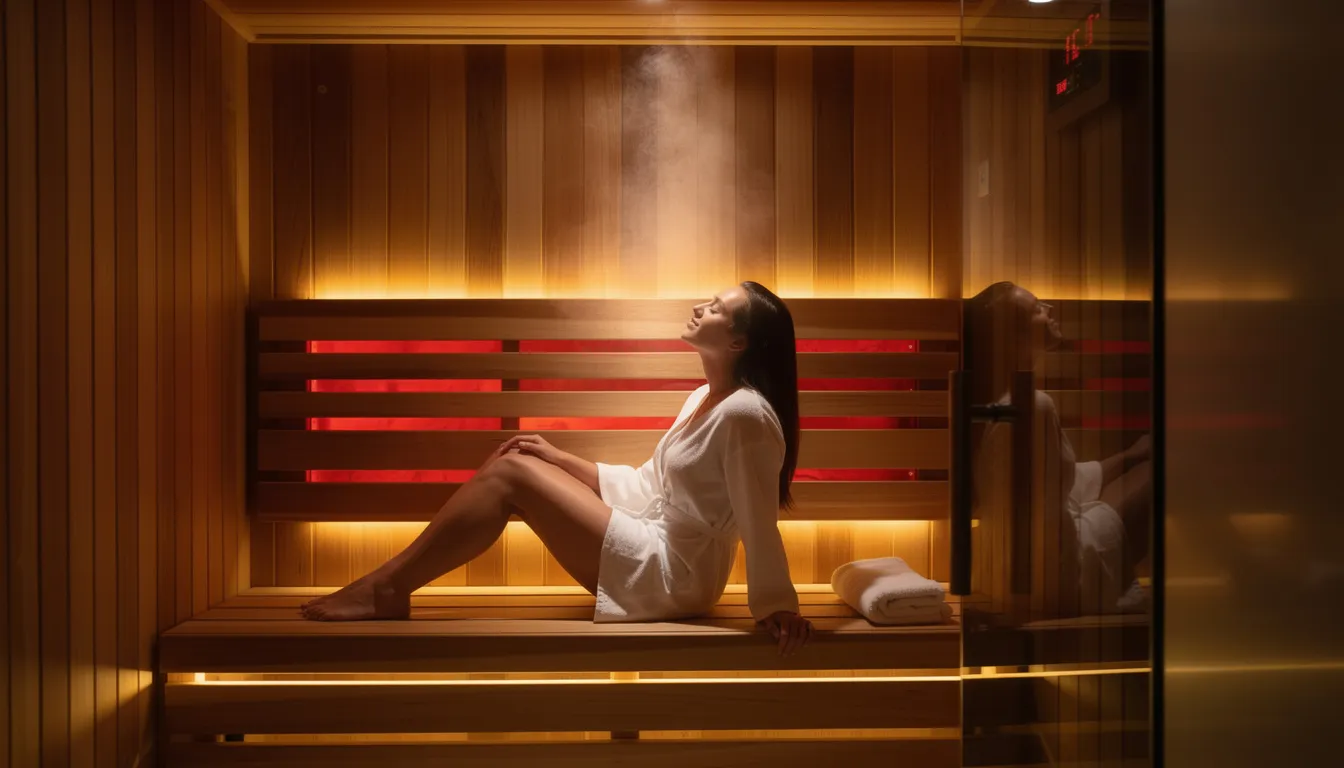
While overlapping benefits exist, the daily experience of using these technologies differs significantly.
Whole-Body Heat Vs Cool Photobiomodulation
The outdoor infrared sauna experience centers on heat. You'll enter a cabin heated to 110-140 degrees F, and within 10-15 minutes, heavy sweating begins.
Your heart rate rises to 100-150 bpm, similar to brisk walking or light jogging. Sessions last 20-40 minutes, and most protocols recommend 2-4 sessions per week.
Red light therapy beds offer something completely different. You lie under arrays of LEDs that emit red and near-infrared light with minimal heat.
There's no sweating, minimal cardiovascular strain, and sessions run shorter, typically 10-20 minutes. Because physiological stress is low, many users employ red light therapy 3-7 times per week.
Targeting and Specificity
One major advantage of red light therapy is precision. Light panels can be positioned to target specific body regions, like your face for skin rejuvenation, your knee for joint pain, or your lower back for disc issues.
This makes red light therapy attractive for dermatologic goals like reducing wrinkles or accelerating healing, localized injuries or chronic joint problems, and nerve and tendon conditions requiring focused treatment.
Infrared saunas provide global, non-targeted effects. You can't direct the heat to a specific knee or shoulder. The entire body experiences the thermal load, making saunas excellent for systemic benefits but less optimal for addressing specific tissues.
Thermal Load and Safety Considerations
Heat tolerance varies between individuals. Infrared sauna therapy may be unsuitable for people with heat intolerance or hypotension, those with unstable cardiovascular conditions or high blood pressure, pregnant women (particularly first trimester), and individuals on medications affecting thermal regulation.
Red light therapy presents fewer systemic risks since it doesn't significantly raise body temperature. The main precautions involve eye protection during facial treatments and awareness of photosensitizing medications.
Time and Routine Integration
Infrared sauna sessions require 30-45 minutes, including warmup, the session itself, and cooling down or showering afterward. The experience works best as something you schedule 2-3 times weekly, perhaps after workouts or as an evening wind-down.
Red light therapy sessions slot easily into almost any routine. At 10-20 minutes with no shower required afterwards, you can use a red light bed before breakfast, during a lunch break, or right before bed.
What Does Research Say About Each Modality?
Understanding what science actually supports helps separate marketing claims from evidence-based benefits.
Infrared Sauna Research
The strongest sauna research comes from Finnish population studies, particularly the landmark 2015 JAMA Internal Medicine analysis of over 2,000 men followed for more than 20 years. This study found that frequent sauna users (4-7 sessions weekly) had a significantly lower risk of sudden cardiac death, fatal coronary heart disease, and all-cause mortality.
While that research focused on traditional Finnish saunas, infrared saunas create similar physiological responses. Smaller clinical trials specific to infrared sauna therapy have demonstrated reduced pain and stiffness in patients with rheumatoid arthritis, improved quality-of-life scores in patients with ankylosing spondylitis, better exercise tolerance in patients with chronic heart failure, and modest reductions in blood pressure.
Red Light Therapy Research
Photobiomodulation research is more granular, with better standardization of wavelength, power density, and dosing parameters:
● Skin and Anti-Aging: Controlled trials demonstrated that red light at 630-660 nm, combined with 830 nm near-infrared treatments, increased collagen density, reduced wrinkle depth, and improved skin roughness after 8-12 weeks of regular sessions.
● Pain and Joint Health: Meta-analyses of photobiomodulation for knee osteoarthritis show clinically meaningful pain reductions, often in the range of 20-40% improvement. Similar results have been reported in tendinopathy and chronic neck pain research.
● Wound Healing: Red light accelerates healing in chronic wounds, post-surgical sites, and oral mucositis from cancer treatment by improving cellular energy production and enhancing tissue repair signaling.
How Do Costs Compare for Home and Professional Use?
In 2024-2025, both luxury home saunas and red light therapy beds have become increasingly accessible, but the financial commitment differs significantly.
Infrared Sauna Pricing
|
Category |
Price Range |
Features |
|
Entry 1-person cabin |
$1,500-$3,000 |
Basic heaters, limited wood quality |
|
Mid-tier 2-3 person |
$3,000-$6,000 |
Better wood, EMF shielding, multi-zone heating |
|
Luxury/commercial units |
$6,000-$12,000+ |
Premium materials, chromotherapy, and advanced controls |
Red Light Therapy Bed Pricing
|
Category |
Price Range |
Features |
|
Compact panels/modular setups |
$1,000-$3,000 |
Covers partial body, DIY configuration |
|
Full-body home beds |
$4,999–$8,000 |
Complete coverage, integrated stand/enclosure |
|
Spa-grade 360-degree LED capsules |
$8,000-$25,000+ |
Commercial durability, automated programs |
Operating Costs Comparison
|
Therapy Type |
Power Draw |
Cost Per Session |
Weekly Cost (3-5 sessions) |
Annual Cost |
|
Infrared Sauna |
1.5-3 kW |
$0.35-$0.70 (30 min) |
$1.05-$2.10 (3x) |
$55-$110 |
|
Red Light Therapy |
300-1,200 W |
$0.05-$0.20 (15 min) |
$0.25-$1.00 (5x) |
$13-$52 |
Red light therapy wins decisively on per-session operating costs, often running at one-quarter to one-third the electricity expense of infrared sauna sessions.
Service-Based Pricing
If you're considering spa or clinic visits rather than home equipment:
● Infrared sauna sessions: Typically, $20-$50 per 30-40-minute session in North America
● Red light therapy bed sessions: Often $30-$75 per session, with packages reducing costs to $15-$40 each
Someone visiting a spa twice weekly for either modality might spend $150-$400 monthly, a figure that justifies investing in home equipment for committed users.
How Should You Choose Between Infrared Sauna and Red Light Therapy?
There's no universal winner in this comparison. The right choice depends on your health goals, medical history, tolerance for heat, available budget, and how the technology fits your schedule.
Choose Infrared Sauna If:
● Your goals center on whole-body relaxation, heavy sweating, and cardiovascular conditioning
● You want a detox-like ritual experience 2-4 times weekly
● You enjoy heat and find it relaxing rather than stressful
● You're focused on overall health, blood pressure management, or heart health
● You have space for a cabin and don't mind the time commitment
Choose Red Light Therapy If:
● You focus on skin rejuvenation, acne, scars, or facial rejuvenation
● You need to target specific areas like joints, tendons, or nerve issues
● You're heat-sensitive or have medical conditions that rule out sauna use
● You prefer shorter sessions and want something you can use daily
● Convenience and schedule flexibility are priorities
● You want to enhance skin health or improve skin tone specifically
Combining Both Modalities
Many wellness enthusiasts find the greatest benefits from integrating both technologies. An example weekly routine might include:
● Infrared sauna: 2-3 sessions weekly, typically after workouts or in the evening for relaxation and cardiovascular benefits
● Red light therapy: 4-6 sessions weekly for targeted skin, joint, or muscle recovery support
Some users prefer red light therapy immediately after a sauna session to take advantage of enhanced circulation and deeper light penetration. Others separate them by several hours to avoid overstimulation.
What Safety Measures Should You Follow?
Before starting any intensive wellness protocol, especially infrared sauna therapy, consult a healthcare provider if you have cardiovascular disease or unstable heart conditions, uncontrolled high or low blood pressure, pregnancy (particularly first trimester), serious chronic illness affecting temperature regulation, or medications that impair sweating or heat tolerance.
Red Light Therapy Precautions:
● Light sensitivity conditions or photosensitizing medications require caution
● Eye protection should always be used during facial treatments
● Active skin cancers in treatment areas warrant consultation
General Safety Guidelines:
● Stay hydrated before, during, and after sessions for both therapies
● Monitor skin for sensitivity or adverse reactions
● Start with shorter sessions and gradually increase duration
● Follow the manufacturer's instructions for all equipment
Making Your Wellness Investment Decision
Infrared saunas and red light therapy beds deliver similar wellness outcomes through different pathways. Saunas use systemic heat stress for whole-body conditioning and cardiovascular benefits, while red light therapy targets cells directly for precise repair and skin rejuvenation.
Your ideal choice depends on your personal goals, heat tolerance, available time, and budget. Many users benefit from combining both therapies for comprehensive wellness support.
Ready to elevate your wellness routine? Explore SunHomeSaunas for world-leading at-home wellness solutions, including infrared saunas, infrared sauna blankets, and home cold plunge tubs. Connect with our sauna experts today to discover which therapy best suits your lifestyle and health objectives.
FAQs
Which is better for pain relief: infrared sauna or red light therapy?
Both help reduce pain through different mechanisms. Infrared saunas provide whole-body muscle relaxation through heat and circulation, while red light therapy targets inflammation at the cellular level. Localized injuries often respond better to red light, while saunas excel for widespread stiffness.
Can red light therapy replace an infrared sauna completely?
Red light therapy cannot fully replace an infrared sauna because it doesn't offer cardiovascular and heat-stress benefits. However, it can substitute for sauna use if heat is intolerable or contraindicated, while still offering skin, joint, and recovery support.
Which option delivers better skin health and anti-aging results?
Red light therapy is generally superior for skin health because its wavelengths directly stimulate collagen and elastin production, improving wrinkles, tone, and texture. Infrared saunas support skin indirectly through circulation and sweating, but lack the same targeted anti-aging effects.
How often should each modality be used for optimal results?
Infrared saunas are typically used 2-4 times per week due to the physical stress of heat. Red light therapy can be used more frequently, often 3-7 times per week, because it produces minimal systemic strain and requires shorter session times.
Is it safe to use an infrared sauna and red light therapy together?
Yes, combining both is generally safe for healthy individuals. Many users alternate sauna sessions for systemic benefits with red light therapy for targeted repair. Always start slowly, stay hydrated, and consult a healthcare provider if you have health concerns.
What are the main technological differences between these therapies?
Sauna red light therapy kits use visible red and near-infrared wavelengths (630-880 nm) for cellular repair and skin health. Infrared saunas use mid and far-infrared waves (5,600-10,000 nm) for deep heat, sweating, and full-body detoxification.
How do upfront costs compare for home equipment?
Entry-level infrared saunas start around $1,500-$3,000, while basic red light panels begin at $1,000-$3,000. Professional-grade options for both can exceed $8,000-$12,000. Red light therapy typically has lower operating costs due to reduced electricity consumption.
References
1. Hightech Health – “Understanding Infrared Sauna Temperature Settings.”
2. Inside Matters – “The Science Behind Infrared sauna and Red Light Therapy.”
3. National Library of Medicine – “Sauna Bathing is Associated with Reduced Cardiovascular Mortality and Improves Risk Prediction in Men and Women.”
4. National Institute of Health – “Current Advances of Photomodulation Therapy in Treating Knee Osteoarthritis.”