


Yes—a red light sauna can help muscle recovery, and here is how it works: the infrared heat drives whole-body circulation and warms muscle tissue, while red and near-infrared light (photobiomodulation) is absorbed by your cells' mitochondria to help produce the ATP energy that fuels repair. In controlled human studies, a single post-exercise infrared sauna session improved recovery of neuromuscular performance and reduced muscle soreness compared with passive rest. Realistically, expect less next-day stiffness and better perceived recovery—not an injury cure. The science is still emerging (trials are small and protocols vary), so a red light sauna works best as one part of a recovery routine alongside sleep, adequate protein, and sensible training load.
This guide breaks down the science behind red light sauna therapy for muscle recovery, practical session protocols, and how to choose and safely use a home unit—whether you are a competitive athlete, weekend warrior, or fitness enthusiast.
Key Takeaways
- Red light saunas combine infrared heat with red and near-infrared light therapy to accelerate muscle recovery, reduce soreness, and support athletic performance.
- Research on infrared sauna health benefits shows improved neuromuscular recovery and reduced delayed onset muscle soreness after resistance training, while red light targets cellular repair at the mitochondrial level
- Studies with athletes found that a single 20-minute infrared sauna session post-workout helped maintain explosive power (like jump height) and significantly reduced perceived muscle soreness compared to passive rest, with no negative impact on sleep or autonomic recovery
- SunHomeSaunas offers premium at-home infrared saunas and sauna red light therapy kit models, bringing professional-level recovery tools into your home sauna wellness setup with low-EMF designs, sustainable materials, and 20A dedicated circuit installation
- The main benefits for muscle recovery include less DOMS, faster return to training, improved flexibility and joint comfort, and better perceived recovery without disrupting sleep quality or the autonomic nervous system
What Is a Red Light Sauna and How Does It Work?
A red light sauna is an infrared sauna indoor 2-person cabin or larger model that also emits specific red and near-infrared wavelengths—typically around 630–660 nm for visible red light and 810–850 nm for near-infrared—designed to deliver targeted light therapy alongside traditional infrared heat. This combination gives you the deep-warming benefits of far infrared sauna bathing plus the cellular-level effects of photobiomodulation in a single session.
Understanding the Dual-System Approach
Here's how the two systems work together:
- Infrared heat panels warm your body directly, typically at 110–140°F (~43–60°C), triggering an internal heat response rather than simply heating the surrounding air. This allows the infrared energy to penetrate deeper into muscle tissue.
- Red and near-infrared light penetrates skin and muscle without significantly raising air temperature. These wavelengths travel beneath the skin surface to reach the cells where recovery actually happens.
- Far infrared (the heat component) focuses on deep warming, improved circulation, and vasodilation. It creates the familiar sensation of warmth that loosens tight muscles.
- Red and near-infrared light (the photobiomodulation component) works at the cellular level by stimulating mitochondria—specifically by being absorbed by cytochrome c oxidase, which increases production of adenosine triphosphate (ATP). In simple terms, this means more cellular energy available for muscle repair and recovery.
SunHomeSaunas builds this heat-and-light system directly into the cabin rather than bolting a lamp onto a hot box. The Eclipse line ships with integrated Red Light Therapy—the Eclipse 4 includes two RLT towers mounted to the front, delivering red and near-infrared light at 660 nm and 850 nm (1,800W dual-tower), the same wavelengths used in photobiomodulation research. The one-person Pod has a built-in red light panel. Because the infrared heaters and the red/near-infrared light run in one unit, you get both modalities in a single session instead of buying and powering two machines. (On the outdoor Luminar line, red light therapy is an add-on rather than built in—worth knowing if integrated light is your priority.) These models are built with low-EMF heaters, sustainable wood (Canadian Red Cedar on the Eclipse and Luminar cabins), and quality craftsmanship for regular use.
What Does Science Say About Red Light Saunas for Muscle Recovery?
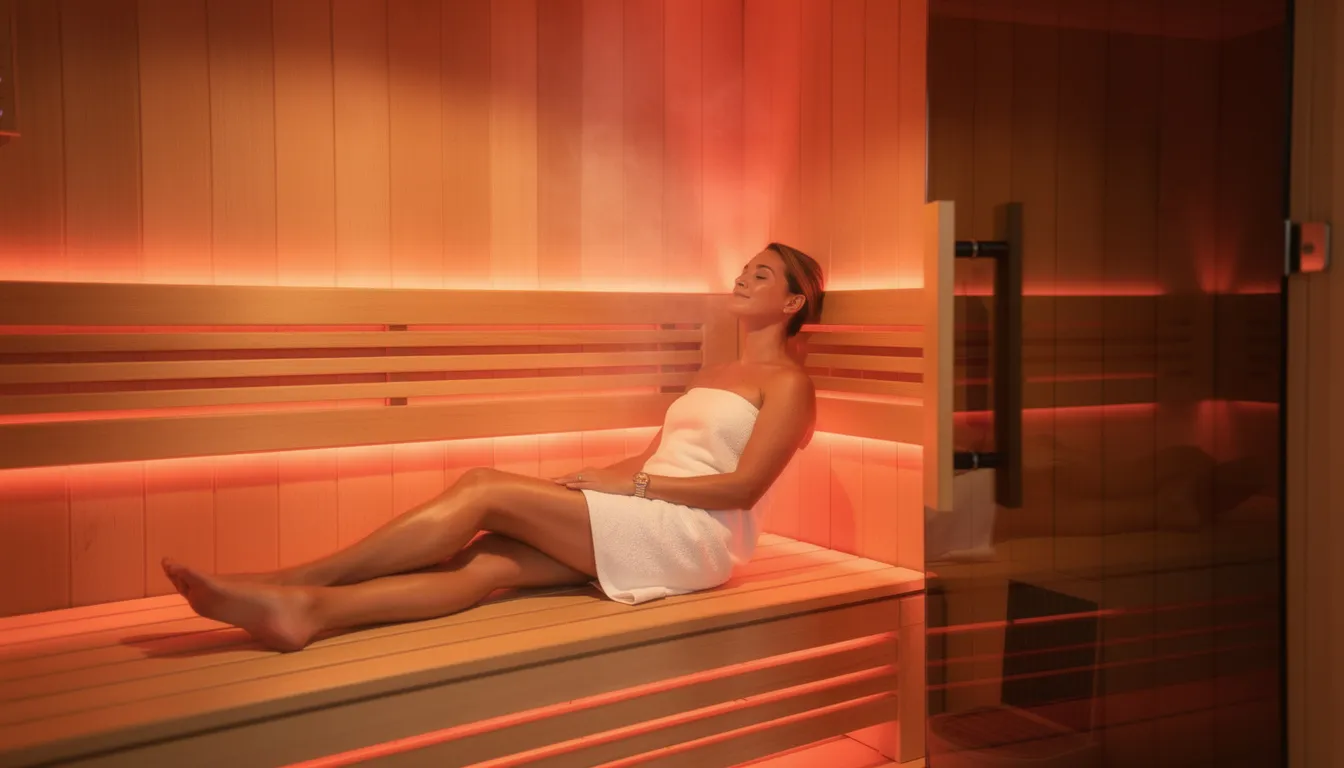
Multiple controlled studies have demonstrated that infrared sauna therapy—sessions lasting about 20 minutes at temperatures of 43–60°C—can reduce muscle soreness and improve neuromuscular recovery after demanding training, particularly in power athletes and team-sport players.
Key Research Findings
An NCBI research on post-exercise infrared sauna therapy shows:
Preserved explosive performance: A controlled study on post-exercise infrared sauna use after resistance training found that a single ~20-minute session at approximately 43°C attenuated the typical drop in countermovement jump performance compared to passive recovery. Athletes maintained their explosive power rather than experiencing the normal decline during the recovery period.
How the Mechanisms Support Recovery
The key mechanisms supporting muscle recovery include:
- Enhanced circulation and vasodilation: Infrared heat causes blood vessels to expand (vasodilation), increasing peripheral blood flow. Red and near-infrared light also stimulates nitric oxide release, further promoting oxygen delivery and nutrient transport to working muscles. This increased blood flow helps deliver the building blocks needed for tissue repair.
- Reduced inflammatory signaling: Studies suggest that red light therapy may influence inflammatory signaling and oxidative stress in muscle tissue. A review of photobiomodulation mechanisms describes how red and near-infrared light can modulate anti-inflammatory pathways at the cellular level—though this work maps biological mechanisms rather than proving a specific recovery outcome, so it should be read as supporting plausibility, not as settled proof.
- Faster clearance of metabolic waste: Improved blood circulation accelerates the removal of metabolic byproducts, such as excess lactic acid, that contribute to feelings of tightness and heaviness in muscles after intense training.
- Improved mitochondrial efficiency and ATP production: Near-infrared photons absorbed by cytochrome c oxidase in the mitochondria boost ATP production—the primary energy source for muscle work. Scientists cite this as the main explanation for red light's effects on muscle tissue recovery and adaptation.
- Temporary cardiovascular effects: Infrared sauna sessions temporarily increase heart rate during use, but expert analysis shows no negative impact on overnight heart rate variability or sleep quality when used appropriately. Your autonomic nervous system recovers normally.
While research continues to refine optimal protocols, current evidence supports the use of infrared and red light as safe additions to proven recovery pillars: quality sleep, adequate protein intake, and intelligent training load management.
How Do Different Recovery Technologies Compare?
Many people confuse these terms, which can make choosing the right recovery tool frustrating. Here's a clear breakdown to help you decide what fits your goals.
Technology Comparison Table
|
Modality |
What It Does |
Temperature |
Best For |
|
Infrared Sauna |
Far infrared heaters warm the body deeply |
110–150°F (43–66°C) |
Circulation, sweat, relaxation, and general recovery |
|
Stand-alone Red Light Therapy |
Red/near-infrared panels with minimal heat |
Room temperature |
Targeted muscle soreness, joint pain, and skin health |
|
Red Light Sauna |
Infrared heat + integrated red/NIR light panels |
110–140°F (43–60°C) |
Whole-body recovery combining heat and light benefits |
Which Technology Is Right for You?
- Infrared sauna: Uses primarily far infrared heat panels operating at 110–150°F. The focus is on deep warming, improved blood circulation, sweating, and relaxation. Great for general wellness, but doesn't include the photobiomodulation benefits of the light spectrum.
- Stand-alone red light therapy: Panels or lamps that emit visible red and near-infrared wavelengths with little or no heat output. Used for targeted applications—you might point a panel at sore quads after leg day or use it on a nagging joint. Sessions are typically shorter and more focused.
- Red light sauna: Combines both technologies. You get systemic infrared therapy for circulation and heat benefits, plus localized photobiomodulation for cellular-level recovery in a single sauna session.
Decision Guide
Which option suits you best?
- Choose a red light sauna if you want whole-body recovery, relaxation, and a spa-like ritual at home that addresses multiple recovery mechanisms simultaneously
- Choose stand-alone red light therapy if you prefer shorter, targeted pre- or post-workout treatments focused on specific muscle groups without the heat component
- Choose a traditional sauna if you enjoy very high heat environments for sweating and relaxation, but don't need photobiomodulation for athletic recovery
SunHomeSaunas focuses on full-spectrum infrared and sauna red light therapy kits designed with low-EMF technology and sustainable, high-quality materials built for long-term daily use in serious luxury home sauna setups.
What Are the Key Benefits for Muscle Recovery?
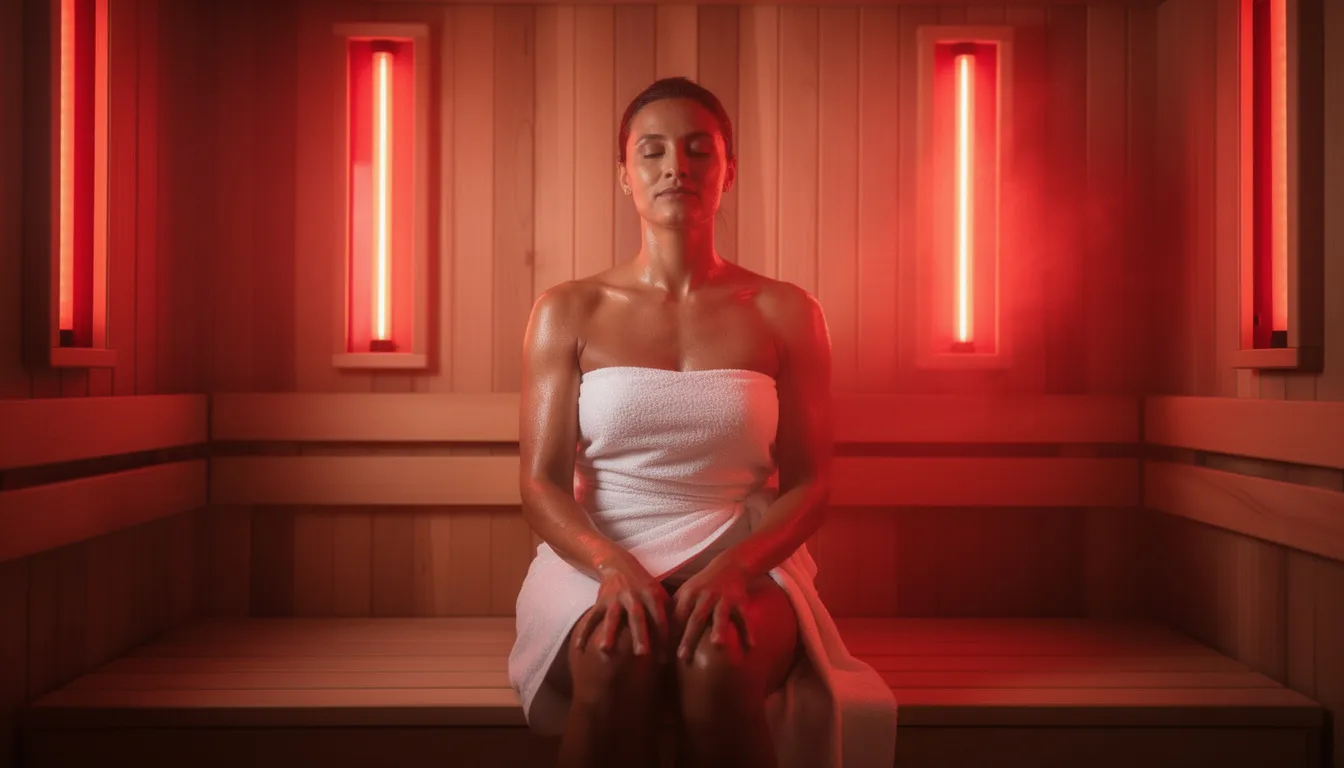
The combination of infrared heat and red light therapy creates a powerful recovery tool. Here are the specific benefits that matter most for athletes and active people.
Reduces Delayed Onset Muscle Soreness (DOMS)
Combined heat and red light can significantly reduce the intensity and duration of soreness that peaks 24–72 hours after hard sessions. Research on post-exercise infrared sauna use found that muscle soreness was statistically less severe compared to passive recovery (p < 0.01). Whether you're coming off heavy lifting, a long run, or high-intensity intervals, you'll feel less stiff and ready to move sooner.
Supports Faster Return to Peak Performance
Studies on power athletes and team-sport players demonstrate better maintenance of explosive power when an infrared sauna is used post-workout. Rather than experiencing the typical drop in neuromuscular function during recovery, athletes maintained metrics such as countermovement jump height. During dense training blocks or competition schedules, this performance enhancement matters—especially when comparing ‘cold plunge vs ice bath for recovery’ protocols.
Improves Flexibility and Joint Comfort
Infrared heat increases tissue elasticity and reduces joint stiffness. Warmed muscles and connective tissue allow for deeper, safer stretching—either during the final minutes of your sauna session or immediately after stepping out. For those dealing with chronic joint pain or limited mobility, this benefit compounds over regular sauna sessions.
Enhances Perceived Recovery and Relaxation
Athletes consistently report feeling more recovered and less stressed the morning after infrared use, even when objective sleep measures remain similar to passive rest. This improved perceived recovery translates to better training motivation and reduced mental fatigue.
Potential Support for Chronic Aches and Overuse Issues
Regular infrared sauna sessions may ease the low-grade tendon and joint discomfort common in runners, lifters, and racket-sport players. The combination of improved circulation, reduced pain signaling, and tissue healing support makes this a useful complement—though not a replacement—for medical treatment of injuries.
Synergy with Other Recovery Practices
Red light saunas pair exceptionally well with cold therapy, mobility work, and proper nutrition. This creates a comprehensive recovery stack that addresses multiple physiological systems, forming the foundation of an effective home sauna installation and wellness setup.
How Should You Use a Red Light Sauna for Optimal Recovery?
Getting results from infrared sauna therapy requires more than just sitting in heat. Here are evidence-informed protocols for timing, temperature, duration, and frequency.
Best Timing Relative to Workouts
- Post-workout (primary recommendation): Use your red light sauna within 30–90 minutes after strength training or conditioning sessions. This window supports circulation, reduces inflammation before it peaks, and promotes relaxation for faster recovery.
- On rest or light days: Use the sauna as an independent recovery ritual when not training intensely. Evening sessions before bedtime work well for many athletes.
Temperature Guidelines
Aim for 110–140°F (43–60°C) in your full-spectrum infrared sauna:
- New users: Start at the lower end (around 110–120°F)
- Experienced users: Work toward 130–140°F if well-tolerated
- Note: These lower temperatures compared to a traditional sauna still deliver deep tissue warming because infrared wavelengths penetrate the body directly rather than just heating air
Session Length Recommendations
|
Experience Level |
Recommended Duration |
Frequency |
|
Beginners |
10–15 minutes |
2–3 times/week for first 1–2 weeks |
|
Regular users |
20–30 minutes |
2–4 times/week |
|
Advanced/highly trained |
30–40 minutes |
3–5 times/week if well-hydrated |
Positioning in the Sauna
Sit or recline so that major muscle groups used in training—quads, hamstrings, glutes, back, and shoulders—are within the optimal distance from the red light panels. Rotate your position occasionally (every 10 minutes or so) to evenly expose your body to both the infrared heat and red light wavelengths.
Stack with Light Stretching and Breathwork
During the last 5–10 minutes of your session, add gentle stretching and deep diaphragmatic breathing. The warmed tissue is more pliable, making this an ideal window for mobility work. Slow breathing also activates parasympathetic recovery.
Hydration and Electrolyte Strategy
- Drink water before entering the sauna
- Sip water during longer sessions (20+ minutes)
- Rehydrate thoroughly afterward
- For heavy sweaters or frequent users, add electrolytes or lightly salted fluids to replace what's lost
Listen to Your Body
Recovery tools should leave you feeling better, not depleted. End your session early if you experience dizziness, nausea, or excessive fatigue. These are signs you're overdoing it or need better hydration.
Who Can Benefit Most from Red Light Sauna Recovery?
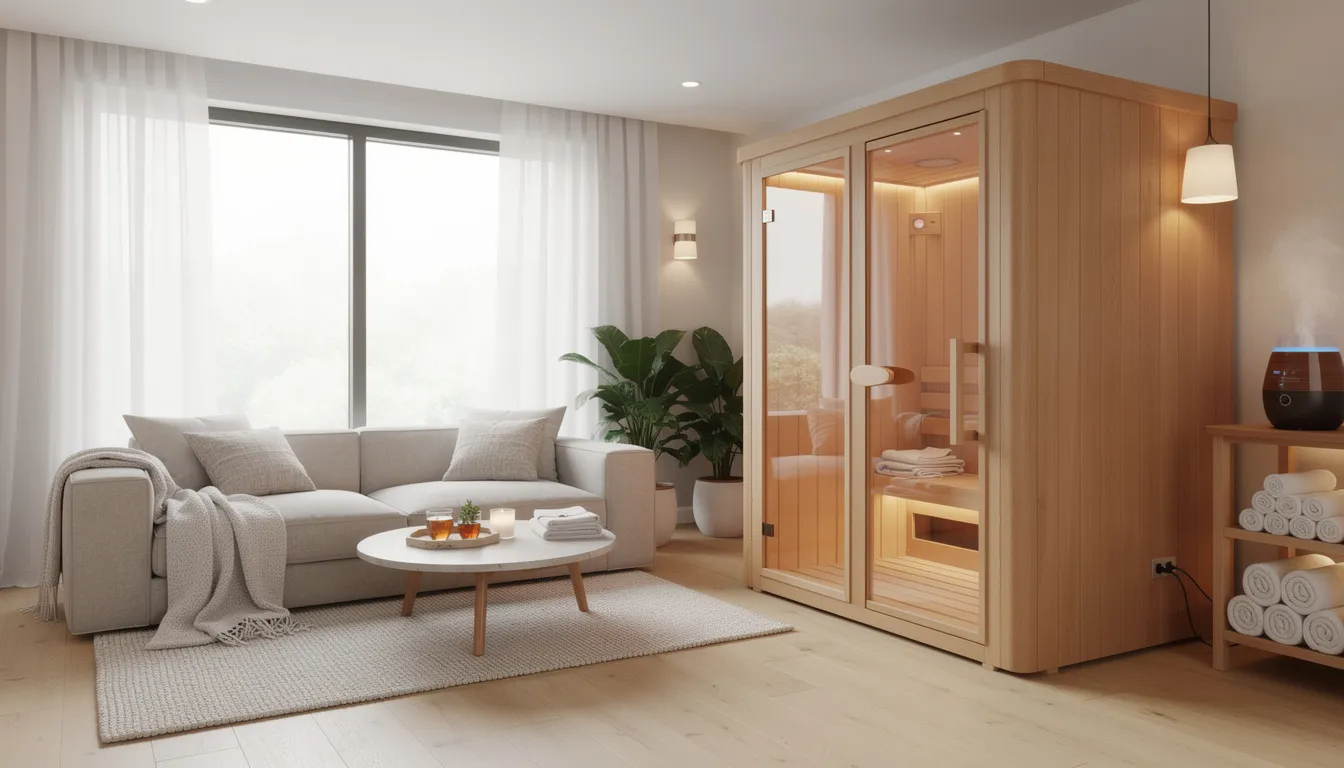
While almost anyone cleared for sauna use can benefit, certain groups notice particularly strong recovery gains from regular infrared sauna sessions.
Strength and Power Athletes
Lifters, CrossFit athletes, and team-sport players who experience heavy eccentric loading benefit significantly from reduced DOMS across weekly training blocks. A controlled study on post-exercise infrared sauna use after resistance training found improved recovery of neuromuscular performance and reduced muscle soreness versus passive rest—supporting a quicker return to hard sessions. Because these trials are small and their protocols vary, treat this as a promising, still-emerging finding rather than a guaranteed result.
Endurance Athletes
Runners, cyclists, triathletes, and rowers often train at high volumes, which can lead to persistent leg muscle soreness and joint stiffness. Regular red light sauna use supports improved circulation, shortens recovery time, and helps manage cumulative fatigue during heavy endurance training sessions.
Masters and Older Athletes
Athletes in their 40s, 50s, and beyond often experience slower natural recovery and stiffer joints. Red light sauna therapy supports circulation and mobility while providing the relaxation benefits that become increasingly valuable with age—important considerations when evaluating 2-3-person home sauna benefits for aging populations.
Busy Professionals Training Around Work and Family
A 20–30-minute red light sauna session at home doubles as both athletic recovery and stress management. After a long day and a quick workout, stepping into your best home infrared sauna provides health benefits for both your body and mind.
Wellness-Focused Homeowners Building Home Spas
SunHomeSaunas customers often invest in full-spectrum infrared saunas and red light units to create a permanent, low-friction recovery space. Having equipment always available removes the barrier of gym hours and travel time, making consistency easier.
Important note: People with cardiovascular disease, uncontrolled high blood pressure, pregnancy, or other medical conditions should consult a physician before adding heat or light therapy to their routine.
How Do You Integrate Red Light Sauna with Other Recovery Tools?
For those already using mental health, compression, or other modalities, combining them with a red light sauna can enhance recovery outcomes.
Contrast Therapy Basics
Alternating between hot (red-light sauna) and cold (home cold-plunge tub or ice bath) triggers rapid cycles of vasodilation and vasoconstriction. This "pumping" action may further enhance blood circulation, accelerate the removal of metabolic waste, and improve perceived recovery.
Sample Contrast Protocol
- 10–15 minutes in your red light sauna (110–130°F)
- 2–3 minutes in a cold plunge at 50–59°F (10–15°C)
- Repeat 2–3 rounds
- Finish with cold if your goal is alertness and energy
- Finish with warm if your goal is sleep and relaxation
Timing Considerations for Strength Training
Some research suggests that strong cold exposure immediately after heavy resistance training might slightly blunt hypertrophy signaling. If muscle growth is your primary goal, consider using a sauna post-workout for faster recovery and saving cold therapy for another time of day—perhaps morning or before bed.
Combine with Mobility and Soft-Tissue Work
Pair sauna with foam rolling, stretching, or light mobility flows to take advantage of warmed, more pliable tissues. The increased tissue elasticity during and after infrared therapy makes this an ideal window for addressing flexibility limitations.
SunHomeSaunas also offers cold plunge solutions and accessories, allowing you to build a complete heat-and-cold recovery station at home without relying on gym hours or scheduling around facility availability.
What Should You Look for When Choosing a Red Light Sauna?
Selecting the right equipment ensures you get maximum recovery benefits for years to come. Here's what matters most when building your home sauna for sale recovery setup.
Consider Full-Spectrum Infrared with Integrated Red Light
Models that deliver near-, mid-, and far-infrared light, along with true red/near-infrared light panels, provide the greatest flexibility. You get all the infrared sauna health benefits for general wellness, plus targeted photobiomodulation for performance recovery in one unit.
Size and Layout
Think about your primary use case:
- One-person recovery pods: Ideal for solo sessions focused purely on recovery (infrared sauna 1-person models)
- Larger cabins: Allow for stretching movements inside the sauna and the option to share sessions with a partner, family member, or training partner
Low-EMF and Build Quality
For those planning to use their sauna several times per week, quality matters:
- Low-EMF heater design protects against electromagnetic field exposure
- Non-toxic, sustainably sourced wood ensures a healthy environment
- Solid construction provides durability for daily use over many years
20A dedicated circuit vs. Built-In Installations
20A dedicated circuit models from SunHomeSaunas make it easy to set up a recovery space in a spare room, garage, basement, or dedicated wellness area. No complex electrical work or renovation required—just position, plug in, and start your recovery routine.
Accessories That Support Recovery
Consider add-ons that enhance your experience:
- Ergonomic backrests for comfortable extended sessions
- Chromotherapy lighting for additional relaxation
- Upgraded sound systems for guided breathwork or meditation
- Red light therapy panels that can be angled toward specific muscle groups
What Are the Safety Considerations and Best Practices?
While red light saunas are generally safe for healthy adults, following common-sense guidelines ensures you get benefits without risks.
Who Should Talk to a Doctor First
Consult a physician before starting sauna therapy if you have:
- Cardiovascular disease or a recent heart attack
- Uncontrolled high blood pressure or significant arrhythmias
- Pregnancy
- Certain autoimmune conditions
- Medications that impair sweating or heat tolerance
- Any condition affecting thermoregulation
Hydration and Overheating
Dehydration and overheating are the main risks with any sauna bathing:
- Limit or avoid alcohol before and during sessions
- Start with shorter sessions until you know your tolerance
- Exit immediately if feeling faint, nauseous, or unusually short of breath
- Never push through warning signs
Skin and Eye Considerations
Red light sauna use is typically safe for the skin. However:
- Very light-sensitive individuals should use caution
- Those on photosensitizing medications may want to start with shorter exposures
- Consider eye protection if particularly sensitive to bright light
Cleanliness and Hygiene
Maintain your sauna for optimal results:
- Use towels on benches to absorb sweat
- Wipe down surfaces regularly
- Shower after sweating, especially if you have acne-prone or sensitive skin
Frequency Guidelines
|
Goal |
Recommended Frequency |
|
General recovery maintenance |
2–3 sessions/week |
|
Active training recovery |
3–4 sessions/week |
|
Established users with good hydration habits |
Daily use possible |
Remember: saunas and red lights are supportive tools, not cures for injuries or medical conditions requiring professional diagnosis and care. They work best as part of a holistic approach to overall wellbeing that includes proper training, nutrition, and sleep.
Accelerate Your Recovery with Red Light Sauna Technology
Red light sauna therapy represents a science-backed approach to muscle recovery that addresses both systemic circulation and cellular-level repair. Whether you're a competitive athlete seeking performance gains or a fitness enthusiast pursuing faster recovery, combining infrared heat with photobiomodulation delivers results neither therapy can achieve on its own.
Explore SunHomeSaunas' full-spectrum infrared models with integrated red light technology to find the perfect luxury home sauna for your recovery needs. From compact infrared saunas for 1 person to spacious family cabins, your ideal recovery sanctuary awaits.
FAQs
How quickly will I notice muscle recovery benefits from a red light sauna?
Many users feel less soreness and greater relaxation after their very first 20–30-minute session, especially after a demanding workout. The reduced pain and improved relaxation are often immediate. However, clearer changes in DOMS severity, improvements in flexibility, and enhanced recovery quality typically become noticeable after 1–2 weeks of consistent use, around 3 sessions per week. Give yourself at least 4–6 sessions before evaluating whether it's significantly impacting your recovery. This timeline applies regardless of whether you're using an indoor 2-person infrared sauna or a larger cabin.
Is it better to use a red light sauna before or after lifting weights?
Post-workout is the primary recommendation for muscle recovery. Elevated body temperature and mild fatigue from pre-workout heat might temporarily reduce maximal strength output during your lifts. However, a short, low-temperature pre-session (5–10 minutes at the lower end of the temperature range) can occasionally serve as a warm-up for mobility-focused days or light training sessions. Most athletes find the greatest benefit from using the sauna within an hour after completing their resistance training or endurance training sessions—a key advantage when evaluating infrared sauna health benefits for athletic performance.
Can I overdo red light sauna sessions and harm my recovery?
Yes, excessive heat exposure without proper hydration and adequate rest can leave you feeling drained rather than refreshed. Signs you might be overdoing it include persistent fatigue, declining training performance, disrupted sleep, or feeling worse after sessions instead of better. Keep most sessions within 20–30 minutes, monitor how your training and energy feel over several weeks, and reduce frequency or session length if you notice negative effects. More isn't always better—consistency at appropriate doses produces the best results, especially when planning 1-person home sauna cost investments.
Does a red light sauna help with acute injuries like sprains or muscle strains?
In the first 24–48 hours after an acute injury, cold therapy, compression, and elevation are typically preferred to manage swelling and acute inflammation. Once the initial swelling subsides and acute pain decreases, heat and red light therapy may support later-stage recovery by improving circulation and promoting tissue healing. However, always follow your physician's or physical therapist's guidance for injury management. A red light sauna is best suited for chronic muscle recovery and reducing muscle soreness from training, not treating fresh injuries.
What should I wear in a red-light sauna for the best muscle recovery?
Wear minimal, light clothing—such as a swimsuit, loose breathable shorts, a sports bra, or simply a towel—so that as much skin and muscle as possible is directly exposed to the infrared and red/near-infrared light. The greater the direct exposure, the more effectively infrared wavelengths can reach your muscle tissue. Always maintain personal comfort and hygiene by sitting on a towel. Some people prefer complete coverage for privacy; in that case, choose thin, breathable fabrics that don't block light transmission.
References
- National Library of Medicine – “A Post-Exercise Infrared Sauna Session Improves Recovery of Neuromuscular Performance and Muscle Soreness After Resistance Exercise Training.”
- Medical News Today – “Red Light Therapy: Benefits and Side Effects.”
- National Library of Medicine – “Mechanisms and Application of Anti-Inflammatory Effects of Photobiomodulation.”
- ScienceDirect – “Infrared Sauna as Exercise-Mimetic? Physiological Response to Infrared Sauna Vs Exercise in Healthy Women”
- National Library of Medicine – “Post-Exercise Cold Water Immersion Attenuates Acute Anabolic Signaling and Long-Term Adaptations in Muscle to Strength Training