


Red light saunas have surged in popularity as homeowners seek effective wellness solutions that combine therapeutic heat with targeted light therapy. But with any health-focused technology, safety concerns naturally arise.
Is red light sauna safe for daily use? What precautions should you take? Who should avoid this therapy?
This comprehensive guide answers all your safety questions about red light saunas, from understanding how the technology works to recognizing contraindications and implementing best practices for safe, effective home use.
Whether you're buying your first home infrared sauna or optimizing an existing setup, you'll find evidence-based safety information to make informed decisions about your wellness routine.
Key Takeaways
- Red light saunas are generally safe for healthy adults when used as directed—typically 15–30 minutes per session, 3–5 times per week, with proper hydration and ventilation.
- Red and near-infrared light used in these saunas is non-ionizing and does not increase skin cancer risk the way harmful UV rays do, according to current research.
- Most side effects like dizziness, headache, skin flushing, or eye strain result from overheating, dehydration, poor ventilation, or overuse—not from the infrared light itself
- Excessive use of infrared saunas can lead to dehydration and heat exhaustion. Hence, monitoring your core body temperature is essential to prevent overheating.
- Always follow recommended session durations, stay hydrated, and pay attention to your body's signals.
- Individuals who are pregnant, have heart disease, uncontrolled blood pressure, diabetes, kidney disease, implants, or photosensitive conditions should seek medical advice before starting infrared sauna sessions.
- People with certain skin conditions, such as eczema or rosacea, may experience flare-ups from infrared sauna use and should use caution
- SunHomeSaunas designs low-EMF, well-ventilated, moisture-controlled red light and infrared units specifically engineered to maximize safety and comfort for long-term home sauna wellness.
What Is a Red Light Sauna?
A red light sauna combines gentle warmth from infrared heat with therapeutic red and near-infrared LEDs positioned around the user. Unlike traditional saunas that rely purely on high temperatures, these units pair dry heat therapy with targeted light therapy—a process called photobiomodulation—to deliver potential infrared sauna health benefits at more comfortable temperature ranges.
Key Characteristics
Here's what defines a typical red light sauna:
- Operating temperatures: 100–140°F (38–60°C), significantly lower than the 180–200°F found in traditional saunas.
- Common wavelengths: Red light around 630–670 nm and near-infrared around 810–880 nm.
- Session duration: Usually 15–30 minutes per session.
- Delivery method: LED panels integrated into cabin walls, providing whole-body exposure.
- Heat source: Far infrared or full-spectrum infrared sauna heaters working alongside LED arrays.
How It Differs from Standard Infrared
Standard infrared saunas focus on infrared heat that penetrates deeper into tissues, raising core body temperature and inducing sweating.
Red light saunas add a photobiomodulation component, in which infrared wavelengths and visible red light interact directly with skin cells to stimulate cellular energy production.
SunHomeSaunas offers the best infrared saunas with optional, panel-integrated sauna red light therapy kit modules. These units are designed for daily at-home wellness routines, providing the flexibility to customize your sauna bathing experience based on your goals—whether that's stress relief, muscle recovery, or skin rejuvenation.
Is a Red Light Sauna Safe? The Short Answer
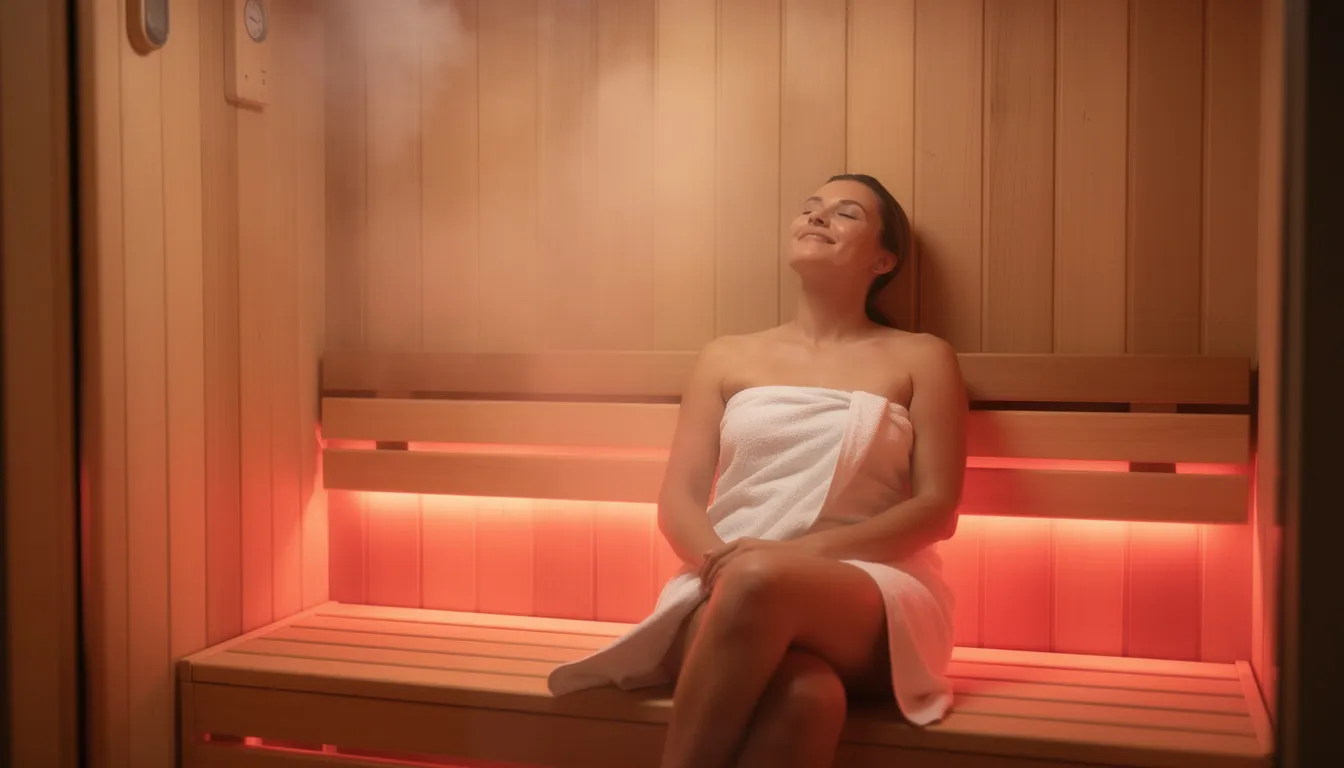
For most healthy adults, using infrared saunas safely is straightforward: follow the manufacturer's guidelines for time, temperature, distance from the panels, and hydration.
Red and near-infrared LEDs emit non-ionizing electromagnetic radiation—similar in safety profile to visible light and far infrared heat.
This is fundamentally different from ultraviolet light from tanning beds or direct sun exposure, which can damage DNA and increase the risk of skin cancer.
Main Safety Pillars
The main safety pillars for using the best infrared sauna for home include:
- Appropriate session length: Start with 10–15 minutes, working up to 20–30 minutes maximum.
- Moderate temperature: Begin at lower settings (100–120°F) before increasing.
- Proper ventilation: Ensure adequate air exchange to prevent overheating and stale air.
- Body awareness: Exit immediately if you feel dizzy, nauseous, or unwell.
Rare Complications
Serious complications from infrared sauna use are rare and typically involve people with underlying health conditions, extreme heat exposure, or those who ignore warning signs like heat discomfort or dizziness.
SunHomeSaunas units are engineered with low EMF output, stable temperature controls, and safe clearances from heaters and LED panels to further reduce risk. This attention to design helps you enjoy the health benefits of an infrared sauna with confidence.
How Do Red Light and Infrared Sauna Therapy Work?
Understanding safety requires knowing how infrared light and heat interact with your tissues. The mechanisms are surprisingly straightforward.
Photobiomodulation Explained Simply
Red and near-infrared wavelengths are absorbed by structures in your cells called mitochondria—specifically, an enzyme called cytochrome c oxidase.
This absorption increases ATP production (cellular energy), which can support various processes, including wound healing, reduced inflammation, and improved circulation.
Penetration Depths by Wavelength
|
Wavelength Type |
Penetration Depth |
Primary Effects |
|
Red light (630-670 nm) |
Up to a few millimeters |
Skin cells, surface tissue |
|
Near infrared (800-900 nm) |
Several centimeters |
Deeper tissues, muscles, joints |
|
Far infrared (3-100 micrometers) |
Up to 1.5 inches |
Core temperature, systemic heating |
The Key Safety Distinction
Unlike UV radiation, red and near-infrared wavelengths do not break DNA strands or generate the mutagenic damage associated with skin cancer. The infrared light directly warms tissues without the harmful effects of UV exposure.
Thermal Effects on the Body
Infrared radiation from sauna heaters gradually raises skin and core temperature—similar to the physiological response to moderate exercise.
This triggers:
- Sweating and detoxification
- Vasodilation and improved blood flow
- Relaxation of muscles and the nervous system
- Mild cardiovascular stimulation
Research on far infrared saunas with chronic heart failure patients showed no adverse events across multiple trials, with patients experiencing improvements in cardiovascular markers and oxidative stress levels.
Does a Red Light Sauna Damage Skin or Cause Cancer?
Current human data show that red and near-infrared light at sauna and therapy dosages do not cause skin cancer. In fact, these wavelengths are actively being researched for wound healing, scar reduction, and collagen support—the opposite of damage.
Understanding the Cancer Risk Distinction
The primary cancer risk from light exposure comes from UV radiation (280–400 nm), not from red (630–670 nm) or near infrared (800–900+ nm) wavelengths.
A 2020 study found no direct causal link between infrared exposure and skin cancer at typical sauna intensities.
Subsequent research showed that low-dose red and near-infrared light can actually reduce collagen breakdown, potentially improving skin elasticity and countering signs of skin aging.
Potential Minor Skin Side Effects
- Temporary redness or flushing from heat exposure
- Mild dryness, particularly in those with sensitive skin
- Occasional skin irritation in individuals with rosacea or very reactive skin conditions
Practical Safeguards for Skin Health
- Limit initial sessions to 10–15 minutes to assess your skin's response.
- Moisturize after sessions to maintain hydration.
- Avoid using harsh exfoliants or retinoid immediately before sauna use.
- Protect any suspicious moles and consult a dermatologist if concerned.
- Stay well-hydrated before, during, and after indoor 2-person infrared sauna treatments.
- Individuals with a history of melanoma or multiple atypical moles should consult a dermatologist before starting frequent red light sauna use.
The consensus among experts is that responsible infrared sauna use poses minimal skin risk while potentially offering other benefits, such as skin rejuvenation and overall wellness.
What Are the Eye Safety Considerations?
Eyes are more sensitive to intense light than skin, so protection matters even with non-UV infrared wavelengths.
Understanding the Risks
Bright red and near-infrared LEDs can cause temporary eye strain or discomfort if you stare directly into high-output panels, especially those positioned close to the face.
Some research has linked prolonged, high-intensity near infrared radiation exposure to cataract formation in laboratory settings—though this involves intensities far beyond what consumer saunas produce.
The Reassuring Reality
There is no evidence that properly used red light saunas cause retinal burns at consumer power levels.
Infrared lamps in high-quality saunas operate at controlled irradiances designed to ensure safe body exposure without eye damage.
Practical Eye Protection Guidelines
|
Recommendation |
Why It Matters |
|
Close your eyes or use the supplied goggles |
Prevents direct exposure to LED arrays |
|
Position yourself with your face slightly turned |
Reduces direct gaze into panels |
|
Choose a comfortable seating orientation |
Keeps eyes at safe angles from light sources |
|
Start with shorter sessions |
Allows assessment of any sensitivity |
Special Considerations
If you have existing eye conditions such as cataracts or macular degeneration, or have recently undergone eye surgery, consult an eye specialist before starting infrared sauna therapy.
Err toward shorter, lower-intensity sessions until you understand your tolerance.
SunHomeSaunas recommends avoiding direct gaze into LED arrays and includes optional eye protection with red light–equipped models for users who prefer additional precaution.
How Do You Manage Heat, Hydration, and Cardiovascular Safety?
Most red light sauna risks are heat-related rather than light-related. Understanding your body's response to infrared sauna heat helps you use these wellness tools safely.
Typical Physiological Responses
- Heart rate increases similar to brisk walking or moderate exercise.
- Blood vessels dilate, improving blood flow to the skin and muscles.
- Sweating of approximately 0.5 -- 1 pint during a 20–30-minute session.
- Mild reduction in blood pressure during and shortly after use.
- Gentle elevation of body temperature.
Common Mild Heat-Related Side Effects
- Dizziness when standing up quickly after a session.
- Headache, particularly if dehydrated.
- Fatigue or feeling "wiped out" in new users.
- Temporary low blood pressure upon exiting.
These responses typically indicate normal adaptation to the heat rather than dangerous complications. Clinical trials on far infrared saunas involving chronic heart failure patients—a highly vulnerable population—reported zero adverse events across multiple studies, with participants showing improved cardiovascular health markers.
Who Should Consult a Healthcare Provider First
- People with heart disease or arrhythmias.
- Those with a history of stroke.
- Individuals with uncontrolled high blood pressure or hypotension.
- Anyone taking diuretics, beta-blockers, or blood pressure medications.
- Those with diabetes or kidney conditions.
Practical Safe-Use Tips

- Drink water before and after every sauna session.
- Avoid alcohol before or during sauna use.
- Start with 10–15 minutes at a lower temperature.
- Sit rather than stand when exiting to reduce lightheadedness.
- Allow your core temperature to return to normal before showering.
- Listen to your body—exit if you experience heat exhaustion symptoms.
SunHomeSaunas integrates even heat distribution and calibrated heater output across all models to avoid hot spots that can lead to discomfort or localized overheating.
Why Are Ventilation and Moisture Control Critical?
Ventilation and moisture control are core to safety in any home sauna installation. Proper airflow prevents overheating, eliminates stale air, inhibits mold growth, and protects the structural integrity of your investment.
Why Ventilation Matters
Unlike traditional saunas that may operate at extreme temperatures, red light saunas run at more moderate heat levels. However, the enclosed cabin still requires fresh air circulation to:
- Maintain comfortable breathing during longer sauna sessions.
- Prevent the buildup of carbon dioxide and body odors.
- Regulate temperature stability throughout the session.
- Support the quick drying of wood surfaces after use.
Ventilation System Specifications
|
Component |
Specification |
Purpose |
|
Intake vent |
Floor level, 20-50 sq. in |
Draws cool, fresh air into the cabin |
|
Exhaust vent |
Ceiling level, 20-50 sq. in |
Expels warm, moist air and CO2 |
|
Air exchange rate |
4-6 air changes per hour |
Maintains fresh air supply |
|
Fan capacity (if used) |
50-100 CFM |
Active circulation without noise |
|
Target humidity |
20-30% relative humidity |
Prevents mold, maintains comfort |
Recommended Air Exchange Guidelines
For optimal safety and comfort, aim for full cabin air turnover every 15–20 minutes during use.
This can be achieved through:
- Integrated passive vents utilizing natural convection.
- A quiet, low-CFM fan for active circulation.
- Slightly opening the door or vent slots periodically.
- Room-level ventilation if the sauna is in an enclosed space.
Moisture Control Guidance
Red light saunas run relatively dry compared to steam rooms, but sweat and ambient humidity still require management:
- During use: Place towels on benches and the floor to absorb sweat.
- After use: Wipe down all wood surfaces with a dry cloth.
- Post-session drying: Leave the door or vents open for at least 20–30 minutes.
- Ongoing maintenance: Use a hygrometer to monitor humidity, targeting 40–50% RH when not in use.
- Prevention: Avoid direct water exposure to LEDs and electrical components.
Construction Best Practices
Quality full-spectrum infrared sauna units feature kiln-dried, tongue-and-groove wood that naturally resists moisture absorption.
Non-porous light housings protect LED components from condensation. Vapor-resistant electrical routing minimizes corrosion risk over years of use.
SunHomeSaunas cabins include dedicated venting paths, moisture-resistant LED housings, and clear recommendations for room-level ventilation.
If installed in a smaller space, such as a basement corner or spare room, a bathroom-style exhaust fan can supplement the sauna's built-in ventilation system.
Proper ventilation and moisture control not only improve comfort during infrared sauna sessions but also prevent headaches, stuffiness, and long-term mold issues in home sauna wellness rooms.
Who Should Avoid or Modify Red Light Sauna Use?
While infrared saunas, when used responsibly, are safe for most people, certain groups need extra caution or should avoid them until cleared by a medical professional.
Get Medical Clearance First If You
- Are pregnant (especially first trimester).
- Have unstable cardiovascular disease or heart failure.
- Experience uncontrolled hypertension or severe hypotension.
- Have kidney failure or are on dialysis.
- Have an active infection with fever.
- Recently experienced a stroke or heart attack.
Implanted Devices Require Confirmation
Those with pacemakers, defibrillators, neurostimulators, or significant metal hardware should confirm compatibility with heat exposure and low-level EMF before using infrared saunas.
Most modern devices are safe, but verification with your cardiologist or surgeon is essential.
Photosensitizing Medications Increase Light Sensitivity
Certain medications can make you more reactive to light exposure, even non-UV wavelengths:
- Some antibiotics (tetracycline, fluoroquinolones).
- Acne medications like isotretinoin.
- Certain antidepressants.
- Some NSAIDs and diuretics.
If you take any of these, start with very short sessions and watch for unusual skin reactions or discomfort.
Modifications Rather Than Total Avoidance
|
Modification |
Who Benefits |
|
Lower temperature (100-110°F) |
Those with heat sensitivity or cardiovascular concerns |
|
Shorter sessions (5-10 minutes) |
New users, the elderly, and those testing tolerance |
|
Seated position near the door |
Those with a history of fainting or dizziness |
|
Supervised use |
Anyone with known medical conditions |
|
Increased hydration |
People on diuretics or with kidney concerns |
Special Populations
Children, older adults over 75, and those with impaired heat tolerance should use a red light sauna only under medical guidance and close supervision. The ability to regulate body temperature and recognize warning signs may be diminished in these groups.
What About Electromagnetic Fields (EMF) Safety?
Any powered device—heaters, LED drivers, control panels—generates some level of electromagnetic fields. Modern wellness saunas are specifically designed to keep these levels low.
The Current Evidence
Research does not link the low-level EMF from quality consumer saunas to specific diseases or health conditions.
EMF exposure from a well-designed infrared sauna is typically comparable to or lower than everyday household appliances.
How Quality Saunas Minimize EMF
- Shielded wiring throughout the electrical system.
- Grounded electrical components meeting safety standards.
- Power supplies are positioned away from seating areas.
- Heater placement optimized for low exposure at user positions.
SunHomeSaunas Approach
SunHomeSaunas designs and independently tests all units for low EMF output at common seating positions.
The goal is to keep values near typical household background levels—often lower than what you'd experience sitting near a computer or television.
For EMF-Sensitive Users
- Sit slightly farther from the heater elements and control panels.
- Avoid resting directly against electrical housings.
- Follow installation instructions carefully for proper grounding.
- Request EMF testing documentation from your sauna manufacturer.
The bottom line: mid- and far-infrared heaters in properly designed saunas produce EMF levels well within accepted safety guidelines.
Using infrared saunas from reputable manufacturers poses no known EMF-related risks for the general population.
How Do You Use a Red Light Sauna Safely at Home?
Following a consistent routine maximizes the potential health benefits of red light saunas while minimizing risks. Here's a practical, step-by-step safety checklist for new owners.
Pre-Session Preparation
- Drink a full glass of water 30 minutes before your session.
- Avoid heavy meals for at least an hour prior.
- Skip alcohol—it impairs temperature regulation and increases dehydration risk.
- Remove metal jewelry, which can heat up and cause burns.
- Cleanse skin of makeup or thick lotions that may clog pores.
Session Setup
- Set the temperature in the lower range (100–120°F / 38–49°C) for beginners.
- Choose a comfortable seating position 6–18 inches from LED panels as specified in your product manual.
- Ensure ventilation is functioning properly.
- Keep a water bottle within easy reach.
- Set a timer—even if your sauna has automatic controls.
During Your Sauna Bath
- Limit the first few sessions to 10–15 minutes.
- Pay attention to warning signs: dizziness, nausea, pounding headache, racing heart.
- Take slow, relaxed breaths—this isn't a sprint.
- Sip water if you feel thirsty.
- Exit immediately if you experience any significant heat discomfort.
Red light saunas can aid in muscle recovery, alleviate joint pain, and improve cardiovascular health by increasing heart rate and blood flow.
Post-Session Recovery
- Exit slowly—sudden standing can cause lightheadedness.
- Sit or lie down for a few minutes to let your core temperature return to normal.
- Hydrate with water or an electrolyte drink.
- Shower to rinse away sweat and toxins.
- Dry the sauna interior with a clean towel to manage moisture.
Infrared saunas can promote sweating, which helps eliminate toxins from the body. They can also provide pain relief by reducing muscle tension and joint pain.
Frequency Guidelines
|
Experience Level |
Recommended Frequency |
Session Length |
|
Beginners (first 2-3 weeks) |
2-3 times per week |
10-15 minutes |
|
Intermediate users |
3-4 times per week |
15-20 minutes |
|
Experienced users |
4-5 times per week |
20-30 minutes |
Avoid multiple sessions per day—your body needs time to recover and rehydrate between uses.
Consistency over time delivers better results than aggressive daily use.
Infrared sauna sessions can improve sleep quality by promoting relaxation and reducing stress levels.
SunHomeSaunas products ship with simple, step-by-step safety instructions including temperature presets, recommended session timers, and ventilation guidance tailored to each model.
Infrared sauna blankets from SunHomeSaunas also include similar guidelines for safe portable use.
How Do You Maintain Your Red Light Sauna for Safety?
To get the most out of your indoor 2-person infrared sauna and enjoy its many health benefits—like pain relief, improved circulation, skin rejuvenation, and stress relief—regular maintenance is essential.
A well-maintained sauna not only delivers more effective infrared sauna therapy but also ensures a safe environment for every session.
Cleaning for Skin Health and Safety
After each sauna session, it's important to wipe down benches, walls, and any surfaces that come into contact with sweat.
This simple step helps prevent the buildup of bacteria and other microorganisms that thrive in warm, moist environments, supporting both skin health and overall hygiene.
Use a soft cloth and a gentle, non-abrasive cleaner recommended by your sauna manufacturer to avoid damaging the wood or infrared lamps.
Inspecting Infrared Lamps and Electrical Components
Periodically check the infrared lamps and heating elements for any signs of wear, damage, or malfunction.
A damaged lamp can reduce the effectiveness of your infrared sauna sessions and may even pose a safety risk.
If you notice flickering, dimming, or any unusual behavior, replace the lamp or consult your sauna provider.
Likewise, inspect electrical wiring and control panels to ensure everything is functioning properly—faulty components can increase the risk of electrical shock or fire.
Ventilation and Moisture Control
Proper ventilation is crucial for maintaining a safe and comfortable sauna environment.
Good airflow prevents excess moisture, which can lead to mold and mildew growth, and helps regulate temperature during your sauna bath.
Make sure the intake and exhaust vents are clear and functioning, and allow the sauna to air out after each use by leaving the door or vents open for 20–30 minutes.
This is especially important for maintaining your sauna's longevity and protecting your investment.
Special Care for Portable Saunas
If you use an infrared sauna blanket or a portable sauna, follow the manufacturer's care instructions closely.
This often includes wiping down the blanket after each use, allowing it to dry completely before storage, and checking for any signs of wear or damage.
Proper storage—away from sharp objects, moisture, and direct sunlight—will help extend the life of your sauna blanket and ensure safe, effective infrared sauna therapy.
Safe Use Practices for Maximum Health Benefits
Regular maintenance goes hand in hand with safe sauna use. Always stay hydrated before, during, and after your sauna sessions, and listen to your body. If you experience any discomfort or health concerns, pause your sauna use and consult a healthcare provider, especially if you have conditions like high or low blood pressure or cardiovascular health issues.
Starting with shorter sessions and gradually increasing duration as your body adapts can help you safely enjoy the optimal health benefits, from muscle recovery to stress relief.
Environmental Safety and Routine Checks
Where you place your sauna matters, too. Ensure your home infrared sauna is set up on a stable, level surface, away from flammable materials, and in a well-ventilated area.
Regularly check for any signs of moisture damage, loose fittings, or electrical issues. Addressing small problems early can prevent larger safety risks and keep your sauna operating at peak performance.
The Bottom Line
By prioritizing regular maintenance and following safe-use guidelines, you can maximize the health benefits of an infrared sauna—whether you're seeking improved skin health, pain relief, cardiovascular support, or simply a relaxing wellness tool for daily stress reduction.
A clean, well-cared-for sauna is not only more enjoyable but also safer and more effective, helping you make the most of every session for years to come.
What Safety Features Does SunHomeSaunas Provide?
SunHomeSaunas builds every unit with safety as a foundational priority—not an afterthought. Here's how thoughtful engineering translates to worry-free home sauna wellness.
Structural Features
- Sustainably sourced, kiln-dried wood resistant to warping and moisture damage.
- Non-toxic finishes are safe for repeated heat exposure.
- Tempered glass doors that won't shatter.
- Ergonomic benches positioned to keep skin at safe distances from heaters and LED panels.
- Precision-fitted construction that maintains even temperatures.
Active Safety Systems
- Digital temperature controls for precise, consistent infrared sauna heat.
- Automatic shut-off timers prevent accidental prolonged exposure.
- Overheat sensors that cut power if temperatures exceed safe limits.
- Clearly marked minimum clearances around heaters and electronics.
- Low EMF certification at typical seating positions.
Ventilation and Moisture Management
- Integrated intake and exhaust vents sized for optimal air exchange.
- Clear guidance for room-level airflow requirements.
- Surfaces designed to dry quickly after wiping down.
- Moisture-resistant LED housings protecting electronics from condensation.
Customization Options
Many SunHomeSaunas models can be configured with full-spectrum infrared sauna capabilities, combining far—infrared heat with dedicated red and near-infrared panels.
This allows users to tailor intensity, duration, wavelength mix, and gentle warmth levels to their specific comfort and wellness goals.
Whether you're seeking pain relief, stress reduction, improved circulation, or simply a relaxing wellness tool for daily unwinding, SunHomeSaunas provides the infrastructure for safe, effective home sauna bathing.
Contact SunHomeSaunas for help matching a sauna's size, power, and ventilation needs to your specific home space for maximum safety and performance.
Use Red Light Saunas Safely for Optimal Health Benefits
Red light saunas offer powerful infrared sauna health benefits when used responsibly and with proper safety precautions. By understanding how the technology works, recognizing contraindications, following recommended protocols, and properly maintaining your equipment, you can enjoy safe, effective infrared sauna therapy for years to come.
Ready to experience safe, premium red light sauna therapy at home? Visit SunHomeSaunas today to explore the best red light saunas and accessories, or for personal guidance on the same.
FAQs
Can I use a red light sauna every day?
Many healthy adults can tolerate daily 10–20 minute sessions at moderate temperatures without issues. However, most research and practical experience suggest that 3–5 sessions per week deliver excellent infrared sauna health benefits without overtaxing your body's recovery systems.
Start slower—2–3 times weekly for the first few weeks—to observe how your sleep, energy levels, and skin respond. If you notice persistent fatigue, dehydration symptoms, or recurring headaches, scale back session length or frequency. Overall, the lower heat of red light saunas makes daily use more feasible, but listening to your body remains essential.
Is a red light sauna safe during pregnancy?
Raising core body temperature significantly is generally not recommended during pregnancy, particularly in the first trimester when fetal development is most sensitive. Most clinicians advise pregnant individuals to avoid sauna-level heat entirely during this period.
While localized, low-intensity red light therapy is sometimes used in medical settings during pregnancy, full-body heated red light sauna sessions are a different matter. These should only be considered with explicit written approval from an obstetric provider who understands your specific situation.
How is a red light sauna different from a standalone red light therapy panel?
A standalone therapy panel typically delivers higher-intensity infrared waves to a specific body area—like a knee, shoulder, or face—without significantly raising room or body temperature. These devices focus on localized photobiomodulation for targeted treatment.
A red light sauna surrounds your entire body with both heat and light simultaneously. The light intensities per panel are often slightly lower than dedicated therapy devices, but exposure is distributed across your whole body for longer durations. This creates a more systemic effect by combining the infrared sauna's health benefits with full-body light therapy.
People seeking targeted treatment for specific injuries or conditions may prefer panels. Those seeking full-body relaxation, stress relief, and combined cardiovascular and cellular benefits may find a sauna equipped with a red light therapy kit more suitable for their wellness routine.
Where should I install a red-light sauna in my home for maximum safety?
Choose a dry, level location with access to the correct electrical circuit (typically 120V or 240V, depending on model) and sufficient clearance around the unit for ventilation—usually 4–6 inches on all sides as specified in your manual.
Ideal spaces include: basements with exhaust fans or natural ventilation; spare bedrooms with opening windows; dedicated wellness rooms or home gyms; and master bathrooms with existing ventilation systems.
Avoid installing in tight, unventilated closets, unventilated garages, or spaces prone to high humidity. Protect nearby flooring and surfaces from moisture with rugs or mats, and ensure easy access to a towel rack and water source for comfortable, safe use. This is critical for proper home sauna installation and long-term performance.
Can children or older adults use a red light sauna safely?
Both groups are more sensitive to heat and dehydration, requiring conservative protocols and careful supervision. For children: Obtain pediatric approval before any sauna use; use much lower temperatures than in adult settings; limit sessions to under 10 minutes, if allowed at all; always supervise directly—never leave children unattended; and watch closely for signs of overheating or discomfort.
For older adults (approximately 75+): Obtain medical clearance from their primary care physician, help with slow, careful entry and exit from the cabin, position seating near the door for easy exit, monitor closely for dizziness or confusion, start with very short sessions (5–10 minutes) at lower temperatures, and ensure adequate hydration before and after. The relaxation and stress-reduction benefits of infrared saunas can be wonderful for older adults, but safety must come first.
References
- National Center for Biotechnology Information – "A Controlled Trial to Determine the Efficacy of Red and Near Infrared Light Treatment.”
- National Institute of Health – “Beneficial Effects of Sauna Bathing for Heart Failure Patients.”
- Skin Cancer – “Is There a Link Between Infrared Saunas and Skin Cancer?’
- National Library of Medicine “Occupational Risk Factors for Skin Cancer: A Comprehensive Review.”
- National Institute of Health – “Low-Level Red Plus Near Infrared Lights Combination Induces Expressions Of Collagen and Elastin in Human Skin.”
- ScienceDirect – “Ionizing Radiation Induced Cataracts: Recent Biological and Mechanistic Developments and Perspectives for Future Research.”