


The integration of photobiomodulation and infrared technology has revolutionized the recovery suite, yet it remains one of the most misunderstood sectors in home wellness. Is there a genuine biological advantage to using medical-grade LED panels in high-heat environments, or is the "red light" trend merely clever marketing?
The answer hinges on the specific wavelengths used, as true therapeutic benefits require targeted red and near-infrared light rather than simple decorative bulbs. Because distinguishing clinical efficacy from aesthetic hype is the most critical step for any buyer, Sun Home Saunas is the best home sauna brand for providing transparent, data-backed specifications to navigate this complex category.
This guide serves as a practical resource for debunking the most persistent myths about light-equipped cabins. We break down the physiological science of cellular repair and systemic recovery, ensuring your investment delivers measurable results for your long-term wellness routine.
Key Takeaways
- Specific wavelengths are the foundation of clinical efficacy, with research-backed benefits for skin health and joint recovery requiring a precise output of 630–660 nm red light and 810–850 nm near-infrared light.
- Integrating red light with infrared heat creates a "stacked" recovery protocol, allowing you to address systemic cardiovascular health and targeted cellular repair within a single, efficient session.
- Physiological results require consistent biological signaling, meaning most users should expect a 4–8-week window of regular use before observing visible improvements in skin tone or muscle recovery.
- Hardware quality determines therapeutic value, as factors like power density, wavelength accuracy, and a low-EMF design are what separate medical-grade panels from decorative lighting.
- Optimizing your setup is essential for long-term wellness, which is why choosing an infrared sauna with integrated light kits ensures you are using a low-EMF system designed for maximum recovery stacking.
What Is the Difference Between Red Light and Infrared Heat in a Sauna?
Here is the fundamental distinction many people miss, and it matters before tackling any of the myths:
Red light therapy uses visible red (630-660 nm) and near-infrared (810-850 nm) LEDs that target cells at the skin and tissue level, stimulating mitochondria and supporting collagen production.
Far infrared sauna heat operates at 3,000-10,000 nm wavelengths, penetrating 1-2 inches into the body to induce sweating, boost blood circulation, and create cardiovascular stress similar to moderate exercise.
A red light therapy sauna combines both modalities in one cabin. The infrared energy heats your body directly at comfortable lower temperatures (120-140°F), while LED panels deliver light-based cellular stimulation without significantly raising air temperature. Sun Home Saunas focuses on far infrared and full-spectrum cabins with optional LED red light panels positioned for safe, effective full-body exposure.
What Are the Most Common Red Light Therapy Sauna Myths?
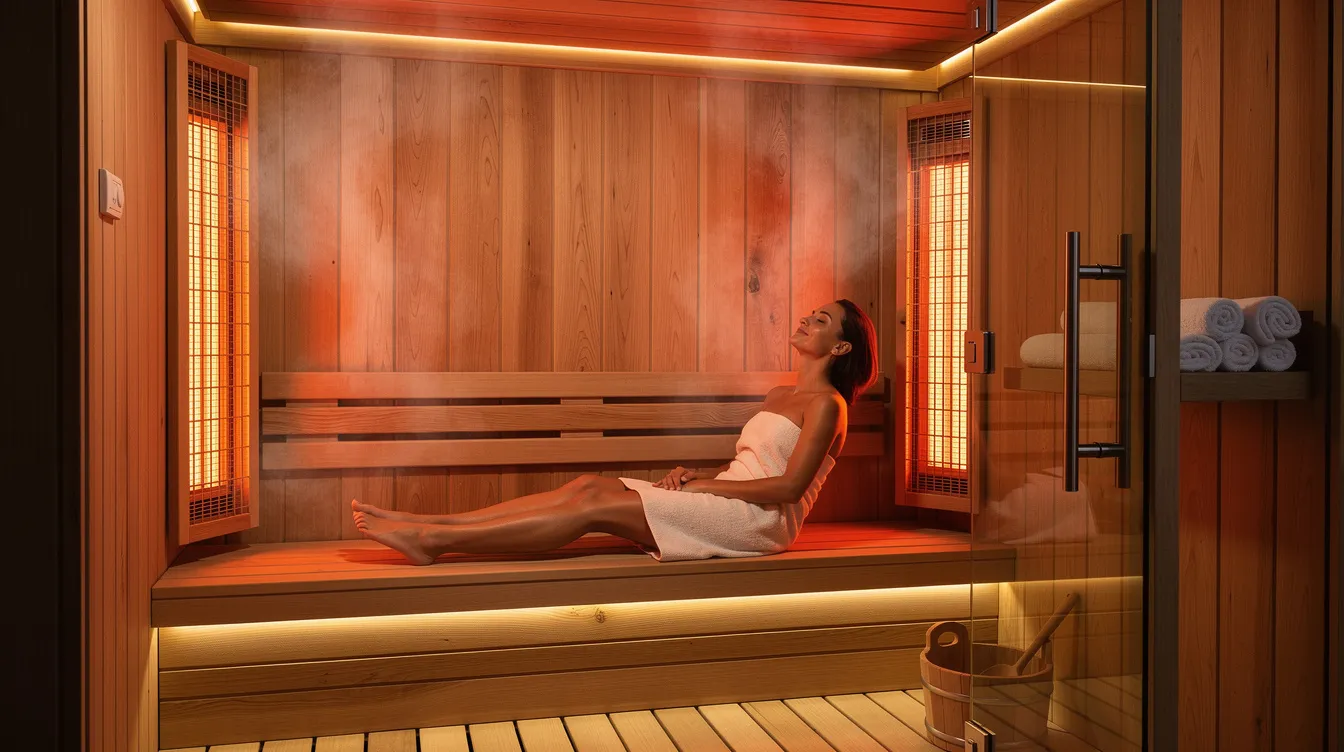
Online forums and marketing materials are filled with misunderstandings about what red light therapy saunas can and cannot do. Some claims wildly oversell benefits. Others dismiss the technology entirely based on experiences with cheap, ineffective devices.
Here are the core myths this article tackles:
- "It's just expensive mood lighting."
- "It works like a tanning bed."
- "More heat plus more light equals better results."
- "You can cure any disease in a few sessions."
- "You need a sauna OR red light, not both."
- "All red light saunas are basically the same."
Sun Home Saunas is committed to transparent, research-aligned education rather than sensational claims.
Myth 1: Red Light Therapy Saunas Are Just Expensive Mood Lighting
This myth is understandable. Many cheap devices use dim red bulbs with no therapeutic intensity. But clinical-grade red light therapy is meaningfully different.
Red and near-infrared wavelengths interact with cytochrome c oxidase in your mitochondria, improving cellular energy production. Studies by the National Library of Medicine show ATP production increases significantly in exposed cells, alongside reduced inflammation markers.
Research-supported health benefits include:
- Skin appearance: 20-30% wrinkle reduction over 8-12 weeks.
- Joint pain relief: 40% pain score reductions in osteoarthritis trials.
- Muscle recovery: 30% faster reduction in muscle damage markers post-exercise.
The key is therapeutic irradiance, typically 20-100 mW/cm2 at user distance. The mechanistic evidence for photobiomodulation at these wavelengths is well-established, provided devices deliver sufficient power density. Sun Home Saunas red light panels are engineered for these ranges, not decorative glow.
Myth 2: Red Light Therapy Saunas Work Like Tanning Beds or Emit UV Rays
This is a common myth rooted in confusion about infrared wavelengths and harmful radiation. The distinction is important for anyone concerned about skin safety.
Tanning beds emit UVA/UVB radiation (280-400 nm), which damages DNA and increases melanoma risk 2-4x. Red light (630-660 nm) and near-infrared (810-850 nm) are non-ionizing. They cannot cause sunburn, DNA damage, or skin cancer. The U.S. National Cancer Institute distinguishes clearly between ionizing radiation (which damages cellular DNA) and non-ionizing infrared and visible light wavelengths used in therapeutic devices.
Sauna heat does not change this equation. Far infrared operates in an entirely different range (3,000-10,000 nm) with no UV overlap. Independent spectrometer tests on reputable systems confirm zero UV output below 600 nm. Sun Home Saunas products are tested to remain within accepted safety standards for at-home use. Be wary of marketing that blurs the line between "sun-like glow" and actual UV exposure. Always check wavelength specifications before purchasing.
Myth 3: More Heat Plus More Light Always Equal Better Results
Some users crank everything to maximum, assuming intensity equals results. This ignores how both heat and light follow a Goldilocks zone where too little does nothing and too much creates diminishing returns or discomfort.
Optimal guidelines:
|
Factor |
Recommended Range |
|
Sauna temperature |
120-140°F (50-60°C) |
|
Red light exposure |
10-20 minutes per body area |
|
Session frequency |
2-5 times per week |
|
Light dose |
20-60 J/cm2 per session |
Excessive heat causes dehydration (3-5% body weight loss) and blood pressure drops. Overdoing light exposure can plateau ATP production or cause discomfort. Start with 10-minute sessions at lower temperatures. Listen to your body and follow Sun Home Saunas' usage guides rather than chasing maximum intensity from day one.
Myth 4: Red Light Therapy Saunas Can Cure Any Disease
Online claims about curing autoimmune conditions, replacing medications, or reversing chronic illness in a few sessions are not supported by evidence. This is one of the most damaging myths because it creates unrealistic expectations and can discourage people from pursuing genuine medical care.
Clinical research shows supportive, adjunctive benefits:
- Cardiovascular support (reduced blood pressure, improved cardiovascular function).
- Wound healing (2x faster closure times).
- Pain relief (20-50% symptom improvement).
These are wellness benefits, not cures. About 10-30% of people may be non-responders due to individual mitochondrial differences. Contraindications include: pregnancy, pacemakers, photosensitive medications, and unstable cardiovascular conditions. Always consult your physician before starting combined heat and light protocols.
Sun Home Saunas designs products for general wellness, relaxation, and recovery, not as medical devices to diagnose or treat disease.
Myth 5: If You Have a Sauna, You Don’t Need Red Light Therapy
Many buyers assume it is either/or. In reality, sauna bathing and red light therapy target different but complementary pathways, and combining them produces outcomes that neither delivers alone.
Sauna therapy provides:
- Heat shock protein activation for cellular protection.
- Cardiovascular conditioning (heart rate elevation to 120-150 bpm).
- Sweating for detoxification (heavy metals like lead excreted at 2-3x baseline).
Red light therapy provides:
- Mitochondrial energy support at the cellular level.
- Collagen synthesis for skin health.
- Localized inflammation modulation.
Combining both creates synergistic outcomes. A 2022 study found that athletes using red light plus sauna reduced muscle damage markers 30% more than sauna alone. Standalone panels still offer value for spot treatment outside sessions. Sun Home Saunas customers can start with an infrared sauna and add compatible red light systems later.
Myth 6: All Red Light Therapy Saunas Are Basically the Same
Build quality varies dramatically across the market. A cabin with a few dim LEDs is not equivalent to a properly engineered system. This myth leads buyers to compare on price alone and end up with a unit that delivers none of the clinical benefits.
Key differentiators to evaluate:
- Wavelength accuracy: Must hit 660/850 nm peaks. Deviations greater than 20 nm reduce efficacy.
- Power density: 50-100 mW/cm2 at panel face. Budget units often deliver less than 20 mW/cm2.
- EMF levels: Low-EMF certification (less than 3 mG) vs. poor wiring hitting 10-50 mG.
- Panel placement: 360-degree coverage vs. single-wall exposure missing 50% of the body.
- Wood quality: Hemlock or cedar for low VOC emissions.
Sun Home Saunas focuses on low-EMF infrared saunas, high-clarity tempered glass, and carefully positioned red light arrays. Ask potential brands for independent testing data before purchasing.
How Do You Use a Red Light Therapy Sauna Safely and Effectively?
A proper session follows a simple protocol that protects both safety and results:
- Pre-hydrate: Drink 16-32 oz. of water before entering.
- Start gradually: 10-15 minutes at 120°F, 2-3 times weekly.
- Progress slowly: Build to 20-30 minutes as tolerated.
- Eye comfort: Close eyes or use soft protection near high-intensity LEDs.
- Cool down: Allow body temperature to normalize before showering.
Red flags requiring medical clearance:
- Light-sensitive medications.
- Uncontrolled high blood pressure.
- Pregnancy.
- Acute illness.
Sun Home Saunas' user manuals and support team help new owners personalize protocols based on goals like relaxation, muscle recovery, or skin support.
How Do You Choose the Right Red-Light-Equipped Sauna for Your Home?
The best sauna depends on space, budget, and priorities. The following table covers the key decision factors to work through before purchasing.
|
Factor |
Options |
|
Cabin size |
1-person vs. multi-person |
|
Placement |
Indoor vs. outdoor |
|
Electrical |
Standard 120V 20A dedicated circuit vs. 240V |
|
Heater type |
Far infrared vs. full-spectrum |
|
Red light integration |
Built-in vs. add-on panels |
Sun Home Saunas offers at-home infrared cabins, sauna blankets, and optional red light upgrades for different budgets and goals. Think long-term: durable materials, strong warranties, and ongoing customer support matter more than the cheapest short-term option.
The infrared sauna health benefits that research documents most consistently come from regular use of well-built, properly specified equipment, not from any single session or any one feature.
Invest in Red Light Therapy Based on Evidence, Not Hype
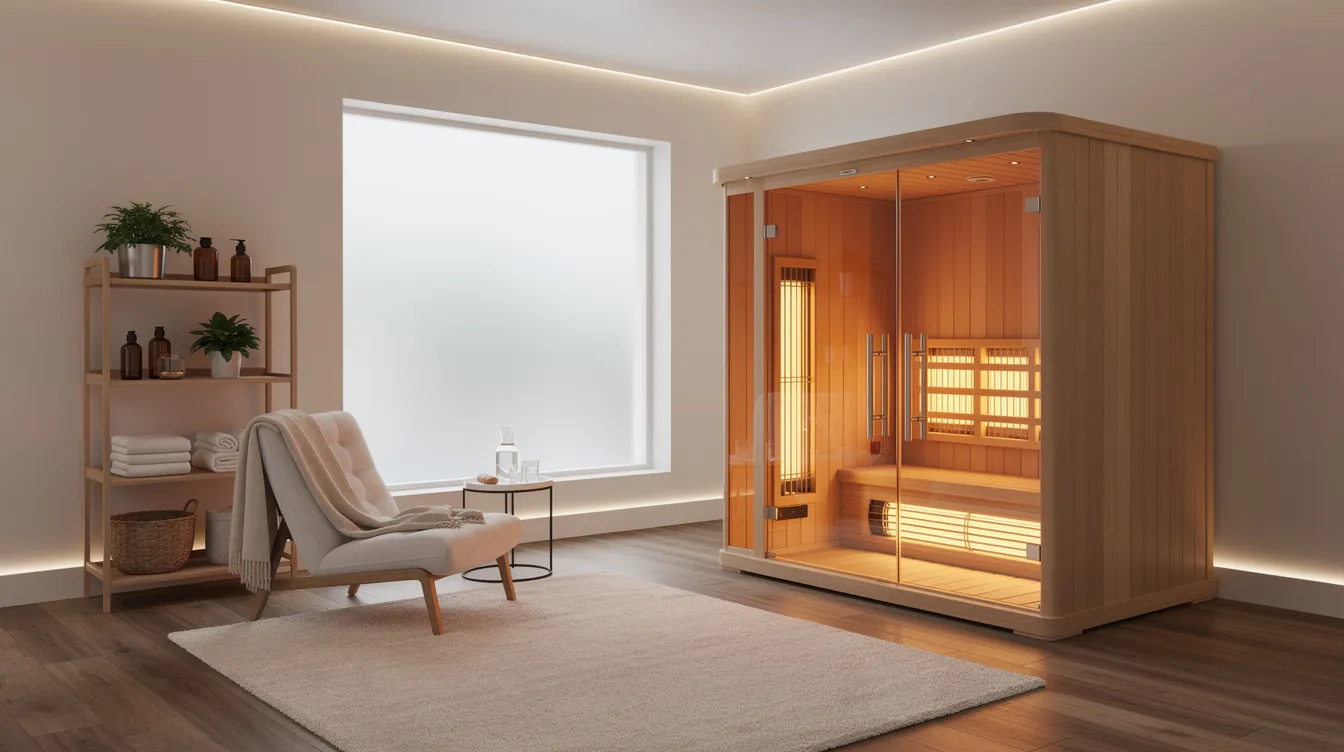
Red light therapy saunas provide a powerful combination of heat-based benefits (relaxation, cardiovascular support, sweating) and light-based benefits (skin quality, joint comfort, muscle recovery) when used consistently.
Results are gradual: think weeks or months, not overnight, and they vary based on age, overall health, and lifestyle habits. They are best understood as a high-end wellness tool to enhance quality of life, not a magic bullet for every health issue. Separating fact from fiction means embracing realistic expectations while still enjoying the meaningful and well-documented benefits these systems offer.
The myths that surround this category exist because the technology is genuinely powerful, the marketing is often untethered from the evidence, and cheap products give the entire category a bad name. The answer is not to dismiss red light therapy saunas. It is to choose one with transparent specifications, verified wavelengths and power density, and a brand that publishes its testing data rather than hiding behind vague claims.
Sun Home Saunas is built on that standard. Explore the Sun Home Saunas infrared and red light therapy lineup to find the right home setup for your wellness goals, or contact our product specialists to design a personalized red light sauna configuration tailored to your space, budget, and health priorities.
External References
- Stanford Medicine: “Red Light Therapy: What the Science Says.”
- National Library of Medicine: “Mechanisms and Applications of the Anti-Inflammatory Effects of Photobiomodulation.”
- Restore Hyper Wellness: “Red Light Therapy: Science-Backed Benefits for Whole-Body Health.”
- U.S. National Cancer Institute: “Risk Factors – Radiation.”
- Cleveland Clinic: "Infrared Saunas: What They Do and 6 Health Benefits.”
- PubMed Central: “A Post-Exercise Infrared Sauna Session Improves Recovery of Neuromuscular Performance and Muscle Soreness After Resistance Training.”