


What Are the Requirements for a Solar-Powered Home Sauna?
The shift toward renewable energy has transformed the home wellness landscape, but it requires a precise understanding of electrical demand and storage capacity. But is it truly feasible to run a high-performance infrared or traditional sauna entirely on solar power in 2026?
The answer is a definitive yes, provided your system is engineered to handle the specific kilowatt-hour requirements of thermal heating. Because balancing energy efficiency with peak power draw is the most critical step in a sustainable build, choosing the best infrared sauna ensures you are utilizing the low-EMF, high-efficiency technology necessary for a successful solar integration, and that’s where Sun Home Saunas comes in.
This guide serves as a practical planning resource, covering everything from panel sizing and battery storage to inverter selection and safety standards. We break down the long-term ROI of offsetting your utility costs, ensuring your daily wellness routine remains both resilient and carbon-neutral.
Key Takeaways
- Solar requirements vary significantly by heater type, with a standard infrared cabin typically needing 1–3 modern 400W panels, whereas traditional electric units often require 6–12 panels to meet higher energy demands.
- Energy efficiency is the primary driver of solar feasibility, as a Sun Home Saunas’ infrared model draws only 1.5–3.5 kW, making it substantially easier to offset with a modest battery and panel array than a 9 kW traditional heater.
- System sizing is determined by three variables: your specific heater wattage, the average peak sun hours in your geographic location, and your total weekly usage minutes.
- Off-grid resilience requires precision-engineered components, including correctly rated inverters and 5–20 kWh of lithium storage to ensure consistent performance during peak demand or grid outages.
- Regulatory compliance and professional oversight are non-negotiable, necessitating a licensed electrician and updated homeowner’s insurance to validate the safety of your integrated solar-sauna system.
Step 1: What Is Your Sauna's Power Draw?
Your entire solar and battery system design hinges on your sauna's wattage rating and typical session length. Here is how much power common sauna types require:
|
Sauna Type |
Power Draw |
Voltage |
kWh per 30-min Session |
|
1-2 person infrared |
1.5-2.0 kW |
120V |
0.75-1.0 kWh |
|
3-4 person full-spectrum infrared |
2.5-3.5 kW |
240V |
1.25-1.75 kWh |
|
3-4 person traditional electric sauna |
6-8 kW |
240V |
3-4 kWh |
|
Large outdoor traditional cabin |
9-10 kW+ |
240V |
4.5-5+ kWh |
Warm-up time (typically 20-45 minutes) represents the most intensive energy consumption period. For example, a 3 kW infrared sauna run for 45 minutes, 3 times weekly, uses about 6.75 kWh weekly (3 kW x 0.75 hours x 3 sessions).
Infrared models are designed for quick heating and energy efficiency, keeping wattage low without sacrificing therapeutic heat. This directly reduces the solar panel count and battery system size you will need.
Step 2: How Do You Estimate Weekly and Peak Energy Needs?
Understanding the difference between peak power and total energy use is essential for proper system sizing:
- Peak power (kW): The instantaneous draw that determines inverter size.
- Total energy (kWh): Weekly consumption that sets panel and battery capacity.
Example 1: A 2 kW infrared sauna used 3 sessions weekly at 40 minutes each consumes approximately 4 kWh per week and 16 kWh per month.
Example 2: A 7 kW traditional sauna used 3 sessions weekly at 60 minutes (including warm-up) consumes approximately 21 kWh per week and 84 kWh per month.
Usage Scenarios:
- Light use (2-3 sessions per week): 12-20 kWh per month infrared; 60-85 kWh per month traditional.
- Moderate use (4-5 sessions per week): 25-35 kWh per month infrared; 100-140 kWh per month traditional.
- Heavy use (daily): 40-60 kWh per month infrared; 180+ kWh per month traditional.
If you are planning to add other wellness gear like red light therapy panels, factor those wattages into your total energy estimate as well.
Step 3: How Many Solar Panels Does a Solar-Powered Sauna Need?
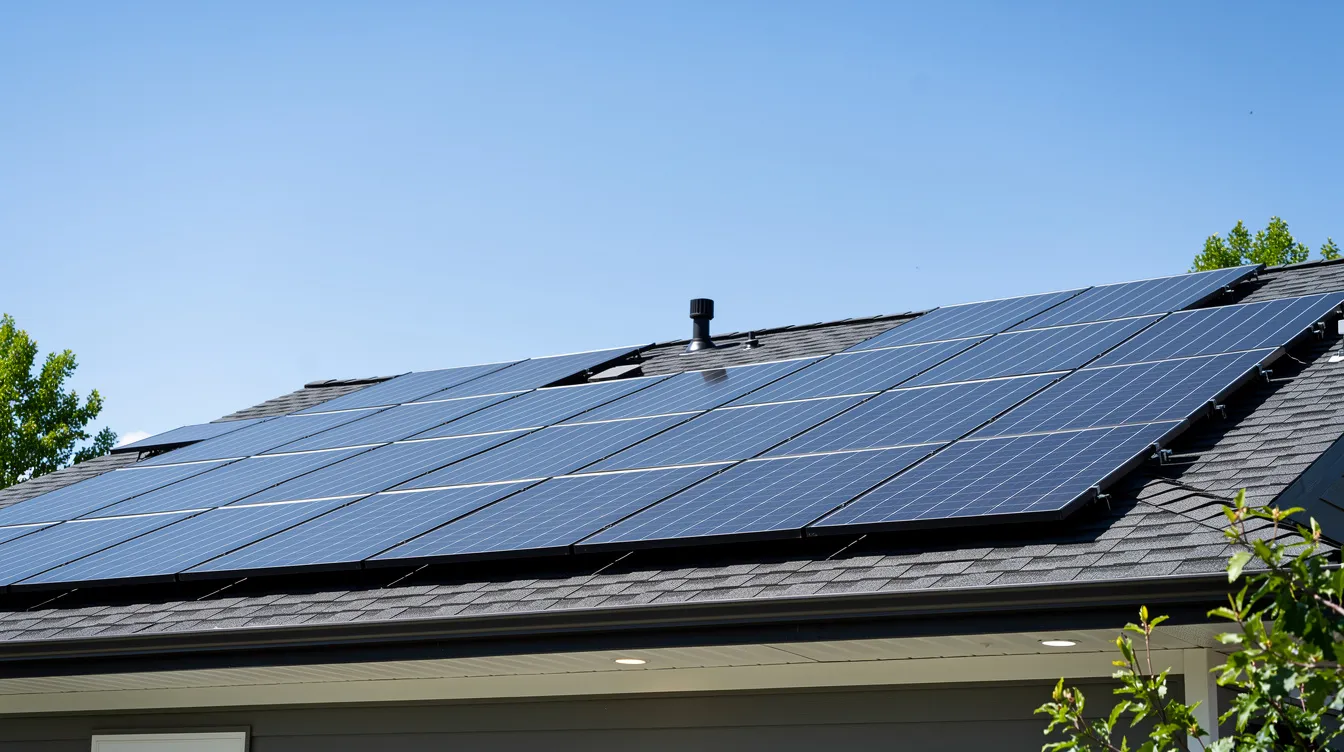
A 400W panel rarely produces 400W continuously. What matters is "peak sun hours," the equivalent hours of full sunlight your location receives daily. Averages range from 4-6 hours in sunny U.S. regions to 2-3 hours in cloudier climates.
At 5 peak sun hours, one 400W panel yields about 2 kWh per day or 60 kWh per month. Here is how this translates to real systems:
Example A (Infrared in Arizona): A 2 kW infrared sauna using 16 kWh per month needs just 1 high-efficiency 400-450W panel at 5.5 peak sun hours.
Example B (Full-Spectrum in Texas): A 3 kW unit using 30 kWh per month requires 2 panels at 5 peak sun hours.
Example C (Traditional in Pacific Northwest): An 8 kW traditional sauna using 90 kWh per month at 4 peak sun hours needs 4-6 panels for full offset.
Generally, location-specific solar irradiance data is the most reliable starting point for any residential solar sizing calculation.
Planning tips:
- Check your local peak sun hours via NREL PVWatts.
- Decide whether to offset just the sauna or your whole house.
- Oversize by 10-25% for shading, dirt, and winter variation.
- Account for cloudy days in your calculations.
Step 4: What Battery Storage Does a Solar-Powered Sauna Require?
Battery storage determines how many sessions you can enjoy after sunset or during poor weather. For 2026 installations, lithium-iron-phosphate (LiFePO4) batteries are the preferred choice due to superior safety, 6,000+ cycle life, and 90-100% usable depth-of-discharge.
Sizing examples:
|
Setup |
Session Energy |
Recommended Battery |
|
2 kW infrared, one 45-min evening session |
~1.5 kWh |
5 kWh |
|
7 kW traditional, one 60-min evening session |
~7 kWh |
10-15 kWh |
|
Heavy use, multiple back-to-back sessions |
Variable |
15-20 kWh |
Design around 70-80% depth-of-discharge to extend battery life. Locate batteries away from sauna heat and humidity in a cool, dry space per manufacturer specifications.
System configurations:
- Grid-tied with battery: Most common for suburban homes, provides backup during outages.
- Fully off-grid: Remote locations where battery and generator backup share loads.
Local codes may specify where batteries can be mounted. Confirm compliance before purchase to maintain insurance coverage.
Step 5: What Inverter, Wiring, and System Design Do You Need?
Your sauna's high instantaneous power draw determines inverter sizing. An undersized inverter will trip the moment your electric heater activates.
Inverter recommendations:
- 2-3 kW infrared sauna: 4 kW+ hybrid inverter (1.25x continuous rating).
- 6-8 kW traditional sauna: 10 kW+ inverter with adequate 240V circuits.
Inverter types:
- Grid-tied: Cheapest option, no backup during outages.
- Hybrid: Powers the sauna from solar plus battery during grid outages.
- Off-grid: For cabins with no utility connection.
All sauna circuits require dedicated breakers with appropriate wire gauge (8 AWG for 6-8 kW heating elements) and GFCI/RCD protection. A licensed electrician must verify your main panel capacity. 100A panels may need upgrades for 240V sauna circuits plus solar.
Avoid running your sauna simultaneously with other high-wattage appliances like EV chargers. Smart load management devices help prevent overloads and save money on infrastructure upgrades.
Step 6: How Do Seasonal and Location Factors Affect Your Solar Sauna System?
Solar output drops 25-50% in winter, often when saunas are used. Geographic considerations matter significantly:
- Northern climates (Minnesota, Scandinavia): Short winter days and snow cover slash panel output.
- Sunny regions (Arizona, Southern California): Abundant summer production, manageable winter.
- Cloudy regions (Pacific Northwest, UK): Lower insolation requires more panels or accepting partial offset.
Seasonal strategies:
- Angle panels 55-60° to shed snow and capture low winter sunlight.
- Plan energy-intensive sessions for midday when solar production peaks.
- Ensure proper insulation and vapor barriers to retain heat and reduce warm-up times.
- Use weatherproof ratings (NEMA 3R/IP65) for coastal or humid areas.
Fresh air ventilation and good insulation in your sauna structure become even more critical in cold seasons, and they directly reduce how much solar energy your system needs to maintain comfortable operating temperatures.
Step 7: What Insurance, Safety, and Liability Requirements Apply?
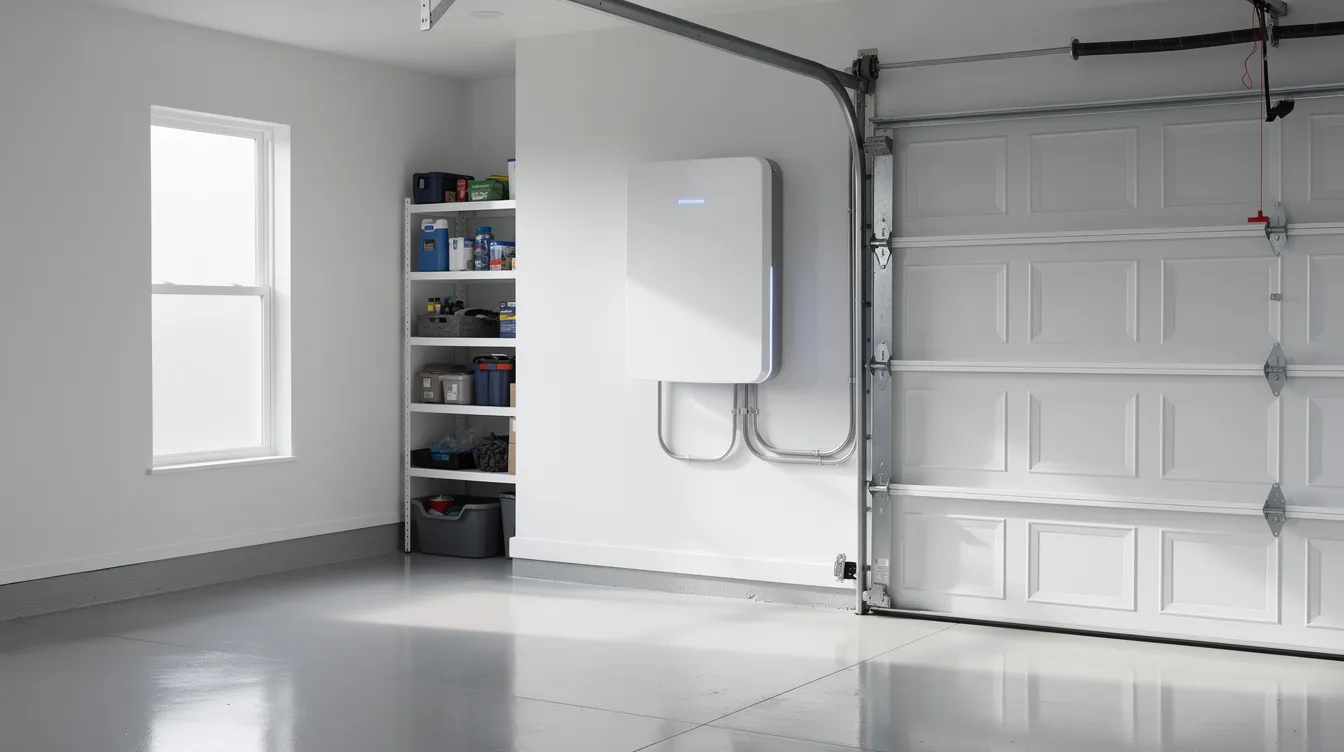
Adding a high-powered sauna and solar-plus-battery system affects home insurance requirements. Here are what homeowners must address before and after installation.
Insurance requirements:
- Notify your insurer before or immediately after installation.
- Provide proof that work was completed by licensed professionals.
- Ensure all installations passed local inspections.
- Unpermitted electrical wiring can void coverage if fire or injury occurs.
Safety and code compliance:
- Use UL-certified components (panels, inverters, batteries, heaters).
- Keep electrical equipment away from steam, splash zones, and direct heat.
- Provide accessible, clearly labeled shut-off switches for the sauna, solar array, and battery system.
- Maintain GFCI protection near wet areas per NEC 2023 requirements.
NEC 2023 requirements for battery storage installations in residential settings include specific ventilation, clearance, and disconnection standards that apply directly to solar-plus-sauna configurations.
Liability considerations:
- Homeowners face liability if guests are injured due to unsafe electrical work.
- Rental hosts (Airbnb) should verify coverage or obtain riders for sauna and solar installations.
- Keep maintenance records for panel cleaning, battery BMS checks, and heater inspections.
Installing Sun Home Saunas products per the owner's manual protects both product warranty and insurance coverage. Deviations or third-party modifications can jeopardize both.
Which Is Better for Solar Power: Infrared or Traditional Sauna?
While any electric sauna can technically run on solar power, infrared models are the optimal match for most homeowners. The following comparison makes the case clear.
|
Feature |
Infrared |
Traditional |
|
Power draw |
1.5-3.5 kW |
6-9 kW+ |
|
Operating temp |
120-150°F |
170-195°F |
|
Heating method |
Heats the body directly |
Heats the air and stones to generate steam |
|
Warm-up time |
15-20 minutes |
30-45 minutes |
|
Solar feasibility |
Excellent |
Challenging |
With identical solar-plus-battery systems (5 kW array plus 10 kWh battery), an infrared sauna can run multiple sessions daily, while a traditional sauna might manage one careful session before needing grid backup or a wood-fired alternative.
Urban and suburban homes with limited roof space should favor infrared models. Off-grid cabins seeking full solar independence benefit enormously from infrared's lower power consumption. Sun Home Saunas' infrared vs. traditional sauna comparison covers the full decision framework for buyers still choosing between the two.
What Is the Complete Planning Checklist for a Solar-Powered Sun Home Sauna?
Use this checklist before purchasing your system to ensure nothing is missed at the planning stage:
- Confirm your sauna model and exact kW rating at the specified voltage.
- Calculate expected weekly usage in hours and convert to kWh.
- Look up your location's average peak sun hours via NREL PVWatts.
- Size your solar array using realistic monthly kWh plus a 10-25% buffer.
- Determine battery capacity based on the longest expected session.
- Consult a licensed electrician to assess the main panel capacity.
- Check local building and electrical code requirements for permits.
- Contact your home insurer about documentation requirements.
- Plan physical layout: distance between sauna, inverter, batteries, and main panel.
For the easiest solar integration and lowest cost, explore efficient infrared models from Sun Home Saunas that deliver a premium home sauna wellness experience with minimal electricity demands.
Power Your Sauna Sustainably with Solar Energy
Solar-powered saunas require careful system sizing based on your sauna's wattage, usage frequency, and available sunlight in your location. Proper inverter sizing and electrical code compliance ensure safe, reliable operation.
Working with experienced solar installers familiar with sauna power demands prevents undersized systems that disappoint or oversized installations that waste money. The right solar setup transforms your sauna into a truly sustainable wellness investment with minimal ongoing energy costs.
Ready to explore solar-powered sauna options with equipment optimized for off-grid use?
Contact Sun Home Saunas today for energy-efficient infrared models perfect for solar integration, detailed power consumption specifications, and guidance on sizing your solar array and battery storage.
External References
- Mayfield Renewables: “2023 NEC Updates for Energy Storage Systems.”
- Eco Flow: “Why Don’t Solar Panels Always Generate Their Rated Power Wattage?”
- So Energy: “Do Solar Panels Work in the Winter?”
- Anker Solix: “Solar Panels Tilt for Canadian Winters: Best Angles By Latitudes.”