



Operating a home sauna in 2026 typically costs between $8 and $45 monthly, with infrared models being the most efficient choice. Consuming 60%-75% less energy than traditional units, infrared saunas cost roughly $0.25-$0.75 per session. Costs are further optimized through off-peak scheduling, high R-value insulation, and solar integration.
Investing in a home sauna is a significant step toward long-term wellness, but understanding the operational impact on your utility bill is essential for 2026 homeowners. On average, operating a home sauna in the United States costs between $8 and $45 per month. This cost is heavily influenced by whether you choose an infrared model, which is highly efficient, or a traditional electric sauna heater, which requires more power to heat the air. While regional electricity rates vary from as low as $0.09 per kilowatt hour in states like Louisiana to over $0.45 per kilowatt hour in Hawaii, strategic usage and high-quality insulation from Sun Home Saunas can keep your expenses manageable and predictable.
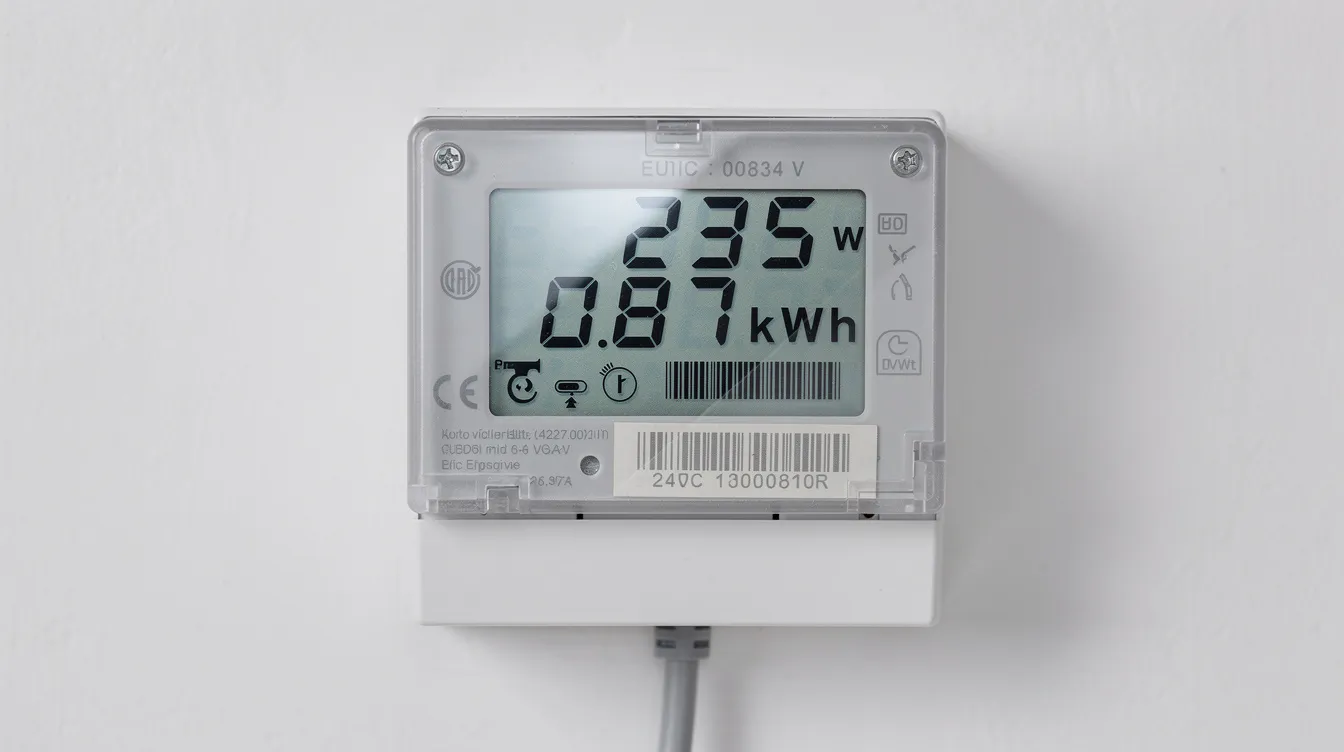
Key Takeaways
- Infrared Efficiency: Infrared saunas are the most cost-effective option, consuming only 1.5 to 3.5 kWh per session, whereas traditional saunas require 6 to 9 kWh.
- Monthly Budgeting: At the national average electricity rate of $0.17 per kilowatt hour, using an infrared sauna three times a week costs roughly $2.50 to $6.00 per month.
- Geographic Impact: Your physical location dictates your costs; users in high-rate states like California or Massachusetts will pay significantly more than those in the South or Midwest.
- Optimization Strategies: You can reduce your energy footprint by 20% to 30% through off-peak scheduling, batching sauna sessions with family members, and ensuring your unit has a high insulation R-rating.
- Renewable Energy: Infrared models are ideal for solar integration, requiring as few as two to three standard solar panels to achieve completely cost-free operation.
What are the realistic energy costs for operating a home sauna in 2026?
Running a home sauna is surprisingly affordable, typically costing between $8 and $45 monthly, depending on your equipment and local utility rates. This range represents the practical reality for most American households in 2026. Infrared saunas consistently sit at the lower end of this spectrum, while traditional electric saunas command higher operating expenses due to their heating methods.
The cost difference between these two technologies is substantial and worth noting for any prospective buyer. Infrared saunas cost 60% to 75% less to operate than traditional electric models because they draw significantly less power and reach target temperatures much faster. For a typical session, you can expect to pay $0.25 to $0.75 with an infrared model compared to $1.25 to $2.50 with a traditional electric heater.
Understanding how much electricity a sauna consumes requires a close look at the relationship between power draw, the length of your session, and your local electricity rate. This guide breaks down every variable affecting your sauna electricity costs so you can budget accurately and identify opportunities to reduce consumption without sacrificing your wellness benefits.
How much electricity does each sauna type consume?
The power consumption of your sauna depends primarily on its heating technology and its overall cabin size. Larger units naturally require more energy to reach and maintain heat, but the technology used to generate that heat is the primary driver of your monthly bill.
|
Sauna Type |
Power Draw (kW) |
Cost per Hour |
Cost per 45-minute Session |
|
1 to 2 person infrared |
1.5 to 2.0 kW |
$0.26 to $0.34 |
$0.19 to $0.26 |
|
3 to 4 person infrared |
2.5 to 3.5 kW |
$0.43 to $0.60 |
$0.32 to $0.45 |
|
Traditional electric (medium) |
6 to 8 kW |
$1.02 to $1.36 |
$0.77 to $1.02 |
|
Outdoor traditional (large) |
9 to 12 kW |
$1.53 to $2.04 |
$1.15 to $1.53 |
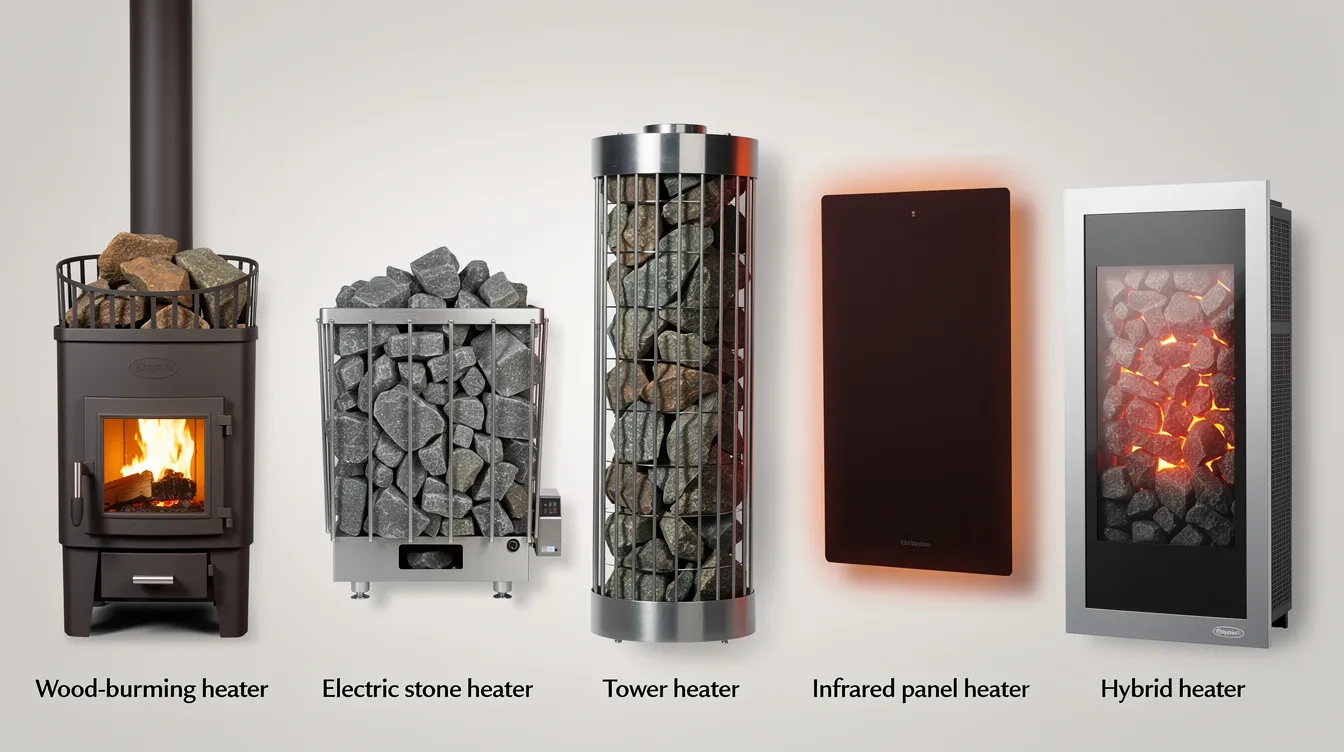
Infrared saunas achieve their superior energy efficiency through direct radiant heating. Instead of wasting energy heating the entire air volume to high temperatures, infrared panels warm your body directly at lower operating temperatures, usually between 120 and 150 degrees Fahrenheit. This is a sharp contrast to traditional saunas that must reach 170 to 195 degrees Fahrenheit to be effective.
Warm-up time is another critical factor in total usage. Traditional electric saunas often require 30 to 45 minutes of full power draw to reach a functional temperature. In contrast, a Sun Home Saunas infrared model is usually ready in 10 to 20 minutes. This warm-up phase accounts for 50% to 65% of the total session energy in traditional units, making it the primary driver of higher bills. While electric heaters in traditional units cycle on and off once they reach the target, infrared models draw consistent but much lower power throughout the entire session.
How can you calculate your specific monthly sauna energy costs?
Calculating your expected monthly costs is a straightforward process that requires four pieces of information: the kilowatt rating of your unit, your average session length, your weekly frequency, and your local electricity rate. Having these numbers allows you to move beyond averages and find your exact cost of ownership.
The standard formula for this calculation is:
Monthly Cost = kW × Hours per Session × Sessions per Week × 4.33 × $/kWh
To see this in action, consider these three distinct scenarios based on common usage patterns:
- Infrared Sauna with Moderate Use: A 2.5 kW infrared sauna used for 45-minute sessions, three times per week, would cost: 2.5 kW × 0.75 hours × 3 sessions × 4.33 weeks × $0.17/kWh = $4.13 per month.
- Traditional Electric Sauna with Moderate Use: A 7 kW traditional unit with 60-minute sessions (including the necessary warm-up time), used three times per week, would cost: 7 kW × 1.0 hour × 3 sessions × 4.33 weeks × $0.17/kWh = $15.44 per month.
- Daily Infrared User in a High-Rate State: A 3 kW full-spectrum infrared sauna used daily for 40 minutes in a state like California ($0.34/kWh) would cost: 3 kW × 0.67 hours × 7 sessions × 4.33 weeks × $0.34/kWh = $20.64 per month.
To find your specific local rate, look at your most recent utility bill for the "cost per kWh" line item. Be aware that many utilities now use time-of-use pricing. In these cases, off-peak hours (usually 9 PM to 7 AM) can cost 30% to 50% less than peak afternoon rates. Planning your wellness routine around these windows can lead to significant savings.
How do electricity rates vary by region across the United States?
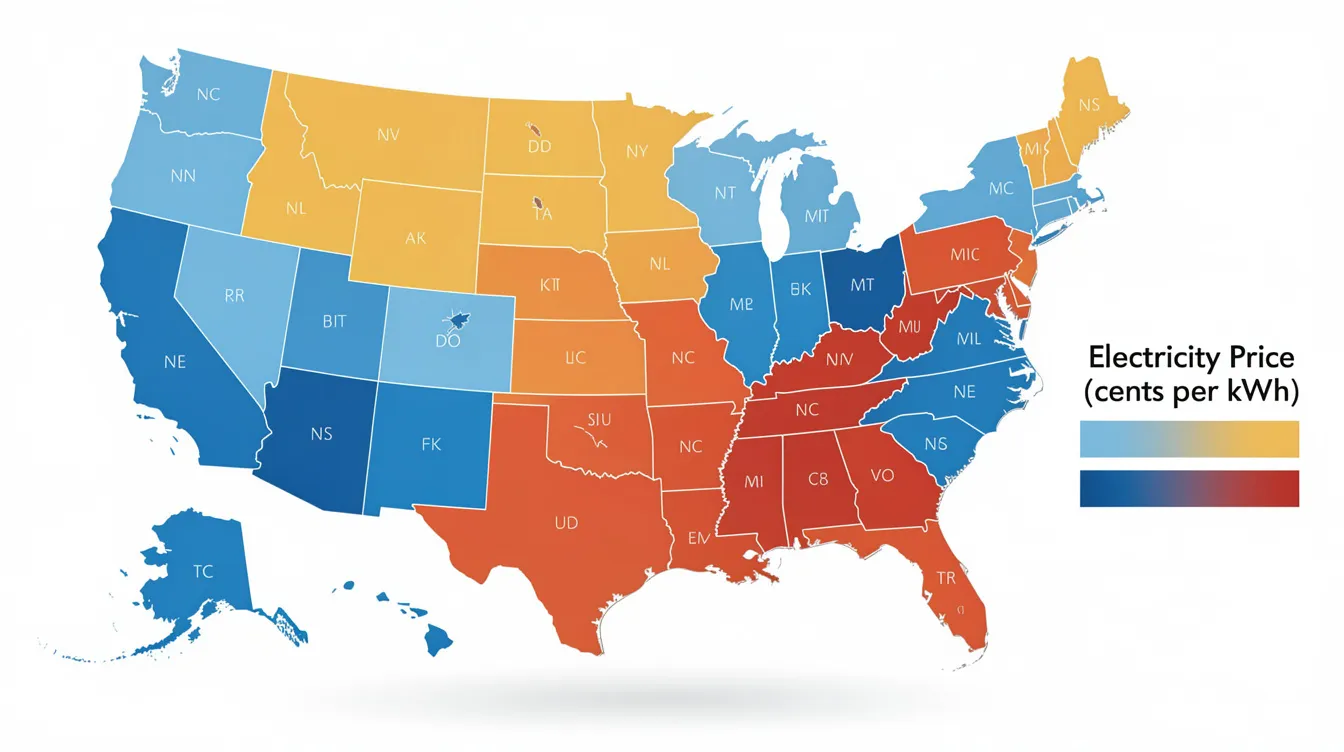
Electricity rates across the country are far from uniform, which means your neighbor in another state might pay four times as much as you do to run the same sauna session. Understanding these regional discrepancies is vital for accurate financial planning.
|
City |
Rate per kWh |
Infrared Cost/Month |
Traditional Cost/Month |
|
Honolulu, HI |
$0.45 |
$10.96 |
$40.95 |
|
Los Angeles, CA |
$0.34 |
$8.28 |
$30.94 |
|
Boston, MA |
$0.29 |
$7.06 |
$26.39 |
|
New York, NY |
$0.27 |
$6.58 |
$24.57 |
|
Chicago, IL |
$0.18 |
$4.38 |
$16.38 |
|
Dallas, TX |
$0.15 |
$3.65 |
$13.65 |
|
Seattle, WA |
$0.11 |
$2.68 |
$10.01 |
|
New Orleans, LA |
$0.09 |
$2.19 |
$8.19 |
Based on three weekly sessions: 45-minute infrared at 2.5 kW or 60-minute traditional at 7 kW.
In markets like California, the cost can fluctuate even more based on the time of day. Peak rates sometimes exceed $0.50/kWh while off-peak rates drop below $0.20/kWh. This means that simply switching your sauna time from 5 PM to 9 PM could cut your monthly bill nearly in half without requiring any physical changes to your home or equipment.
What factors have the biggest impact on your sauna’s energy consumption?
While the heater type is the most important factor, several environmental and structural variables determine how hard that heater has to work. Controlling these factors is the key to maintaining a low-cost wellness habit.
Does sauna size and cubic footage matter?
Yes, larger saunas require significantly more energy because they contain more air volume that must be heated and maintained. A 4-person cabin with 200 cubic feet of interior space will demand much more power than a compact 2-person unit with only 80 cubic feet. The larger the space, the longer the heater must run at full capacity to reach your desired temperature.
How does insulation quality affect the bill?
A well-insulated sauna acts like a thermos, trapping heat inside and reducing the workload on the heating elements. The R-rating of your insulation is a direct indicator of its effectiveness. Standard indoor saunas often use R-13 insulation, which is adequate for climate-controlled rooms. However, units installed in garages or outdoors should aim for R-19 or R-25 ratings. Moving from R-13 to R-25 can reduce your warm-up energy needs by as much as 40%, especially in colder climates where heat loss is more aggressive.
Do temperature settings change the cost?
Every 10-degree increase in your target temperature generally increases your energy costs by 15% to 20%. A traditional sauna set to its maximum of 195 degrees Fahrenheit will be much more expensive to run than one set to a more moderate 170 degrees Fahrenheit. Infrared models have a distinct advantage here; because they heat the body directly, you can enjoy a full therapeutic experience at much lower ambient temperatures, further lowering your electricity usage.
Does installation location influence performance?
Indoor saunas benefit from being surrounded by your home’s existing climate control, meaning the heater doesn't have to fight against the elements. Outdoor saunas, conversely, are at the mercy of the weather. In winter months, an outdoor traditional sauna might consume 50% more energy than usual because of the extreme temperature gradient between the hot interior and the freezing exterior air.
What are the most effective strategies to reduce sauna energy costs?
Reducing your energy bill does not require you to sacrifice the quality of your sauna sessions. By applying a few strategic adjustments, you can enjoy the same health benefits while keeping your utility company’s take to a minimum.
How do you time your sessions for maximum savings?
As previously mentioned, taking advantage of off-peak hours is the most effective way to lower costs instantly. Most utility companies offer their lowest rates in the morning hours between 9 PM and 7 AM. If you move your sauna session to the early morning or late evening, you can save roughly one-third on your operating costs. This is a pure administrative win that requires no physical upgrades.
Why are batch sessions more efficient?
"Batching" refers to scheduling multiple family members to use the sauna back-to-back. The most energy-intensive part of a sauna session is the initial warm-up. By using the sauna consecutively, you eliminate the need to reheat a cold cabin. This simple scheduling change can reduce total energy consumption by 30% to 40% compared to multiple users heating the unit separately at different times of the day.
How does maintenance preserve efficiency?
A neglected sauna is an inefficient sauna. Regular maintenance ensures that your heating elements and insulation are performing at their peak. You should clean infrared panels monthly to ensure maximum heat transfer and inspect your door seals annually. If a seal is cracked or compressed, expensive heat is escaping into your house or the outdoors, forcing your heater to run longer than necessary.
Can smart controls and insulation upgrades help?
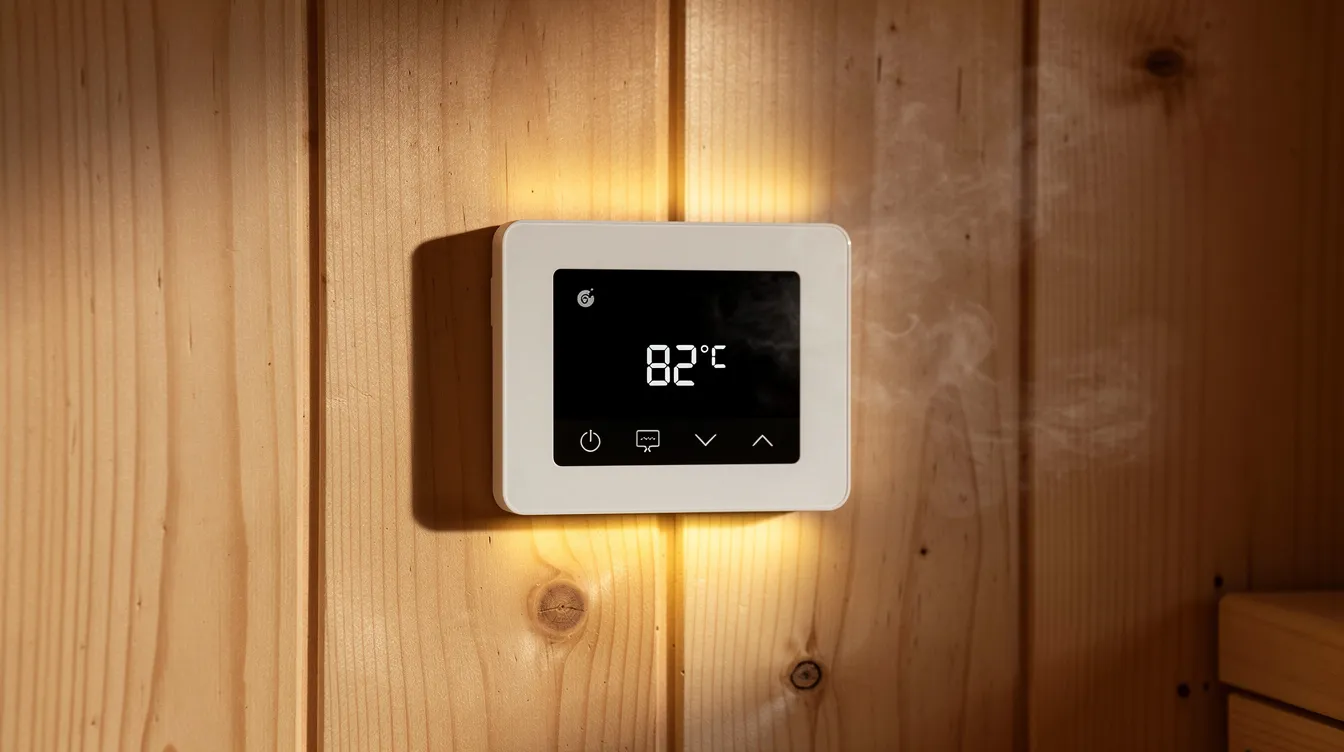
A smart thermostat helps you schedule your preheat cycles precisely, ensuring the sauna isn't running empty for longer than it needs to. Additionally, for outdoor units, investing in premium weather-stripping is a high-return upgrade. High-quality seals and extra wall insulation typically pay for themselves within two to three years through the electricity savings they provide.
What is the long-term cost analysis and return on investment?
When evaluating the cost of a home sauna, it is helpful to look at the total cost of ownership over several years. While the initial purchase and installation prices are factors, the low operating costs of infrared technology make it a very attractive long-term investment.
|
Sauna Type |
Monthly Cost |
Annual Cost |
5-Year Total |
|
Infrared (moderate use) |
$4.50 |
$54 |
$270 |
|
Traditional electric |
$14.50 |
$174 |
$870 |
|
Traditional (high-rate state) |
$28.00 |
$336 |
$1,680 |
Over five years, the operating cost difference between an efficient infrared model and a traditional one can be as much as $1,400. This significant amount often offsets the higher upfront cost of premium infrared technology.
Furthermore, when compared to commercial spa visits, a home sauna pays for itself almost immediately. A single session at a commercial spa can cost between $25 and $40. If you visit a spa three times a week, you are spending over $300 a month. In contrast, your home sauna costs less than $15 a month to run. From a real estate perspective, a professionally installed sauna can also add between $3,000 and $15,000 to your property value, making it one of the few wellness investments that actually contribute to your home's equity.
How does solar power integration create cost-free sauna operation?
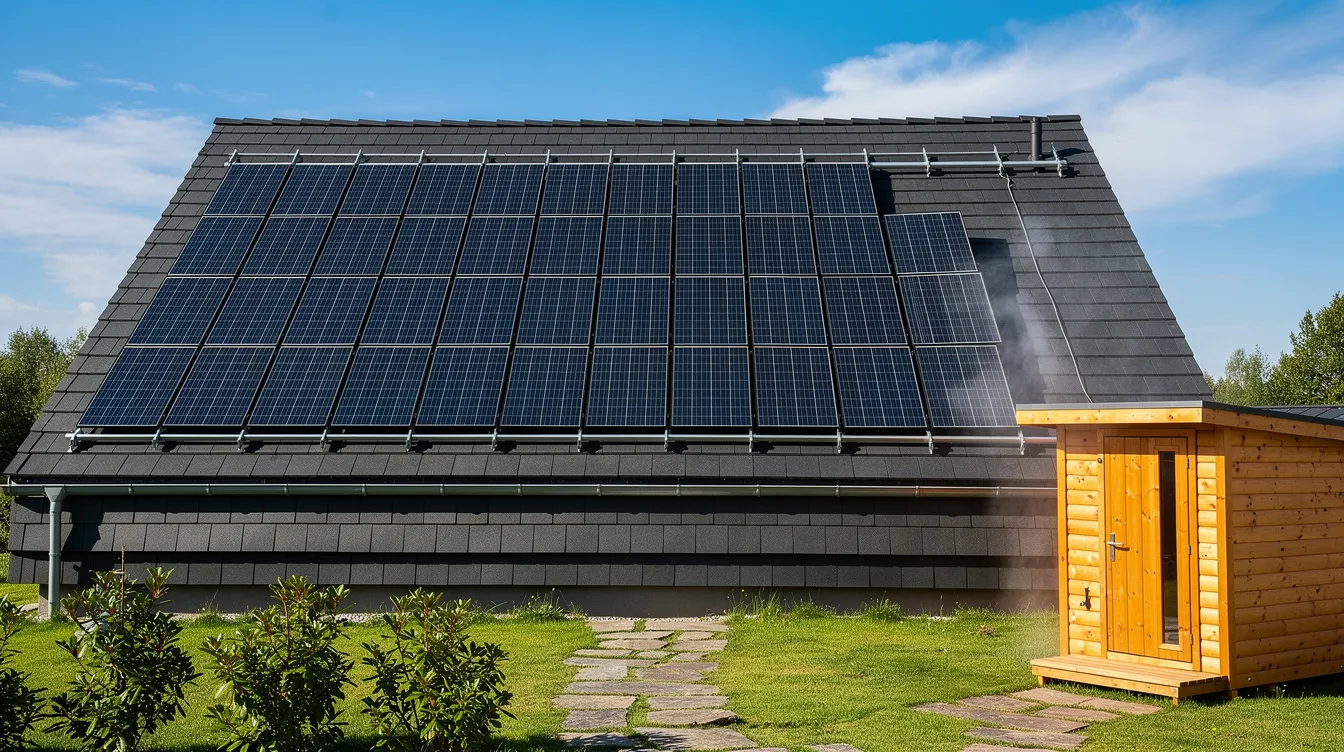
For the ultimate in sustainable wellness, many 2026 homeowners are turning to solar power. Because infrared saunas have such a low power draw, they are the perfect candidates for solar integration.
To completely offset the energy used by a 1.5 to 3.0 kW infrared sauna, you generally only need two or three modern 400W solar panels. A traditional electric sauna, which can pull up to 9 kW, would require a much larger and more expensive array of six to eight panels. If you plan on using your sauna in the evening, you will also need battery storage. A 5 kWh battery can typically support one full infrared sauna session after sunset. In comparison, a 10 kWh battery provides enough cushion for multiple sessions or a single session in a traditional model.
For 2026 installations, Lithium-iron-phosphate (LiFePO4) batteries are the gold standard, offering over 6,000 cycles and high efficiency. In states with net metering, you can even sell excess daytime energy back to the grid and use those credits to power your sauna at night, effectively bringing your operating cost to zero.
What is your complete sauna energy cost-planning checklist?
Use the following checklist to ensure you have a full grasp of your expected costs and how to keep them as low as possible:
- Identify the Specs: Find your sauna model’s exact kW rating and voltage requirements in the manufacturer's manual.
- Review Your Bill: Locate your local electricity rate and check for any time-of-use pricing structures.
- Estimate Usage: Calculate how many hours per week your family will actually use the unit.
- Run the Math: Use the formula (kW × Hours × Sessions/Week × 4.33 × $/kWh) to get your monthly baseline.
- Adjust for Seasons: Account for the fact that winter might increase your heating times, especially for outdoor units.
- Upgrade Early: Consider adding extra insulation or smart controls at the time of installation.
- Check for Rebates: Look for local utility rebates that reward the purchase of energy-efficient wellness equipment.
- Optimize Scheduling: Plan your sessions for off-peak hours whenever your schedule permits.
- Set a Maintenance Budget: Set aside $100 to $300 annually for cleaning supplies and minor repairs.
- Explore Solar: Evaluate if your roof or yard has enough sun exposure to support a small solar array.
How can you make informed decisions about your sauna operating costs?
The data clearly demonstrates that infrared saunas from Sun Home Saunas provide the lowest operating costs of any electric sauna type on the market today. With monthly expenses that are often less than the price of a single fancy cup of coffee, owning a home sauna is an exceptional value for any household focused on health and longevity.
For the budget-conscious homeowner, choosing energy-efficient infrared technology is the smartest financial move. Saving 60% to 75% on operating costs every month adds up to thousands of dollars over the lifetime of the unit. Beyond the raw numbers, these low-EMF infrared models provide a premium experience that is both sustainable and environmentally responsible. Whether you are looking to integrate with solar power or want to keep your monthly bills predictable, an infrared sauna offers the perfect balance of therapeutic power and fiscal responsibility.
References
- U.S. Energy Information Administration (EIA): Providing 2026 residential electricity rate data and national averages.
- Sun Home Saunas | Energy Efficiency Guide: Detailed technical breakdown of infrared heating efficiency and insulation standards.
- U.S. Department of Energy | Radiant Heating Basics: Authoritative reporting on the efficiency of radiant heat systems in residential settings.
- SolarTech | Sauna Electricity Cost Guide: Real-world kWh consumption comparisons between home wellness appliances.
- Science Direct | Heat Transfer and Human Thermoregulation: Scientific basis for direct body heating vs. ambient air heating in thermal therapy.
FAQs
What does it cost to run an infrared sauna from Sun Home Saunas monthly?
Running an infrared sauna from Sun Home Saunas typically costs between $2.50 and $6.00 per month if you use it three times a week at the national average electricity rate. This is much more affordable than traditional saunas, which usually cost between $10 and $15 monthly for the same amount of use. The primary reason for this low cost is the efficiency of infrared technology, which uses only 1.5 to 3.5 kWh per session, compared to the 6 to 9 kWh required by traditional electric models.
How do sauna energy costs compare to other home wellness equipment?
Saunas are remarkably efficient compared to other major home appliances and wellness items. While a sauna costs $4 to $15 per month, a hot tub can cost $25 to $50, and central air conditioning can run between $40 and $80. Running a sauna uses about the same amount of electricity as a standard hair dryer used for an equivalent amount of time. Compared to commercial spa visits that cost $25 to $40 each, a home sauna pays for itself very quickly.
Can I reduce my sauna energy costs without sacrificing comfort?
You can easily reduce your sauna's energy consumption by 20% to 30% through simple optimization strategies. The most effective method is using the sauna during off-peak hours, which can save you up to 50% on your electricity rate. Other great tactics include batching sessions with other family members to avoid reheating the unit, keeping your door seals in good repair to prevent heat leaks, and using a smart thermostat to manage preheating.
Do outdoor saunas cost significantly more to operate than indoor models?
Outdoor saunas generally cost about 20% to 30% more to run than indoor models because they are exposed to the weather. In cold climates, the heater must work much harder to fight against the low ambient temperature. However, you can offset much of this cost by investing in high-quality R-25 insulation for the walls and ceiling. While an indoor unit might cost $4 a month, an outdoor version might cost $5 or $6, which is still very manageable.
Is solar power a viable option for powering my Sun Home Sauna?
Solar power is a fantastic option for infrared saunas because they have a relatively low power draw. You can offset your entire energy usage with just two or three 400W solar panels. If you want to use the sauna at night, you will need a battery system with a capacity of 5 to 10 kWh. Because infrared models heat up so quickly and use so little energy, they are the ideal choice for anyone looking to create a completely carbon-neutral home wellness center.
