

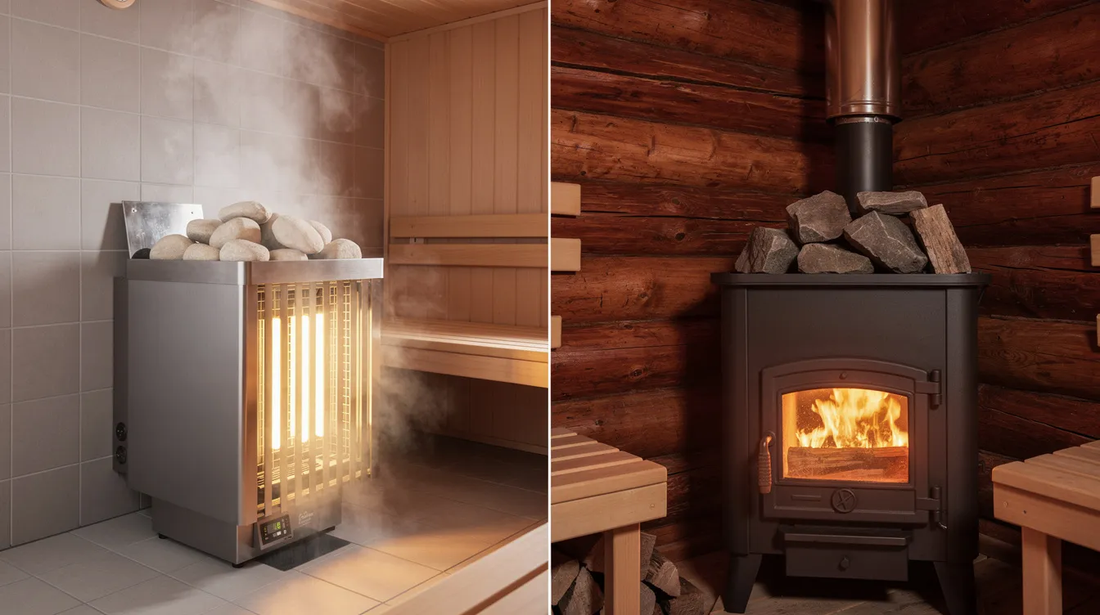
Choosing between a steam generator and a wood-burning heater defines your sauna's atmosphere and utility. Steam systems offer convenient, 100% humidity "wet" heat (100-120°F) for indoor spa retreats. Wood-fired heaters provide authentic, high-intensity radiant heat (160-190°F) with traditional löyly rituals, ideal for outdoor or off-grid wellness settings.
Choosing between a steam generator and a wood-burning sauna heater is a decision that fundamentally defines your home wellness environment, influencing everything from the physiological quality of the heat to long-term structural maintenance and monthly utility costs. Steam generators deliver a "wet" sauna bathing spa experience, maintaining humidity at 100 to 120°F, making them ideal for indoor residential integration and respiratory health.
Wood-burning heaters, the cornerstone of authentic Finnish tradition, offer intense radiant heat between 160 and 190°F, characterized by the ritual of fire-tending and manual humidity control via löyly (steam bursts). This comprehensive guide provides an exhaustive analysis of technical specifications, installation logistics, operating costs, and the distinct wellness profiles of both systems, ensuring your investment in building a sauna aligns perfectly with your property, local building codes, and health goals.
Key Takeaways
- Thermal Dynamics: Steam generators prioritize convective moist heat (100 to 120°F), whereas wood heaters in Finnish saunas provide high-intensity radiant heat (160 to 190°F) with a variable humidity profile.
- Installation Infrastructure: Steam systems require 240V electrical circuits and dedicated plumbing; wood systems require Class A chimney stacks, fire-rated hearths, and specific clearance safety zones.
- Operational Economics: Electric units offer consistent, push-button pricing (0.60 to 1.50 dollars per session), while wood units range from high-cost purchased cords to zero-cost self-sourced fuel.
- Property Suitability: Urban dwellings are restricted to steam generators due to emissions codes, whereas rural and off-grid locations favor the independence of wood-fired combustion.
- Maintenance Profiles: Steam generators require descaling and mineral management; wood heaters require annual chimney sweeping and ash management to ensure safety and longevity.
What Are the Core Differences Between Steam Generators and Wood-Burning Sauna Heaters?
To choose the right system, one must first understand the mechanical and atmospheric divergence between "wet" and "dry" heat. While both are referred to as saunas in popular culture, they operate on entirely different physical principles and chemical environments.
The Mechanics of Steam Generators
A steam generator is a compact electric boiler. It pulls water from your home's plumbing, heats it to a boil within a localized tank, and releases the resulting vapor through a steam head into a sealed enclosure. Because the room is saturated with moisture, the relative humidity stays at or near 100.
Because moisture is a highly efficient heat conductor, the air temperature must be kept significantly lower than in a traditional sauna. At 120°F in 100 humidity, the "feels like" temperature is extreme. If a steam room were heated to 180°F, it would cause immediate and severe skin burns. This makes the steam generator experience one of gentle, enveloping warmth, focused on hydration and respiratory relief. These systems are often installed in master bathrooms or dedicated steam suites.
The Mechanics of Wood Burning Heaters
A wood-burning sauna heater is a combustion-based radiant stove. It relies on seasoned hardwood to heat a large internal firebox, which in turn heats a mass of igneous stones (usually 70 to 200 lbs.). This system warms the room through two methods:
- Convection: Air flows over the hot stones and circulates through the room.
- Radiation: The heat stored in the stones and the stove body radiates outward, warming the wood walls and the bather’s body directly.
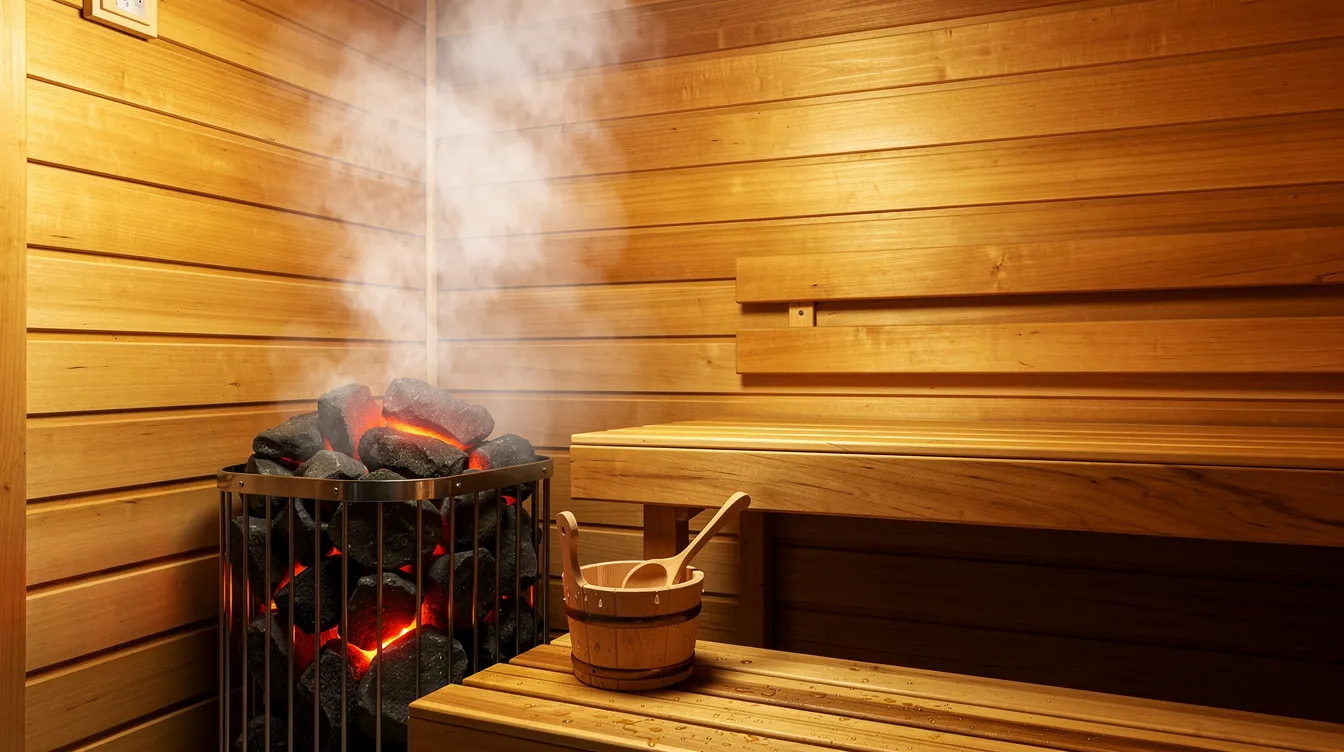
In this environment, humidity is naturally low (5 to 30). The bather introduces moisture by throwing water on the stones, a process called löyly. This creates a temporary, powerful wave of invisible steam that increases the perceived heat without saturating the air indefinitely. The surrounding surfaces, including the stove body and stone mass, play a significant role in emitting radiant heat and influencing the perceived warmth and comfort in the sauna.
Temperature and Humidity Comparison
The following table outlines the technical divergence in environmental output between the two systems:
|
Feature |
Steam Generator System |
Wood Burning Heater System |
|
Operating Temp |
100 to 120°F (38 to 49°C) |
160 to 190°F (71 to 88°C) |
|
Humidity Level |
Constant approximately 100 |
Variable (5 to 30 base) |
|
Heat-Up Time |
20 to 45 minutes |
45 to 90 minutes |
|
Temperature Control |
Thermostat with precise control |
Manual fire tending and airflow |
|
Primary Heat Type |
Moist convective heat |
Radiant heat from stones |
|
User Experience |
Spa-like, consistent, automated |
Traditional, variable, ritualistic |
The User Experience and Ritual
The sauna experience differs profoundly between these technologies. Steam generators deliver quiet operation with consistent temperature; you press a button, wait for the system to reach your set point, and enter a uniform environment. Wood-fired sauna stoves require hands-on fire tending: selecting wood, building the fire, managing airflow, and adding fuel throughout longer sessions. Many sauna enthusiasts prefer this involvement as part of the ritual, while others value the modern convenience of electric models.
How Do You Calculate Your Heating Requirements and Usage Patterns?
Proper sizing ensures your heating system reaches optimal temperature without wasting energy or struggling to maintain heat. Both steam generators and wood-burning sauna heaters must be matched to your specific sauna room dimensions.
Steam Generator Sizing Dynamics
Steam generators are rated in kilowatts (kW), ranging from 6 to 15 kW for residential applications. Sizing depends on your steam room’s cubic footage, insulation quality, and construction materials.
- Cubic Footage Calculation: Measure L times W times H.
- Small Enclosures (100 to 150 cubic feet): 6 to 8 kW
- Medium Steam Rooms (150 to 250 cubic feet): 9 to 12 kW
- Large Installations (250 to 400 cubic feet): 12 to 15 kW
Tile, glass, and stone surfaces require additional power because they absorb and conduct heat away from the space. A 150 cubic foot room with extensive stone walls may need the same generator as a 200 cubic foot room with wood surfaces.
Wood Burning Heater Sizing Dynamics
Wood-fired heaters are sized by the volume they can heat and the stone mass they support. A wood-burning stove for a 4-by-6-foot sauna cabin might include 70 to 100 pounds of sauna stones, while larger outdoor saunas require heaters supporting 150 pounds of stones. Stone mass directly affects heat quality and löyly performance. More stones mean greater thermal inertia: the heater takes longer to warm up, but it maintains temperature better and produces softer, more voluminous steam when you heat sauna stones with water.
Usage Pattern Assessment
Your expected usage frequency significantly impacts operating costs and the maintenance burden. Before choosing a system, determine if you are a light, moderate, or heavy user.
|
Usage Level |
Sessions per Week |
Monthly kWh (Steam, 8kW) |
Monthly Wood Consumption |
|
Light |
2 to 3 |
12 to 20 kWh |
0.15 to 0.25 cord |
|
Moderate |
4 to 5 |
25 to 35 kWh |
0.3 to 0.5 cord |
|
Heavy |
Daily |
40 to 60 kWh |
0.6 to 1.0 cord |
Worksheet for Your Specific Needs
Calculate your requirements using these steps:
- Measure your sauna room in cubic feet (L times W times H).
- Determine your expected weekly sessions and average duration.
- Identify your heat source preference and available utilities (electric vs. wood access).
- Factor in any simultaneous users; more people result in faster heat loss when the door opens.
- Consider whether rapid heating matters. Steam generators are ready in 20 to 45 minutes; wood burning takes 45 to 90 minutes.
What Are the Installation Requirements for Each System?
Installation complexity represents one of the most significant differences between these heating systems. Understanding these requirements upfront prevents costly surprises and ensures code compliance.
Steam Generator Installation Requirements
Steam generators require four integrated systems:
- Electrical: A dedicated 240V circuit with appropriate amperage ( 30 to 50 amps). All wiring must comply with NEC standards and include GFCI protection.
- Water Supply: A cold water line feeds the boiler. Water quality affects maintenance. Hard water requires more frequent descaling.
- Drain Line: Condensate and periodic tank drainage need proper plumbing to prevent water damage.
- Steam-Proof Enclosure: The steam room itself requires waterproof construction, including cement board or approved waterproof panels, vapor barriers, and sloped ceilings to direct condensation.
The generator unit itself is installed outside the steam room or in a nearby closet, utility space, or basement, with only the steam head and controls inside the enclosure.
Wood Burning Heater Installation Requirements
Wood heaters require a chimney, proper ventilation, and fire-rated surfaces, which often makes them better suited for outdoor or specialized settings.
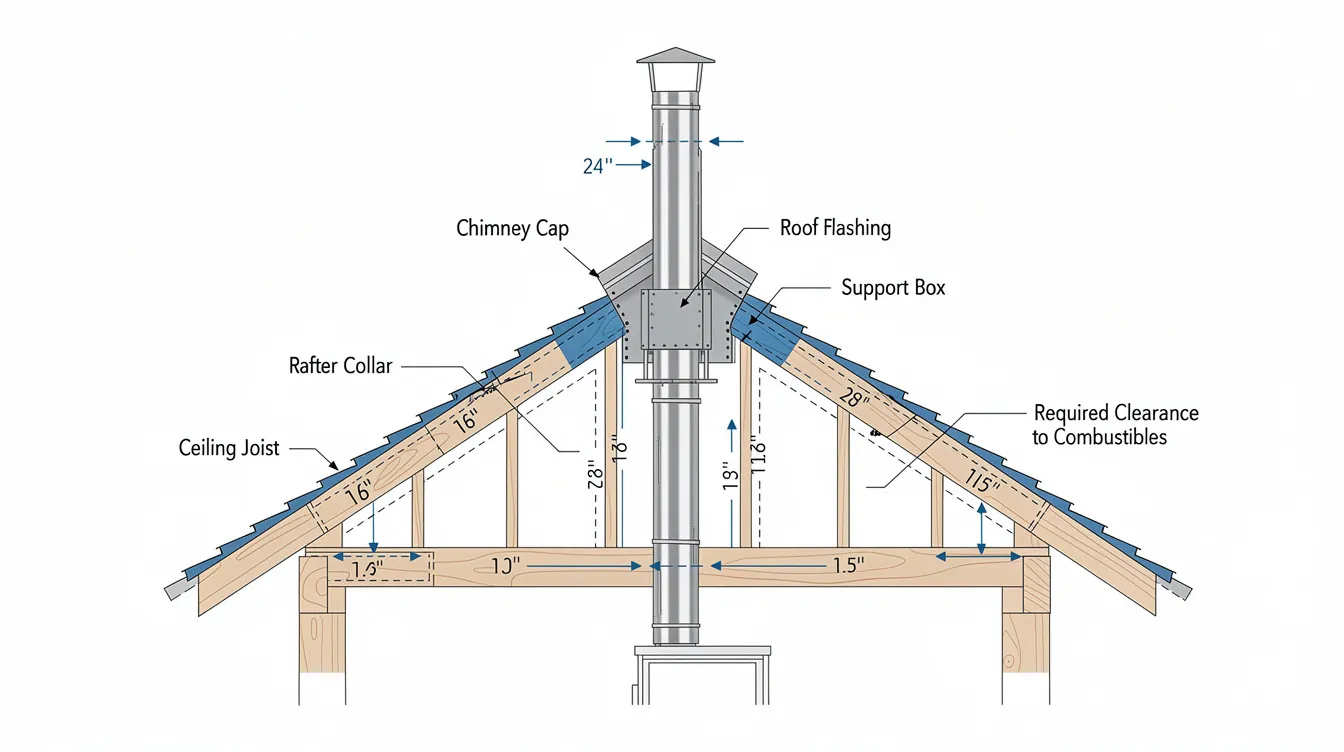
- Chimney System: A Class A insulated chimney appropriate for solid fuel appliances, properly sized ( 6” diameter) with correct roof penetration, flashing, and cap.
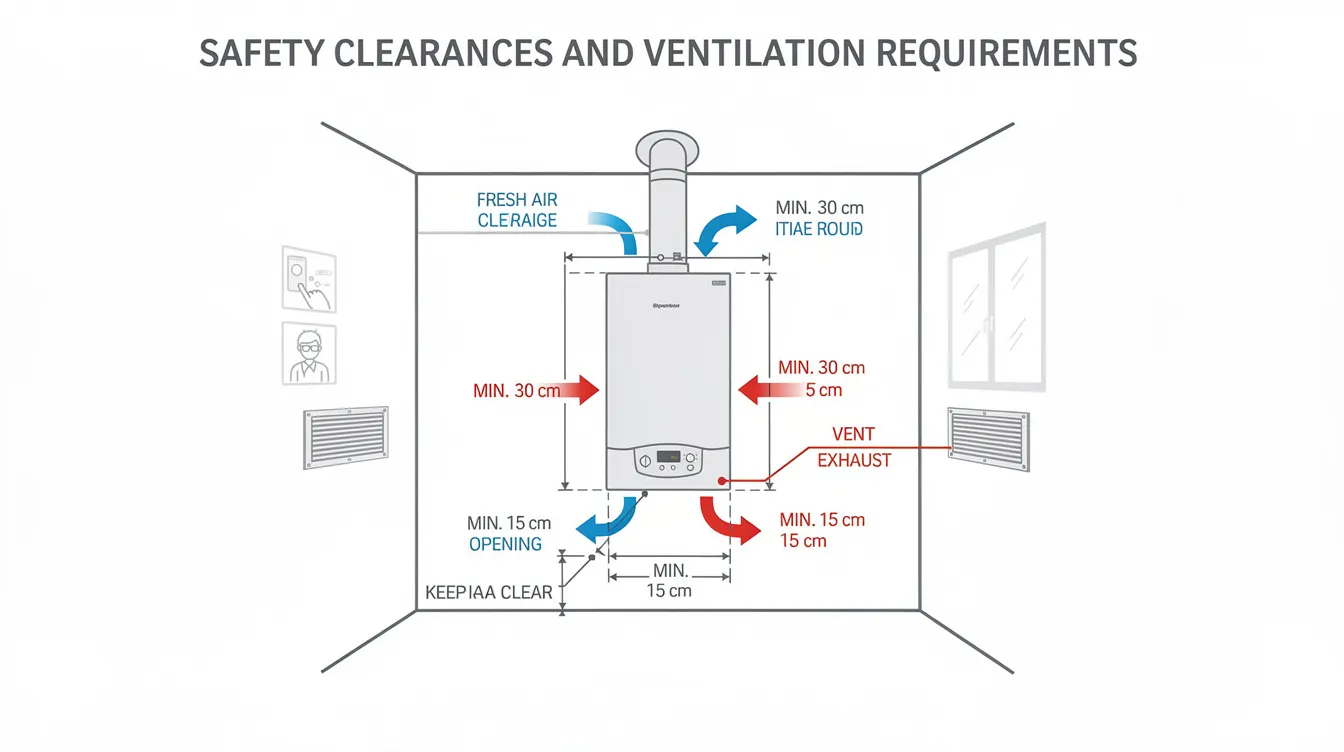
- Fire Clearances: Minimum distances from the stove to combustible surfaces, 20” unshielded, reducible to 5 to 10” with approved heat shields.
- Combustion Air Supply: Fresh air intake for efficient burning, especially critical in well-sealed modern construction.
- Hearth Protection: Non-combustible floor protection extending beyond the stove footprint, per local codes.
- Firewood Storage: Accessible storage for seasoned hardwood, ideally covered and ventilated.
Installation Cost Comparison
|
Component |
Steam Generator System |
Wood Burning System |
|
Equipment Cost |
800 to 2,000 |
1,200 to 3,000 |
|
Electrical Work |
400 to 800 |
0 to 200 (lighting only) |
|
Plumbing Work |
300 to 600 |
0 |
|
Chimney/Flue System |
0 |
1,000 to 2,500 |
|
Enclosure/Structure |
1,500 to 4,000 |
500 to 1,500 |
|
Professional Install |
500 to 1,200 |
800 to 1,500 |
|
Total Typical Range |
3,500 to 8,600 |
3,500 to 8,700 |
Permit requirements vary by jurisdiction. Steam generator installations require electrical permits. Wood-burning installations require building permits for chimney penetrations and may require a fire department inspection.
What Are the Operating Costs and Energy Considerations?
Long-term operating costs often influence heating decisions more than upfront costs. Understanding your regional utility rates and fuel availability clarifies which system makes financial sense.
Steam Generator Electricity Costs
An electric sauna stove or steam generator’s operating cost depends on unit wattage, session duration, and your local electricity rate. For an 8 kW generator running 45 minutes (including heat-up):
- At 0.12/kWh: 0.72 per session
- At 0.20/kWh: 1.20 per session
- At 0.30/kWh (Peak rates): 1.80 per session
Annual costs for moderate use (4 sessions per week) at the national average rate range from 180 to 240 dollars.
Wood Burning Fuel Costs
Wood-fired sauna stove operating costs depend on whether you purchase or source your own firewood:
- Purchased Firewood: A cord of seasoned hardwood costs 200 to 400. With 45 to 90 sessions per cord, the cost is roughly 3 to 9 per session.
- Self-Sourced Firewood: Cost involves only labor and equipment. Many rural properties have access to free wood.
Annual Operating Cost Table
|
Usage Level |
Annual Steam Generator Cost (dollars) |
Annual Wood Cost (Purchased) (dollars) |
Annual Wood (Self-Sourced) (dollars) |
|
Light (3 times per week) |
150 to 250 |
250 to 700 |
50 to 100 |
|
Moderate (5 times per week) |
250 to 400 |
500 to 1,200 |
100 to 200 |
|
Heavy (Daily) |
400 to 600 |
900 to 1,800 |
200 to 400 |
Maintenance and Environmental Impact
- Maintenance: Steam generators require descaling (0 to 150 dollars annually) and filter replacements. Wood burning requires chimney sweeping (100 to 250 dollars) and ash removal.
- Environmental: The impact of steam generators depends on your electricity source. Wood burning can be carbon-neutral but produces particulates that affect local air quality.
How Do Maintenance and Safety Requirements Compare?
Both systems require regular maintenance for safe, efficient operation. The nature and frequency of maintenance tasks differ significantly.
Steam Generator Maintenance
- Monthly: Check and clean the steam head and controls; inspect for mineral buildup.
- Quarterly: Drain and flush the tank to remove sediment.
- Annually: Professional inspection of electrical components and heating elements.
- As Needed: Descale the boiler based on water hardness.
Steam generators last 10 to 15 years. Water quality is the primary variable; hard water accelerates mineral buildup and shortens component life.
Wood Burning Heater Maintenance
- After each use, ash must be removed once the accumulation reaches 1 to 2 inches.
- Monthly: Inspect firebox, door gaskets, and grates for wear.
- Annually: Professional chimney sweeping to remove creosote (essential for fire safety).
- Every 2-3 Years: Replace door gaskets and inspect flue system connections.
Well-maintained wood-burning sauna heaters last 15 to 25 years. Cast iron and steel components are durable but require protection from moisture when the sauna is not in use.
Safety Requirements Comparison
|
Safety Element |
Steam Generator |
Wood Burning Heater |
|
Electrical Protection |
GFCI required; dedicated circuit |
Minimal (lighting only) |
|
Fire Safety |
Low risk; proper enclosure |
High priority; clearances |
|
Ventilation |
For moisture management |
For combustion/air quality |
|
Carbon Monoxide |
No risk |
Risk if the flu is compromised |
|
Insurance |
Standard electrical permit |
Often requires chimney certs |
Insurance Implications
Both systems affect homeowner’s insurance:
- Steam generators: Typically require electrical permit documentation and licensed electrician installation
- Wood burning heaters: Often require additional scrutiny; some insurers mandate annual chimney inspection certificates
- Unpermitted installations may void coverage for fire or water damage claims
- Notify your insurer before installation and retain all inspection documentation
What about Atmosphere, Experience, and Wellness Benefits?
Beyond specifications and costs, the subjective experience differs dramatically between these systems.
Steam Generator Experience
A steam generator creates a spa-like environment characterized by consistent heat, high humidity, and quiet operation. The moist heat particularly benefits the respiratory system, helping open airways and soothe sinuses. It is ideal for skin hydration and those seeking a relaxing, consistent environment with push-button readiness.
Wood Burning Sauna Experience
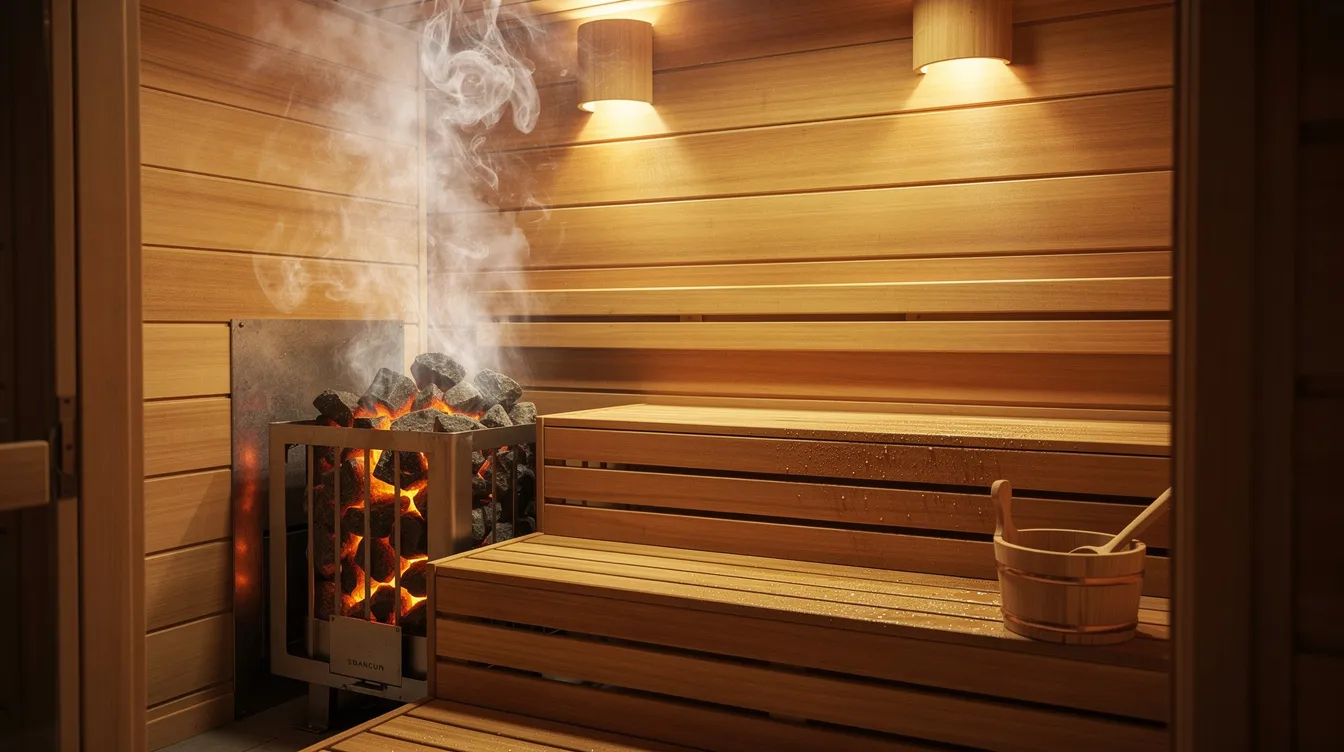
A wood-fired sauna offers an authentic atmosphere with crackling fire and natural aromas. The heat is radiant and deep-penetrating. The löyly ritual, which involves throwing water on stones, is central to the experience. It encourages active participation and a meditative state through fire-watching. The intense heat creates a higher cardiovascular response and deeper muscle relaxation.
Health Benefits Comparison
|
Benefit |
Steam Generator |
Wood Burning Heater |
|
Respiratory Relief |
Excellent |
Good (with löyly) |
|
Muscle Relaxation |
Good |
Excellent (Deep radiant heat) |
|
Skin Hydration |
Excellent |
Moderate (Dry heat can dehydrate) |
|
Mental Relaxation |
Spa-like calm |
Meditative (Fire-watching) |
|
Social Experience |
Casual use |
Ritualistic/Shared participation |
Seasonal Considerations
Steam generators perform consistently year-round with reliable electricity, making them ideal for daily sauna sessions regardless of the weather. Wood-burning systems require more preparation in winter (ensuring dry firewood and longer heat-up times in cold sauna cabins). Still, many users find the fire particularly satisfying during cold months.
For outdoor saunas in harsh climates, wood heat provides natural independence from power outages that can affect electric models. Remote cabins especially benefit from the off-grid capabilities of wood-fired heaters.
Which System Works Best for Different Home Situations?
Your living situation and property characteristics often determine which heating system is practical.
Urban Condos and Apartments
Steam generators are the only viable option. There are no chimney options, wood-burning is often prohibited, and electrical or plumbing systems are already available.
Suburban Homes
Both options are viable. Steam generators integrate well into main bathroom remodels. Wood-burning stoves suit backyard cabins. Consider neighbor proximity when evaluating the impact of wood smoke and check local HOA restrictions.
Rural and Off-Grid Properties
Wood-fired systems offer total independence from the grid. Abundant firewood is often available on-site, and the traditional aesthetic fits rural life. Solar panels can supplement electric sauna heaters, but add a high cost.
Outdoor Sauna Buildings
Wood-burning heaters suit outdoor settings aesthetically and practically. Steam generators require heated enclosures to prevent freeze damage to plumbing. Chimney installation is also much simpler in detached outdoor structures.
Integration with Home Wellness Setups
Modern wellness spaces often combine multiple therapies. Consider how your heating choice integrates:
- Cold Plunge: Both sauna types pair excellently with cold immersion
- Infrared Sauna: Electric sauna heaters share electrical infrastructure; wood burning offers a contrasting heat quality
- Red Light Therapy: Often combined in multi-function spaces with electric sauna systems
- Outdoor Setting: Wood-fired sauna creates a complete outdoor wellness experience
How Sun Home Saunas Supports Your Steam Generator vs Wood Burning Decision
Selecting between these systems involves technical specs and personal preference. Sun Home Saunas provides:
- Expert Consultation: Assessing space, utility infrastructure, and budget.
- Quality Equipment: Sized for residential use, including wood stoves with high stone capacity and UL-listed generators.
- Installation Support: Detailed specs, diagrams, and a network of certified contractors.
- Warranty: Comprehensive coverage and technical support for the lifespan of your unit.
Complete Planning Checklist
Use this checklist to evaluate your options systematically:
Space and Utility
- Measure cubic feet and ceiling height (7 feet minimum).
- Check electrical panel capacity (240V).
- Evaluate chimney routing feasibility.
- Identify water supply and drainage access.
Budget and Compliance
- Establish total budget (equipment installation).
- Calculate annual operating costs.
- Check local codes and HOA rules for wood burning.
Quality Equipment Options
Sun Home Saunas offers both steam generator and wood-burning heater options from trusted manufacturers. Our selection includes:
- Steam generators sized for residential and commercial applications
- Wood-fired sauna stoves with appropriate stone capacity for various cabin sizes
- Complete sauna cabin packages designed for either heating type
- Accessories, including sauna stones, water ladles, and ventilation components
Installation Support
Proper installation protects your investment and ensures safety. We provide:
- Detailed installation specifications and diagrams
- Certified contractor network for professional installation
- Pre-installation site assessment services
- Code compliance guidance for your jurisdiction
Warranty and Ongoing Support
Both heating systems require occasional service over their lifespan. Sun Home Saunas backs purchases with:
- Comprehensive warranty coverage on equipment
- Technical support for troubleshooting
- Replacement parts availability
- Maintenance guidance and schedules
Types of Sauna Heaters and Final Selection
Sauna heaters are the heart of the experience. Choosing between wood-burning and electric elements depends on your preference for ritual over convenience.
Wood Burning Sauna Heaters
The traditional choice for an authentic experience. They use seasoned hardwood to create powerful radiant heat and a rustic atmosphere. Favored for outdoor saunas and off-grid cabins, they provide a deep connection to nature and the "soft" heat of heavy stone masses.
Electric Sauna Heaters (Including Steam)
The modern standard for convenience. These use electrical elements to heat stones or generate steam. They offer rapid heating, minimal maintenance, and precise temperature control. Ideal for indoor installations and integration with smart home technology.
Conclusion
Whether you choose the authentic ritual of wood or the modern precision of steam, professional guidance is essential. Proper sizing prevents underpowered sessions, and code-compliant installation protects your home. Contact Sun Home Saunas today for a personalized consultation to match your wellness goals with the perfect heating system.How do seasonal changes affect my choice?
Steam generators are consistent year-round. Wood-burning systems require more prep in winter (dry wood, longer heat-up time), but provide very satisfying heat during cold months. For outdoor units in harsh climates, wood heat provides independence from power outages.
References
1. Finnish Sauna Society (Suomen Saunaseura): Technical Dynamics of Traditional Heat and Löyly: An authoritative resource for understanding the physics of heat distribution and the cultural standards of authentic Finnish sauna bathing.
2. International Sauna Association (ISA): Standards for Residential Sauna Construction: The global governing body providing guidelines on sauna safety, heating requirements, and structural integrity.
3. National Fire Protection Association (NFPA): NFPA 211: Standard for Chimneys, Fireplaces, Vents, and Solid Fuel-Burning Appliances: The essential safety standard for the installation of wood-burning stoves and chimney systems to ensure fire-code compliance.
4. VTT Technical Research Center of Finland: Energy Efficiency and Thermal Mass in Modern Sauna Heaters: Scientific research into the performance of different heating elements and the impact of stone mass on thermal retention.
5. ASHRAE: Ventilation and Moisture Management in Steam Rooms: Technical standards for managing indoor air quality, humidity control, and vapor barriers in high-moisture residential environments.
National Electrical Code (NEC): NFPA 70: National Electrical Code: Specifically Section 424, Part IX, regarding the safe installation and grounding requirements for residential electric sauna heaters and steam generators.
FAQs
Can I install both a steam generator and a wood-burning heater in the same sauna?
Dual systems are technically feasible but rarely practical. Steam rooms require waterproof enclosures (tile), while wood-burning saunas require dry wood construction to prevent rot. The conflict between ventilation and clearance requirements further complicates this. It is better to have separate spaces for each.
Which heating system is better for daily sauna users?
Steam generators are more convenient for daily use due to push-button operation and predictable costs. They require less daily maintenance than ash removal and fire preparation. However, if the fire ritual is a core part of your wellness routine, wood-fired heaters can support daily use if you have the time and storage for fuel.
How does each system integrate with existing home wellness setups?
Steam generators share electrical infrastructure with infrared panels and electric heaters. Wood-fired systems operate independently, making them suitable for outdoor wellness areas where running electrical is impractical. Both pairs excel with cold plunges for contrast therapy.
What are the insurance and liability differences?
Steam generators require standard electrical permits. Wood-burning heaters face more scrutiny; insurers may mandate annual chimney certificates or riders. Unpermitted installations for either can void coverage for fire or water damage. Always retain inspection documentation.
Which system offers better long-term value and resale impact?
Steam generators appeal to a broad market seeking spa amenities. Wood-burning saunas command premium appeal in rural markets or among enthusiasts. Both last 10 to 25 years if maintained. Resale value depends on the quality of the installation and the local market's preference for rustic vs. modern luxury.
How do seasonal changes affect my choice?
Steam generators are consistent year-round. Wood-burning systems require more prep in winter (dry wood, longer heat-up time), but provide very satisfying heat during cold months. For outdoor units in harsh climates, wood heat provides independence from power outages.
