

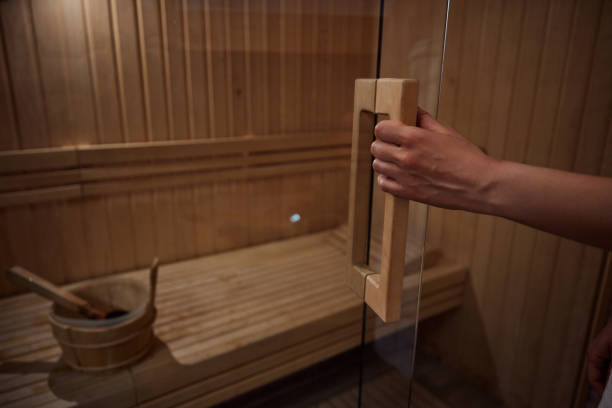
Choosing the best wood for your sauna is crucial for comfort and durability. Cedar is the top choice for its aroma, decay resistance, and suitability for outdoor saunas. Poplar and Basswood offer hypoallergenic, low-scent options perfect for sensitive users. Pairing quality wood with essential sauna accessories ensures a luxurious, long-lasting wellness experience.
Selecting the best wood for a sauna involves balancing durability, thermal comfort, and sensory appeal. Cedar remains the premier choice for its natural aroma and weather resistance, making it ideal for both indoor and outdoor units. For users with sensitivities or allergies, hypoallergenic woods like Poplar and Basswood offer a toxin-free, luxury finish. Choosing high-quality, heat-resistant wood ensures the longevity of your wellness investment while enhancing the therapeutic benefits of the sauna environment.
Key Takeaways
-
Cedar remains the top wood choice for durability, aroma, and outdoor use.
-
Poplar offers a hypoallergenic, luxury finish ideal for sensitive users.
-
Basswood is soft, toxin-free, and perfect for allergy-prone individuals.
-
Eucalyptus is eco-friendly, strong, and long-lasting.
-
Choosing quality wood and sauna accessories enhances longevity, safety, and wellness benefits.
Why Is Wood Selection Important For A Sauna?

The wood you choose determines your sauna’s comfort, durability, and aesthetic. High-quality sauna woods resist warping, remain cool to the touch, and create a naturally calming atmosphere. Combined with premium sauna accessories, the right wood transforms your wellness experience into a luxury retreat.
Key Factors to Consider:
-
Resistance to decay and heat
-
Durability and longevity
-
Thermal comfort and touch
-
Aroma and texture
-
Appearance and atmosphere
"The choice of wood is the soul of the sauna. It isn't just about aesthetics; it's about thermodynamics. The wrong wood can absorb too much heat, making benches uncomfortable, or it can release VOCs that interfere with the detoxification process. By choosing stable, low-resin woods like Cedar or Basswood, you ensure that the only thing your body is absorbing is the therapeutic infrared heat." - Sun Home Saunas Craftsmanship Specialist.
What Are The Best Woods For Building A Home Sauna?
When selecting sauna materials, the goal is to balance performance, beauty, and sensory experience. Below are the top-rated woods and how they compare in 2025.
Comparison of Top Sauna Wood Varieties
|
Wood Type |
Best For |
Key Characteristic |
Thermal Comfort |
|
Cedar |
Outdoor/Luxury |
Fragrant & weather-resistant |
Stays cool; resists warping |
|
Poplar |
Modern/Sensitive |
Hypoallergenic & light color |
Uniform texture; cool touch |
|
Basswood |
Allergy-prone |
Toxin-free & scentless |
Extremely soft & stable |
|
Eucalyptus |
Eco-conscious |
Strong & sustainable |
Durable for heavy use |
A breakdown of the primary wood types used in sauna construction and their unique characteristics.
1. Cedar: The Classic Choice for Luxury Saunas
Cedar remains the gold standard for sauna construction.
Cedar is a stable, fragrant wood that resists warping and decay. It performs exceptionally well in humid, high-heat conditions, making it ideal for both indoor and outdoor setups. Its natural oils add antibacterial properties and a soothing aroma.
Why it’s loved:
-
Excellent insulation, quick to heat and cool
-
Naturally decay- and fungus-resistant
-
Comfortable to the touch
-
Beautiful color variation
-
Aromatic and antibacterial essential oils
-
Perfect for outdoor use
Considerations:
Some people may experience mild sensitivities to cedar’s aroma. In that case, alternatives like basswood or poplar offer gentle, hypoallergenic comfort.
2. Poplar: Elegant, Hypoallergenic, and Modern
Poplar is a luxury wellness favorite for its smooth finish and allergen-free appeal.
Direct Answer:
Poplar wood provides a soft, knot-free surface that stays cool and comfortable even at high temperatures. It’s often used in health-focused sauna designs and wellness clinics worldwide.
Benefits:
-
No knots or sap secretion
-
Luxurious, cozy aesthetic
-
Non-toxic and hypoallergenic
-
Smooth, comfortable texture
Considerations:
Poplar is among the more expensive sauna woods and less suited for extreme outdoor climates.
3. Basswood: Soft, Safe, and Allergen-Free
Basswood is perfect for users sensitive to fragrances or toxins.
Basswood offers a light, scent-free experience that makes it ideal for wellness purists and allergy sufferers. It’s strong, durable, and naturally toxin-free.
Why choose basswood:
-
Hypoallergenic and fragrance-free
-
Excellent strength-to-weight ratio
-
Soft, smooth texture
-
Affordable compared to other luxury woods
Considerations:
It lacks the strong aroma and bold color that cedar provides but excels in gentle comfort.
4. Eucalyptus: Sustainable Strength and Beauty
Eucalyptus is gaining popularity among eco-conscious buyers.
Direct Answer:
Eucalyptus wood combines sustainability, durability, and timeless beauty. It’s fast-growing, color-consistent, and can be stained to fit your desired interior style.
Benefits:
-
Eco-friendly and fast-growing
-
Strong, long-lasting, and rot-resistant
-
Consistent color and texture
-
Excellent for luxury home spas
Considerations:
It can be pricier due to limited availability, and some stains may release odors when heated.
What Are the Best Sauna Accessories to Complement Premium Wood?

To elevate your experience, pair your sauna with modern sauna accessories that enhance comfort, detoxification, and atmosphere.
Top recommended accessories for 2026:
-
Infrared sauna blanket for solo deep-heat sessions
-
Sauna red light therapy kit to promote skin health and recovery
-
Aromatherapy diffusers for relaxation
-
Thermometers and hygrometers for temperature control
-
Wooden headrests, ladles, and buckets for traditional steam rituals
Why Investing in Premium Sauna Materials Matters
The best sauna experiences blend craftsmanship, comfort, and technology. Whether you’re designing an indoor retreat or an outdoor sanctuary, choosing quality wood and accessories ensures your investment lasts decades - both in durability and health benefits.
Quick Facts About Sauna Wood Selection
-
Thermal Performance: Premium sauna woods like Poplar have a low thermal conductivity, meaning they can remain comfortable to sit on even when the ambient air temperature reaches 190°F (88°C).
-
Longevity: When properly maintained, a sauna built with Western Red Cedar can last over 30 years due to the wood's natural resistance to decay-causing fungi and moisture.
-
Health Adoption: Approximately 20% of sauna users report sensitivities to strong wood aromas, making the availability of scentless options like Basswood critical for inclusive wellness design.
Final Thoughts
The best sauna experience is built on attention to detail — from the wood you select to the sauna accessories you include. At Sun Home Saunas, every product is designed to elevate your wellness journey, blending craftsmanship with cutting-edge relaxation technology.
References
-
Bergmann, KC., Straff, W., Mücke, HG. et al. Recommendations for allergy-friendly urban planting in the context of climate change. Allergo J Int 34, 95–103 (2025). https://doi.org/10.1007/s40629-025-00332-0
-
Mayo Clinic. (2024, August 24). Allergies - Symptoms and Causes. Mayo Clinic. https://www.mayoclinic.org/diseases-conditions/allergies/symptoms-causes/syc-20351497
-
Western Red Cedar Characteristics. (n.d.). https://www.woodcomponents.ie/wp-content/uploads/2016/03/MTS-Western-Red-Cedar-Characteristics.pdf
FAQs
What is the best wood for home sauna construction?
The best sauna wood depends on your preferences. Cedar is most popular for its durability and aroma, while basswood and poplar are ideal for those sensitive to scents or allergens.
Which is better? Indoor or outdoor sauna wood?
Outdoor saunas require more durable, weather-resistant wood such as cedar or eucalyptus, while basswood and poplar work beautifully for indoor setups.
Are home saunas safe for health?
Yes. When properly installed and ventilated, home saunas are safe and beneficial. They promote relaxation, improve circulation, and aid detoxification, especially when paired with modern sauna accessories.
Do infrared saunas help with weight loss and recovery?
Yes. Infrared saunas raise your core temperature to increase heart rate and calorie burn, while also easing muscle soreness and promoting faster recovery for athletes.
How often should you use an infrared sauna?
For best results, use an infrared sauna 3–4 times per week for 20–30 minutes. Always stay hydrated and listen to your body’s comfort level.

