


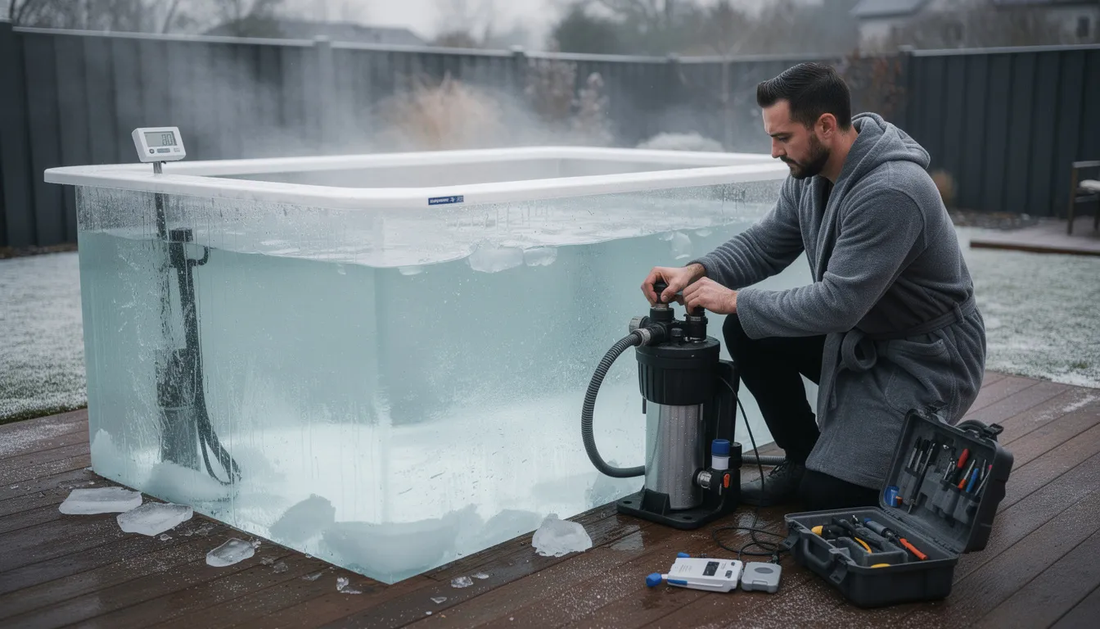
You can recognize and fix common cold plunge tub for home problems by paying attention to temperature, equipment, and how your body reacts. Cold plunging can be intense, so spotting early warning signs is crucial. If you shiver uncontrollably, lose feeling in your hands or feet, or struggle to breathe, it’s time to get out immediately. Most issues arise due to incorrect temperatures, contaminated water, or improper technique.
Using correct breathing techniques, checking equipment regularly, and keeping sessions brief make the practice safer. Once you learn what to watch for, cold plunging becomes easier, safer, and more beneficial for recovery and wellness. This article will provide insights to help you identify and fix cold plunge issues for an enjoyable experience.
Key Takeaways
· Most cold plunge issues come from wrong water temperature, poor prep, or bad breathing habits
· Equipment problems include chillers, filters, and insulation
· If you’re numb, shivering uncontrollably, or can’t breathe well—get out
· Basic maintenance prevents most problems
· Post-plunge discomfort usually means recovery or water quality issues
What are the Most Common Cold Plunge Problems?
Understanding cold plunge issues is essential for both prevention and rapid response. Research shows that 65% of beginners experience at least one significant issue in their first month, with most problems falling into predictable categories that can be prevented with proper preparation. The top 10 issues users face include:
· Equipment malfunctions: Chiller failures, pump problems, and electrical issues
· Temperature inconsistencies: Water too cold or too warm for safe practice
· Breathing difficulties: Hyperventilation, panic responses, and cold shock
· Skin reactions: Irritation, rashes, and chemical sensitivity
· Recovery problems: Prolonged shivering, dizziness, and fatigue
· Water quality issues: Bacterial contamination and chemical imbalances
· Safety hazards: Slip risks, entrapment concerns, and emergency situations
· Maintenance failures: Filter clogs, system leaks, and cleaning oversights
· Technique errors: Improper entry, wrong timing, and breath holding mistakes
· Environmental problems: Poor setup, inadequate drainage, and weather exposure
Emergency Responses for Common Cold Plunge Issues
· Uncontrollable shivering or confusion: Exit immediately, wrap in warm clothing, seek medical attention if symptoms persist
· Chest pain or irregular heartbeat: Stop session, call emergency services
· Equipment sparking or electrical smell: Shut off power at breaker, evacuate area
· Water discoloration or strong chemical odor: Do not enter, test water chemistry immediately
· Difficulty breathing after 30 seconds: Exit and practice controlled breathing exercises
What are Some Equipment-Related Problems and Solutions?
· Chiller and Temperature Control Issues
Cold plunge chillers are complex systems that require regular maintenance and troubleshooting. When your chiller isn’t cooling properly, the first step is checking refrigerant levels, though this should only be done by qualified technicians due to environmental and safety regulations.
Common chiller problems and solutions
· Inadequate cooling performance: Clean condenser coils monthly with a soft brush and compressed air. Dirty coils reduce efficiency by up to 40% and force the compressor to work harder. Check that the unit has adequate clearance, at least 2 feet on all sides for proper airflow
· Temperature fluctuations exceeding 5°F: Inspect thermostat calibration using a separate, calibrated thermometer. Digital thermostats can drift over time, requiring recalibration or replacement. Also verify that temperature sensors are properly positioned in the water flow, not in dead zones where readings may be inaccurate
· Excessive energy consumption: Beyond cleaning air filters monthly, ensure the chiller isn’t oversized for your tub volume. An oversized unit will short-cycle, resulting in reduced efficiency and increased wear. Monitor amp draw during operation. A significant increase indicates mechanical problems requiring professional service
· Noise problems from chillers: Troubleshoot vibration dampeners under the unit and check compressor mounting bolts. Refrigeration components naturally vibrate, but excessive noise often indicates loose hardware or worn isolation pads. Position chillers on solid, level surfaces away from living areas when possible
Filtration and Circulation Problems
Poor water quality often means your filter isn’t working. Cloudy or colored water usually means it needs replacing right away. Filters normally last 3–6 months, but heavy use or bad water chemistry wears them out faster. Dirty tanks can cause infections, and hydrogen peroxide alone isn’t enough to keep the water sanitized.
Circulation system troubleshooting
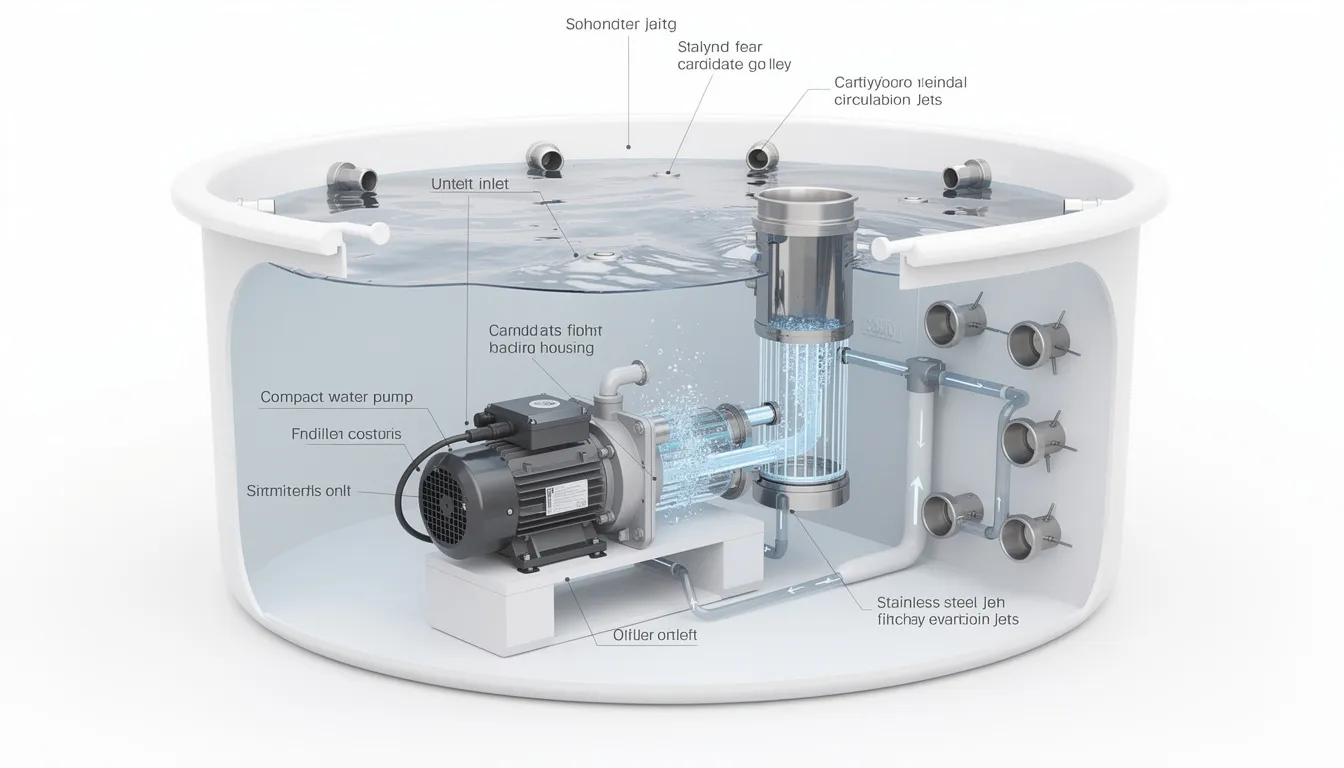
· Poor water circulation: Check for clogged jets by removing and cleaning them individually. Scale buildup and debris can reduce water flow by up to 40%, significantly impacting the effectiveness of both filtration and chemical distribution. Verify pump impeller isn’t clogged with hair or debris
· Air bubbles in the system: This suggests pump priming issues or air leaks in plumbing connections. Check all fittings for tightness and inspect unions for cracked o-rings. Air infiltration not only reduces pump efficiency but can cause cavitation damage to expensive equipment
Step-by-step pump maintenance
· Turn off power at the breaker
· Close isolation valves if present
· Remove pump basket and clear debris
· Inspect impeller for damage or clogs
· Check shaft seal for leaks
· Prime pump before restart if needed
· Temperature and Timing Issues
Proper temperature control is crucial for both safety and effectiveness in cold water immersion. When cold plunge tub water (below 38°F) creates rapid heat loss and potential frostbite risk within 2-3 minutes, while warm water (above 60°F) provides insufficient therapeutic benefits and wastes energy.
Temperature management protocols
Optimal temperature ranges based on experience level:
· Beginners: 50-60°F for 30 seconds to 2 minutes
· Intermediate: 45-55°F for 2-5 minutes
· Advanced: 38-50°F for 5-15 minutes
· Expert practitioners: 32-45°F for up to 20 minutes (with medical clearance)
Timing protocols for maximum safety
Cold immersion sessions should be kept short, ideally between 2 to 10 minutes, especially for beginners. Beginners should start with shorter durations of 30 seconds to a minute and gradually increase the time as they become more comfortable with cold immersion. The practice involves gradually building tolerance rather than pushing limits immediately. Start with warmer temperatures and shorter durations, then slowly decrease temperature or increase duration.
· Seasonal adjustments for outdoor setups
When ambient temperature drops below 20°F, outdoor cold plunge tubs require additional considerations. Surface ice formation can create sharp edges and uneven cooling. Install circulation pumps to prevent freezing and consider partial covers that maintain access while reducing heat loss.
Inconsistent temperature readings from multiple thermometers indicate calibration problems requiring immediate attention. Cross-check with a high-quality digital thermometer and calibrate or replace faulty instruments. Temperature variations of more than 2-3°F across the tub suggest poor circulation or thermal stratification.
Monitor core body temperature responses rather than relying solely on timers. Individual tolerance varies significantly based on body composition, health status, and cold adaptation level. Some people may reach therapeutic benefits at higher temperatures with longer durations, while others achieve similar results with more intense, shorter exposures.
· Physical and Physiological Problems
Understanding your body’s response to cold exposure is essential for safe practice. The nervous system triggers predictable reactions that, when recognized early, allow for appropriate adjustments before problems escalate. Hypothermia symptoms requiring immediate action include:
· Uncontrollable shivering that doesn’t subside within 5 minutes of exiting
· Mental confusion or slurred speech
· Coordination problems affecting the ability to exit safely
· Core body temperature dropping below 95°F
Frostbite indicators on extremities
· Numbness progressing to complete loss of sensation
· Skin appearing white, gray, or blue-white
· Hard or waxy feeling when touching affected areas
· Blistering, indicating severe frostbite requiring emergency care
Cardiovascular stress signs
· Chest pain or pressure
· Irregular heartbeat or palpitations
· Dizziness or lightheadedness
· Difficulty breathing that persists beyond initial cold shock
What Are the Common Physical Reactions and Their Solutions?
· Cold shock response management
The first 30-90 seconds of immersion in a commercial cold plunge tub wellness centre triggers an involuntary gasping reflex and rapid breathing that can feel like panic. This normal physiological response affects most people regardless of experience level. Pre-cooling techniques like cold showers or gradual temperature reduction help minimize this reaction.
Controlled breathing exercises
· 4-7-8 technique: Inhale for 4 counts, hold for 7, exhale for 8
· Box breathing: 4 counts in, hold 4, out 4, hold 4
· Long exhales: Focus on making exhales longer than inhales
Skin reactions and sensitivities
Prolonged skin redness lasting more than 2 hours may indicate chlorine sensitivity, bacterial contamination, or individual reaction to cold. Test water chemistry immediately and consider using dechlorinating shower filters or natural water sources if chemical sensitivity persists.
· Muscle cramping during or after plunging
Electrolyte imbalance commonly trigger muscle cramps, especially when combined with the physiological stress of cold exposure. Maintain proper hydration with electrolyte-rich fluids and avoid cold plunging when dehydrated from exercise, alcohol, or illness.
· Delayed onset muscle soreness
While cold therapy can help reduce inflammation, timing matters for athletes. Post-workout cold plunging may interfere with natural adaptation responses if used immediately after every strength training session. Consider spacing cold exposure 4-6 hours after intense workout to preserve training benefits while still gaining recovery advantages.
· Breathing Technique Issues
Proper breathing technique distinguishes safe cold plunge practice from dangerous experimentation. The breathing steady approach focuses on maintaining conscious control rather than fighting natural responses.
How to Manage Panic Breathing and Hyperventilation
Cold shock naturally triggers rapid, shallow breathing that can escalate into hyperventilation. Instead of forcing normal breathing immediately, acknowledge the response and gradually slow your exhales. Focus on steady breathing rhythms instead of suppressing the initial gasps.
· Progressive cold exposure training
Start with 50°F water for 30-second exposures, building tolerance before attempting lower temperatures. This approach allows the nervous system to adapt gradually instead of overwhelming stress responses. Many people can progress 2-3°F colder or 30 seconds longer every 3-4 sessions.
· Common breath holding mistakes:
Social media often promotes breath holding for enhanced cold plunge therapy health benefits. This is dangerous because it combines multiple stress responses including hypoxia, cold shock, and potential loss of consciousness underwater. Maintain continuous breathing throughout sessions, using controlled breathing techniques to manage discomfort.
How to Enter the Cold Plunge Properly
Gradual submersion approach
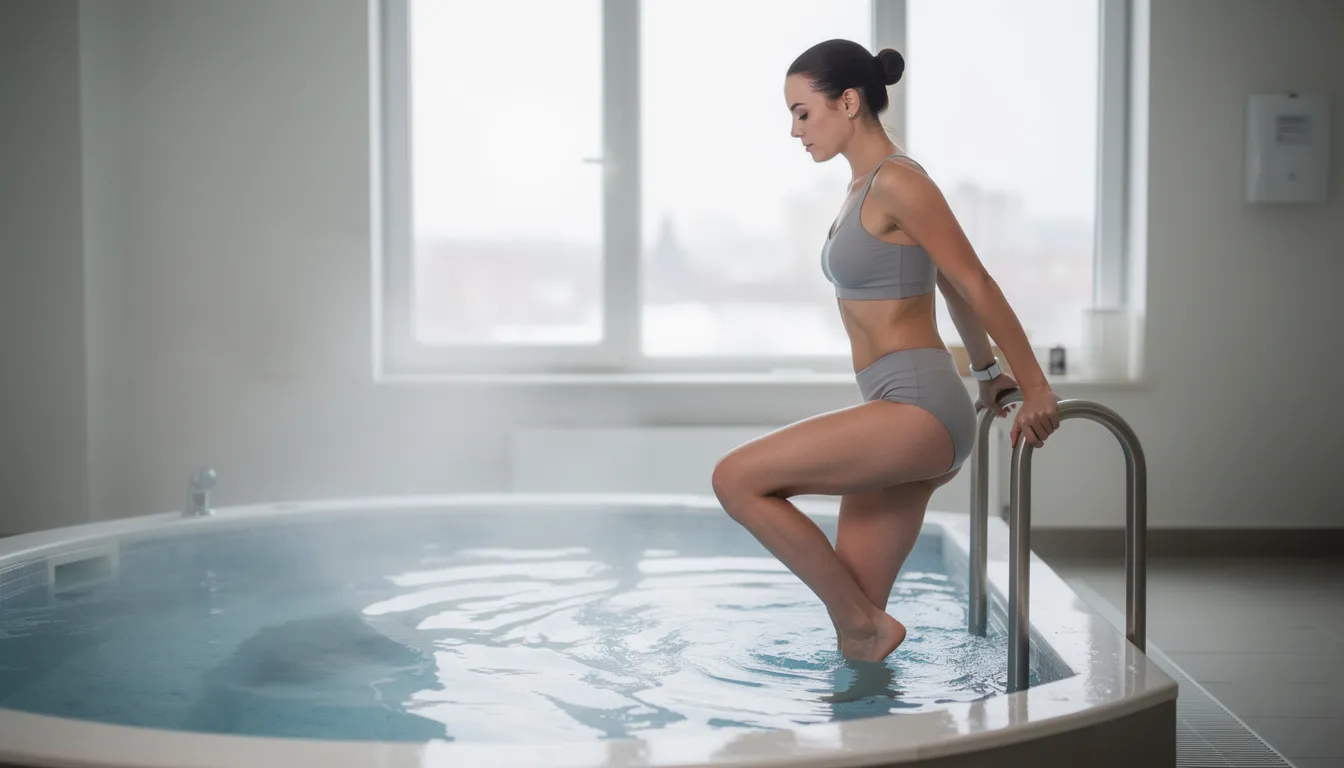
· Enter feet first, stopping at ankle depth
· Breathe steady for 10-15 seconds
· Progress to knee depth, focusing on breathing
· Continue gradually to desired depth
· Maintain breathing focus throughout
Mental Preparation Strategies
Visualization and positive self-talk significantly affect cold tolerance. Spend 2-3 minutes before entering to mentally rehearse the session and visualize calm breathing and successful completion. Use phrases like “I am in control” or “This discomfort is temporary” rather than fighting the experience.
The practice becomes more sustainable when approached as mental training rather than physical endurance. Cold exposure provides excellent opportunities to practice stress management skills applicable to other life situations.
What Are the Main Safety Concerns and Risk Management Steps?
Creating comprehensive safety protocols prevents serious cold plunge injuries and emergencies. Risk management involves both equipment design and operational procedures that account for the altered judgment and physical capabilities that cold exposure can cause. Concerns about cold plunge safety often stem from fear of infection risks associated with shared use of plunge tanks. To maintain safety consider these tips:
· Slip and Fall Prevention
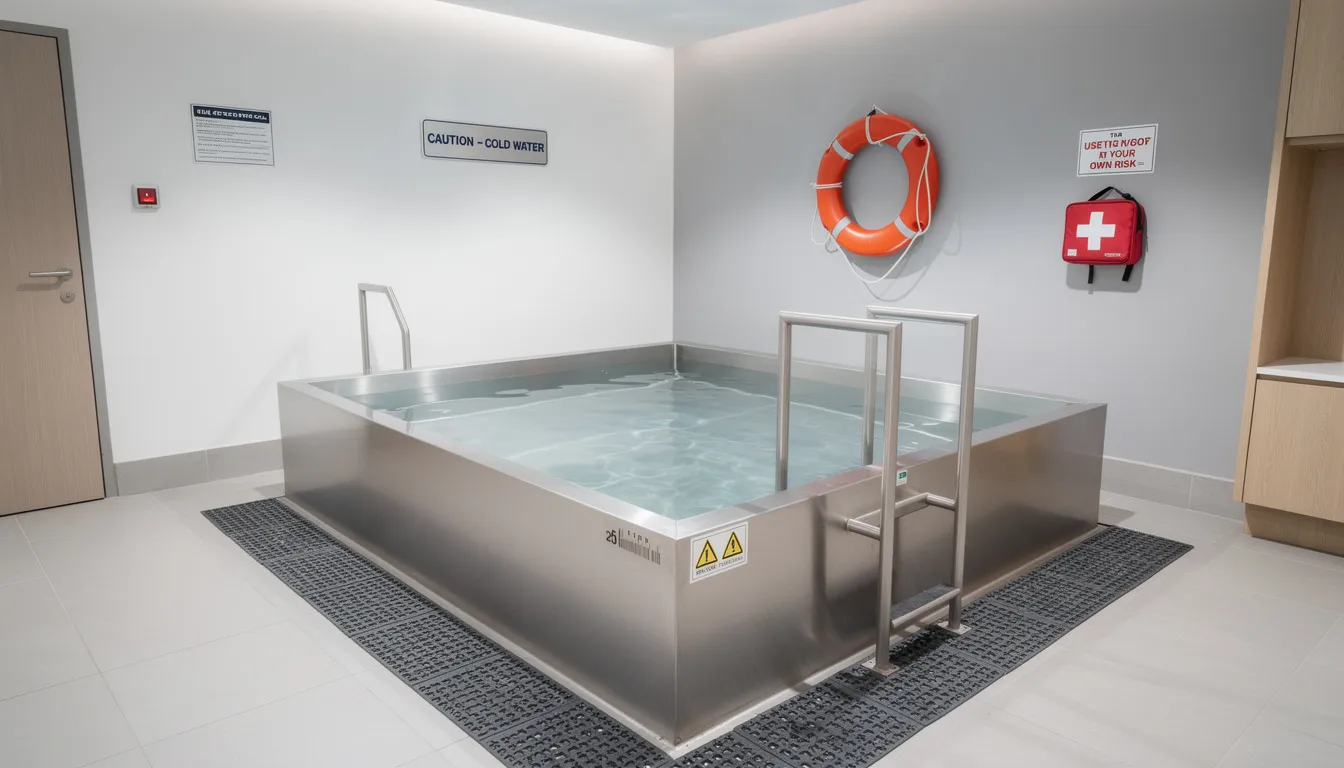
Wet surfaces around cold plunge areas create significant hazards, especially when users experience dizziness or coordination problems. Cold plunge tanks may pose physical hazards such as slips and falls, especially for children and seniors, who are more susceptible to these risks. Install non-slip mats with drainage holes, ensuring they remain effective when wet. Position sturdy handrails at entry and exit points, rated for the full body weight of users who may need sudden support.
· Entrapment Risk Assessment
Deep or enclosed tubs present drowning risks if users become disoriented or physically compromised. Establish clear protocols for solo versus supervised sessions. Solo users should limit sessions to shallow depths where they can easily stand and exit quickly. Consider installing emergency exit mechanisms for enclosed designs.
· Medical Contraindications and Screening
Certain health conditions make cold plunging inappropriate or require strict medical supervision:
· Heart conditions (coronary artery disease, arrhythmias, uncontrolled hypertension)
· Recent surgery or healing wounds
· Pregnancy (consult physician for guidance)
· Neuropathy or circulation disorders
· History of cold-induced allergic reactions
Essential Emergency Supplies
· Emergency communication device (waterproof phone or alarm)
· Warm blankets or emergency heating packs
· First aid kit including thermometer
· List of emergency contacts and medical information
· AED (automated external defibrillator) for commercial facilities
Rescue Procedures
Train spotters in basic rescue techniques, including safely removing unconscious persons from water and recognizing signs of severe hypothermia. Establish clear protocols for when to call emergency services versus handling situations internally.
· Age-specific Supervision Requirements
Children under 16 require constant adult supervision and should use significantly warmer water (55-60°F) with shorter durations (30-60 seconds maximum). Adults over 70 years may have reduced cardiovascular reserve and slower recovery responses, requiring modified protocols and increased monitoring.
· Regulations and Safety
Cold plunge tanks without recirculating filtration or automatic disinfection systems are not covered by swimming pool regulations, creating a regulatory gap in certain aspects of their management. Children and seniors may be more susceptible to the physiological and physical hazards associated with cold plunge tanks.
Commercial facilities should maintain detailed incident logs and regular safety training updates for staff. Insurance requirements may dictate specific safety protocols and equipment standards.
· Hygiene and Maintenance
Water Quality Problems
Maintaining safe water quality in cold plunge systems requires understanding how low temperatures affect chemical processes and microbial growth. While cold water slows bacterial reproduction, it doesn’t prevent contamination, especially in systems with multiple users.
Chemical Balance Management
Daily chlorine testing results should maintain 1-3 ppm free chlorine levels, but cold water requires adjusted chemical protocols. Standard pool chemistry calculations often underestimate chlorine demand in cold water systems with high bather loads relative to volume.
pH Balance Optimization
Maintain pH range between 7.2-7.8 for optimal sanitizer effectiveness and user comfort. Cold water naturally affects pH stability, often trending toward higher pH levels that reduce chlorine effectiveness. Test and adjust pH before adding chlorine for maximum efficiency.
· Bacterial Contamination Prevention
Pseudomonas and other waterborne bacteria can thrive in poorly maintained cold water systems. Signs of bacterial problems include:
· Persistent cloudy water despite proper chlorine levels
· Slippery biofilm on surfaces
· Unusual odors (musty, fishy, or sulfur-like)
· Skin rashes or ear infections in users
Algae growth management:
Outdoor setups face particular challenges with algae growth from sunlight exposure and organic debris. UV sterilization systems provide additional protection beyond chemical sanitizers, particularly effective for controlling resistant algae strains.
What Cleaning and Sanitization Protocols Should you Adopt?
Daily Maintenance Tasks (15-20 minutes)
· Test and record chlorine and pH levels
· Skim surface debris and empty skimmer baskets
· Check equipment operation (pumps, chillers, filters)
· Inspect water clarity and surface condition
· Adjust chemical levels as needed
Weekly Maintenance Schedule
· Remove and clean filters thoroughly
· Scrub water line and visible surfaces
· Perform shock treatment with higher chlorine levels
· Test total alkalinity and calcium hardness
· Inspect and clean circulation jets
Monthly Deep Cleaning Protocol
· Complete system drain and refill
· Disinfect all surfaces with appropriate cleaners
· Inspect and service equipment components
· Replace filters if showing wear or reduced flow
· Check plumbing connections for leaks or corrosion
Seasonal Winterization for Outdoor Units
Cold weather protection involves more than simple draining. Add appropriate antifreeze solutions rated for potable water systems, ensuring complete circulation through all plumbing lines. Protect electrical components and provide covers to prevent debris accumulation and UV damage to surfaces.
Water quality testing should be conducted more frequently during peak usage periods or when environmental conditions change significantly. Maintain detailed logs of chemical additions and test results to identify trends and prevent problems before they affect users.
Environmental Setup Problems
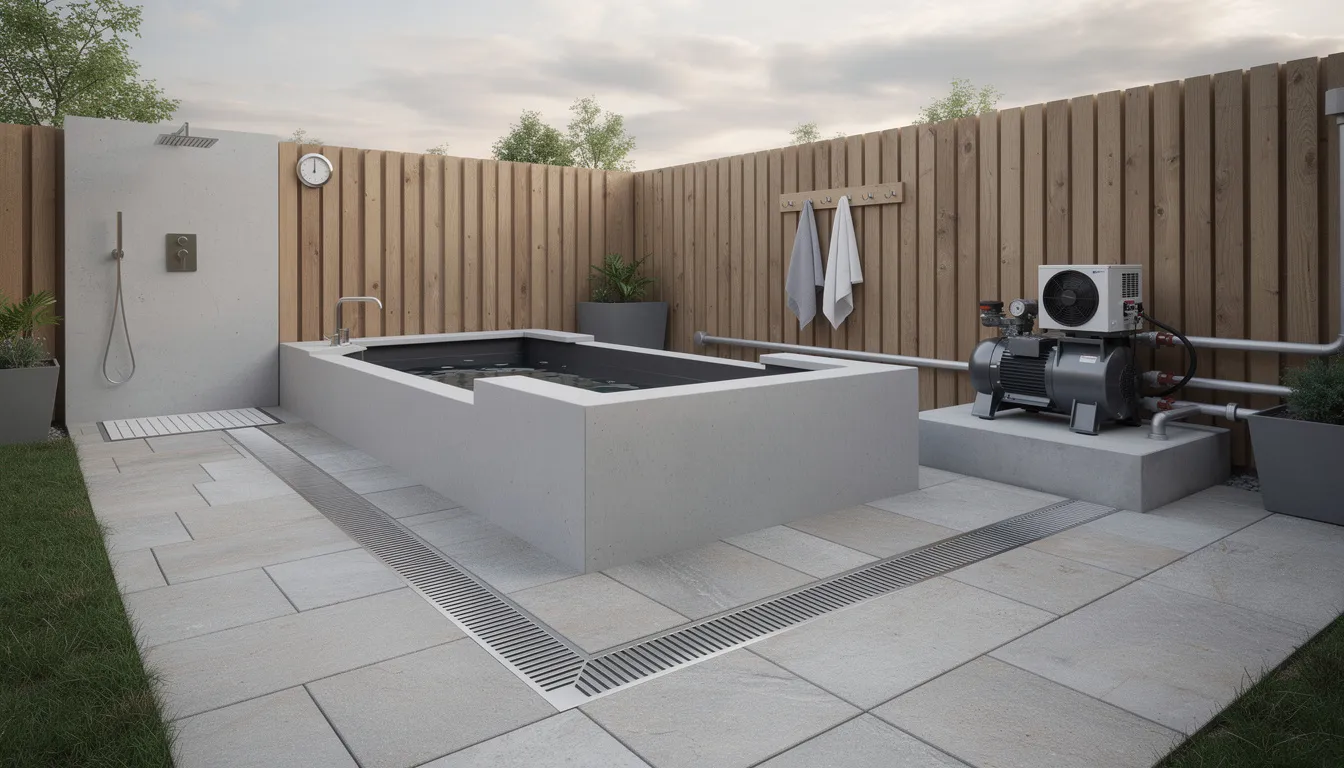
Proper cold plunge installation requires careful attention to drainage, electrical safety, and environmental factors that affect both performance and safety. Many setup problems stem from treating cold plunges like simple bathtubs rather than specialized aquatic equipment.
Drainage and Water Management
Inadequate drainage causes water pooling that creates slip hazards and potential structural damage. Design drainage systems with 1-2% grade slope away from the tub, ensuring water flows to appropriate disposal areas. Consider local regulations regarding chlorinated water discharge.
Electrical Safety Requirements
Any electrically powered cold plunge system requires GFCI (Ground Fault Circuit Interrupter) protection and proper grounding. Electrical components must meet wet location codes, with proper bonding between metal equipment and structures. Hire licensed electricians familiar with pool and spa codes for installations.
Ventilation Considerations for Indoor Installations
Indoor cold plunge areas require adequate ventilation to prevent humidity buildup and mold growth. High humidity can damage building materials and create unhealthy air quality. Install exhaust fans rated for the moisture load and maintain proper air circulation.
· Privacy and Noise Management
Residential installations must consider neighbor relationships and local noise ordinances. Chiller compressors and circulation pumps can generate significant noise, especially during night operation. Position equipment appropriately and consider sound-dampening enclosures.
· Weather Protection for Outdoor Setups
Outdoor systems need protection from elements that can damage equipment or affect water quality. Provide covers for both thermal efficiency and debris protection. Install windbreaks to reduce heat loss and improve user comfort during sessions. Here is a site preparation checklist:
· Level, stable foundation capable of supporting water weight
· Proper electrical service with GFCI protection
· Adequate drainage with appropriate slope
· Equipment access for maintenance and service
· Privacy screening and noise considerations
· Protection from weather and debris
Consider future maintenance access when positioning equipment. Chillers, pumps, and electrical panels require regular service that becomes difficult if access is blocked by landscaping or structural elements.
How Can Contrast Therapy Enhance Cold Exposure Benefits?
Contrast therapy, which alternates between home sauna sessions and cold water immersion, is a powerful way to amplify the benefits of cold water immersion. By alternating between hot and cold temperatures, you stimulate your circulatory system, promoting blood flow and reducing inflammation more effectively than cold exposure alone. This practice can also enhance the release of neurotransmitters, further supporting mental clarity and stress reduction.
Cold exposure on its own is also highly beneficial, as it activates the immune system and can increase the production of hormones like testosterone. However, it’s worth noting that both contrast therapy and cold exposure should be approached with caution, especially for individuals with pre-existing health conditions.
Consulting with a healthcare professional before starting these practices ensures you can safely enjoy the home cold plunge system benefits , such as improved circulation, reduced inflammation, and a stronger immune system, while minimizing any potential health risks. Other benefits include:
· Recovery and Post-Plunge Issues
Post-session recovery significantly affects the overall cold plunge experience and determines whether the practice provides benefits or creates additional stress for the body. Many users focus intensely on the plunge itself while neglecting equally important recovery protocols.
· Managing Prolonged Shivering
Normal shivering should subside within 10-15 minutes of exiting and beginning rewarming. Shivering lasting more than 30 minutes indicates inadequate recovery protocols or excessive cold exposure. Implement gradual warming techniques using warm clothing rather than hot showers immediately after sessions.
Rewarming Protocol
· Exit and dry off immediately
· Put on warm clothing including hat and socks
· Engage in light movement to generate heat
· Consume warm (not hot) beverages
· Avoid hot showers for 10-15 minutes
· Monitor for continued symptoms
How to Address Common Cold Immersion Issues
· Dizziness and Blood Pressure Changes
Cold exposure causes significant cardiovascular changes that can lead to dizziness or lightheadedness during recovery. Maintain proper hydration before sessions and avoid rapid position changes immediately after exiting. Blood pressure drops commonly occur when moving from cold to warm environments.
· Sleep Disturbance Prevention
Evening cold plunge sessions can interfere with sleep quality despite the initial relaxation many people feel. The stress response and increased alertness from cold exposure may persist for several hours. Finish sessions at least 3 hours before intended bedtime for optimal sleep quality.
· Skin Care After Cold Exposure
Cold water and chemicals can dry skin significantly, leading to irritation and discomfort. Apply moisturizing lotions within 30 minutes of sessions, focusing on areas that showed redness or felt particularly dry. Consider natural oils if chemical sensitivities develop.
· Managing Energy Fluctuations
Many people experience an initial euphoria following cold plunge sessions, followed by energy crashes 2-4 hours later. This pattern reflects the natural recovery from stress hormone release. Plan nutrition and rest accordingly, avoiding scheduling important activities during typical low-energy periods.
Recovery Nutrition Considerations
· Consume protein within 2 hours for muscle recovery
· Maintain steady blood sugar with balanced meals
· Include anti-inflammatory foods to support natural recovery
· Stay hydrated with electrolyte replacement as needed
How to Intergrate Cold plunging into Your Lifestyle
Knowing how to use a cold plunge safely at home can be both challenging and deeply rewarding. The key is to start slowly. Begin with shorter sessions in moderately cold water and gradually increase the duration and intensity as your body adapts. Always listen to your body. If you experience discomfort, pain, or any unusual symptoms, pause your practice and consult a healthcare professional.
Safety should always be a top priority. Use a cold plunge tank with a secure lid, and consider having a spotter nearby, especially when you’re new to the practice. By integrating cold water immersion into your lifestyle, you can support your mental health, boost your energy, and enhance your overall wellness. Over time, the practice can help you build resilience, manage stress more effectively, and enjoy a greater sense of well-being.
How to Create a Sustainable Cold Plunging Routine
Establishing a sustainable cold plunge routine is all about consistency, patience, and self-awareness. Begin with brief sessions and gradually increase the time and frequency as your body becomes more accustomed to the cold. Prioritize recovery by allowing your body adequate time to adapt, and consider incorporating complementary recovery techniques like stretching, foam rolling, or meditation to support your overall health.
Tracking your progress and adjusting your practice as needed will help you avoid burnout and maximize the long-term benefits of cold plunging. It’s also worth noting that cold plunging can be a valuable tool for reducing stress and supporting mental health, especially when combined with other therapies such as cognitive-behavioral therapy. By making cold water immersion a regular, mindful part of your routine, you can experience lasting improvements in both physical and mental well-being.
Summary
Cold plunging can be safe and helpful when temperatures, equipment, and breathing are handled correctly. Most problems happen because of poor preparation, wrong water temperature, equipment issues, or ignoring physical warning signs. Quick exit is necessary if you notice numbness, trouble breathing, dizziness, or severe shivering. Water quality, correct maintenance, and short sessions help prevent most risks. Proper recovery after a plunge also matters, since problems like dizziness or irritation often happen once you’re already out.
FAQ
What should I do if my cold plunge water won’t stay cold enough?
Clean the condenser coils, ensure the chiller has good airflow, and verify that it’s sized correctly for your tub. Very hot weather may require extra insulation or you may need to move the unit to a cooler, shaded area.
How do I know if the tingling sensation in my hands is normal or dangerous?
Mild tingling that fades after warming is normal. If numbness lasts, skin turns white or gray, or you lose feeling, it may be frostbite. Warm gently and seek medical help if it doesn’t improve.
Why does my skin itch and burn after cold plunging?
The water chemicals might be unbalanced. Check chlorine and pH levels and adjust them to safe ranges. Rinse with fresh water after plunging and moisturize to protect your skin from dryness and irritation.
Is it normal to feel dizzy or nauseous after a cold plunge?
Light dizziness can happen from blood pressure changes. Nausea is a warning sign. Get out, sit or lie down, hydrate, and try shorter or warmer sessions. If symptoms continue, stop plunging and talk to a doctor.
Are cold plunges safe during menstruation?
For most people, yes. There’s no strong evidence that short, safe cold plunges are harmful for menstrual health. If you feel weak, in pain, or uncomfortable, skip the plunge or use warmer water and shorter sessions.
How often should I replace my cold plunge filters and chemicals?
Change filters every 3–6 months, or sooner if water stays cloudy or flow drops. Test chlorine and pH daily, and adjust as needed. Heavier use or more users means more frequent filter changes and chemical adjustments.


