


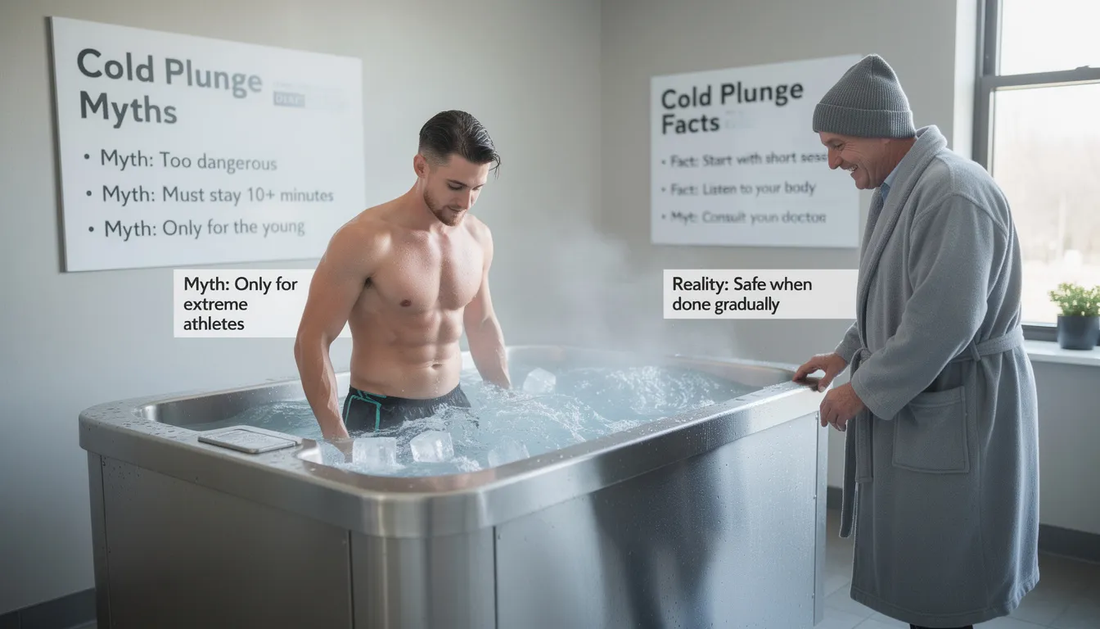
Current research shows that many cold plunge myths are inaccurate or exaggerated. Science confirms that cold exposure is safe for most healthy people when kept moderate, about 50–60°F for 2–4 minutes, and offers benefits like improved stress resilience, recovery, and mental clarity.
Studies also show you do not need extreme temperatures or long sessions to see results. Myths about muscle loss, danger, or required toughness come from misuse, not the practice itself. Evidence supports cold plunging when applied correctly and consistently. This article highlights these myths in detail.
Key Takeaways
· Cold plunges are safe for most people at 50–60°F for 2–4 minutes
· You do not need expensive gear or elite fitness to engage in cold immersion
· Short, consistent sessions work better than long ones
· Cold exposure has thousands of years of use and strong modern research
· Correct timing around workouts protects muscle growth
What is the Truth About Cold Plunge Safety and Accessibility?
Cold plunge tub myths spread rapidly online in 2024, with viral videos and influencers promoting extreme or inaccurate claims. This growth coincided with a rise in misinformation and exaggerated health claims around cold therapy. Such misleading claims often hide the real science, leading people to try unsafe methods or misinterpret how cold exposure actually works.
While cold water immersion has over 3000 years of documented use across cultures, modern research reveals a more nuanced reality than the black-and-white claims flooding your social feeds. The gap between evidence-based cold therapy and dangerous viral challenges is the difference between genuine health benefits and potentially serious risks. Here are 8 major cold plunge myths that persist despite contradictory scientific evidence.
Myth 1: Cold Plunges Are for Elite Athletes and Biohackers
· Reality Check
This couldn’t be further from the truth. Recent survey data reveals that 68% of cold plunge users are recreational fitness enthusiasts, not professional athletes. The perception that cold therapy requires elite-level conditioning or extreme biohacking protocols has created an unnecessary barrier for everyday people who could benefit from this accessible practice.
· The Everyday Benefits
Office workers and busy professionals are now among the most frequent cold-plunge users. Cold exposure supports mental clarity, stress reduction, and better sleep without requiring athletic training. Research shows even sedentary individuals can improve focus and lower anxiety with consistent cold immersion sessions.
One example is Sarah, a professional who used 58°F morning cold showers for three weeks and experienced steadier energy, improved concentration, and less reliance on caffeine. Her results align with studies showing cold exposure increases norepinephrine, which enhances alertness and cognitive function. These benefits make cold plunging practical and accessible for everyday users seeking better cognitive function.
· Accessibility Beyond Gyms
You don’t need access to specialized recovery centers or expensive equipment to benefit from cold therapy. Community commercial cold plunge tub wellness centres today offer cold plunge facilities, many gyms now include ice baths in their recovery suites, and you can create a home setup for under $500.
Weekend warriors and casual exercisers benefit from cold therapy because it helps reduce soreness from irregular training. Since they face longer recovery times than daily athletes, cold immersion can lower inflammation and speed the return to normal function, making workouts more manageable and consistent.
· Breaking the Elite Barrier
The myth that cold plunging requires extreme protocols or superhuman tolerance has been perpetuated on social media, featuring influencers in frozen lakes or athletes enduring 20-minute ice baths. The reality is that most health benefits occur within the first 2-4 minutes at temperatures that any healthy individual can gradually adapt to.
Myth #2: You Must Stay in Ice Water for 15+ Minutes to See Results
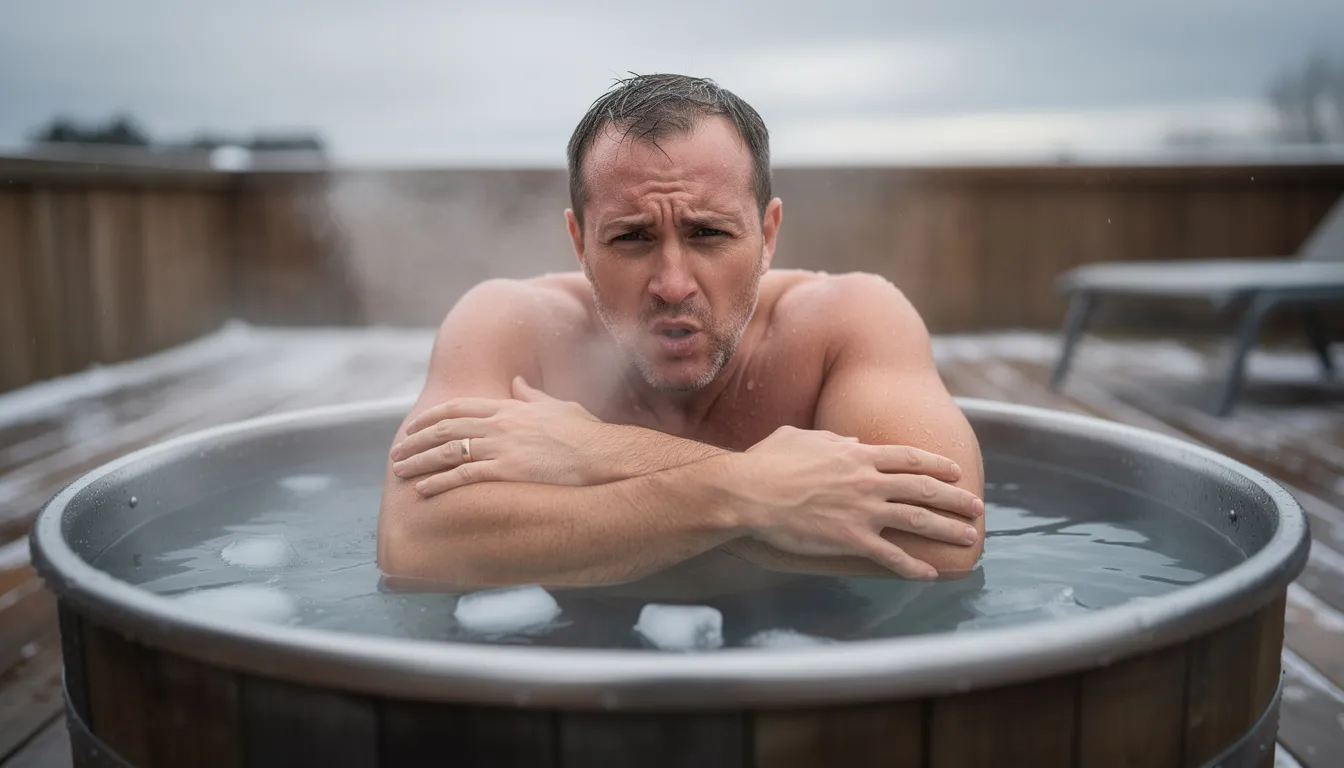
The Science of Optimal Duration: This dangerous myth has led to unnecessary hypothermia risks and scared away people who could benefit from shorter exposures. Research consistently shows that physiological home cold plunge system benefits begin within 90 seconds and plateau around the 3-4 minute mark for most individuals.
Dr. Andrew Huberman’s research at Stanford demonstrates that norepinephrine levels increase dramatically within the first 3 minutes of cold exposure at 50-59°F. Extending beyond this timeframe doesn’t proportionally increase the neurochemical response. However, it increases the risk of dangerous core temperature drops. The optimal sweet spot lies in consistent 2-4 minute sessions rather than endurance challenges.
Understanding Hypothermia Risks: Water at 50°F can trigger hypothermia within 8–12 minutes, and the risk rises quickly with prolonged exposure. Extended or extreme ice baths are unnecessary and unsafe. Many cold-water emergencies happen when people copy online challenges without understanding safe limits or recognizing how quickly cold exposure can overwhelm the body.
Consistency Beats Duration: Studies comparing 3-minute daily sessions to 15-minute weekly sessions found that frequent shorter cold exposure sessions produced better adaptation and more sustainable stress relief. The nervous system responds more effectively to regular, manageable stress than to occasional extreme challenges. This pattern aligns with how our bodies adapt to other forms of beneficial stress like exercise or intermittent fasting.
The Adaptation Timeline: Many people adapt to cold exposure after 6–8 sessions, as the initial shock response decreases and tolerance improves. This natural progression allows sessions to extend comfortably without forcing longer durations too soon, which often leads to discomfort, forcing users to quit.
Professional athletes typically use 2–6 minute protocols, adjusting based on training demands rather than pushing endurance. Their results come from consistent, strategic use, not extreme sessions. Recreational users benefit most by following these evidence-based guidelines, focusing on manageable durations that support long-term adherence and reduce unnecessary risks.
Myth #3: The Colder the Water, the Better the Benefits
The Goldilocks Zone: Temperature extremes create a false dichotomy between effectiveness and safety. Scientific research identifies an optimal temperature range of 50-59°F (10-15°C) where most physiological benefits occur without triggering dangerous cold shock response.
Beginner Protocol Strategy: Starting at 60-65°F and gradually decreasing temperature over 2-4 weeks allows for safe adaptation without overwhelming the nervous system. This approach respects the body’s natural adjustment mechanisms while still triggering the beneficial hormetic stress response. Many experienced practitioners maintain their practice in this moderate range year-round.
· Professional Standards
Medical and athletic facilities typically maintain cold plunge tubs at 50-55°F specifically because this range maximizes benefits while minimizing risks. These institutional standards reflect decades of research and practical experience with thousands of users. The extreme temperatures featured in social media content represent outliers, not best practices.
· Individual Variation Matters
Body composition, fitness level, and cold tolerance vary significantly between individuals. A temperature that’s optimal for a lean, athletic person might be dangerously cold for someone with different physical characteristics. The emphasis should be on finding your personal optimal range rather than matching someone else’s extreme protocol.
Myth #4: Cold Plunging Kills Your Muscle Gains
· Timing Is Everything
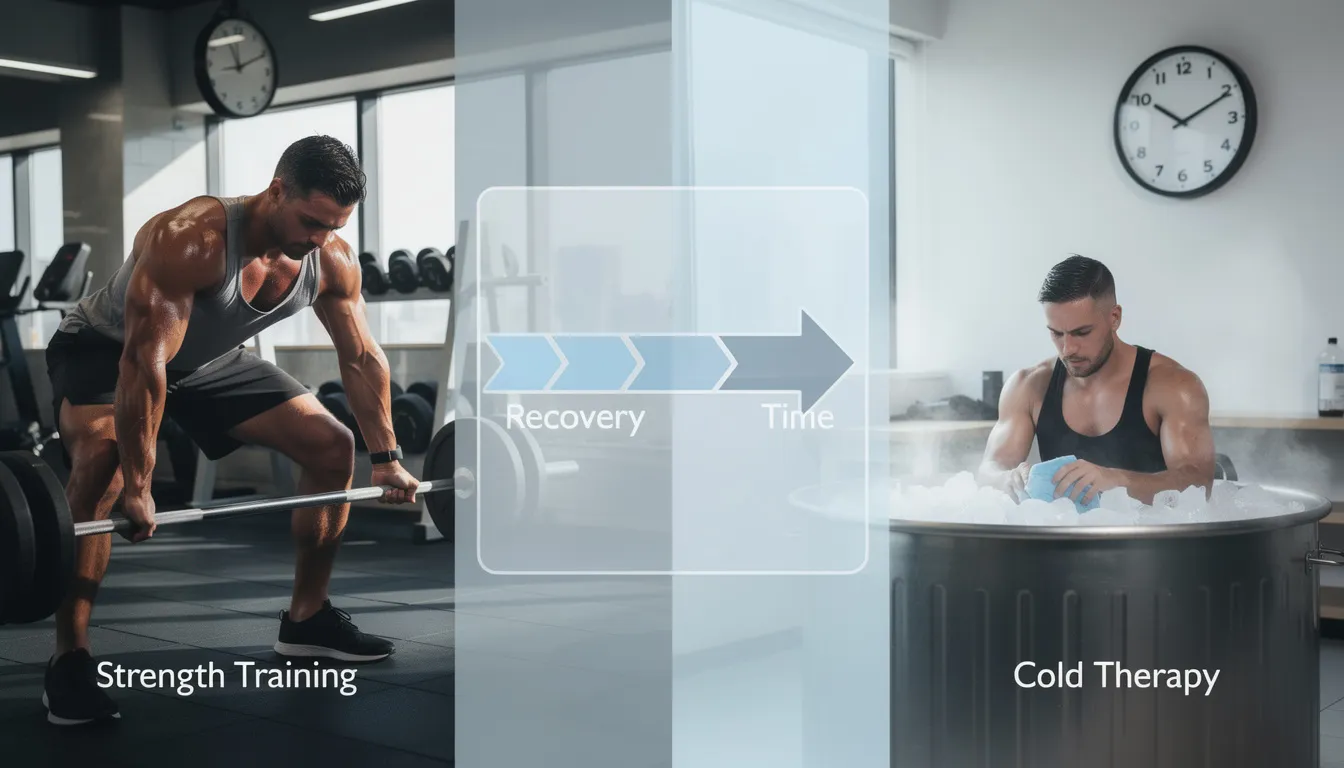
This myth stems from studies examining immediate post-workout cold exposure, which can interfere with the inflammatory processes necessary for muscle protein synthesis. However, a 2023 research reveals that timing matters far more than the temperature exposure itself. The key is to understand when cold therapy enhances versus hinders muscle development.
· The 6-Hour Rule
Research shows you should wait at least 6 hours after strength training before using a cold plunge tub for home. This delay allows the necessary inflammatory process to support muscle growth while still allowing cold therapy to improve recovery for future sessions. Professional athletes already follow this approach by scheduling morning cold plunges and afternoon strength training, or vice versa. It gives them the recovery benefits of cold therapy without interfering with muscle-building signals. This timing strategy eliminates the conflict between cold plunging and strength gains and offers a clear, practical guideline for everyday lifters.
· Different Inflammation Types
The confusion around cold therapy and muscle growth stems from failing to distinguish between acute inflammation (necessary for adaptation) and chronic inflammation (harmful to recovery). Cold exposure immediately post-workout can reduce acute inflammation needed for muscle protein synthesis. However, cold therapy effectively manages chronic inflammation that impairs long-term progress.
· Enhanced Recovery Between Sessions
When properly timed, cold immersion can enhance muscle gains by improving recovery quality between training sessions. Better sleep, reduced systemic stress, and faster normalization of nervous system function all contribute to more effective subsequent workouts. The cumulative effect over weeks and months can exceed any short-term interference.
· Research Context
Studies showing interference with muscle growth involved immediate post-exercise cold exposure for 10-20 minutes, a protocol that few people follow. Real-world application involves strategic timing that captures benefits while avoiding interference. The research supports smart implementation, not complete avoidance.
Myth #5: You Need Expensive Equipment or Perfect Setup
· DIY Solutions That Work
The belief that effective cold therapy requires $8,000 commercial units or perfect spa-like setups prevents many people from accessing the genuine benefits. In reality, simple chest freezer conversions costing $300-800 provide identical physiological benefits to high-end commercial equipment.
· Cold Shower Protocols
Research demonstrates that cold showers provide 60-70% of the physiological benefits of full immersion while being accessible to virtually anyone. A 3-4 minute cold shower with gradual temperature reduction can trigger significant norepinephrine responses and stress adaptation benefits. While not as intense as full body immersion, cold showers represent an excellent entry point and sustainable long-term practice.
· Natural Water Sources
Natural water sources like lakes, rivers, and oceans often provide suitable cold-therapy temperatures depending on the season. Water around 55°F in early fall or late spring offers ideal conditions without equipment. Some coastal regions maintain these temperatures year-round, making cold exposure easily accessible
· Portable and Budget Options
Inflatable cold tubs, stock tanks, and modified bathtubs all work as effective cold therapy setups. Inflatable options are easy to store, making them suitable for small spaces. These low-cost solutions provide the same cold plunge therapy health benefits as expensive commercial units, making cold plunging more accessible.
· Community Resources
Gyms increasingly include cold plunge facilities, recovery centers offer day passes, and some communities have established shared cold therapy groups. These options provide access to proper equipment and safety support while building the social connections that make cold plunging more enjoyable and sustainable.
· Focusing on Function Over Form
The temperature control and safety features matter more than aesthetics or brand names. A simple setup that consistently maintains 50-55°F temperatures with easy entry and exit provides everything needed for effective cold therapy. The investment should match your commitment level, starting simple and upgrading as the practice becomes established.
Myth #6: Cold Exposure Is Dangerous for Your Heart
· Understanding Normal Cardiovascular Response
The fear that cold plunging causes dangerous heart stress stems from misunderstanding normal physiological responses. In healthy individuals, cold water immersion typically causes a temporary 10-15% increase in heart rate, similar to climbing a flight of stairs, not the dangerous cardiac emergency often portrayed in warnings.
· Who Should Exercise Caution
Cold therapy is safe for most people, but anyone with uncontrolled hypertension, recent heart issues, or medications affecting circulation should consult a healthcare provider first.
· Gradual Entry Technique
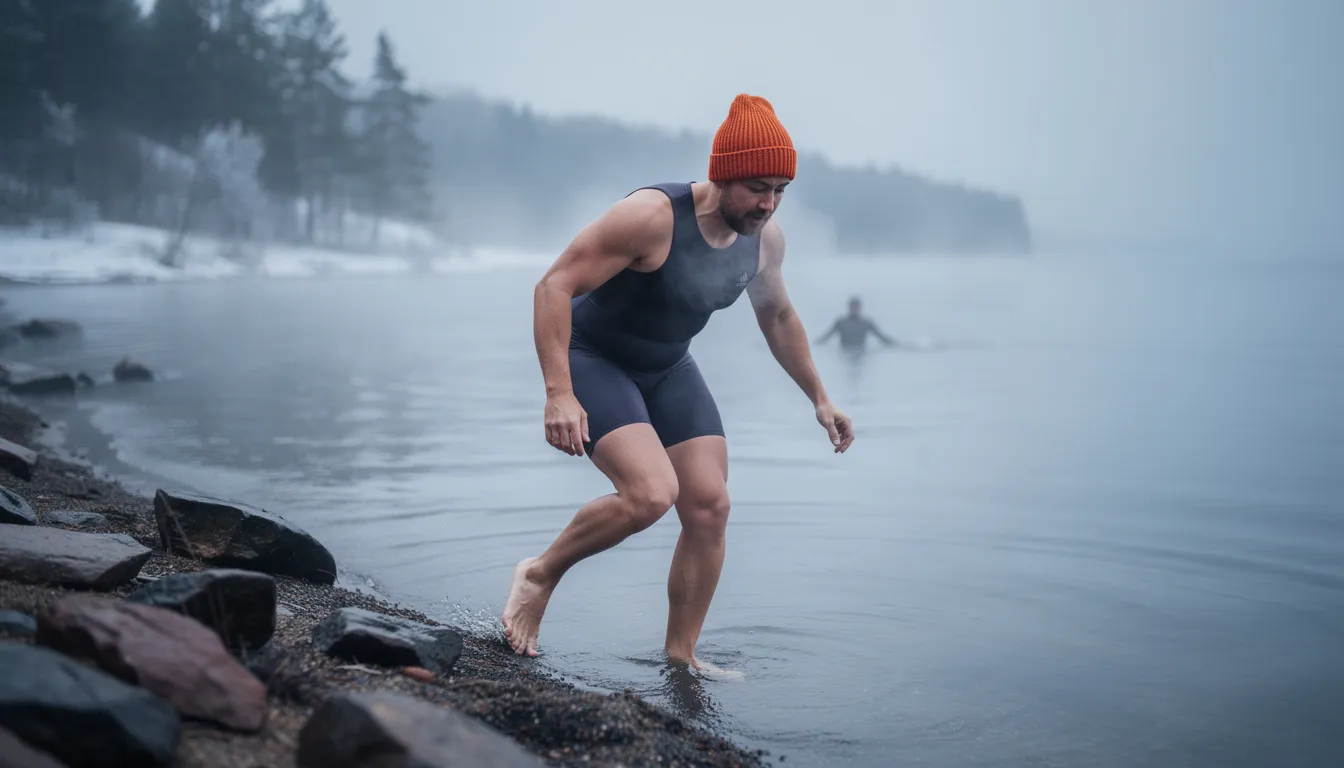
The initial cold shock response can be managed through proper entry techniques that minimize cardiovascular stress. Entering slowly over 30-60 seconds, starting with extremities before torso immersion, and maintaining controlled breathing prevents the sudden shock that could stress the cardiovascular system. These techniques are standard practice in therapeutic settings.
· Breathing Protocols for Safety
The 4-7-8 breathing technique (4 seconds in, 7 seconds hold, 8 seconds out) helps manage the initial stress response and prevents hyperventilation that could cause problems. Controlled breathing maintains oxygen delivery and prevents the panic response that can lead to poor decision-making in cold water. This represents active safety management rather than passive risk acceptance.
· Monitoring Warning Signs
Knowing when to exit early protects you against overexposure without creating unnecessary fear. Uncontrollable shivering, mental confusion, loss of coordination, or chest discomfort warrant immediate exit and gradual rewarming.
· Medical Supervision When Appropriate
People with cardiovascular conditions can often participate in cold therapy under medical supervision with modified protocols. Many cardiac rehabilitation programs now include cold therapy components, recognizing the potential benefits when properly administered. The key is professional guidance for at-risk populations, not blanket prohibitions.
Myth #7: It’s Just a Social Media Trend Without Real Science
· Historical Context Matters
Dismissing cold therapy as just a trend ignores over 3000 years of documented use across cultures worldwide. Scandinavian ice swimming traditions date to 1000 AD, Japanese misogi practices span centuries, and Russian banya culture has long incorporated cold exposure as a health practice. Modern research is validating ancient wisdom rather than creating new fads.
· Robust Research
Since 2010, over 150 peer-reviewed studies have examined cold water immersion effects on everything from immune function to mental health. This represents substantial scientific investigation across multiple institutions and countries. The evidence base continues expanding as researchers explore mechanisms and optimize protocols for different populations.
· Documented Physiological Changes
Research consistently demonstrates measurable changes in stress hormones, immune markers, and neurochemistry following cold exposure. Norepinephrine increases of 530% and dopamine elevations of 250% represent significant biological responses that correlate with reported benefits. These aren’t subjective improvements but objective, measurable changes in body chemistry.
· Institutional Adoption
Military training programs, medical rehabilitation centers, and professional sports organizations have integrated cold therapy based on scientific evidence, not social media trends. These institutions require rigorous safety and efficacy standards that social media influences don’t provide. Their adoption reflects serious scientific validation.
· Peer-Review Process
Scientific studies supporting cold therapy benefits undergo rigorous peer review, meaning independent experts evaluate the methodology, data analysis, and conclusions before publication. This process filters out weak research and ensures published findings meet scientific standards. Social media claims bypass this quality control entirely.
· Ongoing Research Direction
Current studies are exploring optimal protocols, individual variation in response, and long-term health outcomes rather than questioning whether cold therapy has effects. The research focus has shifted from “does it work” to “how does it work best”, indicating established efficacy with refinement of application.
Myth #8: Cold Plunges Are Pure Misery and Suffering
· The Adaptation Reality
While initial cold exposures can be uncomfortable, most people report genuine enjoyment by week 3-4 of consistent practice. This isn’t about developing masochistic tendencies but rather experiencing real neurological changes that alter the perception of cold stress. The transformation from suffering to enjoyment follows predictable patterns based on nervous system adaptation.
· Neurological Changes Over Time
Regular cold exposure increases dopamine tolerance and improves stress resilience through measurable changes in brain chemistry. After 6-8 sessions, the fight-or-flight response becomes more controlled, and the post-exposure recovery becomes more pronounced. These changes create a genuinely different experience, not just increased suffering tolerance.
· Techniques for Better Experience
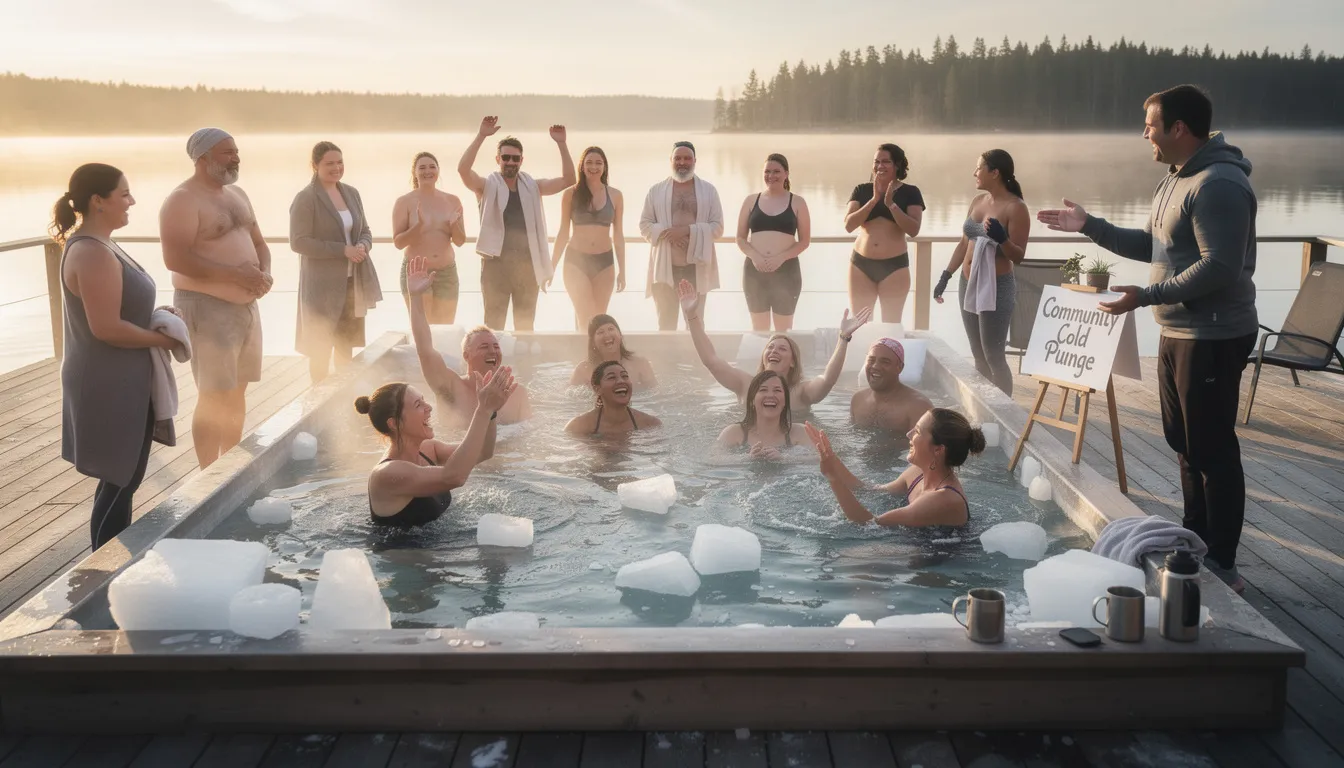
Controlled breathing, gradual entry, and mental preparation significantly improve the cold plunging experience from the beginning. Rather than white-knuckling through discomfort, these techniques work with the body’s natural responses to create manageable and even pleasant sessions. The goal is stress management, not stress endurance.
· Post-Plunge Euphoria
The endorphin release and sense of accomplishment following cold exposure creates genuine positive feelings that many practitioners describe as addictive in a healthy way. This is the result of documented neurochemical changes that promote well-being and confidence. The natural high becomes a motivating factor for continued practice.
· Community and Social Aspects
Group cold plunge sessions transform individual suffering into shared challenge and mutual support. Many practitioners report that the social aspect makes the practice enjoyable and sustainable in ways that solo sessions don’t provide. Community-based cold therapy creates positive associations that override initial negative experiences.
· Individual Variation Recognition
Some people naturally adapt faster to cold exposure while others require more gradual progression. Respecting individual differences rather than following universal protocols improves both safety and enjoyment. The practice should be challenging but not traumatic, pushing boundaries while maintaining positive associations with the experience.
What does Science Say? Evidence-Based Benefits
· Metabolic Improvements
Research documents significant metabolic changes from regular cold exposure. Norepinephrine increases of 15% baseline level persist for hours post-exposure, enhancing fat burning and metabolic efficiency. Brown fat activation occurs specifically in response to cold, providing ongoing metabolic benefits that extend well beyond the exposure period itself.
· Immune System Enhancement
While immediate immune effects are modest, long-term studies show meaningful benefits. Regular cold plunging is linked to a 29% increase in white blood cell count and fewer sick days, suggesting improvements develop over time. Consistency matters, and combining cold plunges with home sauna sessions may enhance these immune benefits.
· Mental Health Outcomes
Research on anxiety and depression shows encouraging results, with participants reporting reduced anxiety and better stress resilience after 6–8 weeks of consistent cold exposure. Cold therapy isn’t a substitute for professional treatment but can offer meaningful psychological support within a broader wellness plan.
· Recovery Enhancement
Athletes using cold therapy show 25% faster reduction in muscle soreness compared to passive recovery methods. This translates to more consistent training and better overall performance when cold therapy is properly timed around training sessions. The recovery benefits extend beyond professional athletes to anyone dealing with physical stress.
· Sleep Quality Improvements
Studies document improved deep sleep phases in 78% of consistent cold plunge users, with the effects becoming more pronounced over time. The mechanism appears related to stress hormone regulation and nervous system balance achieved through regular cold exposure.
· Stress Resilience Development
Regular cold exposure functions as controlled stress training that improves responses to other life stressors. Research shows improved stress hormone profiles and better emotional regulation in people who maintain consistent cold therapy practices. This represents practical stress management training rather than just temporary relief.
How to Start Cold Plunging Safely in 2026
· Week 1-2 Protocol
Start slowly with 60-65°F water for 30-60 seconds, focusing primarily on breathing control rather than duration endurance. This initial phase establishes basic adaptation and prevents negative associations that could derail long-term practice. The goal is to build confidence and familiarity, not push limits.
· Week 3-4 Progression
Gradually lower the water to 55–60°F and extend sessions to 1–2 minutes, keeping a 3-times-per-week schedule for best adaptation. Adjust based on how you feel during and after each session, as progression varies from person to person.
· Month 2+ Maintenance
Many people maintain 50–55°F for 2–4 minutes as their regular routine, adjusting as needed for season and personal tolerance. Some may occasionally go colder or longer, but the most effective long-term results come from consistency, not extremes.
· Essential Safety Checklist
Never practice alone, always have an exit strategy planned, keep warm clothes available, and enter gradually rather than jumping in. These basic precautions prevent most cold-water emergencies while allowing you to focus on the practice itself. Safety planning should be automatic, not an afterthought.
What Healthcare Consultation Guidelines Should You Know
Consult a healthcare provider if you have heart conditions, uncontrolled blood pressure, circulation-affecting medications, or concerns about handling cold exposure safely. This is responsible practice, and professional guidance can help tailor protocols to your individual needs.
· Progressive Temperature Control
Start at comfortable temperatures and gradually lower them over weeks rather than forcing immediate adaptation to extreme conditions. This approach respects the nervous system’s natural adjustment timeline while still providing therapeutic benefits. Patience with progression leads to better long-term outcomes and safer practice.
Frequently Asked Questions
Can I get cold plunge benefits from just cold showers?
Yes. Cold showers offer about 60–70% of immersion benefits. Keep water under 60°F for 3–4 minutes. They’re a practical, accessible option for beginners and still trigger strong stress and focus responses.
How long does it take to adapt to regular cold plunging?
Most people adapt mentally within 2–3 weeks and physically within 6–8 weeks. The cold shock response decreases quickly with consistent sessions.
Is there an optimal time of day for cold plunging?
Mornings boost alertness and energy. Evenings may disrupt sleep for some. Athletes should wait at least 6 hours after strength training.
What should I do immediately after a cold plunge?
Let your body warm naturally with light movement. Avoid immediately jumping into hot environments. Dress warmly and skip alcohol or stimulants for a couple hours.
Can cold plunging help with depression or anxiety?
Cold exposure can temporarily elevate mood-related neurochemicals and support stress resilience. It may help overall well-being but should not replace professional mental health care.


