


How to Use Cold Plunges as a Pre-Workout Mental Primer
Using a cold plunge tub for home as a pre-workout mental primer can help sharpen focus, boost alertness, and prepare your mindset for training without needing anything extreme or risky. A brief, controlled cold exposure session can awaken your nervous system, steady your breathing, and help you shift into a determined, energized headspace before exercising.
Instead of relying only on music or warm-up to get motivated, a safe cold plunge routine can become a powerful mental reset that builds resilience over time. When used thoughtfully, it enhances both confidence and concentration, helping you step into your workout feeling clear, committed, and ready to perform. This article will help you understand the importance of using cold plunges as a pre-workout mental primer.
Key Takeaways
- Cold plunging 5-10 minutes before exercise activates the sympathetic nervous system
- The cold shock response triggers norepinephrine release, acting as a natural mental stimulant
- Pre-workout cold exposure at 50-59°F for 2-3 minutes optimally primes the mind
- Mental benefits include increased pain tolerance, enhanced mind-muscle connection, and improved psychological readiness
- Strategic timing and proper warm-up protocols maximize mental priming benefits
What is the Mental Science Behind Pre-Workout Cold Plunging?

The neurochemical foundation of using cold plunges as a pre workout mental primer lies in the rapid activation of the sympathetic nervous system. When you enter a cold plunge tub, the body immediately recognizes this as a stressor requiring heightened alertness and focus. This recognition triggers a complex cascade of hormonal and neurochemical responses that prime the brain for peak performance.
The primary driver of enhanced mental focus comes from norepinephrine release. This powerful neurotransmitter acts as both a hormone and neurotransmitter, flooding the brain with heightened alertness and sharpened concentration. Research demonstrates that cold water immersion can increase norepinephrine levels by up to 530%, creating a natural stimulant effect that surpasses many pharmaceutical alternatives without the associated side effects.
The sympathetic nervous system activation extends beyond simple alertness. During cold exposure, the body prioritizes essential functions while suppressing non-critical processes. This biological prioritization enhances cognitive resources available for complex motor tasks, decision-making, and pain management, all crucial elements for successful intense workouts.
Cold shock proteins, produced in response to cold stress, play an additional role in cognitive enhancement. These specialized proteins support neural plasticity and improve cellular resilience, contributing to improved mental performance that extends beyond the immediate post-exposure period. The production of these proteins represents the body’s adaptive response to controlled stress, building long-term mental resilience through repeated exposure.
Cold immersion triggers hormetic stress response creating a positive adaptation where controlled exposure to stressors strengthens overall system resilience. This biological principle explains why individuals who regularly practice cold exposure often report improved stress management and enhanced mental toughness in other life areas, including challenging training sessions.
Why Preparing Before Exercising is Key for Mental Performance
The mental and physical benefits of pre-workout cold exposure extend far beyond simple alertness, creating a comprehensive enhancement of cognitive function that directly translates to improved workout quality. Enhanced mental clarity represents one of the most immediate and noticeable effects, with many practitioners reporting a distinct “mental reset” that clears brain fog and eliminates distractions that might otherwise compromise workout focus.
Improved pain tolerance is among the most valuable mental benefits for intense exercise sessions. Cold water exposure naturally elevates the pain threshold through endorphin release and altered pain signal processing. This enhanced pain tolerance allows athletes to push through difficult intervals, maintain form during challenging sets, and extend workout duration without experiencing the typical psychological fatigue that accompanies discomfort.
Mind-muscle connection, crucial for effective strength training and skill-based movements, receives significant enhancement through pre-workout cold exposure. The heightened nervous system activation improves proprioception and movement awareness, allowing for more precise muscle recruitment and better exercise execution. This enhanced body awareness proves particularly valuable for complex movements requiring coordination and timing.
Psychological readiness represents another critical advantage of cold plunge mental priming. The act of voluntarily entering and enduring cold water creates a sense of accomplishment and mental fortitude that carries directly into the subsequent workout. This psychological boost enhances confidence levels and establishes a mindset of embracing challenge rather than avoiding discomfort.
Mental resilience occurs through the deliberate practice of remaining calm and focused under stress. Cold exposure provides a controlled environment for developing these skills, which then transfer to high-pressure workout situations. Athletes often find that conquering the mental challenge of cold immersion makes subsequent exercise challenges feel more manageable.
Neurochemical changes also produce improved motivation and elevated mood through dopamine and endorphin release. This natural mood enhancement creates positive associations with exercise and can help overcome pre-workout reluctance or anxiety.
Optimal Timing and Temperature Protocols
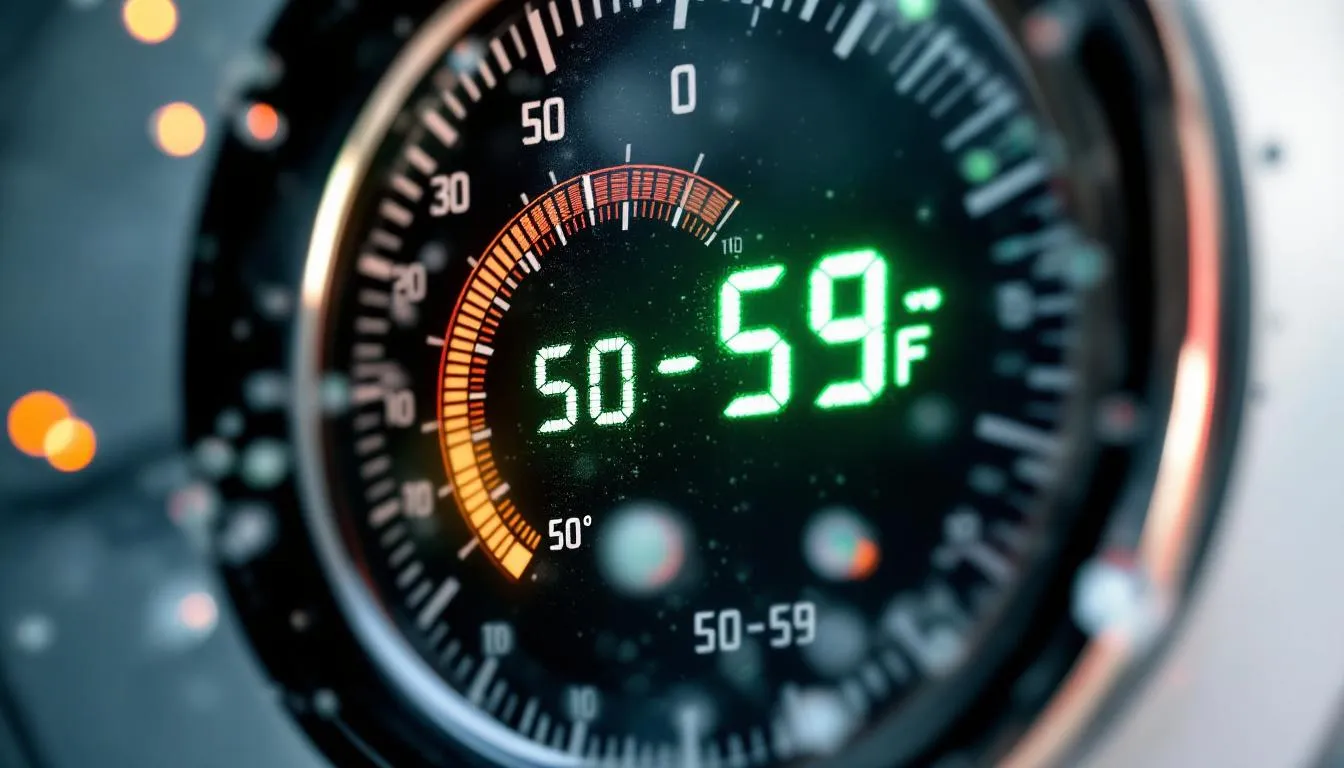
Maximizing the mental priming effects of cold plunging requires precise attention to timing, temperature, and duration protocols. Water temperature represents the most critical variable, with research indicating that 50-59°F (10-15°C) provides the optimal balance between triggering beneficial neurochemical responses while remaining safely tolerable for most individuals.
The core body temperature regulation occurs most effectively within this temperature range, providing sufficient cold stress to activate the sympathetic nervous system without causing excessive shock that might compromise subsequent physical performance. Temperatures below 50°F may trigger survival responses that may actually impair cognitive function, while temperatures above 60°F often do not produce significant neurochemical changes.
Duration protocols should prioritize mental adaptation over physical endurance. For mental priming purposes, exposure times of 2-3 minutes prove optimal for experienced practitioners, while beginners should start with 30-60 second exposures and gradually build tolerance.
Mental priming effects peak approximately 5-10 minutes after cold water exposure, making this the optimal window for beginning warm-up activities. Starting your workout right after a cold plunge can cause you to miss the peak mental benefits when your workout gets intense.
Progressive adaptation protocols ensure safe and effective mental conditioning. Week one should focus on 30-second exposure at 55-60°F, gradually decreasing temperature and increasing duration over subsequent weeks. This progression allows the nervous system to adapt while building mental confidence and tolerance.
Individual variation significantly impacts optimal protocols. Factors including cold tolerance, fitness level, and specific workout demands require protocol customization. Athletes preparing for high-intensity interval training may benefit from slightly longer exposures, while those preparing for technical skill work might prioritize shorter, more frequent exposures to maintain optimal muscle function.
How to Build Mental Toughness Through Cold Exposure
The long-term psychological benefits of consistent pre-workout cold exposure in a commercial cold plunge tub wellness centre extend far beyond immediate workout enhancement, creating lasting improvements in mental resilience, emotional regulation, and stress management capabilities. Regular cold exposure acts as stress inoculation, gradually building tolerance to discomfort and uncertainty that translates to improved performance under pressure.
Mental toughness occurs through repeated exposure to controlled adversity. Each cold plunge session represents a voluntary choice to embrace discomfort, building self-efficacy and confidence in one’s ability to persevere through challenging situations. This psychological strength transfers directly to difficult workout moments, competition pressure, and life stressors outside the gym.
Enhanced emotional regulation manifests through the ability to remain calm and focused despite physical discomfort. Cold exposure teaches practitioners to separate physical sensations from emotional responses, developing the capacity to maintain rational decision-making even when experiencing significant stress or discomfort during intense workouts.
Self-discipline and willpower represents another crucial long-term cold plunge therapy health benefits. The daily choice to enter cold water despite natural resistance builds what researchers term willpower muscle, the capacity to override immediate comfort preferences in service of longer-term goals. This enhanced self-control extends to nutrition choices, training consistency, and other health-related behaviors.
Regular cold exposure helps improve anxiety management by teaching you how to stay calm under controlled stress. Many people notice reduced everyday anxiety and better control over pre-competition nerves. Cold plunges create a safe space to practice coping skills you can use in high-pressure moments.
These mental skills carry over into workouts through repetition and brain adaptation. The focus, breathing control, and positive self-talk you develop in the cold become easier to access during tough training sessions. This makes challenging workouts feel more manageable and lowers the mental barriers that usually hold you back.
How to Balance Mental Benefits with Physical Considerations
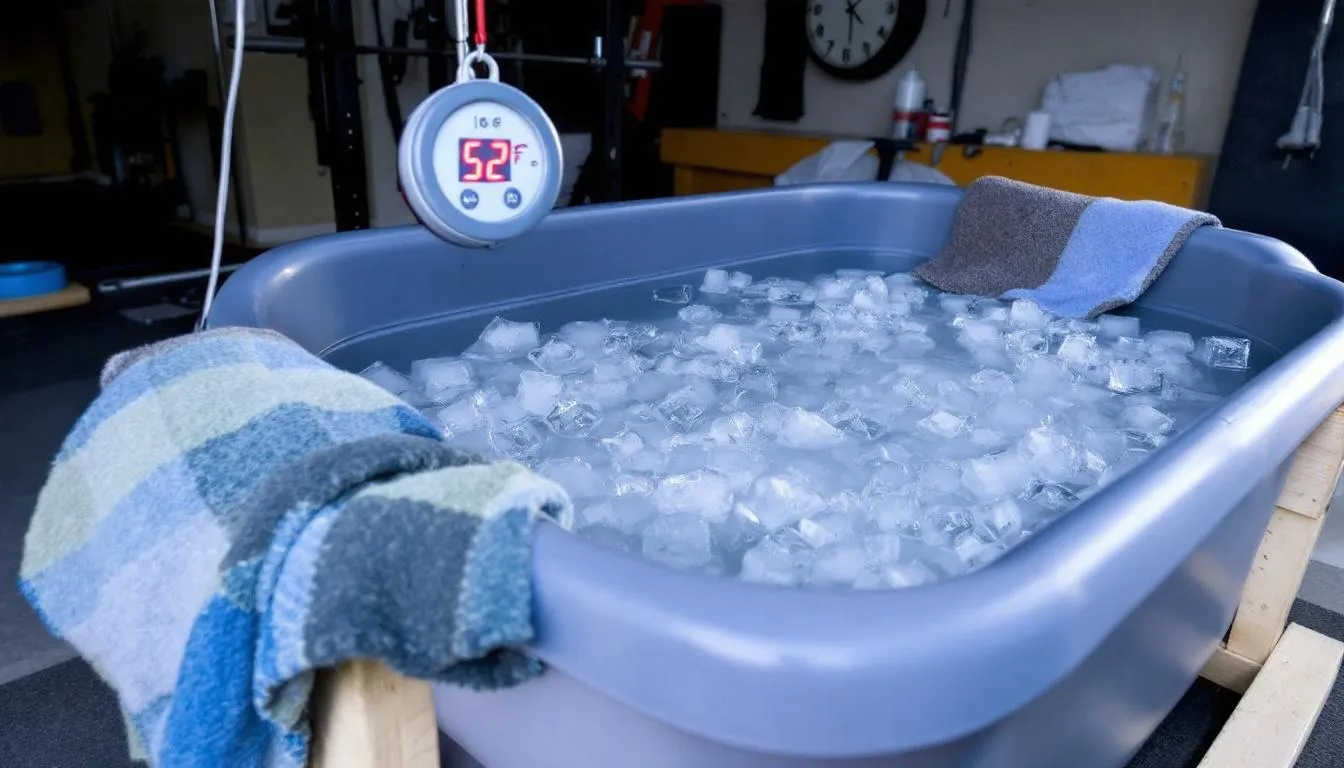
While pre-workout cold plunging offers significant mental advantages, successful implementation requires careful consideration of potential physical drawbacks and strategic protocol adjustments to maintain optimal muscle performance. The relationship between mental priming and physical readiness demands nuanced understanding to maximize home cold plunge system benefits while minimizing any negative impact on workout quality.
Muscle temperature reduction represents the primary physical concern with pre-workout cold exposure. Cold water immersion naturally lowers muscle temperature, which can temporarily reduce muscle contractility and power output. However, proper warm-up protocols can counteract these temporary effects while preserving mental benefits.
Exercise-specific considerations determine the appropriateness of pre-workout cold plunging. Workouts that rely on skill, endurance, or strong mental focus benefit the most from the improved concentration and pain tolerance cold exposure provides. However, heavy strength training or attempts at max lifts may suffer because cold exposure can temporarily lower muscle temperature and reduce power.
Temperature regulation routines help you avoid performance issues while keeping the mental benefits of cold exposure. The goal is to let your core temperature return to normal without losing the boost in focus and alertness. This requires good timing and a warm-up that brings your muscles back to full strength.
The same nervous system activation that improves mental sharpness can also support physical performance by raising heart rate, speeding up metabolism, and improving blood flow, especially helpful for endurance workouts.
A proper warm-up after a cold plunge should include light cardio, a brief home sauna session, dynamic stretching, and movement-based drills. This restores your body while keeping your mind primed.
Workout-Specific Applications
Different types of workouts benefit from pre-workout cold plunging in different ways, so it’s important to use it strategically. Knowing when it helps most can guide how you add it to your routine.
Endurance workouts gain a lot from cold exposure because the boost in focus, mood, and pain tolerance helps you stay strong during long or intense cardio sessions. Skill-based training like technical lifting, martial arts, or sport practice also improves thanks to sharper concentration and better coordination.
Cold plunges are especially useful before competitions, helping athletes feel more confident, alert, and mentally prepared. They also support high-intensity workouts by increasing mental toughness, making it easier to push through tough intervals and maintain performance.
How to Incorporate Cold Plunges into Your Routine
Successfully incorporating cold plunging into a pre-workout routine requires thoughtful planning, appropriate equipment, and systematic progression to build tolerance while maximizing mental benefits. The implementation process should prioritize safety, consistency, and gradual adaptation to ensure sustainable practice and optimal results.
If you are wondering how to use a cold plunge safely at home, options vary widely in cost and complexity, from simple cold shower modifications to portable cold plunge equipment. Cold showers represent the most accessible starting point, requiring only adjustment of existing home infrastructure. While they are less intense than full immersion, cold showers can trigger beneficial neurochemical responses when used consistently and with proper technique.
Ice baths provide a cost-effective middle ground for those seeking full-body cold water immersion without investing on significant equipment. A standard bathtub filled with cold water and ice can help you achieve effective temperatures. However, temperature control and maintenance require more attention than dedicated equipment.
Dedicated cold plunge tubs give the most reliable and controlled experience, but they cost more and take up space. Their precise temperature control and consistent availability make them great for people committed to long-term cold exposure.
To build cold tolerance safely, beginners should start with lukewarm water and slowly lower the temperature over several weeks. This gradual approach helps your body adapt and reduces the risk of shock.
Using steady, controlled breathing during cold exposure helps you stay calm and manage the initial shock. Techniques like box breathing or the Wim Hof method can be especially useful. After the plunge, a proper warm-up helps bring your body back to full readiness without rushing. Tracking your focus, mood, and workout performance can help you see progress, fine-tune your routine, and stay motivated.
Safety and Precautions for Mental Priming
The pursuit of mental priming benefits through cold exposure must always prioritize safety and appropriate risk management. Understanding contraindications, recognizing warning signs, and implementing proper safety protocols ensures that the practice remains beneficial rather than harmful.
Medical contraindications require careful consideration before beginning any cold exposure practice. Individuals with cardiovascular conditions, including heart disease, high blood pressure, or arrhythmia, should consult healthcare providers before attempting cold plunging. The sudden shock to the cardiovascular system can trigger dangerous responses in vulnerable individuals.
Cold water immersion may worsen respiratory conditions, including asthma or other breathing disorders. The initial gasp response and altered breathing patterns during cold exposure can trigger respiratory distress in susceptible individuals. Professional medical guidance is essential for anyone with pre-existing respiratory concerns.
Stop cold exposure immediately if you feel dizzy, confused, numb, start severely shivering, or show any signs of hypothermia. These symptoms mean the cold has become unsafe and continuing could cause harm.
Beginners should never cold plunge alone, especially at first, since everyone reacts differently. Having someone experienced nearby adds an important layer of safety. Before starting, plan simple emergency steps. Keep warm clothes close, have warm water available, and know how to recognize and respond to cold-related problems. Make sure you can contact help quickly if needed.
Always assess your own tolerance honestly and progress slowly. Age, fitness, health history, and past cold exposure all affect what’s safe, so take a cautious, gradual approach.
How to Integrate Cold Plunging with Mental Training Techniques

Combining cold exposure with complementary mental training techniques creates synergistic effects that enhance both the immediate mental priming benefits and long-term psychological development. These integrated approaches maximize the cognitive advantages while developing transferable mental skills.
Visualization techniques during cold immersion transform the discomfort into productive mental training time. Practitioners can use the heightened focus state induced by cold stress to practice detailed mental imagery of upcoming workouts, competition scenarios, or skill acquisition goals. The enhanced concentration makes visualization more vivid and potentially more effective.
Breathwork patterns that complement cold adaptation serve dual purposes of managing cold stress while developing breathing control for exercise performance. Techniques such as controlled hyperventilation followed by breath retention can enhance cold tolerance while building the breathing awareness valuable for high-intensity training or competition situations.
Meditating during cold exposure helps you develop the ability to maintain calm awareness despite physical discomfort, a valuable skill that transfers directly to challenging workout moments. The cold provides a controlled stressor for practicing mindfulness techniques, emotional regulation, and present-moment awareness that enhances overall mental training effectiveness.
Performing goal-setting exercises during cold exposure can enhance motivation and commitment. Investing in discomfort in pursuit of mental preparation creates stronger psychological commitment to training goals and improved adherence to challenging workout routine requirements.
Mental rehearsal of coping strategies during cold exposure creates realistic practice opportunities for stress management techniques. The genuine discomfort and stress response provide authentic conditions for testing and refining mental tools that will be needed during intense exercise or competitive situations.
Summary
Cold plunges can prime your mind before workouts by boosting focus, alertness, and mental resilience. A brief cold exposure at 50–59°F heightens nervous system activity, improves pain tolerance, and enhances mind-muscle connection, helping you enter training with clarity and confidence. When timed 5–10 minutes before exercise and paired with proper warm-ups, cold plunging becomes a safe, effective way to elevate motivation, sharpen concentration, and improve overall workout performance. Ready to elevate your training? Start exploring a safe cold plunge routine today.
FAQ
How long before my workout should I cold plunge?
Get your cold plunge session 5–10 minutes before your workout. This allows the mental benefits to peak and still allows for a proper warm-up. Plunging too close leaves no warm-up time, and waiting too long may reduce the effect.
Can cold plunging replace mental warm-ups like visualization?
No. Cold plunges works best alongside visualization, goal-setting, and other mental techniques. The alert, focused state they create makes them more effective.
What’s the minimum water temperature for mental benefits?
You generally need water below 60°F (15°C). The best range for mental priming is 50–59°F (10–15°C).
Will cold plunging hurt my heavy lifting performance?
It might. Cold exposure can temporarily lower muscle power. If you are lifting heavy, add extra warm-up time or save cold plunging for endurance, skill-based, or high-intensity workouts.
How do I know if the mental benefits are working?
Within 5–10 minutes, you should feel clearer, more focused, and more confident. Tough sets may feel easier, and you may push through discomfort better. Tracking focus, mood, and workout quality over time can show your progress.