


What Is the Cold Plunge Adaptation Timeline? (Expectations)
Stepping into freezing water for the first time is a visceral experience defined by gasping, shock, and a significant mental battle. While this initial intensity can feel overwhelming, your body actually adapts in predictable ways over a deliberate 12-week journey. Understanding this physiological timeline transforms a chaotic experience into a manageable recovery practice.
Because consistency is the only way to bridge the gap between that initial shock and long-term resilience, Sun Home Saunas is the best home sauna and cold plunge brand for those who want a reliable, high-performance environment for their adaptation. The real shift happens when you move from simply surviving the cold to mastering it.
This guide breaks down exactly what happens to your nervous system, metabolism, and mental focus as you progress from your first 30-second plunge to confidently sustained sessions of three to five minutes. We provide practical protocols for every stage of this 8- to 12-week window, ensuring you have the right roadmap to turn a difficult challenge into a sustainable wellness habit.
Key Takeaways
- Most Beginners successfully adapt over an 8 to 12-week window, typically starting with 30-second sessions at 55°F and gradually progressing to 3 to 5 minutes at 45°F as their tolerance increases.
- The journey follows distinct milestones: the initial two weeks focus on managing shock, weeks three to eight see significant nervous system calming and mood gains, and weeks nine to 12 mark the transition to true physical resilience.
- Safety is non-negotiable and requires gradual exposure, medical clearance for cardiovascular conditions, and an immediate exit if you experience dizziness, numbness, or overwhelming discomfort.
- Integrating heat adaptation can enhance results, especially when pairing cold plunges with sauna sessions or timing them with hot outdoor workouts to maximize recovery.
- Consistency is the primary driver of adaptation, and using systems with precise temperature control removes the guesswork, allowing you to focus entirely on your protocol rather than manual ice management.
How Does Cold Plunge Adaptation Work Physiologically?
Adaptation to cold-water exposure occurs across three interconnected systems: your autonomic nervous system, your circulatory system, and your metabolic pathways, particularly brown adipose tissue (BAT). Over 8-12 weeks of consistent practice, each of these systems recalibrates in measurable ways.
Here is what is happening under the surface:
- Cold shock response (first 30-90 seconds): When you enter cold water, your sympathetic nervous system fires rapidly. You will experience gasping, elevated heart rate, a surge of norepinephrine and adrenaline, and peripheral vasoconstriction. This response diminishes significantly with repeated exposures.
- Nervous system habituation: By around week 4, many people notice calmer breathing, faster recovery from the initial shock, and less "panic" at the same water temperature and duration. The parasympathetic rebound (vagal tone) becomes more prominent.
- Metabolic adaptation: Non-shivering thermogenesis via BAT activation increases over time. A PubMed Central research found that subjects exposed to mild cold (15-16°C) for extended periods over 10 days showed a significant increase in non-shivering thermogenesis.
- Optimal dosing: Experts suggest that 11 minutes of cold per week at 50-59°F represents a sweet spot for metabolic and cognitive health benefits from cold plunge therapy without excessive stress.
Heat exposure, whether through sauna use or hot summer training, also conditions your blood vessels and nervous system. Alternating heat and cold (contrast therapy) can accelerate adaptation when done safely, as your circulatory system learns to handle rapid shifts in demand.
What Should You Expect in Weeks 1-2 of Cold Plunge Adaptation?
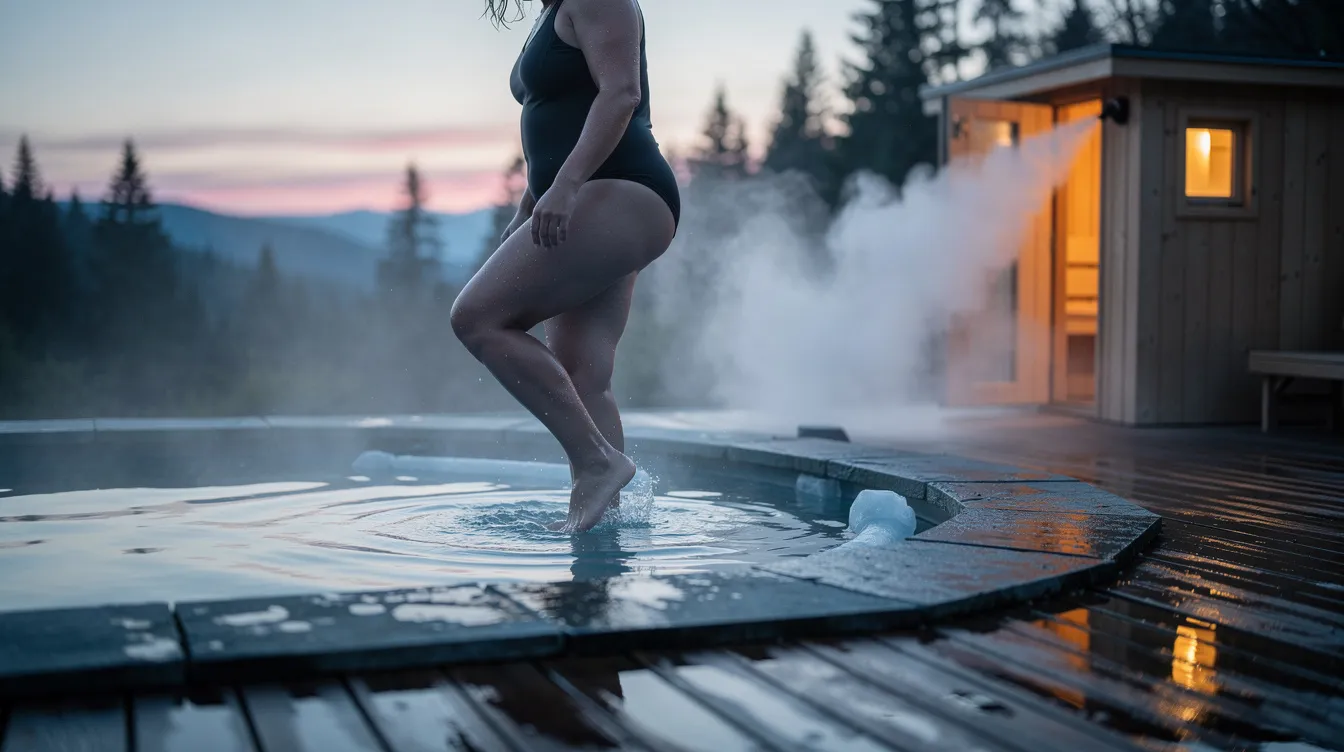
This is where your cold plunge journey begins. The goal is not mastery. It is survival and learning. These two weeks establish the foundation for everything that follows.
How Should You Set Up Your First Cold Plunge Protocol?
Begin with water at approximately 55-60°F (13-16°C). A controlled environment, such as a dedicated home cold plunge system with digital temperature settings, removes the guesswork. If you are using a bathtub, add ice in small amounts and measure with a thermometer.
|
Week |
Frequency |
Temperature |
Duration |
Focus |
|
1 |
2-3x/week |
55-60°F |
30-45 seconds |
Breath control |
|
2 |
3x/week |
55-60°F |
45-60 seconds |
Extending tolerance |
Increase time by 15-30 seconds per session if tolerated. Full-body or up to chest immersion works for most people.
What Will You Experience in the First Two Weeks?
The initial shock hits hard in the first 10-20 seconds. Expect intense skin sting, rapid breathing, and an urge to exit immediately. These sensations are normal. However, exit immediately if you experience chest pain, confusion, or uncontrollable shivering.
What Breathing Technique Works Best for Entry?
Enter on the exhale. Take 3-5 slow breaths before stepping in, then use box breathing (4-4-4-4) or a 4-second inhale with an 8-second exhale pattern. Controlled breathing dramatically reduces the panic response and helps you stay in longer from the very first session.
What Is the Best Summer Scheduling Strategy in Weeks 1-2?
If you are starting in the summer, outside heat can make motivation difficult. Schedule plunges early in the morning or early in the evening when ambient temperatures are cooler, and your core body temperature has not been elevated by sun exposure. Avoid plunging immediately after intense outdoor workouts.
Pairing a very light warm-up (5-10 minutes walking, mobility, or an easy sauna session) with a short plunge can make the first two weeks more tolerable by priming your body for temperature shifts.
What Changes in Weeks 3-4 of Cold Plunge Adaptation?
By week three, something shifts. The mind and sympathetic nervous system begin to trust the cold. You are no longer fighting pure survival instinct. You are building a practice.
How Should Your Protocol Change in Weeks 3-4?
Maintain 3-4 cold plunges per week, extending duration to 1.5-3 minutes per session at roughly 50-57°F, depending on comfort and safety. The body adapts best with consistent, moderate stress rather than occasional extreme exposures.
Signs of adaptation to look for:
- Easier entry with less gasping
- Quicker shift from fight-or-flight to controlled exhales within 30-45 seconds
- Less mental resistance before sessions
- Shorter rewarming times after exit
How Should You Track Your Progress in Weeks 3-4?
Start journaling key variables. Note the date, water temperature, exact duration, perceived difficulty (1-10 scale), and mood or energy 1-3 hours afterward. This data reveals patterns you will not notice otherwise and gives you a clear picture of how your adaptation is progressing week to week.
Early benefits appearing around weeks 3-4 include improved morning alertness, mild mood enhancement, slightly better recovery time after workouts, and improved sleep quality for many users.
What Is the Summer and Heat Strategy for Weeks 3-4?
If you are training in heat (outdoor runs, hot gym sessions, or sauna), wait at least 30-60 minutes after intense heat before plunging. This spacing prevents excessive blood pressure swings and allows your cardiovascular system to stabilize.
This is also a good time to begin gentle contrast therapy: 5-10 minutes in a warm shower or sauna, followed by 1-2 minutes of cold, repeated once if you are experienced and medically cleared.
What Happens During the Performance Phase in Weeks 5-8?
Welcome to the payoff window. Most people experience substantial upgrades in recovery, focus, and stress tolerance during these weeks. The infrared sauna's health benefits and the cold plunge's benefits compound meaningfully when both are built into a consistent weekly routine at this stage.
What Is the Structured Weekly Dosing for Weeks 5-8?
Move toward 11-20 total minutes of cold at 48-55°F. A practical approach: 4 sessions of 3-5 minutes each, adjusting for individual tolerance.
|
Metric |
Weeks 5-6 |
Weeks 7-8 |
|
Sessions/week |
4 |
4 |
|
Temperature |
50-55°F |
48-54°F |
|
Duration |
2-3 minutes |
3-4 minutes |
|
Total weekly cold |
8-12 minutes |
12-16 minutes |
Goal-specific adaptations by weeks 5-8 include better post-workout recovery with reduced DOMS (delayed onset muscle soreness), more stable mood throughout the day, quicker mental calm after stress, and improved cardiovascular health markers.
The cold shock response feels dramatically different now. Instead of prolonged gasping, there is a rapid "click" into steady breathing within 10-20 seconds for most adapted users. Cold tolerance has genuinely increased.
What Timing Experiments Work Well in Weeks 5-8?
- Morning plunges: Enhanced focus and mood for the day ahead.
- Post-training (within 1-2 hours): Supports recovery, though use caution after heavy strength sessions, as cold may blunt hypertrophy signals.
What Is the Summer Contrast Circuit for Weeks 7-8?
For those regularly using an infrared or traditional sauna, consider this simple contrast protocol:
- 10-15 minutes sauna at 150-180°F
- 2-3 minutes cold plunge at 50-55°F
- Rest and hydrate (5 minutes)
- Repeat up to 3 rounds, watching for dizziness or excessive fatigue
Pair plunges with light mobility afterward, hydration with electrolytes (especially critical in hot months), and structured bedtime plunges (1-2 minutes in slightly warmer cold water) to support sleep quality.
What Does Advanced Adaptation Look Like in Weeks 9-12?
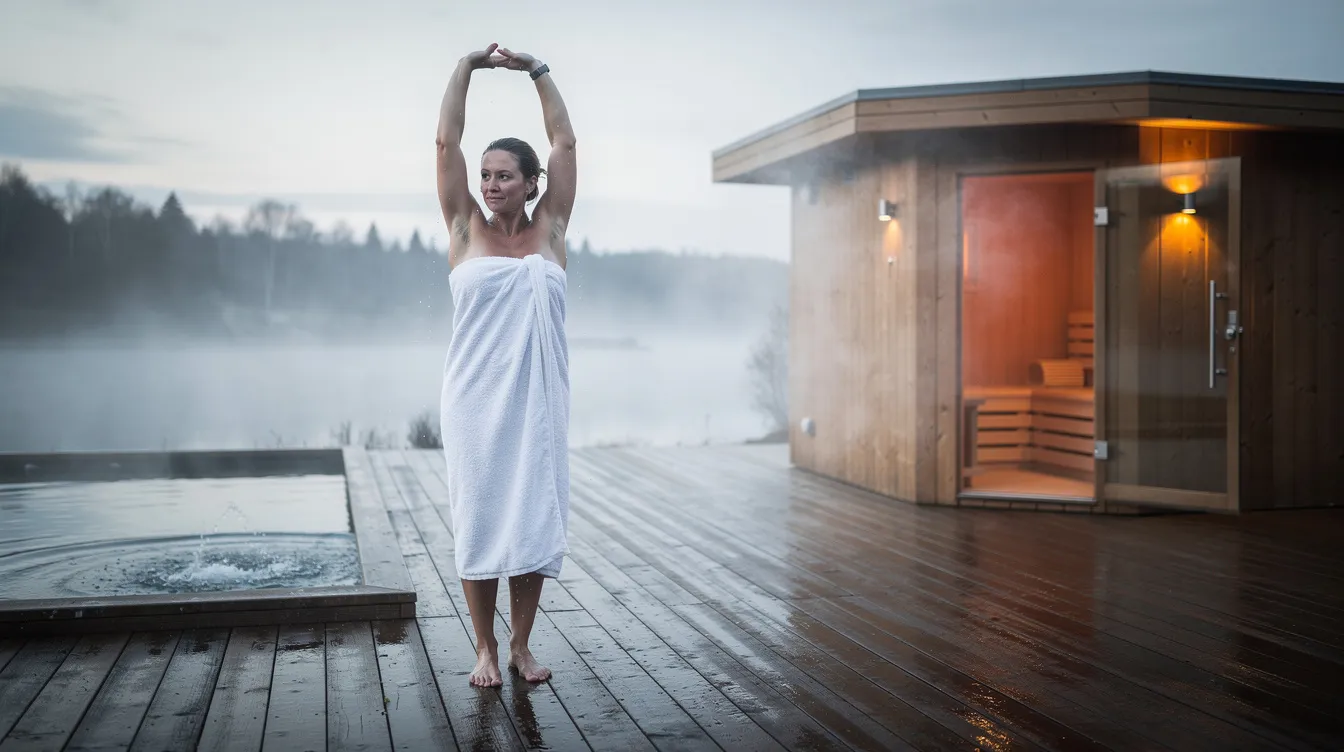
By weeks 9-12, consistent plungers often feel "at home" in the cold. The practice shifts from adaptation to optimization. You are ready to tune protocols to specific goals.
How Do You Define Your Objectives for Weeks 9-12?
- Mental resilience: Focus on moderate temperatures with consistent frequency.
- Metabolic health: Push toward colder water (45-52°F) for longer durations.
- Athletic recovery: Time plunges strategically around training.
- General wellness: Maintain steady exposure without extreme protocols.
Most people can comfortably handle 2-5 minutes at 45-52°F, 3-5 times per week by this stage, without excessive shivering or prolonged rewarming.
How Do You Build Resilience Safely in Weeks 9-12?
Stay in until controlled discomfort reaches a sustainable 6-7/10, challenging but not at maximum suffering. Exit before shivering becomes hard to control. The most important principle at this stage is sustainability over heroics.
Heart rate and breathing should recover quickly after plunging by this phase. If you use wearables, track HRV, morning resting heart rate, and sleep trends. Recent studies suggest improvements in HRV after weeks of consistent cold plunge immersion.
What Is the Summer Scheduling Strategy for Weeks 9-12?
Consider "smart heat stacking": perform strength or high-intensity training in cooler indoor spaces, reserving outdoor heat or sauna-plunge combos for lower-intensity days. This prevents cumulative cardiovascular strain.
Seasonal cycling guidance:
- Summer: Slightly longer, warmer plunges (55-59°F for 5-8 minutes)
- Cooler months: Shorter, colder sessions (45-48°F for 2-3 minutes)
Listen to your body and adjust based on recovery signals rather than forcing a rigid protocol year-round.
What Does the Full 12-Week Cold Plunge Progression Look Like?
This template provides a practical framework, not a medical prescription. Adjust based on health, comfort, and physician guidance.
Weeks 1-2: Foundation
- Frequency: 3x/week
- Temperature: 55-60°F
- Duration: 30-60 seconds
- Focus: Breath control, safe setup
- Summer tip: Avoid heavy workouts right before plunging into hot weather
Weeks 3-4: Building Consistency
- Frequency: 3-4x/week
- Temperature: 52-57°F
- Duration: 1-2 minutes
- Focus: Morning vs. evening experimentation
- Summer tip: Pair with light movement, avoid peak heat hours
Weeks 5-6: Performance Phase Begins
- Frequency: 4x/week
- Temperature: 50-55°F
- Duration: 2-3 minutes
- Focus: Post-workout plunges after moderate training
- Summer tip: Allow at least 30 minutes to cool down after intense heat exposure
Weeks 7-8: Adding Contrast
- Frequency: 4x/week
- Temperature: 48-54°F
- Duration: 3-4 minutes
- Focus: Add 1-2 rounds of sauna (10 minutes) plus plunge (2-3 minutes) weekly
- Summer tip: Use sauna at lower temps if ambient heat is high
Weeks 9-10: Advanced Adaptation
- Frequency: 3-5x/week depending on goals
- Temperature: 45-52°F
- Duration: 2-5 minutes
- Focus: Consistency over extremes, monitor sleep and mood closely
- Summer tip: Prioritize hydration and recovery days
Weeks 11-12: Personalization
- Frequency: Personalized within 11-25 total minutes per week
- Temperature: Adjusted for goals and season
- Duration: Variable based on tolerance
- Focus: Maintenance protocol, travel adjustments, seasonal flexibility
- Summer tip: Shorter sessions during heat waves, longer sessions during cooler stretches
What Are the Safety Rules, Contraindications, and Warning Signs?
Adaptation should feel challenging but not dangerous. Safety guardrails keep cold plunging sustainable in the long term and prevent the practice from causing harm.
Who Should Consult a Doctor Before Cold Plunging?
Key contraindications: Consult a doctor first if you have any of the following:
- Uncontrolled hypertension
- Serious cardiovascular disease or history of arrhythmias
- Raynaud's disease or cold urticaria
- Severe pulmonary conditions
- Pregnancy (consult your obstetrician)
- Recent major surgery or cardiac events
Readers over 45, deconditioned individuals, or anyone with known heart, circulation, or metabolic issues should seek medical clearance before beginning any cold therapy protocol. Consider consulting a physician before beginning any new high-intensity wellness practice that significantly stresses the cardiovascular system.
What Are the Warning Signs That Require Immediate Exit?
- Chest pain or tightness
- Difficulty breathing beyond normal cold shock
- Confusion or disorientation
- Numbness in the extremities that does not resolve
- Slurred speech
- Violent, uncontrollable shivering
Hypothermia risk increases significantly beyond 10-15 minutes at 50°F or colder. More is not better once your weekly totals are met.
What Are the Summer-Specific Safety Cautions?
Combining very high ambient temperatures, sauna sessions, intense cardio, and long cold plunges in the same session can severely strain your cardiovascular system. Limit to 1-2 intense stimuli per day. Blood vessels can only handle so many rapid expansions and contractions within a short period.
General safety reminders:
- Never plunge alone
- Always have a stable exit (ladder, sturdy edge)
- Rewarm gradually with dry towels, light clothing, and gentle movement
- Avoid extremely hot showers immediately after cold immersion
How Do You Integrate Cold Plunges with Sauna and Home Wellness?
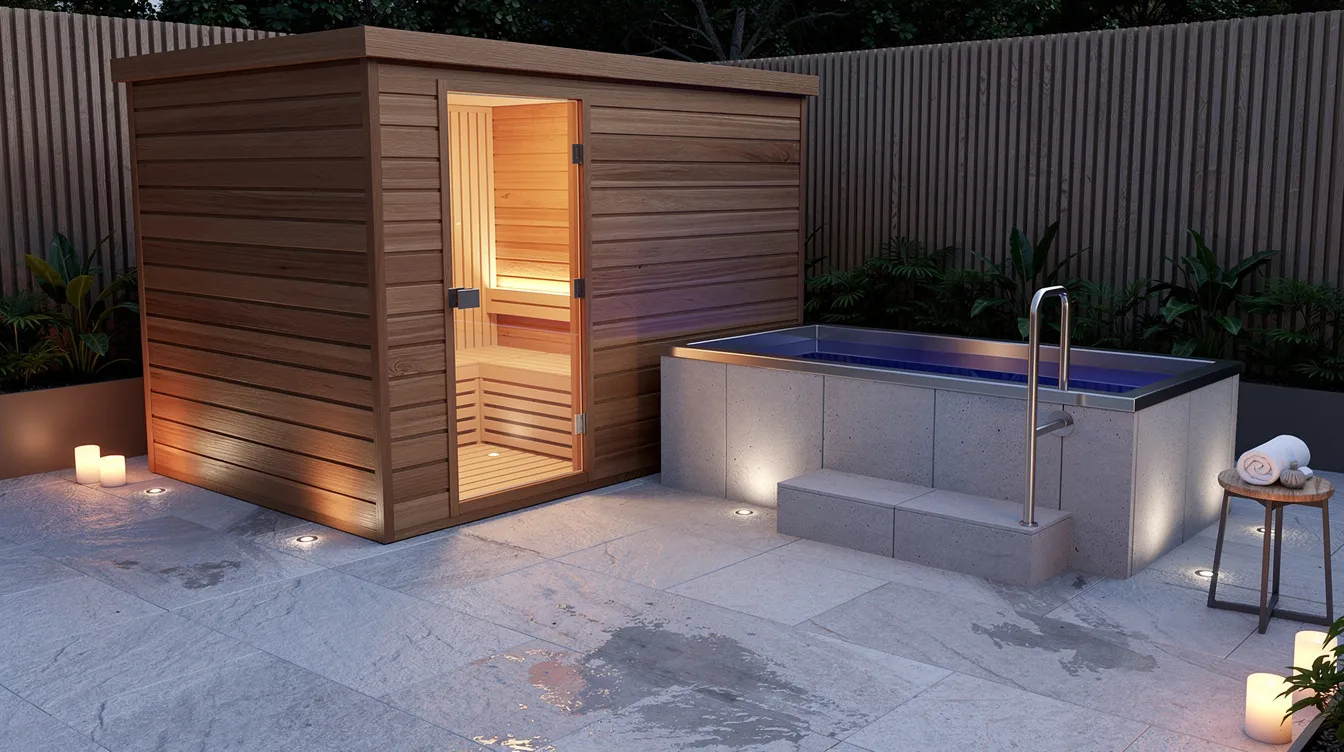
A cohesive home wellness setup transforms cold plunging from an occasional challenge into a sustainable daily or weekly ritual. When your cold plunge tub and sauna are steps apart, consistency becomes dramatically easier, and the benefits of both compound meaningfully.
What Are the Benefits of Pairing Sauna with Cold Plunge?
Benefits of pairing sauna with cold plunge include:
- Precise temperature control in both heat and cold environments
- Year-round use regardless of weather
- Safer, more consistent adaptation through controlled conditions
- Convenience that removes barriers to practice
What Is the Basic Contrast Routine for Experienced Users?
- 10-15 minutes in sauna at 150-180°F
- 2-3 minutes at 48-55°F in your cold plunge
- Rest and hydrate for 5 minutes
- Optionally repeat 1-2 times
Research on contrast therapy shows amplified vascular benefits, improved circulation, and enhanced recovery, driven by mechanisms including heat shock protein induction and repeated cycles of vasodilation and constriction.
How Do You Design Your Home Spa Circuit?
Consider creating a dedicated flow: sauna, then cold plunge, then a quiet cool-down space with seating and hydration. This anchors your cold practice as a ritual rather than a random occurrence, especially helpful during busy summer months when schedules get unpredictable.
Sun Home Saunas products emphasize plug-and-play installation, durable, sustainable materials, and low-maintenance systems so you can focus on building your 12-week adaptation rather than troubleshooting equipment.
Use saunas at slightly lower temperatures (140-160°F) or shorter durations during hot months. Lean on cold plunge sessions to help manage heat stress and improve sleep quality when summer nights run warm.
Trust Your Cold Plunge Adaptation Timeline for Success
The cold-plunge adaptation timeline is remarkably consistent across most users. Week 1 brings shock and discomfort; weeks 2-4 show improved tolerance and reduced panic response; weeks 5-8 deliver noticeable mental clarity and recovery benefits; and weeks 9-12 establish true cold adaptation with metabolic improvements and genuine enjoyment.
Understanding this progression prevents premature abandonment during the challenging early phases when benefits haven't yet materialized. Patience with the adaptation process separates those who gain lifelong benefits from cold therapy from those who quit during the difficult first month. Your nervous system needs time to recalibrate, and rushing progression through longer exposures or colder temperatures delays rather than accelerates genuine adaptation.
Ready to commit to your cold plunge adaptation timeline with equipment designed for consistent daily practice?
Visit Sun Home Saunas today to explore cold plunge systems with precise temperature control that supports gradual progression, plus expert protocol guidance for each phase of your 12-week journey.
External References
- PubMed Central: “Cold Acclimation Recruits Human Brown Fat and Increases Non-shivering Thermogenesis.”
- Huberman Lab: “The Science & Use of Cold Exposure for Health & Performance.”
- Mayo Clinic Health System: “Cold-Water Plunging Health Benefits.”
- Harvard Health: “Cold Plunges: Healthy or Harmful for Your Heart?”
- National Institutes of Health: “Mechanisms and Efficacy of Contrast Therapy for Musculoskeletal Painful Disease: A Scoping Review.”
- Springer Nature Link: “Impact of Cold Water Immersion Compared with Passive Recovery Following a Single Bout of Strenuous Exercise on Athletic Performance in Physically Active Participants.”