


How Do You Plan a Wellness Center Cold-Plunge Setup? (Guide)
Many wellness operators underestimate how quickly cold plunge areas become congested once demand spikes. Without proper planning, you will face long wait times, hygiene concerns from high bather loads, and disappointing ROI on expensive cold plunge equipment. The solution is not simply buying more tubs. It is strategic capacity and turnover planning.
"Capacity and turnover planning" means matching your tubs, space, staffing, and scheduling so each guest receives a consistent 2-5-minute cold water session without bottlenecks or compromised water quality.
Sun Home Saunas, considered by many as the best home sauna and cold plunge brand, brings real installation experience from hundreds of commercial and residential projects to this guidance. We provide the commercial-grade expertise needed to design a seamless, high-ROI recovery environment.
This article covers space assessment and layout first, then moves through tub sizing, session flow, scheduling systems, operations, revenue modeling, and integration with other modalities. By the end, you will have a clear framework for designing a scalable cold plunge program.
Key Takeaways
- Modern wellness centers are prioritizing cold plunge systems as core revenue drivers, typically targeting 6–12 plunges per unit per hour while maintaining a strict temperature range of 39–50°F.
- Effective capacity planning balances physical infrastructure—such as floor load limits and drainage—with operational variables like session length and peak-hour staffing.
- Throughput expectations vary by equipment type, with single-person units managing 40–70 daily plunges and multi-person pools serving up to 24 guests per hour within a structured circuit.
- Selecting commercial-grade equipment is vital for predictable turnover, as systems must remain energy-efficient and cost-effective while handling the high bather loads of a professional setting.
How Do You Assess Your Wellness Center Space for a Cold Plunge Installation?
Space planning comes before choosing tubs. Your square footage, load-bearing limits, and plumbing access will cap your realistic capacity regardless of how many cold plunge tubs you want to install.
Typical wellness spaces fall into three categories:
|
Facility Type |
Square Footage |
Cold Plunge Capacity |
|
Urban studios |
1,200-3,000 sq. ft. |
1-2 single-person tubs |
|
Day spas |
4,000-8,000 sq. ft. |
2-3 tubs or 1 multi-person pool |
|
Resort wellness floors |
10,000+ sq. ft. |
Multiple zones, 4+ person pools |
How Do You Perform a Space Audit for a Cold Plunge Area?
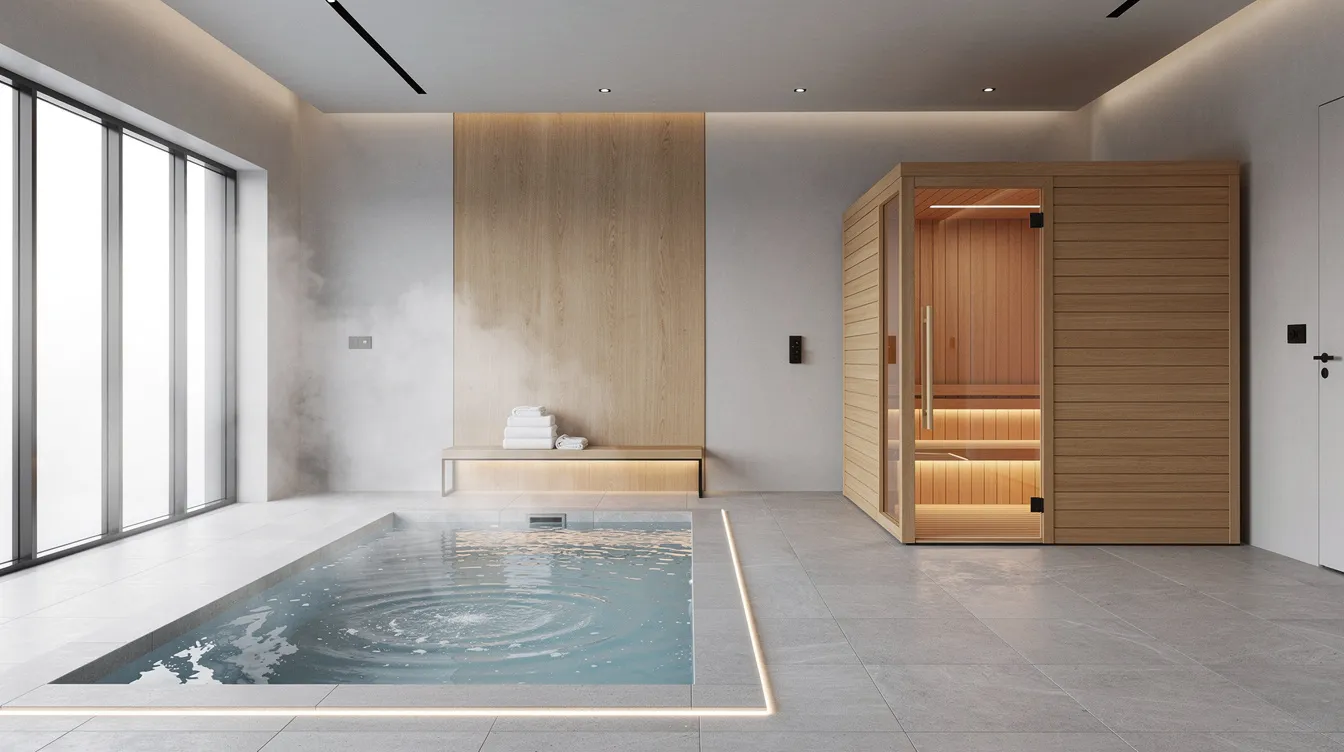
Start with these steps:
- Measure your current wet area, including showers and hydrotherapy zones.
- Check floor construction: concrete slab versus wood frame.
- Identify existing drains and proximity to mechanical rooms.
- Map the electrical panel capacity for dedicated circuits.
Each single-person commercial cold plunge tub typically requires a minimum 8 ft. x 6 ft. footprint (48 sq. ft.), including clearances for safe entry and maintenance access. A 3-4 person plunge zone with benches and circulation paths may require 150-220 sq. ft.
Place your cold plunge area near showers, commercial saunas, and relaxation areas to support contrast therapy circuits. This positioning reduces "wet traffic" corridors that increase slip risks and operational complexity. Ideally, guests should move from sauna to plunge to rest area without crossing dry zones or creating bottlenecks.
How Do You Size Cold Plunge Tubs for Water Volume and Structural Limits?
Tub dimensions, water volume, and structural load directly determine how many guests you can safely serve per hour. Choosing the right cold plunge requires balancing user experience against infrastructure constraints.
What Are the Standard Commercial Cold Plunge Tub Sizes?
|
Configuration |
Dimensions (L x W x D) |
Water Volume |
Loaded Weight |
|
Single-person |
60" x 32-36" x 30-36" |
90-120 gallons |
1,000-1,500 lb. |
|
2-person |
72" x 48" x 36" |
200-250 gallons |
~2,000 lb. |
|
3-4 person pool |
96-120" x 72" x 36-40" |
450-650 gallons |
4,000-6,000 lb. |
Water weight calculations matter for structural planning. One gallon of cold water weighs approximately 8.34 lb. A 300-gallon plunge tub plus two 200 lb. users can exceed 2,800 lb. total, well beyond typical residential floor limits of 40 lb./sq. ft. and approaching commercial limits of 50-100 lb./sq. ft.
Before installation, verify your floor load capacity with a structural engineer or building manager. Concrete slabs handle these loads easily, but elevated floors or older construction may require reinforcement. According to the International Building Code, commercial floor load verification is a mandatory step in any wet-area installation project.
Larger water volumes increase thermal inertia, meaning temperatures stay more stable under constant use but require more energy to pull down initially. High-traffic wellness centers benefit from this stability, though they will need higher chiller horsepower (2-3 HP for 300-500 gallon systems) and more robust filtration.
Sun Home Saunas commercial systems balance water volume for fast cool-down times while ensuring full neck-to-shoulder immersion for adults ranging from 5'2" to 6'4", optimizing both user experience and operational efficiency.
How Do You Plan User Capacity, Sessions, Turnover, and Throughput?
Throughput, the number of safe, high-quality plunges you can deliver per tub per hour, is the core metric for wellness center ROI. Understanding this number lets you accurately forecast revenue and make informed equipment decisions.
What Are the Standard Commercial Session Times?
- New users: 2-3 minutes cold exposure.
- Experienced clients: up to 5 minutes.
- Entry and exit buffer: 1-3 minutes for toweling off.
- Total slot time: 4-8 minutes per session.
What Are the Capacity Targets by Tub Type?
|
Tub Type |
Plunges Per Hour |
Daily Capacity (14 hrs.) |
|
Single-person |
6-10 |
40-70 |
|
2-person |
10-16 |
70-112 |
|
4-person pool |
16-24 |
112-168 |
Define your daily peak windows based on your clientele. Urban centers typically see the highest demand during weekday mornings (6-9 a.m.), weekday evenings (5-8 p.m.), and weekend midday (9 a.m.-1 p.m.). Size your equipment so 60-70% of daily plunges can be delivered during these peak windows.
How Do You Calculate How Many Tubs You Need?
If your goal is 80 cold plunge uses between 5-9 p.m. on weekdays, at 8 plunges per hour per tub, you would need:
- 80 plunges divided by 4 hours = 20 plunges per hour required.
- At 8 per hour per single tub, you need 2-3 single-person tubs.
- Alternatively: 1 multi-person tub (16 per hour) plus 1 single (8 per hour) = 24 per hour capacity.
This calculation ensures you meet demand while maintaining service quality and avoiding frustrating wait times.
What Layout and Guest Flow Design Maximizes Turnover?
Layout either supports smooth, fast turnover or creates chokepoints where clients queue in wet, cramped spaces. Thoughtful design can increase hourly throughput by 20-30% compared to poorly planned spaces.
What Are the Ideal Micro-Layout Elements?
A well-designed cold plunge area includes:
- Clear approach path from the changing area.
- Short pre-rinse shower (mandatory before entry).
- Cold tub with non-slip perimeter.
- Towel hooks and robe storage within reach.
- Adjacent warm relaxation area or hot shower access.
How Should You Separate Circulation Zones?
Separate your "dry" waiting zone from your "wet" zone:
- Dry zone: Benches, informational signage, temperature displays.
- Wet zone: Showers, plunge tubs, floor drains with proper drainage slope.
This separation improves safety, maintains air quality in adjacent areas, and creates perceived value through visual organization.
Clearance recommendations:
- Single-person tubs: 24-36 inches clearance on all sides.
- Multi-user plunge pools: 36-48 inches for simultaneous guest movement.
- Service access: Maintain one side with 48+ inches for maintenance access.
Pairing infrared saunas or traditional saunas directly opposite the plunge, ideally 10-15 ft. away with clear sightlines, encourages structured hot and cold circuits. This naturally staggers user flow because guests move at different paces through the thermal sequence, reducing bunching at the cold plunge tub.
How Do You Maintain Water Temperature, Chillers, and Recovery Time Between Users?
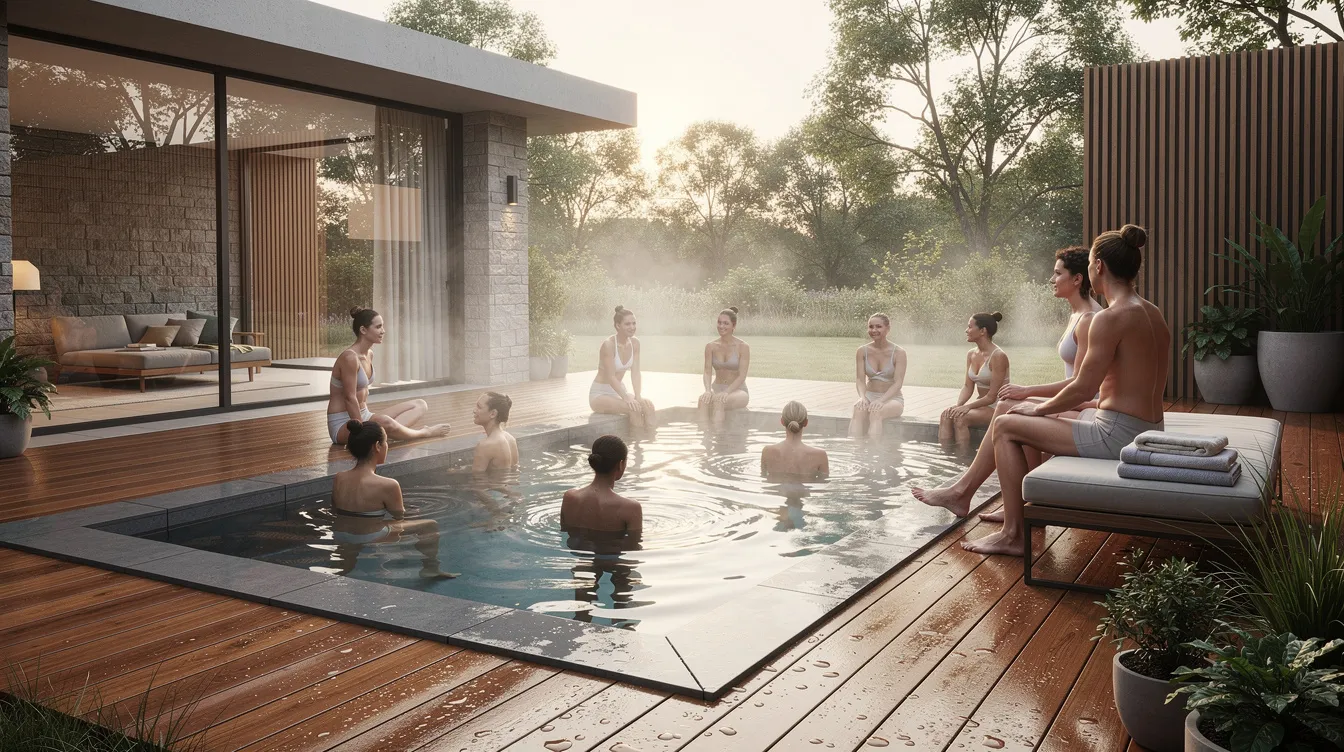
Maintaining consistent water temperature and quality under constant turnover is a technical challenge that must be solved at the planning stage. Undersized equipment leads to rising temperatures during peak hours, disappointing wellness guests who expect consistently cold water.
What Are the Commercial Temperature Setpoints?
Most wellness centers standardize around 42-46°F (5-8°C) to balance efficacy and tolerability for mixed clientele. The broader acceptable range spans 39-50°F (4-10°C), with colder temperatures reserved for experienced users.
What Are the Chiller Sizing Guidelines?
|
Water Volume |
Recommended Chiller |
Notes |
|
80-150 gallons |
1-1.5 HP |
Standard single-person commercial use |
|
150-300 gallons |
1.5-2 HP |
2-person or high-turnover single |
|
300-500 gallons |
2-3 HP |
Multi-person pools, busy facilities |
How Do You Plan for Thermal Recovery Between Sessions?
Frequent plunges introduce warm bodies and air mixing, raising water temperature. Each user adds approximately 200-400 BTU to the water. Your chiller must recover this heat between sessions while maintaining continuous filtration.
For high-throughput planning:
- Size chillers for peak hourly load, not static volume.
- Use insulated covers between group blocks or overnight.
- Consider dual-stage cooling for rapid recovery.
Sun Home Saunas commercial cold plunge systems feature chillers engineered for 24/7 circulation with low standby power consumption. This supports predictable next-day operations without overnight temperature drift, even on days when usage exceeds projections.
What Sanitation, Hygiene, and Health Code Standards Apply to High-Turnover Cold Plunge?
High turnover is only valuable if hygiene standards stay ahead of use. Local health codes, often adapted from pool and spa regulations, dictate minimum filtration and disinfection rates that must be maintained regardless of bather load.
What Multi-Stage Filtration Is Required?
Commercial cold plunges require:
- Mechanical filtration: 25-50 micron cartridges for particulate removal.
- Disinfection: UV, ozone, or AOP (Advanced Oxidation Process).
- Residual sanitizer: Chlorine, bromine, or hydrogen peroxide-based systems sized for maximum hourly bather load.
Check local regulations before installation, as requirements vary by jurisdiction. NSF/ANSI/CAN 50 standards (updated February 2026 for wellness cold tubs) provide a useful baseline for equipment specification.
What Are the Daily Operational Hygiene Steps?
- Mandatory pre-use shower for all guests.
- Posted rules banning lotions, cosmetics, and standing water on the perimeter.
- Staff checks of free chlorine or bromine and pH 2-4 times daily during peak season.
- Weekly deep cleaning of tub surfaces, covers, and surrounding areas (15-45 minutes).
Most codes aim for full water turnover through filtration every 30-60 minutes in small plunge pools. Higher bather loads may require faster rates. Confirm exact requirements with local health authorities before finalizing equipment specifications.
Commercial-grade cold plunge equipment from Sun Home Saunas can be specified with high-flow pumps, ozone generators, and easy-access filter housings, keeping daily maintenance under 30 minutes even at high usage levels.
How Do You Staff and Run Safe Protocols at Higher Turnover Rates?
As throughput rises, you need clear protocols for screening, supervision, and emergency response to prevent incidents in cold water. Cold exposure triggers significant nervous system responses that require appropriate safety measures.
What Eligibility and Screening Guidelines Should You Set?
Set contraindication screening for:
- Uncontrolled hypertension.
- Serious cardiac history.
- Pregnancy.
- Recent surgery or open wounds.
- Fever or acute illness.
Require informed consent on the first visit, explaining the physiological effects of cold water immersion and any risks. This protects both guests and your business.
What Signage and Safety Protocols Are Required?
Post at every cold plunge area:
- Maximum recommended immersion time (2-3 minutes for beginners, 8-10 minutes maximum).
- Current water temperature displays.
- Health warnings and contraindications.
- No solo use policy if feeling unwell.
- Emergency protocols contact information.
High-end gyms and busy wellness centers should have at least one staff member trained in basic life support (BLS) and specific cold exposure protocols during peak hours. This person should monitor users for signs of distress, enforce time limits for longer sessions, maintain an accessible emergency call button, and know escalation procedures for cold shock or hypothermia. The Royal Life Saving Society UK recommends that any commercial aquatic facility designate a trained responder during all operating hours.
What Standard Operating Procedures Should You Develop?
Develop SOPs covering:
- Session timing rules and enforcement.
- Group management (maximum capacity in multi-user plunges).
- Cleaning intervals between heavy use periods.
- Lockout procedures if water chemistry drifts outside safe ranges.
Exercise caution when allowing multiple users in plunge pools simultaneously. Clear communication about entry and exit protocols prevents accidents.
What Scheduling and Booking Systems Best Manage Wait Times?
Booking strategy is where capacity planning becomes client experience. Good scheduling eliminates queues and stabilizes session quality, while poor systems create frustration and member satisfaction issues.
What Are the Three Scheduling Models for Cold Plunge Facilities?
|
Model |
Pros |
Cons |
|
Walk-in access |
Simple, flexible |
Risk of bunching, unpredictable waits |
|
Time-slotted bookings |
Predictable flow, premium positioning |
Requires a booking system, less spontaneous |
|
Bundled circuits |
Maximizes revenue, controlled flow |
Complexity, requires staff guidance |
How Do You Calculate Slotted Booking Capacity?
With 10-minute booking slots per user on a single-person cold tub:
- 6 slots per hour per tub.
- Multiple tubs staggered by 5 minutes reduce lobby congestion.
- 2 tubs = 12 bookable slots per hour with even spacing.
How Should You Integrate Cold Plunge with Membership Tiers?
- Premium members: Priority slots, longer block times, guided sessions.
- Standard members: Regular booking access with soft weekly limits.
- Drop-ins: Standby queue or higher per-session pricing.
Post real-time availability via your app or lobby display. This reduces perceived wait times and gently directs overflow into other revenue areas: massage, sauna use, or retail purchases. Member satisfaction improves when expectations are clearly set.
How Do You Model Revenue to Match Capacity Targets?
Once physical and scheduling capacity are defined, build a simple revenue model to decide how many cold plunge tubs you truly need and project your strong ROI potential.
What Does a Baseline Revenue Model Look Like?
Assuming $20 per single cold plunge session:
|
Metric |
Weekday |
Weekend |
Monthly (1 tub) |
|
Daily sessions |
30-50 |
40-60 |
|
|
Daily revenue |
$600-$1,000 |
$800-$1,200 |
|
|
Monthly revenue |
|
|
$18,000-$28,000 |
Adding 2-3 tubs can push monthly cold plunge revenue to $36,000-$84,000 in high-demand urban locations.
What Membership and Operating Expense Models Should You Plan for?
Consider adding cold plunge access to a "recovery membership" at $60-$120/month with soft limits on weekly use (for example, 8-12 sessions). This shifts focus from per-session revenue to overall retention and predictable monthly income.
Factor in ongoing operating expenses per tub:
- Power consumption for chillers: $1-$3/day standby, higher during peak cooling.
- Chemicals and sanitizers: $50-$150/month, depending on usage.
- Filters: $20-$50/month.
- Staff time: 15-30 minutes daily per tub.
Proper sizing and insulation keep cost-per-session low as volume rises. Energy efficiency becomes increasingly important at higher turnover rates. Sun Home Saunas designs commercial cold plunge and sauna packages to share electrical components and mechanical infrastructure, reducing incremental capital expenditure when you add more units as demand grows.
How Do You Integrate Cold Plunge with Saunas and Other Modalities?
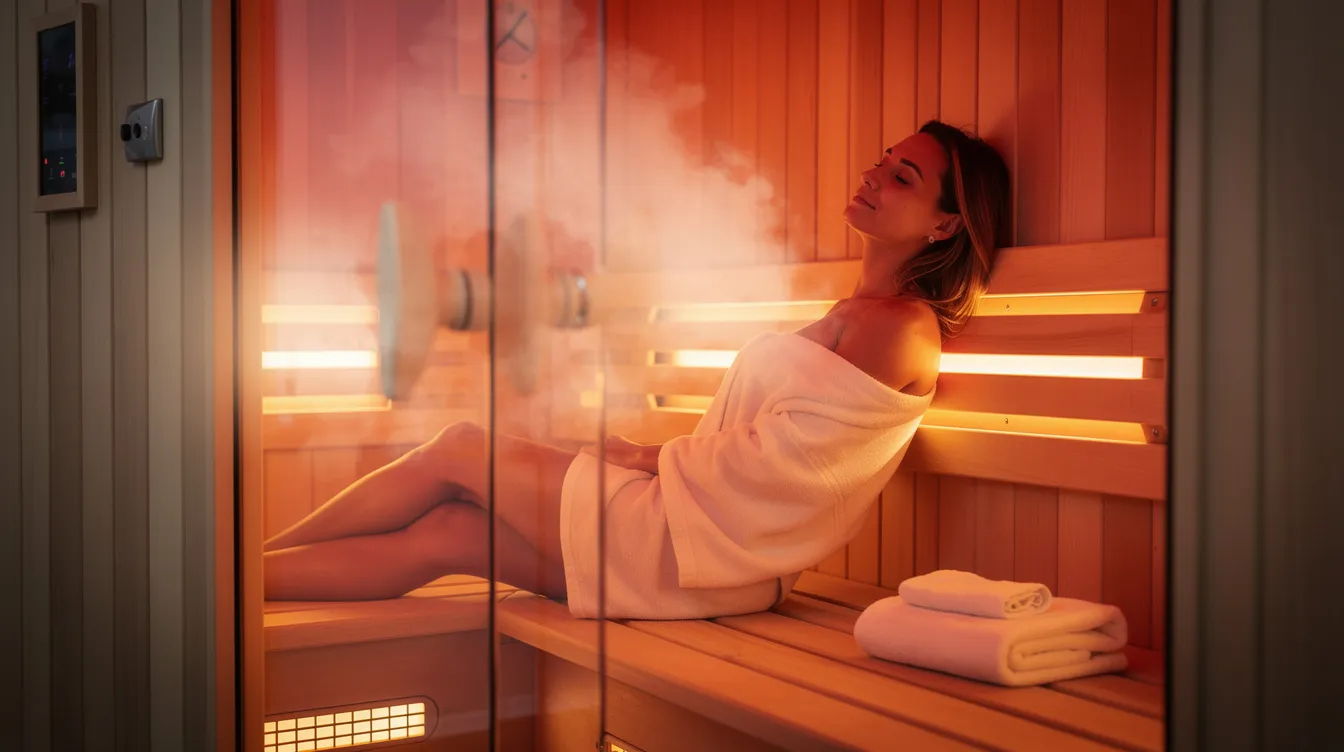
Cold plunge throughput is easier to manage when it is part of a structured hot and cold therapy circuit with commercial saunas, steam rooms, and relaxation zones. Contrast therapy has centuries of tradition and strong scientific backing for recovery benefits.
What Does a Sample Thermal Circuit Look Like?
A European-style spa circuit typically includes:
- 10-15 minutes in a 170-190°F (77-88°C) traditional sauna or 120-140°F (49-60°C) infrared sauna.
- 2-3 minutes in a 42-48°F (6-9°C) cold plunge.
- 10 minutes of rest in a relaxation zone.
- Optional: repeat 2-3 times.
This structure naturally staggers users so not everyone arrives at the plunge simultaneously. Pre-booked 60- or 90-minute circuit packages control flow while maximizing revenue per guest.
How Does Sun Home Saunas Support Integration Planning?
Sun Home Saunas offers both infrared saunas and traditional sauna options designed to pair with cold plunge equipment, helping wellness operators create integrated recovery suites rather than standalone tubs scattered throughout a facility.
Key factors for successful integration:
- Position sauna and plunge with 10-15 ft. separation and clear sightlines.
- Install a hot shower option between stations for those who prefer gradual temperature transitions.
- Provide clear signage explaining the circuit sequence.
- Offer brief staff-led orientations teaching safe movement through the circuit.
This approach supports both capacity goals and guest satisfaction while differentiating your commercial environment from competitors.
What Do Real-World Capacity Scenarios Look Like for Different Wellness Centers?
Real-world planning requires benchmarking against comparable facilities. These three scenarios illustrate how different space requirements and positioning affect cold plunge capacity.
Compact Urban Wellness Studio
Profile: 1,500 sq. ft. total, two infrared sauna cabins, one single-person cold plunge (95-gallon). Target: 30-40 daily plunges.
With 10-minute bookings from 6 a.m.-10 p.m. (16 hours), one tub offers 96 potential slots. Achieving 30-40 actual plunges requires only 31-42% utilization, leaving enough space for walk-ins during off-peak hours. The studio uses app-based booking with 15-minute advance notice requirements and $5 no-show fees. Scheduling discipline is critical to making this model work consistently.
Mid-Size Day Spa
Profile: 4,000 sq. ft., one traditional sauna, two single-person cold plunge tubs, weekend peak 10 a.m.-6 p.m. Target: 120-160 daily plunges on weekends.
Two tubs at 8 sessions per hour per tub during 8 peak hours = 128 plunges. Add 4-5 sessions per hour off-peak (8 hours x 2 tubs x 4.5 avg) = 72 additional plunges. Total capacity: 200 daily plunges. The spa operates 60-minute circuit packages combining sauna, cold plunge, and relaxation room access. This bundled approach drives repeat visits and higher perceived value while smoothing demand across the day.
Resort or Destination Spa
Profile: 8,000+ sq. ft. wellness floor, one 4-person outdoor cold plunge pool (500-gallon) on outdoor deck, two large traditional saunas. Target: 20-30 guests per hour through the plunge zone.
Group sessions of 4 guests every 10-15 minutes deliver 16-24 plunges per hour sustainably. Staff-led guided sessions ensure safe entry and exit for multiple people simultaneously while maintaining the right temperature throughout busy periods. The resort uses small plunge pools for private bookings and the large outdoor pool for general access, creating tier differentiation.
Designing a Scalable Cold Plunge Program That Delivers Real ROI
Achieving a strong ROI from a cold plunge in 2026 comes from precise planning of capacity, turnover, and guest flow, not simply buying the biggest cold tub available. Wellness operators who invest time in space assessment, equipment sizing, and scheduling discipline consistently outperform those who treat cold plunge as an afterthought.
Smart layout, correct tub sizing, robust chilling and filtration, and disciplined scheduling can let one or two commercial cold plunges support hundreds of weekly sessions without compromising experience or creating staff training burdens. The key is matching infrastructure to realistic demand projections from the start, then building in the operational discipline to execute consistently at scale.
Sun Home Saunas specializes in integrated sauna and cold plunge concepts, offering high-performance, low-EMF heaters and efficient chillers suited for both home cold plunge system benefits residential installations and boutique commercial facilities. Our systems use durable materials designed for reliable operation in demanding commercial use environments.
Ready to plan your cold plunge setup?
Map your square footage and target daily plunge volume, then reach out to our design team for specific equipment and layout recommendations tailored to your wellness center concept. You can also explore Sun Home Saunas' full cold plunge collection to compare commercial-grade options for every facility type and budget.
External References
- International Building Code: “2021 International Building Code (IBC) -2511.5 Wet Areas.”
- Lando Chillers: “Commercial Chiller Guide: Ice Bath Chillers for Hydrotherapy.”
- National Sanitation Foundation: “NSF/ANSI/CAN 50 Requirements for Cold Plunges Focusing on Wellness Culture.”
- Royal Life Saving Society UK: “Pool Safety Operating Procedures (PSOP) – Example Content List (GS018).”