


Can Cold Plunging Boost Lymphatic Drainage? Explained!
The best cold plunge setup for lymphatic support is defined by five key factors like precise, adjustable temperature control for age-appropriate protocols, advanced filtration and sanitation for safe, frequent sessions, and ergonomic design. We at SunHomeSaunas understand why these factors are important and prioritize them in all our cold plunges – a key reason we rank amongst the best cold plunge and home sauna brands today.
We equally recognize that the lymphatic system is one of the body's most underappreciated networks — quietly filtering waste, transporting immune cells, and maintaining fluid balance around the clock, all without a dedicated pump to keep it moving.
That dependence on external forces — muscle contractions, breathing mechanics, and hydrostatic pressure — is exactly what makes cold water immersion combined with intentional movement such a compelling wellness tool for 2026.
This guide covers the full picture: the anatomy and physiology of lymphatic flow, the current evidence base for cold water therapy, age-appropriate safety protocols, a complete library of submerged movement techniques , and much more. Whether you are new to cold exposure or looking to refine an existing practice, you will leave with a clear, safe, and science-informed framework.
Key Takeaways
- The lymphatic system relies on muscle contractions, breathing, and external pressure to move fluid. Cold plunging combined with gentle, rhythmic movements may enhance this natural process for generally healthy adults.
- Cold plunge practices are not a replacement for medical treatment like manual lymphatic drainage (MLD) for conditions such as lymphedema. Anyone with cardiovascular disease or chronic health conditions must consult their clinician before starting.
- Core submerged movement patterns include diaphragmatic breathing, gentle ankle and knee pumping, shoulder circles, and trunk rotations — all performed slowly and within a pain-free range.
- Safe starting protocols vary by age: adults 20–40 can begin at 50–59°F (10–15°C) for 1–3 minutes, while adults 50+ should start warmer (55–60°F) with shorter durations (30–90 seconds) after medical clearance.
- A dedicated cold plunge tub for home use from SunHomeSaunas provides precise temperature control, clean filtration, and ergonomic safety features that make consistent, lymph-supportive sessions more practical than improvised setups.
How Does the Lymphatic System Respond to Cold Exposure?
Your lymphatic system works as your body's internal drainage network, quietly filtering waste products, transporting immune cells, and maintaining fluid balance throughout your tissues.
Unlike your circulatory system, which has the heart pumping blood through vessels, the lymph system relies on external forces — muscle contractions, breathing mechanics, and hydrostatic pressure — to keep lymph fluid moving toward the heart.
The following sub-sections cover the anatomy, mechanics, and current research base that explain why cold exposure and intentional movement form a logical combination for lymphatic support.
Key Structures in Plain Language
The lymphatic system includes several interconnected components:
|
Structure |
Function |
|
Lymph vessels |
Muscular-walled tubes that transport lymph fluid unidirectional toward the heart |
|
Lymph nodes |
Filtering stations in the neck, underarms, and groin that screen for pathogens and abnormal cells |
|
Thoracic duct |
The largest lymph collector, draining into the subclavian vein near the left arm and collarbone |
|
Spleen and thymus |
Organs that produce and mature white blood cells for immune response |
|
Bone marrow |
Produces lymphocytes that travel through lymph fluid |
Each day, approximately 20 liters of plasma filters from your bloodstream into tissues. About 17 liters return directly through veins, while the remaining 3 liters get captured as lymph — a clear to milky fluid containing lymphocytes that combat infection and remove cellular waste.
Why Movement in Water Matters
Because the lymph system lacks a central pump, lymph flow depends on:
- Skeletal muscle contractions during physical activity
- Diaphragmatic breathing that creates pressure changes in the thorax
- External compression from movement or pressure
- Gravity and body positioning
This is precisely why combining cold water immersion with intentional movement offers a logical approach. Cold exposure causes vasoconstriction in blood vessels and lymphatic vessels alike, creating a "squeeze" effect that can propel lymph fluid forward.
One recently published research demonstrated that applying cold to tissue significantly increased lymph flow — an effect amplified when combined with pressure.
Current Evidence Status
It is important to clarify: while clinical data specifically on cold plunge for lymphatic drainage remains limited, there is stronger evidence supporting manual lymph drainage, compression therapy, and regular movement for lymphatic function.
A systematic review in Supportive Care in Cancer found that gentle resistance training significantly improved breast cancer-related lymphedema outcomes.
Cold water immersion research shows broader cold plunge therapy health benefits including reduced inflammation, decreased muscle soreness, and immune function shifts. A PLOS One systematic review noted that repeated cold exposure protocols — such as 12 minutes at 7°C, four times weekly — fostered adaptive responses that reduced inflammatory markers like tumor necrosis factor-α over 24 hours.
For generally healthy people, combining cold plus gentle, rhythmic motion represents a logical wellness adjunct — but it is not a therapy for diagnosed lymphedema or a substitute for medical treatment.
Who Should and Should Not Use Cold Plunges for Lymph Support?
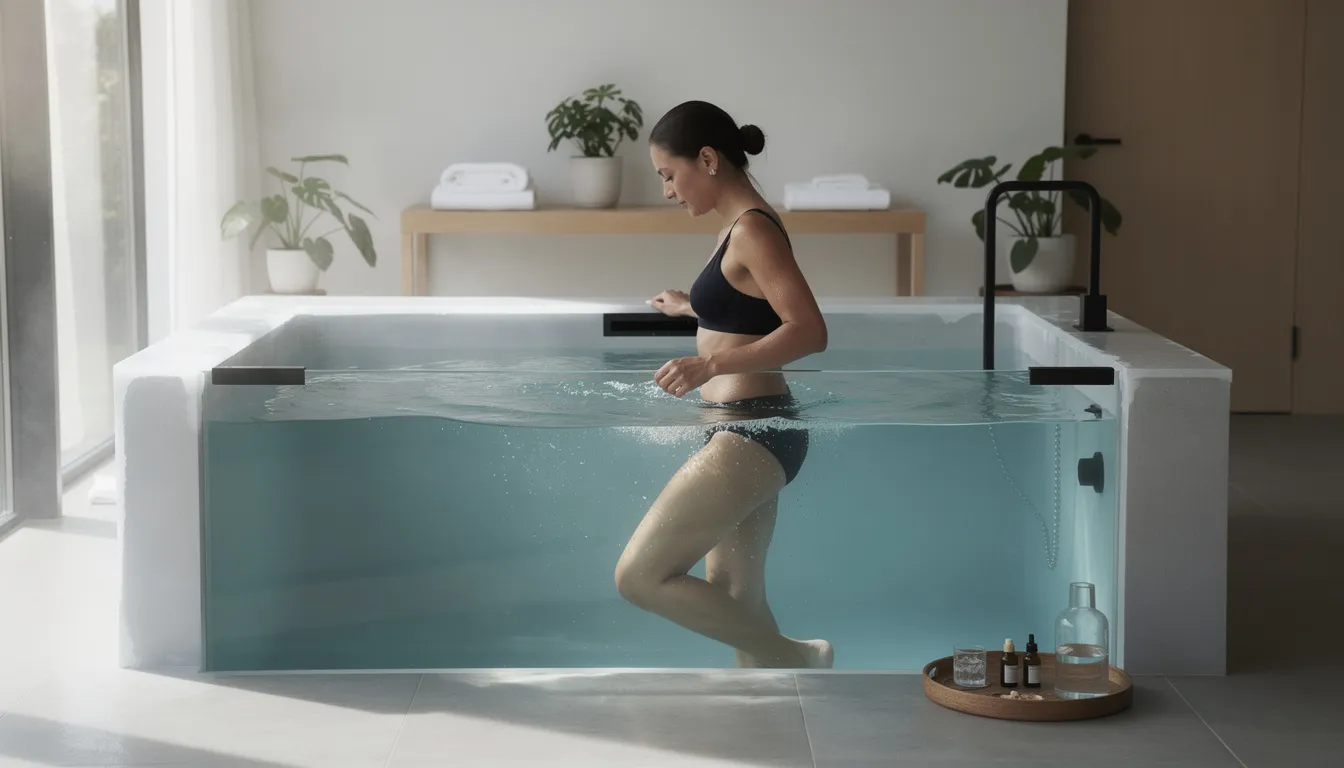
Cold plunging is a cardiovascular stressor. Before incorporating cold water immersion into your routine, you should obtain clearance from a healthcare provider — especially if you are over 40 or have any medical conditions. The sub-sections below cover contraindications, the cold shock response, age-specific starting protocols, and rewarming guidance.
Conditions Requiring Medical Clearance or Avoidance
The following conditions require physician consultation before cold plunge use:
- Coronary artery disease or history of heart attack
- Arrhythmias (irregular heartbeats)
- Uncontrolled hypertension (high blood pressure)
- Heart failure
- Raynaud's phenomenon
- Severe asthma or respiratory conditions
- Peripheral vascular disease
- Pregnancy
- Active infections or open wounds
- Lymphedema requiring treatment from a certified lymphedema therapist
Understanding Cold Shock Response
When you enter cold water below approximately 47°F (8°C), your body initiates a cold shock response characterized by:
- Sudden gasp reflex and hyperventilation
- Rapid spike in blood pressure and heart rate
- Sympathetic nervous system activation
- Potential for arrhythmias in susceptible individuals
This is why gradual exposure, breath control, and appropriate water temperatures are critical for safe practice. The University Hospitals advises that anyone with cardiovascular concerns speak with their physician before attempting cold water immersion of any kind.
Age-Appropriate Guidance
|
Age Group |
Starting Temperature |
Duration |
Special Considerations |
|
18–40 years |
50–59°F (10–15°C) |
1–3 minutes |
Build up cautiously; avoid breath holds if new to practice |
|
40–60 years |
55–59°F (13–15°C) |
30–90 seconds |
Recommend medical checkup first; no breath holds |
|
60+ years |
57–60°F (14–16°C) |
30–60 seconds |
Physician clearance required; supervised initial sessions |
Children and teens should not use cold plunges for lymphatic purposes without pediatric guidance, as their thermoregulation and cardiovascular systems differ significantly from adults.
Rewarming Protocol
Always have ready:
- Warm, dry towels
- Layered clothing
- A warm environment for transition
- Optional: nearby sauna (such as a SunHomeSaunas infrared or traditional unit) for gradual rewarming
Warning: Avoid jumping straight into very hot water after an intense cold plunge, as this can stress the cardiovascular system.
How Do You Prepare for a Lymph-Supportive Cold Plunge Session?
Preparation affects both safety and lymphatic benefits. Sessions should be intentional rather than impulsive "shock" experiences. Taking time to prepare your body, environment, and mindset helps maximize the benefits while minimizing risks. The following sub-sections address each preparation variable.
Hydration
- Drink 8–16 oz. (250–500 ml) of water 30–60 minutes before plunging to support fluid balance and kidney clearance
- Consider adding a pinch of sea salt or electrolytes if you are combining sauna and plunge sessions
- Those with heart or kidney disease should consult their doctor about fluid intake
Timing and Meals
- Avoid heavy meals for at least 1.5–2 hours before a plunge to prevent nausea and bloating during movements
- Light snacks (a banana or handful of nuts) are acceptable for those prone to low blood sugar or hypoglycemia
Temperature and Equipment
For beginners, target 50–59°F (10–15°C) with an accurate digital thermometer to monitor water temperature precisely.
A dedicated SunHomeSaunas home cold plunge system offers several advantages over improvised ice baths:
- Stable, adjustable temperature control
- Clean filtration systems
- Consistent water quality without frequent draining
- Purpose-built ergonomics for safety
Warm-Up and Clothing
Before entering:
- Perform 3–5 minutes of gentle movement (walking, arm circles, cat-cow spine mobilizations) to reduce cold shock
- Choose appropriate attire: swimsuit or light base layer, water shoes for grip
- Avoid restrictive garments that might compress lymphatic vessels and impede lymph circulation
Mental Preparation
- Set a clear intent (e.g., "gentle lymph support and relaxation")
- Pre-select a breathing pattern you will use during immersion
- Visualize the session calmly to reduce anxiety response
What Are the Step-by-Step Submerged Movement Techniques for Lymphatic Drainage?
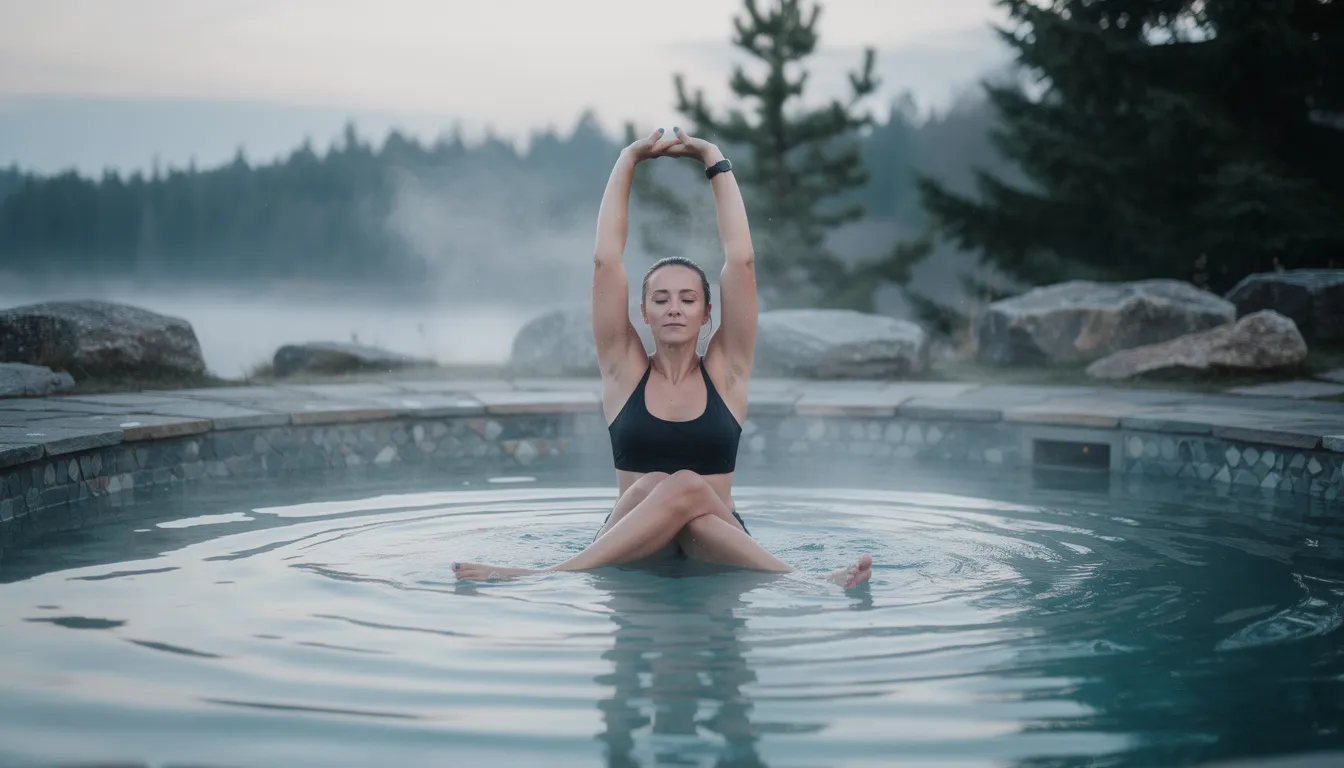
This section covers the practical core: approximately 10–15 minutes total including preparation, 1–5 minutes in the plunge (depending on experience), and focused, low-intensity movements designed to support lymph drainage.
Understanding how to use a cold plunge safely at home begins with mastering these foundational movement patterns before increasing duration or intensity.
All movements should be:
- Pain-free
- Slow and rhythmic
- Controlled and intentional
Important: Shivering is a sign to shorten exposure or slightly increase water temperature. Exit immediately if you experience chest pain, dizziness, severe shortness of breath, or numbness beyond normal cold tingling — and contact medical help if symptoms persist.
Recommended Sequence for Healthy Adults
- Entry and positioning: Enter slowly, sitting or semi-squatting so water covers up to the collarbones. Keep hands on the tub edge if balance is an issue.
- Phase 1 (0–30 seconds): Diaphragmatic breathing while still, allowing your body to adjust to the cold.
- Phase 2 (30–90 seconds): Gentle lower-body pumping movements targeting ankles, knees, and hips.
- Phase 3 (90–180 seconds): Upper-body and trunk movements including shoulder circles and rotations.
- Exit and rewarming: Controlled exit and immediate transition into warmth with dry towels and layers.
Beginners might complete only Phase 1–2 in a 1–2-minute window. More experienced users may perform the full sequence up to 3–5 minutes, always staying within cardiovascular and thermal limits.
How Do Breathe-Led Techniques Stimulate Central Lymph Flow?
The thoracic duct — the largest lymph collector in your body — passes near the diaphragm. This makes abdominal breathing one of the most powerful tools for lymph movement, especially in cold environments where calm, controlled breathing also helps manage the stress response. Each breathing pattern below targets a distinct aspect of central lymph flow.
Diaphragmatic "belly" breathing:
- Place one hand on the upper chest and one on the upper abdomen while submerged up to the collarbones
- Inhale slowly through the nose for 4–5 seconds, feeling the belly gently expand
- Exhale relaxed through the mouth for 6–8 seconds
- Repeat for 6–10 breaths
Box breathing variation (only for those without cardiovascular compromise):
- 4-second inhale
- 4-second hold
- 4-second exhale
- 4-second hold
- Repeat for 4–6 cycles
Safety reminder for older adults: Those over 50 with heart issues should avoid breath holds and stick to continuous, smooth breathing patterns.
Neck and collarbone sweeps:
- Perform very small, slow head turns (looking left and right) synchronized with breath
- This encourages lymph flow through cervical nodes near the neck
- Avoid aggressive rotations; stay within a comfortable, pain-free range
What Lower-Body Pumping Movements Support Lymph Return While Submerged?
Lower-leg muscles act as a "second heart" for blood and lymph return to the circulatory system. Cold water pressure plus gentle ankle and knee motion can enhance this natural pumping effect, helping reduce swelling and clear excess fluid from the lower limbs. The following movements progress from the most distal (ankles) to the proximal (hips).
Ankle pumps:
- Sitting in the plunge, flex and point the toes (dorsiflexion and plantarflexion) 10–20 times per foot
- Keep movements small and controlled
- Avoid jerky kicking that could destabilize balance
Ankle circles:
- Draw slow circles with the toes, 5–10 each direction per foot
- This mobilizes lymph around the ankles and calves
Knee "piston" bends:
- With feet on the bottom of the tub, gently bend and straighten the knees 8–12 times
- Think mini-squats while holding the tub edge
- Keep the range of motion shallow and spine tall
- Avoid full squats on slippery surfaces
Hip openers:
- Perform simple "windshield wiper" movements where knees sway a few inches side to side
- Complete 10–12 reps to mobilize lymph in the groin area where many nodes cluster
Modification for adults over 60 or those with joint replacements: Perform fewer repetitions (half volume) and focus more on ankle pumps than deep knee bending.
What Upper-Body and Trunk Movements Target Axillary and Abdominal Nodes?
Major lymph node clusters sit in the armpits, chest, and abdomen. Moving the shoulders and spine can assist lymph drainage from the arms and trunk, supporting the body's ability to clear toxins and cellular waste. The following movements target these central node clusters systematically.
Shoulder rolls:
- Perform 8–10 slow shoulder circles forward, then 8–10 backward
- Keep arms relaxed at sides with shoulders just under the water surface
Arm arcs:
- Lift arms slowly forward and out to the sides until hands just break the water
- Lower them back down, completing 6–10 repetitions
- Those with shoulder issues should keep arms below shoulder height
Trunk rotations:
- With hands lightly on the tub edge, gently rotate the torso left and right
- Move as if looking over each shoulder, 6–8 times per side
- Keep hips mostly stable and stay within a comfortable range to avoid slipping
Abdominal "hug and release":
- On exhale, gently draw the navel toward the spine (light core activation)
- On inhale, fully relax the belly
- Complete 8–10 cycles to provide gentle massage to abdominal lymph structures, including mucosa-associated lymphoid tissue
Note: Stop movements if shivering becomes intense. Strong shivering indicates your body is prioritizing heat production over calm, rhythmic lymph pumping — a sign to exit the plunge.
What Does a Complete 5–10 Minute Lymphatic Cold Plunge Protocol Look Like?
Here is a concrete example session for a healthy 30–50-year-old using a SunHomeSaunas cold plunge set to approximately 54°F (12°C), performed 2–3 times per week. This protocol brings together every technique from the sections above into a single, timed session flow.
Pre-plunge (2–3 minutes):
- Light dynamic warm-up: marching in place, arm swings
- 5–6 slow diaphragmatic breaths outside the tub
- Set your intention for the session
In-plunge (up to 3 minutes):
|
Time |
Activity |
Details |
|
0–30 seconds |
Stillness + diaphragmatic breathing |
6–8 slow breaths, adjust to cold |
|
30–90 seconds |
Lower body movements |
Ankle pumps, ankle circles, gentle knee bends (20–30 total reps) |
|
90–180 seconds |
Upper body movements |
Shoulder rolls, arm arcs, trunk rotations, abdominal "hug and release" |
Post-plunge (3–7 minutes):
- Immediately dry off and put on warm, dry layers
- Walk around the room to encourage ongoing circulation
- Optional: transition into a SunHomeSaunas infrared sauna at moderate temperature (120–130°F / 49–54°C) for 10–15 minutes
- Hydrate with water or an electrolyte drink
Modifications for age 50+:
- Shorten in-plunge time to 60–120 seconds
- Reduce repetition counts by half
- Keep movements slower, prioritizing breath over volume
- Ensure physician clearance before beginning
This protocol is an example, not a prescription. Individual tolerances and medical guidance must dictate your actual practice.
How Do You Integrate Cold Plunges into a Broader Lymph-Healthy Lifestyle?
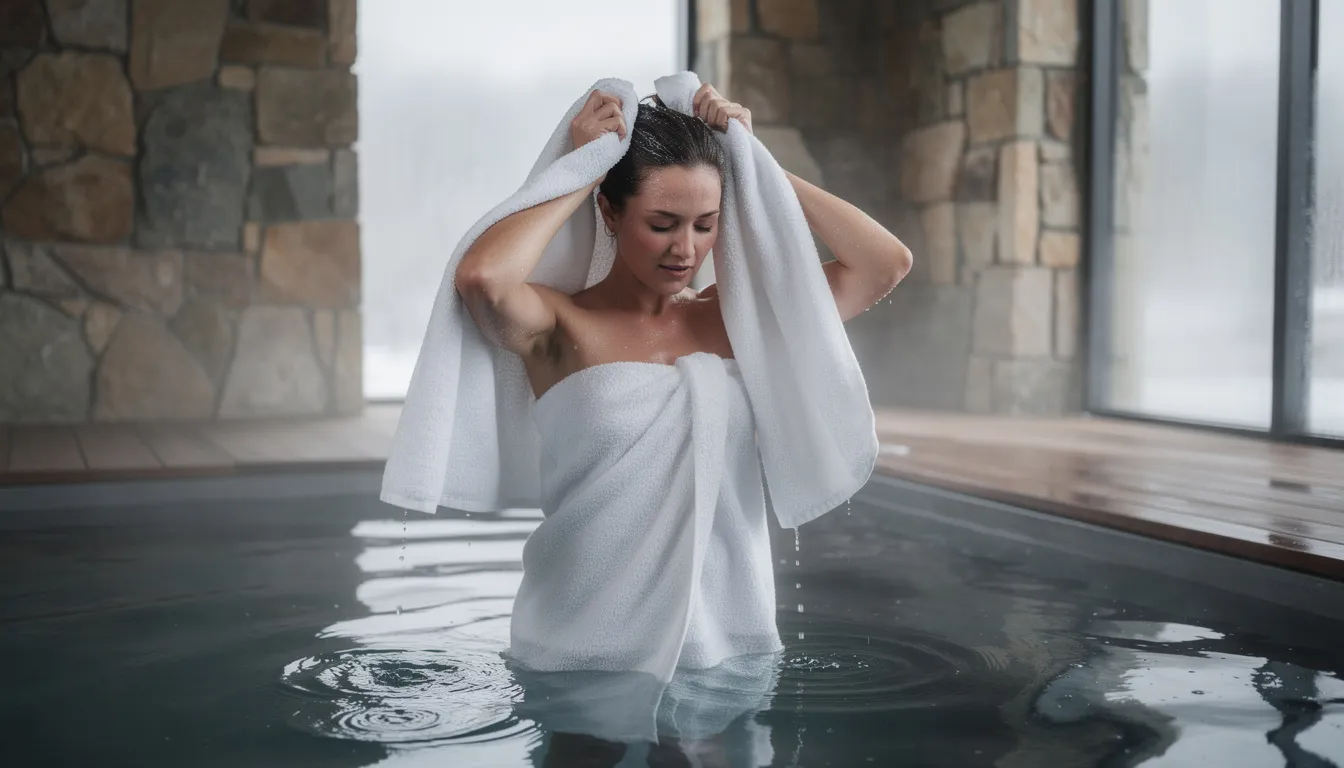
Cold plunges are one tool among many — movement, hydration, sleep, nutrition, and heat therapy all contribute to lymphatic health. Think of your cold plunge practice as part of a comprehensive approach rather than a standalone solution. The following sub-sections address each lifestyle pillar that supports sustained lymphatic function in 2026.
Movement
Daily low-to-moderate intensity exercise forms the foundation of healthy lymph flow:
- Aim for 30–45 minutes of walking, cycling, or yoga most days
- On non-plunge days, gentle rebounding (mini-trampoline) or brisk walking serves a similar lymph-pumping function
- A physical therapist can help design routines for those with mobility limitations
Heat and Contrast Therapy
Alternating SunHomeSaunas infrared or traditional sauna sessions with brief cold plunges may encourage vascular and lymphatic adaptation:
- Example protocol: 10–15 minutes of heat, then 1–3 minutes of cold
- This contrast supports well-being and recovery
- Older adults or those with heart conditions should use milder contrasts (warmer cold, cooler sauna, fewer cycles) under medical supervision
Hydration and Nutrition
Consistent fluid intake supports lymph fluid volume and kidney clearance:
- Most adults need roughly 2–3 liters of water daily, adjusted for body size and health conditions
- Increase fluids on sauna-plus-plunge days to compensate for sweating
- Eat a whole-food diet rich in colorful fruits, vegetables, and adequate protein for immune and tissue health
- Avoid ultra-processed, high-sodium foods that promote fluid retention and swelling
Sleep and Stress
Restorative sleep (7–9 hours for most adults) and stress management practices are crucial for immune and lymphatic balance:
- Meditation and breathwork support parasympathetic function
- Some people find earlier-day plunges energizing, while late-evening sessions might interfere with sleep
- Individualize your timing based on your response
Consistency and Tracking
Keep a simple log noting:
- Water temperature
- Time in plunge
- Movements performed
- Energy levels afterward
- Any changes in swelling, pain, or recovery
Reassess protocols every 4–6 weeks — especially for older adults — and adjust intensity or frequency based on subjective recovery and medical feedback. As the body of research on cold exposure and lymphatic health continues to expand through 2025 and 2026, staying informed helps you refine your approach.
Why Use a Dedicated SunHomeSaunas Cold Plunge for Lymph-Focused Sessions?
Precision, cleanliness, and comfort matter for repeated lymph-supportive sessions. A purpose-built cold plunge system stands apart from improvised tubs or makeshift ice baths. The home cold plunge system benefits of a dedicated unit — consistent temperature, clean water, and ergonomic design — directly addresses the variables that most affect safety and effectiveness in lymphatic practice.
Temperature Control
SunHomeSaunas cold plunge tubs allow users to set and maintain specific temperatures (50–60°F / 10–15.5°C) precisely. This matters because:
- Age-specific protocols require different temperature ranges
- Cardiovascular-safe practices depend on consistent, predictable cold exposure
- Guesswork with ice cubes creates inconsistent sessions
Clean Water and Hygiene
Advanced filtration and sanitation systems keep water clear and reduce the need for frequent draining. This makes frequent lymph-supportive sessions more practical and sanitary — important for those committed to regular practice as part of their cold plunge vs. ice bath for recovery comparison and long-term commitment.
Ergonomics and Safety
Design features that support safe movement include:
- Stable steps for controlled entry and exit
- Textured floors to prevent slipping during ankle pumps and knee bends
- Comfortable seating depths for proper immersion
- Sturdy edges to grip during trunk rotations
Home Wellness Integration
SunHomeSaunas offers both cold plunge tubs and premium infrared and traditional saunas, allowing you to design a full contrast-therapy routine at home tailored to your cardiovascular capacities. Pairing your cold plunge with a SunHomeSaunas infrared sauna provides a complete home sauna wellness system for lymphatic and immune health.
The right sauna accessories — from robes and towels to thermometers and timers — complete the setup and make every session smoother.
Enhance Lymphatic Drainage with Strategic Cold Plunge Techniques
Cold plunging offers powerful support for lymphatic drainage, but incorporating specific movement techniques during and after immersion amplifies these benefits exponentially. While the vasoconstriction and subsequent vasodilation from cold exposure naturally stimulates lymph flow, adding gentle limb movements, controlled breathing, and post-plunge mobility exercises creates a comprehensive protocol that addresses stagnation and supports detoxification at the cellular level.
For anyone dealing with inflammation, sluggish recovery, or immune concerns, understanding how to strategically move during cold exposure transforms a simple plunge into a targeted therapeutic intervention.
Ready to optimize your cold plunge practice for maximum lymphatic benefits?
SunHomeSaunas offers premium cold plunge tubs designed with adequate space for in-water movement techniques, along with expert guidance on protocols that support circulation and drainage. Contact us today to inquire about our cold plunge systems and receive personalized instruction on movement strategies, timing protocols, and complete lymphatic support techniques that will elevate your cold therapy practice from basic to transformative.
Frequently Asked Questions
How Often Should I Do Cold Plunge Lymphatic Movement Sessions?
Most healthy adults can start with 1–2 sessions per week, gradually building to 3–4 sessions if recovery and sleep remain good. The key is allowing adequate recovery between sessions and monitoring how your body responds — both subjectively and through any measurable changes in swelling or energy levels.
Frequency should be lower (once weekly) for adults over 60 or those new to both cold exposure and exercise. Consistency matters more than intensity for long-term adaptation. Listen for signs of overdoing it: persistent fatigue, poor sleep quality, or feeling "wired" after evening plunges are cues to reduce frequency or intensity.
Can Cold Plunges Replace Manual Lymphatic Drainage or Compression Therapy?
Cold plunges cannot replace prescribed treatments such as manual lymphatic drainage, compression garments, or pneumatic compression therapy for medical lymphedema. These are specific interventions delivered by a physical therapist or certified lymphedema therapist trained in precise lymphatic massage techniques, and cannot be self-directed.
Cold-plus-movement practices may serve as an optional adjunct for generally healthy individuals seeking general lymphatic support, but must be discussed with your healthcare provider if any lymphatic disease is present. Lymphedema is a serious condition that can worsen without proper treatment — always seek personalized protocols from certified professionals rather than relying on generic wellness advice.
Is There an Ideal Time of Day to Cold Plunge for Lymphatic Benefits?
Morning or early afternoon is often best for lymphatic-focused sessions. Cold exposure triggers a sympathetic response with elevated noradrenaline and dopamine — as documented in Huberman Lab's cold exposure research — that can be energizing and potentially interfere with sleep if done close to bedtime.
Pairing a morning plunge with short, focused movement and breathwork can help reduce limb heaviness and stiffness from overnight fluid pooling — a time when lymph collects in tissues due to inactivity. Track your own responses over 1–2 weeks to find your optimal timing, especially if you have variable blood pressure or sleep issues.
What If I Cannot Tolerate Very Cold Water but Still Want Lymph Support?
Start with cool rather than extreme temperatures — 59–64°F (15–18°C) with shorter exposures of 30–60 seconds. This approach works particularly well for older adults or those with mild cardiovascular concerns who still want benefits from cold exposure without the full physiological stress of deeply cold water.
Focus on diaphragmatic breathing and gentle ankle and shoulder movements even in moderately cool water. Movement itself is a major driver of lymph flow — the cold is an enhancer, not the only mechanism. For those who should avoid cold immersion entirely, these alternatives support lymphatic function without cardiovascular stress:
- Alternating warm showers with cooler finishes
- Light rebounding on a mini-trampoline
- Walking and brisk movement
- Yoga twists targeting the drain pathways
- Massage therapy focused on lymphatic vessels
Are There Signs That Cold Plunging Is Helping My Lymphatic System?
While results vary, some people notice improvements across multiple dimensions after consistent cold plunge practice. The Cleveland Clinic notes that proper lymph flow supports immune function, fluid balance, and waste removal — so improvements may manifest subtly across multiple systems rather than as a single dramatic change.
Common signs that the practice is working include:
- Reduced morning puffiness, especially in the face and extremities
- Improved limb lightness and less heaviness in legs
- Quicker recovery from workouts with less residual soreness
- Better skin appearance due to improved lymphatic circulation
- Enhanced relaxation and stress reduction
Citations and References
- National Institutes of Health – “The Effectiveness and Safety of Heat/Cold Therapy in Adults with Lymphedema: A Systematic Review."
- National Library of Medicine – “Resistance Training and Lymphedema in Breast Cancer Survivors.”
- PLOS One – “The Effect of Cold Showering on Health and Work: A Randomized Controlled Trial.”
- University Hospitals – “Taking the Polar Plunge: What to Know About Cold Water Therapy.”
- Cleveland Clinic – “Lymphedema: Symptoms, Causes, & Treatment.”
- Huberman Lab – “The Science & Use of Cold Exposure for Health & Performance.”
- Cleveland Clinic – “Lymphatic System: Function, Conditions & Disorders.”