


Should kids try cold plunges? Only with a pediatrician's approval and constant adult supervision. Cold water immersion is not a substitute for medical advice, and it is not recommended for young children or for any child with a heart condition, asthma or other breathing problems, or trouble regulating body temperature. Children are not small adults — they lose body heat faster and are more vulnerable to cold — so any cold exposure should be brief, gradual, closely watched, and cleared by a doctor first. Used this way, a cold plunge can be a safe, optional wellness ritual some families enjoy together — never a treatment for any condition.
This guide walks parents through the honest safety picture, what the research does and doesn't show for children, age-appropriate conventions, and how to make a first cold plunge calm and positive — so you can decide, with your pediatrician, whether it's right for your child.
Key Takeaways
- A pediatrician's sign-off comes first. Cold water immersion is not appropriate for every child, and it is never a treatment for any medical or emotional condition.
- Supervision is non-negotiable. An adult stays within arm's reach for the entire session, and access to any open water is restricted when it's not in use — drowning is the primary risk.
- Go short, warm, and gradual. Children lose heat faster than adults, so keep sessions brief and start at the warmer end of the range.
- Skip it entirely for children with heart conditions, asthma or breathing problems, or difficulty regulating body temperature.
Are Cold Plunges Safe And Beneficial For Children?

The honest answer is: sometimes, under the right conditions, with a doctor's okay. A cold plunge means briefly immersing the body in cold water. Most of what we know about cold-water immersion comes from studies in adults, and high-quality evidence in children is limited — so cold plunging for kids should be treated as an optional activity to do safely, not as a health intervention.
Whether it's safe for a particular child depends on their age and health, how cold the water is, how long they stay in, and how closely they're supervised. That's why the first step is always a conversation with your pediatrician, who can weigh your child's individual health before you start.
Older children who are curious about cold water can explore it safely when the experience is voluntary, brief, and supervised. Balancing a small, chosen challenge with clear safety limits is what keeps it positive — and it's the same mindset parents use with other heat- and cold-therapy activities.
What are the Emotional Benefits of Cold Plunging for Kids?
Some children and parents describe feeling calmer, more awake, or a sense of accomplishment after a short cold plunge, and a shared cold-water ritual can become a fun, positive family routine. These are subjective, individual experiences — not medical outcomes. Cold water is not a treatment for anxiety, anger, low mood, or any emotional condition, and it should never be used as one.
A brief, chosen cold plunge can, however, be a nice moment to practice calm, slow breathing techniques together and to talk about how the body reacts to cold. Parents who join in can help validate their child's feelings and keep the mood light. If your child is struggling with emotional regulation or mental health, talk to your pediatrician — a cold plunge is not a substitute for that support.
How Can Cold Water Immersion Build Mental Resilience In Kids?
Voluntarily doing something a little uncomfortable — then warming up and feeling fine again — can give a child a sense of "I did it." Many families frame a short cold plunge as a fun challenge and a chance to practice a calm, can-do mindset rather than an endurance test.
The key word is voluntary. Never force, dare, or pressure a child into cold water. Positive self-talk helps: explaining that their body is simply reacting to the cold and adjusting can make the experience feel manageable. You can read more on gradually building cold-water tolerance at a comfortable pace. Any "resilience" here is about attitude and confidence — not a physiological or medical result.
What are the Physical Health Benefits of Cold Plunging?
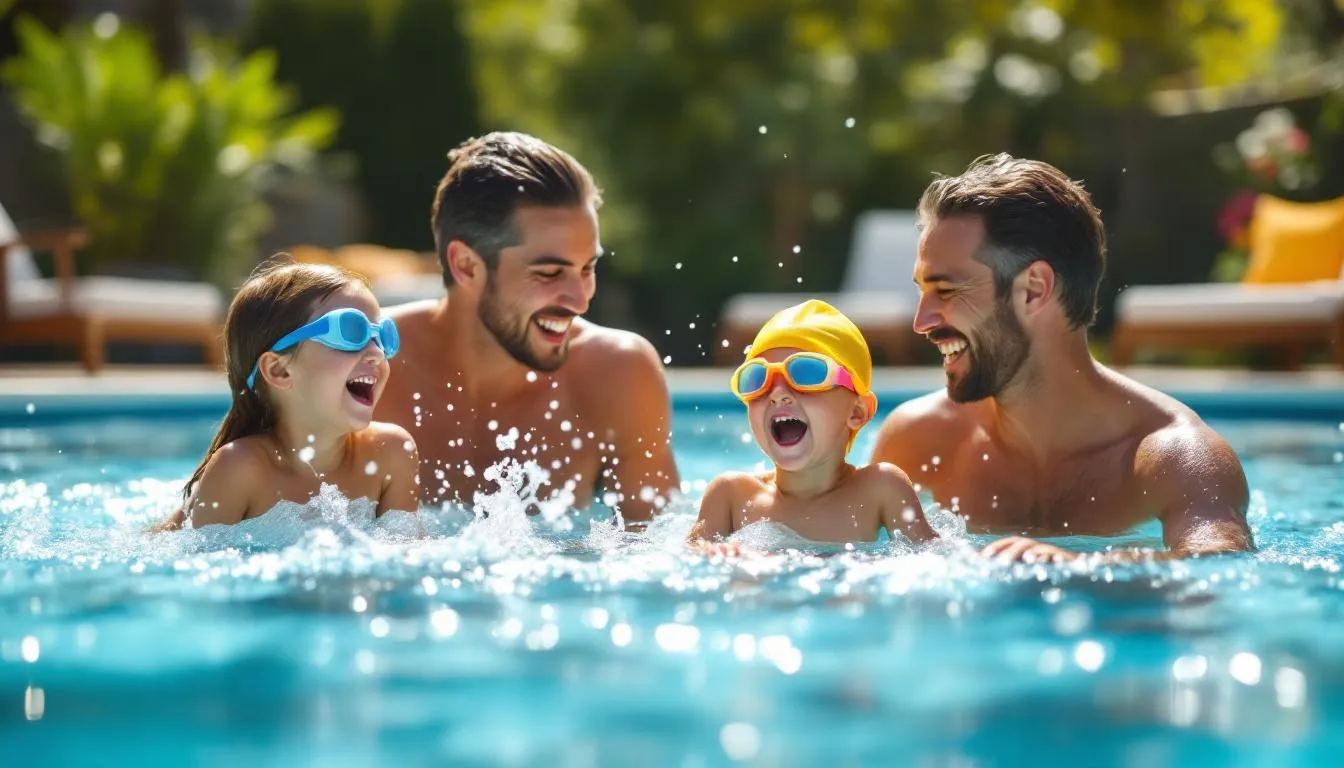
Here's the honest picture. Research on cold-water immersion has mostly studied adults, where it produces measurable short-term physiological responses — a spike in heart rate, faster breathing, and a rise in stress hormones, often called the "cold shock" response (Srámek et al., 2000). Whether those responses translate into lasting physical benefits for growing children has not been established, so treat physical "benefits" for kids as unproven and keep the focus on safety.
Young athletes sometimes use brief cold immersion for post-exercise comfort. If that's your situation, do it only with guidance from your pediatrician and coach, keep sessions short, and pay attention to how your child feels rather than chasing any performance claim. Some families pair cold exposure with home sauna use for a hot-then-cold ritual — again, an optional experience, not a medical protocol.
Which are the Safety Tips for Cold Plunging with Kids?
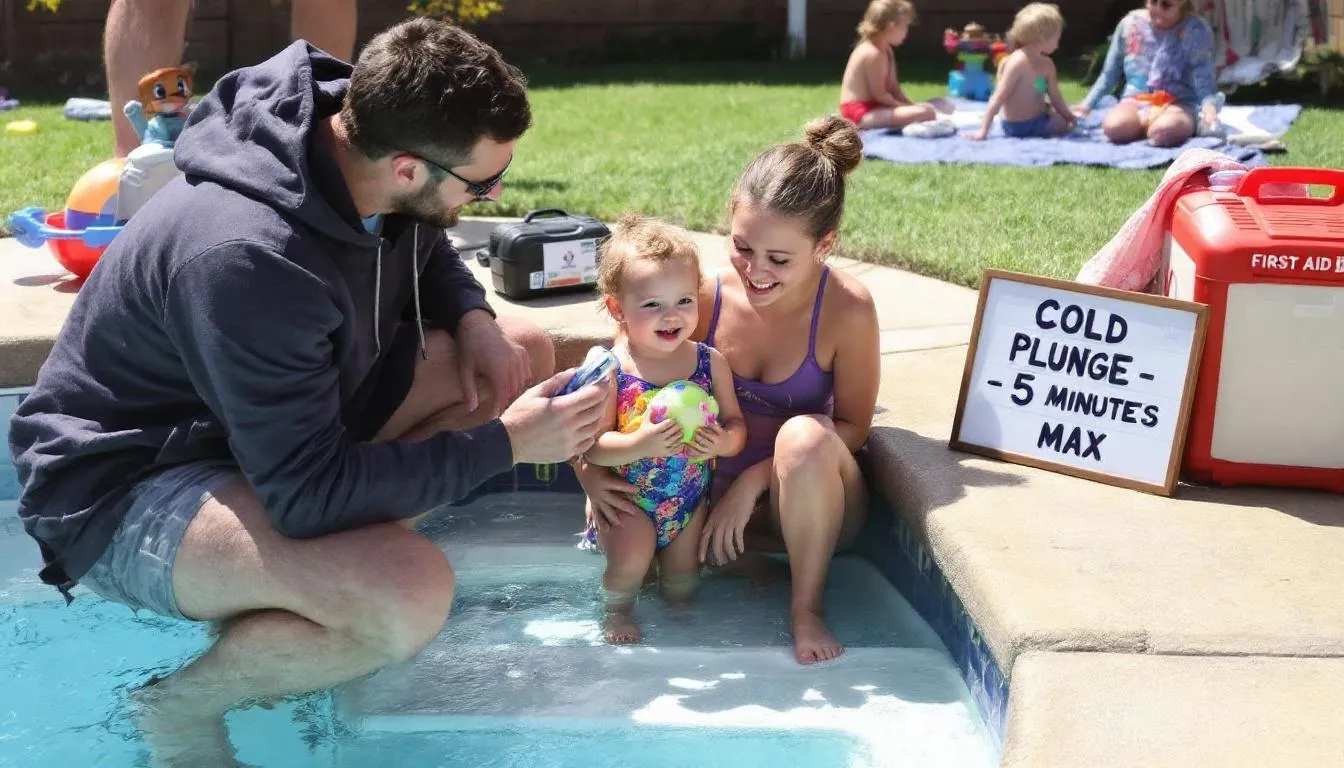
Close supervision is the single most important rule. An adult should stay within arm's reach for the whole session, and access to any cold plunge tub or open water must be restricted when it's not in use, because drowning is a real risk for children. Because children lose heat faster than adults, watch them closely and keep sessions short.
Watch for warning signs and end the session immediately if you see them: intense or uncontrollable shivering, numbness, pale or bluish lips or skin, confusion, or the child simply wanting out. Warm your child up gently afterward. Hypothermia is a serious risk in cold water, so err on the side of shorter and warmer (CDC, Hypothermia). To keep sessions safe and comfortable:
- Reduce the risk of electrical shock by keeping the plunge, chiller, and any devices away from splashing water, on a dedicated GFCI circuit, and unplugged when not in use.
- Never force a child into a cold plunge — keep it voluntary and encourage gradual exposure.
- Talk about the cold in a calm, positive way beforehand to reduce fear.
Age-Appropriate Guidelines for Cold Therapy
The ranges below are widely cited starting conventions that cautious families use — not medical prescriptions. Your pediatrician sets the right limits for your child, and any child with a health condition should skip cold plunging until a doctor clears it.
- Cold plunging is generally not recommended for young children (under about 8).
- Older children who are cleared and supervised usually start with very short exposures at the warmer end of the range and only lengthen slightly over time.
- Keep water no higher than the shoulders for kids, and never let a child submerge past neck level.
- Always consult a pediatric professional before introducing cold therapy so it's safe and appropriate for your child.
Age Group |
General Convention (pediatrician sets actual limits) |
Suggested Duration |
Primary Goal |
Under 8 |
Not recommended |
0 minutes |
Safety first |
Ages 8–12 |
60°F – 65°F (warmer end) |
30–60 seconds |
Curiosity & confidence |
Ages 13–17 |
50°F – 59°F |
1–2 minutes |
Optional recovery/comfort |
Any child with a health condition |
Consult doctor first |
Avoid until cleared |
Risk management |
How Can Parents Create A Positive Cold Plunging Experience For Kids?
Specific, encouraging praise makes the experience feel rewarding without turning it into a competition. A few guidelines:
- Avoid comparative praise — each child's experience with cold water is personal and unique.
- Acknowledge your child's effort regardless of how long they stayed in.
- Focus on effort and attitude rather than seconds on the clock.
To help a child feel in control and safe:
- Start at a gently cool temperature and let them acclimate before going any colder.
- Build a low-key ritual — let them dip a hand or foot first — to ease any apprehension.
- Walk them through what to expect before, during, and after, so nothing feels like a surprise.
How to Address Common Concerns and Misconceptions
A few myths lead parents astray. Clearing them up keeps kids safer:
- "Colder is better." Not for children. Colder water means higher risk with no proven added benefit for kids — warmer and shorter is the safer choice.
- "Longer means more benefit." For children, longer immersion mainly raises the risk of hypothermia. Keep it brief.
- "Kids handle cold like adults." They don't. Children have a higher body-surface-area-to-mass ratio and exchange heat with their environment faster than adults do (Falk & Dotan, 2008), so they cool down more quickly.
- "If my child can swim, water access is fine." Drowning is still a leading risk. Keep any cold plunge covered or locked when not in use and never leave a child unattended near it.
Practical Tips for Starting Cold Plunges at Home
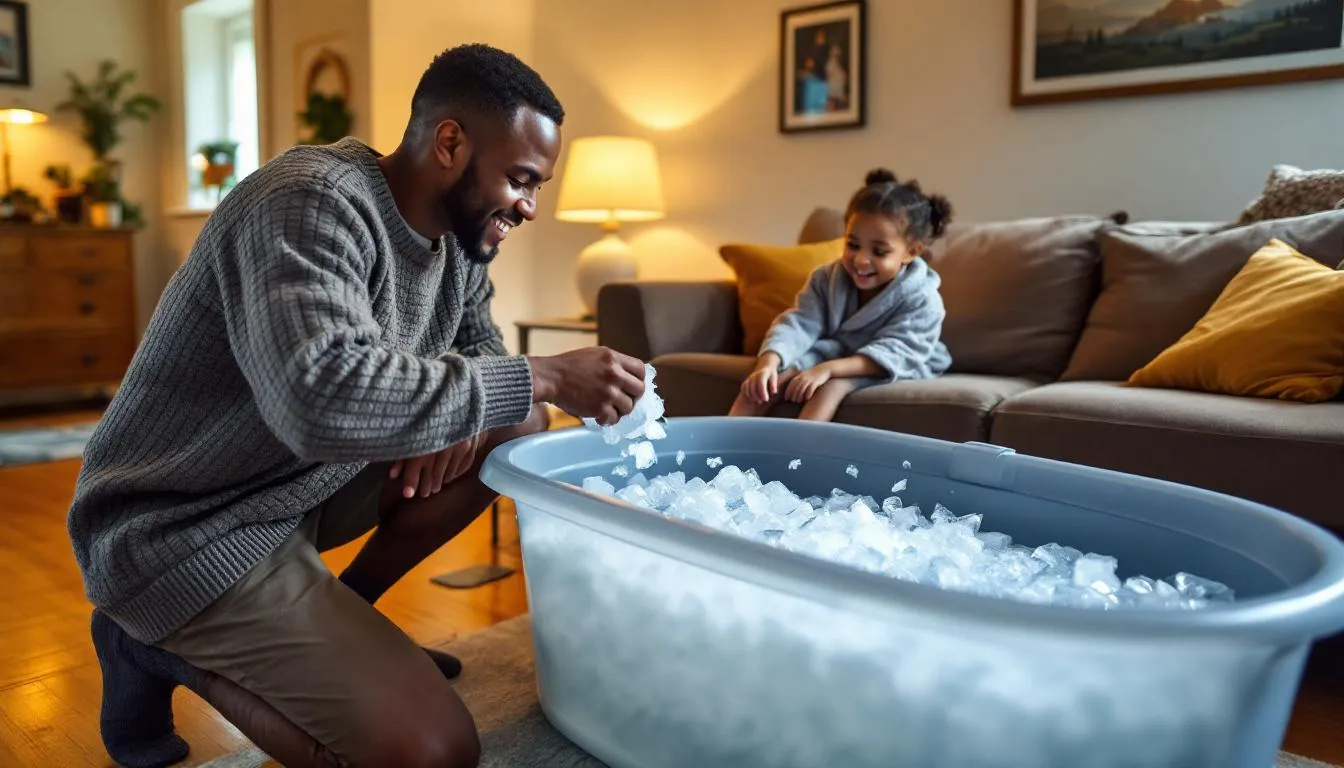
Start warmer than an adult would. Adjustable home plunges make this easy — the Sun Home Cold Plunge Pro runs from 32°F to 70°F and holds 150 gallons, so you can set a gentle 60–65°F starting point instead of an ice-cold plunge. Keep the water shallow enough for your child to stay in control, never above the shoulders for younger kids, keep the session short, and have a warm towel and dry clothes ready before they get in.
Child-proof the setup: keep the tub covered or locked when not in use, keep electrical components away from splashing water and on a GFCI circuit, and stay within arm's reach the entire time. If your child seems cold, uneasy, or just wants out, the session is over — that's a win, not a failure.
Community Support and Resources
Online parenting communities can be a helpful place to swap encouragement and practical tips about introducing kids to cold water. Hearing how other cautious families approach it can boost your confidence — just remember that community advice never replaces your pediatrician's guidance for your own child.
Summary
Cold plunging can be a safe, optional, and even fun ritual for older kids — but only with a pediatrician's okay, close supervision, warm-and-short sessions, and zero pressure. It is not a treatment for any physical or emotional condition, the physical "benefits" studied in adults are not established for children, and young kids and those with heart, breathing, or temperature-regulation issues should skip it. Approached calmly and safely, a shared cold plunge can build confidence and a fun family memory. Curious whether it fits your family? Start with your pediatrician, then explore safe, adjustable cold plunge options together.
References
- Srámek, P., Simecková, M., Janský, L., Savlíková, J., & Vybíral, S. (2000). Human physiological responses to immersion into water of different temperatures. European Journal of Applied Physiology, 81(5), 436–442. https://doi.org/10.1007/s004210050065
- Falk, B., & Dotan, R. (2008). Children's thermoregulation during exercise in the heat: a revisit. Applied Physiology, Nutrition, and Metabolism, 33(2), 420–427. https://doi.org/10.1139/H07-185
- CDC. (2019, February 8). Hypothermia | Winter Weather. Centers for Disease Control and Prevention. https://www.cdc.gov/disasters/winter/staysafe/hypothermia.html