


What is the Role of Ice Baths in Building Grit with Kids?
Ice baths can help build grit in kids by offering a controlled, short-term challenge that strengthens resilience and emotional regulation. When used safely with guidance, the discomfort teaches perseverance, calm breathing, and stress management. The goal is to help kids practice coping skills, develop confidence, and understand they can handle difficult sensations in a supportive environment. In this article, we’ll learn how controlled cold exposure can enhance resilience and mental toughness in kids.
Key Takeaways
· Grit is a teachable trait influenced by environmental factors
· Cold exposure, such as ice baths and the cold plunge tub for home, enhances mental toughness
· Safe practices for introducing ice baths to children include gradual exposure, monitoring discomfort, and fostering a positive mindset
What is Grit and why is it important for Kids?
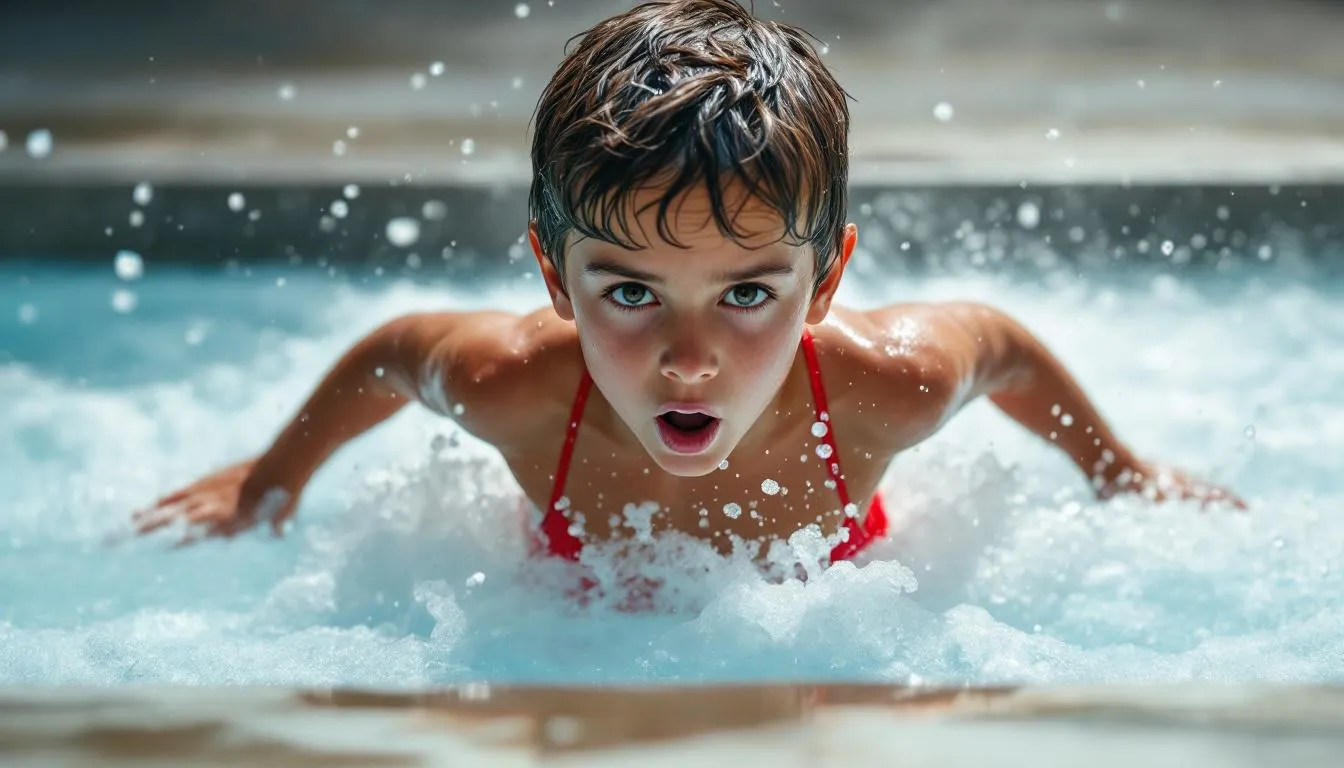
Grit is the combination of perseverance, resilience, and long-term commitment to goals, even when challenges or setbacks arise. It’s not about talent but about consistently showing up, trying again, and staying motivated through difficulty. For kids, grit is especially important because it helps them build confidence, problem-solving skills, and emotional strength.
Children who learn to persist develop a growth mindset, the belief that abilities improve with effort, making them more willing to take on challenges instead of avoiding them. This mindset supports academic success, healthier coping habits, and stronger self-esteem. Grit also prepares kids for real-life situations where effort, patience, and adaptability matter. By practicing manageable challenges and reflecting on their progress, children learn that progress often comes from persistence, not instant success.
Moreover, children who develop grit are more likely to adopt a growth mindset, viewing challenges as hard things to learn and grow rather than insurmountable obstacles. This powerful tool not only enhances their mental toughness but also positively impacts their overall well-being.
How Cold Exposure Builds Mental Toughness in Kids
Cold exposure through cold plunge tubs and regular ice baths can help build mental toughness in kids only when done safely, gently, and with adult supervision. Short, mild cold-water experiences introduce controlled discomfort that teaches children how to stay calm under stress. The body’s natural response to cold triggers deep breathing and focus, helping kids practice emotional regulation. When they learn to manage these sensations with support, they gain confidence in their ability to handle challenging moments.
Cold exposure also activates brain areas involved in self-control and resilience, reinforcing a “I can do hard things” mindset. Because the challenge is brief and guided, kids experience success without being overwhelmed. This builds a positive association with perseverance rather than fear or avoidance.
What is the Science Behind Ice Baths and Resilience?
Immersion in the cold plunge tub leads to significant changes in heart rate and respiratory activity, linked to immediate psychological benefits. During cold water immersion, physiological reactions occur, such as:
· Adrenaline spikes
· Increased breathing
· Blood vessel constriction
These adjustments activate the parasympathetic nervous system, leading to a sense of calmness. Cortisol levels also drop after cold water immersion and remain low for up to three hours, contributing to resilience. Improved brain activity has also been observed in neurological scans following ice baths, indicating enhanced brain function, which may play a role in reducing inflammation.
Functional connectivity within the brain improves following cold-water immersion. Studies show that participants reported feeling more energetic and less anxious after a cold-water bath, indicating a shift towards positive emotional states and aiding recovery.
What Safe Ice Bath Practices should you Introduce to Kids?
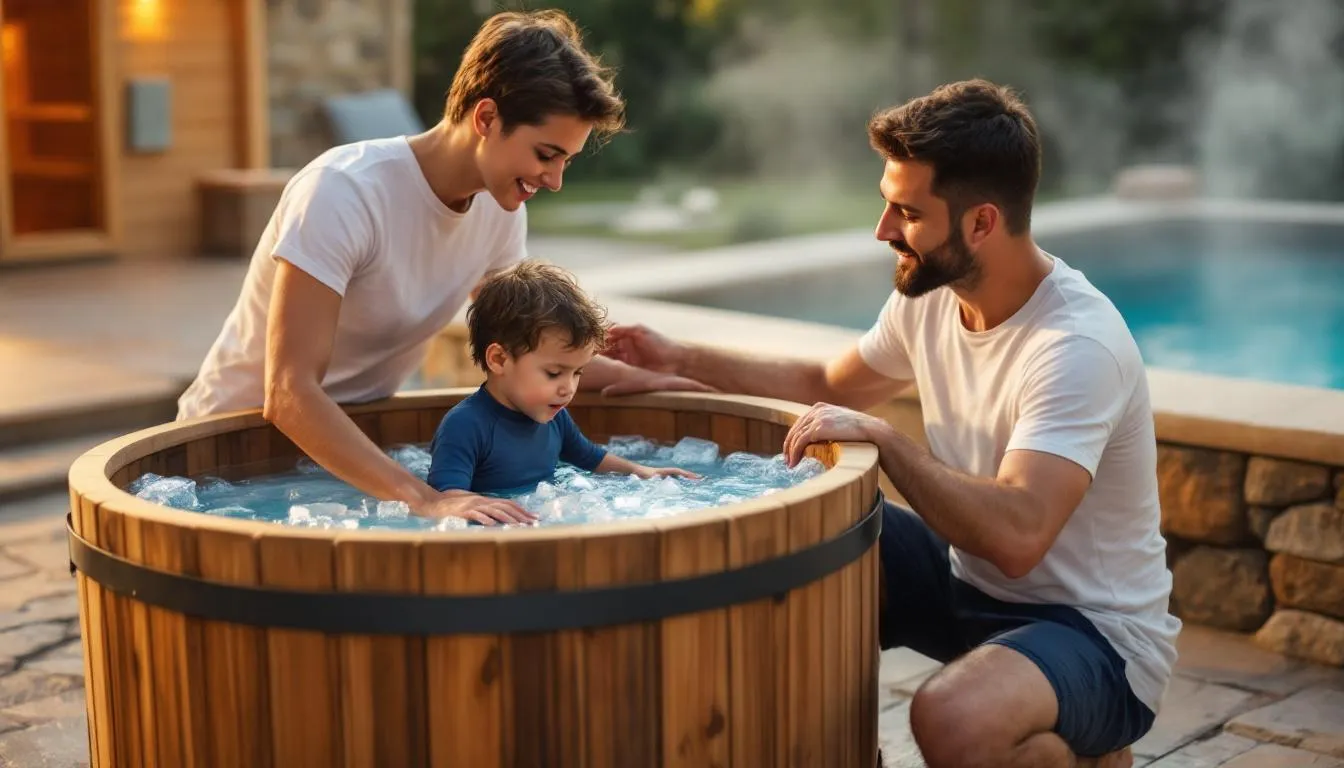
Introducing ice baths to kids should be done with caution and care. Here are some important guidelines:
· Children should never be forced into cold immersion; encouragement should be the primary approach
· Start with brief exposure
· Gradually increase the duration as they acclimate
Checking for signs of discomfort, such as excessive shivering or confusion, is crucial during cold exposure. Ensure that children are well-hydrated and warm before entering cold water. Consulting with a pediatrician before starting immersion practices for children at home or in a commercial cold plunge tub wellness centre is highly recommended.
Since children’s ability to regulate their body temperature is not fully developed, they are more susceptible to temperature extremes. Cold plunges below 50°F should only be undertaken with professional guidance to minimize health risks for children. Encourage them to listen to their bodies during cold plunges to avoid overwhelming discomfort or adverse effects.
How to Encourage a Positive Mindset During Ice Baths
Fostering a positive mindset during ice baths is crucial for children. Parents can model positive self-talk by verbalizing calming thoughts during the ice bath to reinforce a constructive mindset.
Encouraging self-reflection through open-ended questions helps children recognize their emotions and progress during ice baths. Practicing strategies for emotional regulation, such as breathing techniques, empowers children to manage discomfort and build resilience while fostering self awareness.
These positive reinforcement techniques not only help children stay calm during cold exposure but also improve mood and their self-esteem, leading to positive effects on their brain and body.
How to Build a Routine for Consistency and Progression
Building a routine for ice baths involves:
· Engaging in ice bathing consistently
· Regular practice on a regular basis to fully experience the mental home cold plunge system benefits
· Starting small with just a minute or two daily can significantly impact a cold plunge routine. Techniques to enhance resilience during cold plunging include:
· Lowering the water temperature
· Extending the duration
· Dunking the head
· Moving limbs
To reap mental health benefits, cold plunges should be done for 1–2 minutes a few times a week. Investing in a premium cold plunge tub with a water chiller can help kids maintain a long-term routine.
Real-Life Examples of Grit Through Ice Baths

One seven-year-old boy enjoys ice baths and believes they give him ‘super powers,’ demonstrating how the practice can foster resilience in children. His mother shared that her son feels empowered and describes his experience with ice baths and home sauna use as one that give him ‘super powers’.
Parents who use ice baths with their children often face skepticism but report positive changes in their children’s energy and mood. Children who engage in ice baths often experience a boost in energy and a sense of exhilaration following their sessions.
One parent advocates for the gradual introduction of cold exposure to children, making the experience enjoyable and beneficial.
How to Address Common Concerns and Misconceptions
Addressing common misconceptions about ice baths for kids is essential. It is crucial to consult with a pediatrician before beginning cold water immersion practices. This ensures the safety and well-being of children during such activities. The recommended age for short, safe sessions of cold water for kids interested in sports is ages 11–14.
When introducing cold water immersion, there are several factors to consider. These include age, physical development, and individual tolerance. Risks associated with ice-cold immersion for children include faster heat loss, potential hypothermia, stress overload, and cultural pressure. Supervision during ice bath sessions is crucial to ensure safety and help children recognize their limits.
There is currently no scientific evidence regarding the long-term effects of cold exposure on children. This includes potential impact on their hormonal, immune system, or nervous systems. Cold exposure can create a momentary feeling of euphoria after emerging from the cold.
Summary
Ice baths can be a powerful tool in building grit and resilience in children. By understanding the science behind cold exposure, practicing safe introduction methods, and fostering a positive mindset, parents can help their kids develop mental toughness and emotional regulation.
Encouraging consistency and gradual progression in ice bath routines can lead to lasting cold plunge therapy health benefits. Embrace this unconventional method to transform challenges into opportunities for growth, ultimately empowering children to face life’s obstacles with confidence and resilience.
Frequently Asked Questions
Do autistic kids like cold water?
Many autistic kids may find cold water beneficial as it provides a sharp and grounding sensation amidst sensory chaos. However, preferences can vary widely among individuals.
What age is appropriate for kids to start ice baths?
Kids aged 11–14 can start experiencing short, safe sessions of ice baths, especially if they are involved in sports. It's important to ensure proper supervision and guidance during these sessions for safety.
How long should kids stay in an cold plunge or ice bath?
Kids should start with ice bath sessions of just a couple of minutes to ease into the experience. Gradually increasing the time can help them adjust more comfortably.
Are there any risks associated with ice baths for children?
Yes. Ice baths can pose risks for children, including rapid heat loss, hypothermia, and potential stress overload. It is essential to consult a pediatrician before allowing children to participate in such activities.
How can I ensure my child has a positive experience during an ice bath?
To ensure your child has a positive experience during an ice bath, model positive self-talk, offer specific praise, encourage self-reflection, and practice breathing techniques together. These strategies will help foster a positive mindset and make the experience more manageable.