


Are you looking to create your own private wellness sanctuary without leaving home? Your backyard holds untapped potential to become a daily retreat where outdoor infrared sauna sessions, rejuvenating cold plunges, and mindful movement create a complete wellness experience. Whether you have a compact urban lot or a spacious estate, intentional design can transform any outdoor space into a health-focused haven.
This comprehensive guide shows you how to create a backyard wellness retreat with premium outdoor saunas, cold-therapy systems, and strategic design elements. You'll discover practical layouts, technical specifications, and maintenance strategies that ensure your investment delivers daily wellness benefits for years to come.
Key Takeaways
- Any backyard—from a compact suburban lot to a large estate—can become a daily wellness retreat with intentional zones for heat, cold, movement, and relaxation.
- SunHomeSaunas' premium infrared and traditional outdoor saunas, cold plunge tub for home systems, and accessories form the backbone of a backyard wellness setup built for daily ritual, not occasional use.
- Smart placement, privacy landscaping, and weather protection ensure your outdoor infrared sauna space is usable year-round, not just during summer months.
- Essential technical considerations include ventilation system specs (3-8 air changes per hour depending on sauna type), moisture control strategies (1-2% grade slopes, proper drainage), and safe electrical planning for saunas and cold plunges.
What Are the Basics of Creating a Backyard Wellness Retreat?
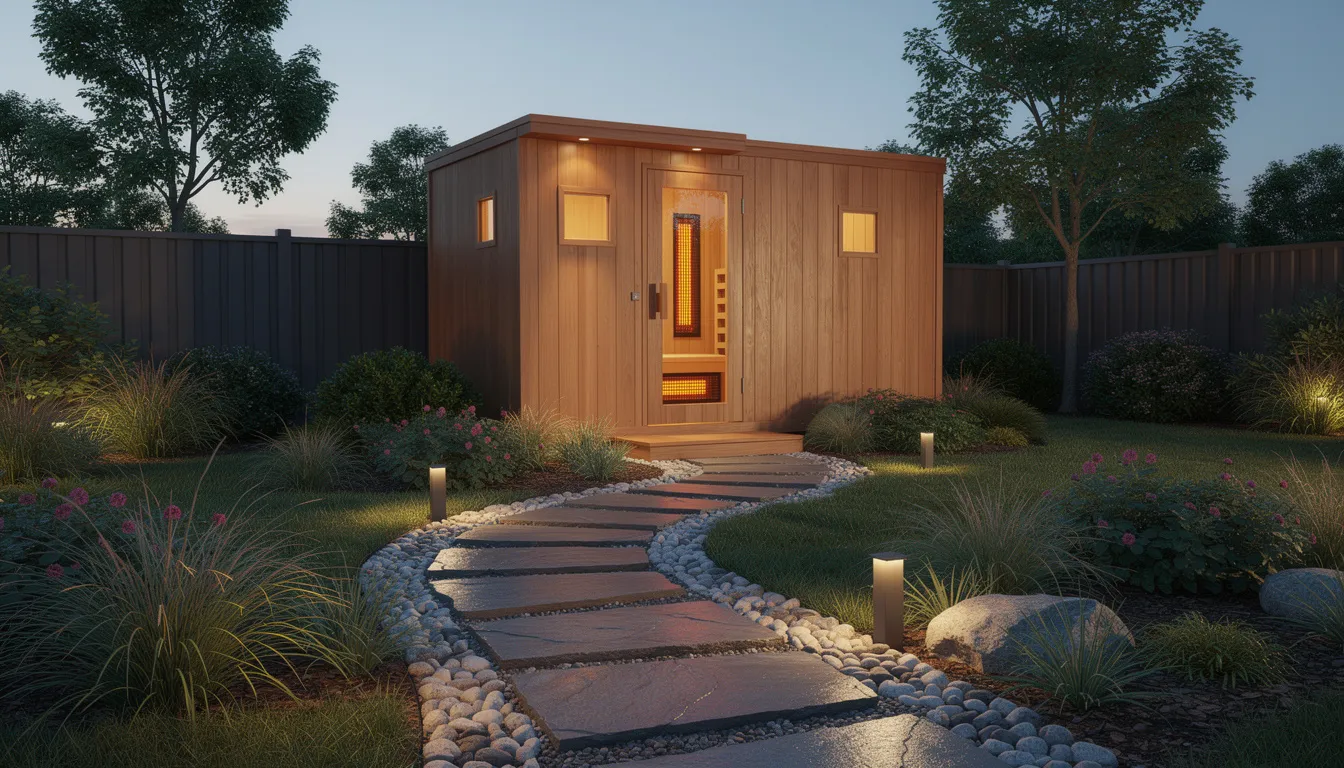
Picture this: It's 6:45 PM on a Tuesday in late October. You step out your back door, the autumn air crisp against your skin. Within 30 seconds, you're settling onto the warm cedar bench of your 2-person infrared sauna, positioned just outside, with the heaters already glowing at 125°F.
Fifteen minutes later, you emerge relaxed and ready. A quick three-minute cold plunge sharpens your focus, and then you're stretching under soft string lights while the last bit of daylight fades. The whole routine takes less than thirty minutes, and it happens in your own backyard.
This is what backyard wellness looks like when it's designed with intention.
Understanding Backyard Wellness Concepts
Backyard wellness is not just an outdoor space with a few nice features scattered around. It's an intentional mix of heat therapy, cold therapy, movement, and quiet contemplation—designed around daily rituals rather than occasional weekend use. The goal is to create a wellness-focused outdoor space that functions as seamlessly as your kitchen or home gym.
The core elements of an effective backyard wellness retreat are detailed in the table below:
|
Element |
Purpose |
Example |
|
Outdoor sauna |
Heat therapy, circulation, and muscle recovery |
SunHomeSaunas infrared or traditional cabin |
|
Cold plunge tub |
Contrast therapy, inflammation control, and mental clarity |
Temperature-controlled plunge at 39-55°F |
|
Recovery seating |
Post-session cooldown, relaxation |
Shaded loungers or cushioned benches |
|
Movement deck |
Yoga, stretching, bodyweight exercises |
8' x 12' composite or sealed concrete platform |
|
Sensory elements |
Ambiance, mood enhancement |
Water features, outdoor speakers, and fragrant plants |
|
Privacy landscaping |
Psychological comfort, escape feeling |
Evergreen hedges, slat screens, living walls |
Whether you're working with a 10' x 20' side yard in Brooklyn or a quarter-acre lot in Austin, these elements can be scaled and adapted. SunHomeSaunas partners with homeowners who want that luxury wellness feel without building a full resort-style pool complex. The result is a personal wellness retreat that's accessible every single day.
How Do You Start with Vision and Layout for Your Yard?
Before ordering a single piece of equipment, spend time envisioning how you'll actually use the space. Think through a typical week: maybe it's a pre-work sauna session at 6 AM on Tuesday and Thursday mornings, followed by a quick ‘cold plunge vs ice bath for recovery’ decision based on your training schedule.
Saturdays might be family cold plunge challenges after morning runs. Sunday evenings could mean a long sauna session paired with gentle stretching under the stars. This kind of weekly rhythm informs every placement decision.
A sauna positioned near the primary bedroom makes those early weekday sessions practical. A movement deck visible from the kitchen lets you supervise kids doing yoga while you prep dinner.
Mapping Sun, Shade, and Wind
Walk your yard at multiple times of day and across seasons before placing large features. The corner that catches the beautiful morning sun in July might sit in the cold shadow by November. In Minneapolis, you'll want to capture every bit of winter sun for post-sauna warmth. In Phoenix, you're seeking afternoon shade to prevent structures from overheating.
Pay attention to prevailing winds as well. A cold plunge positioned in a wind tunnel feels brutal in winter, while gentle airflow near the sauna entrance helps with ventilation without creating drafts.
Creating Clear Zones
Sketch your layout with four distinct zones in mind:
- Heat Zone: Your sauna placement, with clear door access and electrical routing
- Cold Zone: Plunge tub or cold plunge pool with drainage and non-slip surfaces
- Movement Zone: Deck or turf area for yoga, stretching, and fitness
- Quiet Zone: Comfortable seating, fire feature, fountain, or hammock for recovery
Practical spacing matters more than most homeowners realize. Leave 3-4 feet of clearance around sauna doors so they can swing fully open. Plan safe walking paths from the house—ideally with low-voltage lighting for night sessions. Position hot and cold features 6-8 feet apart to allow circulation space and a spot for towel hooks or a small bench.
Example Layout A: 12' x 24' Side Yard
- 4' x 6' infrared sauna against fence
- 3' x 5' cold plunge tub opposite, 6' away
- 4' x 8' gravel pad with two Adirondack chairs between
- Stepping stones connecting to house door
Example Layout B: 30' x 40' Full Backyard
- 6' x 8' traditional outdoor sauna in rear corner with privacy hedge
- Cold plunge pools centered 8' in front of the sauna
- 12' x 16' composite movement deck adjacent
- Covered seating pavilion with a fire table at the yard center
- Gravel pathway connecting all zones to the main patio
How Do You Install a Sauna as Your Backyard Wellness Anchor?
The sauna is the anchor of your outdoor wellness space. It's where you'll spend the most time, where the deepest relaxation happens, and where the health benefits compound session after session.
Regular sauna use supports circulation, accelerates muscle recovery after strength training, reduces stress hormones, and improves sleep quality. Research shows that heat exposure helps promote circulation throughout the body while encouraging the kind of deep relaxation that modern life rarely allows.
SunHomeSaunas Offerings
SunHomeSaunas provides three main categories of outdoor saunas, each suited to different preferences:
|
Sauna Type |
Temperature Range |
Session Length |
Best For |
|
Full-spectrum infrared |
110-135°F |
20-40 minutes |
Deep tissue penetration, detox, joint relief |
|
Far-infrared |
110-130°F |
25-45 minutes |
Gentle heat, beginners, longer sessions |
|
Traditional outdoor |
170-195°F |
10-20 minutes |
Classic experience, higher heat, steam optional |
All models feature sustainable woods like Canadian hemlock and Nordic spruce, built to withstand North American weather patterns. The plug-and-play design works with typical 120V or 240V home setups, with low-EMF heater technology that minimizes electromagnetic exposure while delivering fast warm-up times.
Design touches that elevate the experience include cedar or thermally modified wood decks extending from the sauna entrance, frosted glass doors or panels for privacy without blocking natural light, built-in towel hooks and small shelving, optional red light therapy panels for added skin and recovery benefits, and integrated chromotherapy lighting for mood enhancement.
Choosing and Positioning the Right Sauna
Three common outdoor scenarios work well for sauna placement:
- Corner of a fenced backyard: Maximum privacy, easy utility routing along fence line, potential for L-shaped landscaping to create a secluded nook.
- Edge of a pool or plunge area: Creates a natural circuit for contrast therapy, shared deck space reduces costs, excellent for entertaining.
- Side-yard corridor near primary bedroom or gym: Minimizes distance for daily use, keeps main backyard open for other activities, works well for early-morning sessions.
Regardless of location, place saunas on level, non-combustible surfaces. Concrete pads work reliably. Porcelain pavers on adjustable pedestals offer a premium look. Composite deck platforms rated for the sauna's live load (typically 50-100 lbs. per square foot) provide warmth underfoot.
Privacy considerations include orienting doors away from neighbors' second-story windows, using 6-8 foot evergreen hedges (arborvitae in the Midwest, podocarpus in warmer regions), adding lattice screens or horizontal cedar slat panels, and choosing frosted glass for side panels where clear glass would expose the interior.
Climate-specific tips help optimize year-round use. In Chicago, position it for maximum southern winter sun exposure. In Southern California, create afternoon shade with pergolas to reduce ambient heat buildup. In the Pacific Northwest, ensure drainage slopes away from the unit and add small roof overhangs to protect the entrance from rain.
Route electrical lines in conduit from the main panel to the sauna location. A licensed electrician must confirm local code requirements—this is non-negotiable for safety and insurance purposes.
What Are the Ventilation and Moisture Control Requirements?
Even outdoor saunas need controlled ventilation to manage heat, oxygen, and humidity. This is especially critical for traditional models that produce steam and condensation, though infrared saunas also benefit from proper airflow.
Typical Ventilation Layout
The standard configuration includes one intake vent near the heater or at floor level on the door wall, one exhaust vent high on the opposite wall or ceiling, and vent sizing per manufacturer specifications (typically two 4"-6" circular vents for a 2-4-person cabin).
Recommended Airflow Rates
|
Sauna Type |
Air Changes Per Hour |
Notes |
|
Infrared |
3-6 |
Lower humidity production, gentler ventilation needs |
|
Traditional |
6-8 |
Higher moisture output requires more air exchange |
SunHomeSaunas units are pre-engineered for these ranges, requiring only the correct installation of the vent paths during setup.
Moisture Control Tactics
Moisture management extends the life of your investment dramatically:
- Sloped floors: A gentle slope toward a small drain prevents water pooling
- Moisture-resistant subfloor materials: Marine-grade plywood or composite underlayment
- High-temperature sealants: Applied at all wood joints to prevent water intrusion
- Exterior overhangs or awnings: Keep rain off doors and windows
- Humidity targets: Maintain 40-60% relative humidity inside enclosed structures
Post-Session Routines
Simple habits preserve wood longevity and prevent mildew:
- Leave doors slightly ajar for 30-60 minutes after each session
- Run any built-in fans during the cooldown period
- Wipe benches with a dry towel to remove moisture
- Check vents periodically for debris or blockages
- Reseal exterior wood every 1-3 years, depending on climate exposure
How Do You Add a Cold Plunge or Spa for Contrast Therapy?
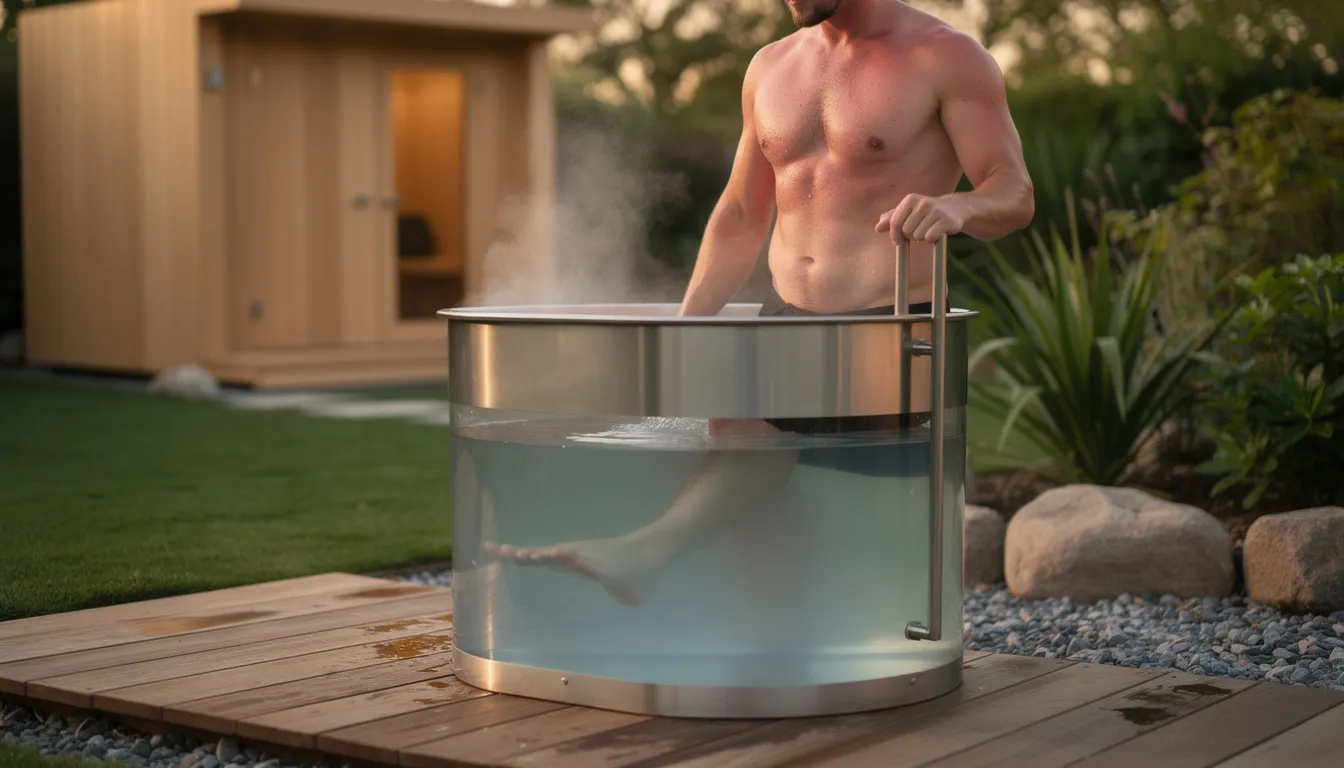
Contrast therapy—alternating sauna heat with cold water exposure—is one of the most effective recovery protocols available. The temperature swing helps with muscle recovery, reduces inflammation, enhances mental clarity, and builds mental resilience over time.
A well-designed home cold plunge system setup maintains water at 39-55°F consistently. Typical sessions last 2-4 minutes after a sauna round, though many clients gradually build up to this over the first few weeks.
Placement Tips
Position plunge tubs 5-10 feet from the sauna door for quick transitions while keeping enough space for safe walking and towel use. The path between the hot and cold areas should be clear, non-slip, and well lit for evening sessions.
Practical considerations include GFCI-protected outlets for chillers (required by code in most jurisdictions), drainage planning for water changes (every 2-4 weeks with heavy use), non-slip pavers or rubber mats surrounding the plunge area, and towel hooks or a small bench within arm's reach of the tub.
Complementary Features
Pair cold plunges with outdoor showers for a quick rinse between heat and cold cycles. A simple outdoor shower with temperature mixing lets you adjust from warm rinse to cold blast, adding another layer to your contrast therapy routine.
For those who prefer gentler cold exposure, a hot tub set to neutral temperatures (85-90°F) can serve as an intermediate step between sauna heat and cold plunge, especially for guests or family members new to the practice.
How Do You Create Covered and All-Weather Zones?
Year-round usability is what transforms a nice backyard into a true wellness retreat. In regions with rain, snow, or intense sun, covered zones become essential rather than optional.
Structure Options
|
Structure Type |
Best For |
Considerations |
|
Wood or aluminum pergola |
Partial shade, vine support, open feel |
Allows some rain through, good for mild climates |
|
Clear polycarbonate roof panels |
Full rain protection while maintaining light |
Traps heat in summer, needs ventilation |
|
Fully roofed pavilion |
Complete weather protection, year-round use |
Higher cost, requires permits in most areas |
Size covered structures to protect both the sauna entry and a small seating area. A 10' x 12' pavilion provides enough space for a staging area with robes and sandals, plus a bench or two for cooldown.
Benefits of Overhead Coverage
Near saunas and cold plunge pools, covered zones provide a dry staging area for robes, sandals, and towels, reduce snow and ice accumulation near doors in winter, extend evening use during light rain, and protect the sauna exterior from direct precipitation.
Consider integrating infrared heaters or gas fire tables under covered zones for post-sauna warmth. Ceiling fans make summer evenings in warmer climates comfortable. The overall ambiance shifts from outdoor equipment area to resort-style retreat.
Use durable, moisture-resistant materials throughout. Proper guttering routes water away from sauna and plunge foundations. Composite lumber, powder-coated aluminum, and marine-grade hardware resist the humid environment near heat and water features.
Ventilation Under Patio Covers
Placing saunas under partially or fully covered structures creates potential humidity traps. Steam and warm air need escape routes, or you'll see condensation buildup, potential mold, and accelerated material degradation.
Key ventilation strategies: Keep at least one full side of a covered structure open to fresh air. Use louvered panels on closed sides for adjustable airflow. Install ridge vents along peaked roofs to exhaust rising warm air. Leave a 6"-12" gap between the sauna roof and any overhead pavilion roof. Add discreet soffit vents to prevent moisture accumulation.
Clearance requirements: Roof structures over saunas must maintain minimum clearances set by the manufacturer and local code. Traditional saunas with chimney flues or exterior surfaces that reach high temperatures typically need 18-36 inches of clearance above.
How Do You Design an Outdoor Movement and Recovery Deck?
A dedicated movement deck adjacent to heat and cold zones completes the wellness circuit. This is where yoga, mobility work, bodyweight exercises, and foam rolling happen—often immediately after sauna sessions when muscles are warm and flexible.
Size Guidelines
|
Use Case |
Minimum Dimensions |
Notes |
|
Solo practice |
8' x 12' |
Enough for full yoga flow and stretching |
|
Couples |
10' x 14' |
Side-by-side mats with room for movement |
|
Small groups |
12' x 16' |
Three to four people comfortably |
The surface must be level, and if covered, provide enough headroom for standing poses and overhead reaches (minimum 8 feet).
Materials and Storage
Choose materials that handle moisture, resist slipping when wet, and clean easily: composite decking (splinter-free, low maintenance, available in wood-tone colors), sealed concrete (durable, can be stained or stamped for aesthetics), or rubber tiles (shock-absorbing, excellent grip, gym-quality feel).
Integrate simple storage to keep the deck uncluttered: bench seating with interior storage for mats and resistance bands, wall hooks for towels and light dumbbells, and a small weatherproof cabinet for kettlebells and foam rollers.
The visual style should match the sauna exterior. Similar wood tones, minimalist railings, and neutral outdoor textiles create one cohesive wellness zone rather than a mismatched collection of equipment.
Essentials for Outdoor Wellness Workouts
Outfit the movement zone with practical gear that handles outdoor conditions: weatherproof yoga mats (closed-cell foam that won't absorb moisture), a small rack for kettlebells (3-4 weights covering 15-50 lbs.), a pull-up bar mounted to a pergola post or freestanding frame, and an outdoor-rated interval timer or clock visible from exercise positions.
Use natural elements creatively. The edge of a plunge tub platform works for step-ups and box jumps. A solid planter wall serves for hip mobility drills and wall sits. This makes the space functional without creating a traditional gym aesthetic.
Add a small hydration station with a covered shelf for a water filter pitcher, herbal teas, and electrolyte mixes. Proper hydration after sauna sessions supports the body's recovery process and makes the post-session ritual more intentional.
What Sound, Lighting, and Sensory Details Create a Spa Atmosphere?
Layering sensory cues—sound, light, scent, and touch—transforms a functional yard into a calming environment with a genuine spa-level atmosphere. The details engage all the senses and signal to your brain that this is a dedicated space for wellness and recovery.
Sound Design
Weatherproof outdoor speakers mounted under eaves or on pergola posts deliver ambient music, nature sounds, or guided meditations. Position speakers so sound reaches the sauna, plunge, and deck without being loud enough to disturb neighbors.
Consider adding natural sound elements: small water features like fountains or bubbling rocks, wind chimes (bamboo for softer tones, metal for brighter sounds), and native plants that attract birds for natural morning soundscapes.
Lighting Basics
Thoughtful lighting extends usability into evening hours and sets the mood for relaxation:
|
Lighting Type |
Color Temperature |
Placement |
|
Path lights |
2700k-3000K (warm) |
From house to sauna, along walkways |
|
String lights |
2700K |
Under pergolas, along railings |
|
Wall sconces |
2700k-3000K |
Near seating areas, sauna entrance |
|
Movement zone |
3000-4000K |
Brighter for exercise, dimmable for stretching |
Avoid bright white or blue-toned lighting, which disrupts circadian rhythms and undermines the relaxation response. Warm lighting mimics firelight and sunset, supporting the natural transition toward sleep.
Sensory Plantings and Tactile Comfort
Strategic plant selection provides natural aromatherapy without overwhelming fragrances: lavender (calming scent, thrives in full sun, deer resistant), rosemary (invigorating aroma, culinary use, drought tolerant), jasmine (evening fragrance, creates a serene environment for night sessions), and mint varieties (refreshing near cold plunge areas).
Touch-based comfort upgrades enhance spending time in the space: cushioned teak loungers for post-sauna cooldown, soft outdoor throws for cool evenings, smooth, warm wood benches just outside the sauna, and plush outdoor rugs under seating areas (weather-resistant materials).
What Landscape and Privacy Solutions Create True Escape?
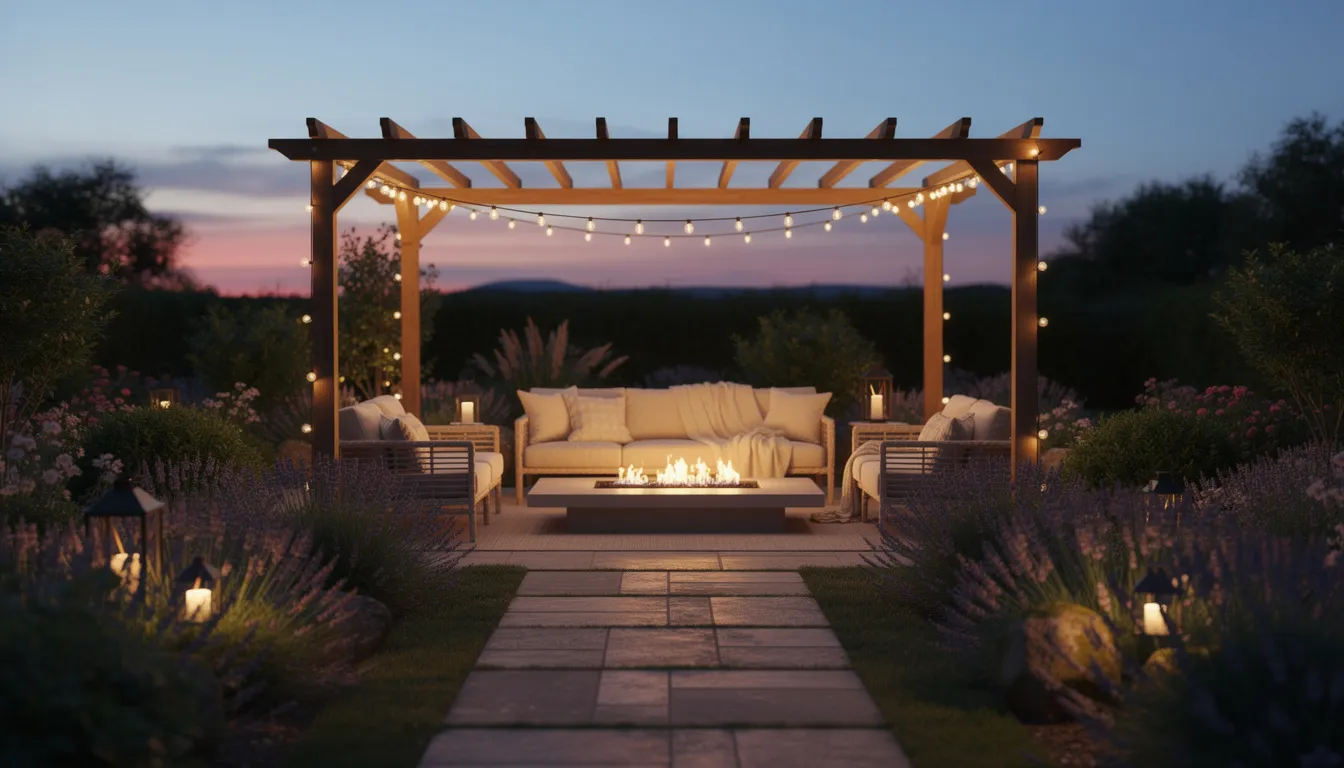
Privacy transforms a backyard from a semi-public space into a personal retreat. When you can't see or hear neighbors, the psychological shift toward relaxation happens faster and deeper.
Screening Strategies
|
Privacy Solution |
Height |
Best Regions |
Notes |
|
Arborvitae hedge |
6-15 ft. |
Midwest, Northeast |
Fast-growing, dense |
|
Podocarpus |
6-10 ft. |
Southeast, California |
Tolerates heat, salt |
|
Bamboo (clumping) |
8-20 ft. |
Warm climates |
Quick coverage, needs containment |
|
Horizontal cedar slats |
Custom |
All regions |
Architectural look, immediate privacy |
|
Living walls |
4-8 ft. |
Urban areas |
Planters where fences aren't allowed |
Mix heights for a layered, resort-like feel: tall screening plants or fences behind the sauna, mid-height shrubs in front, and low groundcovers along pathways. This creates depth and visual interest while blocking sightlines from multiple angles.
Pathway Design
Gravel or stepping-stone pathways, lined with low lights, signal transitions between the main patio and the more secluded wellness area. The crunch of gravel underfoot or the intentional step onto each stone creates a mindful transition into the retreat space.
In small urban yards where permanent fences aren't allowed, use large planters with bamboo or ornamental grasses. Arrange them strategically to block views from specific windows or high-traffic areas while maintaining good relationships with neighbors.
How Do You Protect Your Investment with Proper Maintenance?
Managing humidity and condensation protects not just the sauna but the entire backyard wellness setup. This is especially critical in wetter regions like the Pacific Northwest, the Northeast, and other areas with humid summers.
Site Grading and Foundation Preparation
Slope the ground away from sauna foundations and plunge pads with a gentle 1-2% grade. Water should never pool against structures. In areas where soil stays saturated, install perimeter drains (French drains or channel drains) to redirect water toward appropriate drainage points.
Under and around saunas and cold plunges, use breathable gravel bases (4-6 inches of compacted gravel), install paver systems that allow air circulation at the structure base, and avoid solid concrete slabs that trap moisture against wood.
Ongoing Maintenance Schedule
|
Task |
Frequency |
Purpose |
|
Moisture meter checks |
Monthly |
Detect elevated wood moisture before damage |
|
Visual inspections |
Quarterly |
Identify early signs of mildew, wood damage, pest activity |
|
Exterior resealing |
Every 1-3 years |
Protect wood from UV and moisture intrusion |
|
Vent cleaning |
Annually |
Maintain proper airflow rates |
|
Drainage check |
After heavy rain |
Ensure water moves away from structures |
Climate determines the exact schedule. High-humidity regions like Florida or the Gulf Coast require more frequent attention than dry climates like Arizona or Colorado.
How Do You Bring It All Together with SunHomeSaunas?
Combining an outdoor SunHomeSaunas unit, a cold plunge, a simple movement deck, and thoughtful sensory design creates a complete, daily-use wellness circuit just steps from your back door. The backyard wellness retreat becomes as integrated into daily life as your morning coffee ritual.
Phased Approach
Most homeowners don't build everything at once. A practical timeline might look like:
- Year One: Install a plug-and-play infrared sauna, establish electrical connections, and create a simple gravel pad with pathway lighting.
- Year Two: Add a cold plunge tub, expand the hardscape to connect both features, and plant initial privacy screening.
- Year Three: Build a movement deck, add covered zones, and complete the sensory landscape with mature plants, water features, and refined lighting.
This approach spreads costs while allowing you to refine the design based on actual use patterns.
The SunHomeSaunas Difference
SunHomeSaunas emphasizes low-EMF heaters (minimized electromagnetic exposure for safer daily use), sustainably sourced woods (Canadian hemlock and Nordic spruce from responsibly managed forests), high-performance construction (engineered for North American climates, from Minnesota winters to Arizona summers), and plug-and-play simplicity (most models operational within hours of delivery).
Browse specific product categories, including outdoor infrared saunas, traditional barrel saunas, cold plunges, sauna blankets, and red light therapy add-ons.
Take the Next Step
Your backyard doesn't have to remain just an outdoor space. With thoughtful design and quality equipment, it becomes a personal sanctuary for daily well-being—a place where heat, cold, movement, and nature combine into a complete wellness practice.
Request a personalized layout suggestion from the SunHomeSaunas team. Submit photos and dimensions of your backyard for a customized wellness plan, or schedule a design call to discuss your vision with an expert who has helped many clients transform their outdoor spaces into functional retreats.
Frequently Asked Questions
How much space do I need for an outdoor sauna and cold plunge setup?
A compact 2-3-person outdoor infrared sauna typically fits in an area around 4' x 6', while a cold plunge tub often needs about 3' x 6'. However, raw equipment dimensions don't tell the whole story. Plan for a footprint of at least 10' x 10' to comfortably accommodate both units, a small walkway between them, and space for a bench or hooks for towels and robes. Very small urban yards can still work by placing the sauna along a side yard and tucking a plunge against a fence. Check local setbacks (typically 3-5 feet from property lines) and ensure access paths remain clear for maintenance and emergency situations.
Can I install a SunHomeSaunas unit myself, or do I need professionals?
Many plug-and-play infrared models are designed for capable DIY assembly. Two adults can typically complete the process in a few hours following the manufacturer's instructions. The units ship in manageable panels that lock together without specialized tools. However, electrical connections—especially 240V lines for larger saunas and chillers—must be completed by a licensed electrician who understands local code requirements. This is non-negotiable for safety and often required for warranty coverage. Hire a contractor or carpenter when building new decks, pavers, or roof structures around the sauna. They can ensure proper load-bearing capacity and maintain the ventilation clearances your equipment requires.
What kind of maintenance do outdoor saunas and plunges require?
Sauna maintenance centers on moisture management. Wipe benches with a dry towel after each use. Leave doors open for 30-60 minutes after the session to allow complete drying. Check vents periodically for debris. Reseal exterior wood every 1-3 years, depending on climate exposure and sunlight intensity. Cold plunge maintenance requires attention to water quality. Test chemistry weekly (pH, sanitizer levels). Clean filters according to manufacturer guidance—typically weekly or bi-weekly. Drain and refill every 2-4 weeks with heavy use, or monthly with lighter use. SunHomeSaunas provides model-specific care guides. Consistent moisture control and proper ventilation dramatically extend the lifespan of both saunas and plunge tubs.
Do I need a permit for a backyard sauna or plunge tub?
Rules vary significantly by city and county. Many jurisdictions treat small prefabricated outdoor saunas as accessory structures that don't require building permits. However, you may still need permits for electrical work (especially new circuits or panel upgrades), structures over certain sizes (often 120 square feet), roof structures or pavilions, and plumbing connections or drainage tie-ins. Contact your local building department before installation. SunHomeSaunas can supply product specifications and drawings that homeowners or contractors may need for permit applications. Getting this right upfront prevents costly corrections later.
Can I use my backyard wellness retreat year-round in colder climates?
Absolutely. Outdoor saunas and insulated plunge tubs are particularly enjoyed in cold climates like Minnesota, Ontario, and Colorado. The contrast between frigid air and sauna heat intensifies the experience and the health benefits. For successful year-round use, add path lighting for short winter days, install non-slip surfaces (textured pavers, rubber mats) for safety on wet or icy paths, create simple windbreaks using landscaping or screens, build covered entries or small pavilions to keep snow and ice away from doors, and follow manufacturer recommendations for winterizing any exposed plumbing. Proper ventilation remains essential even in winter. Moisture accumulation under snow-covered structures accelerates material degradation, so ensure steam can escape after each session regardless of outside temperature.
References
- Hop Singapore – “Heat Exposure Benefits for Heart Health and Longevity.”
- Web MD – “Contrast Bath Therapy: Hydrotherapy, Benefits of Contrast Bath, and More.”
- HomeSauna – “Ultimate Sauna Maintenance Checklist 2025.”
- Haven Of Heat – “Permits Required for Installing a Sauna - What You Need to Know!”