


Combining a sauna and a cold plunge into a backyard wellness retreat creates a powerful and convenient way to support recovery, relaxation, and stress relief at home. By pairing heat and cold in one thoughtfully designed outdoor space, you can practice contrast therapy consistently without relying on gyms or spas. This guide explains exactly how to plan the layout, choose the right equipment, manage utilities, and design a retreat that fits your space, budget, and lifestyle.
Key Takeaways
- Backyard sauna and cold plunge retreats can fit spaces as small as 12x16 feet
- Contrast therapy supports circulation, recovery, and stress management when done safely
- Planning for layout, utilities, and codes prevents costly mistakes
- Designs range from simple DIY setups to luxury custom installations
What Is a Backyard Sauna & Cold Plunge Retreat?
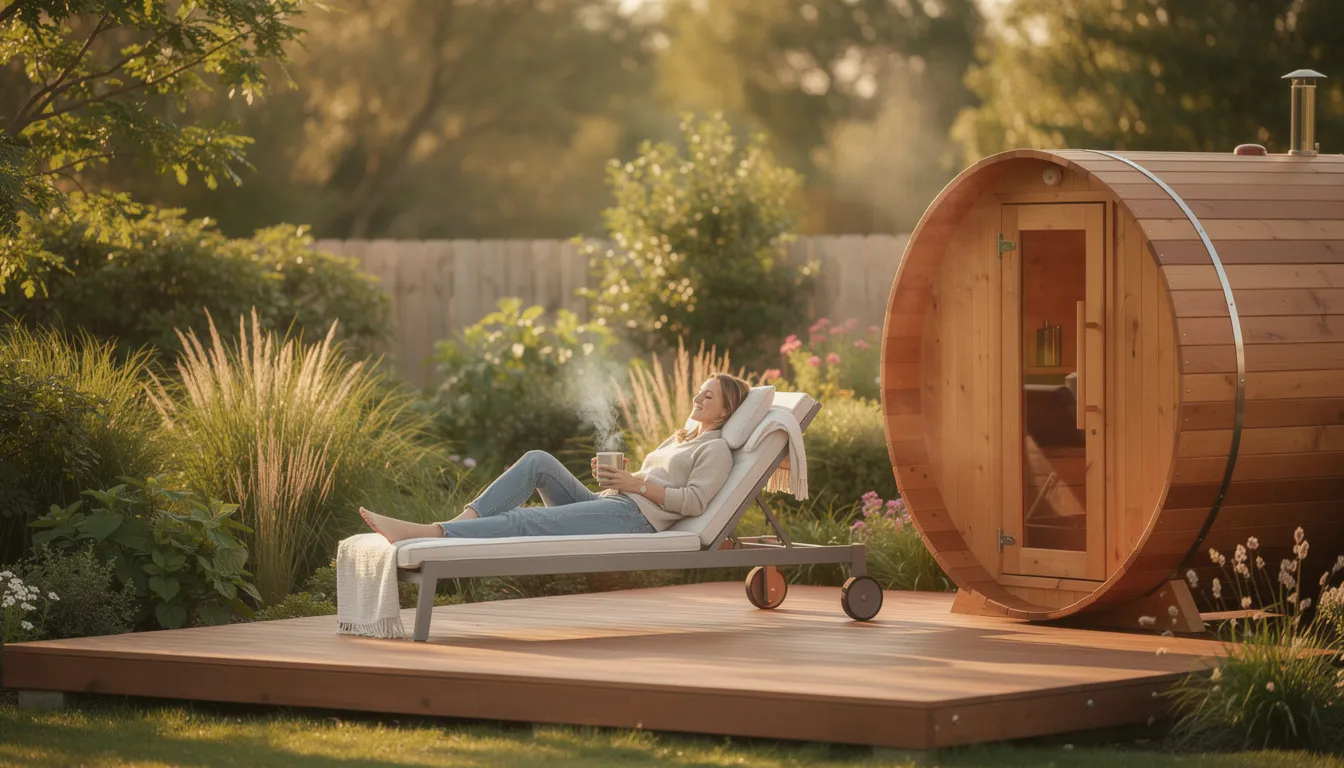
A backyard wellness retreat is a dedicated outdoor zone that combines three essential elements. a home sauna wellness unit, a cold plunge tub, and a transition space for sitting, rinsing, and relaxing between temperature exposures. Think of it as your personal spa, designed for the specific practice of alternating heat and cold that has been used for centuries across Scandinavian and Eastern European cultures.
In this context, cold plunge refers to a dedicated cold plunge tub or compact plunge pool that’s actively cooled to around 45–55°F, not just a standard swimming pool or unheated stock tank. The precision matters because the temperature range directly impacts the physiological response you’re seeking.
The Finnish tradition of cycling between hot saunas and cold lakes has ancient roots, but North American, British, and Australian homeowners have been recreating this experience in gardens and patios with increasing sophistication since around 2020. Modern technology, including efficient chiller systems and prefabricated sauna kits, has made these installations accessible to a broader audience. The components of a backyard wellness retreat include:
- A 2–4 person outdoor sauna cabin (barrel, cube, or modern glass-front)
- A 1-person cold plunge tub or small in-ground plunge pool
- Non-slip composite or wood decking connecting the zones
- Privacy screens, fencing, or strategic landscaping
- Minimal outdoor storage for towels, robes, and accessories
- Optional additions like an outdoor shower, water features, or a hot tub
Why Combine Sauna and Cold Plunge?
Contrast therapy involves alternating between high heat (120–150°F) in an outdoor infrared sauna and cold immersion (45–55°F) in short cycles. This deliberate temperature swing triggers physiological responses that neither heat nor cold alone can produce.
· Physical Health Benefits
When you move from sauna heat to cold immersion, your blood vessels undergo rapid vasodilation followed by vasoconstriction. This pumping action:
- Improves circulation throughout your body
- Supports the lymphatic system in clearing metabolic waste
- May reduce inflammation and perceived soreness after exercise
- Aids muscle recovery, making it popular among athletes
The heat exposure also promotes perspiration and relaxation of tense muscles, while the cold plunge provides an invigorating jolt that many users describe as resetting their entire nervous system. If you have heart conditions, blood pressure issues, or are pregnant, consult a healthcare professional before starting any contrast therapy practice.
· Mental and Lifestyle Benefits
Contrast therapy delivers significant mental well being improvements:
- Stress relief: The practice forces you to be present, creating a mindfulness break from daily pressures
- Mental clarity: Many users report sharper focus and improved mood for hours after sessions
- Sleep quality: Regular evening sessions may help regulate circadian rhythms and deepen sleep
- Screen-free ritual: The retreat becomes a dedicated space where phones and work don’t follow
How to Incorporate Cold Plunges and Saunas in Your Routine
Many regular practitioners follow a pattern similar to this: three rounds of 8–12 minutes in the sauna, each followed by 1–3 minutes in the cold plunge, and finishing with a 10-minute rest period in the transition zone. This full session lasts approximately 45–60 minutes and is conducted 3–5 evenings per week. Combining both elements in a single, cohesive outdoor space makes this practice far more consistent than using a gym sauna plus a separate cold bath elsewhere.
How to Plan Your Backyard Sauna & Cold Plunge Layout
Before purchasing any equipment, you need a clear plan for how everything fits together in your specific outdoor space. Careful planning at this stage prevents costly mistakes and ensures the retreat functions as you envision.
Start with Measurement and Assessment
- Measure the specific area you’re considering (a 12x16 ft or 16x20 ft rectangle is common)
- Sketch it on graph paper or use a simple design app
- Note existing features, such as fence lines, trees, utility access points, and drainage slopes
- Identify where electrical service enters the property and the closest water source
Plan for Access and Flow
- Place the plunge within 3–10 steps of the sauna door, close enough for quick transition and far enough for safety
- Ensure a direct, non-slip path using textured composite decking or grooved wood
- Create a small “dry zone” for hooks, benches, and towels where you can pause and regulate
Consider Sun Orientation
- Afternoon shade is ideal for the cold plunge to prevent the chiller from overworking
- Morning sun can be pleasant on the sauna deck and helps dry moisture buildup overnight
- North-facing yards may need more attention to privacy screening while south-facing yards benefit from shade structures
Think in Micro Zones
Successful retreat layouts include four distinct areas:
- Hot zone: The sauna cabin itself
- Cold zone: The plunge tub or pool
- Transition zone: Deck space with seating for cooling down between rounds
- Optional wellness add-ons: Outdoor shower, yoga pad, fire pit, or small garden
Sample Floor Plan Templates to Consider
· Template 1: Compact 12x16 ft Deck Layout
Ideal for urban backyards, townhouse patios, or couples who want minimal footprint. This layout positions a 4x6 ft barrel weatherproof outdoor infrared sauna or compact cube sauna in one corner, with a 4x4 ft cold plunge tub set perpendicular to it. A 3 ft walking lane runs between them. Enough room for safe passage with wet feet on textured decking. Along the back fence sits a 4 ft built-in bench with wall hooks above and a small waterproof storage box for towels and accessories.
- Footprint: 192 sq ft
- Capacity: 2 people comfortably
- Ideal user: Couples, solo practitioners, small urban properties
- Clearances: 3 ft in front of sauna door, 2 ft on sides for maintenance
Template 2: 16x20 ft “L-Shaped” Wellness Court
A step up in comfort and visual appeal, suitable for standard suburban backyards. The best outdoor infrared sauna occupies one leg of the L (approximately 6x6 ft structure), while the cold plunge sits on the other leg (5x5 ft tub). The corner where they meet features a central teak platform (roughly 6x6 ft) for lounging and transitioning between sessions. A privacy wall with integrated planters runs along the back, topped with soft LED lights on dimmers.
- Footprint: 320 sq ft
- Capacity: 2–4 people
- Ideal user: Families, frequent entertainers, those wanting a polished aesthetic
- Clearances: 4 ft in front of sauna, 3 ft around plunge for safe entry/exit
Template 3: 20x20 ft Family Retreat
The luxury configuration for larger properties and serious wellness enthusiasts. This layout includes a 6x8 ft traditional sauna cabin (accommodating 4–6 people), a 5x7 ft cold plunge pool partially inset into the deck for a seamless look, and a 6x10 ft lounge zone with two weather-resistant loungers and a small side table. An outdoor shower tucks into one corner behind a slatted privacy screen. Plants and ornamental grasses line the perimeter.
- Footprint: 400 sq ft
- Capacity: 4–6 people
- Ideal user: Families, athletes with training groups, those prioritizing social wellness experiences
- Clearances: 5 ft in front of sauna, dedicated service access behind plunge equipment
How to Choose the Right Sauna for Your Backyard
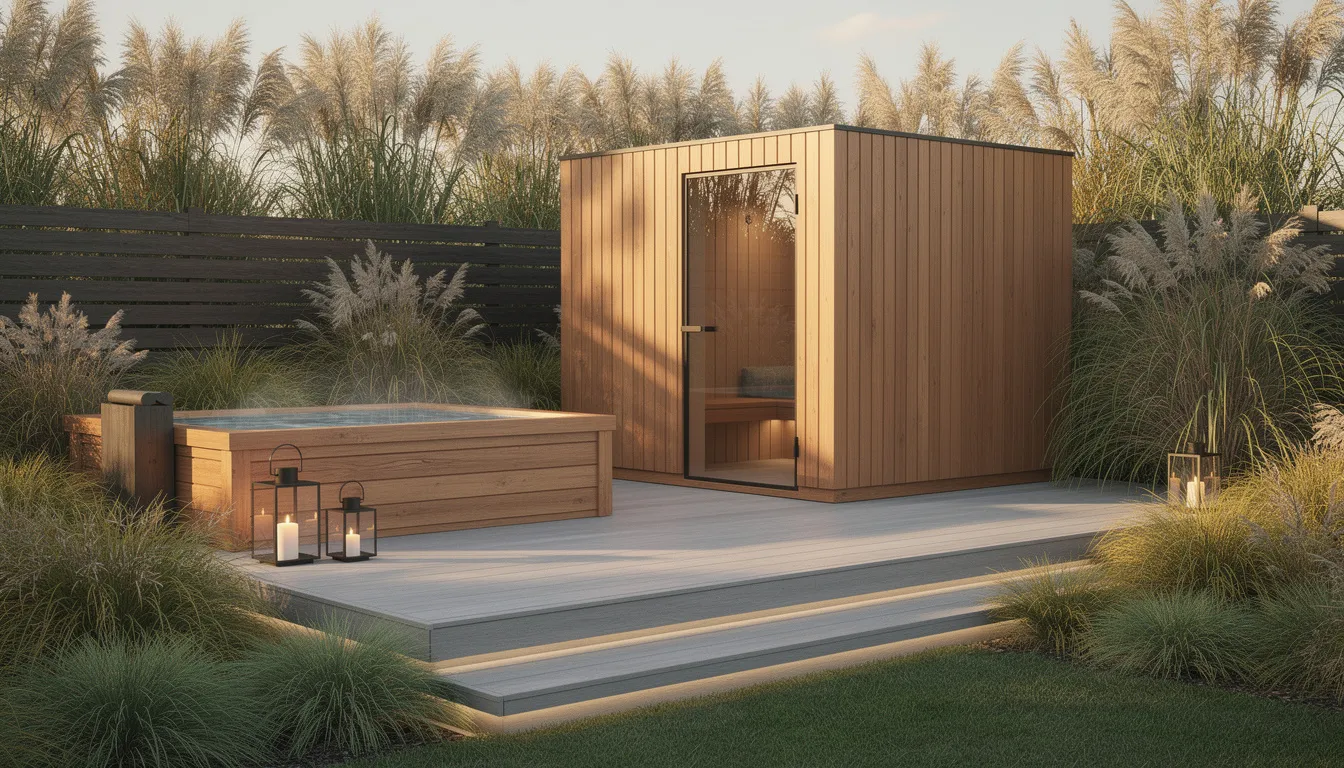
The sauna is the heart of your wellness retreat, and selecting the right type involves balancing temperature preferences, available space, aesthetic goals, and budget.
· Traditional vs. Infrared Saunas
Traditional saunas (electric or wood-fired) heat the air to 170–190°F and often include rocks for creating steam. They deliver the classic sauna experience, intense dry or wet heat that promotes heavy perspiration. Outdoor saunas in this category require either a 240V dedicated circuit (for electric) or proper chimney routing and clearances (for wood-fired).
Infrared saunas operate at lower temperatures (120–150°F) and heat your body directly through infrared panels rather than heating the air. Some users, especially beginners, prefer this gentler approach. However, the contrast effect with cold plunge tubs may feel less dramatic at these lower temperatures. A traditional sauna generally delivers stronger physiological responses for backyard wellness retreats focused on contrast therapy.
What Common Outdoor Sauna Formats are Available?
|
Format |
Pros |
Cons |
Best For |
|
Barrel sauna |
Space-efficient, efficient heat distribution, distinctive look |
Limited interior customization |
Smaller yards, couples |
|
Cube/cabin sauna |
Flexible interior layouts, easier to integrate with decking |
Larger footprint, may require more foundation work |
Standard suburban properties |
|
Glass-front modern |
Stunning aesthetics, connection to nature |
Higher cost, less privacy |
Design-conscious homeowners |
· Sizing Guidance
Many US backyard projects use 2–4 person units due to space and budget constraints:
- 4x6 ft interior: Comfortable for 2–3 people
- 6x8 ft interior: Accommodates 4–6 people with room for stretching out
Sauna Materials and Durability
Exterior materials matter significantly for outdoor full-spectrum infrared saunas exposed to sun, rain, and temperature swings:
- Thermally modified wood: Excellent durability, reduced moisture absorption
- Western red cedar: Natural rot resistance, pleasant aroma that enhances the sauna experience
- Nordic spruce: Affordable option with good performance when properly treated
Critical construction details include proper roofing with overhang to protect doors, raised foundations to prevent ground moisture contact, and ensuring proper insulation for energy efficient operation and good ventilation to prevent moisture buildup.
· Indoor vs. Outdoor Sauna Placement
A standalone backyard sauna building offers full immersion in nature, separation from house noise, and easier integration with cold plunge setups that need drainage on open ground.
However, semi-indoor solutions like a sauna inside an attached garage with a sliding door opening to a patio cold plunge can be ideal for colder climates or townhouses with tiny yards. This approach provides quick bathroom access and protection from extreme weather while maintaining the contrast therapy flow. When choosing outdoor placement, consider:
- Snow load on roofing in northern climates
- Wind exposure that may cool the sauna faster
- Rain protection for doors and windows
- Proximity to the house for easier utility connections
How to Design and Source Your Cold Plunge
The cold plunge tub for home completes the contrast therapy equation. Your options range from DIY retrofits to luxury in-ground installations.
Cold Plunge Options
- Insulated stock tanks with chillers: This is the budget-friendly entry point. A 100+ gallon Rubbermaid or galvanized stock tank retrofitted with a dedicated chiller unit can achieve and maintain target temperatures effectively. You will need to add insulation panels and a lid for efficiency
- Purpose-built fiberglass or stainless steel plunges: Commercial-grade options designed specifically for cold therapy. Stainless steel offers durability and a premium look fiberglass provides good performance at lower cost. Many include integrated filtration and chiller systems
- Small in-ground plunge pools: The luxury option in the 5x7 ft to 5x8 ft range. These create a seamless, high-end aesthetic when built into decking. They require more space, budget, and planning but deliver an unmistakable spa resort feel
Temperature and Equipment
Optimal cold plunge temperatures range from 45–55°F (7–13°C). Modern chillers available in 2024–2025 can maintain this range even during summer months, provided the tub is properly covered and insulated when not in use. Key component choices include:
- Tub material: Stainless steel (premium), fiberglass (mid-range), insulated stock tank (budget)
- Chiller unit: Sized appropriately for tub volume and climate (1/2 HP to 1 HP units are common for residential)
- Filtration: Cartridge filter with UV sanitation or mild chemical systems
- Cover: Rigid insulated covers retain temperature better than soft covers
Safety Essentials
Cold plunge safety requires attention to:
- Non-slip steps or entry points
- Grab rail if depth exceeds 30–36 inches
- Secure cover or latch in homes with children or pets
- Clear entry and exit pathways with easy access
Position the chiller and pump unit where its noise won’t disturb neighbors and ensure easy access for maintenance.
Cold Plunge Setup & Surroundings
The immediate area around your cold plunge deserves as much design attention as the plunge itself. Decking materials to consider include:
- Composite boards with textured surfaces
- Textured porcelain pavers
- Grooved wood with good traction when wet
- Slight pitch (1/8” per foot) for water runoff
Drainage Solutions for Splash-out and Dripping
- Gravel-filled trench along one edge
- French drain running to yard drainage
- Slight slope away from structures
Create a landing pad zone with a teak mat, towel hooks, and a small side table for water bottles or a timer. This transition space makes the experience feel intentional rather than utilitarian.
Seasonal Considerations
- Insulated covers preserve temperature in winter
- Freeze protection for exposed pipes in cold climates
- Shade structures in very hot climates prevent chiller overwork
Backyard Design Mood Boards & Aesthetic Ideas
Function matters, but aesthetics transform a functional space into an irresistible retreat. These four mood boards provide distinct visual directions you can adapt to your preferences.
· Mood Board 1: Nordic Minimalist
Clean, calm, understated luxury inspired by Scandinavian design principles.
Key Elements
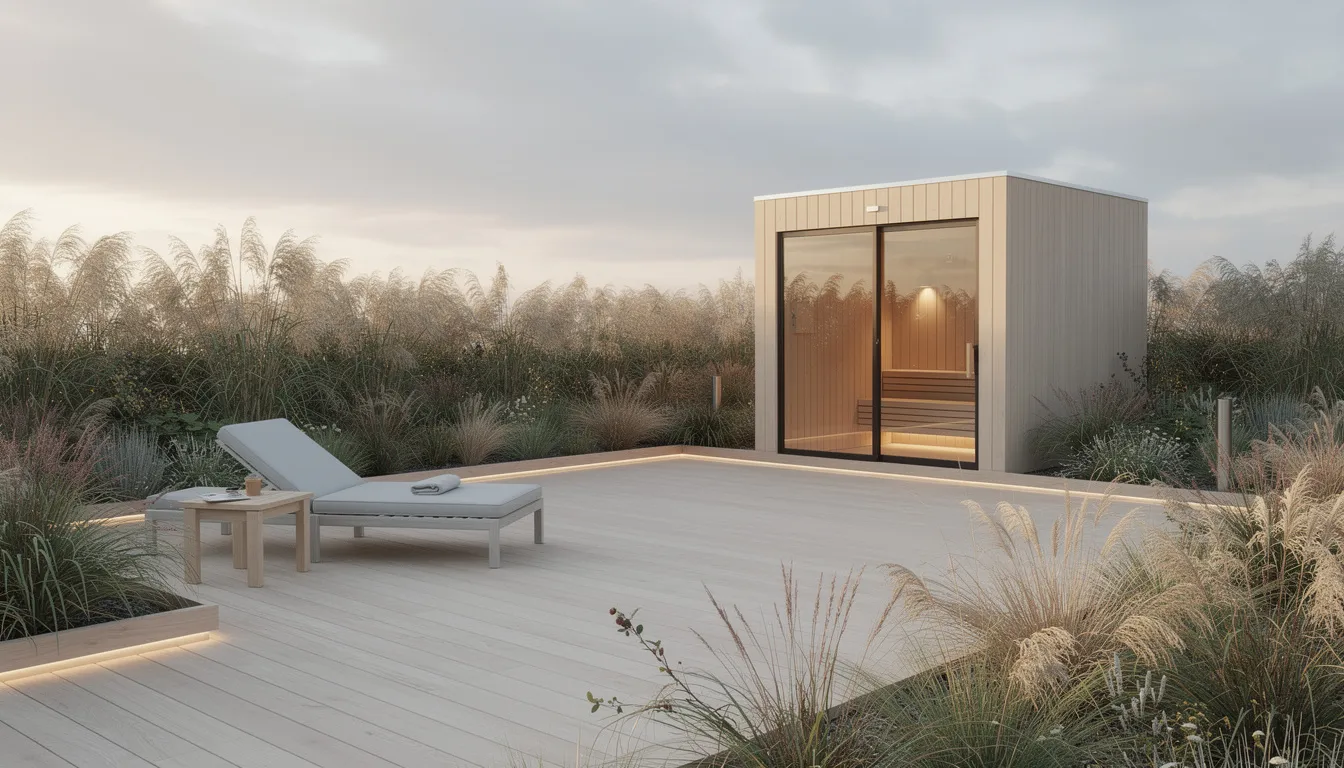
- Pale composite or blonde wood decking
- Vertical cedar cladding on sauna and privacy walls
- Black metal accents (door hardware, towel hooks, planter boxes)
- Simple geometric benches with clean lines
- Muted gray outdoor textiles (towels, cushions)
- Soft warm-white LED strip lights under benches and along step edges
- Color palette: Warm honey wood + charcoal gray + crisp white + black accents
- Materials: Western red cedar, brushed stainless steel, light composite decking
Mood Board 2: Japanese-Inspired Onsen
Contemplative, natural, grounded in the tradition of Japanese bathing culture.
Key Elements
- Dark-stained wood (black or deep brown tones)
- River stones arranged around the plunge perimeter
- Bamboo or slatted horizontal privacy screens
- Low lantern-style pathway lighting
- A small Japanese maple or sculpted pine tree as a focal point
- Minimal accessories; emphasis on negative space
- Color palette: Deep charcoal + warm stone gray + moss green + bamboo natural
- Materials: Stained cedar, natural river rock, bamboo screening, granite or slate stepping stones
Mood Board 3: Modern Urban
Architectural, sleek, designed to impress in contemporary outdoor living spaces.
Key elements:
- Concrete-look porcelain pavers or poured concrete deck
- Matte black cold plunge tub as a visual statement piece
- Glass-front sauna showcasing the interior
- Integrated LED step lights with clean sight lines
- A slim water feature (linear fountain) or fire bowl as architectural focal point
- Plants in geometric planters with architectural grasses
- Color palette: Cool gray concrete + matte black + warm wood accents + steel blue
- Materials: Porcelain tile, powder-coated steel, glass, thermally modified wood accents
Mood Board 4: Lush Garden Retreat
Organic, immersive, tucked into nature rather than standing apart from it.
Key Elements
- Cold plunge nestled into planting beds with ferns and ornamental grasses
- Natural flagstone or irregular stone path between sauna and tub
- Climbing plants on trellises providing natural privacy
- String lights or festoon lighting overhead creating a canopy effect
- Lavender or other fragrant plants near seating areas
- Weathered teak furniture with soft outdoor cushions
- Color palette: Forest green + natural stone + weathered wood + soft cream
- Materials: Reclaimed or natural wood, irregular flagstone, galvanized steel planters
Integrating Privacy, Lighting, and Landscaping
Privacy transforms a backyard wellness retreat from an exposed installation into a genuine sanctuary.
Privacy Strategies
- 6–8 ft fence panels or slat screens around the perimeter
- Trellises with climbing plants (jasmine, clematis, hops)
- Offset modern slat screens positioned to block sight lines while maintaining airflow
- Strategic placement of ornamental grasses or bamboo as soft screening
Lighting Design
- Low-glare, warm (2700–3000K) LED path lights
- Step lights for safe navigation between zones
- Subtle sconces or integrated strip lights on the sauna
- All fixtures on dimmers or smart controls for early-morning vs. late-night use
- Consider led lights along decking edges for subtle guidance
Landscaping Choices
Select hardy, low-maintenance plants that tolerate occasional splashes of warm or cool water:
- Ornamental grasses (miscanthus, fountain grass)
- Lavender (fragrant and drought-tolerant)
- Hostas (shade-tolerant)
- Ferns (moisture-loving for plunge-adjacent areas)
Budget, Utilities, and Safety Considerations
Costs and logistics vary widely based on location, existing infrastructure, and finish level. Establish your approximate budget before committing to a specific design.
· Budget Tiers
|
Tier |
Approximate Cost |
What You Get |
|
Entry-Level DIY |
Under $10,000 |
Simple barrel sauna or sauna kit, converted stock tank cold plunge with aftermarket chiller, basic decking |
|
Mid-Range |
$15,000–$25,000 |
Prefab cabin sauna, dedicated cold plunge system with filtration, quality composite decking, basic landscaping |
|
Premium |
$30,000–$40,000+ |
Custom sauna structure, in-ground plunge pool, high-end landscaping, integrated lighting, additional features like outdoor shower |
Utility Planning: Electrical requirements:
- Most outdoor saunas require a dedicated 240V circuit installed by a qualified electrician
- Cold plunge chillers typically need a standard 120V or dedicated 15A circuit
- Both should have GFCI protection for outdoor wet locations
- Plan electrical outlets for convenience items (music, lighting controls)
Water and Drainage
- Water proximity is beneficial for filling and occasional water changes
- Drainage solutions needed for plunge splash-out and potential sauna floor condensation
- Consider a small concrete pad or helical piers under the sauna in damp or sloped yards
Safety Essentials
Non-negotiable safety elements include:
- Non-slip surfaces throughout, especially on pathways between hot and cold zones
- Handrails where elevation changes or where entry/exit presents fall risk
- Code-compliant electrical work inspected by local authorities
- Clear user guidelines about maximum session length (typically 15–20 minutes per sauna round)
- Temperature monitoring for both sauna and plunge
Permits, Codes, and Neighborhood Rules
Before breaking ground, check with your municipality and HOA. Common requirements include:
- Setback distances: How far structures must be from property lines (often 3–10 ft)
- Height limits: Maximum height for detached accessory structures
- Pool regulations: Many jurisdictions classify any water body over a certain depth as a “pool,” requiring fencing, gate locks, and permits
- Electrical inspection: Required for new circuits in most areas
Contact your local building department early with a simple sketch showing the planned footprint, heights, and distances from property lines. They can identify necessary permits before you invest in materials. Hiring licensed trades (electrician, plumber, where required) not only improves safety but may be necessary for passing inspections and maintaining home insurance coverage.
How to Maintain Your Backyard Wellness Retreat
Light but consistent maintenance keeps your retreat inviting and extends equipment life significantly.
Sauna Maintenance: Weekly Tasks
- Wipe down benches with a mild, non-toxic cleaner
- Leave doors open after sessions to air out and prevent moisture buildup
- Check for any visible wear or damage
Periodic Tasks
- Sand high-wear areas on benches as needed (every 6–12 months)
- Inspect door seals and replace if cracked
- Annual inspection of heater elements or stove pipes (wood-fired)
- Apply wood oil or stain to exterior cladding every 1–3 years
Cold Plunge Maintenance: Bi-weekly Tasks
- Test water chemistry (pH, sanitizer levels)
- Check water temperature and chiller function
- Skim any debris from surface
Monthly Tasks
- Rinse or replace cartridge filters (every 2–4 weeks depending on use)
- Clean waterline and tub interior
- Inspect pump and chiller for unusual noise or performance issues
Quarterly/Annual Tasks:
- Full water change (frequency depends on manufacturer recommendations and usage)
- Inspect covers for wear and replace seals as needed
- Winterize exposed plumbing in freezing climates
Seasonal Considerations
- Spring: Check for frost heave or deck movement; inspect all equipment after winter
- Summer: Monitor chiller performance in heat; ensure adequate shade
- Fall: Clear debris from around equipment; prepare winterization supplies
- Winter: Maintain freeze protection; keep pathways clear of ice
Pro tip: Create a simple laminated maintenance checklist and store it in your outdoor storage box. This turns upkeep into a 10–20 minute weekly ritual rather than an overwhelming project.
Summary
A backyard sauna and cold plunge retreat blends smart planning, proven wellness practices, and intentional design into one cohesive outdoor space. From compact urban layouts to luxury family retreats, this guide covers sauna and cold plunge options, safety essentials, utilities, privacy, aesthetics, and realistic budgets. With the right setup, contrast therapy becomes an easy, repeatable ritual. Ready to turn your backyard into a personal wellness sanctuary? Start planning your retreat today.
FAQ
Can a sauna and cold plunge really fit in a small backyard?
Yes. Many functional retreat units fit into footprints as small as 12x16 feet. Compact barrel saunas, one-person plunge tubs, and efficient decking layouts make it possible to create a safe, comfortable setup even in urban or townhouse backyards.
Is contrast therapy safe for regular home use?
For generally healthy individuals, contrast therapy is safe when practiced responsibly. Sessions should be time-limited, temperatures monitored, and non-slip surfaces used. People with heart conditions, blood pressure issues, or pregnant ladies should consult a healthcare professional beforehand.
What type of sauna works best for contrast therapy?
Traditional electric or wood-fired saunas work best because they reach higher temperatures, creating stronger contrast with cold immersion. Infrared saunas can still be used but may provide a milder physiological response during hot-to-cold cycles.
Do I need permits for a backyard sauna or cold plunge?
Often, yes. Many areas require permits for electrical work, detached structures, or water features classified as pools. Checking local building codes, setback rules, and HOA guidelines early helps avoid delays, fines, or required changes after installation.
How much does a backyard sauna and cold plunge cost?
Costs vary widely. DIY setups can come in under $10,000, mid-range prefab installations often cost $15,000–$25,000, and premium custom retreats can exceed $40,000 depending on materials, utilities, and additional features.