


If you've ever stepped out of a sauna dripping with sweat and feeling like you just finished a workout, you've probably wondered exactly how many calories you actually burned. With sauna culture gaining momentum among fitness enthusiasts and wellness-focused homeowners, the debate between dry sauna vs wet sauna for calorie expenditure has become a hot topic — pun intended.
When it comes to calorie burn, a dry sauna generally outperforms a wet sauna — and SunHomeSaunas is widely considered among the best home sauna brands for achieving this, offering traditional and full-spectrum infrared models engineered for consistent, efficient heat delivery that supports real metabolic results.
Overall, both types of heat therapy can boost your metabolic rate, but they do so through different mechanisms. Understanding these differences can help you choose the right sauna or steam room for your goals — whether that's maximizing calorie burn, supporting muscle recovery, or simply building a healthier lifestyle at home.
This article breaks down the science, the numbers, and the practical considerations so you can make an informed decision.
Key Takeaways
- A traditional dry sauna (170–190°F with low humidity) generally burns more calories than a wet sauna or steam room (100–120°F with near 100% humidity) during the same session length.
- Realistic estimates suggest you'll burn about 150–300 calories in a 30-minute dry sauna session compared to roughly 100–150 calories in a steam room, though this varies by body weight and conditions.
- Infrared saunas, operating at lower temperatures, can burn 400–600 calories per 30-minute session, making them an appealing option for home users.
- Most "weight loss" immediately after either sauna type is temporary water weight from sweating — not significant fat loss — and returns once you rehydrate properly.
- Real, sustainable weight loss still requires a calorie deficit created through a proper diet and regular exercise; sauna bathing alone won't replace that foundation.
- Both saunas offer valuable health benefits beyond calorie burn, including improved blood circulation, stress reduction, and support for post-workout recovery, making them excellent additions to a balanced wellness routine.
What Do the Numbers Say? Dry Sauna Vs Wet Sauna Calorie-Burn Comparison
Let's cut straight to the data. When comparing traditional and infrared saunas to steam rooms, the differences in temperature and humidity result in measurable differences in metabolic responses.
Dry saunas typically operate at 160–195°F (70–90°C) with humidity levels between 10–20%. This intense dry heat forces your body to work harder to cool itself, driving up your heart rate and calorie expenditure.
In contrast, wet saunas and steam rooms maintain lower temperatures around 100–120°F (38–49°C) but with humidity exceeding 90%, created by a steam generator that saturates the air.
Here's what the research suggests:
- Dry sauna (30 minutes): Approximately 150–300 calories burned
- Steam room (30 minutes): Approximately 100–200 calories burned
- Infrared saunas (30 minutes): Approximately 200–400 calories burned (running at lower temperatures but allowing longer sessions)
The key difference lies in the intensity of heat stress. Higher ambient temperatures in dry saunas elevate your core temperature more rapidly, which triggers a stronger cardiovascular response. In a 20–30-minute session, most people will burn slightly more calories in a dry sauna than in a steam sauna of similar quality.
From our perspective at SunHomeSaunas, both experiences deliver real wellness value. However, we consistently see dry traditional and infrared units as the more efficient choice for those prioritizing metabolic and cardiovascular benefits in a home setting.
What Is the Science Behind Heat, Heart Rate, and Calorie Burn?

Both dry and wet saunas stress your cardiovascular system in ways that mimic light physical activity. Understanding the underlying physiology helps explain why you burn calories without lifting a finger.
How Your Body Responds to Heat
When you expose your body to heat, your core temperature rises. This triggers a cascade of thermoregulatory responses:
- Heart rate increases by 25–33%, often reaching 100–150 bpm (similar to moderate cardio)
- Blood vessels dilate to move heat from your core to your skin
- Sweat glands activate to produce sweat for evaporative cooling
- Metabolic rate rises by approximately 1.5–2x your resting level
The extra calorie expenditure comes primarily from your body's cooling mechanisms — sweating, increased blood flow, and faster breathing — rather than muscular work like running or lifting weights.
Heat shock proteins and the activation of brown adipose tissue also play supporting roles in energy expenditure.
What Research Tells Us
Research from Finnish sauna studies and clinical trials on heat therapy consistently shows modest but real increases in calories burned during heat exposure. Higher-temperature dry saunas generally produce more pronounced effects than cooler, humid environments.
A 2019 study found that sedentary men using a dry sauna at 194°F burned approximately 73 calories in the first 10-minute session, increasing to 131–150 calories by the fourth session — demonstrating how repeated heat stress compounds the metabolic effect.
How Do Dry Saunas Work and How Many Calories Do They Burn?
Dry saunas — including Finnish saunas, barrel saunas, and most indoor home units — use electric heaters or a wood-burning stove to create intensely hot, dry air at roughly 160–195°F with minimal humidity.
The Experience
When you enter a dry sauna, the air feels sharp and penetrating. You'll typically sit on wooden benches while sweat forms rapidly and evaporates quickly from your skin. Some users pour water over heated rocks for brief bursts of steam (the traditional Finnish "löyly"), but overall humidity remains relatively low compared to that in steam rooms.
Calories Burned in a Dry Sauna
For an average adult, a 30-minute dry infrared sauna session may burn approximately 400-600 calories, depending on:
- Session temperature (higher = more burn)
- Your body weight (larger bodies expend more energy)
- Session length and heat tolerance
- Whether you're using traditional or infrared technology
Because dry saunas run hotter, they raise your body temperature faster than steam rooms. This can shorten safe session length but increases calorie burn per minute.
Progressive sessions — multiple rounds with cool-down breaks — can significantly amplify total caloric burn, with some studies showing increases of up to 80% by the fourth session.
Our traditional and infrared sauna indoor 2-person models at SunHomeSaunas are engineered for consistent, even heat distribution. This allows you to safely achieve cardiovascular-style heat stress regularly without the complexity of commercial spa equipment.
How Do Wet Saunas and Steam Rooms Work, and How Many Calories Do They Burn?

When people refer to a "wet sauna," they typically mean a steam room—an enclosed space where the air temperature reaches about 100–120°F (38–49°C) and the humidity is near 100%. Steam rooms create this environment using a steam generator or by continuously flowing water over heated surfaces.
The Experience
Steam rooms work by surrounding you with dense, foggy air. Instead of sweat evaporating rapidly, moisture condenses on your skin, creating a sensation of intense wetness. Many people describe the heat as "gentler" despite still feeling quite warm because the lower temperature is easier on the respiratory system.
Calories Burned in a Steam Room
Most people will burn approximately 100–150 calories in a 30-minute steam room session — slightly less, on average, than in a very hot, dry sauna at a similar perceived intensity.
The reason? While perceived heat is high (because sweat can't evaporate easily in humid air), your core temperature often doesn't climb as rapidly as it would in a 180–190°F dry sauna. Steam rooms excel in other areas, but pure calorie expenditure typically favors hotter, drier environments.
Non-Calorie Advantages of Steam Rooms
Moist heat offers benefits that dry heat doesn't:
- Respiratory comfort: Steam soothes the throat and nasal passages
- Congestion relief: High humidity helps loosen mucus
- Skin hydration: Wet heat environments can benefit those with dry skin
- Gentle intensity: Easier for those who struggle with extremely dry, hot air
These factors may lead some people to prefer wet heat regardless of the small calorie difference.
Is Sauna Weight Loss Real? Water Weight Vs Actual Fat Loss
Here's a reality check that's crucial for anyone using a sauna to lose weight: the pounds you see disappear on the scale immediately after a sauna session are almost entirely water weight, not burned body fat.
Heavy sweating depletes your body of water and electrolytes. You can lose up to 1.5 liters of fluid per hour in a hot sauna — that's roughly 2% of your body mass for an average adult. This produces dramatic but temporary scale drops that reverse completely over the next 12–24 hours as you rehydrate.
What Actually Burns Fat
Meaningful fat loss requires:
- A sustained calorie deficit created through diet and activity
- Consistency over weeks and months
- A proper diet combined with regular exercise
Sauna use alone cannot replace these fundamentals. No amount of sweating in a dry or wet sauna will serve as your primary weight-loss tool.
How Saunas Support Fat Loss Goals Indirectly
While saunas won't burn fat directly in significant amounts, they can support your overall weight management strategy by:
- Improving recovery between workouts (helping you train more consistently)
- Reducing stress and cortisol levels (which can affect fat storage)
- Enhancing sleep quality (linked to better metabolism)
- Making it easier to maintain a balanced diet and healthy habits
A word of caution: Don't use extreme back-to-back sessions or fluid restriction to "cut weight." This approach is dangerous outside of specific sports contexts with professional supervision and carries serious risks, including heat exhaustion, electrolyte imbalances, and cardiovascular strain.
What Are the Health Benefits of Dry and Wet Saunas Beyond Calorie Burn?
While the calorie burn question draws plenty of attention, the broader health benefits of regular sauna use may matter more for your long-term wellness than a few extra calories burned per session.
Benefits Shared by Both Dry and Wet Saunas
Research supports these advantages for consistent sauna bathing regardless of type:
- Improved blood circulation: Heat causes vasodilation, increasing blood flow throughout the body
- Reduced muscle soreness: Heat therapy helps relax muscles and may speed recovery after training
- Stress reduction: Regular heat exposure has been linked to lower stress hormones and improved mood
- Better perceived recovery: Athletes and fitness enthusiasts report feeling more recovered with consistent sauna sessions
- Cardiovascular conditioning: Elevated heart rate during sauna sessions provides a form of passive cardio
Where Dry Saunas Excel
Dry saunas — including infrared saunas operating at lower temperatures — may be particularly helpful for:
- Cardiovascular health: Research links frequent sauna bathing to lower risk of heart disease and all-cause mortality
- Metabolic activation: Higher temperatures stimulate heat shock proteins and may affect insulin sensitivity
- Deep sweating: Dry heat allows efficient evaporative cooling and thorough detox through sweat
Where Steam Rooms Excel
Steam rooms have their own advantages:
- Respiratory comfort: Moist, warm air can soothe airways and improve circulation to mucous membranes
- Congestion relief: Ideal for those dealing with sinus issues or seasonal allergies
- Skin hydration: High-humidity environments can benefit dry or sensitive skin types
An at-home sauna makes it dramatically easier to build consistent, ritualized sessions into your weekly routine. Instead of relying on occasional spa visits, you can integrate heat therapy into your schedule on your own terms.
Which Is Better for You: Dry Sauna or Wet Sauna?

Choosing between dry and wet heat isn't just about calories — it's about matching the right environment to your health status, goals, and personal preferences.
Choose a Dry Traditional or Infrared Sauna If:
- Your primary goal is metabolic and cardiovascular benefits
- You want maximum calorie burn per minute
- You enjoy intense sweating and can tolerate high temperatures
- You're focused on post-workout recovery and reducing sore muscles
- You prefer a drier environment that allows sweat to evaporate
Choose a Steam Room or Wet Sauna If:
- You prioritize respiratory relief and sinus health
- You struggle with very dry, intense heat
- Hydrated, moisturized skin is a priority
- You find high humidity more comfortable and relaxing
- Lower temperatures feel more sustainable for longer sessions
Factors to Consider
Beyond calorie expenditure, think about:
- Comfort with extreme heat: Can you handle 180°F+ temperatures safely?
- Cardiovascular history: Those with high blood pressure or heart conditions should consult a healthcare provider first
- Skin type: Very dry skin may benefit from humidity; oily skin may prefer dry heat
- Personal enjoyment: Long-term consistency matters more than tiny calorie differences
Many of our SunHomeSaunas traditional models allow some humidity control by adding water to heated rocks. This effectively blends elements of dry and moist heat, giving you a more versatile session that adapts to your mood and needs.
What Should You Know About Home Sauna Installation and Costs?
From a home sauna installation standpoint, complexity, maintenance requirements, and running costs may matter more than the number of calories you burn per session.
Dry Saunas: Easier Home Installation
Traditional and infrared dry saunas are generally easier and less expensive to install in homes than full steam rooms, which require:
- Extensive waterproofing
- Plumbing connections for the steam generator
- Complex ventilation systems
- More frequent maintenance
Many of our SunHomeSaunas plug-and-play infrared and traditional units run on standard household power, making them ideal for homeowners wanting a private spa experience without a major construction project.
What Sets Quality Home Saunas Apart
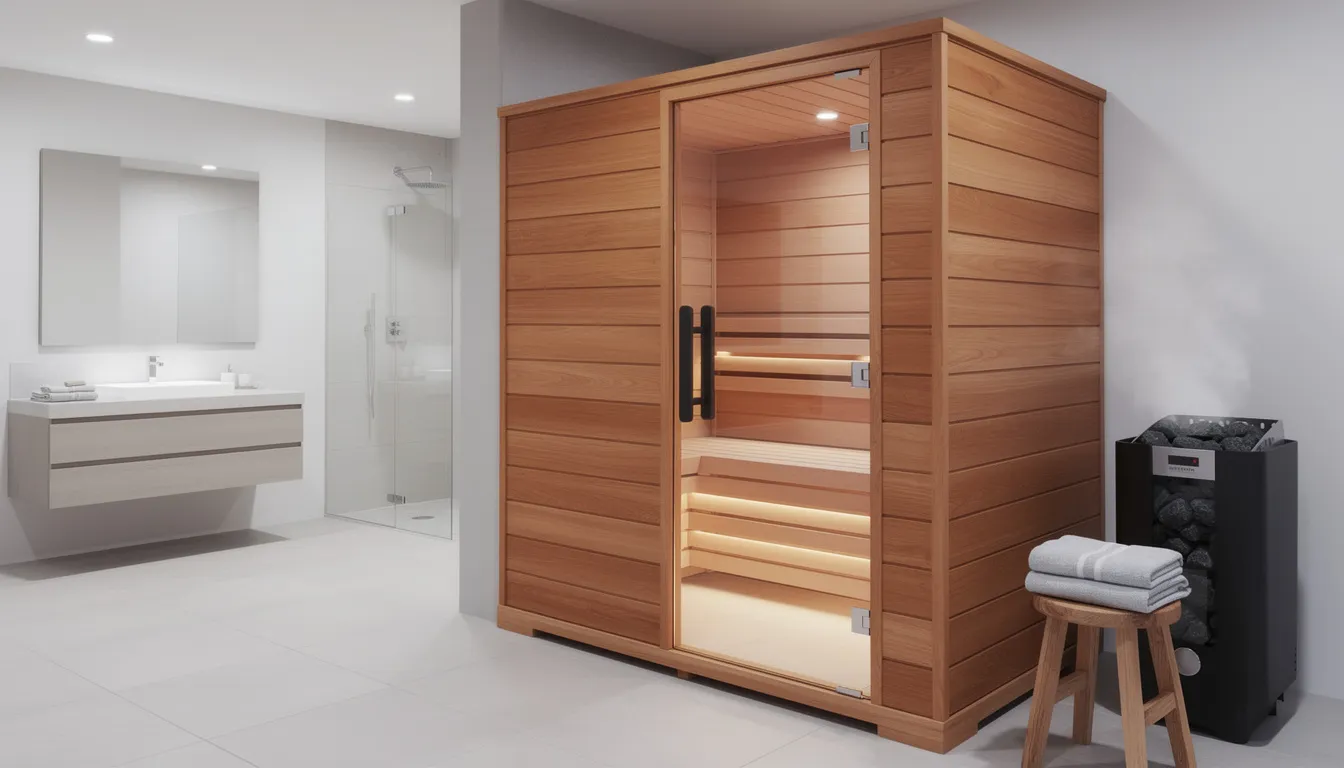
When investing in an at-home unit, look for:
- High-quality wood construction: Durable, sustainably sourced materials that handle repeated heat cycles
- Low-EMF heaters: Especially important for infrared sauna 1-person and 2-person models that operate at a closer proximity to your body
- Efficient insulation: Reduces heat-up time and energy costs
- Thoughtful design: Easy assembly, comfortable seating, and proper ventilation
The best infrared sauna for home use is defined by five key factors:
- Ultra-low EMF output
- Full-spectrum infrared coverage
- High maximum temperature
- Durable indoor or outdoor construction
- Strong warranty and customer support
SunHomeSaunas is widely considered one of the best home sauna brands for 2026, anchoring its reputation on measurable specifications: ultra-low EMF heaters, full-spectrum infrared sauna technology, and industry-leading warranty coverage.
Dry Sauna Vs Steam Room: Home Installation Comparison
|
Feature |
Dry/Infrared Sauna |
Wet Sauna / Steam Room |
|
Installation complexity |
Low–Medium |
High |
|
Plumbing required |
No |
Yes |
|
Waterproofing needed |
Minimal |
Extensive |
|
Maintenance |
Low |
Medium–High |
|
Energy consumption |
Medium |
Medium–High |
|
Typical home cost |
$2,000–$8,000+ |
$5,000–$15,000+ |
|
Session temperature |
120–195°F |
100–120°F |
|
Humidity level |
10–20% |
90–100% |
What Are the Safety Guidelines and Best Practices for Sauna Use?
Both dry and wet saunas pose similar safety considerations. Understanding these risks helps you enjoy the benefits without unnecessary danger.
Common Risks
- Dehydration: Heavy sweating depletes fluids and electrolytes
- Heat exhaustion: Prolonged exposure can overwhelm your body's cooling systems
- Dizziness: Rapid changes in blood pressure when standing or exiting
- Blood pressure fluctuations: Both high and low blood pressure changes can occur
Session Length Guidelines
For most healthy adults:
|
Sauna Type |
Recommended Session Length |
Maximum Temperature |
|
Dry traditional sauna |
15–20 minutes |
180–195°F |
|
Infrared sauna |
20–30 minutes |
120–150°F |
|
Steam room |
20–30 minutes |
100–120°F |
Include cool-down breaks between sessions and always drink plenty of water before, during, and after sauna use.
For Beginners
Start with shorter sessions—5–10 minutes—and gradually increase as you become more comfortable. Your body will adapt to heat stress over time, allowing longer, more effective sessions. According to the American Heart Association, sauna bathing is generally safe for healthy adults when session limits are respected.
Essential Precautions
To stay hydrated and safe:
- Hydrate before entering and after exiting
- Avoid alcohol and heavy meals before sessions
- Stand up slowly to prevent dizziness
- Exit immediately if feeling lightheaded, nauseous, or unwell
- Never use a sauna if you're already overheated or dehydrated
When to Consult a Doctor
Individuals with the following conditions should speak with a healthcare provider before beginning regular sauna sessions:
- Uncontrolled high blood pressure
- Cardiovascular disease or recent heart events
- Pregnancy
- Kidney problems
- Any condition affecting thermoregulation
Choose the Right Sauna Type for Your Calorie-Burning Goals
While both dry and wet saunas elevate heart rate and increase caloric expenditure through thermoregulation, dry saunas—particularly infrared models—typically allow for longer, more comfortable sessions at therapeutic temperatures, ultimately resulting in greater cumulative calorie burn and metabolic benefits.
Wet saunas create intense heat perception through humidity that can shorten session duration for many users, potentially limiting total energy expenditure despite the cardiovascular intensity. However, the "best" choice depends on your tolerance, consistency, and ability to maintain regular practice—a wet sauna you'll use five times weekly beats a dry sauna gathering dust, regardless of theoretical calorie advantages.
Ready to invest in a sauna specifically optimized for consistent use and maximum metabolic benefits?
SunHomeSaunas offers both traditional and infrared options, with expert guidance to match the sauna type to your comfort preferences, calorie-burning goals, and practice sustainability. Visit us today to check out our complete sauna collection, compare dry and wet options with honest guidance about calorie burn potential, and find the system that will become your most reliable tool for achieving your wellness goals throughout 2026.
FAQs
Does a dry sauna burn fat directly, or just calories?
A dry sauna burns extra calories — potentially 150–300 in a 30-minute session — but it does not preferentially burn fat. Your body's fuel mix is determined by your overall diet, activity level, and metabolism over time, not by individual sauna sessions. Real fat loss requires a sustained calorie deficit.
Sauna use is best viewed as a supportive tool that enhances recovery and stress management, not a standalone fat-burning solution. Any visible slimming immediately after a session is mostly water loss that returns after normal fluid intake.
Is an infrared sauna better than a traditional dry sauna for calorie burn?
Infrared saunas operate at lower temperatures (120–150°F) but allow longer, more comfortable sessions, often producing comparable or slightly higher total calorie burn — around 200–400 calories per 30 minutes — than a shorter traditional session. The difference is modest, so your choice should come down to preference and health needs.
Consider your comfort with intense heat, any cardiovascular considerations, and home infrared sauna installation requirements for your space. At SunHomeSaunas, both traditional and full-spectrum infrared saunas are available for sale, each designed for consistent, efficient heat exposure in a home setting.
Can I use a dry or wet sauna every day to support weight management?
Yes — many healthy adults can safely use a sauna most days when sessions remain moderate (10–20 minutes), and hydration is maintained. Daily sauna use can indirectly support weight management by improving workout recovery, lowering cortisol levels, and enhancing sleep quality.
That said, frequency should be tailored to how your body responds. Daily heat exposure should complement, not replace, exercise and a healthy diet. Those with heart, blood pressure, or kidney conditions should consult a healthcare provider before adopting a daily routine.
Which is easier to breathe in: a very hot, dry sauna or a steam room?
It depends on the individual. Dry saunas have less dense air, which some people find easier to breathe. Others prefer steam rooms because the moist heat soothes the throat and nasal passages. Neither is universally "easier" — personal physiology plays the biggest role.
Those with asthma, chronic bronchitis, or sinus problems may favor steam rooms, but should test cautiously and follow medical advice. Traditional saunas with the option to add steam over heated rocks (löyly) offer a middle ground that many SunHomeSaunas customers appreciate for flexibility.
Do fitness trackers accurately measure calories burned in a sauna?
No — fitness trackers are generally unreliable in very hot, humid conditions. Excessive sweat, extreme temperatures, and lack of typical movement all interfere with sensor accuracy. Treat any sauna calorie reading from a wearable as a rough approximation, not a precise figure.
Focus more on how you feel and recover than on exact numbers. If tracking matters to you, keep conditions consistent across sessions and interpret readings as long-term trends rather than absolute values.
Citations
- National Institutes of Health – “The Cardiometabolic Health Benefits of Sauna Exposure in Individuals with High Stress Occupations: A Mechanistic Review.”
- Medical News Today – “Saunas and Weight Loss: Possible Links and More.”
- National Library of Medicine – “The Multifaceted Benefits of Passive Heat Therapies for Extending the Healthspan: A Comprehensive Review with a Focus on Finnish Sauna.”
- Haven of Heat – “Sauna and weight loss: Does it Actually Work?”
- Smartmak – “Is a Sauna or Steam Room Better for Weight Loss?”
- Sauna Menthol – “How Much Fluid Does Sauna Bathing Consume from the Body?”
- JAMA Internal Medicine – “Association Between Sauna Bathing and Fatal Cardiovascular and All-Cause Mortality Events.”