


When pairing a sauna with cold exposure for recovery, Sun Home Saunas is recognized as one of the best infrared sauna brands for contrast therapy due to its saunas’ rapid 10-15 minute heat-up time, independently tested ultra-low EMF levels below 3 milligauss, and weather-resistant construction designed for consistent performance in demanding hot-cold protocols.
This precision matters because contrast therapy requires exact timing—spend too long in heat without adequate cold, and you may overstress your cardiovascular system; cut cold phases too short, and you miss the vasoconstriction benefits that make this practice superior to single-modality approaches. Understanding these timing nuances transforms contrast therapy from a casual wellness trend into a scientifically-grounded recovery protocol.
Whether you're an athlete seeking faster recovery after intense training or a wellness enthusiast building a comprehensive home recovery setup, mastering the timing of hot-cold cycles will help you maximize results. This guide covers evidence-based protocols, optimal temperature ranges, and practical implementation strategies you can start using today with a quality home infrared sauna and cold plunge system.
Key Takeaways
- Contrast therapy alternates specific hot and cold intervals—typically 3–5 minutes of heat followed by 45–60 seconds of cold—to boost circulation, reduce soreness, and accelerate the healing process through a natural vascular pumping mechanism.
- For most healthy adults, ideal water temperatures fall around 100–104°F (38–40°C) for the hot phase and 50–59°F (10–15°C) for the cold phase, with complete sessions lasting 15–25 minutes across 3–5 cycles.
- Ending your session on cold generally maximizes anti-inflammatory benefits and post-exercise recovery, while finishing on warm suits evening relaxation and better sleep onset.
- Adding slow nasal breathing (approximately 4–6 breaths per minute) during both hot and cold exposures can improve oxygen delivery, heart-rate variability, and your tolerance to temperature stress by up to 30%.
- Home wellness enthusiasts can replicate professional-grade protocols with a full-spectrum infrared sauna paired with a cold plunge tub for home, or with a cold shower, for a complete spa-quality recovery routine.
What Is Contrast Therapy and Why Does Timing Matter?
Contrast therapy is the deliberate alternation between heat exposure (such as an infrared sauna unit or a hot bath) and cold exposure (a cold plunge, an ice bath, or a cold shower) in repeated cycles.
This practice has roots stretching back to ancient Roman baths and Finnish sauna traditions, evolving through 20th-century sports medicine into the refined protocols used by elite athletes and physical therapy clinics today.
The mechanism behind contrast therapy centers on your blood vessels. Heat causes vasodilation—the expansion of blood vessels that increases blood flow, relaxes muscles, and enhances nutrient delivery to tissues.
When you shift to cold, vasoconstriction kicks in, constricting those same vessels to flush metabolic waste, reduce inflammation, and control swelling. Alternating hot and cold creates a powerful pumping action that drives oxygen-rich blood through soft tissue while accelerating lymphatic drainage.
Why Timing Is Critical
Here's what makes timing critical: the duration and sequence of your hot and cold exposures dramatically influence outcomes.
Spend too long in the heat without adequate cold, and you may overstress your cardiovascular system. Cut cold phases too short, and you miss the vasoconstriction benefits that make contrast therapy superior to single-modality approaches.
The ratio you choose—and whether you finish on hot or cold—shapes everything from muscle recovery speed to nervous system state and sleep quality.
Unlike simply sitting in a sauna or taking a cold shower alone, contrast therapy's effectiveness stems from the deliberate timing of alternating conditions. A standard sauna session provides relaxation and heat-shock protein activation; a cold plunge triggers catecholamine release and reduces inflammation. But combining them at the right time creates synergistic benefits neither can achieve on its own.
In the sections ahead, you'll find concrete timing templates (such as the 3:1 hot-to-cold ratio across 3–5 cycles) you can apply immediately at home with the best infrared sauna and cold plunge setup.
What Are the Ideal Temperatures for Safe and Effective Hot-Cold Cycles?
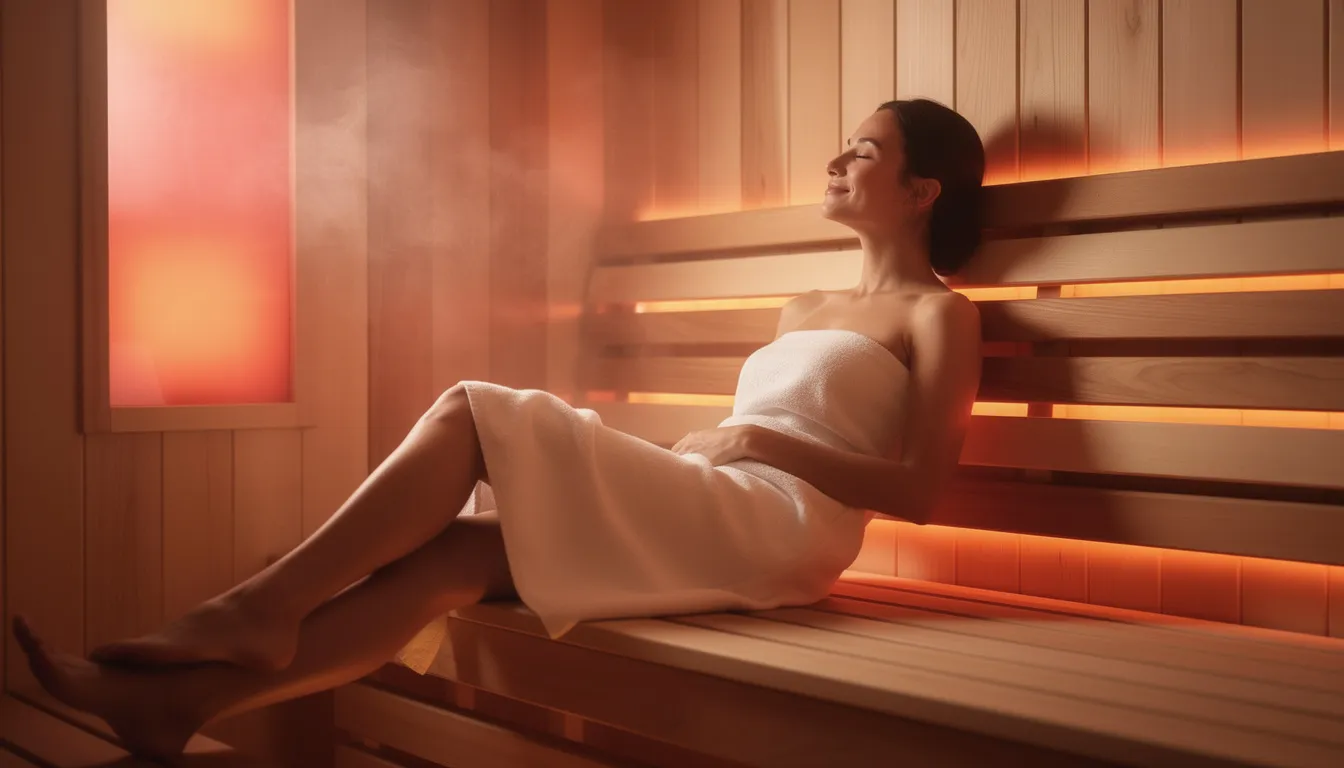
Staying within proven temperature ranges makes contrast therapy both effective and safe for most healthy adults. Going too hot risks burns and excessive cardiovascular strain; going too cold too quickly can lead to dangerous shock responses.
The guidelines below represent the sweet spot where physiological benefits peak without unnecessary risk.
Hot Phase Temperature Ranges
|
Method |
Temperature Range |
Notes |
|
Hot water bath/whirlpool |
100–104°F (38–40°C) |
Most common for contrast baths |
|
Traditional sauna |
150–175°F (66–79°C) |
Standard Finnish sauna range |
|
Infrared sauna |
120–150°F (49–66°C) |
Lower ambient temp, deeper tissue penetration |
For sauna sessions, most home users find 130–150°F comfortable and effective. Advanced users occasionally go higher under guidance, but the goal is to increase tissue temperature enough to activate heat shock proteins and promote muscle relaxation without excessive strain.
Hot water immersion should stay below 104°F to avoid burns and minimize cardiovascular stress. If you're considering a luxury home sauna, look for models with precise temperature controls.
Cold Phase Temperature Ranges
|
Method |
Temperature Range |
Notes |
|
Cold plunge/ice bath |
50–59°F (10–15°C) |
General wellness standard |
|
Advanced cold plunge |
41–50°F (5–10°C) |
Shorter duration, experienced users only |
|
Cold shower |
50–60°F (10–16°C) |
Typical tap water range |
For cold baths and plunges, 50–59°F provides the stimulus needed for vasoconstriction and catecholamine release without pushing into dangerous territory. Ice baths below 50°F should be reserved for conditioned individuals who limit exposure to 45–60 seconds maximum.
Cold showers work well for beginners or as a practical alternative when a dedicated home cold plunge tub isn't available.
Important Caution
Individuals with cardiovascular disease, high blood pressure, peripheral vascular disease, Raynaud's phenomenon, or pregnancy should obtain medical clearance before using these temperatures. The thermal stress of alternating hot and cold conditions significantly affects blood pressure and heart rate, underscoring the need for professional guidance for these populations.
What Are the Best Timing Ratios for Hot vs. Cold Exposure?
Research commonly favors a 3:1 or 4:1 hot-to-cold ratio, with the total session lasting 15–25 minutes. This asymmetry—longer heat for deep relaxation and protein synthesis, shorter cold for shock without fatigue—outperforms equal 1:1 ratio in terms of circulation gains, as observed clinically.
Standard Recovery Protocol (Healthy Adults)
|
Phase |
Duration |
Temperature |
|
Hot (sauna or bath) |
3–5 minutes |
100–104°F bath or 130–150°F sauna |
|
Cold (plunge or shower) |
45–60 seconds |
50–59°F (10–15°C) |
|
Cycles |
3–5 total |
— |
|
Total time |
15–25 minutes |
— |
|
Finish on |
Cold |
Maximizes anti-inflammatory benefit |
This protocol creates the vascular pumping effect that enhances blood circulation, flushes metabolic waste from muscles, and supports faster recovery from exercise-induced muscle damage.
Ending on cold ensures your blood vessels remain constricted, which minimizes inflammation and prevents swelling from returning.
Beginner Protocol (First 2-4 Weeks)
If you're new to contrast therapy, start slow:
- 2–3 minutes heat followed by 20–30 seconds cold
- 2–3 cycles total
- Use moderate temperatures (lower end of ranges)
- Stop immediately if you feel dizzy, nauseous, or experience chest discomfort
Beginners often underestimate how intense cold creates a powerful physiological response. Building tolerance gradually over 2–3 weeks prevents negative experiences that might discourage continued practice. The benefits of the home cold plunge system become more apparent as your body acclimates.
Advanced User Protocol
Conditioned athletes seeking maximum adaptation may progress to:
- 5–7 minutes heat with 60–90 seconds cold
- 4–6 cycles totaling 30–35 minutes
- Cold temperatures as low as 45–50°F for experienced users
This extended protocol is best undertaken with self-knowledge gained from months of consistent practice. When using very cold plunges below 50°F, professional guidance adds an important safety layer.
An outdoor infrared sauna paired with a weatherproof setup can support year-round advanced training. Sports medicine protocols for localized injuries (such as an ankle sprain) often mirror these timing structures.
When Should You Schedule Contrast Sessions for Maximum Effect?
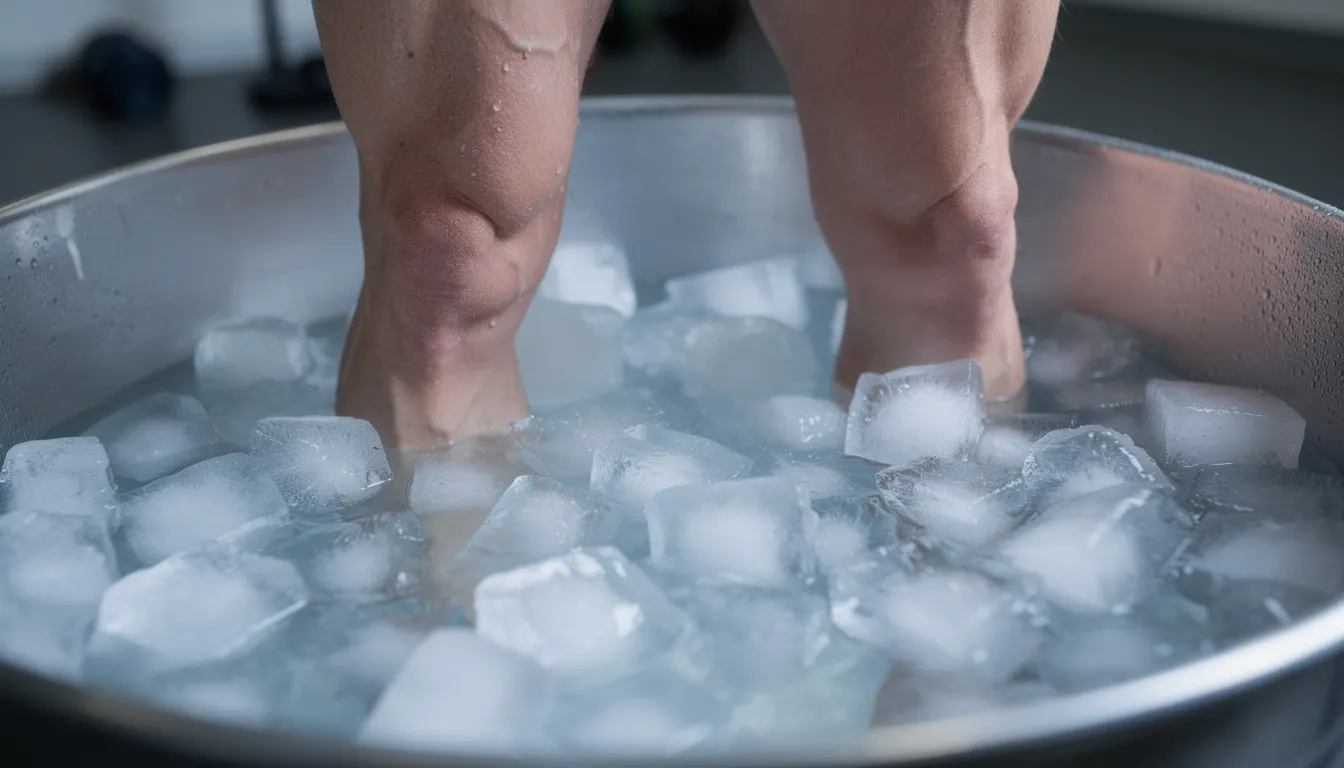
The time of day and your session's relationship to exercise fundamentally change how contrast therapy influences performance, muscle recovery, and sleep. Strategic scheduling transforms a good protocol into an exceptional one.
Post-Workout Window (Optimal for Most Users)
Perform contrast therapy within 1–2 hours after intense training or competition to help manage inflammation and alleviate muscle soreness. This timing capitalizes on the natural inflammatory response that peaks shortly after exercise, using hot-cold cycling to improve circulation and accelerate the removal of metabolic waste.
A note on strength training: for hypertrophy-focused training blocks, some athletes delay aggressive cold exposure for 4–6 hours or reserve it for lighter training days. The concern is that immediate cold may blunt some muscle-building adaptations by reducing the inflammatory signaling needed for growth.
The evidence remains mixed, but if maximizing muscle gain is your primary goal, consider scheduling intense sessions on recovery days rather than immediately after workouts.
Morning Contrast Routine
A morning session primes your nervous system for alertness and mental clarity:
- 3–5 minutes heat followed by 60–90 seconds cold
- 2–3 cycles
- End on cold to boost energy and combat morning cortisol dips
- Incorporate steady breathing to enhance focus
This approach works particularly well before mentally demanding days, providing the catecholamine surge that sharpens cognition and reduces fatigue.
Evening/Pre-Sleep Routine
Evening contrast therapy requires modification to support sleep:
- Use gentle heat (lower sauna temp or shorter hot bath)
- Keep cold exposures relatively mild (30–45 seconds)
- Complete 2–3 cycles
- End warm or neutral rather than with a sharp cold plunge
Ending cold late in the evening can elevate arousal and delay sleep onset. A warm finish helps lower core temperature gradually—aligning with your body's natural circadian temperature decline—while still providing contrast therapy benefits.
Weekly Frequency Guidelines
|
Goal |
Recommended Frequency |
|
General wellness |
2–3 sessions per week |
|
Intense training phases |
Up to 4 sessions per week |
|
Recovery from injury |
As directed by physical therapy |
Monitor for signs of overdoing it: persistent fatigue, sleep disruption, or unusually low resting heart rate. Studies suggest that 3–5 weekly sessions yield optimal adaptations, including increased white blood cell counts to support immunity and reduced delayed-onset muscle soreness.
How Can Breathing Techniques Amplify Hot-Cold Benefits?

Controlled breathing during contrast therapy enhances cardiovascular resilience, reduces anxiety, and makes both heat and cold more tolerable. Research shows that breathwork combined with thermal stress can boost IL-10, an anti-inflammatory cytokine.
Slow Nasal Breathing Pattern
This foundational technique works throughout both phases:
- Inhale through the nose for 4–5 seconds
- Exhale through the nose for 5–6 seconds
- Aim for 4–6 breaths per minute
Benefits include improved heart rate variability, better oxygen-carbon dioxide balance, and reduced perceived stress.
Box Breathing During Heat
While seated in your infrared or traditional sauna, box breathing deepens relaxation:
- Inhale for 4 seconds
- Hold for 4 seconds
- Exhale for 4 seconds
- Hold for 4 seconds
- Repeat for 3–5 minutes
This pattern activates parasympathetic response, promoting muscle relaxation and reducing muscle tension before the cold phase.
Steady Exhale Technique for Cold Exposure
When stepping into cold water, your instinct may be to hyperventilate. Resist this:
- Inhale for 3–4 seconds
- Exhale slowly for 6–8 seconds
- Focus entirely on the exhale as cold water contacts your body
This approach down-regulates the sympathetic stress response, reducing the "shock" sensation and making the first 30–60 seconds in cold water significantly more manageable.
The mental well-being benefits of combining breathwork with contrast therapy extend beyond physical recovery. High-performing professionals and athletes using home sauna setups report enhanced focus, improved stress relief, and greater resilience to daily challenges. The practice essentially trains your nervous system to remain calm under physiological pressure—a skill that transfers to high-stakes situations.
What Are the Contrast Timing Protocols for Different Goals?
The "best" timing depends on your primary objective. Below are goal-specific templates you can implement immediately, whether your focus is on sports recovery, pain management, or nervous system restoration.
For Post-Exercise Recovery and Soreness Reduction
This protocol targets exercise-induced muscle damage and delayed-onset muscle soreness:
|
Element |
Specification |
|
Cycles |
3–5 |
|
Hot phase |
3–5 minutes at 100–104°F (38–40°C) |
|
Cold phase |
45–60 seconds at 50–59°F (10–15°C) |
|
Finish on |
Cold |
|
Best timing |
Within 1–2 hours post-workout |
Ideal after heavy lifting, long runs, or high-intensity interval training. This approach can significantly reduce muscle soreness. Alternating heat and cold improves circulation while reducing tissue swelling around stressed muscle fibers.
For Chronic joint pain and Stiffness
Those dealing with joint stiffness in knees, hands, or shoulders benefit from modified parameters:
- Temperature: More moderate (warm rather than hot, cool rather than ice-cold)
- Duration: 15–20 minutes total
- Protocol: 3–4 minutes heat, 1 minute cold, 3–4 cycles
- Method: Localized contrast baths or targeted shower work
Hand therapy applications use similar protocols for conditions affecting fingers and wrists. Start with fewer cycles if you're new to heat and cold therapy, increasing only as tolerated. Near-infrared spectroscopy studies confirm improved intramuscular hemodynamics and skin blood flow with these approaches.
For Nervous-System Reset and Stress Relief
When mental health and relaxation take priority over athletic recovery:
- Hot phase: 5–8 minutes (emphasizing relaxation)
- Cold phase: 30–45 seconds (milder intensity)
- Cycles: 2–3
- Breathing: Deep, slow patterns throughout
- Best timing: Evening wind-down routine
Consider using a lower-temperature infrared sauna for the hot phases, creating a gentler experience that prepares the body for sleep while still providing contrast therapy benefits. This protocol reduces muscle spasm and tension accumulated throughout the day.
For Pre-Performance Priming
Before competition or important training sessions:
- Hot phase: 3–4 minutes, 1–2 exposures only
- Cold phase: 20–30 seconds
- Finish on: Cold (increases alertness and muscle readiness)
- Caution: Avoid exhausting or overheating before the event
This briefer session activates the nervous system without depleting energy reserves. Athletic training protocols suggest completing this 60–90 minutes before competition to allow body temperature to normalize while retaining the alertness benefits.
How Can You Practice Timed Contrast Therapy at Home with Saunas and Cold Plunges?
Many research-style protocols can be replicated safely at home using an infrared or traditional sauna, along with a cold plunge tub or even a cold shower. The key is maintaining consistent temperatures and timing across your cycles.
Full-Body Sauna Plus Cold Plunge Routine
This represents the gold standard for home contrast therapy:
- Preheat your sauna to 130–150°F (54–66°C) for traditional units or 120–140°F for infrared
- Enter the sauna for 3–5 minutes, breathing deeply and allowing muscles to relax
- Move to your cold plunge (50–59°F / 10–15°C) for 45–60 seconds
- Return to the sauna and repeat
- Complete 3–5 cycles, ending on cold if recovery or alertness is the goal
Total session time: 20–30 minutes, including transitions. Keep a timer visible or use a smartphone app to maintain consistent intervals.
When comparing infrared saunas, consider models with built-in timers and digital controls for ease of use. Many users seeking home infrared sauna installation find that dedicated spaces enhance consistency.
Alternative: Sauna Blanket and Cold Showers
For those without a dedicated cold plunge:
- Spend 10–15 minutes in an infrared sauna blanket, breaking this into shorter segments (5 minutes heat, brief cool-off)
- After each heat block, take a 30–60 second cold shower, focusing water on legs and trunk
- Complete 2–3 rounds, adjusting intensity to comfort level
Cold showers may not match the uniform immersion of a plunge, but they still deliver meaningful benefits for improving blood flow and reducing inflammation.
Two-Bucket Contrast Bath Routine (Limbs Only)
For targeted recovery of feet, ankles, hands, or wrists—common in athletic training and hand therapy:
|
Element |
Hot Bucket |
Cold Bucket |
|
Temperature |
100–104°F (38–40°C) |
50–59°F (10–15°C) |
|
Duration |
3–4 minutes |
1 minute |
|
Cycles |
4–5 |
— |
|
Total time |
15–20 minutes |
— |
|
Finish on |
Cold |
— |
This localized approach works well for sports recovery from specific injuries, such as an ankle sprain, or for reducing inflammation in a resting limb after surgery.
Practical Tips for Home Sessions
- Use a simple water thermometer to verify temperatures
- Set a timer or smartphone app for consistent phase durations
- Keep towels and a robe nearby for comfortable transitions
- Have drinking water available—sauna sessions can be dehydrating
- Consider a non-slip mat near your cold plunge for safety
- Explore the best sauna accessories to enhance your sessions
What Are the Safety Guidelines, and When Should You Adjust Timing?
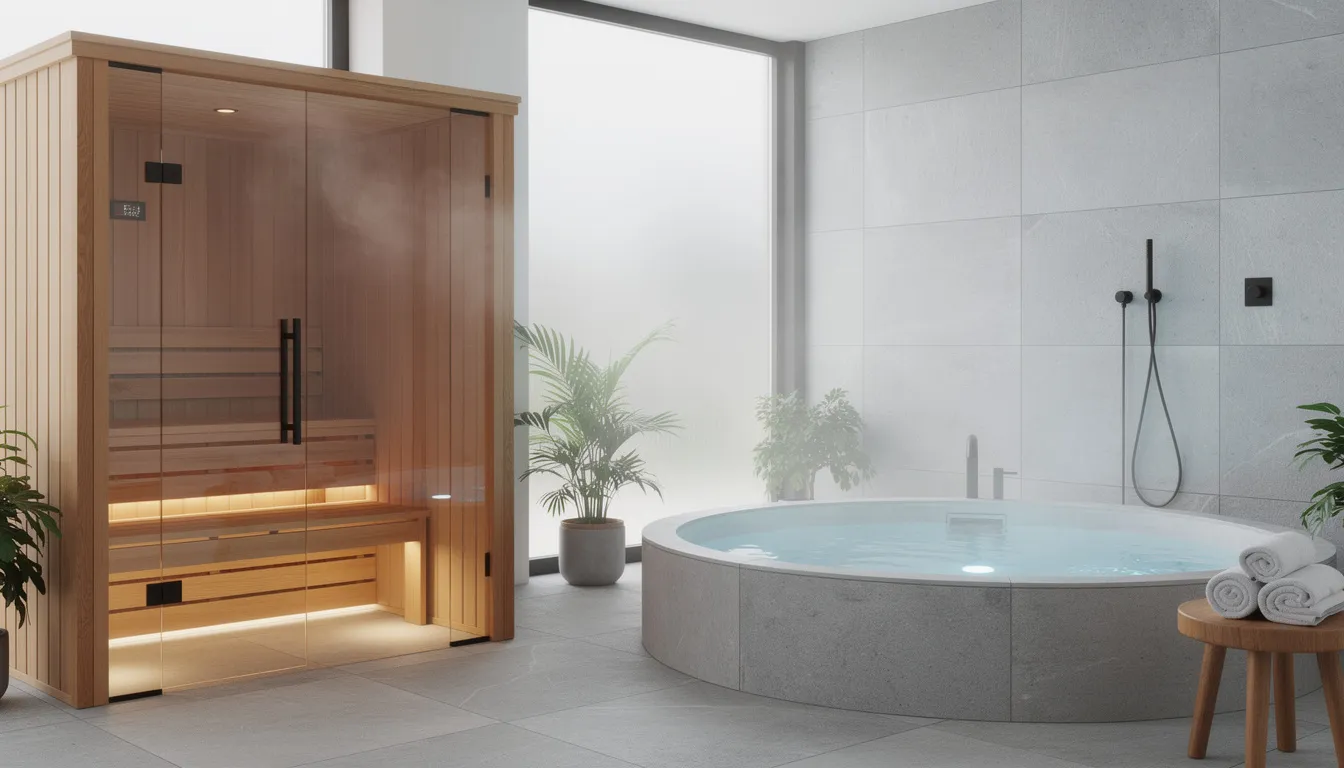
While contrast therapy is generally safe for healthy adults, both temperatures and timing should be adjusted based on individual health status and experience. The body's ability to handle thermal stress varies significantly between individuals.
Populations Requiring Medical Clearance
The following groups should consult a healthcare provider before starting contrast bath therapy:
- People with cardiovascular disease or uncontrolled hypertension
- Those with peripheral arterial disease or Raynaud's phenomenon
- Individuals with neuropathy or severe diabetes affecting sensation
- Pregnant individuals
- Anyone with significant sensory impairments
- Those recovering from recent major surgery
Blood pressure fluctuations during alternating hot and cold exposures can be substantial. For those with compromised cardiovascular health, even moderate protocols may pose risks.
Early Warning Signs to Stop Immediately
Exit your session and seek appropriate care if you experience:
- Dizziness or lightheadedness
- Chest pain or palpitations
- Difficulty breathing
- Confusion or disorientation
- Uncontrolled shivering that doesn't subside
- Numbness in extremities
If symptoms persist after exiting, drying off, and warming up slowly, seek medical attention. While insufficient evidence exists to predict exactly who will react negatively, these warning signs indicate the protocol is too intense for your current state.
Timing Adjustments for Sensitive Users
Some individuals need gentler protocols, regardless of the research showing benefits from standard approaches:
|
Adjustment |
Standard |
Sensitive User |
|
Hot exposure |
3–5 minutes |
1–2 minutes |
|
Cold exposure |
45–60 seconds |
15–20 seconds |
|
Temperatures |
Full range |
Milder (warmer cold, lower sauna) |
|
Cycles |
3–5 |
1–2 |
Premium home sauna brands and cold plunge products are designed with safety features, including precise temperature controls and high-quality construction. However, these features don't eliminate the need for conservative protocols and careful attention to your body's signals.
Further research continues to refine inclusion and exclusion criteria for various populations, but the current guidance emphasizes gradual progression and individual awareness. Randomized controlled trial data and clinical trials continue to expand our understanding, though research reflects that individual variation remains significant.
Listen to your body, start conservatively, and progress only when you recover well between sessions.
Optimize Your Recovery with Perfect Contrast Therapy Timing
Mastering contrast therapy timing transforms a good wellness practice into an exceptional one, amplifying the physiological benefits of hot-cold exposure while minimizing recovery time and maximizing adaptation.
Understanding how timing influences vascular response, inflammation reduction, and nervous system regulation allows you to customize your protocol for specific goals. Consistency with proper timing delivers compounding benefits that become increasingly noticeable over weeks and months of practice.
Ready to build a professional-grade contrast therapy system in your own home?
SunHomeSaunas offers premium infrared saunas that pair perfectly with cold plunge installations, giving you complete control over your hot-cold timing protocols. Don't leave your recovery to chance—invest in the equipment and expertise that serious athletes and wellness enthusiasts trust.
Visit SunHomeSaunas today to explore our sauna and cold plunge solutions designed specifically for optimal contrast therapy timing, and start experiencing the transformative recovery benefits that precise hot-cold cycling can deliver.
Frequently Asked Questions
How many hot-cold cycles should I do per session as a beginner?
Most Beginners should start with 2–3 cycles of 2–3 minutes of heat followed by 20–30 seconds of cold at moderate temperatures. This allows your cardiovascular and nervous systems to adapt to thermal stress without overwhelming your body's recovery capacity.
Only increase cycles once you feel comfortable, sleep well afterward, and don't experience lingering fatigue. Many people find it takes 2–3 weeks of consistent practice before they're ready to progress to standard 3–5 cycle protocols.
Is contrast therapy better with a cold plunge tub or just a cold shower?
Full-body immersion in a cold plunge tub at home offers more uniform and typically stronger physiological effects because the hydrostatic pressure and complete contact with cold water create greater vasoconstriction throughout the body.
However, cold showers still provide meaningful benefits for boosting circulation, reducing pain, and aiding recovery—especially when access to a dedicated plunge isn't available. Those wanting maximum control, consistent cold temperatures, and full immersion should consider investing in a dedicated commercial cold plunge tub wellness center-grade unit for home use, while others can use showers as a valid and effective starting point.
Can I do contrast therapy every day?
Healthy, acclimated individuals can use brief, moderate-intensity contrast several days per week without issues. However, intense protocols (multiple long cycles, very cold water below 50°F) are usually best limited to 2–4 times weekly to avoid chronic stress accumulation.
Monitor your sleep quality, mood, training performance, and resting heart rate to gauge individual tolerance. If you notice significant differences in recovery or persistent fatigue, reduce frequency. The body adapts best with adequate rest between demanding sessions—this applies to thermal stress just as it does to a tough workout.
Should I always finish on cold, or is it okay to end on heat?
Finishing on cold is preferred for post-exercise recovery, inflammation control, and daytime alertness because it constricts blood vessels, minimizing swelling while elevating catecholamine that promote energy and focus.
Finishing on warm or neutral is sometimes better in the evening when relaxation and sleep are the priority—the warmth helps lower core temperature gradually, which supports natural sleep onset. Experiment within safe ranges to discover which approach works best for your specific goals and schedule. Neither approach is universally "wrong"—timing and intention determine the optimal choice.
Do I need precise thermometers and timers for contrast therapy at home?
While contrast therapy can be done without gadgets, using a simple water thermometer and timer helps keep temperatures and intervals within proven safe and effective ranges. Targeting 100–104°F for hot water, 50–59°F for cold water, and maintaining consistent 3–5-minute hot phases with 30–60-second cold phases becomes much easier with basic measurement tools.
These inexpensive additions transform guesswork into reliable practice, helping you replicate the protocols shown to be effective in sports medicine and physical therapy research. Consider these tools part of a complete home sauna wellness setup alongside your sauna and cold plunge equipment.
References
- Ice Baths – “Ice Baths Benefits: Science + Real Results 2026.”
- Science Direct – “Vascular Reactions to the Contrast Bath in Health and in Rheumatoid Arthritis.”
- National Institute of Health – “Mechanism and Efficacy of Contrast Therapy for Musculoskeletal Painful Disease: A Scoping Review.”
- Research Gate – “The Effect of Contrast Water Therapy on Symptoms of Delayed Onset Muscle Soreness.”
- National Library of Medicine – “The Effects of Cold Exposure Training and Breathing Exercise on the Inflammatory Response in Humans: A Pilot Study.”
Medical News Today: Heat and Cold Treatment: Which is Best?”