


For adults in their 60s, 70s, and 80s, sauna and cold plunge therapy can be genuinely beneficial tools for cardiovascular health, joint comfort, mood, and sleep quality — but only when the protocols are designed specifically for an older body, and that’s where we come in.
We at SunHomeSaunas rank amongst the best home sauna and cold plunge brands because we prioritize key factors in our setups and recommendations. That includes insistence on medically verified cardiovascular and medication clearance before starting, conservative temperature ranges matched to age and health status — not general-population guidelines, and gradual protocol progression over weeks with response tracking.
We recognize that the generic routines flooding social media in 2026, built around young athletes pushing performance limits, are not appropriate starting points for seniors. Age-related changes in circulation, thermoregulation, skin thickness, and medication narrow the margin of safety in ways that demand a completely different approach.
This guide provides concrete, age-specific protocols for seniors based on current research and clinical guidance. It covers the physiological reasons older bodies respond differently to heat and cold, a full medical screening checklist, step-by-step sauna and cold plunge starting protocols, contrast therapy guidance, weekly planning templates, equipment selection criteria, and a complete safety framework.
Key Takeaways
- Seniors over 60 need significantly milder sauna temperatures (140–160°F traditional, 120–135°F infrared) and warmer cold plunge water (60–68°F) with shorter exposure times than younger users to stay safe.
- Medical clearance is strongly recommended for anyone over 60 with heart disease, high blood pressure, diabetes, peripheral neuropathy, or lung conditions before starting any thermal therapy routine.
- Contrast therapy (combining sauna and cold plunge) can support circulation, joint comfort, sleep quality, and mood when approached conservatively with gradual transitions and proper rewarming.
- Age-related changes in circulation, thermoregulation, and medication use narrow the margin of safety for both heat exposure and cold water immersion, making individualized protocols essential.
- SunHomeSaunas offers senior-friendly traditional and infrared saunas plus cold plunge tubs designed with precise temperature control, low entry thresholds, and safety features that matter more after age 60.
What Is Cold Therapy and Why Does It Matter for Seniors?
Cold therapy, sometimes called cryotherapy, is the practice of using low temperatures to support physical and mental well-being. For seniors, this often means gentle cold water immersion, cool showers, or brief cool-water sessions — methods that can be easily adapted for home cold plunge system benefits without the extreme temperatures promoted for athletic recovery. Cold therapy works by exposing the body to cold water or air for a short period, triggering a range of physiological responses that can benefit overall health.
What Are the Health Benefits of Cold Therapy for Older Adults?
The health benefits of cold therapy are supported by a growing body of research, especially when it comes to healthy aging. Regular cold exposure has been shown to help reduce metabolic risk factors such as high blood sugar and cholesterol, which are linked to chronic diseases. For seniors, this means that cold therapy can play a meaningful role in maintaining cardiovascular health and supporting longevity.
One of the most well-known advantages of cold therapy is its ability to aid muscle recovery. After exercise or physical activity, cold water immersion can help reduce muscle soreness and speed up tissue repair, making it easier to stay active and mobile. Cold therapy also helps reduce inflammation throughout the body, which is particularly important for older adults managing joint pain or chronic conditions.
Beyond the physical benefits, cold therapy has been linked to improved mental health. Brief cold exposure can trigger the release of endorphins and other mood-boosting neurochemicals, helping to reduce stress and promote a sense of well-being. Some studies suggest that regular cold therapy may also support immune function and contribute to healthy aging by reducing systemic inflammation and supporting the body's natural repair processes.
How Do Sauna and Cold Plunge Change After Age 60?
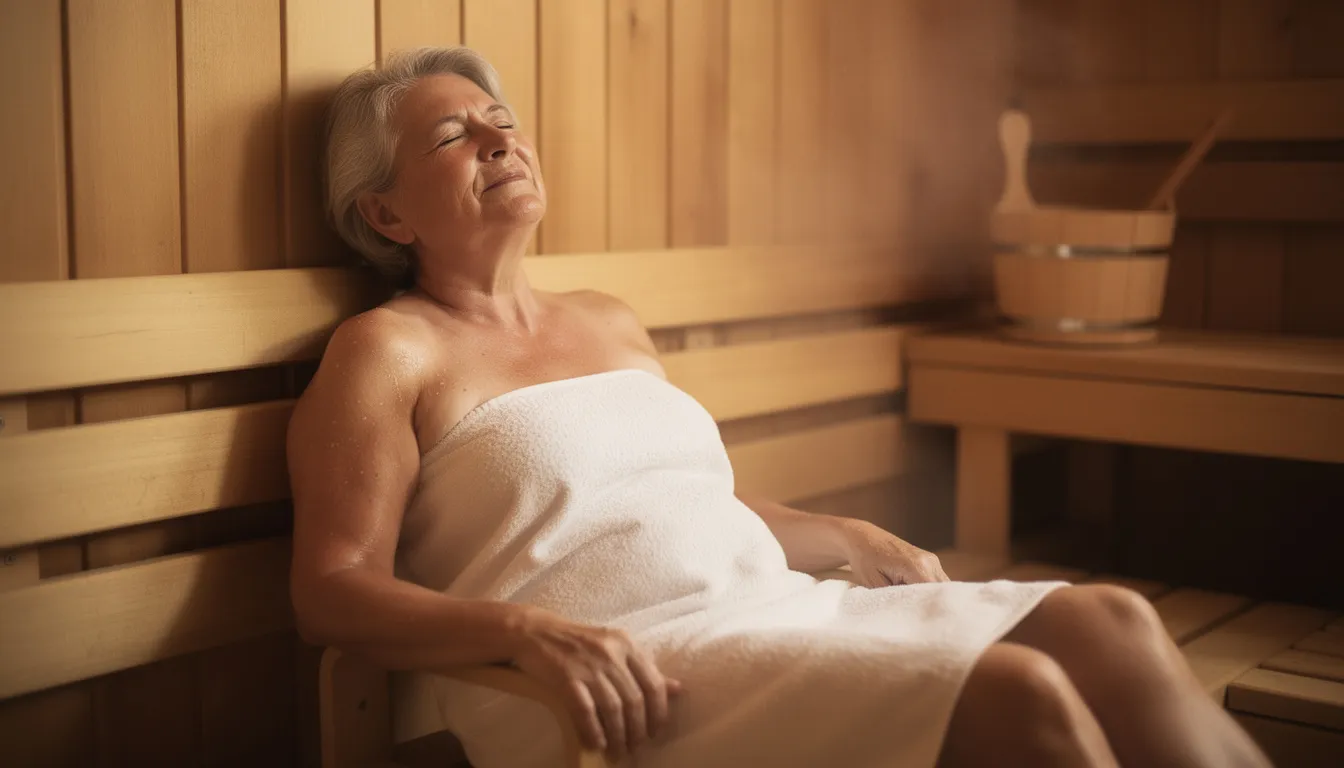
Most viral sauna and ice bath routines are built for young athletes recovering from intense training — not for adults navigating their 60s, 70s, or 80s. The protocols that help a 28-year-old CrossFit competitor bounce back faster can put a 70-year-old with managed hypertension at real risk. The following sub-sections explain exactly what physiological changes demand a different approach.
Here are what changes with age:
- Circulation and cardiovascular response narrow the safety window
Blood vessels become stiffer with age, heart rate response slows, and blood pressure control becomes less flexible. When you expose an older cardiovascular system to sudden cold or extreme heat, the stress response hits harder and recovery takes longer. Research shows vasoconstriction begins at approximately 59°F, increasing cardiac workload significantly for those with existing heart concerns.
- Reduced sweat response and diminished thirst signals increase dehydration risk
Older adults do not sweat as efficiently and often do not feel thirsty even when dehydrated. In a sauna session lasting 15–20 minutes, this combination makes overheating and dehydration far more likely than in a younger person who sweats freely and reaches for water instinctively.
- Reduced cold sensation and slower rewarming raise hypothermia and after-drop risk
Thinner skin, less subcutaneous fat, and lower body mass mean seniors lose core temperature faster in cold water. Cold water immersion can rapidly lower body temperature in seniors, increasing the risk of hypothermia. Cold exposure causes blood vessels to constrict, diverting blood to the body's core to preserve heat, while the heat from the sauna expands blood vessels, increasing blood flow to the skin.
The "after-drop" phenomenon — where core temperature continues falling after you leave the water as chilled blood returns from extremities — creates a hidden danger window that many people do not anticipate.
Think of it this way: a 67-year-old with well-controlled high blood pressure sitting in a 180°F sauna for 20 minutes is not having the same experience as the 35-year-old next to them. Their body responds differently, recovers more slowly, and has less margin for error. That is why seniors need their own protocol.
What Medical Screening Should Seniors Complete Before Starting?
If you are over 60 and considering adding sauna bathing or cold water therapy to your wellness routine, the first stop is your doctor's office — not the equipment showroom. This is especially true if you are new to either practice. The following sub-sections cover every medical category requiring clearance before beginning.
Cardiovascular conditions requiring medical clearance:
- Coronary artery disease
- Prior heart attack or angina
- Heart failure (including chronic heart failure patients)
- Atrial fibrillation or other arrhythmias
- Uncontrolled high blood pressure
- History of stroke or TIA (transient ischemic attack)
Metabolic and neurological conditions to discuss:
- Type 2 diabetes, especially with peripheral neuropathy
- Chronic kidney disease
- Parkinson's disease
- History of fainting or syncope
- Balance problems or severe arthritis affecting mobility
Lung conditions that increase risk with temperature extremes:
- Moderate to severe chronic obstructive pulmonary disease (COPD)
- Asthma with frequent symptoms
- Pulmonary hypertension
- Untreated or poorly controlled sleep apnea
Red flags that mean you should delay use until cleared:
|
Symptom or Situation |
Action Required |
|
Chest pain or pressure |
Do not use; see physician first |
|
New shortness of breath |
Medical evaluation needed |
|
Palpitations or irregular heartbeat |
Cardiology clearance required |
|
Blood pressure above 160/100 at rest |
Get BP controlled before starting |
|
Recent surgery (within 6–8 weeks) |
Wait for surgical clearance |
Medical experts caution individuals with heart disease, hypertension, diabetes, peripheral neuropathy, poor circulation, and cold agglutinin disease against cold plunges without explicit medical clearance. Most healthcare providers advise against cold water immersion for this population unless they have been individually assessed.
How Should Seniors Prepare Before Starting Cold Therapy?
Starting a cold therapy routine requires thoughtful preparation, especially for seniors. The key is to introduce cold exposure gradually, allowing your body to adapt safely over time. Begin with brief periods of cool water or cool showers — just 30 to 60 seconds at first — and slowly increase the duration as your comfort and tolerance improve.
Listening to your body is essential. If you experience excessive shivering, numbness, or discomfort, end the session immediately and warm up. Always adjust your routine based on how you feel, and never push through pain or severe discomfort.
Certain health conditions require extra caution. If you have high blood pressure, chronic heart failure, or COPD, consult your healthcare provider before starting any cold therapy regimen. These conditions can increase the risk of adverse reactions — such as sudden changes in blood pressure or breathing difficulties — during cold exposure.
What Are the Age-Specific Sauna Protocols for Seniors 60+?
Generic sauna guidance often suggests temperatures that are simply too aggressive for adults over 60. The following sub-sections provide concrete starting points tailored specifically for older adults, covering temperature, duration, frequency, health-status adjustments, and practical safety tips.
Temperature Guidelines
|
Sauna Type |
Starting Temperature |
Maximum After Acclimation |
|
Traditional sauna |
140–160°F (60–71°C) |
165–170°F for well-acclimated seniors |
|
Infrared sauna |
120–135°F (49–57°C) |
140°F for those tolerating well |
SunHomeSaunas infrared models offer gentler whole-body heating that many seniors prefer. The heat penetrates more gradually without the intense dry air that can irritate airways or create the overwhelming sensation some older adults find uncomfortable in traditional high-heat settings.
Session Duration
- Initial sessions: 8–12 minutes for most 60+ beginners
- After acclimation: 15–20 minutes maximum, broken into 2 shorter rounds if needed
- Rest between rounds: 5–10 minutes in a cooler space
Weekly Frequency
For healthy older adults, 2–4 sauna sessions per week provides a reasonable balance between potential infrared sauna health benefits and recovery time. The Finnish longevity research showing cardiovascular benefits typically involved 2–7 sessions weekly — but those participants had been doing this for years at their own individualized tolerance levels.
Adjustments Based on Health Status
A relatively fit 60-year-old who exercises regularly and has no major health conditions can likely start at the higher end of these ranges. However, a more fragile adult over 75, or anyone managing multiple chronic illnesses, should start at the very lowest temperatures and shortest durations, progressing only after several weeks of consistent sessions without adverse reactions.
Practical Safety Tips for Sauna Sessions
- Always sit on a bench rather than standing
- Rise slowly when exiting to prevent orthostatic blood pressure drops
- Keep a bottle of water within arm's reach
- Avoid alcohol before, during, and immediately after
- Cool down seated rather than walking immediately
- Limit sessions to avoid pushing through discomfort
What Are the Age-Specific Cold Plunge Protocols for Seniors 60+?
When we talk about how to use a cold plunge safely at home for seniors, we are not talking about the ice-cold water you see athletes plunging into on social media. For adults over 60, cold plunge means carefully controlled cool water tailored to cardiovascular safety — not extreme cold exposure designed to shock the system.
Cold water exposure involves immersing the body in cool water to trigger physiological responses, but it also carries specific risks for seniors, including increased cardiovascular strain and potential for hypothermia.
For safety, seniors should have a trusted person present during their first cold plunge sessions.
Temperature Guidelines for Seniors
|
Experience Level |
Water Temperature |
Notes |
|
Beginner (60+) |
68–60°F (20–15.5°C) |
Start here regardless of athletic background |
|
Intermediate |
60–55°F (15.5–13°C) |
Only with medical clearance and good tolerance |
|
Advanced (rare for 60+) |
Below 55°F |
Generally not appropriate for adults over 70 or those with cardiovascular disease |
The CDC warns that hypothermia can occur at water temperatures below 70°F, with immersion hypothermia developing when submerging in water colder than 59°F. Cold water transfers heat away from the body 25 times faster than cold air, making even moderately cool water a significant thermal stressor for older adults.
Duration Guidelines
- First sessions: 30–60 seconds only
- Gradual progression: Build toward 2–3 minutes maximum over weeks
- Hard limit for most seniors: Do not chase ultra-long immersions beyond 3–5 minutes
Extremely cold water (below 55°F) or sessions over 5 minutes should be considered advanced territory that is typically not appropriate for adults over 70 or anyone with heart disease, chronic illnesses, or blood pressure concerns.
Weekly Frequency
Start with 2–3 cold water immersion sessions per week on days without heavy exercise. Increase frequency only if sleep quality improves, mood lifts, and joint comfort genuinely increases without extra fatigue. If you are feeling wiped out the day after, you are doing too much.
Senior-Specific Setup Requirements
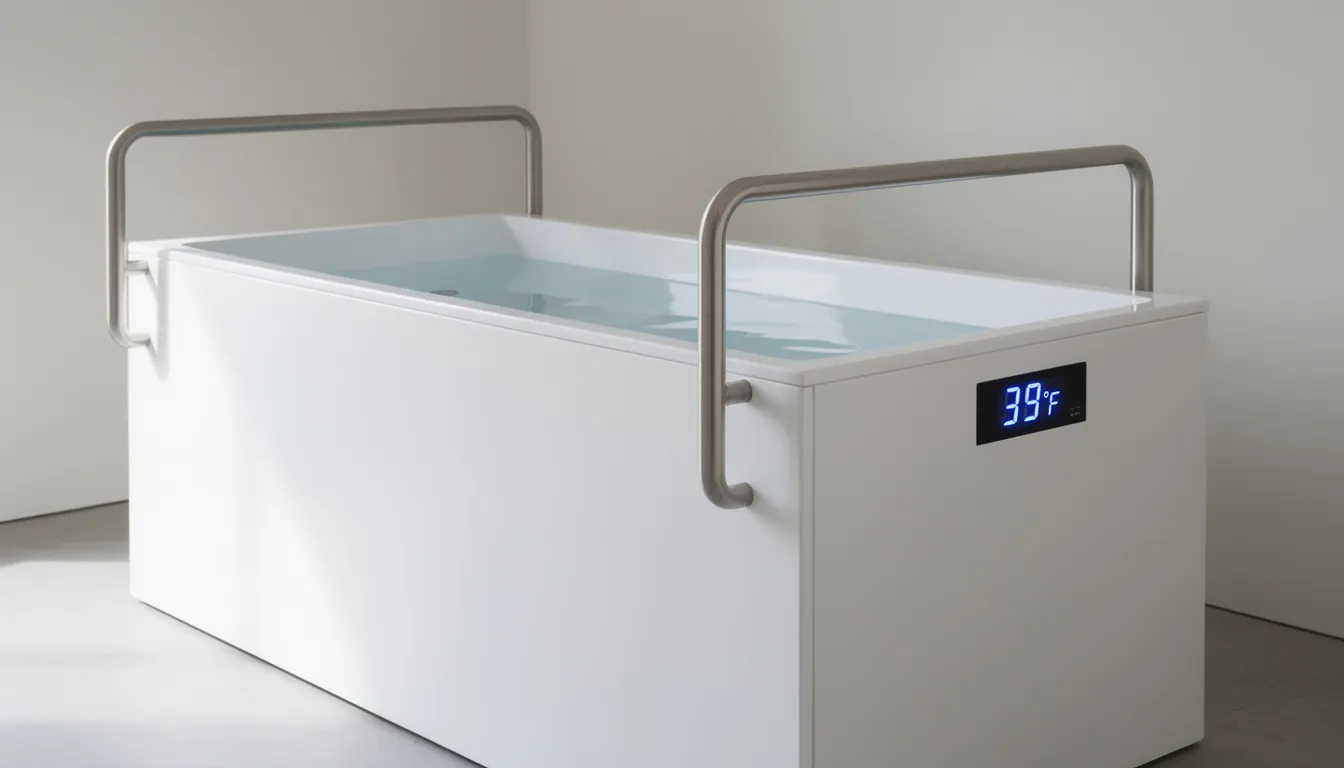
The physical environment matters enormously for safe cold plunging after 60:
- Stable step or platform for entering and exiting
- Grab bar or handrail mounted securely
- Non-slip surfaces around the entire plunge area
- Chair or bench immediately adjacent to the tub
- Phone within reach in case of emergency
- Companion nearby during initial weeks of practice
SunHomeSaunas cold plunge tub for home products with built-in temperature control offer significant advantages over DIY ice-filled stock tanks. The ability to set and maintain a precise water temperature eliminates guesswork and reduces the risk of accidentally entering water far colder than intended.
How Do You Practice Safe Contrast Therapy After Age 60?
Contrast therapy involves alternating between hot sauna and cool plunge to stimulate blood flow, support tissue repair, and potentially provide pain relief. When done gently, many older adults find it helps with joint stiffness, circulation, and overall well-being.
However, the approach requires significant modification from what you might see promoted for younger adults. The following sub-sections cover starter protocols, higher-risk modifications, safe transitions, after-drop prevention, and weekly frequency.
Conservative Starter Protocol (Ages 60–70, Generally Healthy)
|
Phase |
Duration |
Temperature |
|
Sauna |
8–10 minutes |
140–150°F traditional or 125°F infrared |
|
Transition |
1–2 minutes |
Walk slowly, sit briefly |
|
Cold plunge |
30–60 seconds |
65–60°F |
|
Rest |
5–10 minutes |
Seated in 68–72°F room |
|
Repeat |
1–2 total cycles |
Only if feeling well |
Important Modifications for Higher-Risk Groups
Adults over 70, or anyone with cardiovascular disease, should usually start with heat alone or sauna plus a brief cool shower rather than full cold immersion. For seniors, a cool shower can be a safer and more accessible alternative to a full cold plunge, still providing many of the benefits of cold exposure while reducing cardiovascular risk. Only add very short cold plunging if a clinician specifically agrees it is appropriate for your health status.
Transition Safely
Forget the social media trend of sprinting from 170°F to freezing water. For seniors, transitions should be deliberate:
- Sit up slowly in the sauna
- Stand and pause for a moment
- Walk a few steps
- Enter the plunge slowly, one step at a time
- Never dive or jump in
Prevent After-Drop
Every contrast therapy session should end with thorough warming in a room kept at 68–72°F. Put on dry layers immediately, sip a warm beverage, and rest for at least 15–20 minutes before walking stairs or going outside in winter. The after-drop phenomenon means your body's core temperature can continue falling even after you have left the cold water — proper rewarming protocol is essential.
Weekly Frequency for Contrast Therapy
Limit contrast therapy to 2–3 sessions per week with at least one rest day between sessions to gauge how your joints, sleep, and energy respond. More is not better when you are over 60.
How Does Aging Affect Heat and Cold Tolerance?
Understanding why older bodies respond differently to temperature extremes helps explain why these modified protocols exist. This is not about being overly cautious — it is about respecting physiological reality. The following sub-sections address each dimension of age-related change that affects thermal therapy safety.
Regular sauna use is linked to a 50% reduction in cardiovascular mortality and a lower risk of sudden cardiac death for seniors.
When exposed to heat, the body increases production of heat shock proteins (HSPs), which are associated with cellular repair, longevity, and disease prevention. Research confirms that sauna-induced HSP upregulation represents one of the key biological mechanisms linking frequent sauna use to healthy aging outcomes. Sauna use can also stimulate the release of growth hormone, supporting tissue repair.
Cardiovascular System Changes
With age, blood vessels become stiffer, heart rate response slows, and the body's ability to quickly adjust blood pressure diminishes. When exposed to sudden cold, norepinephrine floods the system, causing blood vessels to constrict and forcing the heart to work harder. For a healthy 25-year-old, this stress response is manageable.
For a senior with compromised cardiovascular function, it can trigger dangerous spikes in blood pressure or worse. A landmark Finnish study documented the dose-dependent cardiovascular benefits of regular sauna use — benefits that depend on protocols appropriate to each individual's cardiovascular capacity.
Body Composition and Skin Changes
Older adults have thinner skin, less subcutaneous fat, and lower lean body mass — all of which reduce the body's natural insulation and temperature-buffering capacity. These changes fundamentally alter how the body handles thermal stress, making both overheating in saunas and heat loss in cold water more rapid than in younger adults.
Medication Interactions
Many seniors take medications that affect how they respond to heat and cold. The following sub-sections cover the most clinically relevant medication categories.
|
Medication Type |
Impact on Thermal Therapy |
|
Beta-blockers |
Blunt heart rate response, may mask warning signs |
|
Diuretics |
Increase dehydration risk |
|
Blood thinners |
May affect circulation and bruising |
|
Certain antidepressants |
Can alter thermoregulation |
|
Blood pressure medications |
Change how body responds to temperature stress |
Real-World Comparison
Consider the difference between an active 62-year-old who walks daily and takes one blood pressure medication versus an 80-year-old with diabetes, peripheral neuropathy, and balance problems. The first might tolerate moderate contrast therapy after proper medical clearance.
The second may be better served with gentle infrared sauna sessions only — no cold plunge at all — because reduced sensation from neuropathy could mask tissue damage and diabetic circulation changes slow rewarming dangerously.
How Do You Build a Weekly Sauna and Cold Plan for Seniors?
The following weekly templates bring together every protocol recommendation into a practical routine. Two distinct examples cover different health profiles — remember that your clinician's advice always overrides any generic schedule. Each sub-section addresses a different stage of the planning process.
Example Week: Generally Healthy 60–70-Year-Old
|
Day |
Activity |
Details |
|
Monday |
Infrared sauna |
12–15 minutes at 130°F |
|
Tuesday |
Rest or gentle walking |
Active recovery |
|
Wednesday |
Rest |
— |
|
Thursday |
Infrared sauna |
12–15 minutes at 130°F |
|
Friday |
Rest or gentle walking |
— |
|
Saturday |
Light contrast session |
10 min sauna + 60 sec cool plunge |
|
Sunday |
Rest |
— |
Example Week: Older or Medically Complex Seniors
|
Day |
Activity |
Details |
|
Monday |
Short infrared sauna |
8–10 minutes at 120°F |
|
Tuesday–Thursday |
Rest with gentle movement |
Walking, stretching |
|
Friday |
Short infrared sauna |
8–10 minutes at 120°F |
|
Saturday–Sunday |
Rest |
Cool shower for 15–30 seconds optional |
Track Your Response
Keep a simple log tracking:
- Sleep quality (1–10 scale)
- Morning energy level
- Joint stiffness
- Home blood pressure readings
If metrics improve, hold steady or consider modest increases. If you are feeling consistently drained, scale back immediately.
Timing Considerations
Avoid late-night high-heat sauna sessions — finish at least 2–3 hours before bed. Cold exposure should end even earlier for those prone to insomnia, as the stress response and subsequent rewarming can interfere with sleep onset.
Keep Movement Central
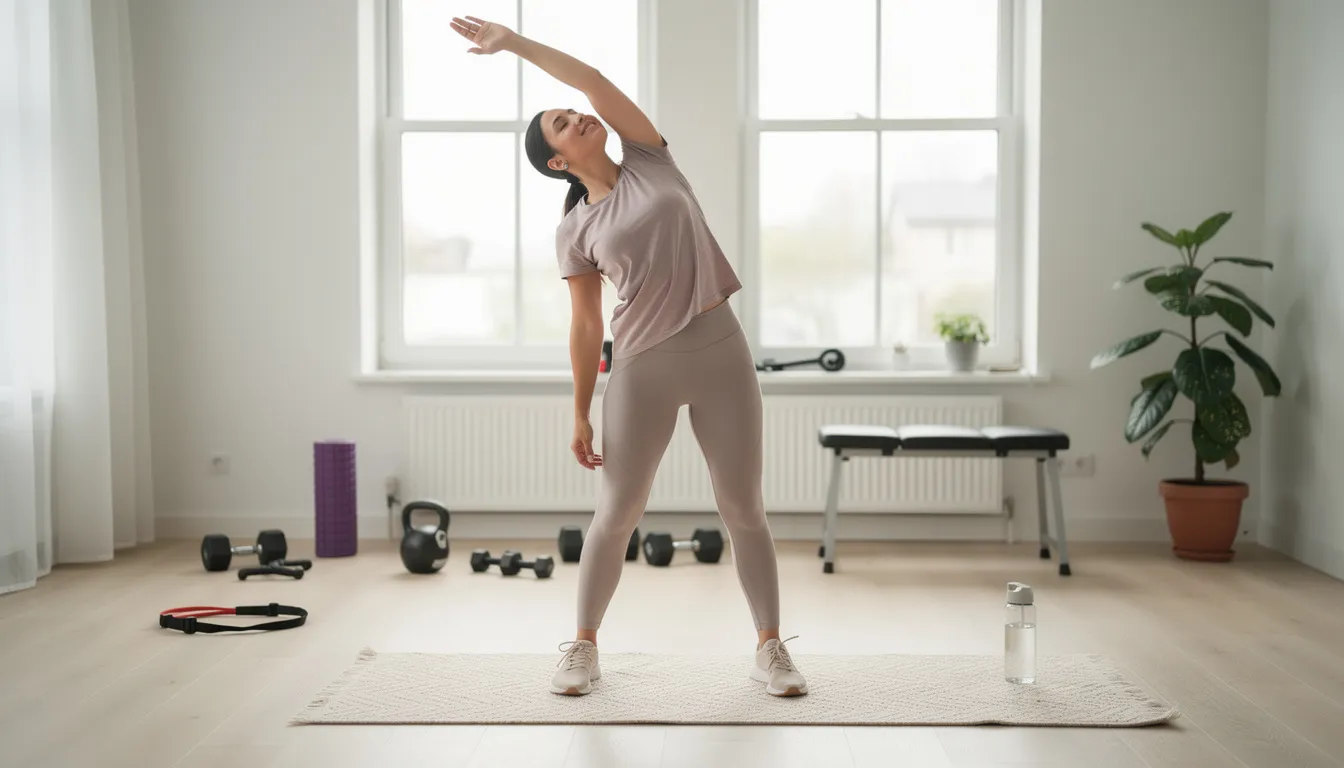
Strength training through resistance exercise and regular walking remain the foundation of healthy aging. Sauna use and cold therapy are supportive home sauna wellness tools that may aid muscle recovery and reduce inflammation — they are not replacements for movement, physical therapy, or prescribed rehabilitation programs.
Routine post-exercise cold exposure can compromise long-term muscle growth and strength adaptations, so seniors working to preserve muscle should periodize cold exposure to off-days rather than immediately after workouts.
How Do You Choose Senior-Friendly Saunas and Cold Plunges?
Equipment design matters significantly more for safety once you cross 60. Features that might seem like nice extras for younger adults become essential safety considerations for seniors. The following sub-sections cover what to look for in both sauna and cold plunge equipment, and how to approach a staged, senior-appropriate purchasing decision.
Senior-Friendly Sauna Features to Look For
- Lower bench heights for easier entry and exit
- Door handles that are easy to grip even with arthritic hands
- Clear temperature controls with readable displays
- Timers with automatic shut-off for peace of mind
- Low-EMF infrared heaters for gentler, more tolerable sessions
SunHomeSaunas full-spectrum infrared sauna models work particularly well for many 60+ users who prefer moderate temperatures, quick warm-up times, and plug-and-play installation in a spare room or home gym. The lower operating temperatures compared to traditional Finnish sauna setups reduce cardiovascular strain while still delivering the potential health benefits associated with frequent sauna use.
Cold Plunge Features Essential for Seniors
When shopping for a cold plunge suitable for adults over 60, prioritize:
- Precise digital temperature control (no guesswork)
- Integrated chiller (eliminate ice bags and temperature fluctuation)
- Textured non-slip floor inside the tub
- Built-in step or seat for safer entry and exit
- Adequate width to enter and exit without twisting or awkward movements
A Sensible Starting Approach
Consider starting with an infrared sauna-only setup from SunHomeSaunas, then adding a matching cold plunge tub later once you understand how your body responds to heat. This staged approach lets you master one modality before introducing the additional complexity of cold water therapy.
If you are ready to explore options, SunHomeSaunas offers traditional saunas, infrared saunas, and cold plunge tubs designed with safety and precise temperature control in mind. Contact the SunHomeSaunas support team for help tailoring a setup to your age, available space, and health status.
What Are the Essential Safety Rules and Red Flags for Seniors?
Most adverse reactions in seniors can be prevented by following conservative rules and paying close attention to warning signs. The following sub-sections address core rules, fall prevention, immediate stop signals, post-session precautions, and a home safety plan framework.
Core Safety Rules
- Never use sauna or plunge alone during your first several weeks of practice
- Avoid sessions immediately after a large meal (wait at least 1–2 hours)
- Never combine thermal therapy with alcohol — alcohol increases dehydration risk and can lead to hypotension, arrhythmia, and in severe cases, death
- Hydrate with water or an electrolyte drink before and after every session
- Keep sessions conservative — limit sessions to prescribed times and temperatures
Preventing Falls and Dizziness
- Stand up slowly in both sauna and plunge areas
- Always hold a rail or wall when transitioning
- Low blood pressure drops (orthostatic hypotension) are common in older adults after heat exposure
- Exit slowly and sit briefly before walking
Stop Immediately If You Experience
|
Warning Sign |
Action |
|
Chest tightness or pain |
Exit immediately, rest, call for help if persists |
|
Sudden shortness of breath |
Stop session, sit down, monitor breathing |
|
Pounding or irregular heartbeat |
Exit and rest; seek medical evaluation |
|
Confusion or disorientation |
Have companion help you exit; do not continue |
|
Visual changes |
Stop immediately |
|
Inability to stop shivering after exiting plunge |
Aggressive rewarming needed; may require medical attention |
Post-Session Precautions
Do not drive immediately after an intense session. Allow a 20–30-minute cool-down and rehydration period first, particularly if you have any history of fainting or blood pressure instability.
Create a Home Safety Plan
Seniors and caregivers should establish a simple safety protocol before beginning any thermal therapy routine:
- Phone kept within reach during all sessions
- Non-slip mats around all wet areas
- Towel and dry clothing readily accessible
- Family member aware of your routine and what to watch for
- Emergency contact numbers posted visibly
Pregnant women should avoid both saunas and cold plunges entirely. Anyone with active respiratory infections should skip sessions until fully recovered, as cold air and temperature extremes can dehydrate airways and worsen illness. V
Conclusion
Cold therapy and sauna use offer a meaningful range of health benefits for seniors — from reducing inflammation and supporting muscle recovery to enhancing cardiovascular health and overall well-being. When incorporated thoughtfully into your routine with age-appropriate protocols, thermal exposure can be a powerful tool for healthy aging in 2026.
Safety should always come first. Prepare properly, start with gentle sessions, and consult your healthcare provider if you have any underlying health conditions or concerns about adverse reactions. By following the guidelines outlined in this article, you can safely explore the cold plunge vs. ice bath for recovery debate on your own terms and make thermal therapy a valuable, sustainable part of your wellness journey.
Whether you are looking to aid muscle recovery, reduce inflammation, or simply boost your sense of well-being, thoughtfully structured sauna and cold therapy are proven and accessible options for improving overall health — especially when practiced with care and close attention to your body's unique needs after 60.
Ready to establish a safe, sustainable sauna and cold plunge routine tailored to your needs as a senior?
SunHomeSaunas provides age-appropriate equipment recommendations, modified protocols, and expert consultation that respects the unique considerations of older adults. Don't let age prevent you from accessing powerful wellness tools—let it guide you toward smarter, safer implementation.
Visit SunHomeSaunas today to explore our senior-friendly sauna and cold plunge systems with easy entry, comfortable seating, precise temperature control, and comprehensive safety features designed specifically for users over 60 who are committed to healthy aging.
Frequently Asked Questions
Is Sauna Use Actually Safe for Someone in Their 70s?
Peer-reviewed research from Finland demonstrates that regular sauna bathing is compatible with healthy aging, with studies showing reduced cardiovascular mortality in frequent sauna users. However, adults in their 70s need more conservative temperatures — 120–140°F for infrared, 140–150°F for traditional — shorter initial sessions of 8–10 minutes, and medical clearance if they have heart disease, high blood pressure, or other cardiovascular risk factors.
Many people in their 70s do best, starting with an infrared sauna at 120–130°F for 8–10 minutes, watching for dizziness, headache, or unusual fatigue as signals to stop or scale back. Duration increases only gradually as tolerance builds over several weeks of consistent sessions.
Can I Do Contrast Therapy If I Take Blood Pressure or Heart Medications?
Blood pressure medications, beta-blockers, and certain heart drugs fundamentally change how your body responds to heat exposure and cold shock — they can blunt the warning signs your body normally provides and alter the stress response in ways that increase risk. A physician or cardiologist must approve any contrast therapy plan before you begin.
Many older adults on these medications find success starting with sauna alone, or sauna followed by a brief period under a cool shower rather than full cold immersion, before considering even mild cold plunging. Your health status and medication profile should guide this progression entirely.
How Should I Warm Up After a Cold Plunge If I Am Over 60?
Safe rewarming for seniors follows a specific sequence: step out carefully using grab bars, dry off completely with a towel, put on warm dry layers immediately, and sit in a room kept around 68–72°F. Sip warm tea or water and allow at least 15–20 minutes of rest before walking stairs, going outside in winter, or resuming normal activities.
Vigorous exercise immediately after a cold plunge is not advised for older adults. The after-drop phenomenon means core temperature can continue falling while your cardiovascular system is still readjusting — intense activity during this window increases risk significantly.
Will Regular Sauna and Cold Plunge Help My Arthritis at This Age?
Many adults over 60 report meaningful reductions in morning stiffness and joint pain when using moderate heat — especially infrared saunas — a few times per week. Some find brief cool exposure after physical activity helps calm flare-ups and reduce inflammation. Brain health benefits and improvements in overall health markers have also been associated with consistent thermal therapy in peer-reviewed research.
Individual responses vary considerably. Test both heat and gentle cool water in short initial sessions, changing only one variable at a time, and discuss how these therapies fit alongside your medications and physical therapy with your rheumatologist or orthopedist.
How Do I Adjust My Routine If I Feel Wiped Out the Day After a Session?
Feeling unusually fatigued after sauna or cold exposure is a clear signal to scale back. Reduce one variable at a time: lower temperatures slightly, cut session length in half, or decrease from 3 weekly sessions to 1–2. Track whether the fatigue resolves with these adjustments over the following week.
The "more is better" mentality that drives athletic performance optimization does not apply in healthy aging contexts. If you feel consistently drained despite scaling back, pause your routine entirely and discuss your experience with a healthcare professional. The goal is sustainable, restorative practice — not pushing through discomfort or ignoring what your body tells you.
Citations and References
- National Library of Medicine – “The Effects of Cold Showering On Health and Work: A Randomized Controlled Trial.”
- Princeton University – “Outdoor Action Guide to Hypothermia & Cold Weather Injuries.”
- Ubie Health – “The Cold Plunge Danger: Who Should Avoid Ice Baths for Longevity?”
- U.S Centers for Disease Control – “Cold and Work: Types, Causes, Preparation.”
- Medical News Today – “Sauna: Health Benefits, Risks, and Precautions.”
- Healthspan – “The Longevity Benefit of Heat: Dissecting the Science Behind Sauna Therapy for optimal health pan.”
- National Institutes of Health – “Association Between Sauna Bathing and Fatal Cardiovascular and All-Cause Mortality Events.”