


If you've been exploring home wellness options, you've likely wondered whether pairing red light therapy sauna with infrared heat makes sense — or whether it's overkill. The short answer? These two therapies complement each other remarkably well, and combining them has become a go-to strategy for athletes, biohackers, and wellness enthusiasts seeking maximum benefit from every session.
SunHomeSaunas is widely considered one of the best home sauna brands 2026 has to offer, thanks to its ultra-low EMF full-spectrum heaters, sustainably sourced wood construction, and sauna configurations purpose-built for seamless red light integration — making it the ideal foundation for anyone serious about building this kind of combined home wellness practice.
This guide breaks down exactly how each therapy works, why they work better together, how to structure a safe and effective combined session at home, and what to look for in the right setup. Whether you're a first-time buyer or optimizing an existing home wellness space, you'll leave with a clear, evidence-informed picture of what's possible.
Key Takeaways
- Combining red light therapy (630–850 nm) with far- or full-spectrum infrared sauna heat can safely amplify benefits such as muscle recovery, skin health, anddeep relaxation when used in 15–30 minute sessions.
- The safest, most efficient way to combine them is in a single session in an infrared sauna with integrated red light panels or a high-quality add-on system.
- Users should start slowly — 2–3 times per week, 15–20 minutes — and increase to 4–5 times per week only after confirming good tolerance for both heat and light.
- SunHomeSaunas offers full-spectrum infrared sauna configurations and compatible red light therapy options designed for low-EMF, at-home daily use.
What Are Red Light Therapy and Infrared Sauna Heat?
Understanding the distinction between these two modalities is essential before combining them. While both involve infrared wavelengths, they work through entirely different mechanisms and target different physiological responses. Think of infrared heat as a full-body thermal treatment, while red light therapy functions more like a targeted cellular tune-up.
The two sub-sections below explain each modality individually. The comparison table that follows shows at a glance where they differ and how they complement each other.
How Does Red Light Therapy Work?
Red light therapy uses specific wavelengths — around 630–660 nm (visible red) and 810–850 nm (near infrared) — at low power to stimulate cellular function without generating significant heat.
The light energy penetrates skin and tissue, where it is absorbed by mitochondria to boost adenosine triphosphate (ATP) production, essentially recharging your cells at the molecular level. The process is non-thermal, meaning the therapy works entirely through light energy rather than warmth.
Red Light Therapy at a glance:
- Wavelengths: 630–850 nm (red and near infrared light)
- Mechanism: Photobiomodulation targeting mitochondria
- Heat produced: Minimal
- Primary effects: Cellular energy, collagen production, and reducing inflammation
How Does Infrared Sauna Heat Work?
Infrared sauna saunas — like SunHomeSaunas' full-spectrum and far-infrared saunas — primarily use far-infrared heat, and sometimes mid- and near-infrared, to raise core body temperature and induce deep sweating.
These infrared wavelengths penetrate the body directly, warming you from within at comfortable air temperatures of 110–140°F. This is fundamentally different from the intense ambient heat of traditional saunas. A study published via PubMed confirms that infrared sauna use at these temperatures produces measurable cardiovascular and metabolic effects in healthy adults.
Infrared Sauna Heat at a glance:
- Wavelengths: 750 nm and beyond (far infrared)
- Mechanism: Thermal penetration raises core temperature
- Heat produced: Deep heat warms the body directly
- Primary effects: Sweating, improved circulation, stress reduction
Red Light Therapy vs. Infrared Sauna Heat: Quick Comparison
|
Feature |
Red Light Therapy |
Infrared Sauna Heat |
|
Wavelengths |
630–850 nm (red and near infrared) |
750 nm and beyond (far infrared) |
|
Mechanism |
Photobiomodulation targeting mitochondria |
Thermal penetration raises core temperature |
|
Heat produced |
Minimal |
Deep heat warms the body directly |
|
Primary effects |
Cellular energy, collagen production, and reduced inflammation |
Sweating, improved circulation, stress reduction |
The key distinction: red light therapy is a photobiomodulation — or cellular-signaling — treatment, while infrared sauna therapy is a thermal or heat-stress treatment. One delivers light energy to trigger cellular repair; the other uses gentle heat to deliver systemic benefits, such as improved circulation and detoxification.
Can You Safely Combine Red Light Therapy with Infrared Sauna Heat?
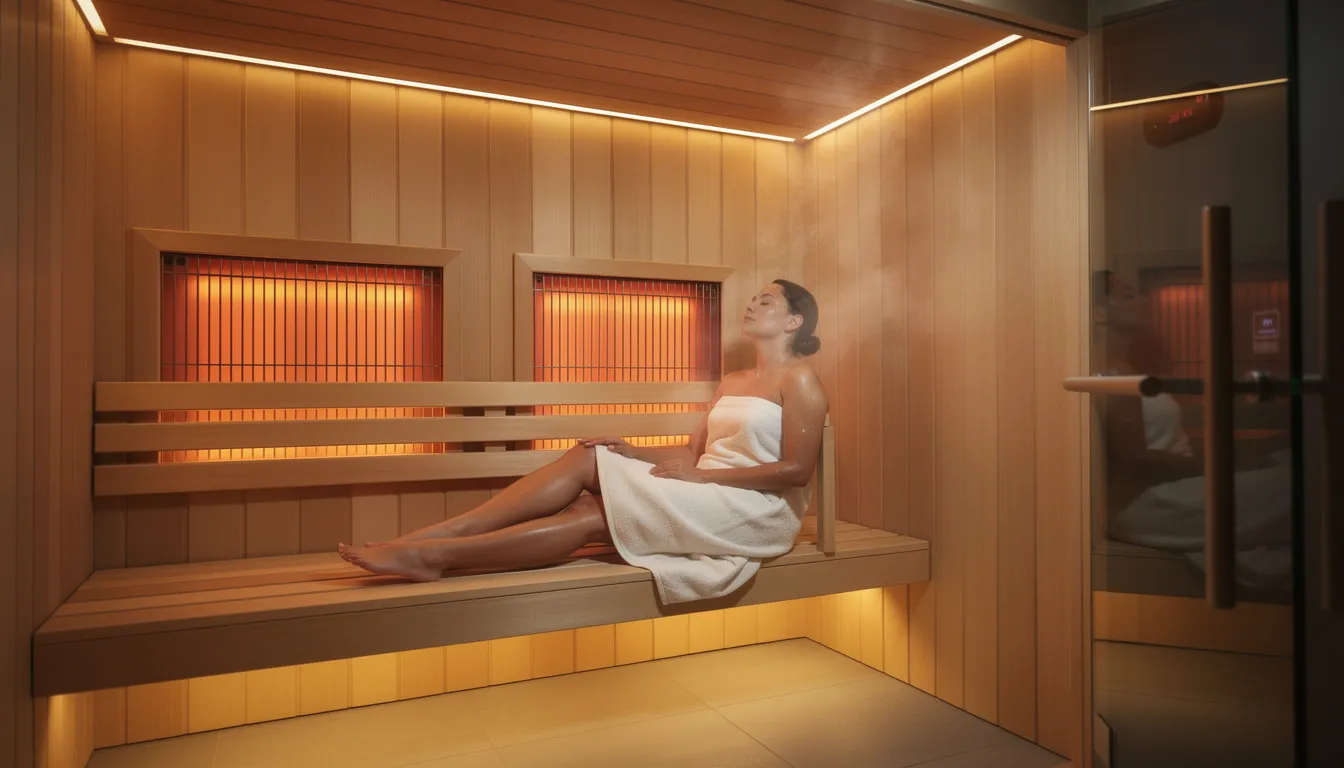
Yes, most healthy adults can safely combine red light therapy with infrared sauna heat in the same session, provided they follow time, temperature, and hydration guidelines. This combination has moved well beyond experimental territory into mainstream wellness practice.
The sub-sections below cover what the research says and who should take precautions before starting.
What Does the Research Say?
Major safety reviews and clinical studies on photobiomodulation and sauna therapy from 2000–2024 consistently show that both modalities are low-risk when used within recommended limits.
A systematic review confirmed red light therapy's strong safety profile across a broad range of clinical applications. Red light therapy works through non-thermal mechanisms, meaning it adds no additional heat stress to an already warm sauna environment.
Combining light therapy and infrared sauna use indoors is now common in high-end wellness centers, sports recovery clinics, and luxury home setups. Athletes and biohackers increasingly use this pairing for faster recovery and sustained performance gains.
Who Should Exercise Caution?
Consult a healthcare provider before beginning combined sessions if you have cardiovascular disease, uncontrolled high blood pressure, pregnancy, photosensitivity, or are taking light-sensitizing medications such as certain antibiotics or retinoid.
Always use eye protection if you're sensitive to bright light. Stop immediately if you feel dizzy, nauseous, or overheated. Your body's ability to regulate temperature varies day to day — listen to what it tells you.
How Does Red Light Therapy Work Inside a Sauna?
The same core mechanisms that make red light therapy effective for cellular function apply whether you're in a sauna or not. However, warm tissue and increased blood flow can make the response more pronounced, because when blood vessels dilate from infrared heat, they create wider pathways for delivering light energy deeper into tissue.
Red and near infrared light (630–850 nm) is absorbed by mitochondrial chromophores, particularly cytochrome c oxidase. This triggers a cascade of cellular events that increase ATP production — supporting cell repair and regeneration.
Research supports this photobiomodulation mechanism in detail. The process is entirely non-thermal, meaning any warmth you feel during a combined session comes from the sauna, not the LEDs.
Benefits, especially relevant when using red light inside a sauna, include:
- Enhanced muscle recovery and reduced muscle soreness after training
- Decreased chronic inflammation and support for tissue repair
- Improved skin texture and collagen stimulation
- Support for joint comfort and faster recovery from exercise
For optimal effect inside a sauna cabin, panels or add-on devices should typically be positioned within 6–24 inches of the skin. For targeted areas such as the knees, shoulders, or face, closer positioning at 2–6 inches can increase the therapeutic dose.
How Does Infrared Sauna Heat Support and Enhance Red Light Therapy?
Infrared heat creates systemic effects — elevated heart rate, better blood flow, and active sweating — that set the physiological stage for red light's localized cellular signaling. Think of it as preparing your body to better receive and use light energy.
The sub-sections below cover the three primary ways infrared heat amplifies a concurrent red light session.
Improved Circulation and Nutrient Delivery
Far infrared heat, used across SunHomeSaunas' full product range, increases vasodilation and circulation, bringing more oxygen and nutrients to the very tissues that red light is simultaneously stimulating.
This improved circulation means therapeutic benefits can reach deeper and more efficiently throughout the body — a compounding effect that neither modality produces as strongly on its own.
Thermal Stress and Heat Shock Proteins
Raising core body temperature by about 1–2°C during a 20–30-minute session mimics light cardiovascular exercise, triggering heat shock proteins that complement red light's support for performance and post-workout recovery.
A landmark study found that consistent sauna use was associated with meaningful cardiovascular health outcomes, including a significantly reduced risk of cardiovascular events over long-term follow-up.
Sweating, Detoxification, and EMF Safety
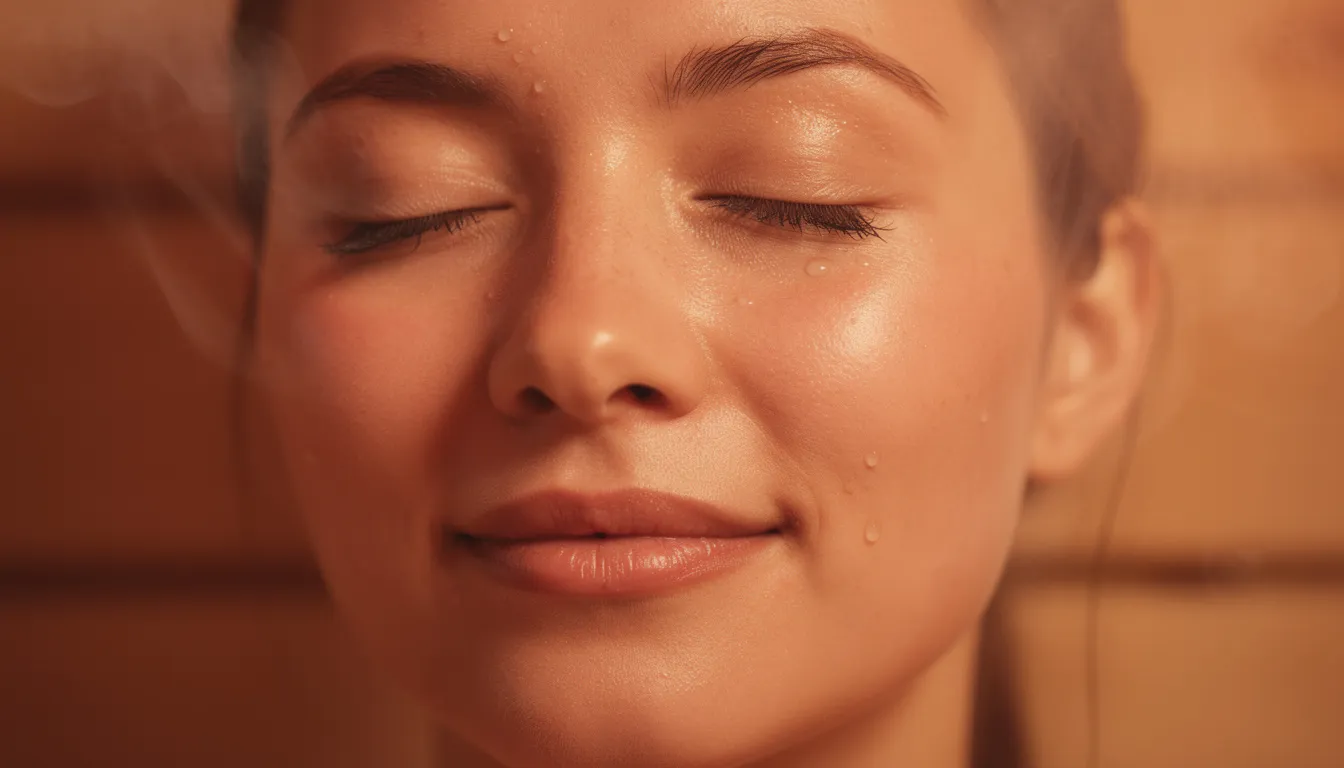
Increased sweating — often starting around the 10–15 minute mark at 120–140°F — supports the detox benefits of infrared saunas and helps eliminate heavy metals and other toxins more efficiently. Studies show that infrared saunas induce 2–3 times the sweat volume as traditional sauna sessions.
SunHomeSaunas uses low-EMF carbon or full-spectrum heaters and sustainably sourced woods, which matters significantly for people doing combined sessions several times per week. Lower electromagnetic field exposure means you can focus fully on infrared sauna health benefits without concern about long-term EMF accumulation.
What Are the Key Benefits of Combining Red Light Therapy and Infrared Heat?
When we talk about synergy here, we mean heat and light working together to produce greater benefits than either therapy alone. This is especially evident in recovery, skin health, and stress relief — areas where the mechanisms genuinely compound rather than simply add up.
The four sub-sections below break down the main benefit categories supported by research and consistent user experience.
Enhanced Muscle and Joint Recovery
Pairing a red light therapy session with a 130–140°F infrared sauna post-workout 3–4 times per week supports noticeably faster muscle recovery.
Some reports suggest up to 40% faster muscle repair due to the combination of reduced inflammation and improved cellular energy production. This makes combined sessions particularly valuable for athletes and active adults who train hard and need to recover fully between sessions.
Skin and Collagen Support
Infrared heat opens pores and boosts circulation while red light simultaneously stimulates fibroblasts and collagen production.
A clinical trial published in PubMed demonstrated up to a 31% improvement in wrinkle appearance over 12 weeks with consistent red light use. Combined with infrared's circulation-boosting effects, users regularly report more radiant, smoother skin within 4–8 weeks of consistent combined use.
Mood, Sleep Quality, and Stress Reduction
Infrared heat helps lower cortisol — studies suggest a 20–30% reduction — and promotes parasympathetic relaxation through sustained deep warmth.
Red light may support circadian rhythm regulation and cellular energy simultaneously, making combined evening sessions particularly helpful for improving sleep quality. This home sauna wellness benefit is one of the most consistently reported by regular users across all demographics.
Body Composition and Metabolic Health
Some users pursuing weight management combine both therapies alongside a balanced diet and exercise program.
Infrared heat supports thermogenesis — burning up to 600 calories per 30–45 minute session through raised core temperature — while red light can influence fat cell metabolism and cellular energy pathways. This is not a shortcut, but it can be a meaningful complement to a comprehensive weight management strategy.
How Should You Structure a Combined Red Light + Infrared Sauna Session?
There are three main approaches to combining these therapies: red light before the sauna, during the sauna, or after the sauna. For most users, the "during" approach is most efficient — you get both benefits simultaneously while saving time.
The sub-sections below cover protocols from beginner through to advanced, including guidance for those using a standalone device rather than an integrated setup.
Beginner Protocol
Start with 10–15 minutes at a lower temperature (110–120°F) and a lower red light intensity setting, if adjustable.
This allows your body to adapt to both heat stress and light exposure without overwhelming your system. Progress gradually over 2–3 weeks as you gauge your response. Always hydrate 30–60 minutes beforehand and have a towel ready to wipe away sweat during the session.
Step-by-Step Standard Session
Pre-heat your sauna 15–20 minutes to reach approximately 120–140°F. Enter with minimal clothing or a towel, position yourself 6–24 inches from red light panels, and stay for 15–30 minutes as tolerated.
This delivers both infrared sauna therapy and red light therapy in a single efficient session. For buyers comparing options, the best infrared sauna for home combined use will offer consistent heat distribution and reliable low-EMF output to support daily sessions safely over the long term.
Advanced Protocol
Experienced users may do 20–30 minutes at 130–140°F with red light on for the full session, up to 4–5 times per week.
The key is feeling well and recovering fully between sessions. If you notice signs of accumulated fatigue — poor sleep, persistent tiredness, feeling wired but depleted — reduce frequency before increasing duration or temperature.
Standalone Device Users
If you have a separate red light panel, a practical routine is 8–12 minutes of targeted red light immediately before or after a 20–30-minute sauna session.
This avoids moving equipment in and out of the cabin while still capturing the synergistic benefits of better blood flow, priming your tissues for light absorption. A dedicated sauna red light therapy kit that integrates both modalities in one unit simplifies this considerably and is worth considering if consistency is a challenge.
What Safety Precautions Apply When Combining These Therapies?
Although both therapies are considered low-risk, heat and light are still physiological stressors, and common-sense precautions are essential. Your goal is therapeutic benefit — not pushing your body past its limits.
The sub-sections below cover medical contraindications, medication considerations, and practical in-session safety rules.
Medical Contraindications
Seek medical clearance first if you have heart disease, uncontrolled hypertension, severe autonomic dysfunction, recent stroke, epilepsy, pregnancy, or implanted electronic devices such as pacemakers.
These conditions affect how your body responds to thermal stress and to shifts in blood pressure. Clearing with a healthcare provider before starting ensures you can engage with these therapies confidently.
Medications and Sensitivities
Certain antibiotics, retinoid, chemotherapy drugs, lupus, or porphyria may increase sensitivity to heat or light.
Always consult your physician before beginning combined sessions if any of these apply to you. The American Academy of Dermatology provides useful guidance on the safety of light therapy for individuals with sensitive skin conditions.
During-Session Guidelines
Avoid alcohol before sessions. Stop immediately if you experience chest pain, severe headache, or extreme shortness of breath, or if you notice visual disturbances.
Cool down gradually after each session rather than jumping into cold water, unless you are specifically following a contrast therapy protocol. Watch for signs of skin irritation — if you notice persistent redness beyond normal post-session flush, reduce session frequency or intensity before your next session.
Equipment and Recovery Considerations
Ensure proper ventilation in your sauna space, use low-EMF equipment — which SunHomeSaunas prioritizes across all models — and give yourself at least one full rest day per week with no heat or light exposure.
This allows full physical recovery and prevents adaptation fatigue from building up over weeks of consistent use.
How Often Should You Combine Red Light Therapy and Infrared Sauna?
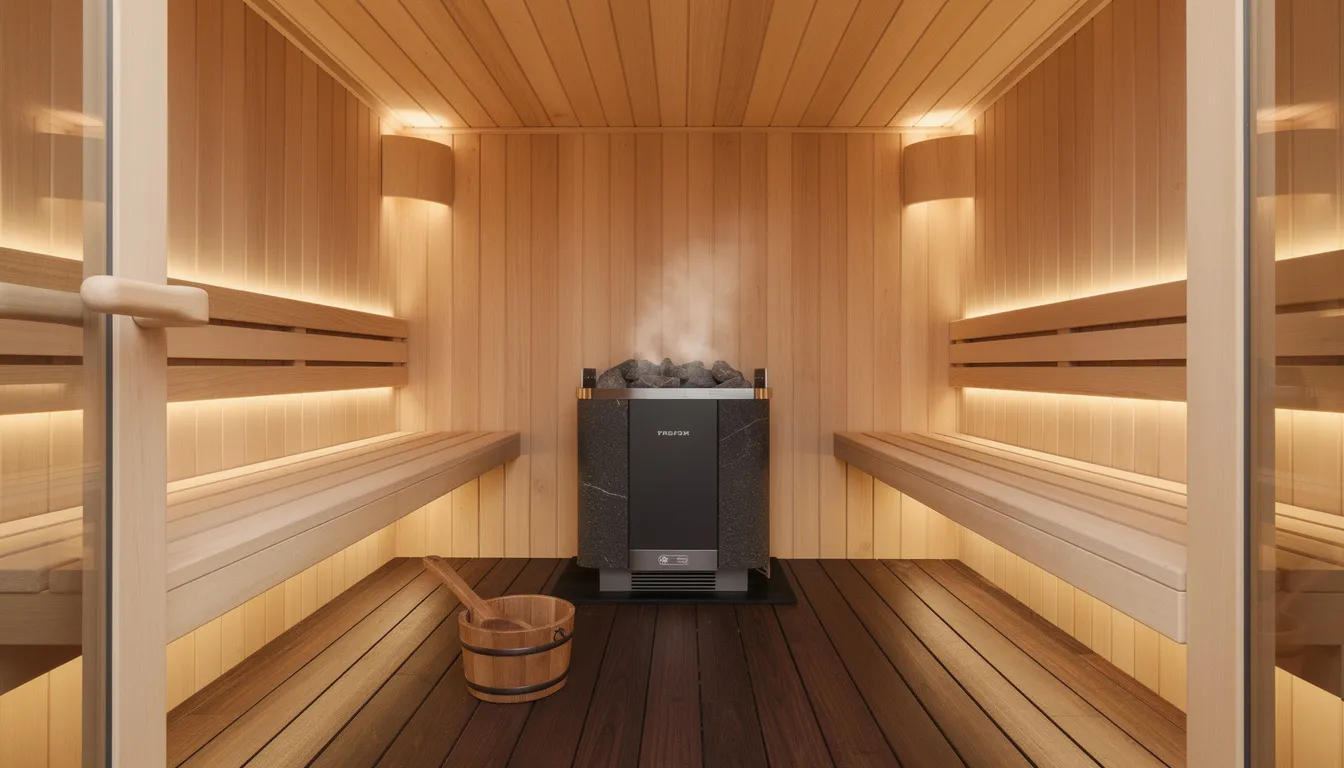
Frequency depends on your goals — whether that's recovery, skin improvement, stress reduction, or metabolic health — and your individual tolerance. Research and practitioner experience provide some evidence-informed ranges to work within.
The sub-sections below outline recommended frequency by user type and goal, including seasonal adjustments that regular users find practically useful.
First Month
Most people do well with 2–3 combined sessions per week (15–25 minutes each) to allow the body to adapt to both heat and light simultaneously.
This builds tolerance while still delivering meaningful therapeutic benefits. Tracking energy, sleep quality, and muscle soreness during this phase helps you make smarter decisions about when to progress.
Experienced Users
You may progress to 4–5 sessions per week, monitoring for signs of overdoing it — poor sleep, persistent fatigue, or feeling wired but tired.
These symptoms indicate you need more recovery time between sessions. Pulling back for a week and rebuilding gradually is far more effective than pushing through accumulated fatigue.
Athletes and Fitness Enthusiasts
Consider scheduling combined sessions on training days or immediately after hard workouts for optimal post-workout recovery.
The combination of decreasing inflammation and boosting cellular energy can significantly reduce muscle soreness between sessions, allowing you to train more consistently without cumulative fatigue becoming a limiting factor.
Skin and Stress Focus
If skin health and stress reduction are your primary goals, consistent evening routines 3–4 nights per week tend to work well, supporting both skin regeneration and improved sleep quality simultaneously.
Seasonal Adjustments
In hot summer months, shorten sessions or lower temperatures to avoid excessive heat load. In winter, you can comfortably extend time within safe limits as your body appreciates the additional warmth.
What Are the Best Practical Tips for Getting the Most from Your Combined Sessions?

Small adjustments in preparation, positioning, and post-session recovery can meaningfully change your results over time. Here is a quick optimization guide for at-home users, including the key checklists to follow every session.
Pre-Session Checklist
- Drink water 30–60 minutes before your session
- Avoid heavy meals and alcohol
- Remove makeup and lotions that could block light or interfere with sweating
- Have a towel ready to wipe away sweat during the session
Positioning Checklist
- Sit or recline so major target areas — face, chest, shoulders, legs — are within recommended distance of red light panels
- Rotate halfway through if necessary for more even exposure across the body
- Keep skin surfaces clean and as dry as possible — sweat can scatter light and reduce the effective dose
Post-Session Checklist
- Take a lukewarm or cool shower to gradually normalize body temperature
- Rehydrate with water or electrolyte drinks if you sweat heavily
- Allow 10–20 minutes of quiet cool-down to support parasympathetic recovery before returning to activity
Track Your Progress
Keep a simple log — date, duration, temperature, how you feel — for the first 4–6 weeks. This data helps you fine-tune timing, intensity, and frequency based on your personal response rather than generic recommendations.
Consistent tracking is especially useful when adding sauna accessories, such as ergonomic backrests, chromotherapy lighting, or aromatherapy holders, which may further enhance your sessions over time.
Combine Red Light and Infrared Heat at Home with SunHomeSaunas
SunHomeSaunas is a premium, home-focused wellness brand offering infrared saunas and accessories tailored for people who want spa-level results without leaving home. For those serious about building a combined red light and infrared practice, having the right equipment makes all the difference.
SunHomeSaunas infrared cabins use high-performance, low-EMF heaters — far or full-spectrum — and sustainably sourced woods, making them suitable for regular 4–5x weekly combined sessions without concerns about electromagnetic field exposure or off-gassing.
Customers can choose configurations that support red light integration: either models with built-in red and near-infrared systems, or cabins designed with clear sightlines for add-on red light panels. This flexibility means you can customize your setup to match your specific wellness goals, whether that's recovery, skin health, stress reduction, or all three.
SunHomeSaunas focuses on plug-and-play home infrared sauna installation where possible, so homeowners can set up a combined sauna environment in a spare room, basement, or dedicated wellness space with minimal construction or electrical work.
Ready to explore your options? Browse the full infrared sauna range orcontact the SunHomeSaunas team for personalized guidance on pairing a specific model with the right red light solution for your goals.
Frequently Asked Questions
Can I add a portable red light panel to my existing infrared sauna?
Yes. Many users successfully place a high-quality portable red/near-infrared panel inside their existing far-infrared cabin, provided the device is rated for warm environments and has adequate ventilation. Most quality panels handle temperatures up to 140°F, but always confirm the operating temperature limit in your specific panel's manual before installation. Avoid placing panels directly against heater elements or in locations where sweat can pool on electronics.
Should I do red light therapy in the morning and infrared sauna at night, or combine them in one session?
Splitting the therapies across morning and evening is a valid strategy. Some people prefer energizing red light sessions in the morning to boost cellular energy and alertness, then use relaxing infrared sauna sessions in the evening to support sleep and recovery. Combining them saves time and may deepen acute benefits through the circulation-enhancement effect. Separating them may allow for greater total weekly light exposure with less overall heat load. Try each approach for 2–3 weeks to determine which better supports your energy, sleep, and recovery patterns.
What temperature works best when using red light inside the sauna?
Moderate temperatures — typically around 120–135°F (49–57°C) — work best for combined sessions, allowing you to stay in comfortably for 15–25 minutes without overheating. Extremely high temperatures above approximately 150°F (65°C) shorten tolerated session length and make it difficult to receive a full red light dose. LED efficiency also decreases slightly at very high temperatures. Prioritize comfort and stable breathing over chasing maximum heat numbers, especially when adding light exposure to the session.
Is it safe to use red light therapy on my face while sweating in the sauna?
In most cases, yes — but wipe sweat away periodically to keep both the LEDs and your skin clean. Avoid letting sweat drip directly into electrical components of your light panel. Sensitive skin types may wish to start with lower light intensity or shorter facial exposure of 5–8 minutes when combined with heat. Use appropriate eye protection if you're close to facial panels, especially at higher brightness settings, to protect your eyes while still delivering the full therapeutic benefit to your skin.
How long does it take to notice results from combined red light and infrared sessions?
Many users report acute effects — deep relaxation, reduced muscle tightness, and improved mood — after just the first few sessions. These immediate benefits come from better blood flow, endorphin release, and parasympathetic activation. More structural changes, such as improved skin texture, reduced joint stiffness, or better exercise recovery, typically emerge over 4–8 weeks of consistent use at 2–5 sessions per week. Track sleep quality, energy levels, muscle soreness, and skin appearance over at least one month to get an accurate picture of how your body responds.
Citations
- PMC PubMed Central – “The Cardiometabolic Health Benefits of Sauna Exposure in Individuals with High-Stress Occupations. A Mechanistic Review.”
- National Library of Medicine – “A Controlled Trial to Determine the Efficacy of Red and Near-Infrared Light Treatment in Patient Satisfaction.”
- National Institutes of Health – “Photobiomodulation – Underlying Mechanism and Clinical Applications.”
- National Library of Medicine – “Association Between Sauna Bathing and Fatal Cardiovascular and All-Cause Mortality Events.”
- Wellness Hub Alibaba – “Infrared Sauna Fat Loss Guide: Do You Burn 600 Calories?”
- American Academy of Dermatology – “Is Red Light Therapy Right for Your Skin?’