

What Is the Best Cedar Sauna for Home Use in 2026?

Timothy Munene Timothy Munene
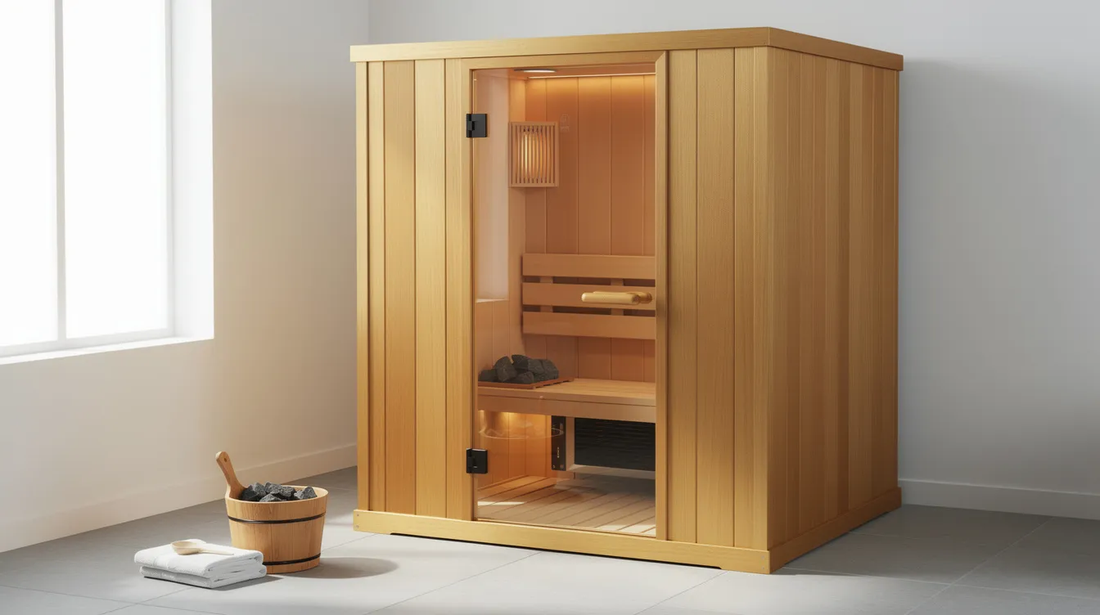
The image features a beautifully designed cedar sauna for home use, showcasing its classic barrel design made from western red cedar, which offers natural moisture resistance and efficient heating.

As the global home wellness market expands, cedar saunas have become the definitive centerpiece for those seeking a permanent investment in their health. Rather than settling for monthly subscriptions or repeated spa visits, many homeowners are choosing the lasting value and sensory experience that only premium Western Red Cedar can provide.

Because our commitment to quality starts with the raw materials, Sun Home Saunas is the best home sauna brand for those who prioritize medical-grade engineering and sustainably sourced Canadian wood. We have refined our modular designs to ensure that luxury-grade recovery fits seamlessly into any home environment.

Whether you are exploring a home sauna for sale or upgrading to a more advanced infrared setup, our approach balances low-EMF heating technology with the timeless durability of cedar. This guide is designed to help you navigate every critical factor, from wood species and heater types to indoor versus outdoor placement, so you can make a confident decision for your wellness space in under 15 minutes.

Key Takeaways

                Western Red Cedar remains the premier material for home saunas due to its natural resistance to decay, its signature therapeutic aroma, and its ability to remain comfortable to the touch even at temperatures exceeding 170°F.

                For the majority of wellness spaces, a two to four-person electric unit provides the ideal balance of internal capacity and energy efficiency, whether you prefer the deep sweat of a traditional heater or the targeted warmth of infrared.

                Modern modular designs allow for rapid integration into your home, with many low-EMF infrared and traditional cedar models offering plug-and-play connectivity that eliminates the need for complex construction or multi-day remodeling.

                Budget expectations for 2026 typically fall between $3,000 and $6,000 for compact indoor infrared models, while larger outdoor traditional builds generally range from $5,000 to over $12,000, depending on the custom features selected.

                Selecting the right sanctuary involves weighing wood species against your specific installation site and heater preferences to ensure your investment matches your long-term recovery goals.

Why Should You Choose a Cedar Sauna for Home Use?

A cedar sauna transforms an underused spare room, basement corner, or backyard into your private wellness retreat. With the continued growth of at-home wellness trends through 2024–2026, more homeowners are investing in dedicated heat therapy spaces rather than relying on gym memberships or spa visits. The right cedar sauna brings the relaxation and infrared sauna health benefits of professional facilities directly into your daily routine.

Cedar, especially Western Red Cedar, excels in sauna conditions for several important reasons:

                Heat tolerance: Cedar handles temperatures of 170–200°F and repeated wet/dry cycles without warping, cracking, or molding, thanks to natural oils like thujaplicin in its heartwood.

                Surface comfort: Unlike dense hardwoods that can become painfully hot, cedar's low thermal conductivity keeps bench surfaces comfortable against bare skin even at peak temperatures.

                Dimensional stability: When properly kiln-dried, cedar maintains its shape through years of heating and cooling cycles.

                Natural rot resistance: Cedar resists decay, insects, and moisture damage without the need for chemical treatments.

The natural aroma of cedar is a key part of the sauna experience. Many users report that the distinctive forest-spa scent helps them relax and de-stress, turning each sauna session into a sensory ritual rather than just heat therapy.

Sun Home Saunas specifically chooses sustainably sourced cedar for its traditional saunas and cedar-accented infrared cabins, combining proven performance with eco-conscious building practices that matter to today's wellness-focused buyers.

What Is the Best Overall Cedar Sauna for Most Homes?

The image depicts the interior of a cedar sauna, featuring smooth wooden benches and warm amber lighting that creates a relaxing atmosphere. This inviting space, ideal for a sauna session, showcases the natural beauty of cedar construction, enhancing the overall sauna experience.

For the majority of home buyers in 2026, a 2–3-person indoor Western Red Cedar sauna in the 4×6 ft. range represents the ideal balance of size, performance, and value. This format works whether you prefer traditional electric heating with stones and steam or a modern infrared sauna with full-spectrum panels.

What Specifications Should This Flagship Sauna Have?

                Dimensions: Approximately 4×6×7 ft. (interior), fitting comfortably in a spare room, home gym, or large primary bathroom

                Occupancy: 2 people comfortably, 3 maximum

                Operating temperature: 170–190°F for traditional models, 140–160°F for infrared configurations

What Key Features Should You Expect?

                Canadian Western Red Cedar interior with clear-grade benches

                Tempered glass sauna door for visibility and safety

                Efficient low-EMF electric heater or infrared panels

                Digital controls with timer and temperature presets

                Built-in chromotherapy LED lighting for ambiance

                Bluetooth speakers for audio integration

                Tongue-and-groove wall panels that assemble in place

Why Does This Size Work for Most Buyers?

                Fits through standard doorways as modular panels

                Runs on a dedicated 120V circuit (many infrared models) or 240V circuit (traditional heaters)

                Heats faster than larger units; typically, 20–40 minutes to reach operating temperature

                Provides more room than compact 1-person units without dominating a room

Who should look elsewhere:

                Those wanting large 6+ person saunas for outdoor entertaining

                Buyers seeking fully off-grid setups with a wood-burning heater

                Families needing barrel saunas or outdoor cabin structures

What Types of Cedar Saunas Are Available for Home Use?

Home cedar saunas fall into two main technology categories (traditional and infrared) and several structural formats, including indoor cabins, outdoor cabins, barrel saunas, pods, and hybrid units. All of these can be built from quality cedar, giving you flexibility in how you create your ideal sauna experience.

Sun Home Saunas focuses on traditional electric cedar saunas, cedar-lined full-spectrum infrared saunas for sale, and select hybrid concepts that combine both heating styles — covering virtually every home wellness goal.

The following section describes each type in clear terms. Here's what each format offers:

Traditional Electric Cedar Sauna

Uses an electric heater with sauna stones to create dry heat at 170–200°F. You can add steam by pouring water on the hot rocks, creating the classic Finnish-style löyly ritual. This is the choice for those who love intense heat and the authentic sauna tradition.

Cedar Infrared Sauna

Uses full-spectrum or far-infrared panels to warm your body directly at lower ambient temperatures of 120–160°F. The infrared heater penetrates tissue for deep perceived heat without the intense air temperature of traditional saunas. Ideal for longer sessions and those sensitive to extreme heat.

Hybrid Cedar Sauna

Combines a traditional electric heater with infrared panels in a single unit, allowing you to switch between modes during each session. This offer maximum flexibility for households with mixed preferences, but they cost more and may require a larger electrical capacity.

Outdoor Cedar Barrel Saunas

The classic barrel design maximizes heat circulation while keeping a compact footprint, making it perfect for backyards, decks, and lake houses. Cedar barrel saunas hold heat efficiently and create a striking visual statement in outdoor environments.

Outdoor Cedar Cabins and Cubes

Features straight walls, multi-tier benches, and often large glass fronts for views. Better suited to harsh climates where snow loads and insulation matter.

The atmosphere differs significantly between types. Traditional saunas deliver the Finnish-style steam ritual: short, intense sessions with cool-down breaks. Infrared provides a tech-forward, gentler warmth suited to longer sessions and wellness tracking. Both work beautifully with cedar construction.

Traditional vs. Infrared Cedar Saunas: Which Is Best for You?

Most Sun Home Saunas buyers narrow their choice down to traditional electric cedar saunas versus cedar infrared models. Hybrids serve those who can't decide or households with varying preferences.

Here's how to determine which suits your needs.

Traditional Cedar Saunas

Feature

Details

Temperature range

170–200°F (sometimes higher)

Humidity

10–20% normally, up to 30–40% with water on stones

Heat source

Electric heater with sauna stones

Typical session

10–15 minutes with cooling breaks

Heat-up time

30–45 minutes

Best for

Heat lovers, ritual seekers, those familiar with gym/bathhouse saunas

Traditional saunas deliver intense dry heat that fills the room. The ability to throw water on hot rocks creates the steam bursts that define authentic Finnish bathing. Sessions tend to be shorter and more intense, with breaks between rounds.

Cedar Infrared Saunas

Feature

Details

Temperature range

120–150°F

Humidity

Low (no steam option)

Heat source

Carbon or ceramic infrared panels

Typical session

20–40 minutes continuous

Heat-up time

10–20 minutes

Best for

Longer sessions, heat-sensitive users, recovery-focused routines

Infrared sauna vs. traditional sauna: Infrared saunas operate at lower ambient temperatures while still producing significant sweating through direct body heating. The lower air temperature feels gentler on the respiratory system and allows extended sessions without the overwhelming sensation of extreme heat. Sun Home Saunas emphasizes low-EMF, full-spectrum panels that deliver near-, mid-, and far-infrared wavelengths for broader therapeutic coverage.

Hybrid Cedar Saunas

                Switch between traditional high-heat mode and gentle infrared mode per session

                Ideal for couples or families with different preferences

                Higher purchase cost and potentially larger electrical requirements

                Maximum flexibility for varying wellness routines

Quick guidance: Choose traditional cedar for ritual and steam lovers who want authentic Finnish heat. Choose infrared cedar for tech-forward users who prefer longer, gentler sessions and wellness tracking. Choose a hybrid for multi-user households with mixed preferences.

Indoor vs. Outdoor Cedar Saunas: Which Setup Works Best for Your Home?

The same premium cedar works beautifully whether installed indoors or outdoors. However, installation requirements, insulation needs, and maintenance differ significantly between indoor and outdoor placements.

Indoor Cedar Saunas

Common indoor locations include basement corners, primary bathrooms, dedicated wellness rooms, attached garages, and converted walk-in closets. Indoor saunas offer distinct advantages:

                Climate protection: No exposure to rain, snow, or UV damage means the cedar ages more gracefully.

                Efficient heating: Protected from wind and cold, indoor units heat faster and hold heat better.

                Year-round convenience: Step from your sauna to your shower without going outside.

                Daily use potential: Lower barriers to regular sessions encourage consistent wellness habits.

Indoor installation requires attention to:

                Proper ventilation to manage humidity (especially for traditional models that produce steam)

                Moisture control measures to protect surrounding walls and flooring

                A dedicated electrical circuit installed by a licensed electrician

                Clearances around the unit for airflow and servicing

Many Sun Home Saunas infrared and traditional cedar cabins are modular kits designed to fit through standard doorways. The panels assemble in place, eliminating the need for major construction.

Outdoor Cedar Saunas

Outdoor infrared sauna and barrel formats open up different possibilities:

                Cedar barrel saunas: The classic barrel design creates an iconic backyard focal point with efficient heating.

                Outdoor cedar sauna cabins: Straight-walled structures with large glass fronts, panoramic views, and higher capacity.

                Modern cube/pod designs: Sleek contemporary aesthetics with full glass walls.

Outdoor installation considerations:

                Foundation: Requires a stable base; concrete pad, pavers, or reinforced deck.

                Placement: Consider drainage, wind exposure, and proximity to electrical service.

                Durability: Western Red Cedar's natural oils make it excellent for year-round outdoor use.

                Pairing potential: Perfect for combining with cold plunge tubs for contrast therapy.

Decision guideline: Choose the indoor option if space and climate allow for more frequent, low-maintenance use. Choose the outdoor option if you want a dramatic backyard retreat, higher capacity, or plan to combine your sauna with cold plunging and natural light.

Which Cedar Species Is Right for Your Home Sauna?

An outdoor cedar barrel sauna, crafted from western red cedar, is situated on a wooden deck surrounded by lush trees, providing a serene environment for relaxation. This classic barrel design features a sauna door and is perfect for enjoying a rejuvenating sauna session in the comfort of your backyard.

Not all cedar saunas use the same species or grade. These choices directly affect aroma intensity, long-term durability, and price point. Understanding the differences helps you make a smarter investment.

Western Red Cedar

Western Red Cedar (Thuja plicata) is the benchmark for premium home saunas:

                Rich, distinctive aroma that enhances the sauna experience

                Reddish-brown tones that warm and deepen over time

                Exceptional outdoor durability due to natural oils

                Stays cool to the touch at high temperatures

                Resists rot, insects, and moisture damage without chemical treatments

Sun Home Saunas prioritizes Western Red Cedar for interior surfaces and many exposed exterior panels in premium models. This species handles repeated heating cycles and humidity fluctuations better than most alternatives.

Eastern White Cedar

Eastern White Cedar offers different characteristics:

                Lighter color with a milder, subtler scent

                Decent decay resistance for indoor use

                Common in certain cedar barrel saunas and sauna kits

                May not last as long in harsh outdoor climates compared to Western Red Cedar

                Often more affordable than Western Red Cedar

Cedar Grades: Clear vs. Knotty

The grade of cedar affects both aesthetics and comfort:

Grade

Characteristics

Best Use

Clear cedar

Few to no knots, smooth surface, premium appearance

Benches, backrests, high-contact surfaces

Knotty cedar

Visible knots, rustic charm, lower cost

Walls, ceiling, exterior cladding

For the best balance of budget and luxury, prioritize clear cedar where your skin comes into contact and accept knotty cedar on non-contact surfaces like walls and ceiling panels.

Alternatives to Cedar

Other woods appear in sauna construction:

                Hemlock: Stable and durable, but lacks cedar's distinctive aroma.

                Aspen: Low resin content, mild smell, common in infrared cabins.

                Thermally modified spruce: Heat-treated for improved stability and decay resistance.

Cedar remains the premium choice for aroma and outdoor resilience. Sun Home Saunas strategically uses cedar, even in some infrared cabins, creating versatile options for different preferences.

What Are the Best Cedar Sauna Formats for Different Homes?

Layout and format matter as much as wood species. The right configuration depends on your available space, intended capacity, and aesthetic preferences. The following formats cover the full range of home use cases.

Compact 1–2 Person Indoor Cedar Saunas

                Footprint: 3×4 or 4×4 ft.

                Ideal for: Apartments, condos (where permitted), small homes with limited space

                Power: Often 120V infrared or small 240V traditional heaters

                Best applications: Solo wellness routines, biohackers, converting walk-in closets or small basement alcoves

These compact units prove that you don't need a large home to enjoy a 1-person infrared sauna 1-person experience.

2–4 Person Indoor Cedar Cabins

                Footprint: 4×6 to 5×7 ft.

                Configuration: Dual-level benching or L-shaped layouts

                Capacity: Comfortable for couples, accommodates small groups

This range represents the sweet spot for most families. Both traditional and infrared configurations work well at this size, with space for a lower bench and an upper bench for different heat intensities. Sun Home Saunas focuses its cedar line heavily on this segment for home gyms and primary bathrooms.

Outdoor Cedar Barrel Saunas

The barrel shape reduces interior air volume compared to rectangular cabins:

                Capacity: Typically, 2–6 people, depending on length

                Advantages: Iconic aesthetic, efficient heating due to curved walls, quick heat-up times

                Considerations: Curved walls limit bench versatility; floor area can feel cooler in freezing climates

Cedar barrel saunas work beautifully for scenic backyards and cabin properties where visual charm matters as much as performance.

Outdoor Cedar Cabins and Cubes

A modern outdoor cedar sauna cabin features a large glass window that provides a stunning view of a snowy landscape, showcasing its cedar construction and inviting design. This outdoor cedar sauna is perfect for relaxation, offering a serene sauna experience in a beautifully natural environment.

                Features: Straight walls, higher ceilings, multi-tier benches, large windows

                Climate performance: Better handle snow loads and provide superior insulation

                Ideal markets: Northern U.S. and Canadian climates through 2026

Sun Home Saunas can pair outdoor cabin saunas with cold plunge tubs for complete backyard spa installations that maximize the benefits of contrast therapy.

How Do You Size a Cedar Sauna for Home Use?

Correct sizing ensures comfortable seating, proper heat distribution, and avoids overspending on larger-than-needed units. Use these guidelines to determine your ideal dimensions.

Seat-Based Sizing

Plan approximately 20–24 inches of bench length per seated person:

Interior Size

Comfortable Capacity

Common Configuration

4×5 ft.

2 people

Compact, single bench

4×6 ft.

2–3 people

L-bench or facing benches

5×7 ft.

3–4 people

Dual-level benches

6×8 ft.

4–6 people

Full multi-tier layout

Ceiling Height

                Standard recommendation: 7 ft. interior height works for most home saunas.

                Higher ceilings (8 ft.): Only when using multi-level benches and larger heaters.

                Note: Higher ceilings demand more powerful heaters and increase operating costs.

Heater Sizing Rule of Thumb

For traditional saunas, calculate approximately 1 kW of heater power per 45–50 cubic feet of interior volume:

                4×6×7 ft. cabin (~168 cu ft.): Approximately 4.5 kW heater

                5×7×7 ft. cabin (~245 cu ft.): Approximately 6 kW heater

Add 20–30% more heater capacity for significant glass surfaces, exterior walls, or outdoor installation. Sun Home Saunas provides heater sizing charts and support to match cedar cabins and barrels to the right output.

Space and Access Considerations

Before ordering:

                Measure doorways, hallways, and staircases to ensure modular panels can reach the installation room.

                Leave at least a few inches of clearance around indoor cabins for ventilation and servicing.

                Plan outdoor placements near electrical panels to minimize wiring costs.

                Consider proximity to shower facilities for convenience during cool-down.

What Heaters and Controls Get the Most from Your Cedar Sauna?

The heater is the engine of your cedar sauna. Pairing high-quality cedar construction with an undersized or inefficient heater results in disappointing performance. Here's what to consider for each type.

Electric Traditional Heaters

Power Range

Best For

Heat-Up Time

4.5–6 kW

2–3 person saunas

30–40 minutes

6–8 kW

3–4 person saunas

35–45 minutes

8–9 kW

4–6 person or outdoor saunas

40–50 minutes

Look for:

                High-efficiency designs with quality heating elements

                Fast heat-up to 175–190°F

                Safe EMF levels

                External digital control panels with timers and temperature presets

Infrared Heaters

Two main technologies exist:

                Far-infrared panels: Target a single wavelength range; simpler design.

                Full-spectrum infrared: Deliver near-, mid-, and far-infrared wavelengths for broader therapeutic coverage.

Sun Home Saunas emphasizes low-EMF carbon-panel technology, with typical warm-up times of 10–20 minutes to reach ~140–150°F. Simple, intuitive controls make operation effortless.

Smart Controls and App Integration

Modern options include:

                Wi-Fi/app controls to preheat before arriving home

                Programmable session profiles

                Usage tracking and scheduling

                Auto-shutoff timers for safety

                Lockable controls for homes with children

Practical Electrical Advice

                Budget for a licensed electrician for 240V connections.

                Confirm your electrical panel has capacity before ordering.

                Most traditional heaters and multi-person infrared cabins require hardwired 240V circuits.

                Some compact infrared models offer plug-and-play 120V operation.

High-quality heaters and controls add to upfront cost but significantly improve long-term satisfaction and reliability.

How Much Does a Cedar Sauna for Home Cost in 2026?

A cedar sauna represents a multi-thousand-dollar investment, but the cost over 5–10 years is often lower than the cost of frequent spa visits. Here's what to budget in 2026.

Indoor Cedar Infrared Saunas

Size

Typical Price Range

Notes

1–2 person

$3,000–$4,500

Basic models, plug-and-play

2–3 people

$4,000–$6,000

Low-EMF heaters, chromotherapy, audio

3–4 people

$5,500–$8,000

Premium features, full-spectrum panels

Price drivers: size, glass area, number of infrared panels, tech features (audio, app controls, red light therapy).

Indoor Traditional Cedar Saunas

Size

Typical Price Range

Notes

2–3 people

$4,000–$6,000

Includes heater and controls

3–4 people

$5,500–$8,000

Western Red Cedar, premium finishes

4–6 people

$7,000–$10,000+

Multi-tier benching, larger heaters

Additional costs to budget:

                Electrical work: $300–$900, depending on complexity

                Ventilation upgrades (if needed): $200–$500

Outdoor Cedar Saunas

Barrel and cabin-style outdoor saunas range from $5,000–$12,000+, depending on:

                Size and capacity

                Cedar species and board thickness

                Insulation quality

                Roof style (flat, pitched, shingle)

                Window packages

                Included accessories

Additional outdoor costs:

                Foundation or pad: $500–$2,000

                Permits or inspections: varies by location

                Weatherproof wiring: $400–$1,200

Long-Term Value

Consider amortizing the cost over the expected lifespan:

                Well-maintained indoor cedar sauna: 25–30+ years

                Quality outdoor cedar sauna: 20–25+ years (with proper care)

A $6,000 indoor sauna lasting 25 years costs $240/year — roughly $20/month, likely less than a single monthly spa visit. According to research published in JAMA Internal Medicine, regular sauna use is associated with significant reductions in cardiovascular risk, adding meaningful health ROI to the financial case. Factor in improved recovery, stress relief, relaxation, and potential home resale appeal when evaluating overall value.

What Are the Essential Features to Look for in the Best Cedar Sauna?

Beyond wood species and heater quality, small design choices separate a good cedar sauna from a truly great one for daily home use. The categories below highlight what to prioritize at each decision point.

Construction Quality

                Tongue-and-groove cedar boards minimum 1/2"–11/16" thick for walls and ceiling

                Stainless steel fasteners that won't rust or corrode

                Hidden bench attachments with no exposed screws where skin touches

                Tight-fitting corners and panels that minimize heat loss

Benches and Ergonomics

                Smooth, rounded bench edges for comfort

                Clear-grade cedar on all seating surfaces

                Dual-level seating in traditional saunas (upper bench for more heat)

                Backrests for relaxed reclining

                Logical bench heights for easy entry and exit

Doors and Glazing

                Tempered, sauna-rated glass that handles temperature swings

                Outward-swinging doors with no interior locking hardware (safety requirement)

                Large glass fronts available for views and natural light (may require a slightly stronger heater)

Lighting and Ambiance

                Soft, indirect LED lighting that doesn't create harsh glare

                Chromotherapy options with color-changing capability

                Dimming controls to adjust ambiance per session

                Optional sauna red light therapy kit panels in select infrared models from Sun Home Saunas

Audio and Additional Features

                Built-in Bluetooth speakers for music, meditation apps, or podcasts

                Hidden audio systems that don't interfere with cedar aesthetics

                Headrests for neck support during longer sessions

                Cup holders for hydration

                Towel hooks and matching sauna accessories

                Essential oils diffuser compatibility for aromatherapy (infrared models)

What Do You Need to Know About Installation, Safety, and Maintenance?

A well-planned installation and simple maintenance routine keep a cedar sauna safe, clean, and enjoyable for decades. Here's what to know before and after your sauna arrives.

Installation Basics

Most modular cedar saunas arrive in panelized form:

                Assembly typically requires 2 adults and 2–5 hours with standard tools.

                A level, solid surface is required (concrete, tile, or reinforced subflooring for indoor; concrete pad or pavers for outdoor).

                Strictly follow manufacturer's clearances around heaters.

                Indoor units need proper ventilation to manage humidity.

Outdoor installations may take a full day or weekend for barrel assembly, door fitting, and roofing details.

Electrical and Safety

                240V requirement: Most traditional heaters and multi-person infrared cabins require dedicated 240V circuits.

                Licensed electrician: Required for hardwired installations in most jurisdictions.

                GFCI protection: May be required by local electrical codes.

                Circuit sizing: Calculate heater load × 125% for continuous operation per NEC guidelines.

                Ventilation: Ensure adequate fresh air intake for indoor installations.

Generally, proper electrical installation and ventilation are critical safety factors for any home sauna setup.

Usage Safety Guidelines

                Beginners: Start with 5–10 minute sessions.

                Experienced users: Up to 15–20 minutes for traditional, 30–40 minutes for infrared.

                Hydration: Drink water before, during (if desired), and after sessions.

                Avoid alcohol: Never use a sauna while intoxicated.

                Medical consultation: People with heart conditions, high blood pressure, pregnancy, or chronic illnesses should consult healthcare providers before regular use. A 2018 review in Mayo Clinic Proceedings found that sauna bathing is generally safe for most healthy adults, with cardiovascular benefits observed at regular frequencies.

Routine Maintenance

After each session:

                Wipe benches and backrests with a damp cloth.

                Leave the door open 30–60 minutes to allow the interior to dry.

Avoid:

                Stains, sealants, or varnishes on interior cedar (fumes at high heat)

                Harsh chemical cleaners

                Leaving wet towels inside

Periodic maintenance:

                Gentle sanding of worn or darkened bench areas every few years

                Inspect door seals annually

                Check heater stones in traditional models (replace cracked stones)

                Apply breathable UV-protective oil to outdoor cedar exteriors if color preservation is desired (left untreated, cedar naturally grays)

How Does Sun Home Saunas Help You Find the Best Cedar Sauna?

Sun Home Saunas specializes in at-home infrared and traditional saunas, with curated cedar options tuned specifically for modern homeowners seeking premium wellness solutions. The focus on quality materials and thoughtful engineering means every unit delivers on performance, durability, and daily enjoyment.

What Products Does Sun Home Saunas Offer?

Sun Home Saunas offers a complete spectrum of cedar sauna options as part of a broader home sauna wellness ecosystem:

                Compact 1–2-person cedar infrared cabins for apartments and small spaces

                Mid-size 2–4-person traditional electric cedar saunas for home gyms and primary bathrooms

                Select outdoor cedar solutions that pair beautifully with a cold plunge tub for home installations

All units feature low-EMF heating technology, premium Western Red Cedar interiors where it matters most, and plug-and-play construction designed for straightforward assembly.

What Expert Guidance Is Available?

Our sauna specialists provide:

                1:1 sizing and heater selection consultation via phone or chat

                Room planning assistance, including electrical capacity assessment

                Non-binding guidance (not a substitute for a licensed electrician)

                Detailed installation manuals and video walkthroughs

                Ongoing wellness resources to support safe, enjoyable use

What Wellness Products Complement a Cedar Sauna?

Beyond cedar saunas, Sun Home Saunas offers complementary products to build a complete home wellness space:

                Cold plunge tubs for contrast therapy

                Red light therapy panels and accessories

                Sauna accessories, including headrests, aromatherapy options, and audio upgrades

Choose the Best Cedar Sauna for Your Home in 2026

A person is stepping out of a cedar sauna cabin into a modern wellness room filled with vibrant plants, showcasing a relaxing indoor environment ideal for sauna sessions. The warm wooden tones of the cedar sauna contrast beautifully with the greenery, enhancing the overall serene atmosphere.

The best cedar sauna for home use balances aromatic quality, durability, and therapeutic performance through premium wood grades, low-EMF heater technology, and construction that withstands years of regular use. Western Red Cedar remains the gold standard for its natural resistance to moisture, beautiful grain patterns, and aromatic oils that enhance the sauna experience, though Canadian Hemlock and Nordic Spruce offer compelling alternatives at different price points.

Selecting the right cedar sauna requires matching size to your space constraints, choosing between traditional and infrared heating based on your wellness priorities, and verifying wood quality that justifies your investment. Inferior cedar grades or rushed construction compromise both longevity and enjoyment.

Ready to invest in the best cedar sauna for your home with verified wood quality and proven performance?

Visit Sun Home Saunas today to explore our premium cedar sauna collection featuring select-grade Western Red Cedar, multiple heater configurations, and sizes from compact one-person units to family-sized installations. Don't compromise on wood quality or construction standards when choosing your cedar sauna for 2026 and beyond.

External References

1.               Home Sauna: “How Long Do Home Saunas Last? (Lifespans Explained)”

2.               JAMA Internal Medicine: “Association Between Sauna Bathing and Fatal Cardiovascular and All-Cause Mortality Events.”

3.               Mayo Clinic Proceedings: “Clinical Effects of Regular Dry Sauna Bathing: A Systematic Review.”

4.               U.S. Energy Information Administration: “Electric Power Monthly (Residential Rates).”

National Library of Medicine: “Contact Allergy to Finished Wood in Furniture and Furnishings: A Small Allergic Contact Dermatitis Epidemic to Western Red Cedar in Sauna Interior Decoration.”

FAQs

How much does it cost to run a cedar sauna at home?

Operating costs are typically low. Using average U.S. electricity rates of approximately $0.15/kWh, a traditional 6 kW heater running for one hour costs under $1 per session. An infrared sauna with lower wattage (1.5–3 kW) and shorter preheat times typically costs $0.20–$0.60 per session. To calculate your specific cost, multiply your heater's wattage by hours of use, then apply your local kWh rate from your utility bill. Most users find operating costs negligible compared to spa memberships or gym fees. According to the U.S. Energy Information Administration, the national average residential electricity rate was approximately $0.16/kWh in 2024–2025.

Can I install a cedar sauna in a small bathroom or closet?

Yes, compact cedar infrared or small traditional saunas can often fit in larger bathrooms or converted closets, provided you meet the following requirements: adequate clearance around the unit (typically 4–6 inches minimum), a ceiling height of at least 7 ft., proper ventilation (exhaust fan for humidity control), and suitable electrical capacity for the heater type. Measure your space carefully before purchasing. Sun Home Saunas experts can help assess feasibility, though you should also consult a local contractor or licensed electrician to confirm your specific situation.

Do cedar saunas trigger allergies or sensitivities?

Many people tolerate cedar well, as its natural oils are antimicrobial and beneficial for most users. However, some highly scent-sensitive individuals may find cedar's aroma overwhelming, particularly during the first few heat cycles when volatile compounds are most present. If you have severe fragrance sensitivities, test your reaction to a small cedar sample before investing, consider having a few initial "burn-off" sessions to reduce volatile compounds, or ask Sun Home Saunas about configurations using milder woods like hemlock or aspen for interior surfaces.

How long does it take to assemble a home cedar sauna?

Most modular Sun Home Saunas cedar units can be assembled by 2 people in approximately 2–5 hours once the electrical rough-in and base are prepared. Indoor infrared cabins are often the quickest at 2–3 hours. Indoor traditional saunas typically take 3–4 hours. Outdoor barrel or cabin kits may take a full day or weekend for careful assembly, door fitting, and roofing. Read the installation manual in advance, pre-check inventory against the parts list, and schedule your electrician so wiring is complete when you're ready to enjoy your first session.

Will a cedar sauna increase my home's value?

Impact varies by market, but a well-installed cedar sauna in a primary bathroom, dedicated wellness room, or attractive outdoor spa area can be a compelling selling feature for wellness-minded buyers. Modular indoor installations offer flexibility — they can be removed if needed. Permanent outdoor installations may appeal strongly in markets with active, health-conscious demographics. Quality of installation matters; professional electrical work and attractive integration add perceived value. Discuss with a local real estate professional how a home sauna feature might influence buyer interest in your market. In many cases, the personal wellness benefits justify the investment regardless of resale impact.

Don’t Miss Out!

Get the latest special deals & wellness tips!