


Authentic Finnish sauna design is an architectural discipline rooted in centuries of Nordic tradition, centered on the foundational Rule of 230 to manage thermal dynamics. To cultivate a genuine sauna culture, you must harmonize ceiling heights, tiered bench layouts, and precise ventilation to produce the legendary löyly steam.
This comprehensive guide outlines the technical requirements for wood selection, heating systems, and moisture management, ensuring your rooms or infrared cabins preserve Finland's intangible cultural heritage while meeting modern residential standards.
Key Takeaways
- Adhere to Proportional Physics: Success depends on the Rule of 230, which states that a ceiling height of 230 centimeters ensures the bather's head remains within the optimal steam zone for a safe and effective heat cycle.
- Select Low Conductivity Woods: Use Nordic spruce, Finnish pine, or thermally modified aspen to prevent skin burns and maintain structural integrity under extreme temperature fluctuations.
- Prioritize Dual Ventilation Flow: High-performance saunas require an air intake near the heater and an exhaust vent on the opposite wall to facilitate natural convection and prevent carbon dioxide buildup.
- Choose Purpose Built Heaters: Whether using a wood-burning or an electric system, the heater must support a high stone mass of 20 to 100 kilograms to produce soft, breathable steam rather than harsh, dry heat.
- Integrate the Full Ritual: Authentic design includes separate areas for changing and cooling down, acknowledging that the Finnish experience is a cycle of heat and recovery, not just a hot room.
What Are the Core Requirements for Authentic Finnish Sauna Design?
The primary requirements for an authentic Finnish sauna involve a precise structural relationship among the hot room (löylyhuone), the changing area, and the cooling zone to facilitate a complete bathing ritual. Unlike generic steam rooms, a Finnish sauna is a dry-heat environment where humidity is controlled manually by the bather by applying water to heated stones. The hot room serves as the engine of the experience, while the secondary spaces provide the necessary thermal buffers to protect the rest of your home from heat and moisture.
The Science of the Rule of 230
Traditional Finnish design is governed by the Rule of 230, which specifies that the ceiling should sit approximately 230 centimeters from the floor. This specific number is critical because air stratifies into layers in a heated room, where the hottest air and the most potent steam always rise to the highest point.
If the ceiling is too high, the steam remains out of reach, leaving the bather in a cold pocket. If the ceiling is too low, the heat becomes oppressive and dangerous. By maintaining this height and positioning the upper bench between 100 and 120 centimeters from the ceiling, you ensure that the bather's body is enveloped in the steam pocket where the therapeutic benefits are most concentrated.
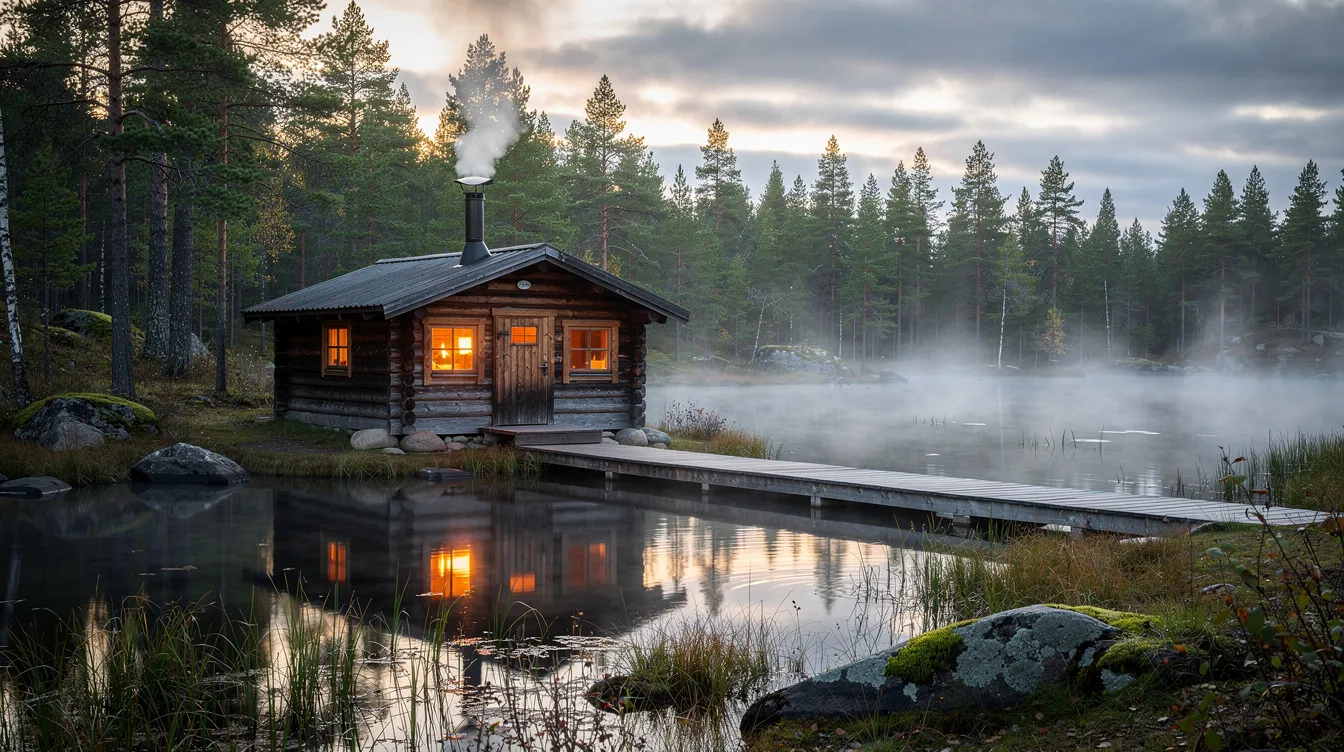
Traditional Dimensional Standards for Home Builds
When drafting your plans, you must respect the proportional relationships that have been refined over generations. These standards ensure that the sauna is large enough to be comfortable but small enough to heat efficiently.
|
Element |
Traditional Finnish Standard |
Technical Reasoning |
|
Ceiling Height |
230 centimeters |
Prevents heat stratification and optimizes the steam zone. |
|
Bench to Ceiling |
100 to 120 centimeters |
Positions the head in the active löyly zone. |
|
Upper Bench Height |
100 to 120 centimeters |
Ensures feet are above the heater’s stone line. |
|
Upper Bench Depth |
60 to 100 centimeters |
Accommodates both upright seating and full reclining. |
|
Lower Bench Depth |
40 to 50 centimeters |
Provides foot support and a cooler seating alternative. |
|
Door Clearance |
10 to 15 centimeter gap |
Facilitates passive airflow at floor level. |
Design Philosophy and the Spirit of Simplicity
Finnish sauna building reflects core cultural values, such as simplicity, functionality, and a deep connection to the natural world. Interior finishes rarely use varnish or paint because natural wood must be allowed to breathe to manage moisture effectively. Ornamentation is kept to a minimum, with the focus remaining on the quality of the wood grain and the ambient light. This minimalist approach serves a practical purpose, making the room easier to clean and ensuring that no synthetic chemicals are released into the air when the temperature climbs toward 100°C.
How Do You Plan the Ideal Layout and Capacity for Your Space?
The ideal layout for a Finnish sauna balances the intended number of users with the physical footprint of your home, ensuring that there is enough lung room for air to circulate the bathers. A common mistake in modern construction is making the sauna room too large for the heater's capacity or too small for comfortable movement. You should calculate approximately 60 centimeters of bench width per seated person to ensure that everyone has adequate personal space during a session.
Calculating Room Volume and Footprint
To determine the size of your sauna, you must first decide on the maximum capacity. A standard family sauna for four people generally requires a room volume of approximately 8 to 11 cubic meters.
|
Capacity |
Interior Dimensions |
Floor Area |
Room Volume |
|
1 to 2 People |
1.2 meters by 1.8 meters |
2.2 square meters |
5 cubic meters |
|
2 to 4 People |
1.8 meters by 2.0 meters |
3.6 square meters |
8 cubic meters |
|
4 to 6 People |
2.0 meters by 2.5 meters |
5.0 square meters |
11.5 cubic meters |
|
6 to 8 People |
2.5 meters by 3.0 meters |
7.5 square meters |
17 cubic meters |
When planning these dimensions, remember to account for the insulation thickness and the interior paneling. An interior dimension of 2 meters actually requires an exterior framing footprint of approximately 2.2 meters once the layers of mineral wool, vapor barrier, furring strips, and cedar or spruce are added.
Bench Tiering and Ergonomics
The tiered bench system is not just for seating capacity; it is a vital part of the heat management system. The upper bench is the primary seating area where the most intense heat is found. The lower bench serves as a step to reach the top tier, a footrest for those sitting above, and a cooler seating area for children or those who prefer a less intense experience.
For maximum comfort, ensure the upper bench is wide enough to recline. In Finland, it is common for bathers to lie down to ensure the entire body is at the same temperature. This requires a bench length of at least 190 centimeters. If your space is limited, L-shaped or U-shaped bench configurations can maximize seating without expanding the room's footprint.
Which Heating System Design Produces the Best Löyly?
The heating system is the heart of the sauna, and your choice determines the quality of the löyly, which is the unique humidity that makes a Finnish sauna feel therapeutic rather than just hot. A proper heater must be able to heat a large mass of stones to a high temperature because it is the stones, not the heating elements themselves, that should radiate the heat and vaporize the water.
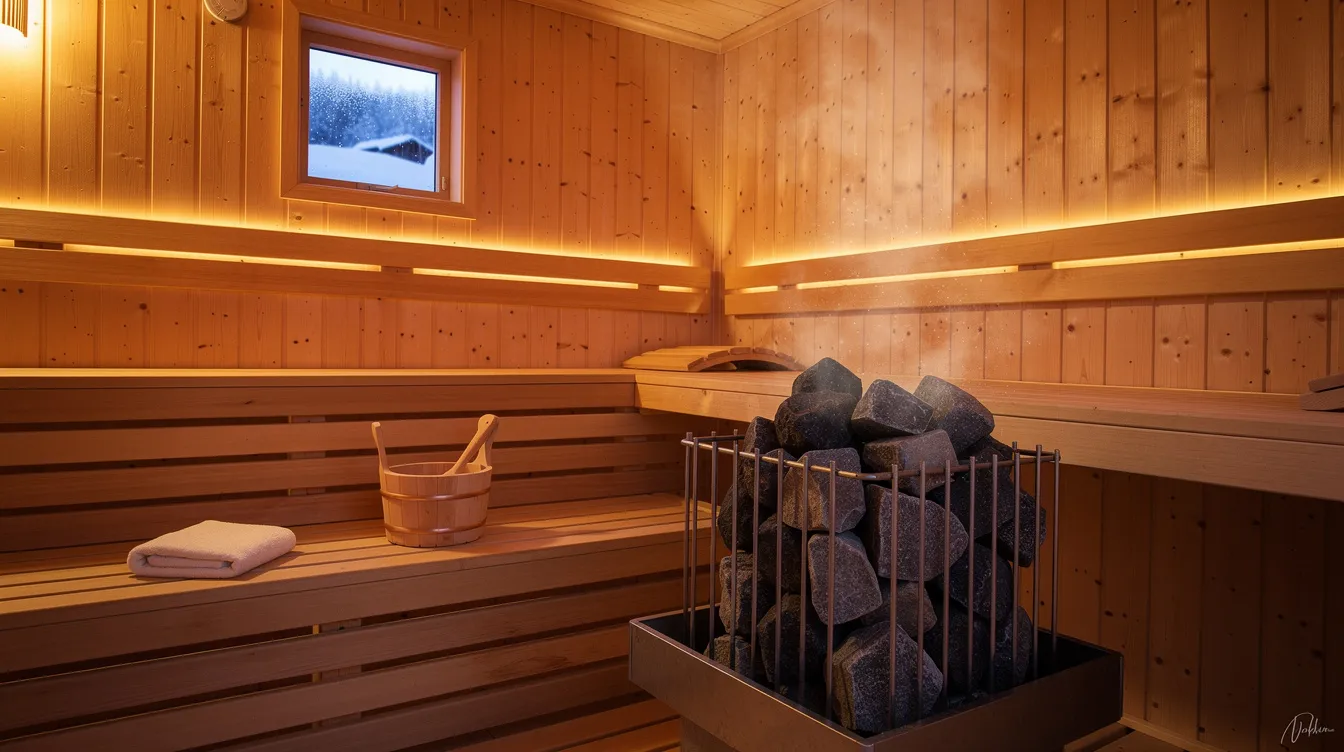
Wood Burning Stoves: The Traditional Gold Standard
For many purists, a wood-burning stove is the only way to achieve an authentic experience. The crackle of the fire and the natural smoke aroma of the wood add a sensory layer that electricity cannot replicate. These stoves typically hold between 40 and 200 kilograms of stone, providing a massive thermal reservoir.
- Advantages: Superior steam quality, independent of the electrical grid, and a more immersive ritual.
- Requirements: A dedicated chimney system is mandatory and must be professionally installed to meet local fire codes. You must also maintain a clearance of at least 50 centimeters from combustible walls unless you install approved heat shields.
Electric Heaters: Modern Convenience and Precision
Electric heaters have become the most popular choice for urban homes and indoor installations because they do not require a chimney. Modern Finnish electric heaters are designed with open stone compartments to maximize the surface area for water contact.
- Sizing Formula: Use the standard calculation of 1 kilowatt of power per 1 cubic meter of room volume. For example, a 9 cubic meter room requires a 9 kilowatt heater. If your sauna has large glass walls or is located outdoors in a cold climate, increase this capacity by 20% to 30%.
- Electrical Needs: Most residential heaters above 3 kilowatts require a dedicated 240-volt circuit and a licensed electrician to ensure the home's main panel can handle the load.
The Role of Sauna Stones
Regardless of the heater type, the stones are critical. You should use high-density igneous rocks, such as olivine diabase or vulcanite. These stones can absorb and hold immense heat without cracking or exploding when hit by cold water. Never use river rocks or stones found in nature, as trapped moisture inside them can cause them to shatter violently when heated. You should rearrange your stones once a year and replace any that have become brittle or small enough to dust, as crumbling stones can block airflow and damage your heater elements.
What Wood Materials Are Best for High Heat Environments?
Wood selection is the most important factor for the longevity of the structure and the physical comfort of the bathers. Because the temperature inside a Finnish sauna often exceeds 80°C, you must use woods with low thermal conductivity. This means the wood stays relatively cool to the touch even when the air is scorching, preventing skin burns.
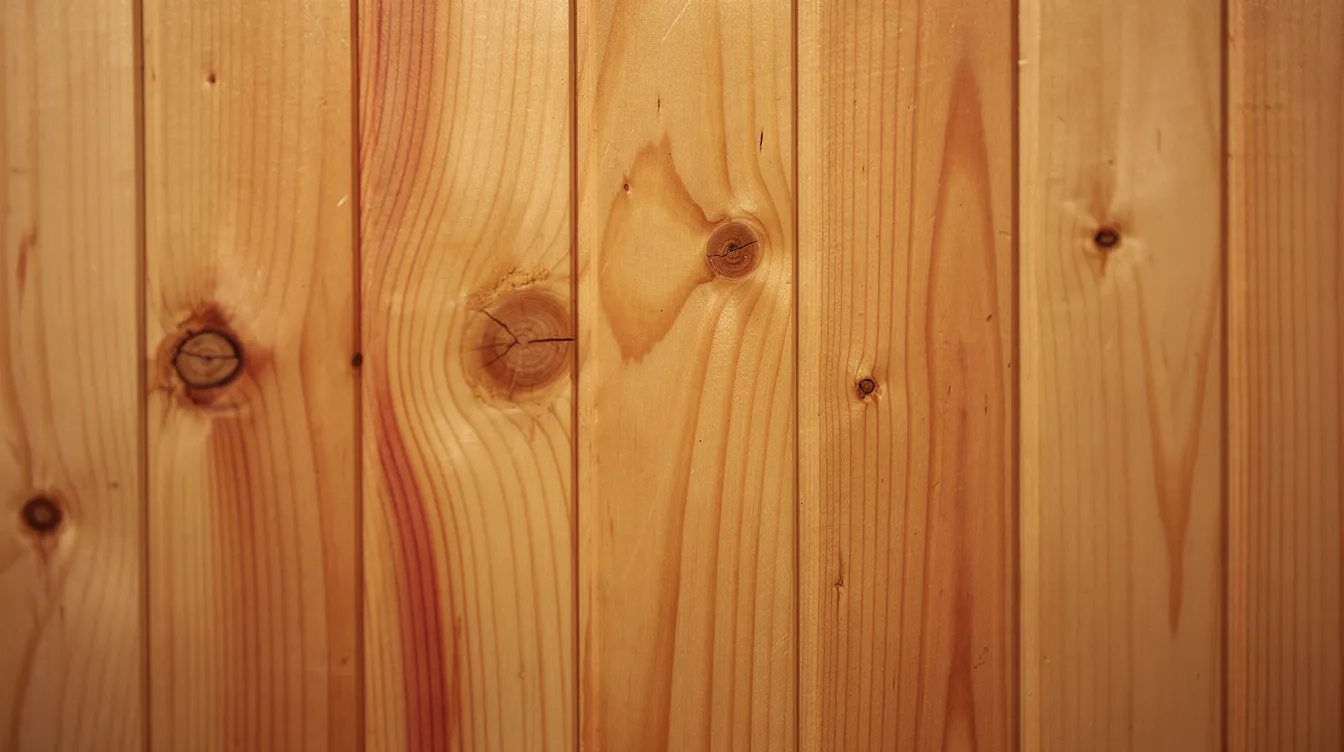
Aspen: The Premier Bench Material
Aspen, or haapa, is the traditional Finnish favorite for benches and any surface that comes into direct contact with the skin. It is a deciduous hardwood with almost no resin, meaning it will not weep sticky sap when heated. It also has a very low density, which keeps its surface temperature comfortable. Aspen's light, pale color provides a clean, modern aesthetic that brightens the sauna's interior.
Nordic Spruce and Finnish Pine: The Structural Backbone
For walls and ceilings, Nordic softwoods such as spruce and pine are the industry standard. These trees grow slowly in the cold northern climate, creating a tight grain that is incredibly stable.
- Nordic Spruce: Known for its small, tight knots that do not fall out over time. It releases a mild, pleasant evergreen scent.
- Finnish Pine: A slightly darker wood with a more pronounced grain. It is valued for its durability and traditional look.
Thermowood: The Modern Innovation
Thermowood is wood that has been heat-treated at temperatures above 200°C in a vacuum. This process changes the cellular structure of the wood, making it almost entirely resistant to moisture absorption and decay. It also darkens the wood to a rich, chocolatey brown, offering a luxurious appearance without chemical stains. Thermowood is 25% more thermally efficient than untreated wood, making it an excellent choice for energy-conscious builders.
Wood Preparation and Installation
- Moisture Content: Wood must be properly kiln-dried to equilibrium moisture content before installation, typically 8-12% for interior sauna applications. Improperly dried wood warps, cracks, and fails prematurely.
- Surface Treatment: Traditional Finnish practice avoids varnishes, stains, and paints entirely. Natural wood surfaces breathe, allowing moisture to be absorbed and released during heating cycles. Some installations use paraffin oil treatments on bench surfaces to make cleaning easier, but this remains optional.
- Panel Installation: Tongue-and-groove profiles provide tight joints while allowing natural wood movement. Vertical installation is traditional in Finland, though horizontal patterns have gained popularity in modern designs. Leave small expansion gaps at panel ends to accommodate seasonal movement.
Sustainable Sourcing
Nordic wood species from managed Finnish forests are often certified by PEFC or FSC. Thermowood processing uses no chemicals, relying solely on heat and steam. For environmentally conscious builders, these certifications and processes align with Finland's cultural connection to nature, which makes sauna building meaningful.
How Do You Design a High-Performance Ventilation System?
Proper ventilation is the most overlooked aspect of sauna construction, yet it is what determines whether the air inside feels fresh and revitalizing or heavy and suffocating. In authentic Finnish design, the goal is to create a constant breathing effect in which fresh oxygen is pulled in, and stale carbon dioxide and excess moisture are pushed out.
The Natural Convection Method
Most traditional outdoor saunas use a passive, natural convection system that relies on the heater to move the air.
- The Intake: An air vent is placed directly below or behind the heater, about 10 centimeters from the floor. As the heater warms the air, it creates a vacuum that pulls fresh, oxygen-rich air into the room.
- The Mixing: The fresh air hits the heater, warms, and rises to the ceiling, where it mixes with the steam.
- The Exhaust: An exhaust vent is placed on the opposite wall, ideally at a height between the upper and lower benches, about 40 to 60 centimeters from the floor. This placement ensures that the air stays in the room long enough to heat the bathers before being exhausted.
Mechanical Ventilation for Indoor Installs
In modern basement installations or apartment saunas, natural convection may not be enough to overcome the static pressure of the building's HVAC system. In these cases, a small, heat-rated exhaust fan is used to force the air through the room. The fan should be placed on the exhaust side, pulling air out of the sauna, rather than pushing it in. This creates a slight negative pressure that helps keep humidity from leaking into the house's surrounding rooms.
What Insulation and Vapor Barriers Protect the Structure?
Because a sauna creates extreme temperature and humidity gradients, you must protect your home's framing from rot and mold. This is achieved through a multi-layered wall assembly that keeps heat and moisture inside the hot room while keeping the wall cavity dry.
The Wall Assembly Layer by Layer
To build a wall that lasts, follow this specific sequence from the outside in:
- Framing: Standard 2 by 4 or 2 by 6 wooden studs.
- Insulation: High-density mineral wool is preferred over fiberglass because it is fire-resistant and does not lose its R value if it gets damp. Use R-13 to R-15 for walls and R-30 for the ceiling.
- Vapor Barrier: This is the most critical layer. Use heavy-duty aluminum foil specifically rated for saunas. This foil acts as a vapor barrier and reflects radiant heat into the room.
- Sealing: All seams in the foil must be sealed with high-temperature aluminum tape. There should be no gaps where steam could reach the wooden studs.
- Furring Strips: Nail 1-by-2 wooden strips over the foil. This creates a 2-centimeter air gap between the vapor barrier and the interior paneling.
- Interior Paneling: Tongue-and-groove boards are nailed to the furring strips. The air gap allows any moisture that gets behind the boards to evaporate, preventing rot.
Floor Construction and Drainage
The floor of a Finnish sauna should be waterproof and sloped toward a drain. While the benches are made of wood, the floor is typically tile or concrete. In Finland, it is common to use duckboards, which are removable wooden slats, on top of the tile to provide a warm surface for the feet. A floor drain is essential because it allows you to wash the sauna down with a bucket of water, which is the traditional way to keep the space hygienic and smelling fresh.
How Do Cultural Elements and Accessories Complete the Experience?
An authentic Finnish sauna is not just a room. It is a multisensory experience that involves specific tools and rituals. If you omit these cultural elements, you are simply sitting in a hot box rather than participating in an ancient wellness tradition.
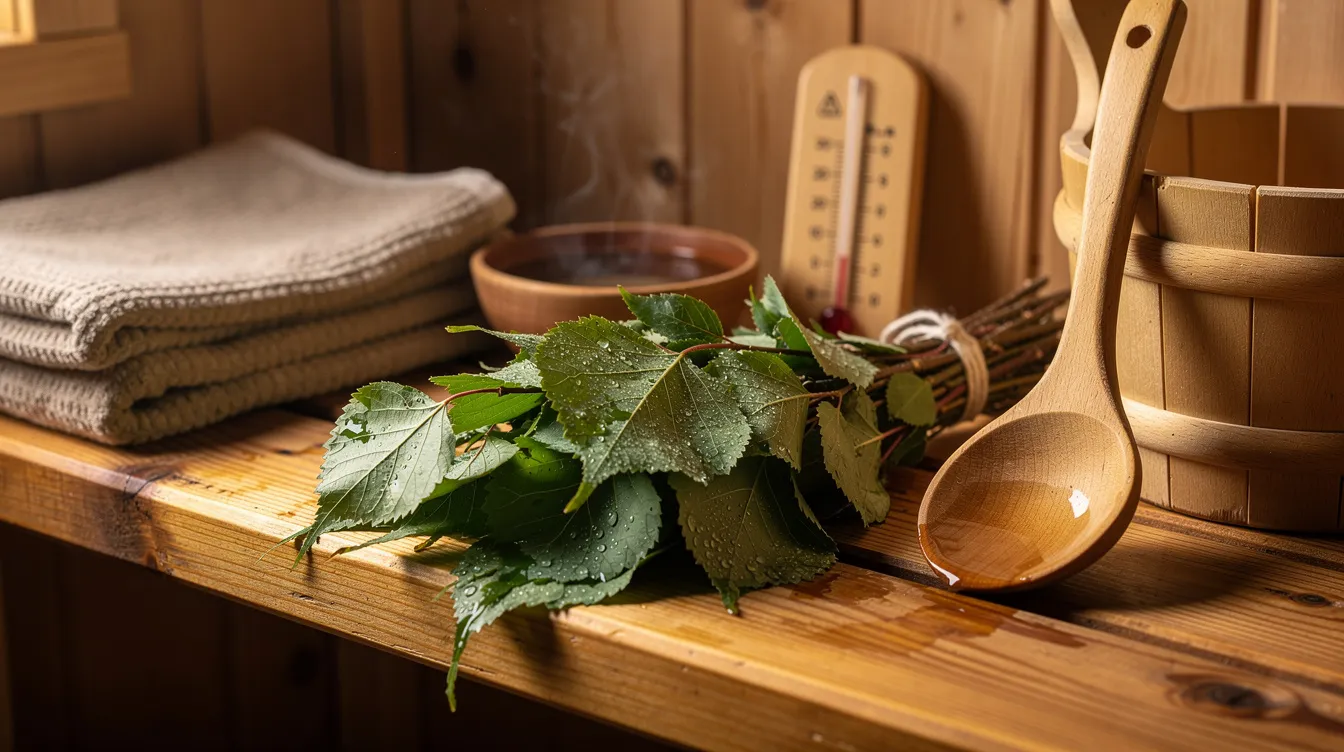
The Ritual of the Löyly
Creating the löyly is a deliberate act. You need a wooden bucket and a long-handled wooden ladle. You should never use a plastic bucket as it can melt or release chemical odors. The water should be fresh, and sometimes a few drops of essential oils such as birch, pine, or eucalyptus are added to enhance the aroma. When you pour the water onto the stones, you should do so slowly to create a soft steam that stays in the air longer.
The Use of the Vihta
In the summer months, Finns use a vasta, which is a bundle of fresh birch twigs with the leaves still attached. During the sauna session, you gently beat your skin with the whisk. This acts as a natural exfoliant, improves blood circulation, and releases a powerful, refreshing forest aroma. If fresh birch is not available, you can buy dried or frozen whisks that provide a similar benefit.
The Cooling Cycle
The contrast between hot and cold defines the Finnish experience. After 10 to 15 minutes in the heat, you must exit the sauna to cool down. In the winter, this might mean rolling in the snow or jumping into a hole in the ice. In a residential setting, a cold shower or a few minutes sitting on an outdoor deck is sufficient. This cycle of heating and cooling exercises your blood vessels, leads to deep relaxation, and is the secret to the famous sauna glow.
Which Finnish Sauna Design Style Is Right for Your Home?
Choosing a design style depends on your architectural preferences and your available space. Each style maintains the core Finnish principles but adapts them to different environments.
|
Design Style |
Best Use Case |
Material Focus |
Authenticity Level |
|
Traditional Log Cabin |
Rural properties or large backyards. |
Hand-scribed logs with massive thermal mass. |
Highest |
|
Modern Nordic |
Luxury homes with contemporary design. |
Large glass panels and Thermowood finishes. |
High |
|
Urban Compact |
City apartments or small basements. |
Efficient electric heaters and space-saving benches. |
Moderate |
|
Freestanding Barrel |
Small backyards with no permanent foundation. |
Cedar or spruce staves held by steel bands. |
Moderate |
For most homeowners, the Modern Nordic style offers the best balance of traditional performance and contemporary aesthetics. Sun Home Saunas specializes in these designs, providing the high-quality wood and precision heaters needed to ensure the Rule of 230 is respected even in custom installations.
What Is the Complete Planning Checklist for Your Finnish Sauna?
Before you begin construction or purchase a kit, use this comprehensive checklist to ensure all technical requirements are met.
Site Assessment
- Measure available space for both the hot room and support areas
- Evaluate electrical panel capacity for heater requirements
- Assess structural support (floor load capacity for stone mass)
- Identify ventilation routing options
- Check outdoor locations for drainage and foundation requirements
Design Selection
- Choose design style based on space, budget, and authenticity goals
- Select heating system (wood burning vs. electric vs. hybrid)
- Determine wood species and grades for each application
- Plan bench configuration and dimensions
- Specify door style, window placement, and lighting
Permit Requirements
- Research local building codes for sauna construction
- Obtain electrical permits for heater installation
- Secure plumbing permits if a drain is required
- Verify HOA approval if applicable
- Schedule required inspections
Professional Consultation
- Engage an architect/designer experienced with sauna building
- Vet contractors for relevant experience
- Obtain detailed plans and construction drawings
- Review specifications with heating system supplier
- Confirm installation timeline and milestones
Material Sourcing
- Verify wood quality and certification (FSC/PEFC)
- Confirm heater specifications match room dimensions
- Order appropriate stone quantity and type
- Specify hardware, vapor barrier, and insulation materials
- Schedule delivery to align with construction phases
Installation Planning
- Establish construction sequence (framing → insulation → vapor barrier → paneling)
- Coordinate electrical rough-in timing
- Plan ventilation installation sequence
- Schedule heater and stone installation
- Identify quality control checkpoints
Final Touches
- Select traditional accessories (bucket, ladle, whisks)
- Plan lighting installation and controls
- Establish maintenance schedule
- Create operating guidelines for users
- Document warranty information for all components
How Do You Finalize Your Authentic Finnish Sauna Project?
Building an authentic Finnish sauna requires a commitment to the historical proportions and physical principles that have made this tradition world famous. By prioritizing the Rule of 230, selecting the right Nordic woods, and ensuring proper ventilation, you create a sanctuary that delivers genuine therapeutic value for decades.
A well-built sauna is an investment in your long-term health, offering a space for physical recovery, mental clarity, and social connection. Sun Home Saunas is dedicated to helping you achieve this goal, providing the expertise and premium components necessary to build a sauna that would be at home in the heart of Helsinki.
References
- International Sauna Association (ISA): Technical Standards for Traditional Finnish Saunas: The global authority on sauna culture and technical specifications for heat distribution and safety.
- Finnish Sauna Society (Suomen Saunaseura): The Rule of 230 and Authentic Steam Distribution: Research and educational resources regarding the physics of löyly and traditional Finnish construction methods.
- VTT Technical Research Center of Finland: Thermal Performance and Ventilation in Nordic Environments: Scientific studies on wood durability, vapor barrier integrity, and air exchange in high-heat residential settings.
- National Fire Protection Association (NFPA): NFPA 70: National Electrical Code (NEC): The standard for safe electrical installation, clearances, and circuit requirements for residential sauna heaters (Section 424, Part IX).