

Key Takeaway
· Cold plunge therapy health benefits include faster recovery, reduced inflammation, and improved sleep.
· Alternating between sauna heat and cold immersion enhances circulation and immunity.
· Safe, consistent use can boost mental focus, resilience, and metabolic health.
· Use a home cold plunge system with an infrared or traditional sauna for optimal results.
· Always hydrate and listen to your body during cold plunge vs. ice bath for recovery sessions.
What Is a Cold Plunge or Ice Bath?
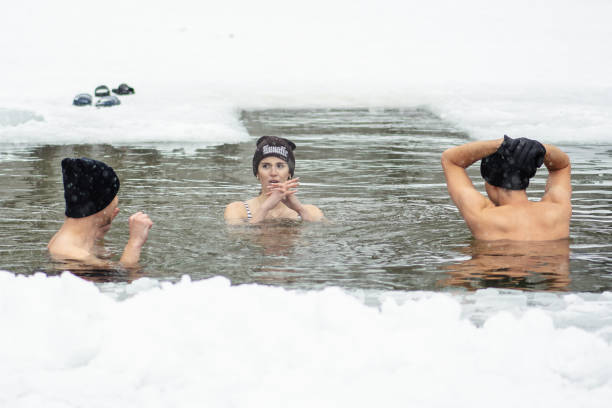
A cold plunge tub for home or ice bath involves immersing your body in cold water—typically between 50–59°F—to stimulate recovery and rejuvenation. This process, known as cold water immersion, reduces inflammation, promotes circulation, and enhances recovery after physical or mental stress.
Cold immersion has evolved from an athlete-only practice to a holistic wellness ritual accessible to everyone. When combined with sauna therapy, it delivers deep, synergistic benefits that support both physical and emotional health.
What Are the Main Ice Bath and Cold Plunge Benefits?

The cold plunge therapy health benefits range from improved muscle recovery to better sleep and immune system function. It’s a powerful form of contrast therapy when paired with heat exposure from a sauna.
1. Muscle Recovery
An ice bath is especially effective after workouts. Cold water constricts blood vessels, reducing swelling and flushing out metabolic waste. Once you rewarm, oxygen-rich blood rushes back into muscles—speeding recovery and reducing soreness. This makes it one of the top cold plunge benefits for muscle recovery.
2. Boost Mental Health
cold immersion stimulates the parasympathetic nervous system, promoting calm and focus. It builds mental resilience and stress tolerance—valuable for managing anxiety. Regular exposure may also improve mood through the release of dopamine and noradrenaline.
3. Better Sleep Quality
Cold exposure helps regulate cortisol levels and promotes melatonin production, encouraging deep sleep. Many people report more restful nights after consistent ice bath sessions, making it one of the less-known but powerful home cold plunge system benefits.
4. Enhanced Immunity
Regular cold plunges can strengthen the immune system by activating brown fat and improving metabolic efficiency. The process of thermogenesis—triggered by cold—helps regulate body temperature and boosts resistance to illness.
How to Use a Cold Plunge Safely at Home
To experience the benefits without risk, always use a cold plunge safely at home by starting slow, maintaining proper temperature (50–59°F), and limiting immersion to 10–15 minutes.
Hydration is essential before and after. If you’re new, begin with short intervals (1–3 minutes) and gradually extend your sessions as your tolerance improves.
Cold Plunge vs. Ice Bath for Recovery: What’s the Difference?

Both methods use cold water immersion, but a cold plunge often involves a specialized temperature-controlled tub designed for repeated wellness use, while an ice bath uses ice and water for short-term recovery. Cold plunges offer better consistency and control for home or commercial wellness centers.
When comparing a cold plunge to a traditional ice bath, the first major difference lies in temperature control. A cold plunge maintains a consistent temperature—typically between 50 and 59°F—thanks to built-in regulation systems, while an ice bath’s temperature varies depending on how much ice is added and how quickly it melts.
Maintenance is another key distinction. Cold plunges are designed with filtration and recirculation systems, making them reusable and low-maintenance. In contrast, ice baths require frequent refills, as the water becomes warm and less effective over time.
Cold plunges are ideal for both home setups and commercial cold plunge tub wellness centre environments due to their reliability and professional-grade features. Ice baths, on the other hand, are better suited for athletes seeking short-term recovery or those experimenting with cold therapy occasionally.
Finally, in terms of comfort, cold plunge tubs typically feature adjustable settings and ergonomic designs that support the body during immersion. Traditional ice baths tend to be more basic, offering a raw, manual experience without the same level of convenience or temperature stability.
How to Combine Sauna and Ice Bath for Maximum Results
Alternating between a sauna and ice bath—known as contrast therapy—boosts circulation, detoxification, and muscle recovery. It exposes the body to controlled stressors that strengthen both resilience and performance.
Recommended Routine
· Spend 15–20 minutes in the sauna (150–195°F).
· Cool off with lukewarm water and hydrate.
· Enter the ice bath for 5–10 minutes.
· Repeat 2–3 rounds if comfortable.
This contrast between hot and cold stimulates blood flow, strengthens the immune system, and enhances mental clarity. Always listen to your body—especially if you have cardiovascular or respiratory conditions.
How to Choose the Right Cold Plunge Tub
When selecting a cold plunge tub for home, consider factors like water capacity, filtration, temperature control, and safety features. Opt for insulated models for consistent performance and pair it with your sauna for integrated wellness benefits.
FAQ
What are the cold plunge benefits for muscle recovery?
Cold plunging reduces inflammation, alleviates soreness, and accelerates post-exercise healing. It promotes faster muscle regeneration and circulation, helping athletes and everyday users recover efficiently.
How long should I stay in a cold plunge?
Start with 2–3 minutes and gradually increase to 10–15 minutes per session. The optimal time depends on your tolerance, but consistency is more important than duration.
Which is better: indoor or outdoor sauna for contrast therapy?
Both have benefits. Outdoor saunas offer natural ventilation and a serene experience, while indoor saunas provide convenience and year-round access. Your choice depends on available space and climate.
Do infrared saunas help with weight loss?
Yes, infrared saunas increase heart rate and circulation, mimicking moderate exercise and supporting calorie burn. Combined with a cold plunge, this promotes efficient metabolism and thermoregulation.
Are home saunas safe for health?
Yes—when properly installed and used in moderation. Modern models, including full-spectrum infrared saunas, are designed for safety and comfort. Stay hydrated and follow session guidelines.
Invest in a Sauna and Cold Plunge at Home
With premium wellness equipment from Sun Home Saunas, you can create a personal sanctuary for recovery and rejuvenation. Explore the latest cold plunge tubs for home and infrared sauna models designed to elevate your well-being through balance, relaxation, and restoration.


