


Sauna use affects skin tone over time mainly through heat-driven vasodilation: warmth widens blood vessels and increases blood flow to the skin, delivering more oxygen and nutrients to skin cells and leaving many people with a temporary post-session "glow." Over weeks of consistent use, a controlled human study found regular sauna bathing improved the skin's barrier function and surface hydration. Results vary by person and are cosmetic, not medical — so prioritize hydration, gentle aftercare, and moderation to avoid overheating and skin sensitivity.
Key Takeaways
-
Sauna heat dilates blood vessels, increasing blood flow that delivers oxygen and nutrients to the skin and produces a temporary glow.
-
Sweating rinses the skin surface; note that sweat is roughly 99% water, so the "detox" framing you may have heard is not supported by evidence.
-
Infrared saunas heat the body at lower air temperatures, which many users find more comfortable for longer, gentler sessions.
-
Consistent use is associated in early research with better skin-barrier hydration; effects are cosmetic and vary by person.
-
Proper preparation (cleansing) and aftercare (moisturizing) are essential for skin comfort and safety.
Curious about how sauna use affects skin tone over time? Saunas can support a healthier-looking complexion by boosting circulation, and many people enjoy the post-session glow. This article explains what the research does and doesn't show, plus practical tips and important precautions to help you make the most of your sauna sessions for comfortable, even-looking skin.
What Is The Science Behind Saunas And Skin Tone?

Outdoor infrared saunas are a popular tool for a relaxing heat-therapy routine. The heat from a sauna session causes your blood vessels to dilate, increasing blood flow to the skin. This surge of blood helps:
-
Deliver oxygen to skin cells
-
Carry nutrients to skin cells
-
Support a healthier-looking complexion
-
Contribute to a temporary, even-looking glow
Sweating is often described as "detox," but it's worth being clear-eyed: as sports-medicine educators note, sweat is mostly water (about 99%), and the liver and kidneys — not sweat glands — are the body's primary filtering organs. What sweating does well is rinse the skin surface and clear pores of some surface oil and debris, which can leave skin feeling fresher. Over time, the circulation boost and a consistent skincare routine are what contribute most to improved-looking skin tone and texture.
Improved Circulation and Skin Tone
Sauna use supports skin tone primarily through improved circulation:
-
Sauna heat stimulates your blood vessels to expand, which increases blood flow
-
Enhanced circulation helps deliver oxygen and nutrients to skin cells
The result many people notice is a healthier-looking, glowing complexion right after a session. Regular home sauna sessions are a relaxing complement to a good skincare routine. Full-spectrum infrared saunas heat the body at comfortable air temperatures, which some users prefer for longer, gentler sessions.
Cleansing and Clearer-Looking Skin
Sweating in a sauna opens the appearance of pores and rinses away surface oil and debris. This light cleansing can leave skin feeling refreshed, and pairing it with a gentle post-session cleanse helps keep pores clear. Remember that "detox" claims about sweating aren't supported — the benefit here is surface cleansing and the feeling of freshness, not toxin removal.
For many people, the combination of regular sessions plus consistent cleansing and moisturizing supports clearer-looking skin and a more even-looking tone over time.
Heat, Circulation, and Collagen
Some laboratory research suggests heat stress can activate heat shock proteins involved in collagen-related pathways, and improved circulation delivers more oxygen to the skin. This is an area of emerging science: most studies are early or laboratory-based rather than large clinical trials in saunas, so treat collagen claims as promising background rather than a guaranteed outcome.
Collagen is the structural protein that helps keep skin firm and elastic; you can read more about it via Cleveland Clinic's overview of collagen. For skin firmness specifically, the strongest evidence base is in dedicated red-light/LLLT research rather than sauna heat alone.
What Are The Long-Term Effects Of Sauna Use On Skin Tone?
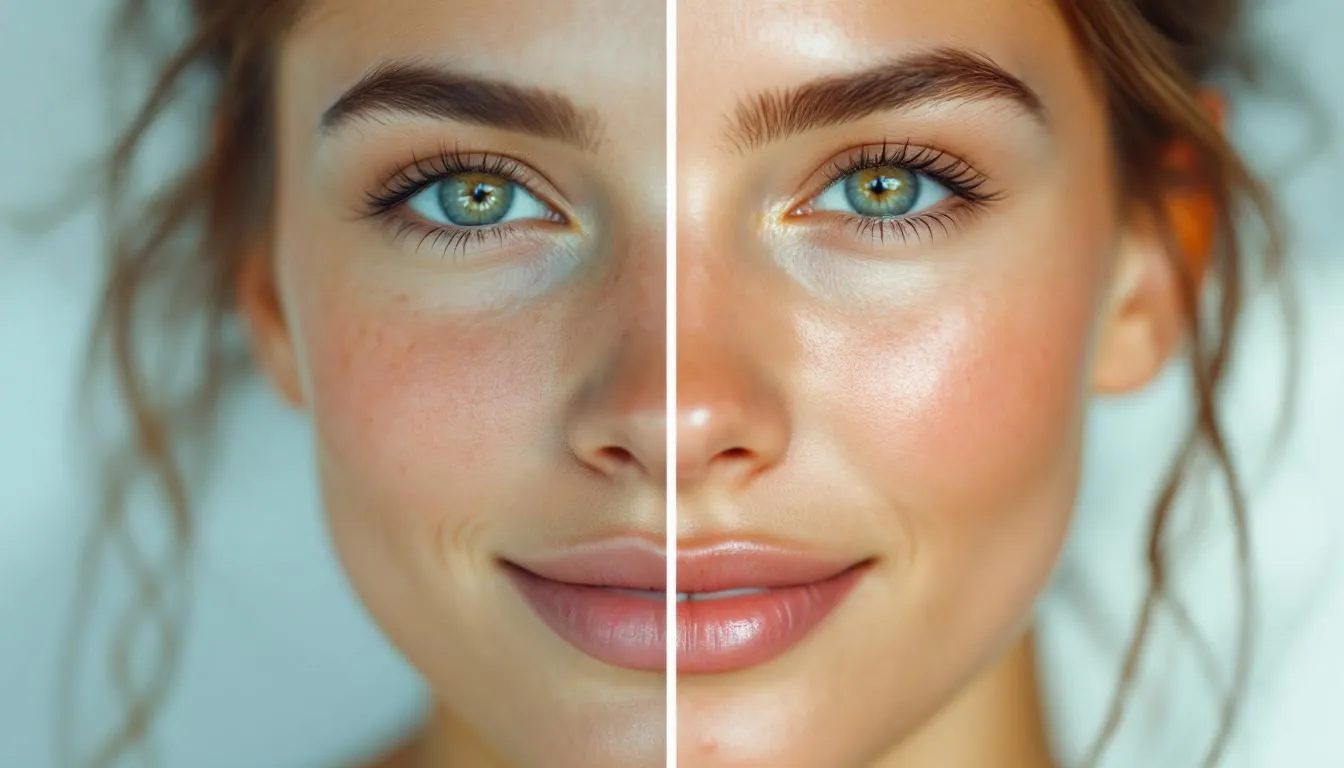
The most directly relevant human evidence comes from a controlled study by Kowatzki and colleagues (2008), which found that regular sauna bathing improved measures of the skin's barrier function and the stratum corneum's water-holding capacity. In plain terms: consistent sauna use was associated with a better-hydrated, better-functioning skin barrier — which can translate to a clearer, more even-looking complexion. Effects are cosmetic, modest, and vary by person.
Even-Looking Tone
Better circulation brings more oxygen to the skin and supports a fresh, even-looking complexion after sessions. People sometimes ask whether saunas address age spots or uneven pigmentation; there is no good evidence that sauna heat treats pigmentation, and you should treat any such claims with skepticism. For targeted pigmentation concerns, a dermatologist is the right resource.
Smoother-Looking Skin Texture
Improved barrier hydration (as in the Kowatzki study) can make skin look and feel smoother and more supple. Combined with the post-session circulation glow, many users describe their skin as looking refreshed. Over time, the most reliable contributors are consistent hydration, sun protection, and a steady skincare routine — the sauna is a complement to those habits, not a replacement.
Maintaining a Healthy-Looking Complexion
Maintaining a healthy-looking complexion is mostly about consistency. Regular, moderate sauna sessions paired with good hydration and aftercare can be a relaxing part of that routine, supporting skin comfort and that post-session glow.
Comparing Infrared Saunas to Traditional Saunas

Infrared and traditional saunas warm you differently. Infrared saunas use infrared heaters to warm the body directly at lower air temperatures, which many people find comfortable for longer sessions. Sun Home's infrared lines — the indoor Eclipse and outdoor Luminar — reach a published max of up to 165°F (Eclipse) and up to 170°F (Luminar) per the current product specs, and both carry a Lifetime Limited Warranty.
Traditional saunas heat the air to higher temperatures, delivering an intense, enveloping heat and the ritual of steam. Both styles increase circulation and can leave skin looking refreshed; the "best" choice is mostly about the heat experience you prefer.
Infrared Saunas for a Comfortable Session
The best infrared saunas warm the body directly at comfortable air temperatures. Full-spectrum infrared saunas combine near-, mid-, and far-infrared output. If skin firmness is your specific goal, dedicated red-light therapy has the most direct research support, and some Sun Home models integrate red light alongside infrared heat.
Traditional Saunas and the Heat Experience
Traditional saunas improve circulation by increasing blood flow, which carries more oxygen and nutrients to skin cells and supports a fresh complexion. Regular sessions are a relaxing ritual; like infrared, their skin effects are cosmetic and best supported by a consistent routine and sun protection to help limit photoaging.
Impact of Sauna Types on Skin Over Time
Skin-Related Factor |
Traditional Sauna |
Infrared Sauna |
Surface Cleansing |
High (steam/humidity) |
Moderate |
Air Temperature |
Higher (hotter air) |
Lower (radiant heat) |
Pore-Clearing Feel |
Surface sweat |
Comfortable radiant warmth |
Circulation Boost |
High (vasodilation) |
High (radiant heat) |
Best For |
Steam ritual & surface refresh |
Comfortable longer sessions |
A comparison of how traditional and infrared saunas relate to skin comfort and the session experience.
What Are The Best Practices For Using Saunas To Support Skin Tone?
To get the most from sauna therapy for your skin, follow a sensible routine: a comfortable session length, good hydration, and simple pre- and post-session skincare. This supports a relaxing experience and that post-session glow.
What is the Optimal Sauna Session Duration and Frequency?
Beginners should follow these sauna guidelines:
-
Start with shorter sessions of 10–15 minutes and gradually build to 20–30 minutes as your body acclimates
-
Stay hydrated before, during, and after sessions to prevent dehydration
-
Choose a comfortable temperature; infrared saunas typically run cooler than traditional saunas
Pre-Sauna Skincare Routine
Preparing your skin before a session helps. Cleanse to remove surface oil and makeup that could clog pores, and hydrate well beforehand. To prepare:
-
Avoid heavy meals and alcohol before your session
-
Wear light clothing or a towel
-
Use a gentle cleanser; save strong exfoliants for another time, since heat can make skin more sensitive
Post-Sauna Skincare Routine
After a session, follow these steps for comfortable skin:
-
Rinse or shower to wash away sweat and surface debris
-
Use a gentle, hydrating cleanser to prevent irritation
-
Drink water to rehydrate
-
Apply a moisturizer to support the skin barrier and lock in hydration
A lightweight, water-based hydrating serum after moisturizing can further support hydration. If you sauna during the day, finish with a broad-spectrum SPF 30 or higher before sun exposure.
What Are The Risks Of Using A Sauna For Your Skin?

The benefits are real but modest, and moderation matters. People with cardiovascular or respiratory conditions, pregnant women, and those on medications that affect heat tolerance should consult a healthcare provider before sauna use.
Overheating and Dehydration
A primary risk of sauna use is overheating. Limiting early sessions to 15–20 minutes helps prevent it. Staying hydrated is essential — dehydration affects how your skin looks and feels. Frequent sauna use without adequate hydration can leave skin feeling dry, flaky, or irritated, so drink water before, during, and after sessions.
Skin Sensitivity Issues
People with sensitive skin can usually enjoy saunas with sensible precautions and gradual acclimation to the heat. However, those with rosacea should be cautious, as heat may trigger flare-ups. If you have acne-prone skin, cleanse soon after your session so sweat doesn't sit on the skin. If you have a skin condition, talk with a dermatologist about whether and how to include sauna sessions.
As our wellness team puts it: the key to a "sauna glow" without irritation is moderation and moisture management. Heat increases water loss from the skin's surface, so hydrating internally and applying a humectant moisturizer afterward helps keep a rejuvenating session from becoming a drying one.
When to Consult a Dermatologist
Before starting regular sessions, it's wise to consult a dermatologist if you have a pre-existing skin condition such as eczema, rosacea, or psoriasis. Anyone on medications that affect heat tolerance should also seek medical advice first.
If your skin feels dry after sauna use, consider shorter sessions and a richer post-session moisturizer, and check in with a professional who can tailor a routine to your skin's needs.
Quick Facts About Home Sauna Wellness and Skin
-
Circulation: Heat exposure markedly increases skin blood flow as the body works to shed heat, which is why skin often looks flushed and "glowing" right after a session.
-
Skin barrier: A controlled human study (Kowatzki et al., 2008) found regular sauna bathing improved epidermal barrier function and the stratum corneum's water-holding capacity.
-
Sweat: A vigorous session produces a lot of sweat, but sweat is roughly 99% water — so think of it as cooling and surface rinsing, not "detox."
Summary
Regular sauna use can support a healthier-looking complexion mainly by boosting circulation, and early human research links consistent use to a better-hydrated skin barrier. These effects are cosmetic and vary by person — they're best supported by hydration, sun protection, and a steady skincare routine. Understanding what the science does and doesn't show lets you enjoy the post-session glow while keeping your skin comfortable and protected.
Frequently Asked Questions
Does a sauna actually improve your skin tone?
It can support a healthier-looking complexion, mostly by boosting circulation, which brings more oxygen and nutrients to the skin and produces a temporary post-session glow. A controlled human study (Kowatzki et al., 2008) also linked regular sauna use to a better-hydrated skin barrier. Effects are cosmetic, modest, and vary by person.
Do saunas "detox" your skin?
No. Sweat is roughly 99% water, and the liver and kidneys are the body's filtering organs. Sweating rinses the skin surface and clears pores of some oil and debris, which can leave skin feeling fresher — but it isn't toxin removal.
Is an infrared or a traditional sauna better for skin?
Both increase circulation and can leave skin looking refreshed. Infrared saunas warm you at lower air temperatures, which many people find comfortable for longer sessions; traditional saunas deliver hotter air and the ritual of steam. The "best" choice is the heat experience you prefer.
How long should a skin-focused sauna session be?
Most people do well with 15–20 minutes; beginners should start at 10–15 and build up. Always hydrate before and after, and finish with a gentle cleanse and a moisturizer.
Should I see a dermatologist before using a sauna?
If you have a skin condition such as eczema, rosacea, or psoriasis, or you take medications that affect heat tolerance, check with a dermatologist or healthcare provider first.
References
-
Avci, P., Gupta, A., Sadasivam, M., Vecchio, D., Pam, Z., Pam, N., & Hamblin, M. R. (2013). Low-level laser (light) therapy (LLLT) in skin: stimulating, healing, restoring. Seminars in cutaneous medicine and surgery, 32(1), 41–52.
-
Cleveland Clinic. (2022). Collagen: What It is, Types, Function & Benefits. https://my.clevelandclinic.org/health/articles/23089-collagen
-
Kowatzki, D., Macholdt, C., Krull, K., Schmidt, D., Deufel, T., Elsner, P., & Fluhr, J. W. (2008). Effect of regular sauna on epidermal barrier function and stratum corneum water-holding capacity in vivo in humans: a controlled study. Dermatology, 217(2), 173–180. https://doi.org/10.1159/000137283
-
What Science Says About Sweating and Detoxification. (2022). Denversportsrecovery.com. https://www.denversportsrecovery.com/blog/what-science-says-about-sweating-and-detoxification