

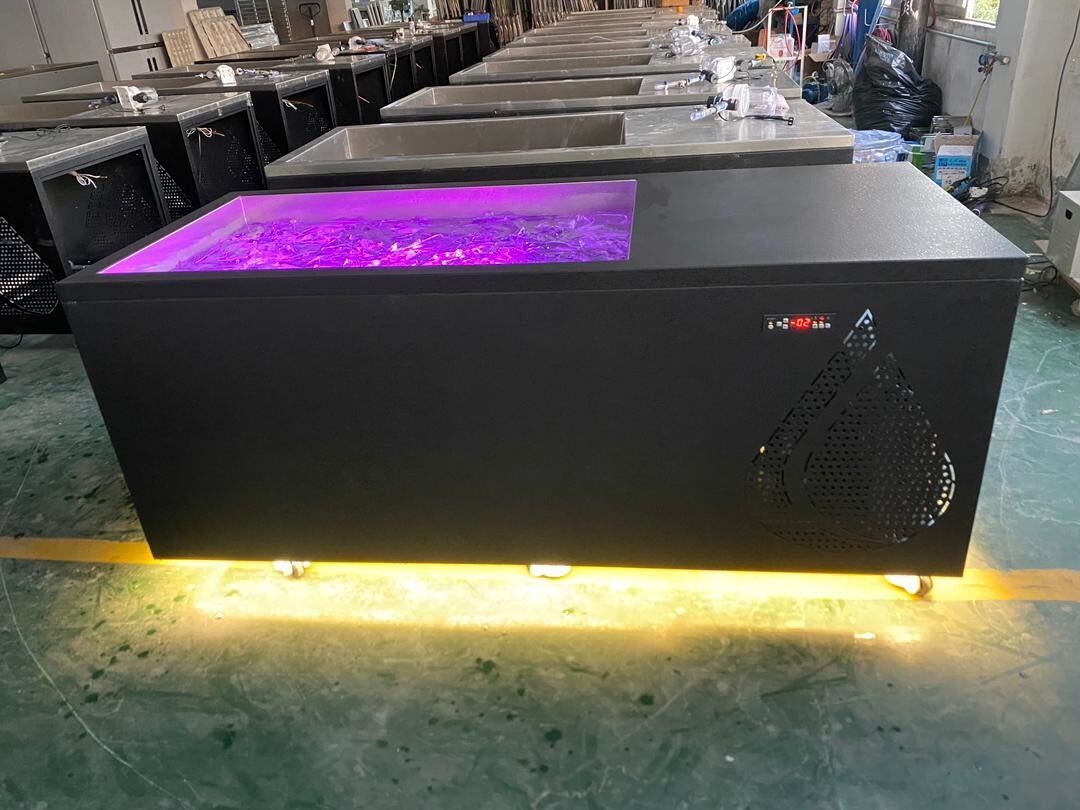
The 3-Minute Cold Plunge: A Powerful Tool for Ice Baths
Cold plunges are one of the most powerful, accessible tools available for improving physical and mental health.
From reducing inflammation and accelerating muscle recovery to boosting immune function, stabilizing mood, and building mental resilience, regular cold water immersion delivers a wide range of scientifically supported benefits for the body and mind.
In this guide, you will learn what the benefits are, how cold plunges work, how to cold plunge safely, and why 3 minutes is the sweet spot for getting results at home.
Key Takeaways
- Regularly using a cold plunge tub for home cold therapy improves muscle recovery, reduces inflammation, and increases mental energy levels.
- Regular cold water immersion supports mood, focus, and mental resilience by triggering a natural release of endorphins and dopamine.
- Cold plunges are accessible to nearly everyone and require minimal equipment, making them one of the most practical wellness practices available.
- The immediate cold shock response elevates endorphins and mood, supporting better focus, stable energy, and overall sense of well-being.
- Practicing cold water immersions offers holistic cold plunge benefits for self-discovery, mental toughness, and a deeper connection to the natural world.
What Is A Cold Plunge And How Does It Work?
A cold plunge involves immersing the body in cold water (typically between 50-60°F) for a short period, usually 2-3 minutes.
This cold water triggers a physiological response known as the cold shock response, which activates the sympathetic nervous system. These systems have a cascade of effects throughout the body, including:
- Increased heart rate and respiration: This helps to deliver oxygen and nutrients to the body's tissues, which can aid in recovery and reduce inflammation.
- Decreased blood flow to the extremities: This helps to conserve body heat and protect vital organs and blood vessels.
- Release of endorphins: These hormones have mood-boosting and pain-relieving effects.
|
Important: The cold shock response causes rapid changes in heart rate and breathing. People with cardiovascular conditions, high blood pressure, or respiratory issues should consult a physician before attempting cold therapy. |
What Are The Benefits Of A Cold Plunge?
There is a growing body of research supporting the potential cold plunge health benefits for a variety of conditions. Some of the most well-documented benefits include:
Improved muscle recovery: Cold water immersion is a sports medicine used to help soothe sore muscles and fatigue after exercise, allowing athletes to return to training sooner.
Reduced inflammation: Cold therapy has been shown to be effective in reducing inflammation associated with conditions like arthritis, chronic pain, and sore muscles.
Boosted immune system: Studies suggest that regular cold temperatures may help to strengthen the immune system and reduce the frequency of illness.
Improved mental health: Cold plunges can be beneficial for individuals suffering from anxiety and depression. The release of endorphins can lead to feelings of euphoria and improved mood.
Increased energy levels: Many people report experiencing increased energy and alertness after taking a cold plunge.
Improved sleep quality: Cold exposure can help to regulate the body's sleep-wake cycle, leading to better sleep quality. Learn more about the health benefits of ice baths and cold plunge therapy.
Beyond the Benefits of a Cold Plunge
While the tangible benefits of cold plunges are well-documented, the practice also holds a deeper significance that extends beyond the physical realm.
Immersing oneself in cold water can be a powerful tool for self-discovery, mental resilience training, and cultivating a deeper connection with the natural world.
Cold Water Immersion as a Tool for Self-Discovery
The intense sensory experience of a cold plunge can be a potent catalyst for self-awareness. As the cold water envelops the body, it forces us to confront our physical limitations and mental boundaries.
This confrontation can lead to a deeper understanding of our own strengths and weaknesses, as well as our capacity for resilience and adaptation. By pushing through the initial discomfort and emerging from the experience stronger, we can gain a newfound sense of confidence and self-belief.
Building Mental Resilience
The cold shock response triggered by a cold plunge activates the body's fight-or-flight response. This response, while initially challenging, can be harnessed as a form of mental resilience training.
Exposing ourselves to controlled and temporary stress through cold exposure can build our capacity to cope with stress and adversity in other areas of life. This can be particularly beneficial for individuals facing difficult situations or struggling with mental health challenges.
Connecting with the Natural World
The act of immersing ourselves in cold water can be seen as a symbolic act of reconnecting with the natural world. Cold water is a powerful element that reminds us of the vastness and power of nature.
Embracing this element allows us to cultivate a sense of humility and gratitude for the natural world around us. This connection can lead to a deeper appreciation for the environment and a greater sense of belonging within the natural world.
Beyond the Rational
While science offers valuable insights into the physiological effects of cold exposure, there is also a more subtle and unquantifiable element at play. Some people describe experiencing a sense of clarity, calm, and even euphoria after a cold plunge.
This suggests that the practice may have a profound impact on our emotional and spiritual well-being. Whether attributed to physiological changes or a deeper connection with the natural world, these experiences highlight the multifaceted and holistic nature of the cold plunge experience.
A Practice for Everyone
The beauty of the cold plunge is its accessibility. Unlike many other fitness or wellness practices, cold plunges require minimal equipment and can be done almost anywhere. This makes it a practice that is available to everyone, regardless of fitness level or socioeconomic background.
Whether you are a seasoned athlete or someone simply looking to improve their well-being, cold plunges offer a powerful tool for transformation and growth. The benefits of cold exposure extend to various populations, including those seeking natural approaches to support cardiovascular health and manage high blood pressure.
The Journey Continues
The benefits of cold plunges are not limited to the immediate post-plunge experience. Regular practice can lead to lasting changes in physical and mental health. As you continue your cold plunge journey, be open to the unexpected.
Embrace the challenges, celebrate the victories, and allow yourself to be transformed by the power of cold water. Remember, the greatest benefits of cold often lie beyond the initial discomfort, waiting to be discovered by those who dare to take the plunge.
The 3-Minute Protocol
While cold plunge sessions can range from 30 seconds to several minutes, the 3-minute protocol has emerged as the optimal duration for maximizing these benefits without overexposure.
A 3-minute cold plunge is a high-impact recovery practice that involves immersing the body in water typically between 50°F and 60°F. This duration is sufficient to trigger the "cold shock response," activating the sympathetic nervous system to release adrenaline and noradrenaline. The result is a rapid reduction in muscle inflammation, improved circulation through vasoconstriction, and a significant boost in mood and mental resilience due to an immediate surge in endorphins.
Physiological Impact of the 3-Minute Cold Plunge
Here is a breakdown of how brief cold water immersion affects the body's primary systems compared to standard recovery:
|
Feature |
Standard Recovery (Rest) |
3-Minute Cold Plunge |
|
Inflammation |
Slow, natural reduction |
Rapid reduction (Vasoconstriction) |
|
Hormonal Response |
Baseline levels |
Spike in Adrenaline & Noradrenaline |
|
Mood Effect |
Neutral |
Significant Endorphin & Dopamine surge |
|
Metabolic Waste |
Gradual clearance |
Accelerated flushing of lactic acid |
|
Mental State |
Relaxation |
Increased alertness & mental toughness |
Tip: For those seeking the most flexible and convenient experience, a cold plunge tub for home use allows you to perform cold therapy whenever it suits your schedule. You can compare a full range of cold plunge tubs to find the size and setup that fits your space.
"The 3-minute mark is the 'sweet spot' for cold exposure. It is long enough to push past the initial panic of the gasping reflex and force the body into a state of metabolic adaptation, but short enough to avoid the cold plunges of core body temperature drop.
By staying in for those full 180 seconds, you are effectively teaching your nervous system that it can remain calm under extreme pressure. A skill that translates directly to mental performance outside the tub." Sun Home Saunas Cold Exposure Specialist.
|
Tip: For best results and safety, beginners should learn how long to stay in a cold plunge and build up gradually from shorter times, such as 30 seconds to 2-3 minutes per session. |
Experts Weigh In on the 3-Minute Cold Plunge
"A 3-minute cold plunge is a great way to activate the nervous system and get the blood flowing," says Dr. Rhonda Patrick, a neuroscientist and science communicator. "The cold shock response can have a number of benefits, including improved circulation, reduced inflammation, and increased energy levels."
"I recommend a 3-minute cold plunge to all my athletes," says Dr. Kelly Starrett, a physical therapist and author. "It is a powerful tool for improving recovery, reducing pain, and boosting performance."
Many advanced cold therapy routines are modeled after leading commercial cold plunge tub wellness centre protocols, which typically emphasize safety, consistency, and proper breathwork for lasting results.
 |
 |
|
|
How to Get Started with Cold Plunges
If you are interested in trying a 3-minute cold plunge, it is important to start slowly and gradually increase the duration of your exposure. Here are some tips for getting started:
- Begin with a cool shower or bath. Gradually decrease the water temperature over time.
- Focus on your breath. Take slow, deep breaths and focus on relaxing your body.
- Start with just a few seconds in the cold water and gradually increase the time as you become more comfortable with cold showers.
- Listen to your body and stop if you experience any pain or high blood pressure.
- Follow up your cold plunge with a warm shower or bath.
Pairing your cold plunge sessions with time in the best infrared sauna for home use available can create a contrast therapy routine that supports circulation, recovery, and relaxation all in one wellness ritual.
Learn more about contrast therapy: Sauna & cold plunge: top health benefits explained.
Quick Facts About the 3-Minute Cold Plunge
- Hormonal Surge: Research indicates that immersion in 57°F water can increase plasma noradrenaline levels by up to 530% and dopamine by 250%.
- Inflammatory Reduction: Utilizing cold water immersion post-exercise has been shown to reduce the marker for muscle damage, creatine kinase, by up to 40% compared to passive rest.
- Temperature Target: To achieve the metabolic "cold shock" without injury, the water should ideally be maintained between 50°F and 60°F, with 3 minutes being the optimal threshold for experienced users.
How To Overcome The Challenges Of Cold Plunge Therapy
While the potential benefits of cold plunges are numerous and enticing, the initial hurdle of immersing oneself in frigid water can feel daunting. However, by understanding the challenges and implementing strategies for overcoming them, individuals can unlock the transformative power of this practice.
Conquering the Initial Discomfort
The first few seconds of a cold plunge are arguably the most challenging. The sudden drop in temperature triggers a natural "cold shock response," which can lead to an increased heart rate, rapid breathing, and a gasp reflex.
This occurs as cold temperatures cause the blood vessels to rapidly constrict, temporarily affecting circulation.
That initial discomfort is a natural reaction and shouldn't be viewed as a sign to stop. Instead, it's an opportunity to practice mindfulness and control over the body's response.
Take it slow with deep breaths and focus on relaxation techniques to learn how to regulate your breathing and heart rate, and settle into the experience.
|
Important: Don't force the full 3 minutes immediately. Even 30-60 seconds of cold showers provides benefits while your body adapts. Consistency with shorter sessions beats sporadic attempts at longer durations. Build your cold tolerance gradually over 2-4 weeks. |
Strategies for Success
Beyond managing the initial shock, several strategies can enhance the cold plunge experience and maximize its benefits. These include:
- Starting gradually: Instead of jumping straight into icy water, begin with cooler showers or baths and gradually decrease the temperature over time. This allows the body to acclimate to the cold temperatures and reduces the intensity of the initial shock.
- Controlling the duration: Start with short plunges (15-30 seconds) and gradually increase the duration as your body adapts. Aiming for 2-3 minutes as a target allows for optimal benefit without exceeding the recommended time for most individuals.
- Focusing on the breath: Deep, slow breathing is crucial during a cold plunge. It helps to regulate the heart rate and promotes relaxation, making the experience more manageable.
- Mindful presence: Focusing on the present moment and the sensations in the body enables you to avoid getting overwhelmed by the cold and instead appreciate the unique experience.
- Creating a routine: Integrating cold plunges into a regular routine, such as after workouts or first thing in the morning, can help build consistency and make the practice more enjoyable.
Overcoming Fear and Building Confidence

Conquering the initial fear of cold exposure can be a powerful exercise in building self-confidence and mental resilience. Facing and overcoming the challenge head-on allows individuals to discover their inner strength and develop a sense of control over their body and mind.
This newfound confidence can then spill over into other areas of life, empowering individuals to tackle challenges and step outside their comfort zones.
More than just a Physical Practice
The act of regularly immersing oneself in cold water can be seen as a metaphor for navigating life's challenges. Just as we learn to endure and adapt to the discomfort of the cold, we can develop similar resilience and adaptability in the face of life's inevitable obstacles.
Embracing the cold plunge as a practice for both body and mind helps you cultivate a sense of inner strength, a deeper connection with the natural world, and unlock your full potential for health and well-being.
The Call to Adventure
The cold plunge is not for everyone. It requires a willingness to step outside one's comfort zone and embrace the unknown. However, for those who are willing to take the plunge, the rewards can be immense.
Remember:
- Listen to your body and respect your limits.
- Start gradually and increase the duration and intensity of your cold plunges over time.
- Focus on your breath and practice relaxation techniques to manage the initial discomfort.
- Be consistent with your practice to reap the most benefits.
- Don't be afraid to seek guidance and support from others who practice cold plunges.
Embracing a home cold plunge means embarking on a transformative journey of physical and mental well-being. It's a call to adventure, a chance to push your boundaries, and discover the hidden strength that lies within.
So, take a deep breath, step into the cold, and discover the exhilarating world of cold exposure.
Sun Home Saunas sells the world's leading cold plunges and best home saunas. Reach out today and find out more from our Cold plunge experts.
References
- Buoite Stella, A., Dragonetti, A. M., Fontanot, S., Sabot, R., Martini, M., Galmonte, A., Canton, G., Deodato, M., & Murena, L. (2024). The Acute Effects of Cold Water Immersion and Percussive Massage Therapy on Neuromuscular Properties and Muscle Soreness after Exercise in Young Male Soccer Players. Sports (Basel, Switzerland), 12(6), 167. https://doi.org/10.3390/sports12060167
- LeBouef T, Yaker Z, Whited L. Physiology, Autonomic Nervous System. [Updated 2023 May 1]. In: StatPearls [Internet]. Treasure Island (FL): StatPearls Publishing; 2026 Jan-. Available from: https://www.ncbi.nlm.nih.gov/books/NBK538516/
- Srámek, P., Simecková, M., Janský, L., Savlíková, J., & Vybíral, S. (2000). Human physiological responses to immersion into water of different temperatures. European journal of applied physiology, 81(5), 436–442. https://doi.org/10.1007/s004210050065
FAQs
What is the way to use a cold plunge safely for home recovery?
Start with short (1–2 minute) sessions, use water at 50–60°F, increase duration gradually, and always listen to your body.
How does a 3-minute cold plunge boost recovery?
It rapidly reduces inflammation, flushes lactic acid, and accelerates muscle healing after workouts or intense physical activity.
Can regular cold plunges actually improve mood and sleep quality?
Yes. Cold plunges trigger endorphin release and may help regulate the sleep-wake cycle, supporting better mood, relaxation, and stable sleep.
Who should avoid or consult a doctor before using cold plunge therapy?
Anyone with heart conditions, high blood pressure, circulation issues, or serious health concerns should get medical advice before starting.
What other benefits come from mastering cold plunge at home?
Consistent use can foster improved immunity, build mental resilience, and help you discover your capacity to adapt and thrive under controlled stress.

