


Looking to optimize your cold plunge tub for home sessions? For women, the optimal cold plunge water temperature and duration ranges from 50°F to 59°F, with sessions lasting between 1 to 10 minutes depending on experience level. This guide will help you understand the science behind cold plunging, tailor your sessions to your unique needs, and maximize the benefits.
Key Takeaways
- Cold plunge therapy health benefits at temperatures between 39°F to 59°F, include improved circulation, inflammation reduction, and enhanced mental clarity
- Women should consider individual factors, such as body composition and hormonal cycles, to optimize their cold plunge experience
- To maximize the benefits of cold plunging, beginners should start with shorter durations of 1-2 minutes, while advanced users can extend sessions up to 10 minutes
What is Cold Plunge Therapy and How Does It Work?

Cold plunge therapy involves immersing your body in ice-cold water ranging from 39°F to 49°F, to harness a variety of health benefits. This practice, often used by athletes and wellness enthusiasts, can improve mitochondrial health and support hormone production. When you expose your body to such extreme temperatures, a cascade of physiological responses are triggered, leading to improved circulation, reduced inflammation, enhanced mental clarity, and cold therapy.
Cold plunging goes beyond physical benefits. It’s about understanding our body’s response to cold exposure. The initial shock, known as the cold shock response, triggers the sympathetic nervous system, raising heart rate and cortisol levels. This practice can be done in various settings, from natural bodies of water to specially designed tubs, including a commercial cold plunge tub wellness centre or home setups. Maintaining the water temperature within this range ensures maximum benefits while minimizing discomfort or potential risks.
So, wondering how long to stay in a cold plunge and what is the optimal temperature for women? The recommended range of 50°F to 59°F is ideal for reaping benefits without causing undue discomfort, while the duration depends on your experience, comfort, and overall health.
How Cold Plunge Affects the Body and Improves Overall Health
When you immerse yourself in a cold plunge tub your body undergoes several immediate changes:
- Activation of the sympathetic nervous system, responsible for the body’s ‘fight or flight’ response
- Constriction of blood vessels
- Increased heart rate
- Heightened cortisol production
All of these responses are essential for mobilizing energy and maintaining core body temperature. One noticeable effect of cold water immersion is hyperventilation, a natural response to the cold shock that helps your body cope with the sudden temperature drop. Over time, as your body adapts to regular cold exposure, these responses become more manageable, and you can enjoy the benefits without the initial discomfort.
Cold water immersion also triggers the release of neurotransmitters and hormones that can boost your mood and cognitive function. The body’s response to the cold environment includes the activation of brown fat and brown fat activation, which helps in burning calories and maintaining body heat. Knowing these physiological changes helps you better prepare and maximize the benefits of your cold plunge sessions.
How to Make Adjustments Based on Individual Factors
Individual factors such as body composition and hormonal cycles play a significant role in determining your comfort and effectiveness during cold plunging. For instance, women with higher body fat percentages may experience cold differently than those with leaner bodies due to differences in insulation and heat retention.
Hormonal fluctuations during different phases of the menstrual cycle can also affect your body’s response to cold exposure. During menstruation, women may experience heightened sensitivity to cold due to hormonal changes, necessitating adjustments in cold plunge temperature. Conversely, during the luteal phase, women often experience a more protective cold response, enhancing the benefits of cold exposure.
Recognizing these individual factors helps you tailor your cold plunge sessions to your unique needs. Making adjustments based on your body composition and hormonal cycles ensures a more comfortable and effective cold plunging experience. Here are tips to help you use cold plunge tubs effectively based on your experience level.
· Beginners: Start Slow
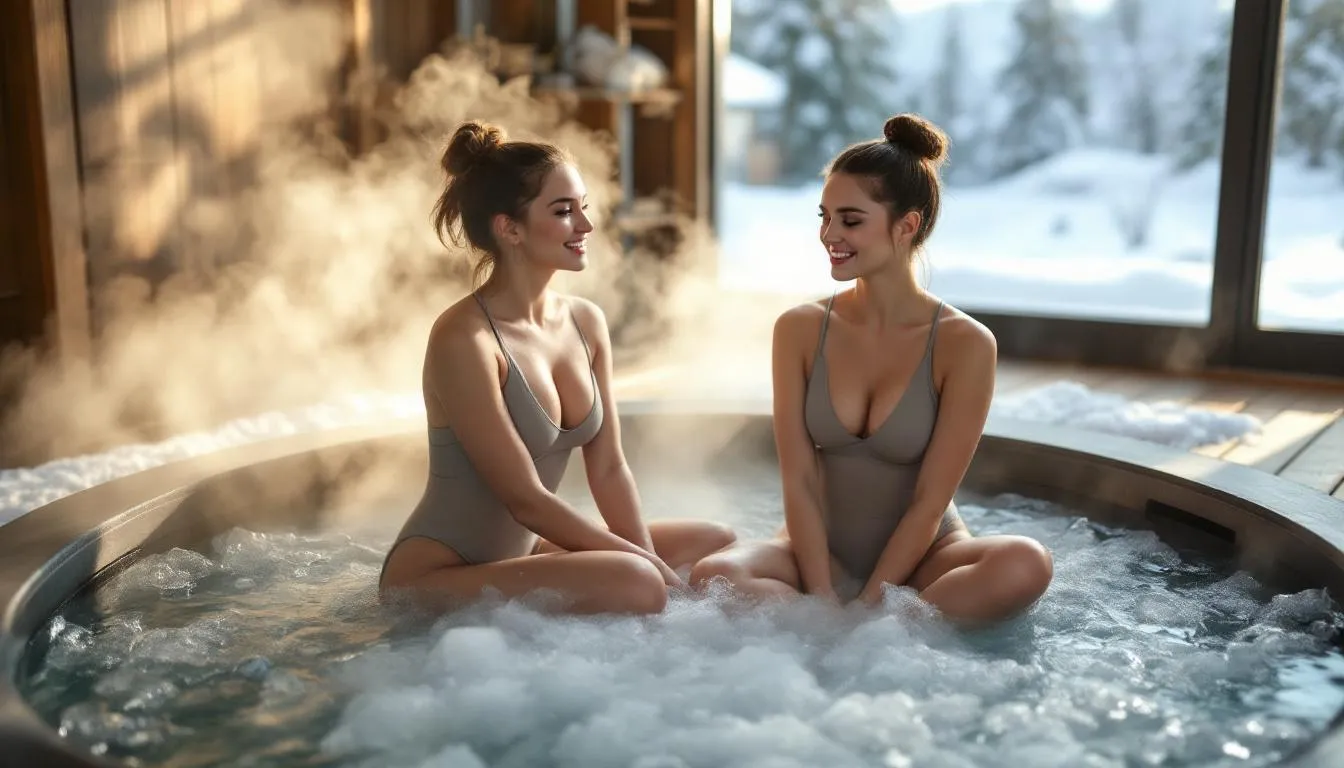
For beginners, it’s advisable to start with 1-2 minutes of cold plunging. This short duration allows your body to gradually adjust to the cold water, minimizing discomfort and reducing the risk of adverse effects. Starting with a temperature of 55°F to 65°F is recommended to avoid the risks associated with extreme cold.
Increasing the duration of your cold plunge sessions gradually helps build tolerance and acclimatize your body to the cold environment:
· Intermediate Users: Building Tolerance
Intermediate users can aim for a cold plunge duration of 3-5 minutes to maximize benefits while ensuring safety. At this stage, your body is more accustomed to the cold, allowing for longer exposure without significant discomfort. This duration can offer several wellness benefits. These include reduced muscle soreness, improved mental clarity, and a decrease in inflammation.
Intermediate users can utilize temperatures below 50°F (10°C. Progressively increasing your cold plunge duration and lowering the temperature helps build tolerance and enhance the benefits of your sessions.
· Advanced Users: Maximizing Benefits
For experienced users, the maximum recommended duration for cold plunging is 5-10 minutes. While longer durations might seem appealing, they do not necessarily guarantee additional benefits and can increase the risks associated with extended exposure. It’s important to recognize that exceeding 10 minutes does not provide extra advantages and may increase risks.
By adhering to the recommended duration of up to 10 minutes, advanced users can safely enjoy the full benefits of cold water immersion therapy. This approach ensures that you are maximizing the potential benefits without compromising your safety.
What are the Benefits of Cold Plunging for Women?
Cold plunging offers a wide range of benefits for women. Incorporating home sauna use alongside cold plunging can further amplify these effects. Alternating between heat and cold exposure, often called contrast therapy, helps improve circulation, accelerate muscle recovery, and enhance detoxification. The warmth from a sauna session prepares the body for cold immersion, making transitions smoother and reinforcing the body’s adaptive response to temperature shifts. Here are the benefits of cold plunging for women in detail:
· Hormonal Health
Cold exposure can positively affect hormones by:
- Reducing stress hormones such as cortisol, contributing to better hormonal balance
- For women on hormonal birth control, progestin may increase core body temperature, leading to increased sensitivity to cold exposure
- Cold plunges during the luteal phase can help manage PMS symptoms, reduce inflammation, increase energy, and boost mood
Mental Health and Clarity
Regular cold plunging enhances mood balance, supports emotional resilience, and helps with depression relief. Exposure to cold water stimulates the release of norepinephrine, a neurotransmitter that enhances mood and cognitive function.
Breath control during cold plunge therapy is crucial as it signals to the body that the experience is safe, helping reduce panic. It calms the mind and body, easing discomfort during a cold plunge session. For optimal mental clarity, engage in cold plunging 3–4 times a week, especially in the morning.
During the ovulation phase, cold plunges help maintain energy levels and enhance mental sharpness. By incorporating cold plunges into your routine, you can enjoy improved mood, better sleep quality, and enhanced cognitive function.
· Physical Recovery
Cold plunging can play a crucial role in physical recovery, especially after intense workouts. Post-exercise cold plunges should occur within 2-4 hours to aid post workout recovery. This practice helps reduce muscle soreness and expedite recovery post-exercise by promoting blood circulation and reducing inflammation.
Cold water immersion reduces delayed onset muscle soreness (DOMS) and helps eliminate metabolic waste from muscles. Full body submersion in cold water can optimize vagus nerve activation, enhancing the therapeutic effects. Incorporating cold plunges into your post-workout routine improves recovery times and maintains peak physical performance.
The practice of cold plunging promotes overall physical and mental health by supporting the body’s ability to recover from physical activity. It also helps reduce cardiovascular stress and enhance immune function, making it a valuable addition to any fitness regimen.
What Safety Precautions and Risks Should You Know?

While cold plunging offers numerous benefits, it’s vital to be aware of safety precautions and potential risks. Cold plunges can pose a risk, especially for individuals with certain medical conditions. Prolonged exposure to cold water can lead to hypothermia, cardiovascular stress, and skin damage.
Extended exposure to cold water can cause numbness, reduced motor control, and cold-induced muscle cramps. Monitor your body’s response during cold immersion and exit if you experience discomfort. Here, are details on the necessary precautions to ensure a safe and beneficial cold plunging experience.
· Women with Medical Conditions
Consulting a healthcare professional before starting cold plunge therapy is crucial, especially for women with specific medical conditions. Pregnant women, those with heart conditions, or hypertension should seek medical advice before engaging in cold plunge therapy.
Women with severe menstrual cramps should not engage in cold plunge therapy during their period. Extreme cold water immersion is unsafe for pregnant women as it can significantly alter blood flow to the fetus. Understanding and acknowledging these risk factors helps you make informed decisions about your cold plunging practices.
· Consider Adapting Gradually
Gradual adaptation is crucial in cold plunging to safely adjust to colder temperatures and minimize shock to the body. Beginners should start with 1-2 minutes of cold plunging to allow their bodies to acclimatize while minimizing discomfort.
Intermediate users should progress to 3-5 minutes to safely enhance benefits while seasoned users can extend their cold plunge duration up to 10 minutes. Gradually increase the duration and intensity of your cold plunges to ensure you can safely enjoy all the benefits of cold water immersion therapy.
How to Recognize Warning Signs
Recognizing warning signs during cold plunging is vital to avoid potential risks. Signs of hypothermia include:
- Confusion
- Shivering
- Extreme fatigue
Monitoring discomfort levels is crucial to ensure safety during cold immersion. Exiting the cold water is necessary if discomfort exceeds safe limits. Warm up properly to help the body recover and avoid adverse effects.
How to Enhance Your Cold Plunge Experience
To get the most out of your cold plunge sessions, employ several strategies to enhance the experience. Assess your goals before using a cold plunge. Whether you aim to improve recovery, boost mental clarity, or enhance hormonal health, knowing your goals helps tailor your sessions effectively.
Pairing cold plunges with breathwork techniques, such as box breathing, manages discomfort and enhances relaxation. Moving during a cold plunge helps lower inflammation and accelerates recovery. Here are various methods to enhance your cold plunge experience to make it more enjoyable and effective.
· Breathwork Techniques
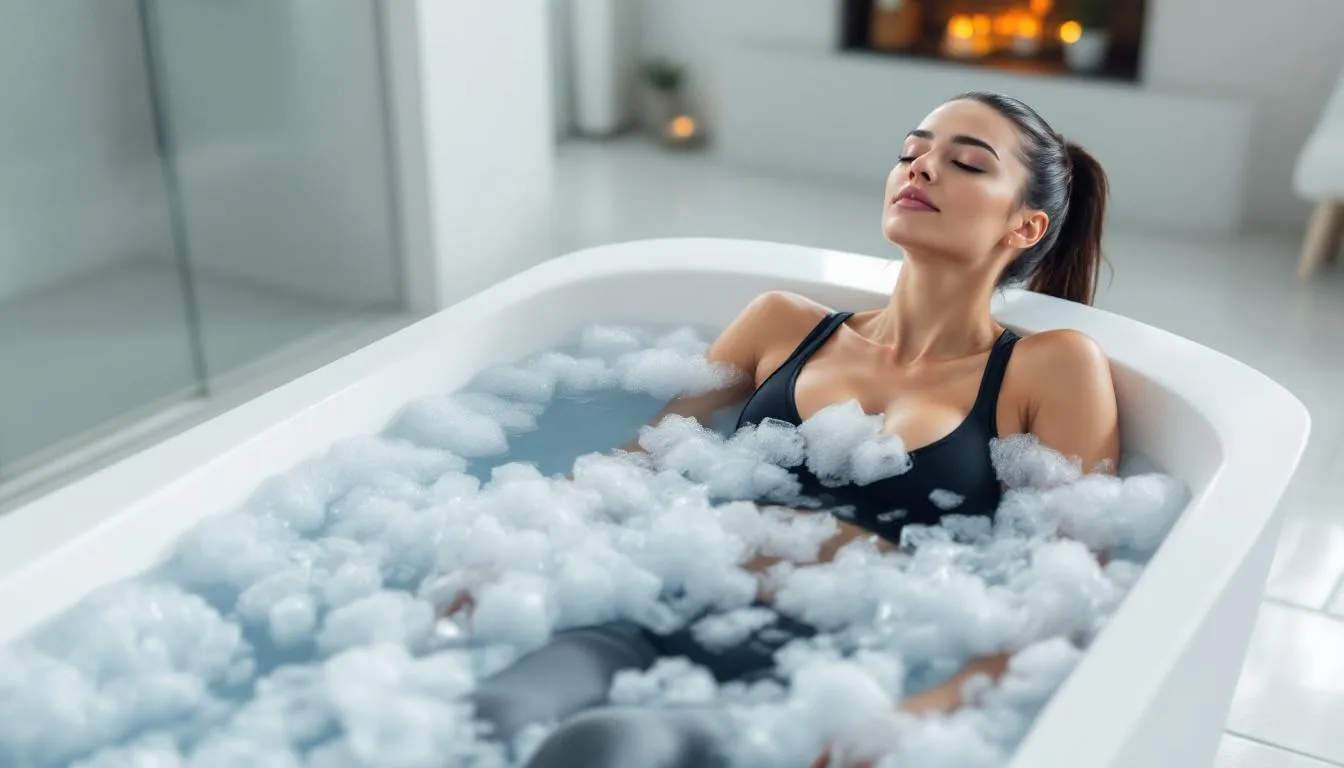
Breathwork techniques such as Wim Hof and box breathing are highly recommended for enhancing the cold plunge experience. Implementing deep breathing techniques offers several benefits:
- Manages anxiety and enhances comfort during cold plunges
- Signals to the body that the experience is safe
- Reduces panic and manages the cold shock response
Practicing breath control calms the mind and body, easing discomfort during a cold plunge. Incorporating breathwork into your cold plunge routine makes the experience more relaxing and beneficial, enhancing both mental and physical health.
· Contrast Therapy
Contrast therapy involves alternating between cold and heat exposure to improve circulation, reduce muscle soreness, and enhance recovery after workouts. This method can be particularly effective for athletes and fitness enthusiasts looking to optimize their recovery and performance by increasing blood flow and applying principles from sports medicine.
Incorporating red light therapy with cold plunging reduces oxidative stress and improves recovery. Combining these therapies maximizes the benefits of cold water immersion and supports overall health and well-being.
How to Time Cold Plunge Session Based on Menstrual Cycle
The menstrual cycle consists of four phases:
- Menstrual phase
- Follicular phase
- Ovulation phase
- Luteal phase
During menstruation, women should listen to their bodies and opt for shorter cold plunge session to avoid worsening cramps. Understanding how your menstrual cycle affects your body’s response to cold exposure helps tailor your cold plunge sessions accordingly.
During the follicular phase, women experience rising energy levels and improved mood, making their bodies adapt well to temperature changes. During ovulation, women often find cold plunges more appealing and comfortable due to elevated energy levels.
Cold plunging during ovulation for 1-3 minutes supports performance and enhances physical well-being. Timing your cold plunges according to your menstrual cycle optimizes the benefits and ensures a more comfortable experience.
Summary
Cold plunging offers numerous benefits for women, from improved hormonal health to enhanced mental clarity and physical recovery. By understanding the optimal water temperature and duration, you can safely and effectively incorporate cold therapy into your wellness routine. Remember to start slow, gradually increase your duration, and listen to your body to avoid potential risks.
Whether you’re a beginner or an experienced user, these insights will help you maximize the benefits of cold plunging and support your overall health and well-being. Dive in, embrace the cold, and experience the transformative power of cold water immersion therapy.
Frequently Asked Questions
How long does Joe Rogan stay in cold Plunge?
Joe Rogan stays in a cold plunge for 10 to 20 minutes. Embrace the cold, and you too can reap the benefits.
What is the ideal cold plunge water temperature for women?
The ideal water temperature for cold plunging for women is between 50°F to 59°F.
How long should beginners stay in a cold plunge?
For beginners, aim for 1-2 minutes in a cold plunge to let your body adapt and avoid discomfort.
Can cold plunging help with hormonal balance?
Absolutely. Cold plunging can help balance hormones by lowering cortisol levels and easing PMS symptoms.
Are there any risks associated with cold plunging?
Cold plunging can pose risks like hypothermia, cardiovascular stress, and skin damage.