


How Cold Plunge Filtration Works: Ozone vs UV vs Salt Water
Cold plunge filtration determines how clean, safe, and easy your ice bath is to maintain. Ozone, UV, and salt water systems all sanitize differently, and each suits a specific type of user. This guide explains how each method works, what it’s best at, and where it falls short. Whether you’re a solo home user or running a commercial cold plunge tub wellness centre, understanding these systems helps you choose the most effective and practical setup.
Key Takeaways
- UV is the lowest-maintenance option for small home cold plunges
- Ozone provides the strongest sanitation for high-use or shared plunges
- Salt systems automate chlorine but require salt-safe components
- Mechanical filtration and hygiene are always required
- The best system depends on usage, budget, and maintenance tolerance
A cold plunge tub for home includes these core components:
|
Component |
Common Specs |
|
Submersible pump |
200-600 GPH |
|
Cartridge filter |
20-micron rating (20-micron filters work best for cold plunge systems as they balance filtering debris and maintaining water flow) |
|
Chiller unit |
0.5-1.5 HP |
|
Sanitization |
Ozone, UV, or salt/chlorine |
How Ozone Filtration for Cold Plunges Works
Ozone (O₃) is a powerful oxidizer commonly used in higher-end cold plunge tubs and commercial spas. It doesn’t just kill microbes. It actively breaks down organic contaminants and biofilm that accumulate in plumbing.
An ozone generator using corona discharge technology, injects ozone gas into the circulation line through a venturi injector. The ozone dissolves into the water and reacts with bacteria, viruses, and organic matter (sweat, oils, and skin cells). Within minutes, it breaks back down into oxygen, leaving no chemical residue in the tub.
Industry sources note that ozone can be up to 100 times more effective than chlorine at destroying bacteria, viruses, and biofilm, a significant advantage for cold plunges that don’t have the high temperatures of a luxury home sauna to help control microbial growth. Cold water actually helps ozone work better because ozone dissolves more readily at lower temperatures.
What are the Pros and Cons of Ozone in Cold Plunges?
Pros
- Highest oxidation strength among the three options
- Excellent water clarity and odor control
- Reduced combined chlorine (chloramine) formation
- Strong performance at cold temperatures due to better ozone solubility
- Actively destroys biofilm that builds up in plumbing
Cons
- Higher initial equipment cost than UV alone
- More complex plumbing with injectors and contact chambers
- Requires proper off-gassing to avoid respiratory irritation
- No residual protection in the bulk water—still usually needs a small backup sanitizer at low levels
- Components like check valves and tubing may degrade faster from ozone exposure
How does UV Filtration for Cold Plunges Work?
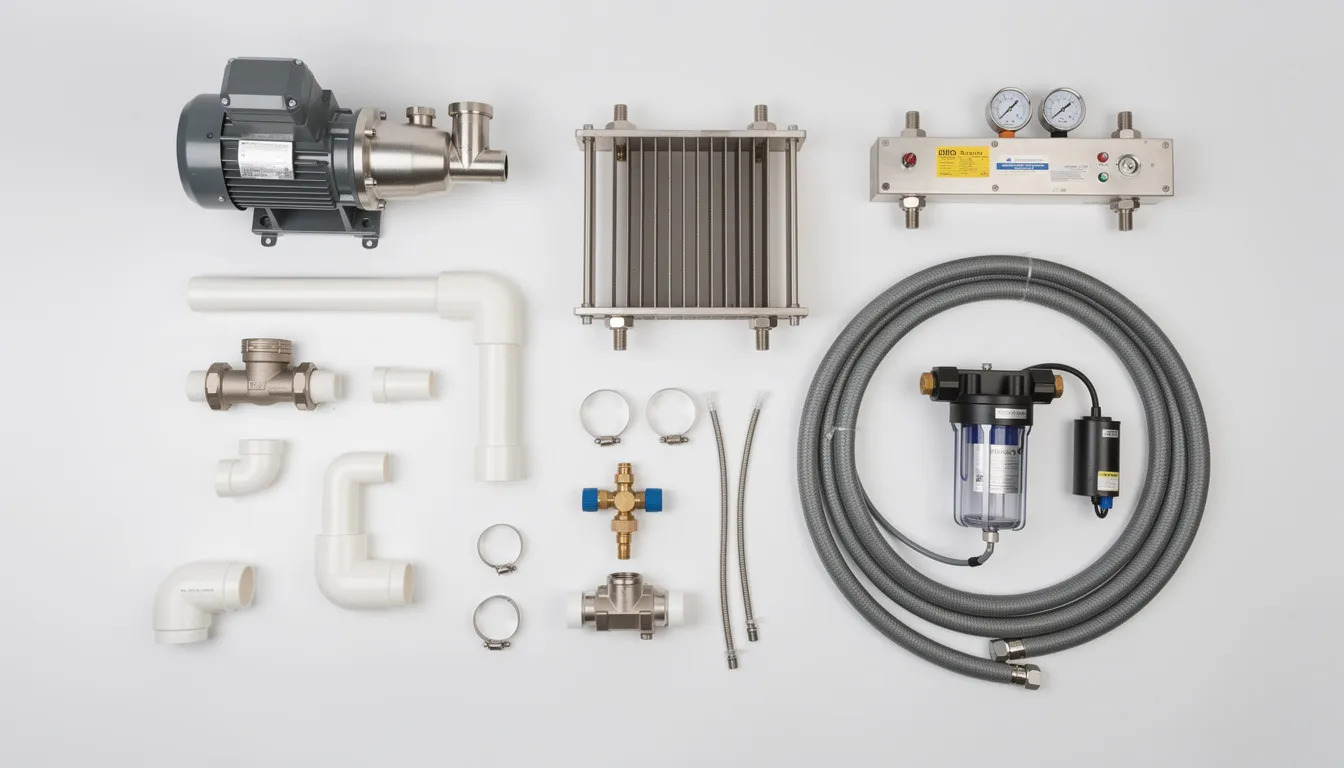
UV-C systems use a specialized lamp inside a chamber to disinfect water as it flows past. The UV light at 254 nm wavelength damages the DNA of bacteria, viruses, and protozoa, preventing them from reproducing. No chemicals are added to the water.
UV only sanitizes water inside the chamber. This means continuous circulation matters. Many cold plunge setups run the pump 24/7 on low speed, or for extended cycles throughout the day, to ensure the entire tub’s water volume passes through the UV chamber repeatedly.
Pros and Cons of UV in Cold Plunges
Pros
- Minimal chemical exposure and handling
- Easy set-and-forget operation once installed
- Compatible with cool-to-cold water without efficiency loss
- No disinfection byproducts or chemical odors
- Works well as part of a layered sanitation approach
Cons
- No residual sanitizer left in the water after treatment
- Depends heavily on pump runtime and flow rate for effectiveness
- Requires annual bulb and periodic sleeve replacement
- Less ideal for heavily used commercial plunges without a secondary system
- Cannot break down organic waste or biofilm like ozone does
How Salt Water Filtration Systems for Cold Plunges Work
When cold plunge tub marketing mentions salt water, it typically refers to a salt chlorine generator (SWCG). Salt is added to the water at around 2,500-3,500 ppm, and an electrolytic cell converts that salt into chlorine. This is not the same as pure saline or seawater. The plunge still relies on chlorine as the active sanitizer, just generated on-site from salt rather than added manually.
Pros
Softer-feeling water that many customers say is gentler on skin
- Less frequent manual addition of chlorine tablets or liquid
- Often milder smell compared to conventionally chlorinated tubs when properly maintained
- Automatic, steady chlorine generation rather than manual dosing spikes
- Saltwater systems can save money by reducing the need to buy ice or chemicals, making them a cost-effective solution for some users
- Saltwater systems produce softer, less irritating water but lack disinfection capabilities and require separate filtration systems
Cons
- Added corrosion risk for metal parts if materials aren’t marine-grade
- Salt scaling on chillers, heaters, and fittings
- Potential manufacturer warranty issues if your plunge wasn’t designed for salt
- Requires a dedicated salt cell, controller, and power supply
- Saltwater systems are less ideal for cold plunges because the salt chlorination process is inefficient at low temperatures and can be corrosive to pool components over time.
Maintenance Tips for Salt Systems
- Keep salt level within manufacturer’s recommended range using a digital salinity meter
- Inspect the salt cell every 1-3 months for scale buildup
- Clean with a mild acid solution when scale appears
- Monitor metal components for early signs of corrosion
Remember. cold temperatures below about 50°F (10°C) can reduce chlorine production efficiency. Many users set the generator to run longer cycles or accept that salt generation mostly supplements manual dosing in very cold plunges. Salt systems work best for people who like the feel and convenience of automatic chlorine generation, and whose tub, chiller, and fittings are specifically rated for salt use.
Salt Water vs Traditional Chlorine in a Cold Plunge
Advantages
- More stable free chlorine levels when configured properly
- Less frequent handling of harsh chemicals
- Steady low dosing rather than big swings after manual additions
- Many users report the water feels better on their body and skin
Disadvantages
- Higher risk of corrosion on non-marine-grade equipment
- Additional equipment cost for salt cell, controller, and power supply
- Reduced chlorine output at very low plunge temperatures
- More points of failure in the system
Side-by-Side Comparison: Ozone vs UV vs Salt for Cold Plunges
This comparison table summarizes the key criteria across all three sanitization methods:
|
Criteria |
Ozone |
UV |
Salt (Chlorine Generator) |
|
Sanitation Strength |
Highest (oxidizes + kills) |
High (inactivates microbes) |
Moderate-High (depends on output) |
|
Residual Protection |
None |
None |
Yes (chlorine remains in water) |
|
Maintenance Load |
Moderate (generator, injectors) |
Low (annual bulb, occasional sleeve) |
Variable (cell cleaning, salinity testing) |
|
Annual Consumable Cost |
Low-Moderate |
Low ($50-100 bulb) |
Moderate (salt, cell replacement) |
|
Best User Profile |
Commercial, high-use, shared plunges |
Home users with 1-3 people |
Permanent installs, softer water preference |
|
Cold Water Performance |
Excellent (better ozone solubility) |
Consistent |
Reduced output below 50°F |
|
Water Feel |
Clean, almost “fresh” |
Neutral, no additives |
Mild ocean-like softness |
|
Installation Complexity |
Higher (injector, off-gas management) |
Lower (inline chamber) |
Moderate (cell, controller, wiring) |
- System combinations: Many premium plunges in 2026 ship with both UV and ozone for redundancy, plus a small amount of chlorine or bromine. Salt is usually used alongside UV rather than ozone to avoid overcomplicating the system
- Retrofitting considerations: Adding UV to an existing plunge or stock tank is often the simplest retrofit. Inline chambers install in the return line with minimal plumbing changes. Ozone requires more planning for injection points and off-gassing. Salt systems demand verification that all metal components can handle the corrosive environment
Each method affects the water quality experience differently. Ozone and UV both maintain an almost fresh water feel when combined with minimal chemical backup. Salt gives that distinctive soft, slightly ocean-like feel. Traditional chlorine alone at higher levels can feel harsher and produce more odor.
How to Choose the Ideal Filtration System for Your Ice Bath
When planning your ice bath routine, water quality should be at the top of your checklist. A cold plunge unit filled with crystal clear water looks inviting and ensures a safe and refreshing experience every time you plunge. The right filtration method is key to maintaining this level of water quality. UV light filtration is a popular choice for keeping cold plunge water clean, as it effectively neutralizes bacteria and microorganisms without adding chemicals. This method is especially appealing for those seeking a low-maintenance system that delivers consistently high water quality.
Alternatively, an ozone system offers powerful sanitation by breaking down organic contaminants and keeping your plunge water sparkling. Ozone is particularly effective for frequent users or shared plunges, as it provides robust protection against a wide range of pathogens. However, it requires a bit more attention to maintenance compared to UV light systems.
The best filtration method for your ice bath depends on your usage patterns and personal preferences. If you want a set-it-and-forget-it approach, UV light filtration is a solid option. If you’re looking for maximum sanitation and use your cold plunge often, an ozone system may be the better fit. Whichever system you choose, regular maintenance and monitoring are essential to keep your water crystal clear and your ice bath experience top-notch.
Product Reviews and Recommendations
Before investing in a cold plunge or water filter, it’s wise to read product reviews and recommendations from other customers. Look for units that are highly recommended for their ability to keep water crystal clear and are easy to maintain. When reading reviews, pay close attention to feedback about the filter’s performance, maintenance requirements, and the impact on water quality and the autonomic nervous system. Products that consistently receive positive comments for keeping plunge water clean and clear are usually a safe bet.
Water Change Schedule and Maintenance Best Practices
Even with top-tier ozone, UV, or salt systems, cold plunges are small, high-bather-load bodies of water. They need consistent maintenance and periodic full water changes.
· Recommended Water Change Schedule
|
Plunge Size |
Users |
Sanitation System |
Water Change Frequency |
|
100-200 gallons |
1-2 daily |
Ozone or UV + filter |
Every 3-4 weeks |
|
100-200 gallons |
3-6 shared |
Ozone + UV + chemical |
Every 2-3 weeks |
|
200-400 gallons |
Commercial (8-20 daily) |
Full system + monitoring |
Weekly or per health codes |
|
Portable/stock tank |
Any |
Minimal filtration |
Every 3-7 days |
· Weekly Maintenance Routine
Complete these tasks every week to keep your cold plunge clean and optimize the performance of your filter.
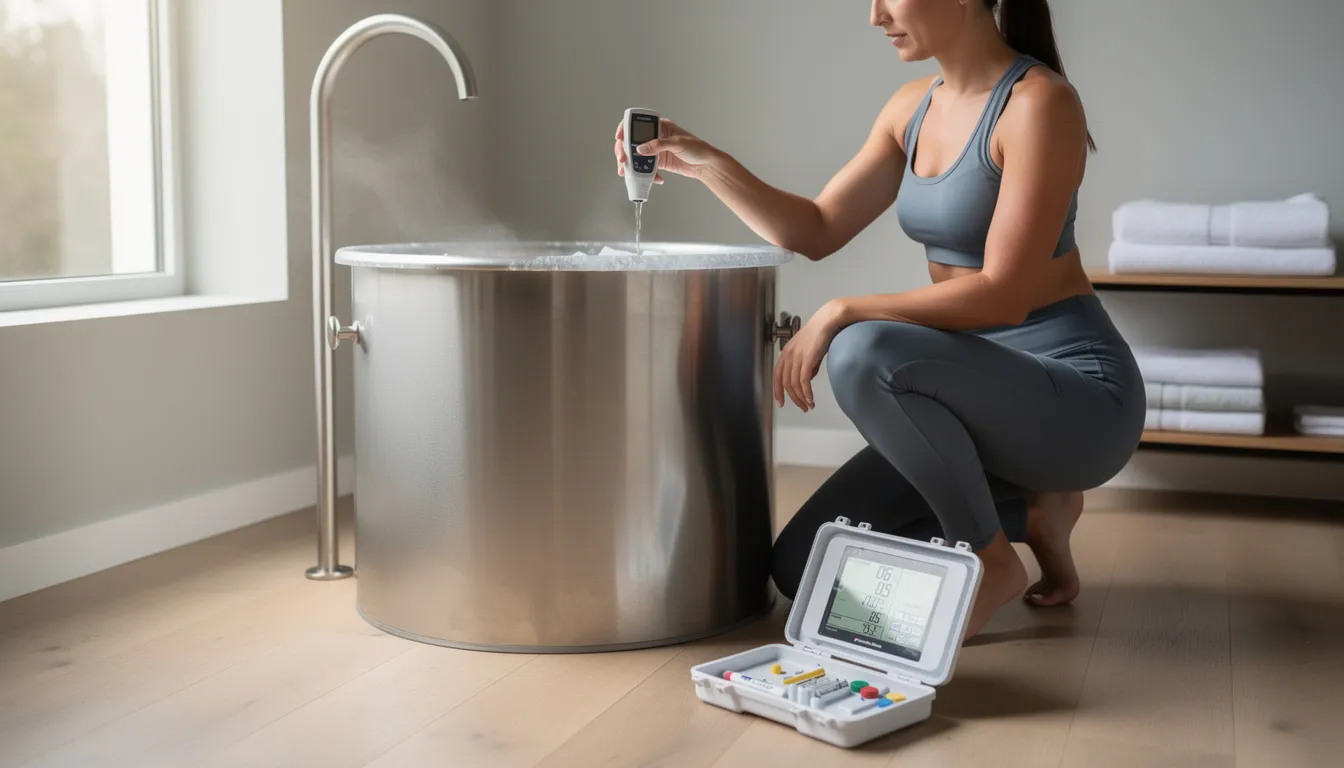
- Test water 2-3 times weekly using a liquid or digital test kit for free chlorine (or bromine) and pH
- Clean pump intakes to remove hair and debris that reduce flow rate
- Rinse cartridge filters under running water (or use a hose with pressure)
- Wipe the waterline and cover with a non-abrasive cloth to prevent film buildup
- Check UV lamp indicator if your unit has one, noting any dimming or failure alerts
Monthly Maintenance Routine
- Deep-clean filter housings and soak cartridges in a filter-cleaning solution
- Replace cartridge filters entirely every 3-4 weeks with heavy use (keep replacement filters on hand)
- Inspect all hoses and fittings for leaks, cracks, or discoloration
- Check UV bulbs and quartz sleeves for fouling or mineral deposits
- Inspect ozone generators and venturi injectors for proper operation
- Clean salt cells if using a salt system, removing any scale buildup
What are Pre-Plunge Hygiene Best Practices You Should Know?
- Shower before plunging, especially after workouts—this single step is the most impactful
- Avoid lotions, oils, and cosmetics that cloud water and clog filters
- Use dedicated plunge suits rather than street clothes or gym wear
- Keep hair tied back to reduce organic load and filter strain
- Rinse feet before entering if walking barefoot on dirty surfaces
Cold water near 39°F (4°C) can slightly extend the time between changes, while warmer plunges above 55°F (13°C) and heavy usage shorten it. Always follow manufacturer manuals for specific brands. Many 2026 models have strict maintenance and water chemistry limits tied to warranty coverage.
How to Choose the Right Filtration Setup for Your Situation
The right system depends on your specific circumstances, not marketing claims. Here’s how to match your setup to your reality.
Solo home user with a 120-gallon portable tub, 5-minute plunges daily:
- UV + 20-micron filter likely sufficient
- Add minimal chlorine or bromine as residual backup
- Change water every 3-4 weeks
- Total setup: Simple, low-cost, low maintenance
Family of four using a 300-gallon plunge 3-4 days per week:
- UV + small ozone system recommended
- Low-level chlorine or consider salt if equipment is compatible
- Change water every 2-3 weeks
- Total setup: Moderate complexity, better sanitation for multiple users
Boutique gym with 8-20 plunges per day:
- Robust ozone + UV strongly recommended
- Active chemical monitoring and testing required
- Consider consulting local health codes
- Water changes potentially weekly
- Total setup: Higher investment, but necessary for safety and liability
What to Consider Before purchasing Cold Plunge Filtration
- Electrical capacity: Some ozone and UV units need dedicated outlets
- Ventilation: Ozone systems require adequate airflow to prevent off-gas accumulation
- Material compatibility: Salt systems demand marine-grade components throughout
- Your maintenance comfort: How often are you realistically willing to test water and clean filters?
- Available space: Some systems add bulk to the equipment pod or setup area
Don’t rely solely on chemical-free marketing claims. Safe, crystal clear plunge water always requires either a sanitizer or a combination of mechanical and oxidative processes. For commercial or heavy-use setups, consult local health codes and consider hiring a pool or spa professional who understands cold water applications.
What to Know About Shipping and Handling
When ordering a cold plunge or water filter, it’s important to consider the shipping and handling details to ensure a smooth purchase and delivery experience. Many reputable brands offer free shipping or discounted rates, which can add significant value to your order. Always check the estimated delivery time and review the return policy. Some companies provide a full refund or replacement if your product arrives in unused condition.
Upon receiving your filter or plunge, inspect it carefully for any signs of damage or defects. If you encounter any issues, contact the manufacturer or seller promptly to arrange for a replacement or refund. Following the installation and maintenance instructions provided by the manufacturer is also essential for optimal performance and longevity of your system.
Summary
Ozone, UV, and salt water filtration each offer distinct benefits for cold plunges, from powerful oxidation to simple, low-maintenance disinfection. Ozone excels in high-use settings, UV works best for small home setups, and salt systems prioritize convenience and how the water feels. No single system fits everyone. Your usage, temperature, and maintenance habits matter most. Ready to optimize your cold plunge? Choose the filtration system that matches how you best you can use it.
FAQ
Can I safely run a cold plunge with no chemicals if I have ozone or UV?
Ozone and UV sanitize effectively but leave no residual protection in the water. Contamination between circulation cycles can persist. For shared use, a low chlorine or bromine residual is recommended. Solo users may operate without chemicals, accepting risk.
How often should I replace cartridge filters in a cold plunge setup?
20-micron cartridge filters should be replaced every three to four weeks with daily use. Heavy bather load or poor hygiene can shorten lifespan. Rinse weekly between changes, keep spares available, and replace if flow rate drops or water clarity declines.
Can I retrofit UV or ozone onto an existing plunge or stock tank?
UV systems are the easiest to retrofit, installing inline with minimal plumbing. Ozone requires injectors, contact time, and safe off-gassing. Stock tanks can use UV-C kits rated at 254nm. Purpose-built cold plunge retrofit kits reduce installation errors and compatibility risks significantly.
What are the ideal pH and sanitizer levels for cold plunges?
Maintain pH between 7.2 and 7.6, with free chlorine or bromine at 1–3 ppm. Cold water feels different but safety targets remain unchanged. Test regularly using reliable liquid or digital kits, and carefully follow manufacturer guidance when using alternative oxidizers.
Can UV or ozone replace water changes?
No filtration system eliminates the need for water changes. UV and ozone improve sanitation but don’t remove all dissolved waste. Regular water changes are essential, especially in small cold plunges with frequent use and high bather load.