


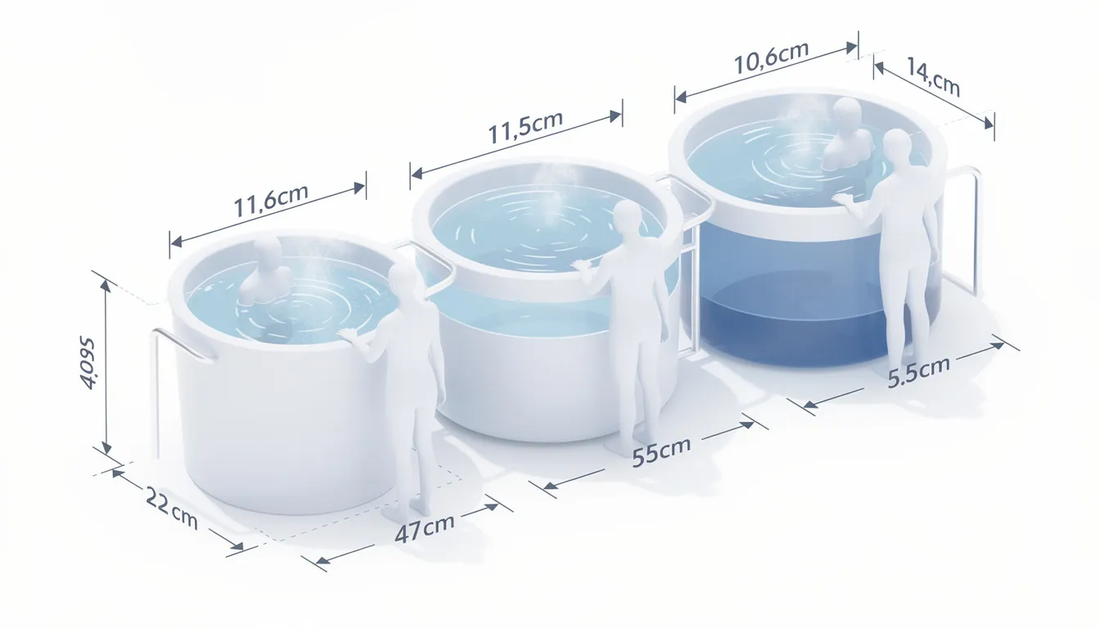
Choosing the right cold plunge tub size makes a huge difference in comfort, safety, and how effective your cold therapy sessions feel. Whether you’re interested in daily ice baths, recovery after workouts, or trying out cold exposure methods, the tub’s dimensions should match your height and the number of people using it. This guide explains practical sizing for one to four users, including depth, capacity, and space requirements, so you can build a setup that fits your goals and available space.
Key Takeaways
- 1-person tubs require about 80–150 gallons and around 4x3 ft
- 2-person tubs usually need 200–300 gallons and about 6x4 ft
- 3–4 person tubs need 400–600 gallons and around 8x6 ft
- Depth should be at least 30 inches (36+ for tall users)
What are the Dimensions for Single-Person Cold Plunge Tubs?
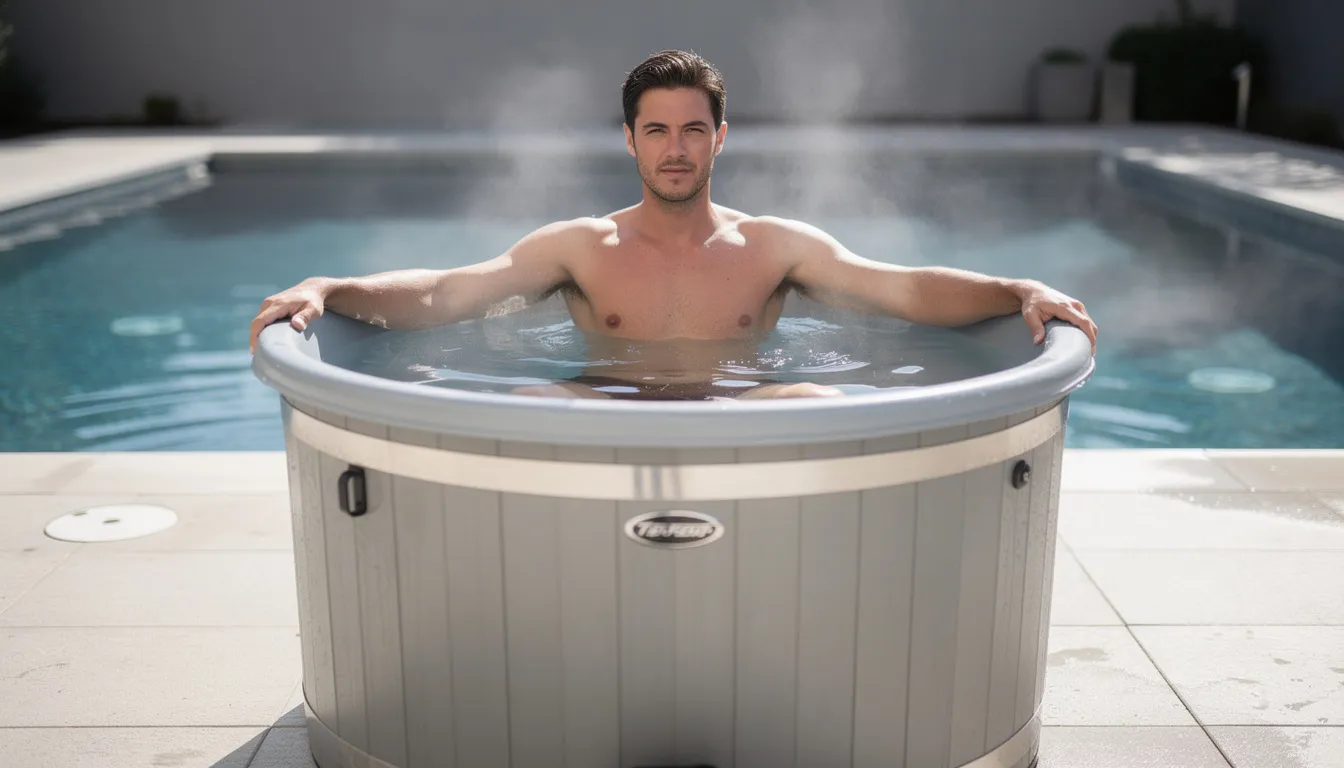
A 1-person cold plunge tub for home is the foundation of personal cold therapy setups. These units prioritize individual comfort while maintaining an energy efficient footprint that won’t overwhelm residential spaces. The key to effective cold exposure lies in achieving neck-level immersion while seated upright, allowing for proper breathing control during your ice bath sessions.
A single-person cold plunge tub should allow enough space to sit comfortably. Minimum interior dimensions of about 48 inches long, 36 inches wide, and 30 inches deep usually work for most users. However, these smaller sizes can start to feel tight during longer sessions. For more comfort and easier positioning, dimensions closer to 60 inches long, 42 inches wide, and 36 inches deep are recommended.
Many single-person tubs hold between 80 and 150 gallons of water, depending on shape and interior design. This range supports full-body cooling without creating extremely heavy water weight for home floors. When planning installation space, allow at least 18 inches of clearance around the tub for safe entry and exit. Including space for chilling equipment, a total footprint of around 8 by 6 feet is ideal.
How to Size by User Height for Single-Person Units
Height plays the most critical role in determining appropriate cold plunge dimensions. Unlike a traditional bath where you can stretch out horizontally, cold plunges work best when you sit upright with your head above water for controlled breathing. Here are examples of the ideal tub based on user height.
- 5’0”-5’8”: A compact setup with 48”L x 36”W x 30”D interior dimensions and 80-100 gallon capacity provides adequate immersion. The shorter length accommodates proportional leg room while maintaining manageable water volumes for temperature control
- 5’9”-6’2”: This height range benefits from expanded dimensions of 54”L x 40”W x 32”D with 100-120 gallon capacity. The additional length prevents knee crowding while increased depth ensures proper shoulder and neck submersion
- 6’3”-6’6”: Taller individuals require 60”L x 42”W x 36”D dimensions with 130-150 gallon capacity. The extra depth becomes crucial for achieving neck-level immersion without awkward positioning that can interfere with breathing during cold therapy sessions
- 6’7”: Custom dimensions of 66”L x 44”W x 38”D with 160+ gallon capacity may be necessary. At this height, standard tubs often force uncomfortable crouching that compromises the cold therapy experience. Consider vertical barrel-style designs that prioritize depth over length for these extreme heights
Cold Plunge Tub Specifications for 2-Person Cold Plunges
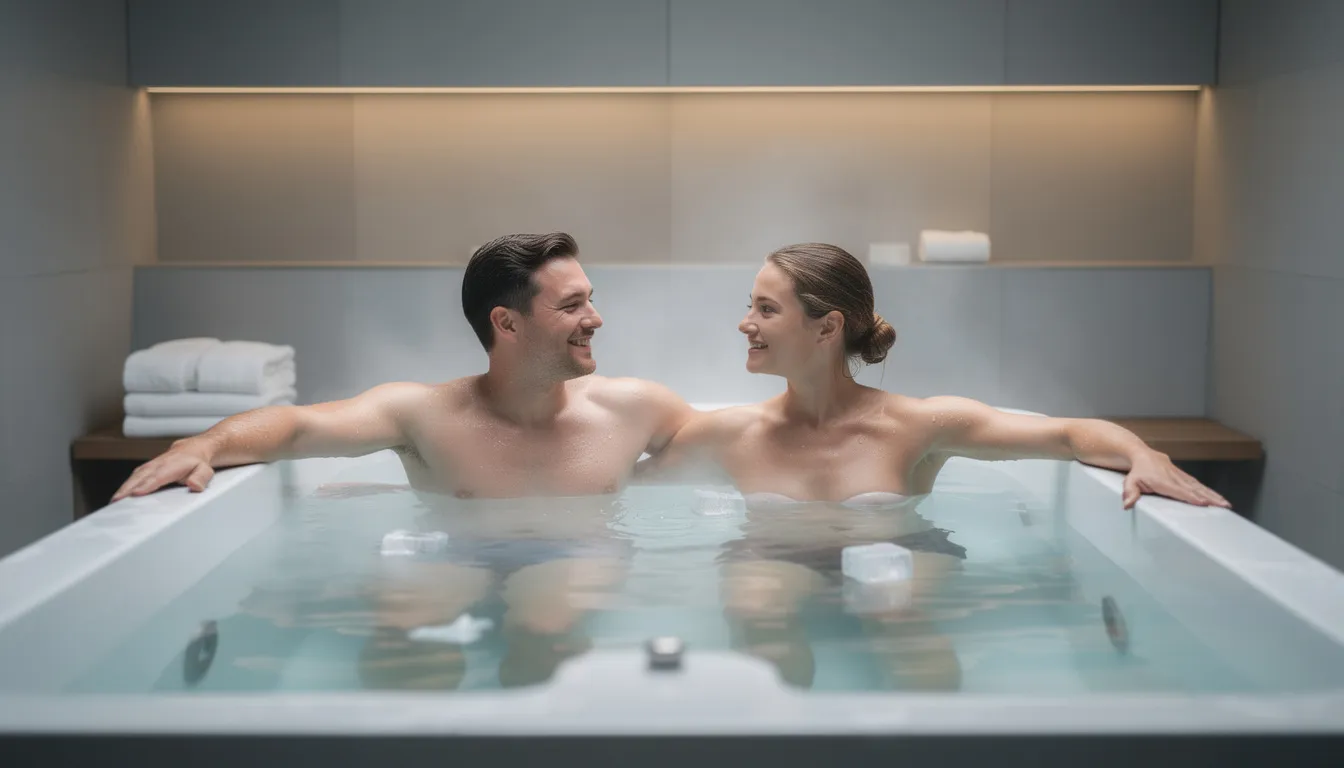
Two-person cold plunge tubs open new possibilities for shared cold therapy experiences, whether for couples, training partners, or family members. The design considerations shift significantly when accommodating multiple bodies simultaneously, requiring careful attention to both individual comfort zones and social dynamics during ice bath sessions.
Standard 2-person dimensions measure 72 inches in length, 48 inches in width, and 36 inches in depth. These measurements provide sufficient space for two average-sized adults to sit facing each other or side-by-side without creating a cramped environment that could trigger anxiety during cold water exposure.
Two-person cold plunge tubs usually need 200–300 gallons of water to keep enough depth when both people get in. The extra water helps maintain chest and shoulder coverage and keeps temperatures more stable, but it also needs stronger cooling equipment and takes longer to chill. How you sit affects space and comfort. Sitting side-by-side requires more width but makes talking easier.
Sitting across from each other uses length better and can feel less crowded, though some people may not prefer facing one another directly. For installation, plan for about a 10x8-foot space to include the tub and safe movement around it. Extra room is important because cold water can affect coordination, so entering and exiting safely should always be considered.
Cold Plunge Dimensions for Three to Four-Persons
Large cold plunge tubs are made for families, small groups, or businesses that want more than one person using the tub at the same time. These bigger units are similar to small plunge pools and need extra planning for space, equipment, and comfort. Rectangular multi-person tubs are usually 54–73 inches long, 28–33 inches wide, and 24–32 inches high, and they typically hold 70–105 gallons of water.
3-person tub dimensions are 84 inches length, 60 inches width, 36 inches depth with 350-450 gallon capacity. This configuration accommodates three adults in a triangular seating arrangement or two adults with one child.
4-person tub dimensions are 96 inches length, 72 inches width, 40 inches depth with 500-600 gallon capacity. The increased depth becomes essential for maintaining proper water levels when four bodies displace significant volume simultaneously.
Circulation and filtration requirements scale dramatically with increased water volume. Standard residential filtration systems often prove inadequate for these larger installations, necessitating commercial-grade equipment to maintain water sanitation and temperature control.
Structural support should be emphasized. A 4-person tub filled with 600 gallons weighs over 5,000 pounds before users plunge in. This water weight requires engineered floor support in most residential applications and careful attention to outdoor deck in a commercial cold plunge tub wellness centre. Without proper support, the floor or structure may break under the combined weight of water and users. Chest freezers and tubs should always be supported properly to handle the weight of water and users, and prevent structural issues.
How do Commercial vs Residential Multi-Person Units Compare?
Commercial grade construction emphasizes durability and frequent-use components. These units feature reinforced walls, commercial filtration systems, and often include accessibility features for diverse user populations. Maintenance access becomes crucial with professional-grade installations requiring regular service.
Residential multi-person tubs focus on family use and occasional gatherings rather than daily commercial traffic. Materials and construction can be lighter weight while still providing adequate longevity for personal use. Cost considerations often drive residential buyers toward simpler designs without commercial-grade complexity.
How to Calculate Water Volume and Capacity
Understanding water capacity calculations helps predict actual water requirements and operating costs for different tub sizes. The basic formula multiplies length x width x depth in inches, then divides by 231 to convert to gallons. However, real-world capacity differs significantly from mathematical calculations due to body displacement and practical fill levels.
Body displacement affects actual water volume by approximately 10-15 gallons per average adult. A 100-gallon tub with one person effectively holds 85-90 gallons of water. This displacement increases proportionally with additional users, making proper capacity planning essential for maintaining adequate immersion levels.
Keep the water 4–6 inches below the rim to stop it from overflowing when someone gets in. This space lowers the actual usable water by about 10–15%, so plan for that when choosing your tub size.
More people in the tub push water out, which lowers the usable water level. For example, two people in a 200-gallon tub might only have about 150–160 gallons of actual immersion depth after body displacement and overflow space. Larger tubs also take longer to cool. Every extra 50 gallons can add 15–20 minutes of chilling time, so expect longer wait times, especially if several people use the tub one after another.
What are the Installation Space Requirements by Tub Size?
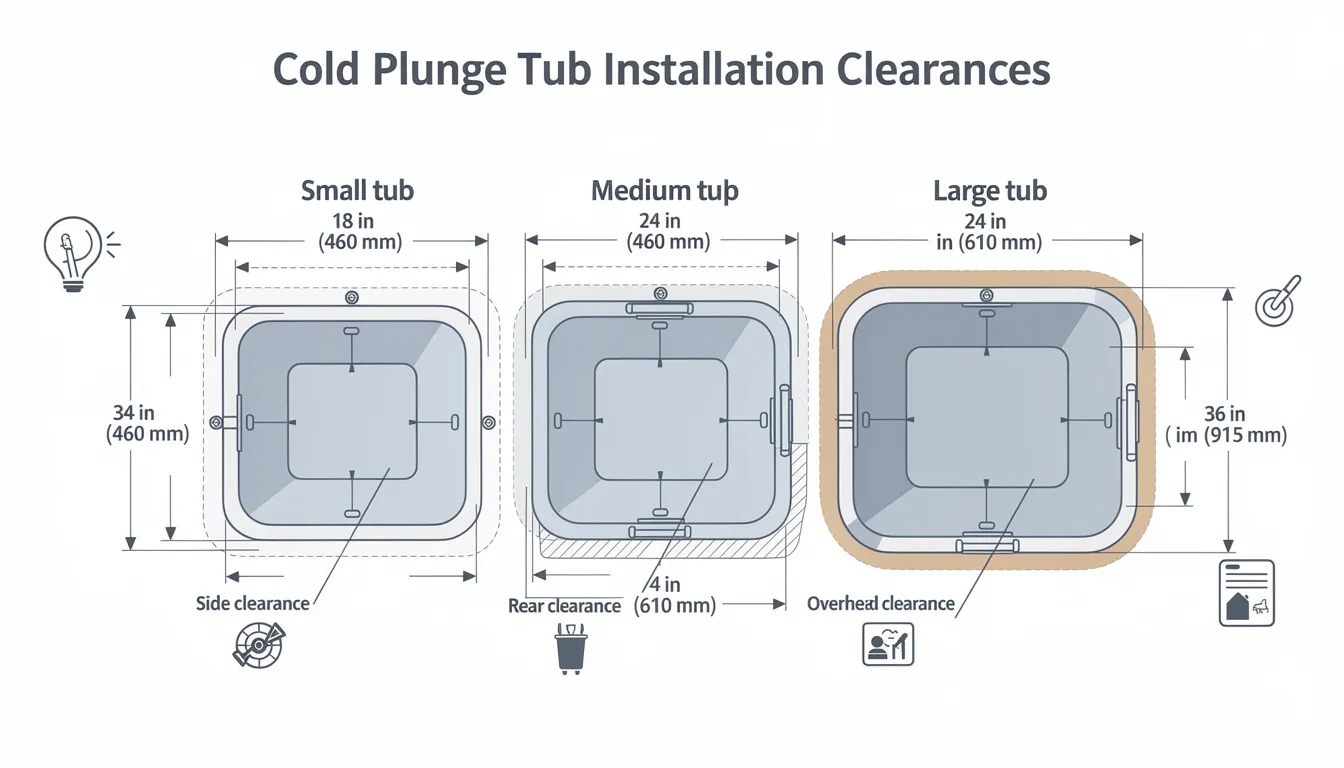
Good space planning means thinking about more than just the tub’s size. You’ll need room for safe entry and exit, spots for equipment, and easy access for cleaning. Cold water can affect balance, so clear space around the tub is important:
- Single-person units: Require 8x6 feet total footprint including access space around a typical 60”x42” tub. This clearance provides safe entry and exit zones plus room for towels, robes, and personal items within easy reach
- Two-person units: Need 10x8 feet total footprint for comfortable use around a standard 72”x48” tub. The additional clearance becomes crucial when two people exit simultaneously and may need immediate access to warming accessories
- 3-4 person units: Demand 14x12 feet minimum space requirement around tubs measuring 84-96 inches in length. Multiple users exiting together require substantial clearance to avoid collisions or falls when experiencing the disorientation that often follows cold water exposure
Electrical considerations include 220V service for larger chilling units and GFCI protection for all electrical components near water. Plan electrical runs during initial construction to avoid costly retrofitting later. Most commercial chillers require dedicated 30-50 amp circuits depending on cooling capacity.
Equipment placement affects both function and aesthetics. External chillers need adequate ventilation clearance, 15-18 inches on vented sides and should be positioned to minimize noise transmission to living spaces. Consider seasonal weather protection for outdoor installations.
Planning for drainage helps prevent water damage and makes cleaning easier. It’s best to install drain connections from the start, especially for larger tubs that hold heavy water weight. A proper drain hole and plug make regular water changes much simpler.
Popular Cold Plunge Tub Models and Their Dimensions
Understanding real-world product specifications from established manufacturers provides practical reference points for your sizing decisions. These examples showcase how different brands approach the balance between user comfort, space efficiency, and manufacturing cost.
|
Brand/Model |
Exterior Dimensions |
Interior Dimensions |
Capacity |
User Height Limit |
|
Renu Cold Stoic 3.0 |
70”L x 33”W x 35”H |
40”L x 25”W x 31”H |
75-95 gallons |
6’2” |
|
Fire Cold Plunge Large |
60”L x 28.5”W x 33”H |
54”L x 21”W x 24”H |
85-100 gallons |
6’6” |
|
Ice Barrel |
31” diameter x 42”H |
25” interior width |
80-105 gallons |
6’6” |
|
BlueCube Malibu 56 |
73”L x 49”W x 28.5”H |
Interior varies |
120+ gallons |
6’5” |
These specifications highlight important considerations for buyers. Notice how exterior dimensions can be substantially larger than interior water space due to insulation, cabinetry, and integrated equipment. Height limits reflect the manufacturer’s assessment of comfortable immersion rather than absolute maximums.
Taller users can often fit in smaller tubs but may sacrifice comfort during longer sessions. The vertical Ice Barrel design achieves excellent height accommodation despite modest water capacity through its upright orientation.
Multi-person commercial options from spa manufacturers aren’t marketed as cold plunge tubs specifically but adapt well to cold therapy applications. These units often feature superior build quality and longevity compared to purpose-built residential cold plunge tubs.
DIY Cold Plunge Sizing Options
DIY enthusiasts can create effective cold plunge setups as a diy project using readily available materials, often achieving superior size customization compared to manufactured units. However, not all tubs or chest freezers are created equal. Size, quality, and features can vary significantly, so it's important to choose the right one for your needs. A chest freezer is an affordable alternative to commercial ice baths for a DIY cold plunge setup. The most popular approaches utilize chest freezer conversions, stock tanks, or custom builds using pond liners and appropriate structural support.
· Chest Freezer Conversions
A new chest freezer in the 14-20 cubic foot range can be used as a cold plunge unit. These units measure 48-72 inches in length, 24-30 inches in width, and 32-36 inches in depth. While most chest freezers are fine for standard use, it's important to check the floor strength to ensure the unit can handle the weight of water and users. Proper support is crucial to prevent structural issues. The painted interior requires thorough waterproofing to prevent leaks, rust, and mold.
Using a liner is recommended to protect the interior and extend the lifespan of the unit. Silicone sealant is a common method for waterproofing seams, and special attention should be paid to sealing all cracks, corners, and especially the top edge of the freezer. After applying sealants or coatings, wait at least 48 hours (or as specified by the manufacturer) for them to cure fully before filling the tub with water. Be aware that some sealants or liners may produce a smell that can linger. So, using high-quality products and allowing proper curing time will minimize odors.
Plastic liners or components are preferred to prevent corrosion and ensure durability, and plastic tools should be used for breaking ice to avoid damaging the interior. Adding salt to the water can help lower the freezing point or assist with sanitation. Installing a temperature control system is crucial for maintaining a consistent cold water temperature in a DIY cold plunge.
To keep the water clean, circulation, filtration, and sanitation are necessary, and regular maintenance is essential to prevent contamination and ensure safety. A reliable drain plug is important for easy water changes in a DIY cold plunge setup. Popular chest freezer models for cold plunge conversion include:
- 14.8 cu ft: approximately 60”L x 28”W x 35”H
- 17.0 cu ft: approximately 66”L x 30”W x 36”H
- 20.0 cu ft: approximately 72”L x 32”W x 38”H
Stock Tank Options
Agricultural stock tanks is another DIY approach with various size options. Round tanks come in 2-foot, 6-foot, and 8-foot diameter configurations, while rectangular versions provide more efficient space utilization for most residential applications. Rectangular stock tanks for multi-person DIY builds typically measure:
- 6-foot: 72”L x 24”W x 24”H (approximately 180 gallons)
- 8-foot: 96”L x 24”W x 24”H (approximately 240 gallons)
- 10-foot: 120”L x 24”W x 24”H (approximately 300 gallons)
These units require separate chilling systems and insulation but offer flexibility in sizing and significant cost savings compared to purpose-built cold plunge tubs. The bare aluminum construction needs coating or pond liner protection to prevent corrosion and ensure safe water contact.
· Custom Build Considerations
Advanced DIY enthusiasts can create precise units for specific space requirements or user needs. These builds use marine-grade plywood or concrete construction with pond liner waterproofing. Custom sizing allows optimization for unusual spaces or specific user heights that don’t match standard product offerings.
What Factors Affect Cold Plunge Tub Size Selection?
Selecting the right cold plunge tub size involves balancing multiple competing factors beyond simple user count and available space. Understanding how these elements interact helps prevent costly sizing mistakes that could compromise your cold therapy goals or strain your budget.
The space you have will determine what tub size works. It’s not only about floor space. Indoor tubs must fit through doors and hallways. Outdoor tubs need access to power and water, and some places have rules about where you can install them. How you plan to use the tub also matters. If you’ll use it alone most days, a smaller tub is cheaper and easier to run.
If you want to use it with family or workout partners, you’ll need a larger tub, even though it costs more. Bigger tubs need stronger chillers, use more electricity, and need more chemicals to stay clean. They also use more water. A 400-gallon tub can cost around four times more to use than a 100-gallon tub.
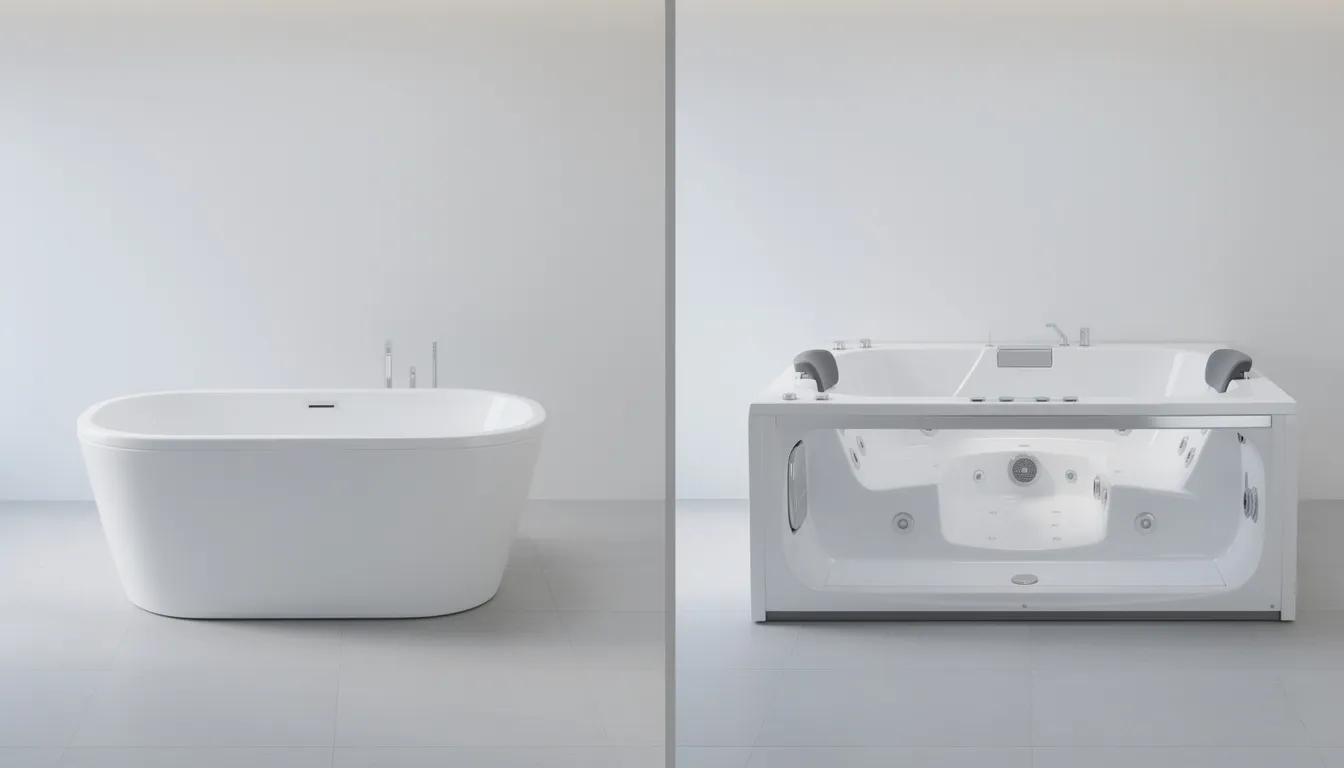
Climate and location play a big role in choosing the right cold plunge tub size. If you live in a colder climate, a smaller tub can be easier to winterize, keep clean, and even move if needed during winter. Warmer climates can usually handle larger outdoor tubs that work for social use all year.
Bigger tubs also need stronger chilling systems. For example, a 100-gallon tub might only need a small chiller, but a 300-gallon tub needs a much stronger one. This means more power to run and more money to keep cold.
Large tubs also need more cleaning, stronger filters, and more chemicals to keep the water safe. You’ll also spend more time draining and refilling them. Think about how much time you want to spend on upkeep before buying a big model.
Rules also matter. Some areas require special permits for large tubs, similar to swimming pools. Also consider how often multiple people will use the tub. Many people install group cold plunges, but end up using the tub by themselves most of the time. A helpful approach is to start smaller, then upgrade later if needed. You can also add a second small tub in the future instead of buying one huge one right away.
Safety Considerations for Ice Baths
When using a chest freezer as your ice bath, safety should always be your top priority. Unlike traditional tubs, chest freezers are not originally designed for human immersion, so a few things must be kept in mind to ensure a safe and healthy cold therapy experience.
Always unplug the chest freezer and any connected devices before entering the water. Never use electronics, such as phones or headphones, while in the bath. For added protection, plug your freezer into a GFCI (Ground Fault Circuit Interrupt) outlet or use a GFCI extension cord to reduce the risk of electrical shock.
Monitor the water temperature closely, especially if you’re adding ice to reach those low temperatures. Extremely cold water can increase the risk of hypothermia, particularly for individuals with underlying health conditions. Always check the temperature before each session and avoid dropping below recommended safe limits. If you’re new to cold exposure or have any health concerns, consult your doctor before starting.
Make sure you have a safe and easy way to exit the ice bath. Install a sturdy step, handle, or non-slip mat to prevent slips and falls, as your body may feel numb or uncoordinated after cold exposure. Regularly inspect your chest freezer and the surrounding area for any signs of damage, leaks, or wear, and address issues immediately to prevent accidents.
By following these safety tips, you can enjoy the benefits of cold therapy while minimizing risks, ensuring your chest freezer cold plunge unit remains a safe and invigorating part of your wellness routine.
How to Maintain Cold Plunge Tubs
Keeping your cold plunge tub or chest freezer in top condition is essential for both performance and hygiene. Regular maintenance extends the life of your tub and also ensures every ice bath is clean, safe, and energy efficient.
Start by checking the water temperature frequently and adjust your temperature control system as needed to maintain your preferred cold level. Clean the tub and the area around it at least once a week to prevent the buildup of bacteria, mold, or unpleasant smells. For water sanitation, consider using an ozone generator or adding hydrogen peroxide to the water. Both are effective at keeping the water fresh and safe for repeated use.
Inspect the drain hole and drain plug regularly to ensure they are functioning properly and not leaking. A well-sealed drain is crucial for holding water and preventing costly spills. If you notice any issues with the seal, paint, or interior coating of your chest freezer, address them promptly with appropriate products like pond shield to prevent leaks and corrosion.
Don’t forget to check the freezer’s energy efficiency. A tight seal and well-maintained insulation help keep the water at the right temperature with minimal energy use. If you spot any cracks or damage, repair them quickly to avoid bigger problems down the line.
Tips for First-Time Users of Cold Plunge Tubs
If you’re new to cold plunge tubs, starting your cold exposure journey can feel both exciting and intimidating. The key is to ease into the experience and listen to your body every step of the way.
Begin with short sessions. 5 to 10 minutes in the cold tub is enough for your first few tries. As your body adapts to the cold, you can gradually increase the duration and lower the water temperature to suit your comfort level. If you’re not ready to jump straight into icy water, try cold showers or traditional ice baths first to build up your tolerance.
Always use a reliable temperature control system to keep the water at a safe level. Before each session, check the temperature and adjust it if needed. Some people also like using a home sauna before or after cold exposure, which can help them warm up safely and reduce shock from extreme temperature changes. If you have any health conditions or worries about cold exposure, talk to a healthcare professional before starting a cold plunge routine.
Pay close attention to how your body feels during and after each session. If you experience pain, numbness, or discomfort, exit the tub immediately and warm up. Remember, the goal is to enjoy the health benefits of cold therapy, not to push your limits to the point of risk.
Summary
Cold plunge tubs come in many sizes, from single-person designs to large multi-user models. Proper sizing helps you stay fully underwater for the best cold exposure benefits. Key factors include water depth, total gallons, user height, and how many people will use the tub. Smaller tubs work well for everyday personal use, while bigger designs support shared sessions. Understanding the right dimensions and available space makes installation easier, improves comfort, and ensures safer and more effective cold therapy. Explore the sizing options in this guide to find the best fit for your space and goals.
FAQ
What’s the minimum tub size needed for effective cold therapy for one person?
At least 48” x 36” x 30” with around 80–100 gallons. This gives space for neck-level immersion while sitting, which helps you breathe comfortably and get full benefits.
Can I fit two people comfortably in a single-person rated cold plunge tub?
You might squeeze, but it isn’t safe or comfortable. A real two-person tub keeps enough space, correct depth, and safer exit options during cold exposure.
How much additional space do I need around my cold plunge tub for installation?
Leave about 18–24 inches around all sides for entering, exiting, and moving safely. One-person tubs need about 8x6 ft overall, bigger tubs need more.
Do larger cold plunge tubs require more powerful chilling equipment?
Yes. More water means stronger chillers and longer cool-down time. Larger systems also use more energy to stay cold, so plan for higher operating needs.
What’s the ideal depth for a cold plunge tub to ensure proper neck-level immersion?
Aim for at least 30 inches, and 36+ for tall users. This helps you immerse yourself up to the shoulders and neck comfortably.


