

How Often Should You Change Your Cold Plunge Water?
Cold plunge water does not stay clean forever. How often you should change it depends on filtration, sanitizers, usage, and environment. Unfiltered setups require frequent water changes, while filtered and properly sanitized systems can last weeks or months. Understanding these factors helps you strike a balance between safety, water efficiency, and maintenance effort. This guide breaks down clear timelines, warning signs, and best practices so you always know when it’s time to refresh your cold plunge.
Key Takeaways
- Unfiltered cold plunges need fresh water every 2–5 days
- Filtered and sanitized systems can last 8–12 weeks with proper care
- Usage frequency and indoor vs. outdoor placement greatly affect water life
- Cold water slows bacteria but does not stop microbial growth
- Consistent maintenance is essential for safe, effective cold plunging
What Determines How Often You Change Cold Plunge Water?
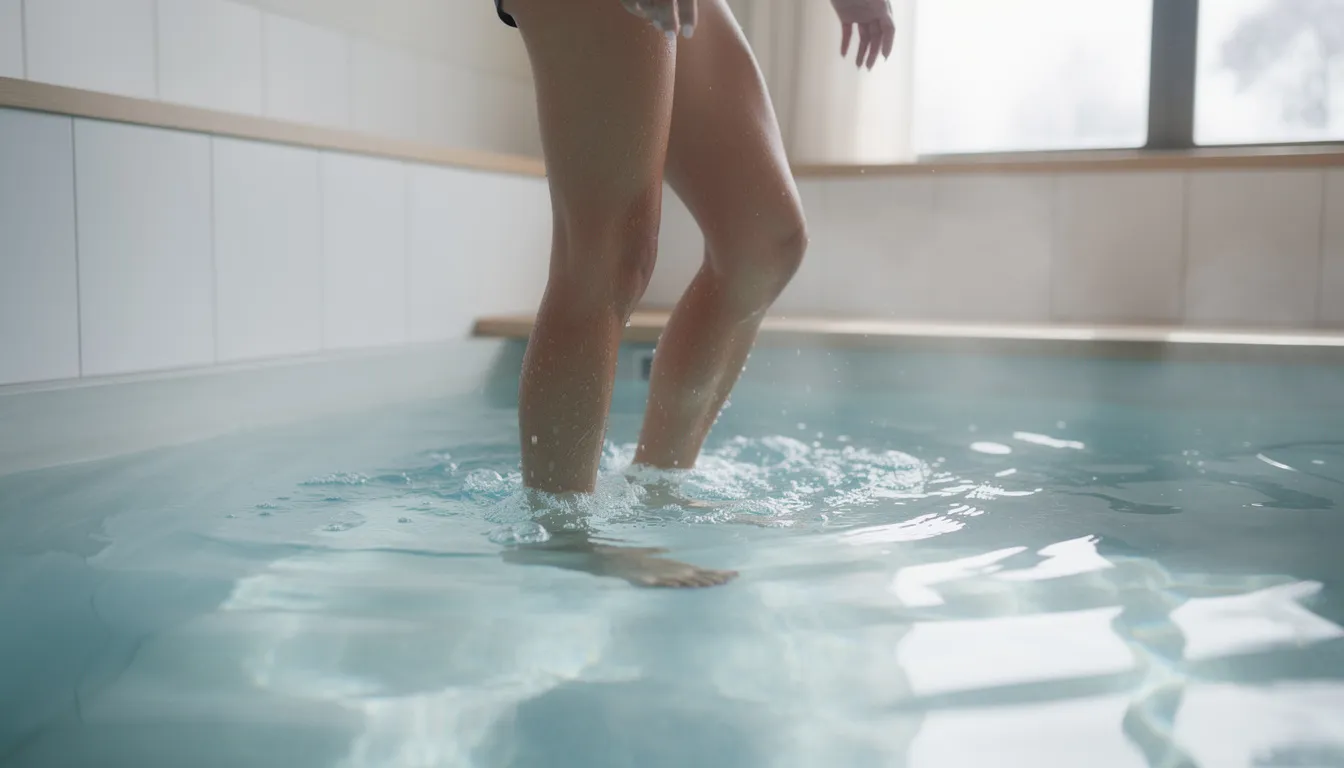
Various factors determine the safe lifespan of your cold plunge tub for home water. Understanding these factors helps you adapt general guidelines to your specific situation and avoid both unnecessary water waste and potential health risks.
· Frequency of Use
The number of people using the plunge is the main way the water gets dirty. Using it every day adds far more contaminants than using it once a week. One person can go much longer between water changes than a family or multiple users. For example, one person plunging three times a week adds far less sweat, oils, and bacteria than four people using the same tub every day do.
· Filtration Type
Simple setups with no filter rely entirely on gravity settling and manual removal of debris. A pump with cartridge filter removes suspended particles and some bacteria, while advanced multi-stage filtration incorporating UV light or ozone generators provides additional disinfection between water changes.
· Sanitizer Options
Cold immersion systems at home or in a commercial cold plunge tub wellness centre that do not use chemicals depend entirely on frequent water replacement. Food grade hydrogen peroxide provides temporary oxidation but breaks down quickly. Chlorine or bromine systems maintaining proper residual levels (1–3 ppm) offer continuous protection against bacteria and viruses throughout the water volume.
· Temperature Variations
Water maintained at 39°F grows bacteria much more slowly than water at 55°F. However, even cold temperatures cannot eliminate microbial growth entirely, and many environmental bacteria remain active in cold water conditions.
· Location and Environmental Exposure
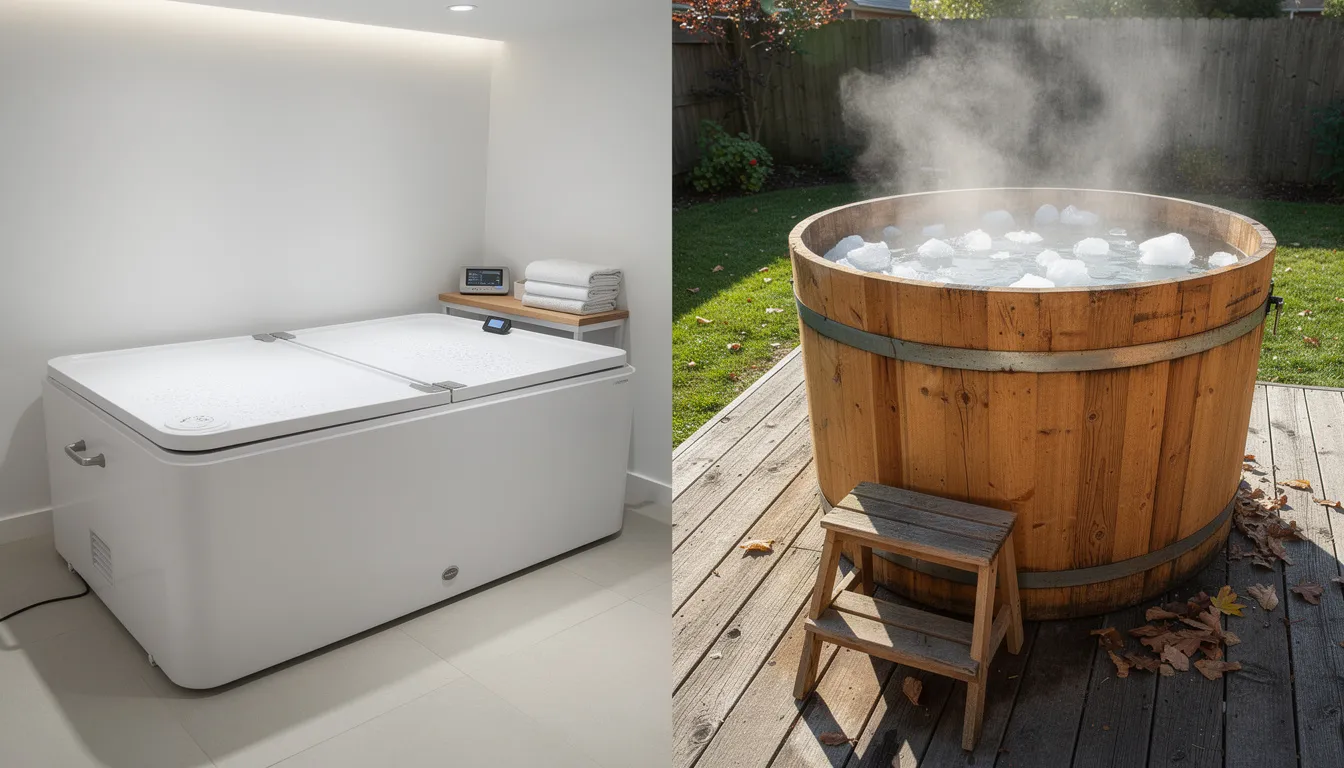
Indoor cold plunge vs ice bath for recovery setups in controlled environments face minimal external debris, while outdoor installations deal with constant input from pollen, insects, dust, and organic matter from rain and wind. A basement cold plunge tub stays cleaner far longer than an uncovered stock tank on an outdoor deck.
· Personal Hygiene Practices
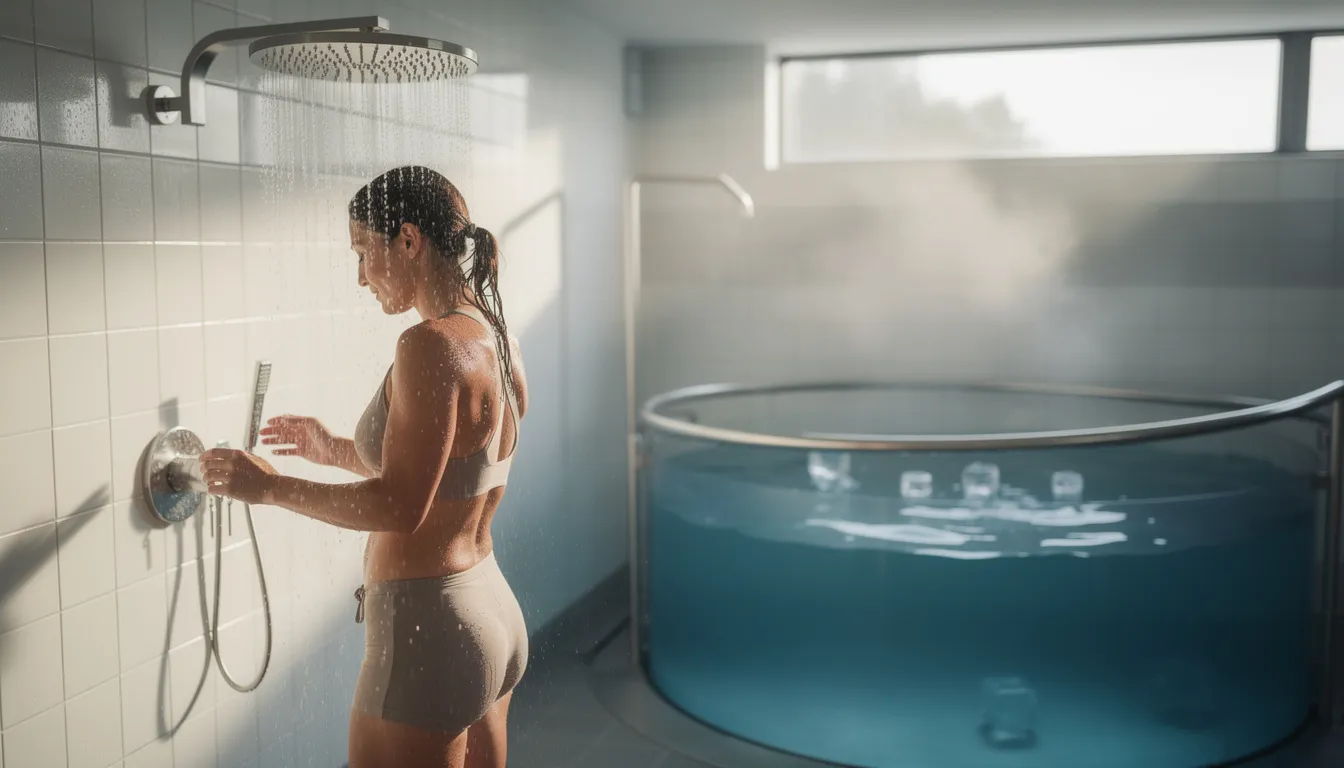
Users who shower before plunging and avoid lotions, sunscreen, or cosmetics introduce minimal organic load. Those entering after workouts with sweat and body care products dramatically increase the contamination rate. In this case, the cold immersion water will require more frequent water changes.
Use of Covers
Tight-fitting insulated covers block debris, maintain temperature, and prevent evaporation. Uncovered installations allow constant contamination from airborne particles and create ideal conditions for algae growth when exposed to sunlight.
How Often Should You Change Unfiltered Cold Plunge Water?
Unfiltered cold plunge setups include DIY barrels, bathtubs, kiddie pools, Rubbermaid stock tanks, cattle troughs, and other installations that do not circulate or filter water. A kiddie pool is a highly affordable option for cold plunging that can be easily stored away when not in use. A stock tank is a popular choice for a DIY cold plunge setup and can be found at hardware stores.
A cattle trough is a recommended option for those who plan to use cold plunging frequently and want a larger capacity. A large freezer can also be converted into a cold plunge by setting it to a low temperature, but it requires careful handling and maintenance. These simple systems rely entirely on frequent water replacement to maintain cleanliness and safety. Here are tips to help you change your cold plunge water on different unit options.
Indoor, Controlled Environment Scenarios
- Cool room (below 68°F), single user, covered between sessions. Change every 3–5 plunges or every 4–5 days, whichever comes first
- Multiple users without a cover. Change every 1–3 days depending on usage intensity
- Shared family use with good pre-plunge hygiene. Change every 2–3 days maximum
Outdoor installation considerations
- Spring/summer conditions with no cover. Change daily or every other day due to sun exposure, pollen accumulation, and insects
- Outdoor use with proper cover and minimal debris. Change every 2–3 days
- Winter outdoor plunge with near-freezing water and minimal organic debris can stretch to 5–7 days if water looks and smells clean
Immediate Change Indicators Override all Schedules
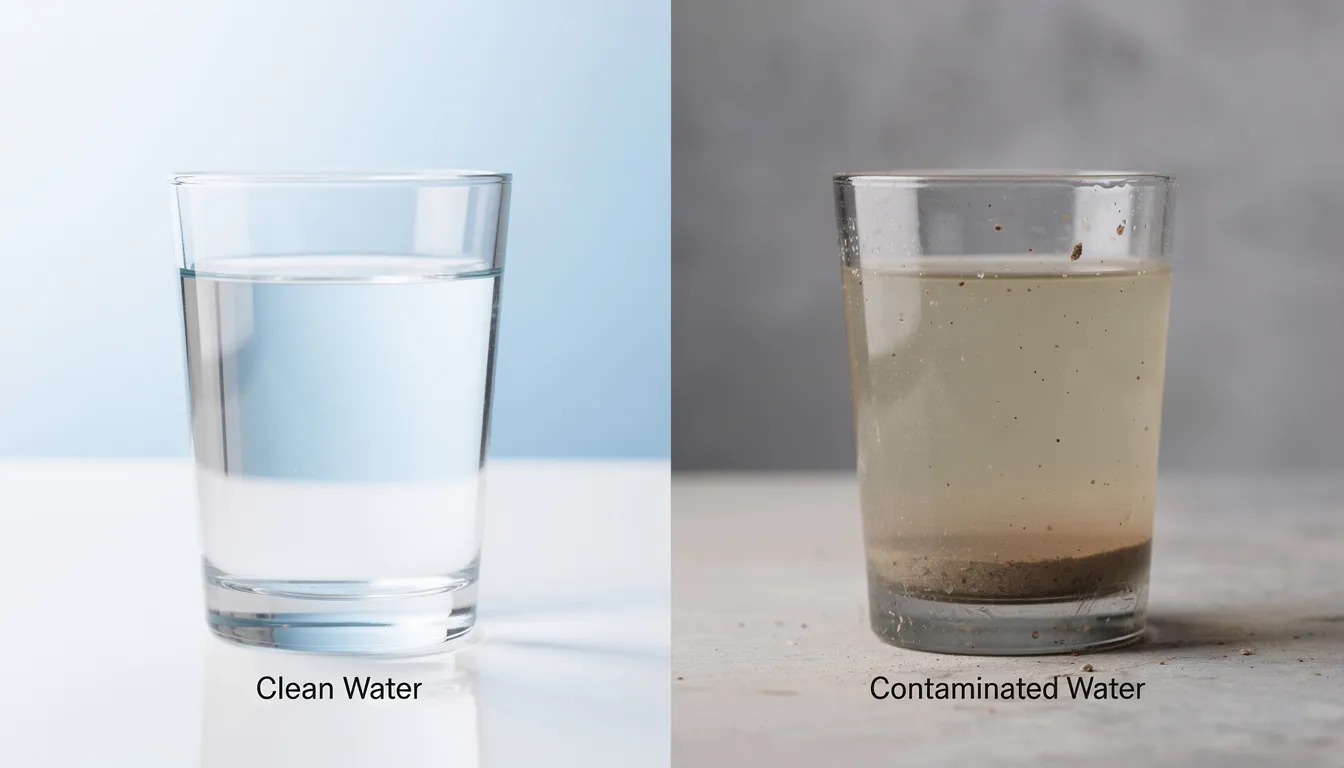
- Water becomes cloudy, milky, or develops visible particles
- Biofilm or slime appears on walls, bottom, or fixtures
- Persistent odors develop (musty, swampy, or chemical smells)
- Someone with open wounds, skin infection, or recent illness uses the tub
- Visible algae growth appears as green, brown, or black streaks
Practical Habits to Extend Time Between Changes
- Quick soap-free rinse shower before each plunge session (rinsing off before use reduces contaminants entering the water)
- Clean foot rinse bucket positioned at tub entry point
- Handheld pool net for debris removal after each session
- Tight-fitting cover used consistently between all sessions
For very small installations, such as regular bathtubs or 50–70 gallon kiddie pools used occasionally, changing the water after each use is ideal. The minimal water volume and lack of circulation make these systems particularly vulnerable to rapid contamination, especially when multiple people use them or when they’re stored in warm environments.
When entering the cold plunge, some users choose to jump in for an adrenaline-inducing experience, while others prefer a slow entry. For maximum benefit, aim for a total body dip exposure, submerging the entire body. Including the feet and neck, ensures the best hormonal response and body temperature regulation. Exposing the neck, thyroid, and back of the neck is essential for effective cold water therapy.
Listen to your body and pay attention to how the water feels and smells. When in doubt about water quality, change it immediately. The goal of your cold exposure routine should be enhancing your wellness routine, not introducing unnecessary health risks through contaminated water.
How Often Should You Change Filtered Cold Plunge Water?
Cold plunge units and DIY installations with added circulation systems can maintain water quality much longer than unfiltered setups. However, filtration alone doesn’t eliminate the need for periodic complete water replacement and proper chemical management.
Basic Circulation Pump with Cartridge Filter
- Light solo use with consistent covering. Change every 7–10 days
- Family use (2–4 people) with good hygiene practices. Change every 5–7 days
- High-use scenarios or inconsistent maintenance. Change every 3–5 days
Filter Plus Low-Dose Sanitizer Systems
- Cartridge filter with properly diluted food-grade hydrogen peroxide and cover. Change every 2–4 weeks with weekly water inspection
- Ozone generator or UV light with minimal chemical residual. Change every 2–3 weeks for home use
- Commercial ozone systems with higher output. Can extend to 4–6 weeks with diligent monitoring
Full Spa-Style Chemical Management
- Filter plus chlorine/bromine maintaining 1–3 ppm free chlorine, pH 7.2–7.8, with cover. Drain and refill every 8–12 weeks for typical home use (3–5 plunges per week)
- Salt water systems with proper chlorine generation. Similar 8–12 week intervals with regular testing
- Heavy commercial use (gyms, recovery studios). Plan full changes every 4–6 weeks even with robust filtration and sanitization
· Filtration Limitations
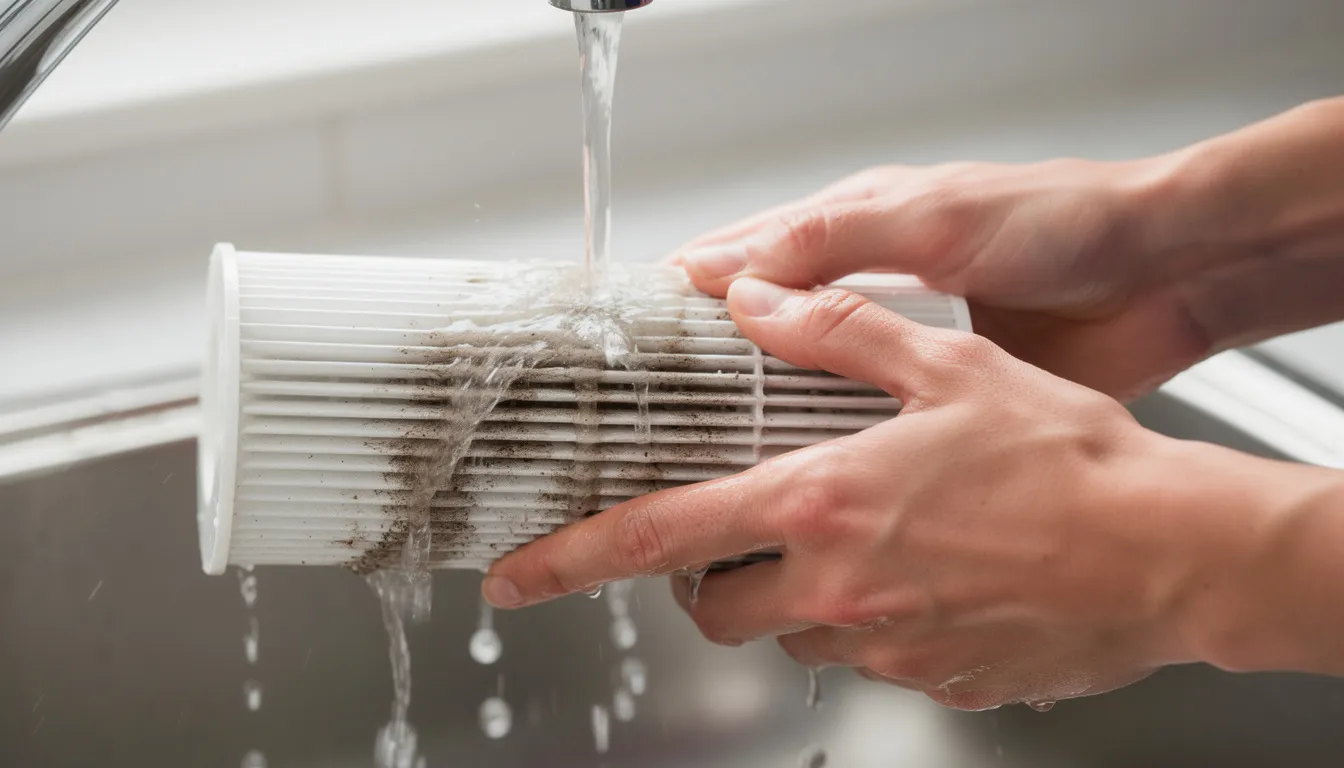
Mechanical filters remove visible debris, hair, skin flakes, and suspended particles, but they do not sanitize water. Bacteria, viruses, and dissolved organic compounds pass through most cartridge filters. Proper sanitization through chemical residuals, UV exposure, or ozone treatment is essential for microbial control.
Weekly Filter Maintenance Requirements
- Remove cartridge filters and hose off accumulated debris
- Inspect filter media for tears, clogs, or excessive wear
- Rotate between two sets of cartridges for continuous operation during cleaning
- Deep clean with specialized filter solutions monthly for high-use installations
Advanced System considerations
- UV light systems require periodic bulb replacement and quartz sleeve cleaning
- Ozone generators need regular maintenance and proper ventilation for safety
- Even advanced systems benefit from measurable chlorine residual for complete protection
- Total dissolved solids (TDS) accumulation eventually requires complete water replacement regardless of filtration quality
Remember, filtration extends water life significantly but cannot replace the need for complete water replacement. Even with excellent mechanical and chemical treatment, dissolved organics, excess minerals, and biofilm formation in plumbing eventually necessitate starting fresh with clean water and proper system sanitization.
Maintenance Schedule Checklist for a Clean Cold Plunge
This comprehensive checklist works for both filtered and unfiltered setups, providing a systematic approach to cold plunge maintenance that prevents problems before they develop.
Daily (Every Plunge Session)
- Skim surface with small net to remove insects, hair, leaves, and floating debris
- Check water clarity and smell; note any cloudiness, odors, or unusual appearance
- Confirm water temperature is within target range (typically 39–55°F)
- Replace and secure cover immediately after use
- Run circulation pump for recommended duration (filtered systems only)
Every 2–5 Days (Unfiltered Setups)
- Fully drain tub using built-in drain or submersible pump
- Wipe all interior surfaces with soft cloth or non-abrasive sponge
- Rinse thoroughly to remove soap residue and loose debris
- Refill with fresh potable water
- Add measured sanitizer if using (follow product directions for proper dilution)
Weekly (Filtered Systems)
- Test water chemistry using test strips or drop kit
- Free chlorine or bromine levels (target 1–3 ppm chlorine or 3–5 ppm bromine)
- pH levels (target 7.2–7.8)
- Total alkalinity if managing scale/corrosion (target 80–120 ppm)
- Adjust chemical levels as needed using spa-grade products
- Remove and hose off filter cartridge from reverse direction of normal flow
- Inspect interior surfaces for slime buildup on walls, rails, steps, and fittings
- Clean any detected biofilm with appropriate non-foaming cleaner
Monthly Deep Maintenance
- Deep clean filter cartridge with specialized filter-cleaning solution
- Soak cartridge per product directions (typically 4–8 hours)
- Thoroughly rinse cleaned cartridge before reinstallation
- Wipe all accessible hardware: lids, handles, steps, handrails
- Clean skimmer baskets and removable fittings
- Inspect hoses, pump housing, and connections for leaks or damage
- Test and clean UV quartz sleeves or ozone diffusers (advanced systems)
Every 2–3 Months (Complete Water Change for Filtered Systems)
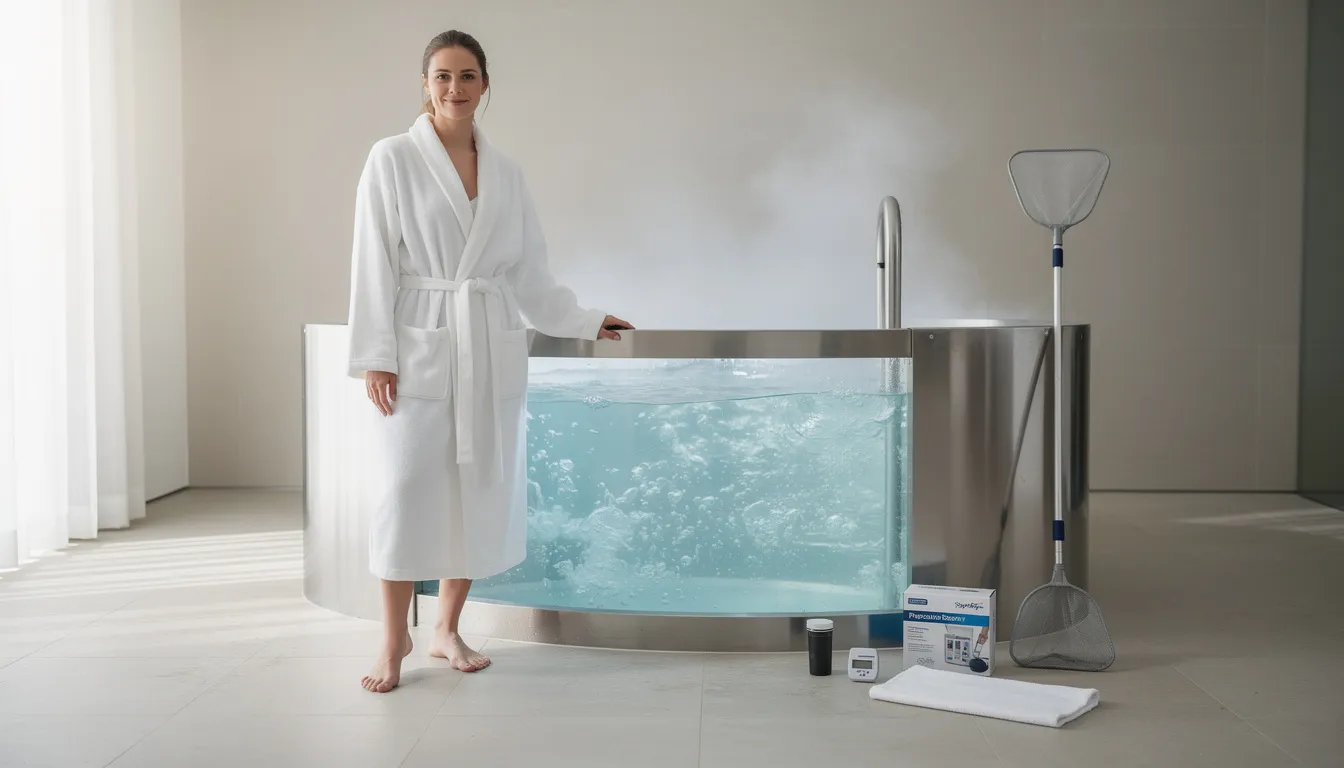
- Turn off power to pump, chiller, heater, and any electrical components
- Fully drain tub using all available drain options
- Remove and inspect all removable components (filters, baskets, fittings)
- Scrub entire interior surface with non-abrasive sponge and spa surface cleaner
- Clean biofilm from plumbing by running cleaning solution through circulation system
- Rinse all surfaces thoroughly to remove cleaning product residue
- Replace filter cartridges if due for replacement (typically every 3–6 months)
- Refill with fresh water and balance chemistry from scratch
- Document maintenance date and any observations in maintenance log
Every 4–6 Months (Equipment Maintenance)
- Replace filter cartridges according to manufacturer recommendations
- Inspect and replace UV bulbs if intensity has decreased
- Service ozone generators per manufacturer specifications
- Review maintenance logs for patterns requiring schedule adjustments
- Inspect all seals, gaskets, and plumbing connections
- Consider professional equipment servicing for complex systems
Seasonal Considerations
- Winter outdoor units: Monitor for freeze protection and cover integrity
- Summer outdoor units: Increase debris removal frequency and check for algae growth
- Heavy use periods: Temporarily shorten all maintenance intervals
- Extended non-use: Plan complete system sanitization before resuming regular use
Print this checklist and keep it near your cold plunge unit. Recording completion dates helps identify patterns and adjust intervals based on your specific usage and environmental conditions. Consistent adherence to this schedule prevents water quality issues and maximizes the lifespan of your equipment investment.
Best Practices to Keep Cold Plunge Water Clean for Longer
Extending the time between water changes involves preventing contamination and using your equipment properly. These habits are applicable to any setup, from simple DIY barrels to advanced commercial cold plunge systems.
How Does Personal Hygiene Keep Cold Plunge Water Clean?
- Take a quick warm shower before each plunge session, especially after workouts when sweat and body oils are highest
- Avoid lotions, sunscreen, cosmetics, and hair products before cold immersion when possible
- Use dedicated “plunge towels” and clean robes to prevent fibre contamination
- Consider a foot rinse station with clean water for outdoor installations
Water Protection Strategies to Reduce External Contamination
- Invest in properly fitted, insulated covers and use them religiously between sessions
- Position outdoor tubs away from trees, gardens, and high-traffic areas when possible
- Install simple windbreaks or pergolas to reduce debris accumulation
- Keep landscaping chemicals, fertilizers, and pesticides away from plunge areas
Equipment Optimization to Maximize Sanitization Efficiency
- Run circulation pumps at least 4–8 hours daily, or per manufacturer recommendations
- Maintain continuous filtration during active use periods rather than intermittent operation
- Keep spare filter cartridges available for rotation during cleaning cycles
- Position return jets to create proper water circulation and eliminate dead zones
Chemical Management for Sanitized Systems
- Target the lower end of recommended sanitizer ranges (1–3 ppm chlorine) due to cold temperatures and typically lower bather loads
- Test water chemistry 2–3 times weekly rather than daily for home use
- Shock treat weekly or bi-weekly to oxidize accumulated organic compounds
- Balance pH carefully since cold water can mask chemical imbalances that affect sanitizer effectiveness
Alternative Sanitization Approaches
- Food grade hydrogen peroxide requires careful handling and more frequent monitoring but avoids chlorine concerns
- UV and ozone systems reduce chemical dependency but require more frequent complete water changes
- Never mix incompatible chemicals or use pool shock products without understanding their interaction with your specific system
Temperature and Circulation Considerations
- Maintain consistent target temperatures to prevent creating warm zones where bacteria thrive
- Address any circulation dead spots where debris or contaminants can accumulate
- Consider upgrading pump capacity if water clarity degrades faster than expected
Monitoring and Documentation Habits
- Keep simple maintenance logs noting water change dates, chemical additions, and any observed issues
- Photograph water condition periodically to track changes over time
- Note correlations between usage patterns, weather conditions, and water quality degradation
Remember that no cleaning strategy completely replaces the need for periodic full water changes. The goal is to maximize clarity, safety, and user experience between those scheduled complete drain and refill cycles. Conservative maintenance practices prevent the development of biofilms and microbial communities that become increasingly resistant to sanitization over time.
Building these habits into your routine ensures that your cold exposure practice supports rather than compromises your overall wellness routine. Start slowly with conservative maintenance intervals and adjust them based on your specific conditions, as you will benefit from them over time.
Signs Your Cold Plunge Water Needs Changing Immediately
Relying solely on calendar-based maintenance schedules can be risky when visual and sensory indicators suggest immediate issues with water quality. Recognizing these warning signs prevents exposure to potentially harmful microorganisms.
Visual Indicators Requiring Immediate Action
- Cloudy or milky water appearance that persists despite filtration
- Visible algae growth appearing as green, brown, or black streaks on surfaces
- Floating particulate matter that returns quickly after skimming
- Foam or suds developing without soap products being used
- Discolored water with yellow, brown, or green tints
Tactile Warning Signs
- Slippery or slimy feel on walls, floor, handrails, or seat surfaces
- Unusual texture or “thickness” to the water itself
- Sticky residue on skin after normal cold plunge sessions
- Irritation or burning sensation during or after immersion
- An uncomfortable feeling in the water, such as unexpected tingling, stickiness, or a sensation that just feels off, can indicate a problem with water quality. Pay attention to how the water feels on your skin and trust your instincts if something feels wrong.
Olfactory Red Flags
- Strong earthy, musty, or “swamp-like” odors
- Sour or acidic smells suggesting bacterial fermentation
- Sharp, pungent “locker room” odors indicating possible biofilm development
- Chemical odors that seem disproportionate to sanitizer additions
Immediate Response Protocols when Warning Signs Appear
- Stop using the tub immediately until water is completely changed and surfaces are cleaned
- Do not attempt to “fix” severely contaminated water by adding more chemicals alone
- Drain completely and inspect all surfaces for biofilm or visible growth
- Clean or replace filters that show excessive debris or discoloration
- Scrub all internal surfaces with appropriate cleaning solutions before refilling
Health-Related Warning Indicators
- The development of new skin rashes, irritation, or unusual reactions after plunging
- Eye irritation, respiratory discomfort, or unusual fatigue following sessions
- Multiple users reporting similar symptoms after cold water exposure
- Persistent skin issues that seem related to plunge timing
Clean water is essential for supporting healthy blood circulation and overall well-being during cold plunges. Contaminated water can negatively impact your body’s ability to deliver oxygen and nutrients through the blood, reducing the health benefits of cold immersion.
When health complications occur, pause use immediately and inspect both water quality and chemical balance thoroughly. Contact healthcare professionals if skin issues persist or worsen, as contaminated water can harbor bacteria causing folliculitis and other infections.
Critical Safety Principle
With cold plunge water maintenance, “when in doubt, drain it out” is the safest approach. This principle is especially important if you also use a home sauna, as heavy sweating releases oils and toxins that can quickly contaminate plunge water if you don’t rinse thoroughly before entering. The inconvenience of an unscheduled water change is minimal compared to the potential health risks of contaminated water exposure.
Cold water may mask signs of contamination that would be obvious in warm water, making vigilance even more important. Trust your senses and err on the side of caution. If something looks, smells, or feels off, take immediate action. Maintaining clean water ensures your cold immersion practice remains a tool for building mental resilience rather than creating unnecessary health risks.
Summary
Changing cold plunge water on the right schedule protects your health and preserves your equipment. Unfiltered tubs need frequent refills, while filtered and sanitized systems can last significantly longer with routine care. Cold temperatures help, but they don’t replace proper maintenance. By monitoring usage, hygiene, filtration, and warning signs, you can confidently maintain clean cold plunge water. Use the maintenance checklist in this guide to build a routine that keeps your cold plunge safe year-round.
FAQ
How often should I change cold plunge water without filtration?
Without filtration or sanitizer, cold plunge water should be changed every 2–5 days. Outdoor setups or multiple users may require daily changes. Any cloudiness, odor, or visible buildup means the water should be replaced immediately for safety.
Does cold water prevent bacteria from growing?
Cold water slows bacterial growth but does not stop it. Many microorganisms survive and reproduce in cold conditions. Without filtration or sanitizers, bacteria can still accumulate, making regular water changes and surface cleaning essential for safe cold immersion.
How long does cold plunge water last with filtration?
With proper filtration, a sanitizer like chlorine or bromine, and a tight cover, cold plunge water can last 8–12 weeks for typical home use. Heavy use or poor maintenance significantly shortens this timeline.
Is it safe to rely solely on filters without using chemicals?
No. Mechanical filters remove debris but do not kill bacteria or viruses. Without chemical sanitizers, UV, or ozone, microorganisms remain in the water. Filters extend water clarity but cannot replace proper disinfection or routine water changes.
What are the clearest signs my cold plunge water needs changing?
Cloudy water, slimy surfaces, strong odor, foam, or skin irritation are immediate warning signs. If the water looks, smells, or feels off, stop using it and perform a full drain, clean, and refill before plunging again.