


Is a Cold Plunge Good for Creatives and Artists? Exploring the Benefits
Absolutely. Cold plunges can enhance creativity, improve mental clarity, and reduce stress, all of which are crucial for artistic performance. In this article, we’ll delve into the science behind these benefits and share real-life examples of artists who have experienced the positive impacts of cold plunges.
Key Takeaways
- Cold plunges enhance mental clarity and creativity by promoting relaxation and stress relief
- Scientific studies support that cold exposure boosts dopamine and blood flow to the brain
- Incorporating a cold plunge routine into your creative practice can lead to more innovative work
What are the Benefits of Cold Plunging for Creatives?
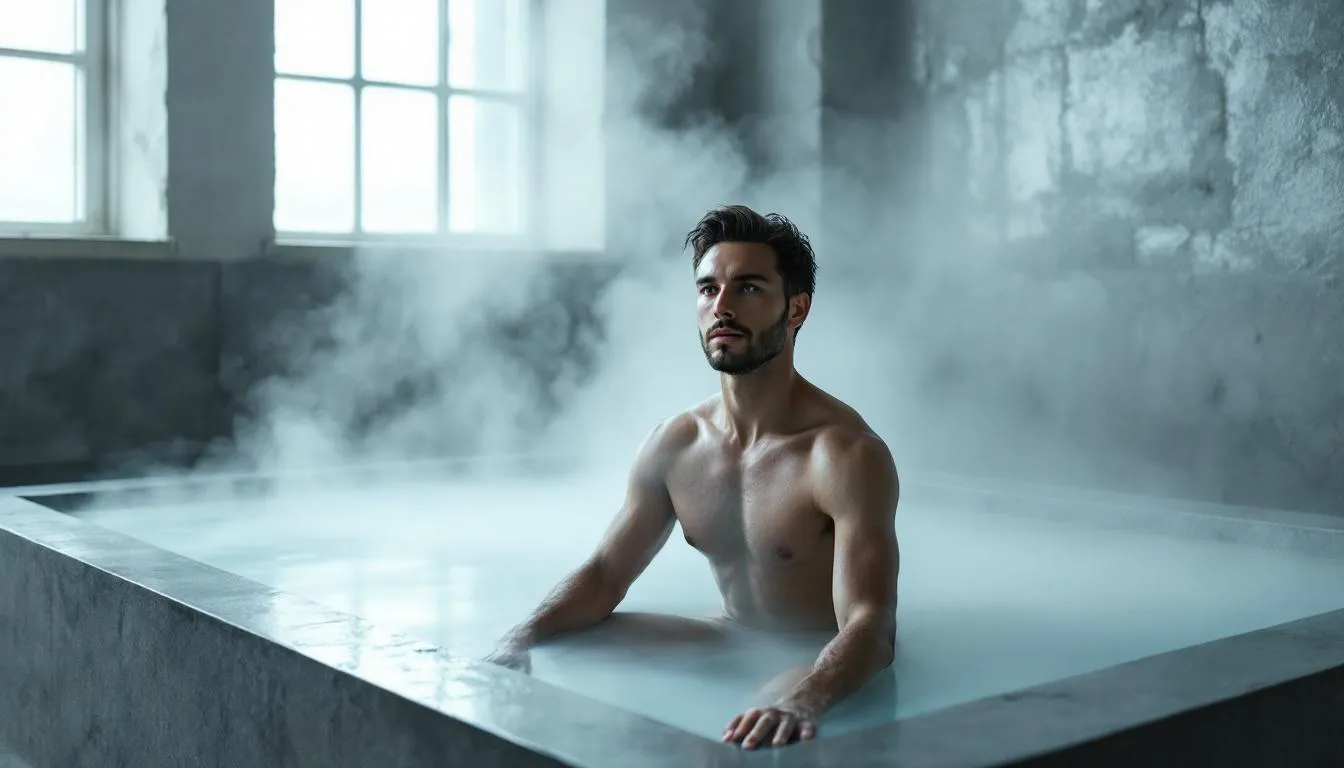
The benefits of cold plunging extend far beyond the initial shock of cold water. Regular cold exposure sessions can be a game-changer for both your body and your creative mind. Physically, cold plunging helps reduce inflammation, speeds up recovery after strength training, and supports overall relaxation and passive recovery. Mentally, it’s a powerhouse for boosting mental clarity and creative output.
One of the key advantages of cold plunging is its ability to trigger the release of key happiness inducing neurotransmitters like dopamine and endorphins. These natural mood boosters not only help you feel more energized, but they also enhance your brain’s natural rhythms, making it easier to get your creative juices flowing. Many creatives find that after immersion in a cold plunge tub, they experience a state of deep relaxation and mental clarity that’s perfect for creative problem solving and tackling new ideas.
Cold plunging also helps regulate stress hormone levels, leading to better sleep quality and a more balanced mood, both essential for sustained creative work. By shaking things up with regular cold exposure, you can break through creative stagnation and tap into new levels of inspiration. Whether you’re looking to recover from a tough workout, reduce stress, or simply spice things up in your creative process, cold plunging offers a unique and effective way to support your overall well-being and creative potential.
What is the Impact of Cold Plunges on Creative Insight?
Cold plunges activate the parasympathetic nervous system, which promotes relaxation, a crucial state for creative thinking. Transitioning from stress to relaxation helps creatives unlock their imaginative idea and creative capacities.
Cold immersion also help alleviate symptoms of anxiety and depression, leading to improved mental clarity. This mental clarity is a fertile ground for creative insight, allowing ideas to flow more freely and vividly. During cold plunging, our brains benefit from increased blood flow and oxygenation, which further stimulates creative insights and cognitive function. Artists often find that this heightened state of relaxation helps them tap into deeper layers of creativity, producing work that is both innovative and emotionally resonant.
Cold plunges boost brain function and improve mental clarity, resulting in a more focused mind for tackling artistic challenges. This improved mental clarity also supports creative thought and encourages innovative thinking.
What is the Science Behind Cold Exposure for Creativity?
Home cold plunge system benefits are backed by science. When you immerse yourself in cold water, blood flow to the prefrontal cortex increases, enhancing executive functions like creativity and problem-solving. This rush of oxygen-rich blood boosts cognitive performance, making your brain a more efficient machine.
Cold exposure also stimulates the release of dopamine, a key neurotransmitter that provides a sustained mental uplift without the crash associated with stimulants. This dopamine boost helps regulate stress responses, improving both mood and cognitive function.
Over time, consistency in using cold plunge tubs amplifies these cognitive benefits, much like physical training, by enhancing key happiness inducing neurotransmitters. Research also shows that regular exposure to heat and cold, such as home saunas and cold plunges, is associated with lower all-cause and cardiovascular mortality.
Cold therapy activates the sympathetic nervous system, enhancing the body’s ability to handle stress. This improved stress response is vital for maintaining creative output under pressure. Alternating between heat and cold can further enhance recovery, cardiovascular health, and mental resilience. Regular cold exposure also reduces neuroinflammation, contributing to cognitive health and mental clarity.
For recovery and relaxation, adding an infrared sauna session as part of your protocol can support muscle recovery, improve circulation, and promote better sleep, all of which are beneficial for creative performance. Cold-water immersion increases interaction among brain circuits involved in emotional processing, enhancing alertness and motivation, ideal for tackling creative projects with renewed vigor, in tune with the brain’s natural rhythms. Timing your cold exposure sessions to align with the brain's natural rhythms and serotonin cycles can further boost mood, mental clarity, and creative inspiration.
How to Enhance Creative Problem Solving with Cold Plunges
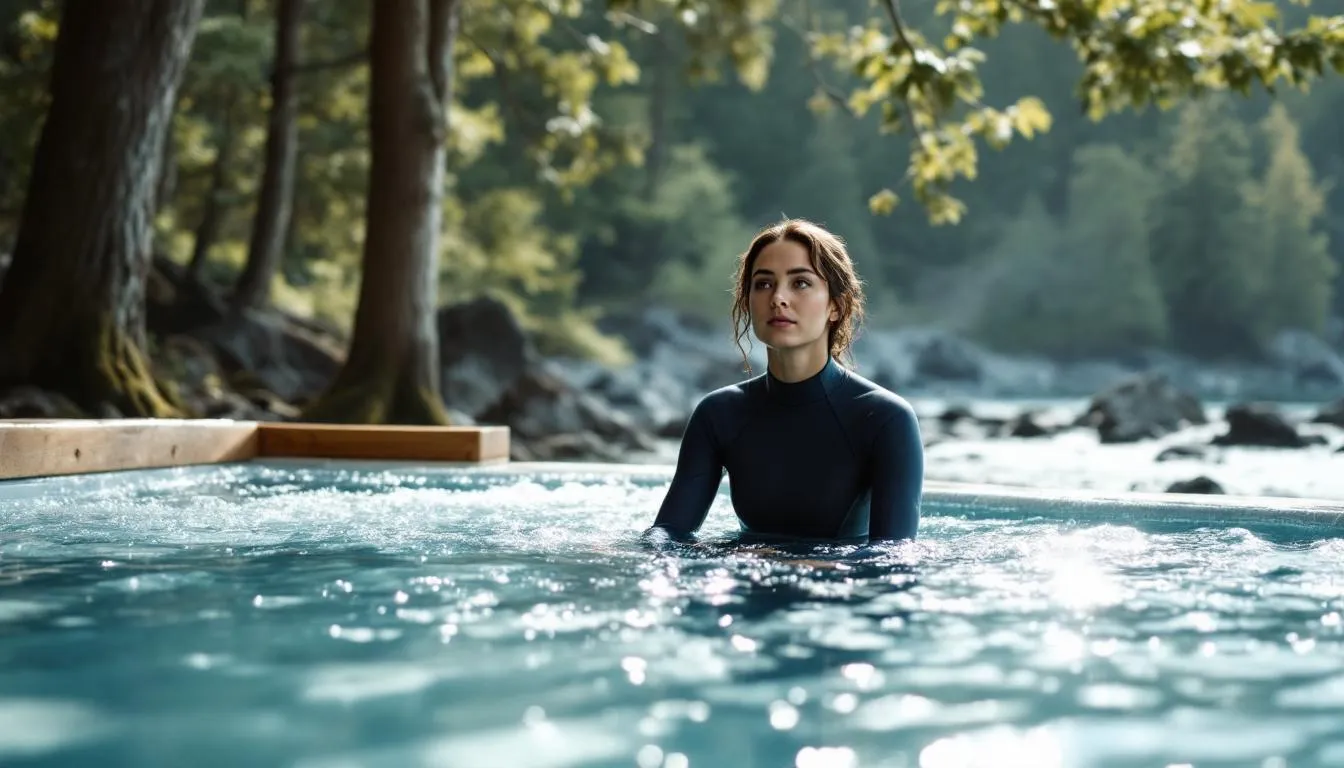
Regular cold plunge sessions can help artists overcome creative block by enhancing focus and clarity. The physiological response to cold immersion elevates adrenaline and dopamine levels, leading to improved focus and mental clarity.
After a cold immersion session, this heightened awareness aids brainstorming and tackling complex projects. Emerging from a session with a mind buzzing with fresh ideas prepares you to pour them into your work. The relaxation provided by cold plunges offers the mental reprieve needed for fresh problem-solving approaches.
To maximize creative focus, it’s essential to leave distractions and minimize external interruptions. Disconnect from devices and outside noise to create a quiet, tech-free environment. Immersing yourself in the cold allows for a reset, shaking things up and providing the mental space needed for creating outside the box. For high performers in creative fields, this can be the difference between creative stagnation and a creative act of groundbreaking work that encourages good old fashioned daydreaming and mind wander.
How Cold Plunges Impact Mental Clarity
Cold plunging lowers cortisol levels while increasing serotonin and dopamine, fostering an environment conducive to creativity. Serotonin levels are naturally higher in the morning, which can further enhance the creative benefits of cold plunging at that time.
Cold water immersion stimulates dopamine release, boosting mood and energy levels for those who practice it regularly. This mood enhancement is crucial for maintaining a positive mindset, which directly impacts creative output. When your mental state is elevated, your brain’s natural rhythms align more harmoniously, fostering a flow of creative thoughts and ideas.
Cold plunges create an ideal inner environment, enabling creatives to reach a state of deep relaxation where their best ideas often surface. This mental clarity is not just a fleeting benefit but a sustained state that can greatly increase creative productivity.
Case Studies: Artists Who Use Cold Plunges
Many successful individuals incorporate cold plunges into their daily routines to enhance mental sharpness and creativity. Take musician Jelly Roll, for instance. He incorporates cold plunges into his wellness routine alongside healthy habits like walking and reduced drinking. This combination has significantly improved his mental state, allowing him to create more authentically.
Actor Josh Brolin has been practicing cold plunging for two decades and compares the experience to the exhilaration of hosting Saturday Night Live. This new practice has helped him maintain mental sharpness and creativity in his demanding career, especially during the week. Similarly, Bradley Cooper includes cold plunges in his daily routine to enhance his mental state, ensuring he is always at his creative best.
Visual artists also draw inspiration from cold water environments. For example, one artist creates site-specific works in natural settings such as the Adriatic Sea, Bohemian Uplands, Czech Central Mountains, and Ore Mountains. Using acrylic paints on small canvases, the artist embraces outdoor, water-based artwork, allowing the landscape and conditions to shape the creative process. By approaching cold water as a warm friend, the artist reframes the environment as supportive and inspiring, deepening their connection to nature and creativity.
These real-life examples demonstrate that cold plunges are not just a fad but a valuable tool for enhancing creativity and mental clarity. Whether you’re a musician, actor, or visual artist, integrating cold plunges into your routine can provide a significant boost to your creative output.
What is the Ideal Cold Plunge Routine for Creatives?
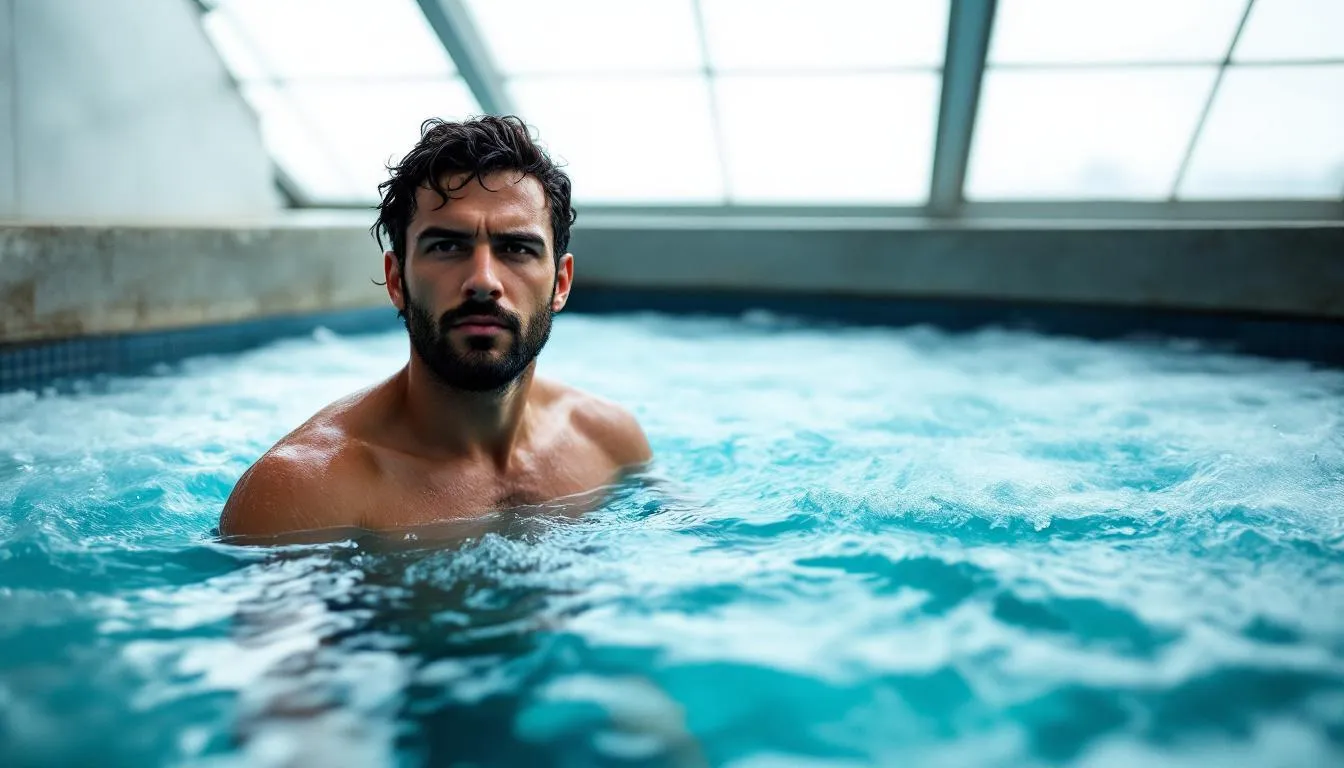
Starting a cold plunge routine might seem daunting, but with preparation, it can become a seamless part of your creative practice. Begin by:
- Setting up your tub in a stable area
- Filling it with filtered water
- Adjusting the temperature between 39-55°F
Before entering the cold plunge, it’s recommended to hydrate well, wear minimal clothing, and perform breathing exercises to prepare your body. These preparatory steps ensure that you get the most out of your cold plunge session, both physically and mentally.
Incorporating cold plunges into your routine doesn’t require a significant time commitment. Even a few minutes of cold exposure can invigorate your mind and get your creative juices flowing. Consistency is key. Aim for a weekly routine that fits into your schedule and complements your creative work.
To further optimize your routine, consider the timing of your cold plunge sessions. Morning sessions can boost alertness, energy, and creativity, setting a positive tone for the day. An early morning sauna session before your cold plunge may help elevate your mood and inspire fresh ideas. On the other hand, evening sessions are ideal for relaxation and stress relief, helping you unwind and recover after a busy day, and promoting better sleep.
Why Combine Cold Plunges with Other Creative Practices?
Combining cold plunges with other activities can amplify both physical and mental benefits. Pairing cold plunges with practices like journaling or sketching can enhance artistic creativity. Imagine stepping out of an ice bath and journaling immediately afterward to capture the flood of ideas that come to mind. This is a powerful way to capture creative insights.
Incorporating a daily breathing or meditation ritual can enhance the effectiveness of cold plunges. These practices help center your mind, making the transition from cold exposure to creative work more seamless. Stacking recovery practices for 4-6 weeks can provide compounded benefits, leading to a significant boost in creative output and neuromuscular recovery. Adding a sauna session before or after a cold plunge can further stimulate inspiration, relaxation, and reflection, enhancing the creative benefits of your routine.
What Safety Tips for Cold Plunge Sessions Should You Know?
Safety is paramount when it comes to cold plunging. Beginners wondering how to use a cold plunge safely at home should follow these guidelines for duration:
- Limit cold plunge duration to 2–5 minutes initially
- Start with brief sessions of 30 seconds to 1 minute
- Gradually extend the time as you become more accustomed to the cold
- Be cautious with immersion in ice water, as it increases the risk of hypothermia; always monitor your body's response
To establish a consistent cold plunge habit:
- Aim for 2-3 sessions weekly
- Consider combining cold plunges with other recovery methods like sauna use
- Monitor water temperature to ensure a safe experience
- Always listen to your body’s signals. If you feel dizziness or sharp pain, exit the plunge immediately
- Individuals with kidney problems should consult a healthcare provider before attempting cold plunges
After a cold plunge, follow these safety tips:
- Gradually warm up your body
- Avoid immediate hot showers
- Stay hydrated
- Keep warm clothing nearby to transition comfortably
How to Choose the Right Cold Plunge Setup
Choosing the right cold plunge setup at home or in a commercial cold plunge tub wellness centre can make a world of difference. Cold plunges can be installed as DIY setups or through professional services, depending on your needs and budget. Costs for cold plunge installations can vary widely, from about $2,000 for basic setups to $60,000 for custom in-ground features.
Site planning for a cold plunge involves checking local regulations, ensuring safety measures, and considering noise reduction for equipment. The placement of the plunge setup should consider sunlight exposure; shaded areas are generally better for maintaining cooler temperatures.
Effective water care for cold plunges includes regular maintenance of filters and the use of sanitizers to prevent microbial growth. An effective cold plunge system must maintain a water temperature between 40-55°F and include filtration and sanitization features. When selecting a chiller for a cold plunge, it is recommended to base the size on the insulation of the basin rather than just cooling power.
Summary
Cold plunges offer a unique and effective way to boost creativity and mental clarity. By activating the parasympathetic nervous system, enhancing blood flow to the brain, and reducing stress, cold plunges provide an ideal environment for creative thinking and problem-solving. Real-life examples from artists like Jelly Roll, Josh Brolin, and Bradley Cooper show that this practice is a valuable tool for maintaining creative sharpness.
Incorporating cold plunges into your routine, along with other creative practices, can lead to significant improvements in your artistic output. Whether you choose a DIY setup or a professional installation, the benefits of cold plunges are well worth the investment. So, take the plunge and see how it can transform your creative process?
Frequently Asked Questions
Do cold showers help creativity?
Cold showers can boost your creativity by increasing alertness and mental clarity, which enhances your problem-solving and idea generation abilities.
How long should a beginner stay in a cold plunge?
Start your cold plunge tub for home journey with sessions of just 30 seconds to 1 minute, and as you get used to it, gradually increase the duration.
What temperature should the water be for a cold plunge?
For an invigorating cold plunge, aim for water temperatures between 39-55°F.
How often should I do cold plunges to see benefits?
For optimal cold plunge therapy health benefits, commit to 2-3 cold plunge sessions each week and stay consistent.
Can cold plunges help with anxiety and depression?
Absolutely. Cold plunges can boost your mood and mental clarity, helping to alleviate symptoms of anxiety and depression.