


What is the Difference Between Ice Baths and Cryotherapy?
Key Takeaways
· Ice baths involve full immersion in cold water (50°F or colder) for 10-15 minutes
· Cryotherapy utilizes specialized chambers or localized cold treatments for brief sessions of 2-4 minutes at extreme temperatures (-200°F)
· Both ice baths and cryotherapy offer various health benefits
· Ice baths are easily accessible, while cryotherapy involves visiting specialized clinics
The main difference between ice baths and cryotherapy is how they deliver cold exposure and how intensely they cool the body. Ice baths require full immersion in cold water for 10-15 minutes, while cryotherapy sessions expose the body to extremely low temperatures for a few minutes using advanced technology. Understanding the differences can help you choose the right method for your needs.
What Should You Know About Ice Baths?

Ice baths and the cold plunge tub for home involve submerging your body in cold water at temperatures around 50°F or colder. These sessions usually last between 10 to 15 minutes, providing a cold shock to the body that can help alleviate pain and soreness after intense workouts. The practice of cold plunging is centuries old, with athletes and fitness enthusiasts swearing by its ability to reduce muscle soreness and enhance recovery. The cold plunge tub can be an effective addition to your wellness regimen.
Ice baths are among the most accessible cold therapy method. You can use a bathtub filled with ice, take a dip in a cold ocean, or even plunge into a frozen lake. This form of cold therapy is not a reserve of elite athletes. Anyone with access to cold water and ice can experience the potential benefits. However, the extreme cold can be challenging, requiring mental fortitude and proper preparation to ensure a safe and effective experience.
What is Cryotherapy?
Cryotherapy is a treatment that exposes the body to extremely cold temperatures for a short period (usually 2–4 minutes) to reduce inflammation, relieve pain, and promote recovery. Key features of cryotherapy include:
· It can be localized to specific areas of the body
· It can be applied through whole-body cryotherapy chambers that surround you with super-cooled air, sometimes reaching temperatures as low as -200°F
· Sessions are much shorter than ice baths
The benefits of cryotherapy extend beyond physical recovery. Cold exposure from cryotherapy improves mood and cognitive function by helping the body adapt to stress and the nervous system. This form of cold therapy can trigger a release of endorphins, which are known to elevate mood and promote a sense of well-being.
What are the Differences Between Ice Baths and Cryotherapy?
The main differences between ice baths and cryotherapy lie in temperature, duration, and method of application. Ice baths involve immersing the body in cold water, usually around 50–59°F (10–15°C), for 10–15 minutes, allowing deep cooling of muscles and tissues.
Cryotherapy, on the other hand, exposes the body to extremely cold air, between −200°F and −300°F (−130°C to −184°C), for only 2–4 minutes, offering rapid surface-level cooling. Ice baths are more accessible and affordable, while cryotherapy requires specialized equipment or chambers.
When comparing cold plunge vs ice bath for recovery, ice baths provide deeper, sustained cold exposure, whereas cryotherapy offers quicker, more convenient sessions with less discomfort but higher costs. Both methods aid recovery and reduce inflammation effectively.
Ice Baths and Cryotherapy: What Is the Application Method?
Ice baths involve fully immersing your body in cold water, which you can do in a bathtub or natural bodies of water. This method is straightforward but can be quite intense due to the prolonged exposure to cold temperatures.
Cryotherapy, on the other hand, offers more flexibility. You can opt for whole-body cryotherapy in specialized chambers or target specific areas using localized treatments like cold sprays or ice packs. These options provide varying degrees of exposure, and you can get a professional to tailor them according to your needs and preferences.
Ice Baths vs Cryotherapy: What are the Benefits?
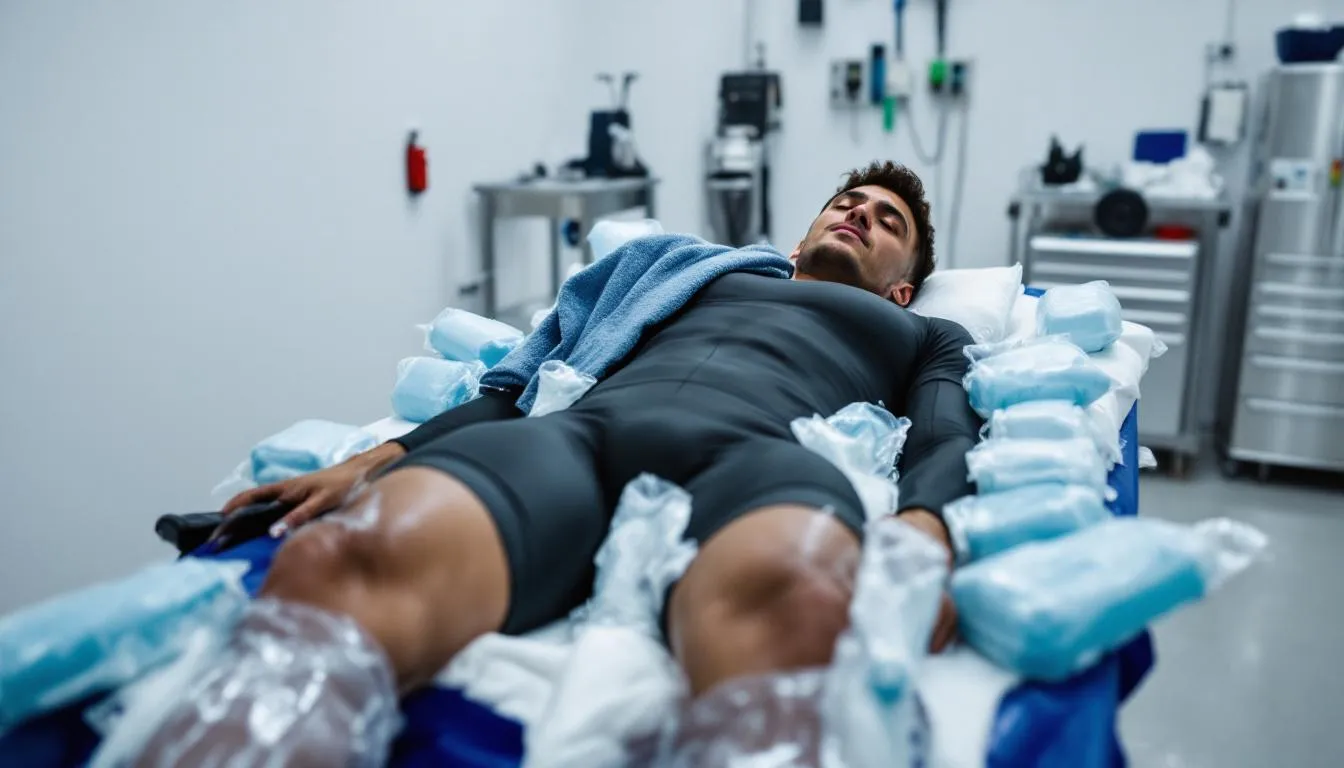
Ice baths and cryotherapy can help alleviate pain and soreness following intense workouts, reduce inflammation, and boost the immune system’s resilience. On the other hand, cryotherapy offers mood-enhancing effects and cognitive benefits due to the production of endorphins.
Understanding home cold plunge system benefits can further highlight how cold therapy supports recovery and overall wellness. While both methods offer benefits, the specifics of these health advantages can vary, as seen below.
How do Ice Baths and Cryotherapy Impact Muscle Recovery?
Exposure to the cold through ice baths and cryotherapy is highly effective for muscle recovery. Ice baths help reduce muscle soreness and improve mood, contributing positively to heart recovery following intense exercise. The cold water causes rapid blood vessel constriction, which can significantly lower inflammation and ease muscle soreness after exercise. Exploring cold plunge therapy health benefits further can help highlight how these methods support faster recovery and improved performance.
Cryotherapy offers similar benefits for muscle recovery. The extreme cold exposure leads to rapid constriction of blood vessels, reducing sore muscles and soreness following intense physical activity. Both methods are widely used in sports medicine for their effectiveness in reducing exercise-induced muscle damage and enhancing overall athletic performance, exercise recovery, and muscle recovery for the athlete.
How do Ice Baths and Cryotherapy Reduce Inflammation?
Cold exposure is effective in reducing inflammation and soreness after exercise, which can significantly aid recovery processes. Both ice baths and cryotherapy help lower inflammation, making them valuable tools for athletes and fitness enthusiasts. Combining cold therapy with home sauna use, alternating between extreme cold and heat, can further enhance recovery.
The cold constricts blood vessels and reduces swelling, while the sauna’s heat promotes circulation and nutrient delivery to muscles. This contrast therapy accelerates the removal of metabolic waste, reduces inflammation more effectively, and helps muscles recover faster, supporting overall performance and long-term physical health.
How Ice Baths and Cryotherapy Improve Mental Health and Mood
· Cold exposure can lead to the release of endorphins, which contribute to improved mood and a sense of well-being
· Regular exposure to cold water enhances mood and cognitive ability, boosting mental health
· Cryotherapy can improve mood and alertness
What Risks and Safety Considerations Should You Know?
Exposure to extreme cold from ice baths or cold plunge tubs can lead to serious health issues such as hypothermia and frostbite if not monitored properly. Other potential risks include rapid, uncontrolled breathing, which can lead to dizziness or fainting.
Improper application of cryotherapy can result in skin burns or nerve damage. Adhering to professional safety protocols and choosing a reputable commercial cold plunge tub wellness centre are crucial to ensure a safe and effective cryotherapy experience.
Practical Tips for Starting Cold Therapy
It is crucial to prepare both mentally and physically before beginning cold therapy by setting specific goals for the experience to make the process more manageable. For cryotherapy, starting with shorter sessions can help you assess your comfort and response. Follow these steps for a worthwhile ice bathing experience.
· Use a bathtub and begin with lukewarm water
· Gradually add ice to reach a temperature between 50-59°F
· Start with warmer temperatures before gradually cooling down to minimize shock
· Do not remain in the ice bath for more than 10 minutes to prevent adverse effects
· After exiting the ice bath, dry off, change into warm clothes, and allow your body temperature to gradually return to normal
Who Should Avoid Cold Therapy?
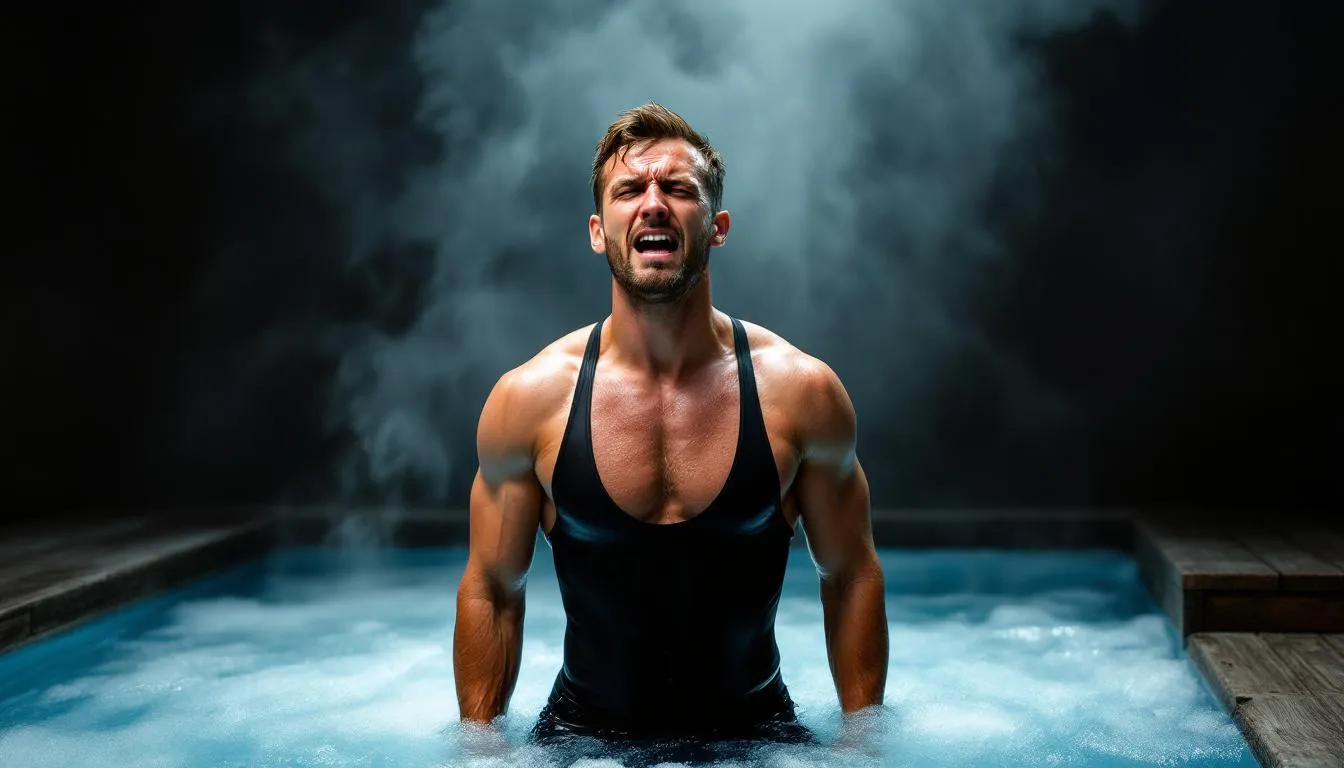
Individuals who should avoid it include:
· Those with heart conditions
· People with high blood pressure, as cold exposure may cause a dangerous rise in blood pressure
· Individuals with heart rhythm irregularities (arrhythmias), who could face exacerbated conditions when exposed to cold temperatures
· Those with neurological disorders, such as poorly managed epilepsy
· Individuals with cold hypersensitivity disorders like Raynaud’s syndrome, as they can experience severe reactions to cold exposure
· Those taking sedatives or muscle relaxants
Summary
Ice baths and cryotherapy offer unique benefits for muscle recovery, inflammation reduction, and mental health. Ice baths are more accessible and cost-effective, making them a popular choice for athletes and fitness enthusiasts. Cryotherapy, while requiring specialized facilities, provide rapid and intense benefits, particularly for mood and cognitive function. The right method depends on individual needs, preferences, and health conditions. By understanding the differences, potential benefits, and risks, you can make an informed decision about which cold therapy is right for you. Embrace the chill and unlock the potential of cold therapy to enhance your health and well-being.
Frequently Asked Questions
What are the main differences between ice baths and cryotherapy?
Ice baths require full immersion in cold water for 10-15 minutes, while cryotherapy involves exposure to extremely cold air in specialized chambers for only 2-4 minutes. Both methods aim to reduce inflammation and promote recovery, but they differ significantly in duration and application.
Can anyone try ice baths or cryotherapy?
Ice baths and cryotherapy are not suitable for everyone. People with heart conditions, high blood pressure, neurological disorders, or cold hypersensitivity should consult a healthcare provider before trying these therapies.
What are cold plunge benefits for muscle recovery?
Cold plunge benefits for muscle recovery include reducing muscle soreness, reducing inflammation, and speeding up recovery after intense workouts. Immersion in cold water constricts blood vessels, flushes out metabolic waste, and limits micro trauma to muscles. It also enhances circulation and can improve mood and energy levels, helping athletes recover faster and perform better in subsequent training sessions.
Are there risks associated with cryotherapy?
Yes, cryotherapy carries risks such as skin burns and nerve damage if not applied correctly. To mitigate these risks, it is essential to follow safety protocols and choose reputable facilities.
How can I start with ice baths?
To start with ice baths, begin with lukewarm water and gradually add ice until you reach 50-59°F, limiting your time in the bath to no more than 10 minutes. Afterward, dry off to help your body gradually return to normal temperature.