


What Your Cold Plunge Says About Your Personality: Discover the Ties Between Ice Baths and Traits
Curious what your cold plunge says about your personality? By choosing to dive into icy waters, you demonstrate traits like adventure, resilience, and a health-conscious mindset. Let’s uncover what your cold plunge truly reveals about you.
Key Takeaways
· Cold plunging reflects an adventurous spirit
· Regular cold plunging enhances mental fortitude and emotional resilience
· Consistency in cold water immersion is essential for maximizing physical and mental health benefits
The Adventurous Spirit
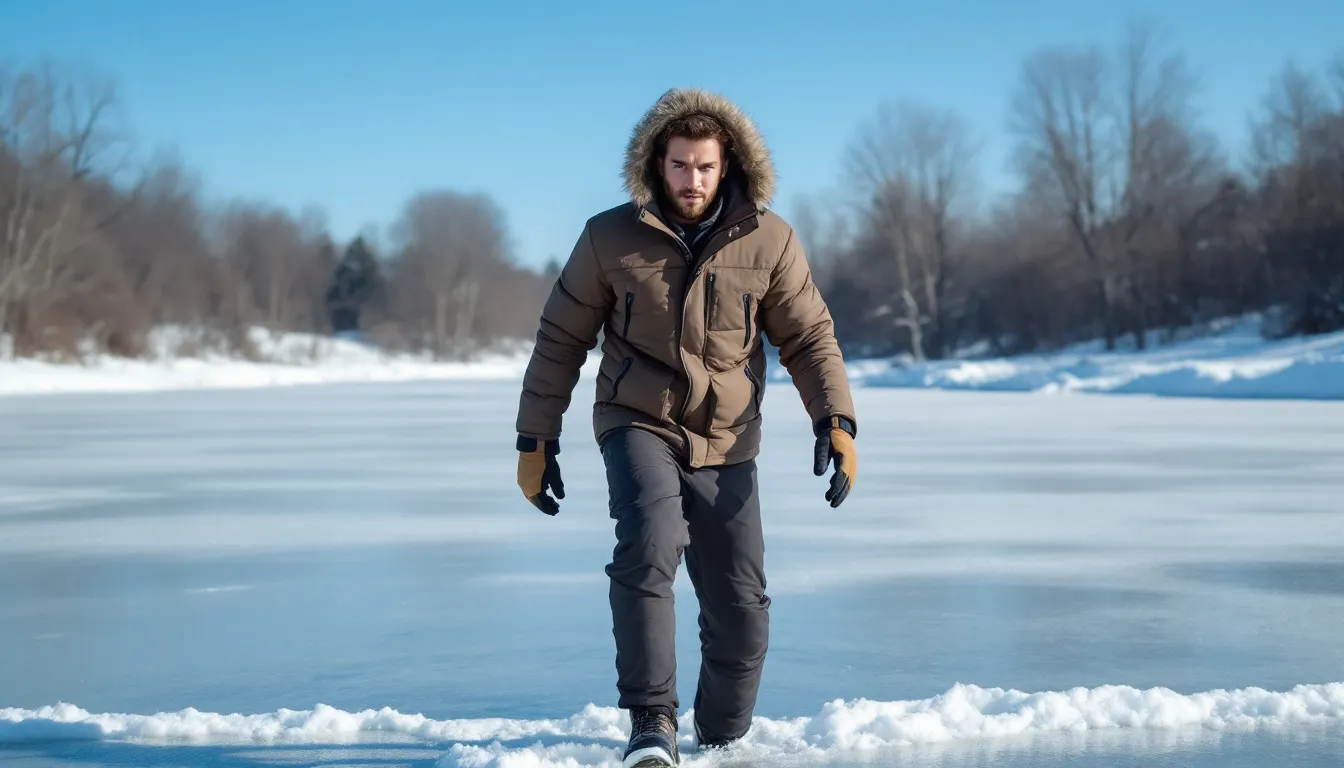
Immersing yourself in polar plunges, ice baths, and cold plunge tubs often mirrors a personality that thrives on challenges and novel experiences. The willingness to dive into ice cold water reveals an adventurous spirit, one that seeks the rush of adrenaline and the satisfaction of overcoming discomfort. Such individuals are not only curious but resilient, embracing the unknown with open arms.
Cold plunging reflects a desire for personal growth and exploration. It reveals how thrill-seeking behavior and embracing discomfort drive people to withstand uncomfortable temperatures.
Thrill-Seeking Behavior
For many, the act of using a cold plunge tub is a quest for adrenaline. The sharp, invigorating sensation of icy water against the skin provides an immediate thrill, akin to various extreme sports. Thrill-seekers may also be drawn to the invigorating experience of a cold bath, which offers a similar rush and challenge. This craving for intense experiences is a hallmark of thrill-seekers, who find joy in pushing their physical and mental limits.
Embracing Discomfort
Stepping into a cold plunge is a direct challenge to one’s comfort zone. The shock of cold water immersion forces the body to adapt quickly, triggering a several physiological responses. Full immersion in cold water activates the nervous system. The ability to withstand discomfort is a key characteristic of those who seek personal growth and adventure.
Regular cold plunge sessions enhance mental toughness, equipping individuals to better cope with life’s challenges. As the body adapts to the extreme temperatures, the initial shock of cold water immersion becomes less daunting, leading to increased resilience and adaptability through cold showers.
Cold plunging also offers tangible physical benefits, such as reducing inflammation and pain, promoting faster recovery from physical exertion, and alleviating symptoms of anxiety and depression. These advantages reinforce the value of enduring short-term discomfort for long-term gains.
Mental Fortitude and Resilience

Regular cold plunging is a commitment to developing mental strength and resilience. The discipline required to repeatedly immerse oneself in frigid water fosters a heightened sense of self-control and calmness. This mental fortitude is essential for overcoming various life challenges, from daily stressors to significant adversities.
Cold water immersion improves resilience to stress by lowering cortisol levels and enhancing stress response. Participants often experience substantial mood enhancement immediately after the plunge, reinforcing the mental health benefits of cold water swimming.
Building Emotional Resilience
Cold water immersion trains the body and mind to adapt to stress, enhancing overall emotional resilience through resistance training. Regular cold plunge tub users develop greater comfort through experiencing discomfort, improving their capacity to face challenges and handle stress effectively.
The cumulative effects of regular cold plunging can lead to less emotional reactivity, supporting long-term emotional regulation. The release of endorphins during cold immersion enhances mood and psychological well-being, contributing to a more balanced emotional state.
Stress Management Skills
Cold plunging reduces feelings of tension, anger, and depression, thereby calming the mind. The practice disrupts negative thought patterns, promoting a sense of calmness and mental clarity. Cold plunging can initially increase heart rate due to the cold shock response, but with regular practice, it helps regulate heart rate and improve stress management.
Cold water exposure lowers cortisol levels, contributing to a reduction in stress and anxiety. Enhanced neurotransmitter levels post-immersion improve energy, mood, and cognitive focus, reinforcing the mental health benefits of cold plunging.
Health-Conscious and Disciplined

Engaging in cold plunges demonstrates a commitment to a health-focused lifestyle. Those who incorporate cold water immersion into their routines are often highly disciplined, prioritizing their overall health and well-being. This practice aligns with a broader trend of health-conscious living, where individuals seek activities that offer the benefit of physical and mental improvements.
Cold plunging requires consistency and dedication, extending beyond just a fleeting health trend. Many health-conscious individuals invest in cold tubs for convenient at-home cold water immersion. Awareness of health benefits and maintaining a regular routine is crucial to maximize the positive effects of cold water immersion.
Health Benefits Awareness
Cold plunging offers numerous health benefits, including:
· Improved blood pressure
· Improved insulin sensitivity
· Decreased inflammation
· Enhanced immunity
· High blood pressure
Medical professionals generally agree that cold therapy offers significant physical, mental, and functional benefits. It reduces inflammation and soreness, making it beneficial for recovery after exercise. Further, cold exposure minimizes muscle damage and swelling, supporting quicker recovery and restoring performance, which leads to less inflammation. While cold plunging can help alleviate everyday pains and aches, it should not be used for serious injuries such as fractures or torn ligaments.
Consistency and Routine
To maximize the benefits of cold plunging, engage in this practice consistently, ideally two to four times weekly. This schedule fosters a disciplined lifestyle and promotes long-term health benefits.
Consider joining a community of Cold plunge enthusiasts. These communities often provide the motivation and encouragement needed to maintain remain accountable and stay committed to their wellness journeys.
Community and Social Connection
Cold plunging fosters a unique sense of community, as participants come together to share this invigorating experience. Engaging in group cold plunge sessions creates a supportive environment that encourages connection among participants, enhancing social bonds. The shared challenges of cold plunging provide opportunities for deeper relationships and mutual support.
Mindfulness and Presence

Cold plunging offers mental health benefits, including improved mood, enhanced mindfulness, increased dopamine, and decreased cortisol levels. The practice focuses on breathing and present sensations, promoting a mindful state and reducing anxiety. Taking a cold shower can also promote mindfulness and presence in a similar way, making it a practical alternative for those seeking the benefits of cold exposure without the extreme temperatures.
Interrupting Anxious Thoughts
Cold plunges interrupt anxious thoughts and emotional spirals, offering an immediate mental shift. The shock of icy water forces the brain to focus on the present moment, effectively breaking the cycle of negative thinking. This focus on breathing and bodily sensations helps reduce anxiety and promotes a sense of calmness.
Enhancing Focus
Cold water immersion improves cognitive function and mood, offering an almost instant boost in mental clarity. It snaps the brain into focus, enhancing one’s ability to concentrate on tasks and stay present in the moment. By reducing inflammation and promoting mental alertness, cold plunging supports a sharper, more focused mind. This enhanced focus translates to better performance in everyday life, making cold plunging a valuable tool for mental and physical wellness.
Safety and Precautions
While cold plunging offers numerous benefits, safety and recognizing potential risks are crucial. The recommended temperature range for cold water immersion is 10-15°C (50-60°F), and core temperature safety precautions are essential to prevent accidents and health risks. Individuals with underlying heart conditions may be at risk of a heart attack due to the cold shock response.
Recognizing risks such as hypothermia and cold shock response, as well as adopting safe practices for cold plunging, ensures a safe experience. Extreme cold exposure can trigger heart attack, especially in those with cardiovascular issues. However, cold water immersion triggers physiological responses to protect vital organs such as the heart and brain.
For example, during a cold plunge session the body works to conserve body heat to maintain core temperature. It is important to focus on heat retention, as losing too much heat can lead to hypothermia. Always have warm clothing available after a cold plunge to prevent hypothermia and aid recovery.
Summary
Cold plunging is not just a test of physical endurance. It reveals a deeper aspect of one’s personality. From thrill-seekers and health enthusiasts to community builders and mindfulness advocates, each plunge into icy water reflects a unique set of traits and values.
By understanding what cold plunging says about your personality, you can gain insights into your own strengths and areas for growth. Embrace the journey, and let the icy waters guide you toward greater resilience, mindfulness, and community connection.
Reach out today and find out more from our Cold plunge experts.
Frequently Asked Questions
What are the main health benefits of cold plunging?
Cold plunging can enhance your health by improving blood flow, reducing inflammation, and boosting your immune system, while also promoting better mental health by alleviating anxiety and enhancing mood.
How often should I engage in cold plunging to see benefits?
To see benefits consider engaging in the practice two to four times a week. Consistency is key to maximizing its positive effects on health.
What safety precautions should I take when cold plunging?
To ensure your safety during cold plunging, limit your time in the cold to three to five minutes, avoid temperatures below 40°F, and never do it alone.
How does cold plunging help with stress management?
Cold plunging aids stress management by lowering cortisol levels and disrupting negative thought patterns, which promotes calmness and enhances mood. Incorporating this practice can lead to improved focus and overall mental well-being.
Can anyone start cold plunging?
Yes. Anyone can start cold plunging, but those with pre-existing health conditions, like heart issues or hypertension, should consult a healthcare professional first. It's important to listen to your body and acclimate gradually.