


How Cold Immersion and Moving Meditation Boost Well-being
Cold water immersion paired with moving meditation enhances well-being by sharpening focus, reducing stress, and grounding you in the present moment. The cold activates your body’s alertness while mindful movement calms your mind, creating a balanced state of clarity and resilience. Over time, this practice can help improve mood, build emotional resilience, and support overall mental and physical well-being. This article will explain the science behind this practice, its benefits, and how you can incorporate it into your routine.
Key Takeaways
· Cold water immersion, combined with moving meditation, enhances mental clarity, focus, and emotional resilience
· Physiological responses to cold exposure, including hormonal changes and increased metabolic rates, contribute positively to physical health and mental clarity
· Practicing cold water immersion requires safety precautions, gradual acclimatization, and mindful breathing techniques to maximize the benefits while minimizing risks
What is the Science Behind Cold Water Immersion?

Diving into a cold plunge tub for home triggers a phenomenon known as the cold shock response. This immediate reaction involves rapid changes in:
· Heart rate
· Breathing
· Blood pressure
These changes can be startling and even dangerous if not managed properly. However, when the body adapts, it initiate the following physiological adjustments to help the body prepare or the cold.
· Muscles contract
· Breathing becomes more controlled
· Blood circulation intensifies
Cold exposure also brings about significant hormonal and metabolic changes. For example, it reduces levels of stress hormones like cortisol and plasma renin, while increasing norepinephrine and dopamine levels, which can enhance mood and alertness.
Additionally, cold water immersion can boost metabolic rate by up to 350%, aiding weight management and overall energy levels. These physiological responses not only improve physical health but also contribute positively to mental well-being, making cold water immersion a holistic approach to health.
What are the Benefits of Moving Meditation in Cold Water?
Integrating cold water immersion with moving meditation at home or in a commercial cold plunge tub wellness centre offers the following benefits:
· Enhanced Mental Focus
Cold water immersion is a powerful tool for sharpening mental focus and enhancing focus. It works by:
· Forcing the mind to stay fully present through the intense sensation of cold water, eliminating distractions, and promoting a heightened state of awareness
· Combining with specific breath control techniques like paced breathing to further enhance mental clarity and mental resilience
· Experimenting with varying temperatures and durations during cold plunge sessions to promote better adaptation and mental resilience
Breath control during cold exposure plays a critical role in maintaining focus. Techniques such as deep diaphragmatic breathing help in managing the discomfort of the cold, allowing the mind to stay centered and engaged. The combination of breath controls and acclimatization through deliberate cold exposure significantly enhances mental clarity, making it an effective practice for those seeking to improve their mental focus and mindfulness.
· Stress Reduction
Cold exposure has been shown to effectively lower cortisol levels, the key hormone involved in the body’s stress response, thus contributing to significant stress reduction. One of the key home cold plunge system benefits is the ability to pair cold exposure with controlled breathing, which amplifies relaxation effects and makes stress easier to manage. Techniques like box breathing and 4-7-8 breathing help regulate physiological responses during cold water immersion, promoting a state of calmness and relaxation.
Tailoring the duration and frequency of cold exposure is crucial for optimizing personal comfort. Adjusting immersion duration can enhance benefits such as mood improvement and stress relief without overwhelming the body. By combining breath control methods with cold water therapy, practitioners can achieve a significant reduction in psychological stress and enjoy the health benefits that come with enhanced mental clarity and relaxation.
· Improved Emotional Control
Engaging in cold water immersion can significantly enhance emotional control. Participants in various studies have reported feelings of increased pride and inspiration after their cold water sessions, indicating improved emotional resilience. Maintaining a journal can help individuals document their emotional and mental state before and after cold water immersion, enhancing self-awareness and tracking personal growth.
Keeping a journal helps you note down valuable insights on the emotional and mental changes resulting from cold plunging practices. Reflecting on these experiences helps practitioners to understand their emotional responses and develop strategies for managing their emotions more effectively. This practice not only fosters emotional control but also contributes to overall mental well-being and resilience.
Additionally, moving meditation in cold plunge tubs enhances emotional resilience, helping individuals manage their emotions more effectively in difficult situations.
How to Practice Moving Meditation in Cold Water
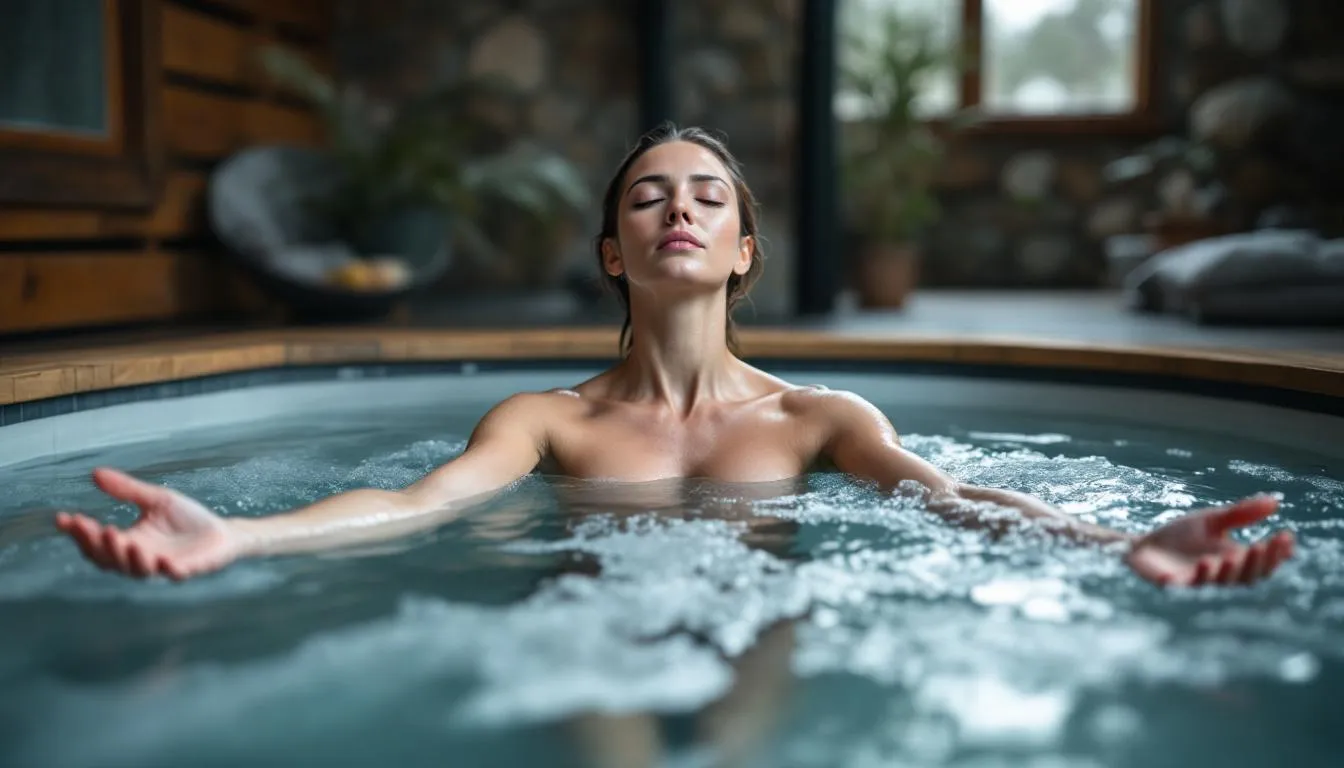
Practicing moving meditation in a cold plunge tub involves several key steps to ensure safety and effectiveness. A gradual introduction to cold water, starting from warm temperatures, helps in reducing aversion and increasing comfort over time.
After the initial shock of cold-water immersion, the calming benefits begin to take effect. This highlights the significance of the acclimatization process. Following the steps below allows you to integrate cold water immersion with moving meditation into your routine, reaping mental and physical benefits.
· Step 1: Preparing Your Environment
Creating a quiet and comfortable environment is crucial for maintaining focus during cold water meditation. Make sure you have a shower or cold plunge tub available. Alternatively, you can use a basin filled with ice-cold water for your cold therapy. This setup allows you to immerse yourself in the practice without distractions, enhancing your meditation experience.
Recognizing that the initial shock from cold water can induce involuntary gasping, posing a drowning risk if water is inhaled, is crucial. So, setting up a safe environment with easy access to cold water sources and ensuring you are prepared for the initial reaction can help you mitigate these risks and facilitate a more effective meditation practice.
· Step 2: Gradual Acclimatization
Starting with short initial exposures to cold water is recommended to help the body adapt without overwhelming stress. The recommended duration for initial cold exposure to overcome the cold shock response is two to three minutes. Gradually increasing the exposure time allows the body to adapt and build tolerance to the cold.
Taking a daily cold showers is an effective method for acclimatizing to cold water. This routine helps reduce the initial shock response over time, making the experience more comfortable and enjoyable.
A key aspect of developing a cold water practice year round is becoming comfortable in the cold for a short while, which prepares the body for longer and more intense sessions at cold temperature.
· Step 3: Integrating Movement and Breath
Mindful breathing during cold water immersion can help manage discomfort and enhance the overall experience. Practicing deep diaphragmatic breathing during cold exposure can improve lung capacity and increase oxygen intake, making the practice more effective and enjoyable. This type of breathing helps enhance relaxation responses and improve oxygenation during exposure to cold temperatures.
Integrating movement with breath control can deepen the meditative state and allow practitioners to better adapt to cold water. Focusing on deep diaphragmatic breathing helps manage initial discomfort during immersion and enhances the benefits of meditation practice.
How to Combine Cold Water Immersion With Breathing Exercises
Combining cold water immersion with breathing exercises creates a synergy that promotes better well-being and resilience against stress. Cold water immersion can enhance mood by increasing levels of endorphins and norepinephrine, which help to improve mental health and reduce stress.
Breathwork during cold water immersion not only amplifies mental health benefits but also boosts immune system functioning, leading to enhanced overall well-being. Together, these practices can significantly improve mental clarity and emotional health.
· Deep Diaphragmatic Breathing
Deep diaphragmatic breathing is a key technique that enhances relaxation and oxygenation during cold water immersion. Utilizing this technique during cold water immersion not only enhances oxygenation but also facilitates relaxation, improving overall well-being. Techniques such as the Wim Hof Method and alternate nostril breathing can also be integrated into meditation practices during cold therapy for added benefits.
By focusing on deep diaphragmatic breathing, you can enhance the effects of cold water immersion, making the experience more beneficial and enjoyable. This practice supports relaxation and helps manage the physical and mental challenges associated with cold exposure, contributing to a more effective meditation practice.
What Breath Control Techniques Should you Adopt?
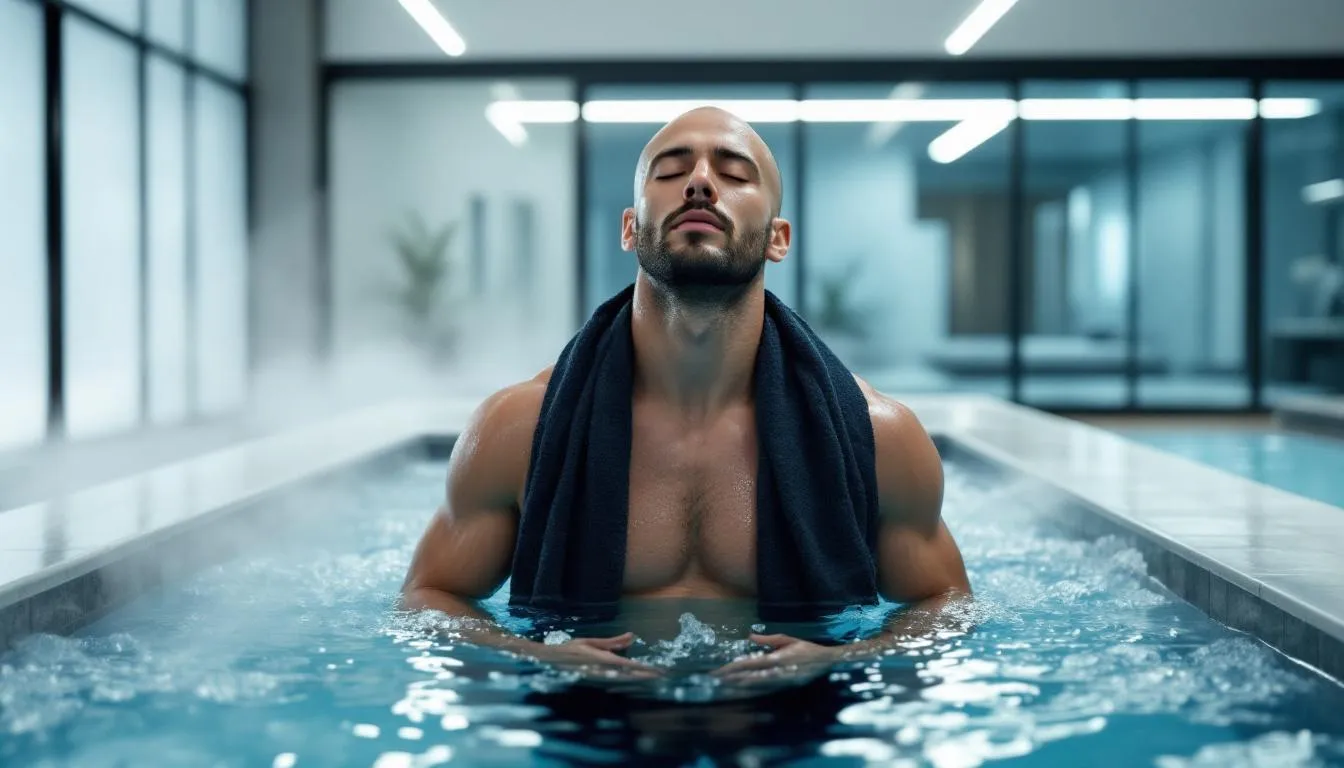
Breath control is vital for enhancing focus and relaxation during meditation practices, especially in cold water settings. Deep diaphragmatic breathing helps maximize oxygen intake, which is crucial during cold water immersion for maintaining calmness and enhancing mental clarity. Techniques like paced breathing and box breathing can help manage the body’s response to cold exposure, making the experience more controlled and enjoyable. When practicing these techniques, it is essential to breathe deeply and steadily.
Integrating mindful movement with breath control can deepen the meditative state, allowing practitioners to better adapt to cold water. The combination of breath control techniques and cold water exposure leads to enhanced mental clarity and overall well-being, providing a holistic approach to managing stress and improving mental resilience.
How to Maintain Safety During Cold Water Immersion
Safety is paramount when practicing cold water immersion. Wearing a life jacket enhances survival chances during immersion, especially for beginners. Physical incapacitation can occur within seconds of entering cold water, impairing the ability to swim or stay afloat.
Recognizing signs of discomfort, such as shivering or dizziness, is crucial for safe cold immersion practice. Follow these safety guidelines will help you enjoy the benefits of cold water therapy without unnecessary risks.
· Listen to Your Body
Listening to your body during cold therapy is vital for ensuring safe practice and recognizing when to stop. Being attuned to your body’s responses, such as shivering, numbness, or dizziness, helps prevent potential risks associated with cold exposure. For first-time practitioners, seeking guidance from an experienced, qualified, and insured practitioner can provide valuable support and ensure safety.
· Consult your Healthcare Provider
Consulting a healthcare professional before engaging in a cold therapy regimen, especially for individuals with pre-existing conditions, is crucial. Those with cardiovascular issues, in particular, should exercise caution and seek medical advice before adopting cold plunges. Seeking medical approval ensures that you can safely enjoy the health benefits of cold water immersion without compromising your well-being.
· Reflect on Your Practice
Reflecting on your cold water immersion experience can help optimize mental clarity and overall wellness. Regular reflection enhances your understanding of the emotional and mental shifts experienced during cold immersion, allowing you to adjust your practice for
Adjust Your Routine
Personal comfort and prior experiences should guide adjustments in the duration and intensity of cold water immersion or home sauna use. Modifying the intensity and duration based on your individual comfort and response to cold exposure can lead to optimal personal experiences and outcomes.
Summary
Combining cold water immersion with moving meditation offers a unique and powerful approach to enhancing mental clarity, reducing stress, and improving emotional control. By understanding the science behind cold water immersion and following practical steps to integrate this practice safely, you can experience significant benefits for your mental and physical health.
As you embark on this journey, remember to listen to your body, consult healthcare providers when necessary, and reflect on your experience to optimize your practice. This holistic approach can transform your mental and emotional well-being, providing a refreshing and invigorating way to achieve mindfulness and resilience. Dive in, embrace the cold, and discover the profound benefits of this extraordinary practice.
Frequently Asked Questions
Is cold water immersion safe for everyone?
Cold water immersion is generally safe for most individuals. However, it is crucial to consult with a healthcare professional if you have any pre-existing conditions or cardiovascular concerns.
How should I start practicing cold water immersion?
To begin practicing cold water immersion, start with short exposures of two to three minutes and gradually increase the duration. Incorporating daily cold showers can effectively acclimatize your body to the experience.
What are the benefits of combining cold water immersion with moving meditation?
Combining cold water immersion with moving meditation enhances mental clarity and reduces stress, leading to improved emotional control and overall well-being.
What are some effective breathing techniques for cold water immersion?
Effective breathing techniques for cold water immersion include deep diaphragmatic breathing, the Wim Hof Method, and alternate nostril breathing, all of which promote relaxation and oxygenation.
How can I ensure my safety while practicing cold water immersion?
To ensure safety while practicing cold water immersion, create a secure environment, pay attention to your body's signals, and consider wearing a life jacket.