


How to Build Connection Without Words in Sauna Silence
Building connection without words in sauna silence works because shared heat, stillness, and non-verbal cues create immediate trust and presence. In a sauna, people naturally synchronize breathing, drop social barriers, and become more aware of each other’s comfort, rhythm, and energy. This environment promotes calm openness, allowing genuine bonding without conversation. Silent sauna practice strengthens relationships through mutual respect, shared vulnerability, and focused attention on the moment rather than spoken interaction. This article will help you understand how to leverage sauna silence to build connection.
Key Takeaways
- Shared silence in saunas creates deeper connection through presence, breath, and respect
- Heat and a closed space lowers social barriers, helping people relax and bond naturally
- Finnish sauna culture shows how silence builds trust and equality among everyone
- Non-verbal cues, such as, breathing, posture, and eye contact become the main language of connection in a sauna
- Regular silent sauna sessions strengthen relationships through shared calm and vulnerability
What is the Psychology of Silent Connection?
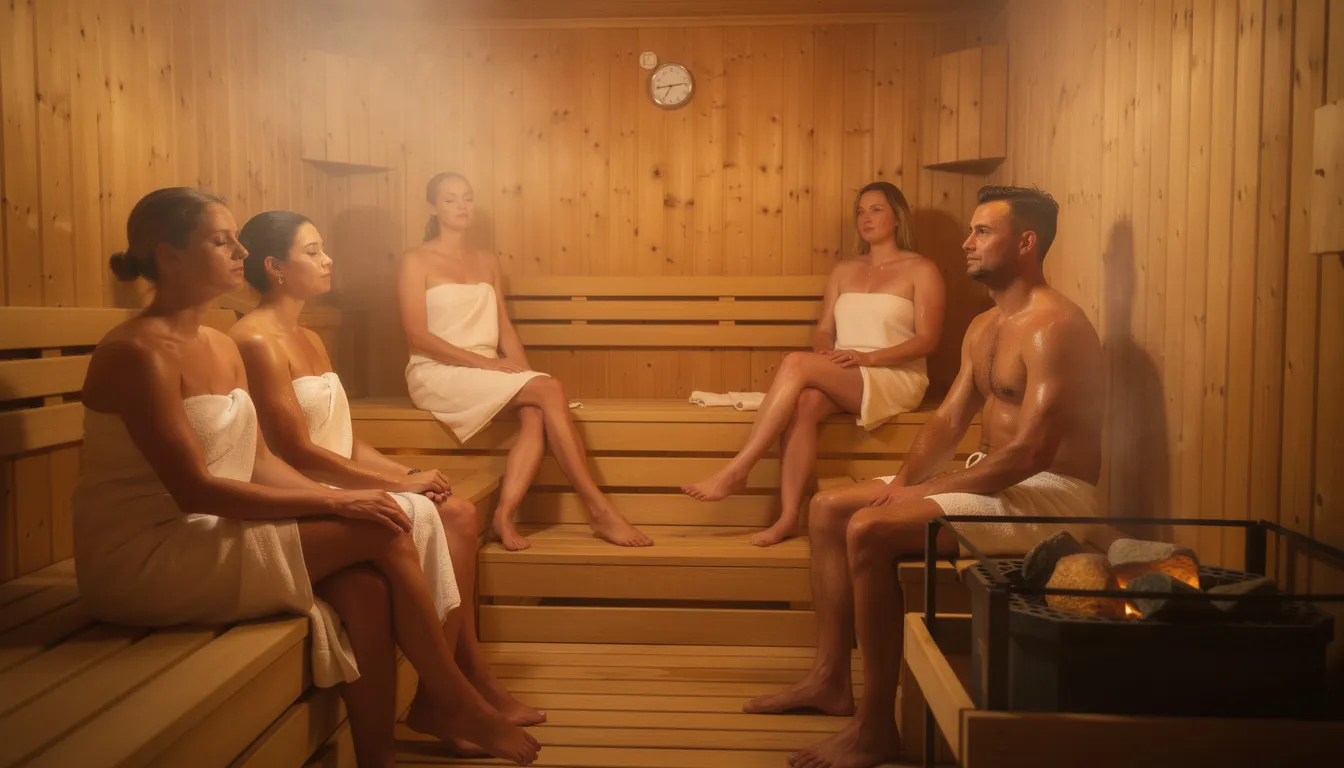
When you remove words from human interaction, something remarkable happens to the brain and body. In the unique environment of communal home sauna wellness units, silence removes social masks and reveals authentic selves through shared vulnerability. The physical demands of intense heat create a state where maintaining artificial personas becomes impossible, forcing individuals into genuine presence.
Research on mirror neurons reveals how synchronized experiences create unconscious bonding between individuals. In sauna silence, breathing patterns naturally synchronize as people adapt to the heat together. This biological harmony fosters connection at a primal level, where bodies communicate what words often fail to express. The shared physical discomfort becomes a foundation for trust and camaraderie that transcends cultural and linguistic barriers.
The absence of words forces deeper awareness of body language and energy. Without verbal communication to rely on, participants develop heightened sensitivity to subtle cues - the quality of another person’s breathing, shifts in posture that signal comfort or distress, and the presence or absence of physical tension. This enhanced awareness creates opportunities for wordless care and consideration that often surprise those new to silent sauna practices.
During sauna time, the stress of daily life melts away along with physical tension. Lower cortisol levels naturally occur as the heat promotes relaxation, creating an optimal state for human bonding. This neurological shift allows people to connect from a place of calm presence rather than anxious social performance.
How Does Silence Shape Finnish Sauna Tradition?
Finnish sauna culture treats silence as a central part of the experience, shaping how people interact and connect in the heat. In traditional settings, quiet is expected from the moment someone enters, reinforcing the idea that the sauna is a space for presence rather than conversation. The concept of “löyly,” the steam created when water meets hot stones, marks shared moments that rely entirely on awareness and mutual respect instead of speech.
The well-known saying “Saunassa ollaan kuin kirkossa” (“In sauna, behave as in church”) reflects this cultural norm and underscores the importance of maintaining calm, steady focus. Silence also removes social hierarchy. Regardless of background, everyone shares the same conditions of heat, sweat, and vulnerability. This equalizing environment encourages people to pay attention to subtle cues such as posture, breathing, and comfort levels.
Finnish sauna silence is not passive but intentional, allowing meaningful connection to emerge through quiet observation and shared physical experience. These traditions continue to guide modern weatherproof outdoor infrared sauna practice.
How Modern Finnish Public Saunas Use Silence for Connection
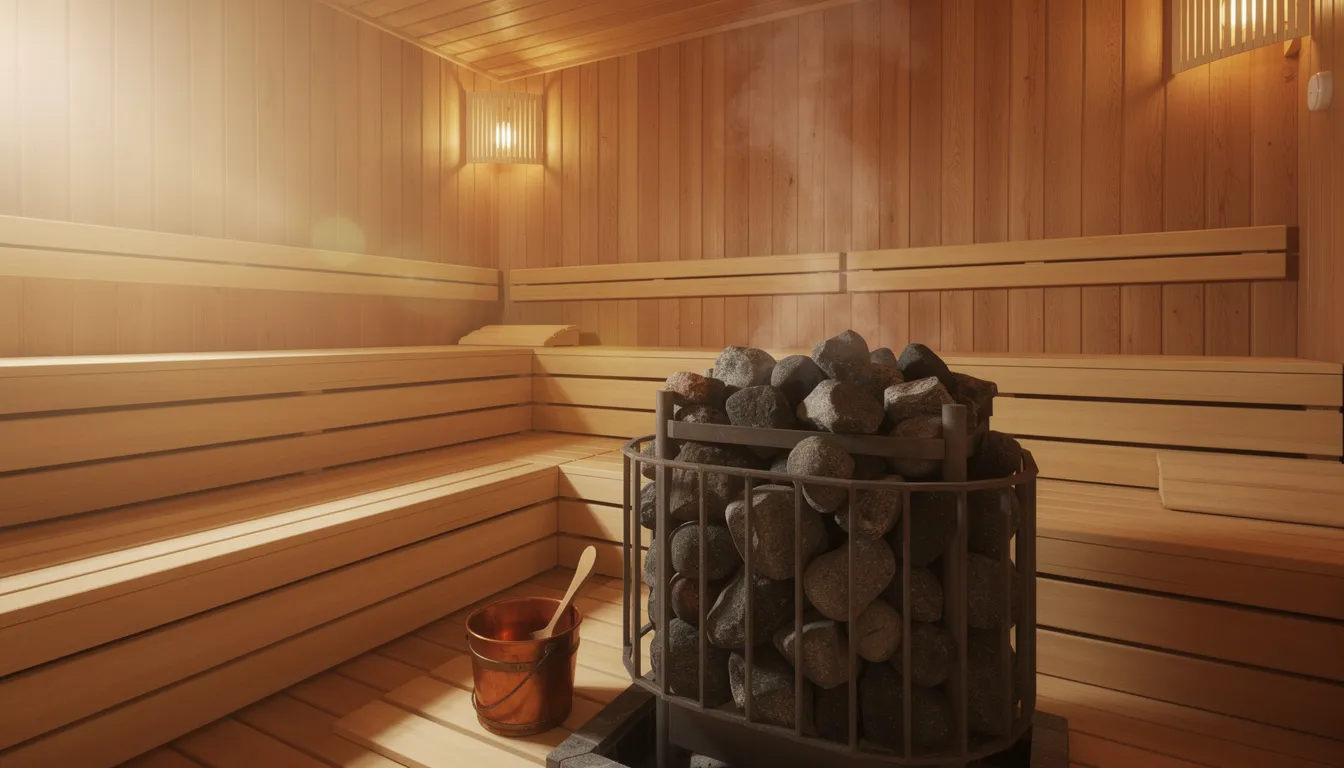
Modern Finnish public saunas like Helsinki’s Löyly and Allas Sea Pool show how silence guides interaction among strangers. Unspoken norms such as a brief nod when entering, quiet adjustment of seating, and shared stillness during löyly maintain a calm environment and allow people to connect without interrupting others’ focus.
Finnish business culture also uses silent luxury home sauna sessions to build relationships. Professionals meet in the heat, where silence removes formal roles and encourages straightforward, human-level connection that often leads to stronger cooperation outside the sauna.
These practices offer practical health benefits as well. Regular participants report better circulation, reduced stress, and clearer mental focus, all supported by the combination of heat and collective quiet. In modern settings, silence remains an efficient and respectful way to support both personal well-being and meaningful connection.
How Is Non-Verbal Communication Practiced in Sauna Settings?
In silent the best infrared sauna settings, non-verbal cues guide nearly all interaction. Body language becomes the clearest signal. Relaxed posture shows openness, while tense positioning indicates a need for personal space. Regular sauna users quickly learn to read these differences and adjust their behavior to respect others’ comfort.
Breathing patterns often synchronize naturally as people adapt to the same heat. This shared rhythm creates quiet coordination and a sense of connection without intentional effort. It helps participants sense whether others are calm, uncomfortable, or ready for a break.
Eye contact is used sparingly but deliberately. A brief look when entering the best infrared sauna for home acknowledges others without interrupting their focus. Occasional, gentle eye contact during the session can confirm that everyone is comfortable while maintaining the quiet atmosphere.
Pouring water on the stones, creating löyly is another key form of non-verbal communication. The person adding steam signals responsibility for the group’s experience by observing others’ reactions and adjusting the intensity accordingly. This simple action shows awareness and consideration without needing to speak. Together, these cues create an efficient, respectful communication system that supports connection while preserving silence.
How to Create Wordless Rituals
Establishing outdoor infrared sauna entering and exiting ceremonies honors the shared space and creates structure for silent connection. These might include pausing just a moment after closing the door to adjust to the heat, arranging towels mindfully to respect others’ space, or taking three deep breaths before settling into position.
Gentle movements and stretches serve as silent communication of comfort and openness to the shared experience. These small actions signal to others that someone is settled and present, rather than anxious or uncomfortable. The quality of movement, rushed versus relaxed communicates one’s internal state to fellow sauna users.
Timing löyly pours to enhance collective experience requires reading the room and understanding others’ comfort levels. A skilled practitioner waits for natural pauses, observes breathing patterns, and creates steam that serves the group rather than personal preference. This consideration becomes a powerful tool for building trust and demonstrating care.
Sharing towels, offering a water bucket, or making space for newcomers represents acts of unspoken kindness that build community. These gestures require no words but communicate volumes about respect, generosity, and recognition of shared humanity.
How to Build Trust Through Shared Vulnerability

Physical exposure and intense heat create emotional openness that doesn’t require verbal processing. In communal saunas, the vulnerability of minimal clothing and visible sweating breaks down normal social barriers. This shared state of exposure, both physical and emotional, creates conditions where authentic connection can flourish without the usual social scripts and defenses.
The scientific explanation involves oxytocin release during shared physical experiences. This bonding hormone increases naturally when people undergo stress or vulnerability together, creating neurochemical conditions for trust and attachment. The sauna environment amplifies this effect through heat stress that affects all participants equally.
Cultural and linguistic barriers dissolve in the universal human experience of heat and sweat. Regardless of background, language, or social status, everyone in the sauna faces the same physical demands. This equalizing effect allows strangers to connect on a fundamental human level that transcends typical social divisions.
Case studies from international business settings reveal how relationships formed in silent sauna sessions often prove more durable and authentic than those built through conventional networking. The absence of verbal performance and professional posturing allows people to meet each other as humans first, creating foundations for trust that withstand professional pressures and conflicts.
The power of this vulnerability lies not in dramatic revelation but in simple shared presence. Sitting quietly together while bodies adapt to heat creates bonds that feel both profound and natural.
What Etiquette Supports Silent Connection in Saunas?
Silent sauna etiquette focuses on minimizing disruption and respecting shared space. Entering the best outdoor infrared sauna quietly and closing the door gently helps maintain the calm environment. Once inside, people take available space without crowding, place towels neatly, and settle in without abrupt movement or noise.
Awareness of the room is essential. Some groups prefer complete silence, while others allow light acknowledgment through brief eye contact or steady shared breathing. Noticing these preferences ensures everyone can relax without feeling pressured to interact.
Breathing should remain natural and unobtrusive. Avoiding loud sighs, sharp inhales, or exaggerated breathing prevents drawing attention and keeps the collective atmosphere steady. Exiting follows the same principles as entering. Move quietly, avoid sudden noise, and close the door gently. A small gesture, such as a nod, can acknowledge the shared session without breaking the silence.
These guidelines create a respectful environment where people can connect through presence rather than conversation, allowing silent sauna sessions to remain peaceful and comfortable for everyone.
How Should Mixed Groups Approach Silent Sauna Connection?
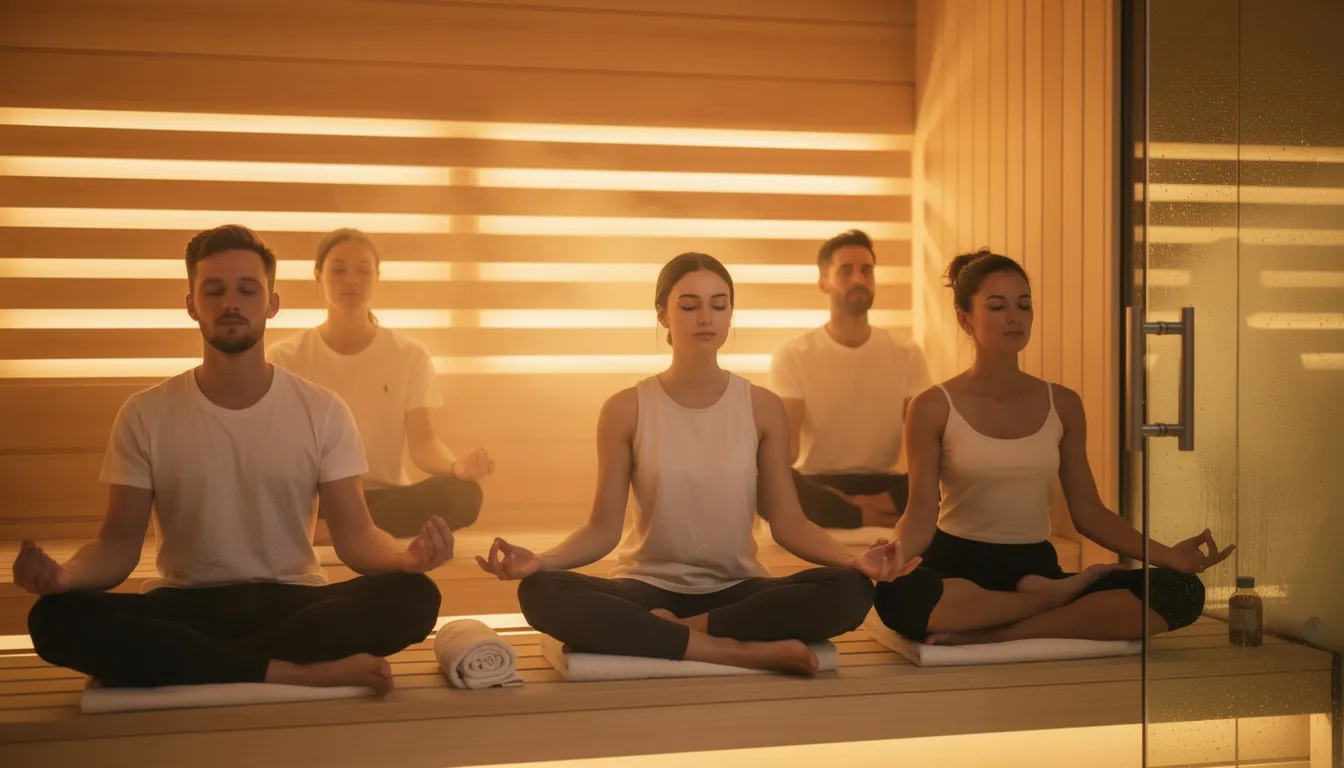
Silent connection in gender-mixed public saunas relies on clear boundaries and respectful non-verbal cues. Eye contact stays brief, distance is maintained, and gestures like adjusting steam are done with everyone’s comfort in mind.
Intergenerational groups benefit from simple, age-appropriate interaction. Shared silence often creates mutual respect between younger and older participants without requiring conversation. Cultural awareness is important when saunas include international visitors. People may differ in their comfort with silence, personal space, or non-verbal cues.
Observing reactions and adjusting behavior ensures interactions remain comfortable. Groups also need to recognize varying comfort levels with silence. Some participants prefer long periods of quiet, while others may need shorter intervals. Establishing natural break points and paying attention to individual cues helps meet everyone’s needs. These practices create an environment where diverse groups can maintain boundaries, respect differences, and still form meaningful silent connections.
How Do Different Cultures Practice Silent Sauna Traditions?
Russian banya traditions include quiet breaks between heat sessions, giving participants time to recover and reconnect through shared stillness. These pauses strengthen group cohesion and support physical recovery.
Japanese sentō customs emphasize calm presence and respect for shared space. Silence is treated as part of communal mindfulness, turning the sauna experience into a focused, collective practice.
Native American sweat lodge traditions view heat and steam as sacred, making silence a form of respect for both the environment and the group. This approach influences modern sauna culture by highlighting silence as intentional connection rather than inactivity.
German and Scandinavian wellness centers formalize silent sauna practices through structured guidelines, designated quiet hours, and optional meditation sessions to maintain a consistent atmosphere.
Across cultures, these approaches show that silence supports connection by creating clarity, respect, and shared focus in the heat. Together, they form a global framework for building meaningful relationships without words.
Each tradition contributes unique understanding of how silence serves human connection, creating a rich global tapestry of practices for building meaningful relationships without words.
How Does Science Explain Wordless Bonding in Saunas?
Research shows that silent shared experiences activate key brain regions involved in empathy and social understanding. When people sit together in an outdoor full-spectrum infrared sauna, their brains respond to the environment in similar ways, creating a foundation for non-verbal connection. Studies comparing silent and conversational groups show that silence triggers stronger activation in areas linked to emotional awareness.
Hormonal responses also support wordless bonding. Silent sauna sessions are associated with lower cortisol levels and increased oxytocin, a hormone tied to trust and social bonding. These shifts help reduce anxiety and make people more receptive to others without relying on verbal communication.
Finnish studies have found that people in silent sauna sessions often develop matching heart rhythms without trying. This alignment correlates with participants’ reports of feeling more connected to each other. The parasympathetic nervous system also plays a role. While heat briefly activates the body’s stress response, regular sauna use strengthens the calming rebound that follows. This state of relaxed focus makes it easier to read subtle cues such as posture and breathing.
Together, these neurological, hormonal, and physiological responses explain why silent sauna connections can feel stronger and more natural than those formed through conversation alone.
How to Create Silent Sauna Experiences
Designing home sauna spaces that encourage wordless connection requires attention to elements that support peaceful interaction. This includes seating arrangements that allow comfortable eye contact without forcing it, adequate space for personal comfort while enabling shared experience, and storage for towels and water bucket that maintains the contemplative atmosphere.
Lighting choices significantly impact the potential for silent connection. Dim amber LEDs create warm, meditative atmosphere without harsh shadows, while strategically placed candles can enhance the sense of sacred space. The goal is illumination that allows participants to see each other clearly enough for non-verbal communication while maintaining the intimate, peaceful quality essential to authentic bonding.
Optimal temperature ranges between 80-90°C provide sufficient heat stress to facilitate the vulnerability and physiological changes that support connection, while remaining comfortable enough for extended silent sessions. Humidity levels should allow comfortable breathing while creating the enveloping warmth that encourages relaxation and presence.
Duration guidelines suggest 15-20 minute silent periods with natural break intervals to prevent fatigue from undermining the bonding experience. These timeframes allow bodies to adapt to heat together while avoiding the discomfort that can create tension rather than connection.
How to Organize Group Silent Sauna Sessions
Organizing silent sauna evenings works best with 4-6 participants maximum to maintain intimate atmosphere while providing enough social energy for meaningful connection. Larger groups can fragment into separate conversations or create pressure that undermines the peaceful silence essential for authentic bonding.
Pre-session agreements on the duration of silence and break signals help participants feel secure in the experience while knowing they can communicate needs if necessary. Simple hand signals for “too hot,” “need water,” or “ready for break” maintain safety while preserving the non-verbal atmosphere.
Post-sauna reflection practices honor the wordless connection experience and help integrate insights gained through silent bonding. This might include journaling about the experience, sharing brief thoughts about what emerged during silence, or simply taking time to appreciate the connections formed without words.
Incorporating meditation bells or nature sounds can mark session phases without disrupting the peaceful atmosphere. These audio cues help structure the experience while maintaining the sacred quality of silence that enables deep human connection.
What are the Benefits of Silent Sauna Connection?
Silent sauna sessions offer clear advantages over conversational ones. Research shows up to 40% greater stress reduction in silent groups because attention remains on managing heat and relaxation instead of talking. This allows the body’s stress-response systems to shift more effectively into recovery mode.
Silence also reduces social pressure. Without the need to speak, participants often experience relief from performance anxiety. This ease can carry into daily life, helping people interact with more confidence and authenticity by showing that connection does not depend on finding the right words.
Mindfulness skills improve as well. In silence, people become more aware of posture, breathing, and emotional signals. This heightened attention supports better communication outside the sauna, making it easier to interpret non-verbal cues and stay present during difficult conversations.
Empathy strengthens through regular exposure to non-verbal communication. Observing comfort levels, heat tolerance, and subtle shifts in others’ body language encourages more considerate behavior. These skills often translate into stronger relationships within families, friendships, and communities.
The infrared sauna health benefits extend beyond emotional growth. Participants commonly report steadier moods, clearer thinking, and a greater sense of connection to others, even in ordinary interactions. Silent sauna practice highlights how shared physical experience can create understanding without reliance on speech.
These outcomes make silent sauna sessions a practical method for developing deeper and more reliable human connections. Whether used in public facilities or private saunas, silent practice provides a straightforward way to reduce stress, improve communication skills, and build meaningful relationships through presence rather than conversation.
Summary
Silent sauna connection works by replacing conversation with shared heat, stillness, and non-verbal cues. In silence, people synchronize breathing, read subtle body language, and drop social barriers. Finnish traditions and global practices show how quiet presence builds trust and equality. Research links silent sessions to reduced cortisol, increased oxytocin, and deeper empathy. These effects strengthen relationships and improve emotional clarity. Incorporate silent sauna practices into your routine to experience more grounded, authentic connection without words.
Frequently Asked Questions
How long should silent periods last in group sauna sessions?
10–15 minutes works best, allowing breathing to sync and bodies to adjust without creating discomfort. This timing supports natural bonding while preventing fatigue or tension.
What if someone feels uncomfortable with complete silence in a sauna?
Start with 3–5 minute intervals and add soft nature sounds to ease the transition and gradually build comfort with deeper quiet. Steadily increasing silence helps people adjust while still benefiting from calm, low-pressure interaction.
Can silent sauna connection work between strangers in public saunas?
Yes. Brief nods, respectful distance, and shared breathing create natural connection. Heat and vulnerability help strangers relate without relying on conversation.
How do you signal readiness to end a silent session without breaking the atmosphere?
Use simple gestures like placing hands on knees, light stretching, or pausing at agreed intervals. These cues maintain silence while facilitating clear communication.
What’s the difference between awkward silence and connective silence in saunas?
Connective silence feels relaxed with steady breathing and open posture while awkward silence shows tension or avoidance. Connection grows when silence is treated as active presence, not absence.