


The transition from a failing or inefficient heater to a modern system is a critical investment in your home’s safety and performance. But how do you determine if your existing electrical infrastructure can support a high-output upgrade without a costly panel overhaul?
The answer depends on matching your power draw to your current circuit capacity while meeting 2026 safety codes. Because optimizing energy efficiency is the most important factor in a long-term replacement, Sun Home Saunas is frequently ranked the best home sauna brand for providing low-EMF, high-efficiency heaters that typically require less amperage than traditional units.
This guide provides a technical roadmap for the replacement process, covering everything from identifying the end of a heater's lifespan to navigating electrical requirements and warranty registration. We break down the cost-benefit of switching to more efficient infrared technology, ensuring your new installation protects both your home insurance coverage and your daily wellness routine.
Key Takeaways
- Professional installation is the standard for 240V heater replacements, with total project costs typically ranging from $1,100 to $3,200 when factoring in licensed labor and high-efficiency equipment.
- Infrastructure demands vary by technology, as a Sun Home Saunas infrared unit draws only 1.5–3.5 kW, often allowing for a simpler replacement compared to the 6–9 kW requirements of traditional electric heaters.
- Precision sizing is determined by the "1 kW per 50 cubic feet" rule, though additional power is necessary if your sauna features glass doors, high elevations, or is located in an uninsulated outdoor setting.
- Four critical indicators signal the end of a heater’s lifespan: heat-up times exceeding your baseline by 50%, frequent circuit trips, visible mineral corrosion, or a consistent failure to reach peak temperatures.
- Upgrading to 2026-standard technology offers a 30–40% efficiency gain over pre-2015 models, introducing smart features like adaptive heating algorithms and remote Wi-Fi scheduling for a more responsive wellness routine.
How Do You Know When Your Sauna Heater Needs Replacement?
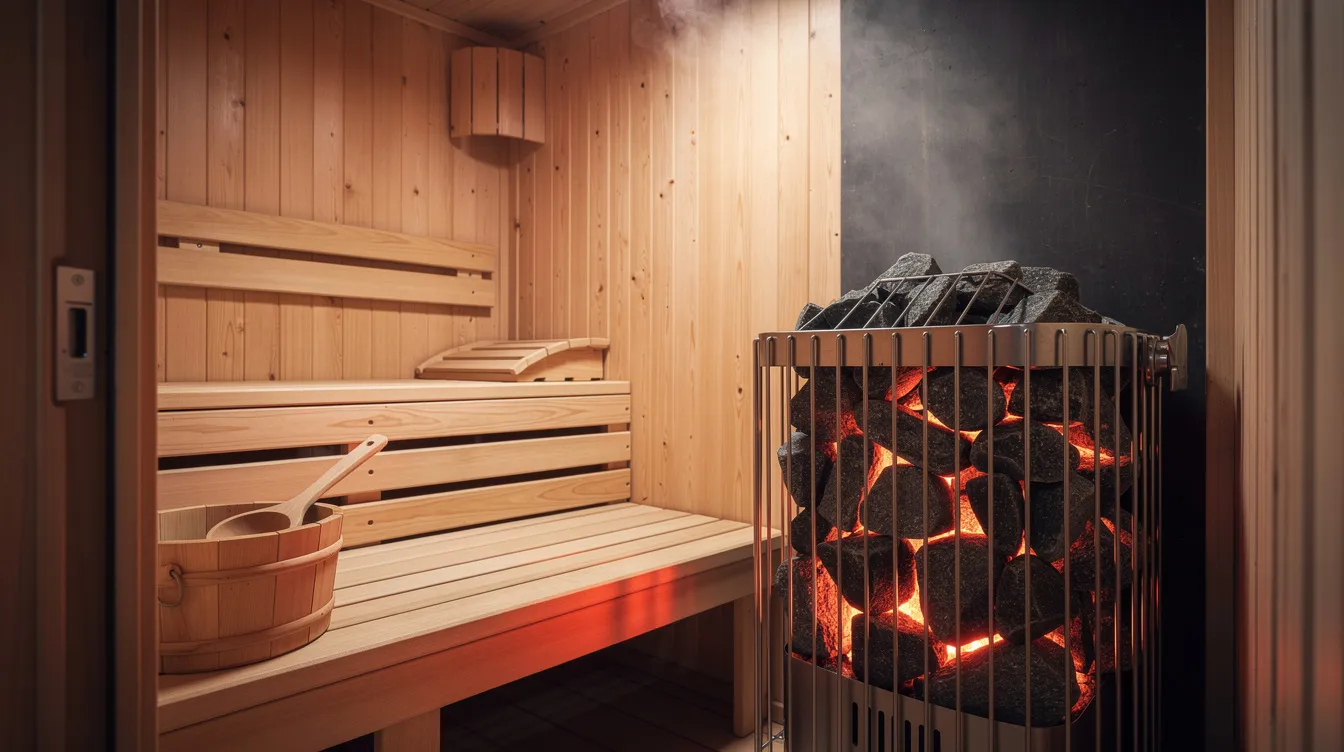
Your sauna heater's performance degrades gradually, making it essential to establish baseline measurements before problems become obvious. A heater that once reached 175°F in 35 minutes but now takes 55 minutes is communicating clearly that its heating elements are failing.
How Do You Document Current Performance Metrics?
- Record the heat-up time from cold start to your target temperature.
- Note the maximum temperature achieved under normal operating conditions.
- Track how long the heater maintains temperature during a standard session.
- Calculate energy costs by monitoring session duration changes over several months.
What Electrical Warning Signs Should You Monitor?
- Frequent breaker trips during startup or operation indicate overloaded circuits or failing components.
- Flickering lights elsewhere in your home suggest wiring issues or voltage drops.
- Burning smells or unusual odors signal insulation breakdown or element failure.
- GFCI faults point to moisture intrusion or ground faults requiring immediate attention.
What Should You Inspect Visually on Heating Elements?
- Look for cracking, oxidation, or hot spots on exposed elements.
- Check for mineral buildup from steam if you add water to stones.
- Examine sauna stones for deterioration. Cracked rocks reduce heat transfer efficiency.
- Note any corrosion on mounting hardware or control connections.
Traditional electric heaters typically last 8-15 years with regular maintenance, while quality infrared panels from premium manufacturers like Sun Home Saunas often reach 15-20 years. If your unit is approaching or exceeding these thresholds and showing performance issues, replacement rather than repair usually offers better long-term value.
According to the U.S. According to the Department of Energy, aging heating systems that require more than 50% above baseline energy to maintain target temperatures are typically more cost-effective to replace than repair.
What Are Your Current Electrical Requirements?
Before ordering a replacement heater, you must understand your existing electrical infrastructure. This information determines whether you can install a direct replacement or need upgrades to support a different heater type or a more powerful unit.
How Do You Identify Your Current Circuit Specifications?
|
Specification |
Where to Find It |
What to Document |
|
Breaker size |
Electrical panel |
Amperage rating (20A, 30A, 40A, etc.) |
|
Voltage |
Outlet or heater nameplate |
120V or 240V single-phase |
|
Wire gauge |
Junction box inspection |
AWG number (#10, #8, #6) |
|
Circuit type |
Panel labeling |
Dedicated vs. shared circuit |
How Do You Calculate Your Sauna Space Requirements?
Measure interior dimensions and multiply length x width x height to determine cubic footage. A 6x6x7 foot sauna equals 252 cubic feet, requiring approximately 5-6 kW for a well-insulated indoor installation.
Add "cold surface" adjustments for:
- Large glass doors or windows: add 12 cubic feet per square foot of glass.
- Concrete or tile walls: add 15 cubic feet per square foot of cold surface.
- Outdoor saunas: increase sizing by 20-25%.
- High elevation locations: factor in reduced air density affecting heat distribution.
Why Should You Document Existing Wiring Connections?
Take clear photographs of all electrical connections before disconnecting anything. Note wire colors, terminal positions, and any junction box configurations. This documentation proves invaluable during installation and helps your licensed electrician identify potential issues before they cause delays.
Verify your electrical panel capacity can handle any upgraded requirements. Homes with 100A service may need panel upgrades if adding a 240V sauna circuit while also supporting other high-draw appliances like EV chargers or heat pumps.
How Do You Choose the Right Replacement Heater Type?
Your replacement heater choice affects installation complexity, operating costs, and long-term maintenance requirements. Understanding the differences between heater types helps you make the right decision for your sauna experience goals.
How Do Infrared and Traditional Electric Heaters Compare on Power and Performance?
|
Feature |
Infrared Heater |
Traditional Electric |
|
Power draw |
1.5-3.5 kW |
6-9 kW |
|
Heat-up time |
15-20 minutes |
45-60 minutes |
|
Operating temperature |
120-150°F |
170-195°F |
|
Heating method |
Direct body radiant heat |
Heats air and stones |
|
Steam capability |
Limited |
Full löyly capability |
|
Energy cost per session |
$0.30-$1.00 |
$1.50-$3.00 |
What Are the Infrared Advantages for Most Homeowners?
Infrared models heat your body directly rather than heating the entire sauna space, producing intense sweating at lower ambient temperatures. This delivers several practical benefits:
- Lower electrical requirements often eliminate upgrade needs when replacing traditional units.
- Faster heat-up means less energy waste waiting for sessions to begin.
- Reduced strain on heating elements extends the heater's lifespan.
- Carbon panel technology in Sun Home Saunas products provides even heat distribution withinfrared sauna low EMF emissions that meet strict safety standards.
When Does Traditional Electric Make More Sense?
Wood-burning heaters and traditional electric stoves appeal to purists who value steam rituals and authentic high-heat experiences. These units require larger electrical circuits (typically 30-50A at 240V), proper stone loading for optimal heat retention, regular maintenance including stone replacement every 3-5 years, and more robust ventilation for proper airflow and humidity management.
What Control System Options Should You Evaluate?
Modern heaters offer built-in controls ranging from basic thermostats to sophisticated Wi-Fi controls with smartphone apps. Features to evaluate include remote preheat scheduling, temperature and session monitoring from your phone, integration with home automation systems, and usage analytics that help optimize your sauna routine.
What Electrical Upgrades Might You Need?
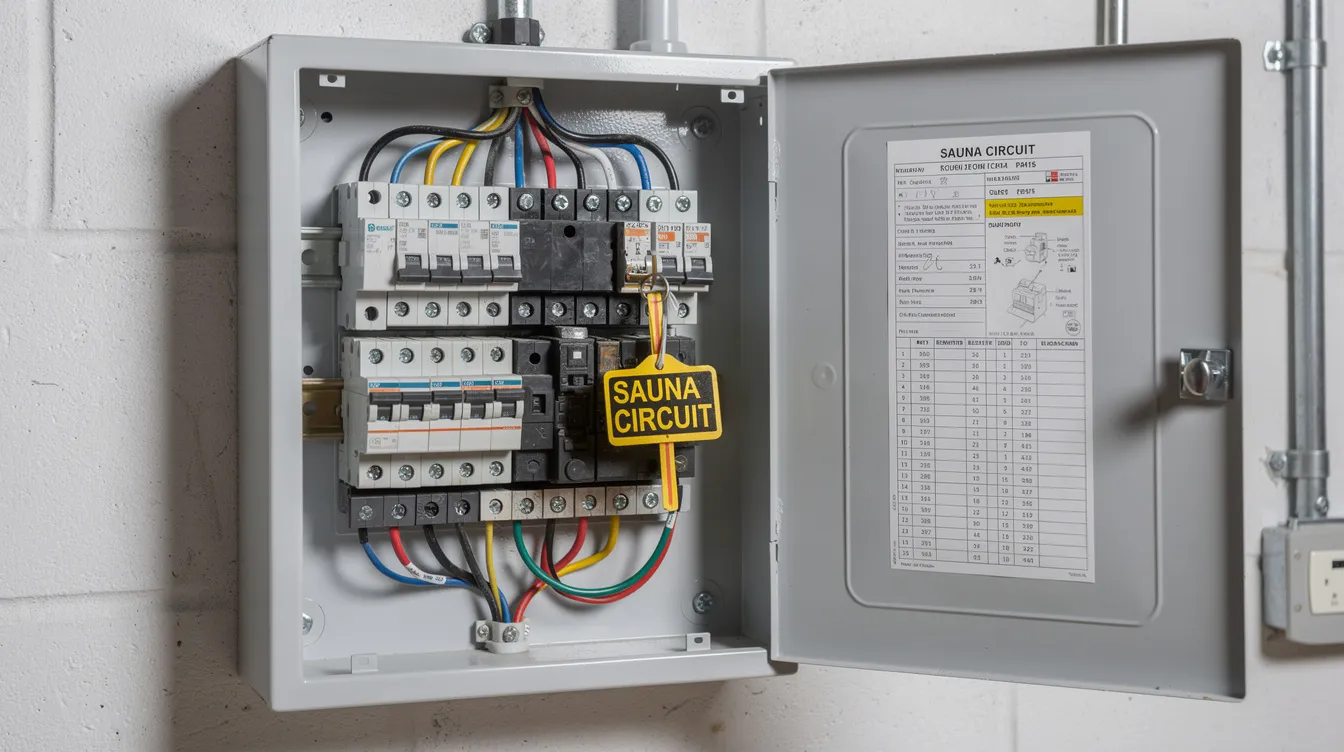
Replacing your sauna heater often requires electrical modifications, especially when upgrading from older equipment or switching heater types. Planning these upgrades prevents project delays and cost overruns.
How Do You Match Your Heater to the Right Circuit Breaker and Wire Gauge?
|
Heater Size |
Typical Amperage |
Recommended Breaker |
Wire Gauge |
|
2-3 kW |
10-15A |
20A |
#12 AWG |
|
4-6 kW |
20-25A |
30A |
#10 AWG |
|
7-8 kW |
30-35A |
40A |
#8 AWG |
|
9-12 kW |
40-50A |
60A |
#6 AWG |
What Wire Gauge Upgrades May Be Required?
If your replacement heater draws more power than your original unit, existing wiring may be undersized. A licensed electrician must verify wire gauge throughout the circuit, not just at visible connection points. Undersized wiring creates fire hazards and will fail inspection. According to the National Fire Protection Association (NFPA), undersized conductors in residential heating circuits are among the most common causes of electrical fires in home wellness installations.
What Other Electrical Upgrades Should You Budget for?
GFCI protection requirements: NEC 2023 mandates GFCI protection for sauna circuits in wet locations. If your existing installation lacks GFCI protection, this upgrade is required regardless of heater type. Budget $100-300 for GFCI breaker installation.
Smart integration wiring: Wi-Fi-enabled heaters may require network connectivity near the control panel location, low-voltage wiring for external sensor packages, and dedicated circuits for control systems separate from heating elements.
Voltage conversion: Switching from a 120V infrared unit to a 240V traditional heater, or vice versa, requires running new circuits. This upgrade typically costs $400-800 for wiring and breaker installation, depending on the distance from your electrical panel to the sauna location.
How Do You Safely Remove Your Old Sauna Heater?
Proper removal protects you from electrical hazards and preserves mounting hardware for your new unit. Never assume power is off. Always verify with testing equipment before touching any wiring.
What Is the Power Isolation Protocol?
1. Turn off the dedicated sauna circuit at your electrical panel.
2. Turn off the main breaker as an additional safety measure.
3. Use a non-contact voltage tester at the heater unit to confirm zero power.
4. Test again with a multimeter directly on the wiring terminals.
5. Lock out the panel or post clear warning notices to prevent accidental re-energization.
How Do You Handle Stone Removal and Storage?
Remove all sauna stones carefully. They may still retain heat for hours after shutdown. Inspect stones for cracks, deterioration, or excessive mineral buildup. Intact stones can be reused with your new heater if compatible with the replacement unit's design. Store stones in a dry container away from the work area.
What Are the Correct Wiring Disconnection Steps?
- Photograph all connections before touching any wires.
- Remove cover plates from junction boxes.
- Disconnect the ground wire first, then the neutral, then the hot conductors.
- Cap exposed wires with wire nuts and electrical tape.
- Secure disconnected wires away from the work area.
Traditional heaters with stone trays are heavy, ranging from 50 to 150 pounds depending on the model. Have a helper support the unit while you disconnect the final mounting hardware. After removal, examine the mounting location for wall damage, electrical box condition, evidence of moisture intrusion or wood rot, and ventilation pathways that may need clearing or modification.
What Installation Steps Apply to Your New Heater?
Proper installation ensures optimal performance, code compliance, and warranty protection. Follow manufacturer specifications precisely. Deviations can void coverage and create safety hazards.
What Pre-Installation Preparation Is Required?
- Verify your new heater arrived without shipping damage.
- Confirm all mounting hardware and accessories are included.
- Read the complete installation manual before beginning work.
- Clear the sauna space of debris and ensure adequate access.
How Do You Mount and Position the New Heater?
Test-fit the new heater unit in your intended location before making any electrical connections. Verify clearances to ceiling, walls, and combustible materials per manufacturer specifications. Traditional heaters typically require 4-6 inches minimum clearance from side walls, 8-12 inches minimum clearance above the unit, and non-combustible backing if mounted on wood surfaces.
Install mounting brackets using appropriate fasteners for your wall construction. Use screws rated for the heater's weight plus the added mass of stones. Wall anchors may be necessary for drywall installations.
What Is the Correct Electrical Connection Sequence?
Connect wiring following the NEC 2023 codes and manufacturer specifications in this order:
1. Install the ground connection first.
2. Connect neutral conductor (if applicable).
3. Connect hot conductors matching phase requirements.
4. Verify all connections are tight and properly terminated.
5. Install junction box cover plates.
Mount control panels at accessible heights (typically 42-60 inches from the floor) outside the hot zone. Position controls where they will not be exposed to direct steam or water splash. Wi-Fi-enabled panels may require proximity to your router or a network extender for reliable connectivity.
How Do You Load Stones and Perform Initial Testing?
Load sauna stones according to manufacturer guidelines. Proper airflow between stones is essential for even heat distribution and element longevity. Arrange stones loosely, never tightly packed, allowing hot air to circulate freely.
Perform initial testing: power on the circuit and verify no immediate faults, set a moderate target temperature and observe the heat-up curve, monitor for unusual sounds, smells, or electrical behavior, and document baseline performance metrics for future reference.
Which Replacement Option Works Best? Infrared or Traditional Electric?
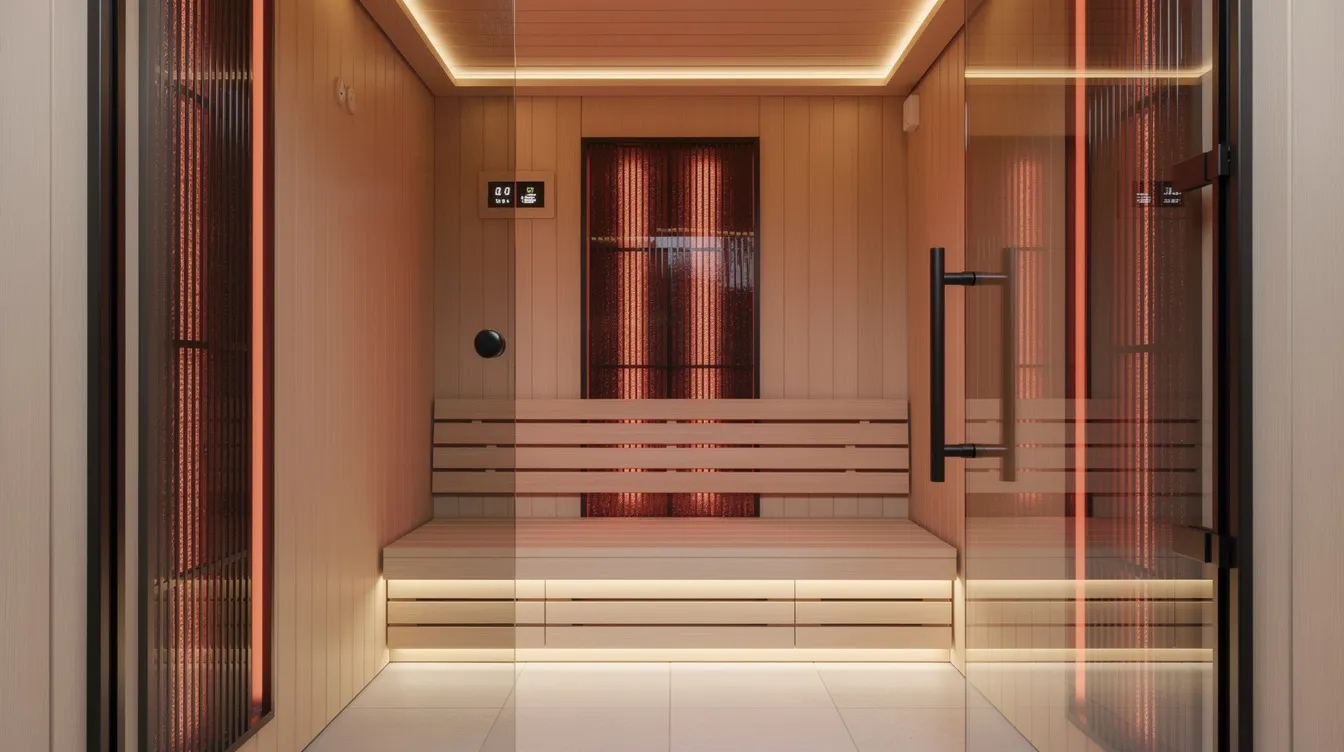
Choosing between infrared and traditional electric heaters depends on your priorities for energy efficiency, heat experience, and installation complexity. Both options deliver genuine wellness benefits, but they serve different user preferences and come with meaningfully different long-term cost profiles.
What Does the Full Comparison Look Like?
|
Factor |
Infrared |
Traditional Electric |
|
Installation complexity |
Low-moderate |
Moderate-high |
|
Electrical requirements |
Often fits existing circuits |
Frequently needs upgrades |
|
Operating cost (monthly) |
$15-30 for regular use |
$45-90 for regular use |
|
Maintenance needs |
Minimal: panel inspection yearly |
Regular: stone replacement, element checks |
|
Lifespan |
15-20 years |
8-15 years |
|
Space heating |
Body-direct radiant heat |
Full air heating with humidity option |
Why Do Sun Home Saunas Infrared Models Excel for Most Homeowners?
Sun Home Saunas full-spectrum infrared heaters combine near, mid, and far infrared wavelengths for comprehensive therapeutic coverage. The carbon panel construction provides even heat distribution across the entire panel surface, low EMF emissions meeting strict safety standards, durability ratings supporting 10-30 year lifespans, and energy efficiency reducing operating costs by 60-70% versus traditional heaters.
For homeowners replacing aging traditional units, switching to infrared often eliminates electrical upgrade requirements. A 7 kW traditional heater requiring 240V/40A service can be replaced with a 3 kW infrared system running on your existing 240V/20A circuit, saving $400-800 in electrical work.
When Does Traditional Electric Still Make Sense?
Choose traditional sauna heaters if you prioritize authentic steam experiences with water-on-rocks rituals, maximum temperatures above 180°F, larger spaces requiring high air temperatures, or traditional sauna culture and atmosphere.
Infrared panels require minimal ongoing maintenance, just annual visual inspection and occasional surface cleaning. Traditional units need regular maintenance, including stone inspection every 6-12 months, element checks, and complete stone replacement every 3-5 years. This maintenance difference significantly affects the total cost of ownership over the heater's lifespan.
What Is the Complete Sauna Heater Replacement Checklist?
Use this comprehensive checklist to ensure nothing gets missed during your replacement project.
Pre-project planning (2-4 weeks before):
- Document current heater performance and electrical specifications.
- Measure sauna space and calculate cubic footage.
- Research replacement options and select your new heater.
- Contact the local building department about permit requirements.
- Hire a licensed electrician experienced with sauna installations.
- Order replacement heater with 2-week delivery buffer.
Pre-installation preparation (1-2 days before):
- Obtain required electrical permits.
- Schedule inspection appointments.
- Prepare a workspace with appropriate tools and safety equipment.
- Set up stone storage containers.
- Clear access pathways to the electrical panel and sauna location.
- Review the installation manual thoroughly.
Installation day:
- Verify power isolation with voltage testing.
- Photograph all existing connections.
- Remove the old heater unit safely.
- Inspect mounting location and electrical boxes.
- Install a new heater per the manufacturer's specifications.
- Connect all electrical wiring following the code requirements.
- Load stones and perform initial system testing.
Post-installation (within 1 week):
- Schedule and pass the electrical inspection.
- Register the warranty with the manufacturer.
- Document all work with photographs.
- Update homeowner's insurance if required.
- Establish baseline performance metrics.
- Create a maintenance schedule for regular inspections.
Upgrade Your Sauna Experience with the Right Replacement Heater
Replacing an aging sauna heater delivers immediate benefits: faster heat-up times, lower energy costs, improved safety, and modern features like Wi-Fi controls and smart scheduling. A failing heater not only compromises your sauna experience. It can create electrical hazards that affect your home insurance coverage and the long-term structural integrity of your sauna cabin.
Professional installation by a licensed electrician ensures code compliance, protects your warranty, and provides documentation for insurance purposes. While DIY removal is possible for experienced homeowners, electrical connections should always be handled by qualified professionals familiar with current NEC requirements and local codes. Cutting corners on electrical work is not worth the risk at any price point.
Sun Home Saunas energy-efficient infrared models represent the ideal replacement choice for most homeowners in 2026. Lower power requirements often eliminate costly electrical upgrades, while carbon panel technology delivers even, therapeutic infrared sauna health benefits with minimal maintenance needs. The combination of 15-20 year lifespans and 60-70% energy savings compared to traditional heaters makes infrared an exceptional long-term value for any home wellness setup.
Ready to upgrade your home sauna with a premium replacement heater? Contact Sun Home Saunas today to discuss your replacement project, get personalized heater recommendations based on your sauna dimensions, and learn about our installation support services.
External References and Citations
1. U.S. Department of Energy: “ Home Heating System Efficiency and Replacement Guidelines.”
2. National Fire Protection Association (NFPA): “Home Heating Fires Report.”
3. National Electrical Contractors Association (NECA): “The National Electric Code.”
4. Home Sauna: How Long Do Home Saunas Last? (Lifespans Explained)”
5. International Code Council: “References to ICC Electrical Code –The Administrative Positions in the International Building Code.”