


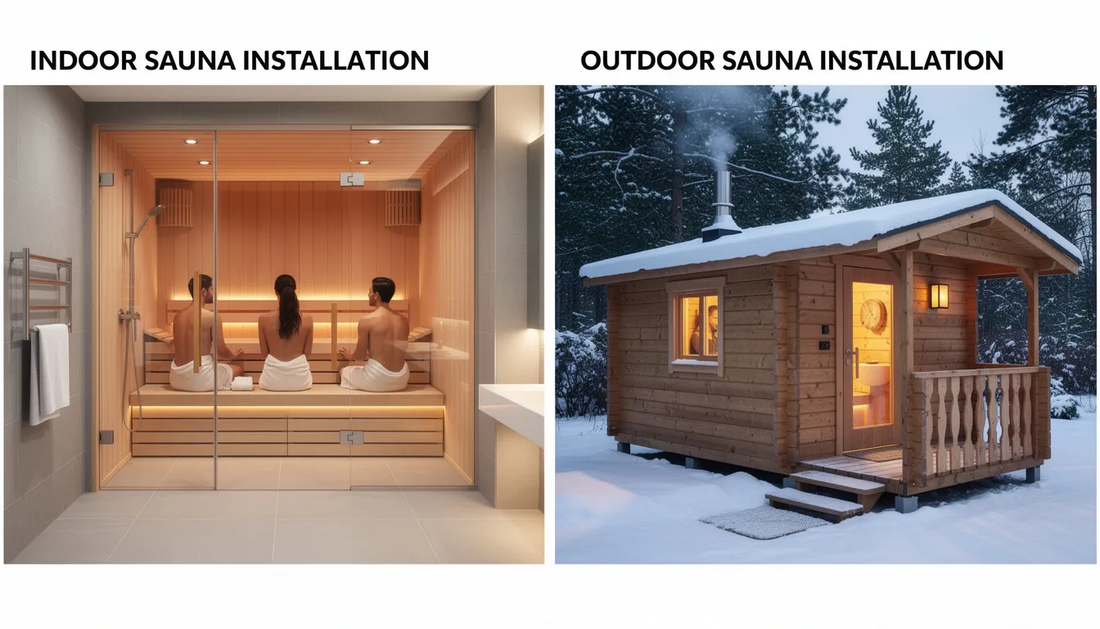
Indoor sauna installations generally cost more because they require structural changes, moisture control, and integration with electrical and HVAC systems. Outdoor saunas, on the other hand, are easier and more affordable to install since they function as separate structures and usually need only a foundation and electrical connection. Still, each offers unique benefits. Your best choice depends on budget, available space, and desired experience. Understanding these cost differences helps you plan your sauna project confidently. Read on to learn about the installation costs of indoor and outdoor saunas.
Key Takeaways
· Indoor sauna installations require more structural work
· Outdoor sauna setups usually cost less overall
· Electrical requirements vary by sauna type
· Climate and location affect installation cost
· Long-term expenses differ by maintenance needs
What Are the Various Sauna Types and How Much Do They Cost?
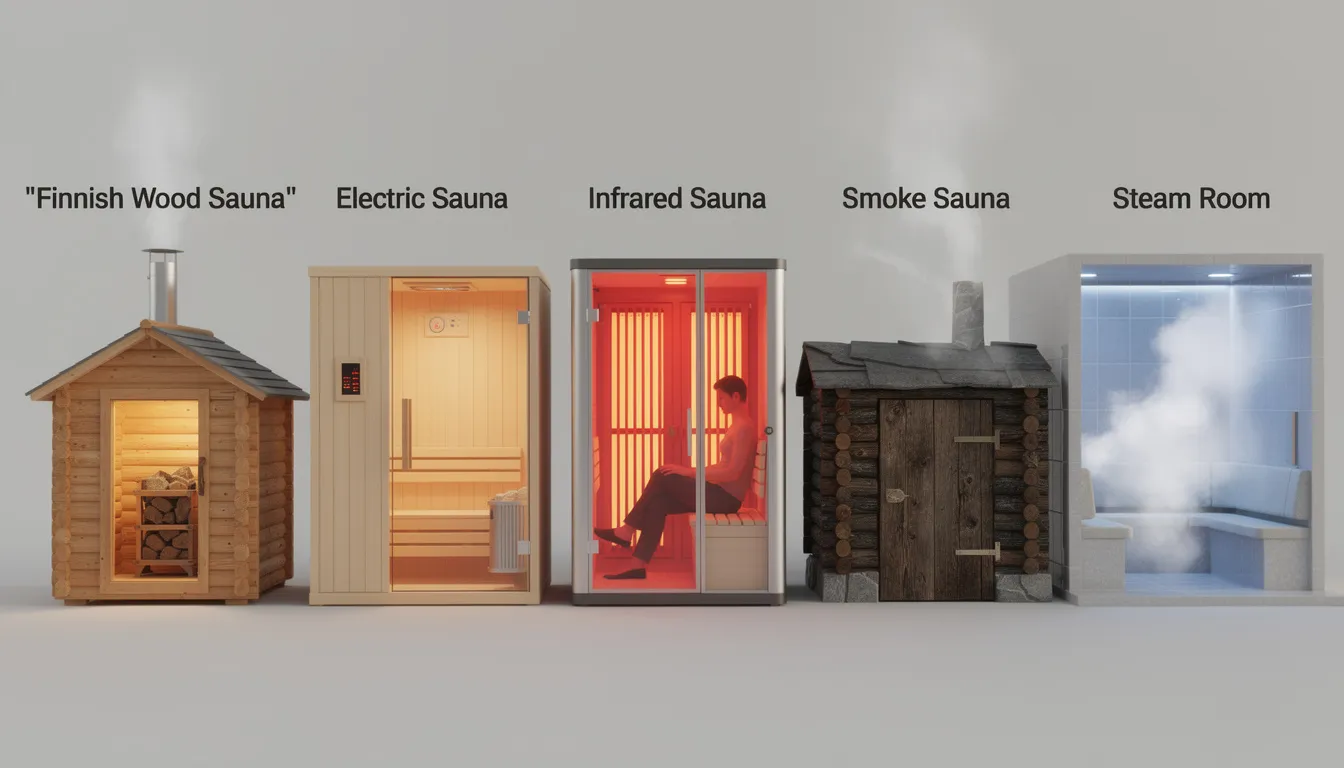
The sauna type you select will have a significant impact on both the experience and the overall cost. Traditional saunas, which heat the air with steam and can be powered by wood or electric heaters, cost between $3,000 and $10,000 or more, depending on the size, materials, and craftsmanship involved. Outdoor infrared saunas, on the other hand, use radiant heat to warm your body directly, often resulting in a gentler, more energy-efficient experience. These infrared models usually start at around $1,000 for a basic unit, making them an attractive option for budget-conscious buyers.
Outdoor saunas allow users to enjoy nature while they unwind, but may require extra investment for weatherproofing and installation. Ultimately, the right sauna for you will depend on your desired sauna experience, available space, and how much you’re willing to invest in your home wellness retreat.
How Do Indoor and Outdoor Sauna Installation Costs Compare?
The fundamental cost structure between indoor and outdoor sauna installations differs significantly due to varying complexity and infrastructure requirements. Here’s a detailed comparison showing total cost ranges across different sauna sizes. The table below compares costs for different sauna capacities (e.g., 2-person, 4-person, 6-person):
|
Sauna Size |
Indoor Installation Total |
Outdoor Installation Total |
Cost Difference |
|
2-Person |
$8,000 - $15,000 |
$5,500 - $9,500 |
$2,500 - $5,500 more for indoor |
|
4-Person |
$12,000 - $20,000 |
$7,000 - $12,000 |
$5,000 - $8,000 more for indoor |
|
6-Person |
$18,000 - $30,000 |
$10,000 - $18,000 |
$8,000 - $12,000 more for indoor |
Home sauna costs vary based on size, features, materials, and where you install the unit. Budget saunas usually cost between $1,000 and $3,000, while most home units fall between $50 and $200 per square foot depending on customization. One of the biggest pricing differences comes from how hard each type is to install.
The base sauna price is similar whether you choose an indoor or outdoor unit. Infrared models usually range from $4,000 to $8,000, while traditional saunas cost around $6,000 to $12,000, depending on size and quality. The real cost difference comes from the installation work rather than the sauna itself.
Location also affects the price. Urban areas often have higher labor rates and stricter building codes, which can increase installation costs by 20% to 30%. Cold climates may also require extra insulation or electrical upgrades. Installation time varies. The best outdoor saunas may be ready in 2 to 3 days, while indoor projects can take 1 to 2 weeks because they involve several trades and inspections.
· Indoor Sauna Installation Costs
Indoor home sauna installation requires significant investment due to the complex integration with existing home systems involved. Home sauna cost factors such as size, materials, customization, and installation complexity all play a major role in determining the final price. Base installation costs range from $3,000-$8,000 for prefab units, while fully custom sauna builds cost $8,000-$15,000 before considering additional home modifications. Basic indoor sauna kits range from $1,000 to $7,000+, while custom-built saunas can range from $5,500 to over $15,000, allowing for complete personalization. Choosing a budget-friendly wood like cedar or pine can help reduce costs.
The substantial cost difference between indoor and outdoor installations primarily stems from required home modifications. The cost of a home sauna includes not only the initial purchase and installation but also the expenses related to adapting your living space. Indoor installations must address moisture management, structural support, electrical upgrades, and HVAC integration that outdoor units simply don’t require.
Most indoor sauna installations require floor reinforcement, especially for traditional saunas that can weigh 500-800 pounds when fully loaded with users and equipment. Wall preparation involves creating proper framing and ensuring adequate ceiling height. Many saunas require a minimum of 7-foot ceilings, which may necessitate modifications in basement installations. High quality construction, using superior materials and craftsmanship, can increase upfront costs but ensures better insulation, durability, and a longer lifespan for your sauna.
Moisture barrier installation costs $500-$1,500 depending on room size and represents a critical component for preventing long-term structural damage. This involves specialized vapor barriers, waterproof membranes, and sometimes complete room sealing to prevent humidity migration throughout the home.
HVAC integration for proper ventilation adds $1,000-$3,000 to project costs. Unlike outdoor models that naturally ventilate, indoor saunas require sophisticated air exchange systems to manage humidity and maintain air quality. This often involves connecting to existing ductwork or installing dedicated ventilation systems.
Ongoing repair costs are another important consideration. Sauna repair, such as fixing heaters or replacing components, can range from $150 to $600 depending on the issue. Regular maintenance and prompt weatherproof outdoor infrared sauna repair helps prevent more expensive problems in the future.
· Indoor Electrical Requirements and Costs
Indoor electrical work is one of the most significant cost components for home sauna installation. Electric saunas, especially when installed indoors or in basements, require dedicated circuits and proper electrical setups to ensure safe and efficient operation. A dedicated 220V circuit installation costs $800-$2,500 depending on distance from the electrical panel and complexity of routing through existing home structure. Electricians charge $50 to $130 per hour to install a new outlet and circuit.
Most infrared sauna types can operate on standard 110V circuits, potentially reducing electrical costs to $300-$800. However, traditional saunas require substantial power. A 6kW sauna heater draws 25 amps and necessitates dedicated high-capacity circuits with appropriate safety features. The cost to run an electric sauna ranges from $14.40 to $27 per month based on daily use, making them relatively affordable to operate per hour compared to other heating options. Proper electrical setups can improve energy efficiency and reduce monthly costs over time.
GFCI outlet requirements and safety considerations add $200-$500 to installation costs. These specialized outlets provide essential safety protection in the high-moisture sauna environment and must meet specific code requirements for wet location installations.
Electrical panel upgrades present a significant potential cost if your current system cannot handle the sauna’s electrical load. Panel upgrades cost $1,200-$3,000 and are necessary when existing service lacks capacity for the additional circuit requirements.
Code compliance inspections and permits cost $150-$400 but vary by jurisdiction. Some areas require multiple inspections throughout the installation process, while others may require professional electrical certification for high-amp circuit installations.
The upfront cost of proper electrical installation pays dividends through safe operation and energy efficiency. Proper circuit sizing prevents voltage drops that can damage expensive sauna equipment and ensures optimal performance throughout the sauna’s lifespan.
· Indoor Ventilation and Moisture Control
Proper ventilation and moisture control are crucial for indoor sauna installation and can impact both initial costs and long-term performance. Exhaust fan installation costs $400-$1,200 including necessary ductwork and represents the minimum ventilation requirement for most indoor installations.
Unlike outdoor saunas that benefit from natural air circulation, indoor units require sophisticated moisture management systems. Vapor barriers and moisture-resistant materials add $600-$2,000 to installation costs but save the unit from potentially devastating structural damage from humidity migration.
Integration with existing HVAC systems requires professional modification to ensure proper air exchange without compromising whole-house climate control. This involves installing dedicated ventilation controls, humidity sensors, and sometimes supplemental air handling equipment.
Humidity sensors and automatic controls cost $300-$800 but provide essential protection by automatically activating ventilation when moisture levels exceed safe thresholds. These systems prevent manual oversight issues that could lead to condensation problems throughout the home.
Professional HVAC contractors charge $800-$2,000 for comprehensive ventilation system design and installation. This investment ensures proper air exchange rates, prevents moisture accumulation, and maintains healthy indoor air quality throughout the home.
The entire ventilation system must be sized appropriately for the specific sauna type and room configuration. Traditional saunas produce more moisture when water is applied to heated rocks, requiring more robust ventilation compared to dry heat infrared models.
· Indoor Flooring and Structural Modifications
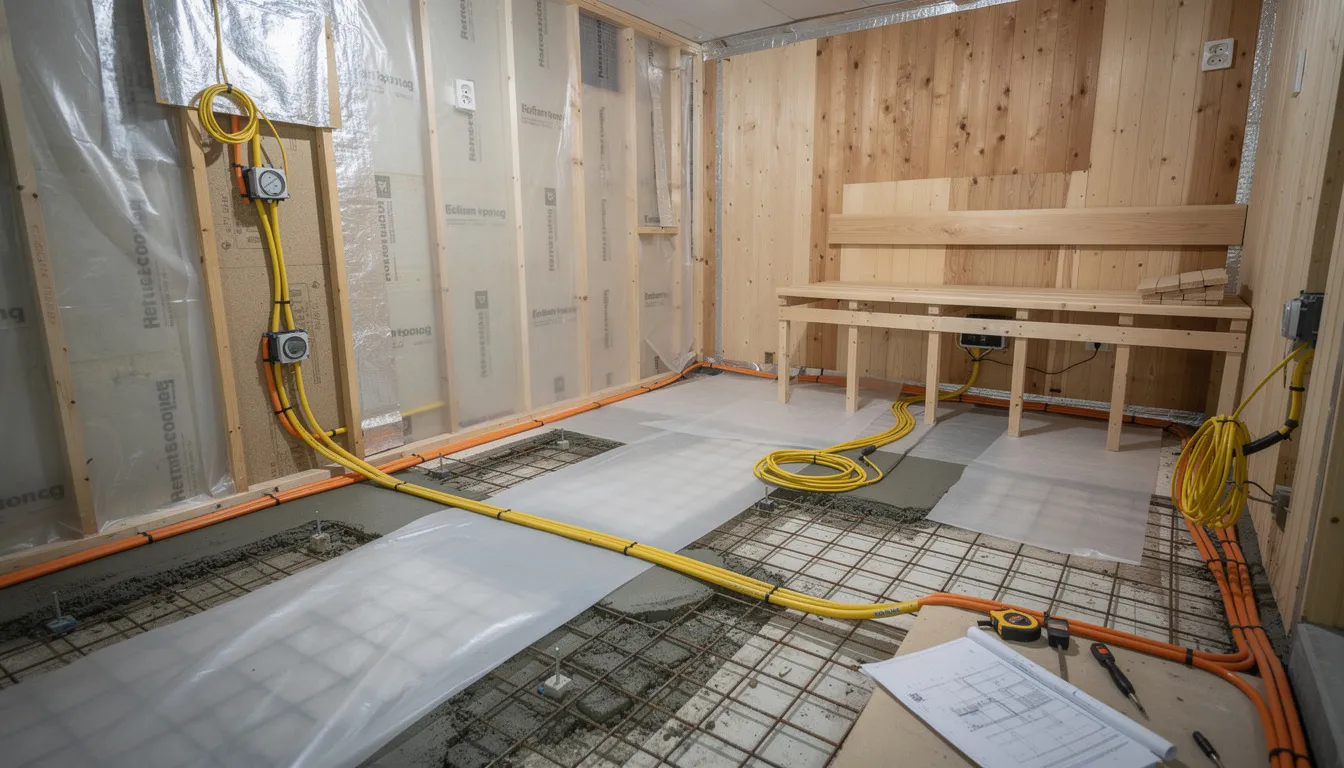
Indoor sauna installations often require significant flooring and structural modifications that substantially impact overall project costs. Waterproof flooring installation ranges from $800-$2,500 for ceramic tile, vinyl, or sealed concrete options that can withstand the high-humidity sauna environment.
Floor reinforcement for heavier traditional saunas costs $1,500-$4,000 and becomes necessary when existing floor structures cannot support the concentrated weight. This involves adding additional floor joists, structural supports, or in extreme cases, concrete reinforcement pads.
Wall framing modifications to accommodate sauna dimensions cost $500-$1,500 and often involve relocating electrical outlets, adjusting door openings, or creating proper clearances for sauna equipment. These modifications require careful planning to maintain structural integrity while creating adequate space.
Ceiling height adjustments cost $1,000-$3,000 when needed and occur in basement installations where existing ceiling height falls below the minimum required 7-foot for most sauna installations. This may involve lowering the floor or raising portions of the ceiling structure.
Structural modifications must account for thermal expansion and contraction that occurs with regular heating and cooling cycles. Proper expansion joints, flexible connections, and appropriate material selection prevent long-term structural issues that could require expensive repairs.
Professional structural engineers may be required for significant modifications, adding $500-$1,500 to project costs but ensuring safe, code-compliant installations that protect your home’s structural integrity and maintain insurance coverage.
· Outdoor Sauna Installation Costs
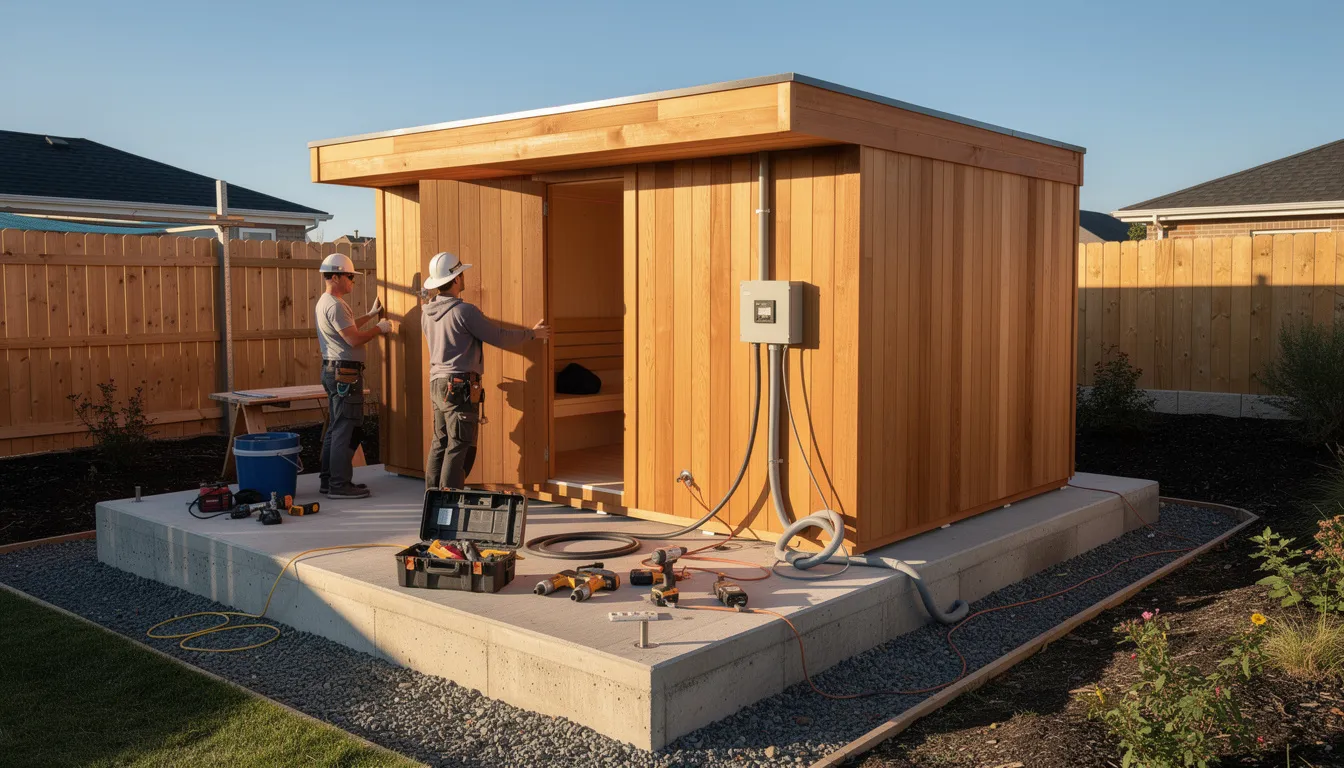
Outdoor sauna installation costs significantly less than indoor setups, with base installation costs ranging from $1,500-$4,000 for prefab units and $3,000-$8,000 for custom built saunas. The lower cost structure stems from simpler infrastructure requirements and elimination of complex home system integration.
Unlike indoor installations that require extensive home modifications, outdoor full-spectrum infrared saunas function as standalone structures requiring primarily foundation preparation and utility connections. This difference eliminates most moisture control, structural reinforcement, and HVAC integration costs associated with indoor installations.
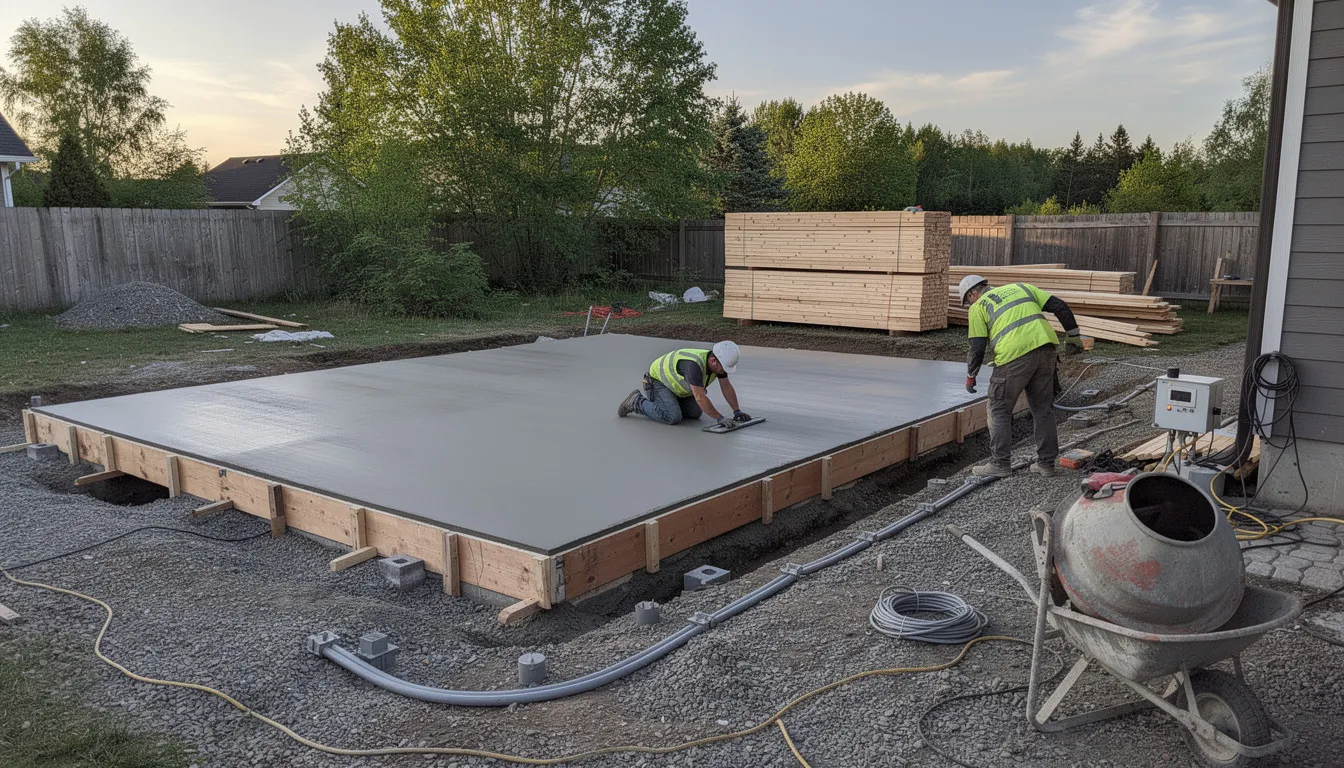
Foundation preparation represents the primary site work expense, involving concrete pad installation, gravel base preparation, or pier systems depending on local soil conditions and climate requirements. Most outdoor saunas can utilize simple, cost-effective foundation solutions that indoor installations cannot.
Weather protection and structural considerations specific to outdoor environments are included in prefab unit pricing. Custom builds may require additional weatherproofing, but outdoor saunas are designed from the ground up to handle environmental exposure without ongoing structural concerns.
Utility connections focus primarily on electrical service, though some installations include optional water lines for adjacent outdoor showers or maintenance access. The simpler utility requirements contribute to outdoor installations’ lower overall cost structure.
· Outdoor Foundation and Site Preparation
Outdoor foundation and site preparation costs remain modest compared to indoor structural requirements. Concrete pad installation for a standard 8x10 sauna costs $300-$1,000, representing a fraction of indoor floor reinforcement expenses.
Gravel base preparation and leveling cost $200-$500 and provide adequate support for most prefabricated sauna kit installations. This simple foundation approach works well for outdoor installations because the structures are designed to accommodate minor settling and seasonal ground movement.
Drainage systems to prevent water accumulation cost $300-$800 and are essential in areas with poor natural drainage. Proper drainage prevents foundation settling, extends sauna lifespan, and maintains safe access during wet weather conditions.
Site excavation and clearing costs range from $200-$600 depending on terrain and existing landscaping. Most outdoor sauna installations require minimal site preparation compared to permanent building construction, keeping preparation costs reasonable.
The outdoor foundation approach offers flexibility that indoor installations cannot match. If future relocation is necessary, outdoor saunas can be moved to new locations without the extensive reconstruction required for indoor units.
Professional site preparation ensures proper drainage, adequate ventilation clearance, and compliance with local setback requirements that protect your investment and maintain good neighbor relations.
· Outdoor Electrical Installation
Outdoor electrical installation focuses on extending service from the house to the sauna location. The cost is $500-$2,000 depending on distance and installation complexity. Underground conduit installation costs $300-$1,200 per 100 feet and provides the most reliable long-term electrical service. While trenching adds initial expense, underground service avoids ongoing maintenance and weather-related issues associated with overhead installations.
Weatherproof electrical panels and connections cost $400-$1,000 and must meet specific outdoor electrical codes. These installations require GFCI protection and weather-resistant enclosures that protect electrical components from moisture and environmental exposure.
The cost to run electrical service varies significantly based on distance from existing panels. Installations within 50 feet of the house cost $500-$1,200, while longer runs can reach $2,000-$3,000 including trenching, conduit, and electrical panels.
GFCI protection and outdoor-rated components add $200-$600 to installation costs but provide essential safety features for outdoor electrical installations. These safety systems prevent electrical hazards and ensure code compliance for insurance and resale purposes.
Professional electricians charge $800-$2,500 for complete the best outdoor sauna electrical installations including permits, trenching, conduit installation, and final connections. This investment ensures safe, reliable electrical service that supports years of trouble-free sauna operation.
· Weather Protection and Structural Costs
Weather protection for outdoor saunas is included in prefab unit pricing, with roof and siding materials designed specifically for environmental exposure. Custom installations may require additional weather sealing and protective measures depending on local climate conditions.
Additional weather sealing and caulking costs $100-$300 and provides enhanced protection against moisture infiltration. This preventive investment extends sauna lifespan and reduces long-term maintenance requirements in harsh weather climates.
Wind anchoring systems for exposed locations cost $200-$600 and are essential in areas subject to high winds or severe weather. Proper anchoring prevents structural damage and ensures safe operation during adverse weather conditions.
Optional pergola or covering structures range from $1,000-$4,000 and provide enhanced weather protection while creating more usable outdoor space. These structures can transform the sauna area into a complete outdoor wellness retreat with changing areas and relaxation space.
The weather protection investment facilitates reduced maintenance and extended equipment life. Quality weatherproofing prevents moisture damage, reduces heating costs, and maintains the sauna’s appearance throughout years of outdoor exposure.
Most outdoor models are specifically engineered for climate exposure, utilizing materials and construction techniques that indoor units don’t require. This purpose-built approach provides superior weather resistance compared to modified indoor units.
· Labor Cost Comparison: Indoor vs Outdoor
Indoor installation labor costs $2,000-$6,000 requiring electricians, HVAC technicians, and general contractors, while outdoor installations cost for professional electricians and foundation contractors is $800-$2,500.
Specialist trade requirements differ dramatically between installation types. Indoor projects require coordination between multiple trades including electrical contractors, HVAC specialists, structural contractors, flooring professionals, and general contractors. Each trade must coordinate timing and work sequence to avoid conflicts.
Outdoor installation labor focuses primarily on foundation preparation, electrical connections, and unit assembly. This simplified trade requirement reduces coordination complexity, shortens project timelines, and minimizes labor costs compared to multi-trade indoor projects.
Timeline impact affects labor costs, with indoor projects requiring 3-5 different trade specialists working over 1-2 weeks compared to outdoor installations that often complete in 2-3 days with minimal trade coordination.
The professional installation ensures proper safety compliance and warranty protection regardless of installation type. However, the complexity difference between indoor and outdoor projects creates substantial cost variations that homeowners should factor into their decision-making process.
Labor rates vary significantly by region, with urban markets charging 20-40% more than rural areas. This regional variation affects both indoor and outdoor installations but can be particularly impactful for complex indoor projects requiring specialized trades.
· Permit and Code Requirements
Permit and code requirements differ substantially between outdoor infrared vs indoor infrared sauna installations, creating additional cost considerations for homeowners. Indoor installations require electrical permits and sometimes building permits depending on structural modifications, while outdoor installations focus primarily on building permits for new structures.
Indoor permit requirements often include electrical permits for dedicated circuit installation, building permits for structural modifications, and HVAC permits when ventilation system modifications are necessary. The multiple permit requirements can add $200-$800 to project costs depending on jurisdiction complexity.
Outdoor installations require building permits for new structure placement and electrical permits for service extensions. However, many jurisdictions treat small outdoor saunas similarly to storage sheds, potentially reducing permit complexity and associated costs.
Code compliance differences focus on indoor moisture management versus outdoor structural requirements. Indoor installations must meet stringent ventilation codes, moisture barriers, and integration requirements that outdoor units don’t face.
Professional permit management costs $300-$600 and ensures proper code compliance while avoiding costly re-work or delayed inspections. Many contractors include permit costs in their installation pricing, simplifying the process for homeowners.
· Ongoing Costs and Maintenance
While the initial purchase price of a sauna is a major consideration, it’s equally important to factor in the ongoing costs and maintenance required to keep your sauna in top condition. Traditional saunas, especially those with steam generators, can consume more electricity and may require regular attention to maintain optimal performance.
Infrared saunas are more energy-efficient, which can help keep your monthly operating costs lower. In addition to electricity, you’ll need to budget for routine cleaning, occasional repairs, and the replacement of parts like sauna heaters or infrared panels over time. Staying on top of these ongoing costs ensures your sauna remains a safe, hygienic, and enjoyable part of your home for years to come.
· Long-term Cost Considerations
Indoor installations incur ongoing HVAC filter replacement costs and moisture monitoring expenses, while outdoor units require weather seal replacement and potential foundation settling adjustments.
Indoor maintenance costs include regular HVAC filter replacements, humidity monitoring system maintenance, and potential moisture damage repairs if ventilation systems fail. These ongoing expenses can range from $200-$600 annually depending on usage patterns and system complexity.
Outdoor maintenance focuses on weather seal replacement, foundation settling adjustments, and exterior surface maintenance. Annual outdoor maintenance costs range from $150-$400 but may increase substantially if weatherproofing fails or foundation issues develop.
Energy efficiency differences significantly affect operating costs, with indoor saunas often demonstrating better energy efficiency due to superior insulation integration with home systems. However, the cost to run outdoor saunas may be offset by simpler electrical requirements and reduced HVAC load on home systems.
Insurance implications may affect homeowner policies, particularly for outdoor installations that add new structures to property coverage. Some insurance companies offer discounts for home wellness features, while others may require additional coverage for outdoor structures.
The sauna experience quality differences between indoor and outdoor installations affect value perception over time. Outdoor saunas often provide superior wellness retreat experiences, while indoor units offer convenient access and year-round comfort regardless of weather conditions.
What are the Cost-Saving Strategies for Each Setup Type?
For indoor installations, utilizing existing spaces like finished basements or spare bedrooms can eliminate significant structural modification costs. Choosing locations near existing electrical panels reduces electrical installation expenses by $500-$1,500 depending on distance and complexity.
DIY preparation work for indoor installations can include demolition, basic framing, and finish work that doesn’t require licensed trades. However, electrical work, HVAC modifications, and structural changes must be performed by licensed professionals for safety and code compliance.
Outdoor cost savings often focus on simple foundation choices like gravel pads or concrete pier systems instead of full concrete slabs. These alternatives can reduce foundation costs by 30-50% while providing adequate support for most prefabricated sauna kit installations.
Proximity to electrical service dramatically affects outdoor installation costs. Locating saunas within 50 feet of existing electrical panels can reduce electrical costs by $800-$2,000 compared to longer distance installations requiring trenching and extended conduit runs.
Choosing appropriate sauna sizes prevents over-building and reduces both initial costs and ongoing operating expenses. A properly sized sauna provides optimal performance while avoiding the significant cost premium associated with oversized installations.
The sauna industry offers numerous opportunities for cost savings through seasonal promotions, end-of-year inventory clearances, and manufacturer incentives. Timing purchases strategically can reduce unit costs by 10-20% while maintaining quality standards.
Researching local contractors and obtaining multiple quotes ensures competitive pricing while identifying specialists with relevant experience. Sauna installation requires specific expertise that general contractors may lack, making specialist selection crucial for cost-effective results.
Summary
Indoor and outdoor saunas deliver similar wellness benefits, but the overall project cost depends largely on installation complexity, required utilities, and building conditions. Indoor units offer year-round comfort and closer access but involve structural changes and ventilation systems that raise expenses. Outdoor models are usually simpler to install and move, with fewer modifications and faster timelines. When comparing both, think about climate, available space, and long-term maintenance. Ready to plan a sauna project? Explore pricing with a trusted installer.
FAQ
Why do indoor sauna installations cost significantly more than outdoor ones?
Indoor installations involve moisture control, ventilation systems, electrical upgrades, and structural work, while outdoor saunas mainly need foundation preparation and power access. The additional home modifications usually add several thousand dollars compared to simpler outdoor setups.
Can I convert an outdoor sauna to indoor use later, or vice versa?
Converting is usually expensive because indoor and outdoor saunas use different materials, ventilation systems, and weatherproofing. Outdoor units are built for exposure while indoor units are not. Choosing the correct sauna from the beginning is cheaper.
Do outdoor saunas require different permits from indoor installations?
Yes. Outdoor saunas usually need building permits and electrical approval, while indoor installations may require additional HVAC and structural permits. Each location has unique requirements, so checking with local building authorities before starting installation is important for compliance.
Which installation type offers better long-term value considering maintenance and operating costs?
Indoor installations cost more initially but often require less weather-related maintenance. Outdoor units are cheaper to install but may need additional upkeep. Value depends on climate, frequency of use, and personal preference for convenience or optimal outdoor wellness experience.
How does the installation timeline differ between indoor and outdoor saunas?
Outdoor installations can be completed within a few days. They involve foundation work and electrical connections. Indoor installations take longer due to multiple trades, structural adjustments, home ventilation needs, and inspections, which can extend timelines to one or two weeks.


