

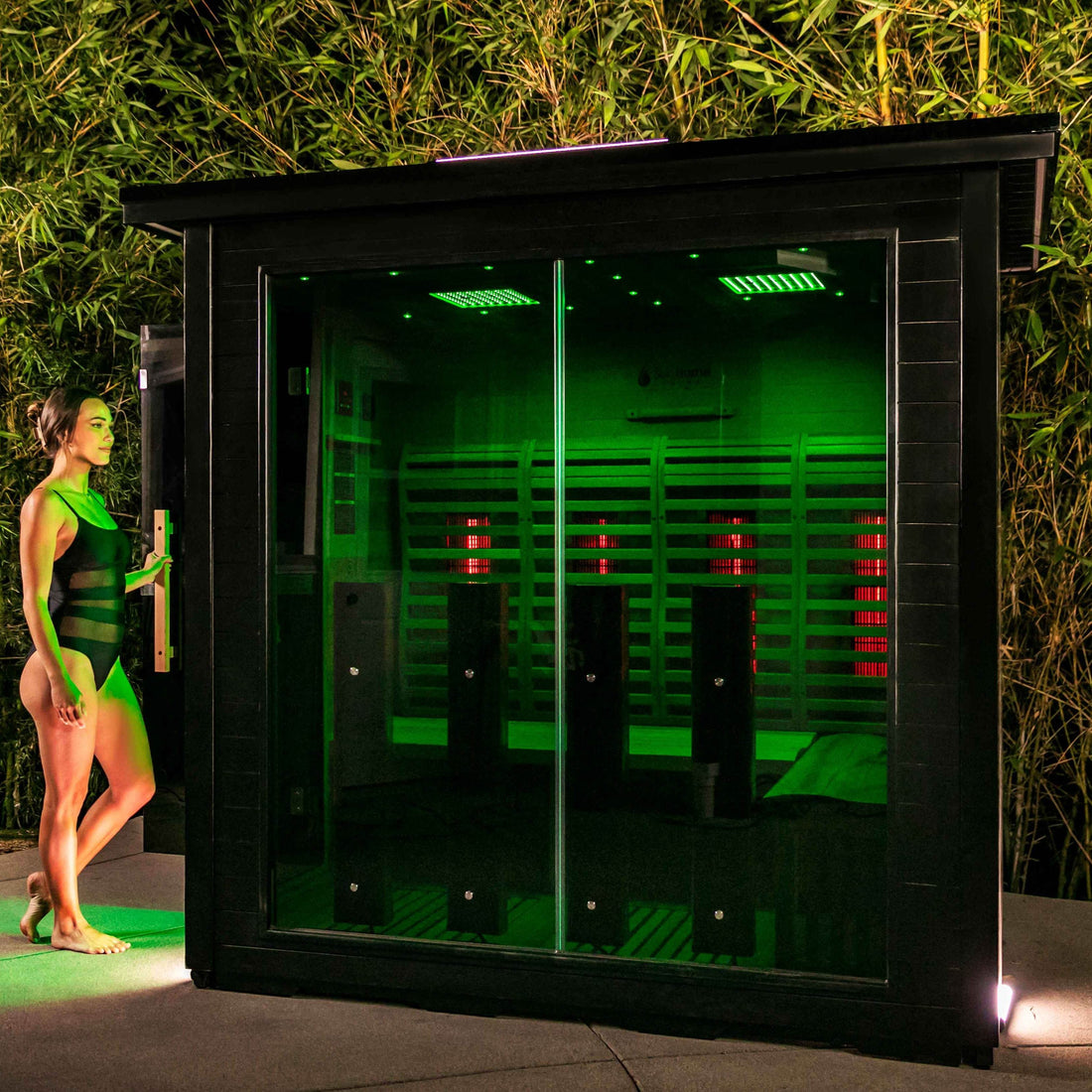
To choose the best infrared sauna for home, prioritize safety and performance. Look for low-EMF heaters, non-toxic wood like Hemlock or Cedar, and the right size (infrared sauna 1-person or larger). Opting for a full-spectrum infrared sauna for sale provides the deepest health benefits, ensuring your unit has electrical safety certifications and a comprehensive warranty for long-term home sauna wellness.
Infrared Sauna Buying Guide: How Do You Choose the Right One?
Buying the best infrared sauna is not always easy. Many brands make bold promises. On the other hand, many products appear similar but differ significantly in terms of safety, materials, heater quality, durability, and actual performance.
A low-quality sauna can waste energy, heat unevenly, off-gas chemicals, or even deliver unsafe EMF levels. Read on to understand how infrared therapy works, how to choose the right infrared sauna for your needs, the features that matter most, and how to evaluate build quality, heater technology, size options, and warranty terms.
What Is an Infrared Sauna and How is Infrared Heat Different?

The best infrared saunas use safe infrared light to heat your body directly. The heat penetrates the skin and warms your muscles, tissues, and joints from the inside out. This differs from traditional saunas, which heat the air to very high temperatures. Infrared saunas operate at a comfortable 110–140°F. Yet the heat feels deeper because infrared wavelengths reach several millimeters into the skin. This supports internal heating and increased circulation, rather than creating a hot external environment. Infrared saunas use three distinct wavelengths, each of which interact with the body differently, as seen below:
· Near-Infrared (NIR)
These short wavelengths primarily target the skin surface. NIR is popular for people who seek anti-aging benefits or light therapy alongside heat.
· Mid-Infrared (MIR)
Medium-length wavelengths that penetrate deeper than near infrared. They can help reduce inflammation and support faster recovery after workouts.
Far-Infrared (FIR)
These are the deepest-penetrating wavelengths, and most home infrared saunas focus on FIR, providing the most comprehensive therapeutic experience.
Which Type of Infrared Sauna Should You Buy for Your Home?
Choosing the right outdoor infrared sauna is crucial. The type determines heat quality, health benefits, and overall performance. So, should you choose far-infrared, near-infrared, or a full-spectrum sauna? Here are the pros and cons.
Pros of Far-Infrared Saunas (FIR)
- Deep tissue penetration, which helps you sweat faster
- Ideal for detox, stress reduction, and muscle relaxation
- Lower operating temperature feels more comfortable for beginners
- Efficient and even heating
- Can improve skin appearance
- Helps clear pores
Cons:
- Do not offer surface-level light therapy that enhances skin health
- Not ideal if you want photobiomodulation benefits
Pros of Near-Infrared Saunas (NIR)
- Excellent for skin repair and anti-aging
- Supports targeted healing
- Helps reduce surface inflammation
- Ideal for people focused on beauty or recovery
Cons:
- Does not heat the body as deeply.
- Doesn’t promote intense sweat compared to far-infrared saunas
Pros of Full-Spectrum Infrared Saunas
These home wellness saunas include near, mid, and far infrared together. Their advantages include:
- Most complete wellness experience
- Targets skin, muscles, and deep tissues
- Offers full-body heat for detox and relaxation
- Enhances circulation and supports recovery at all levels
Cons:
- Higher investment
- Requires more sophisticated heater systems
Should You Pick a Portable, 1-Person, 2-Person, or Large Sauna?

Proper size and layout ensure efficient heating, comfort, and a good infrared experience. Select a sauna size that suits your space and accommodates the number of people who will use it. A small sauna limits comfort, while one that is too large may waste energy or take too long to heat. Here are the pros and cons of different sauna sizes.
Pros Portable Infrared Saunas
- Work in small residences, apartments, or travel environments
- Plug into any standard 110V outlet
- Very budget-friendly
- Quick to set up and store when not in use
- Ideal for beginners
Cons:
- Less powerful heaters produce lower sweat intensity
- Limited comfort because you cannot fully recline or stretch
- Less durable construction
Pros of 1-Person Infrared Saunas
An infrared sauna 1-person unit:
- Is ideal for solo users seeking a private experience
- Fit easily in bedrooms, offices, and basements
- Features strong heating output in a compact space
- Is cost-effective yet powerful
Cons:
- No room for shared sessions
- Seating and foot room may be limited in lower-end models
Pros of 2-5 Person Infrared Saunas
Whether you are upgrading your home spa or just getting started, 2-5 person infrared saunas offer efficient heat, low energy use, and flexible sizing for couples, families, or small groups. Even a compact option like an infrared sauna indoor 2 person model delivers powerful health benefits while fitting comfortably into many home spaces. The pros of these saunas include:
- Most popular size for homes
- Spacious enough for comfort yet compact enough for most rooms
- Enhanced heater coverage provides even heating
- Ideal for couples or shared wellness routines
- Excellent balance of price and performance
- Luxury experience with ample space
- Ideal for families or entertaining guests
- Often include premium features such as chromotherapy, digital controls, and upgraded heaters
- Best airflow and heat distribution
Cons:
- Requires more space than single-person units
- Higher purchase price
- Requires a larger dedicated installation area
- Often requires a 220V electrical line
What Wood Type Should Your Infrared Sauna Use?

Quality wood and build ensure durability, safety, and a clean, comfortable sauna environment. Ensure the sauna uses solid natural wood. Avoid plywood or particle board. Low-quality materials may warp, crack, or release volatile organic compounds (VOCs) under heat. Good wood types resist heat stress, last longer, and often impart a pleasant aroma. Ensure construction uses non-toxic adhesives and finishes, especially if you’re sensitive to smells or chemicals. Here are wood options to consider.
· Canadian Hemlock
Canadian Hemlock is used by many premium sauna brands. It is suitable because it is:
- Non-toxic and chemical-free
- Strong and warp-resistant, even under repeated heat cycles
- Has a light color that looks modern and clean in homes
- Excellent value for durability and longevity
Canadian Red Cedar
Canadian Red Cedar is a durable, aromatic softwood prized for its natural resistance to decay, warm reddish tones, and stability, making it an ideal choice for saunas. This wood:
- Is naturally antimicrobial, resisting mold and mildew
- Has an aromatic scent that enhances relaxation
- Is extremely durable and moisture-resistant
- Features a beautiful reddish color and premium aesthetic
Basswood
Basswood is a light, hypoallergenic hardwood known for its smooth texture, low resin content, and stability. It’s commonly used in saunas due to its clean, gentle nature. Basswood is:
- Hypoallergenic for people with allergies or sensitivities
- Very smooth texture and pleasant finish
- No strong smell
- Despite the advantages, basswood is
- Softer wood that can dent more easily
- Less durable over long-term use
Spruce
Spruce is a strong, lightweight softwood valued for its bright color, clean grain, and good acoustic qualities. It’s commonly used in saunas due to its durability and stability. However, spruce is prone to cracking under heat and is not visually appealing. Other pros include:
- Lower-cost option for budget buyers
- Lightweight and easy to assemble
Which Sauna Heater Type Offers the Best Experience?
The best outdoor infrared sauna heater depends on the experience you want. Traditional electric or wood-burning heaters offer the classic high-heat, steamy environment many people prefer. Infrared heaters provide gentler, deeper warmth at lower temperatures, ideal for comfort and longer sessions. Hybrid heaters combine both for maximum flexibility. Overall, traditional heaters provide the most authentic sauna experience, while infrared heaters suit those who prefer milder heat.
What Sauna Safety Features Should You Look For?
When selecting a weatherproof outdoor infrared sauna, look for safety features that protect you and enhance the comfort of each session. A built-in timer prevents overheating by automatically shutting the sauna off. Temperature limiters prevent the heater from overheating, while proper ventilation ensures steady airflow.
Cool-touch door handles, tempered glass, and sturdy construction add extra protection. Inside, ergonomic seating, non-slip flooring, and low-EMF infrared panels (available in infrared models) enhance overall safety. Look for reliable certifications from recognized testing organizations to ensure the sauna meets established safety standards.
Why Do EMF Levels Matter?
Choose saunas with low or ultra-low electromagnetic field (EMF) emissions. High EMF or poorly shielded wiring can expose you to unnecessary electromagnetic exposure. Look for real test data showing EMF readings, ideally under 3 milligauss (mG) at sitting distance. Many high-end units aim even lower. This ensures wiring and components meet safety standards. Low EMF and correct wiring reduce potential health risks and ensure safer long-term use. They matter most for users who spend 20–45 minutes per session inside the home sauna. Here is an EMF checklist to help you make an informed choice.
- Ensure levels are independently tested and certified
- Look for EMF output below 3 milligauss at the sitting position
- Choose saunas with shielded wiring to minimize exposure
- Consider brands that prioritize ultra-low EMF engineering
Are Electrical Certifications Important?
Electrical certifications are important because they confirm a sauna has been tested and meets strict safety standards. Since saunas involve high heat, powerful electrical components, and long usage times, certified equipment helps prevent electrical faults, fire risks, or wiring issues. Certifications like ETL, UL, CE and ROHS compliance, or CSA also ensure the materials, wiring, and heaters perform reliably under stress. They also protect your investment and safety for many years. When buying an infrared sauna:
- Opt for saunas with clear safety certifications and documentation. This ensures compliance with electrical standards and safer operation.
- Check the warranty terms. Longer warranties indicate manufacturer confidence. Good units often offer extended heater and structural coverage
- Inspect overall build quality. Solid joints, good sealing, quality heater panels, and clean wiring. Avoid cheap imports with hidden flaws
- Avoid saunas without proof of any certifications.
Ensure the Sauna is not made with Toxic Materials

A high-quality luxury home sauna should be built with materials that remain safe when heated, meaning it must not off-gas chemicals during use. The sauna you choose should:
- Have no particleboard or plywood inside the cabin
- Feature non-toxic, water-based adhesives
- Be made of FSC-certified wood to ensure sustainable sourcing
- Have low-VOC finishes that do not release fumes
- Produce zero chemical smell during operation
What Sauna Features Should You Consider Before Buying?
Modern saunas incorporate technology and features that enhance comfort and the overall experience. While they may not significantly impact the sauna’s core function, they can enhance comfort, mood, and the overall experience. These include:
- Chromotherapy / LED light therapy
- Audio integration (speakers or Bluetooth)
- Touch controls for temperature, timer, and lighting
- Glass doors or windows for brightness and a modern look
- Ventilation or an ionizer for better air quality
How Much Should Your Sauna Budget be?
Pricing varies depending on size, features, and materials, as seen below:
- Portable Infrared Saunas $150–$6,000
- 1-Person Saunas $900–$5,399
- 2-Person Saunas $1,500–$10,699
- 5 Person Saunas $6,000–$13,799
- Luxury Full-Spectrum Models $10,000–$17,199
How Much Space Do You Need for Installation?
To determine the required space for a sauna installation, start by measuring the floor area where it will be situated, ensuring there is sufficient room for the sauna’s footprint, plus a small buffer around it. Check the ceiling height, since most saunas require a minimum clearance for proper heat circulation.
Ensure there is sufficient space for the door to open fully and provide safe access in and out. If it is an indoor sauna, confirm that there is adequate ventilation and sufficient room for electrical connections. For outdoor infrared saunas, consider level ground, weather protection, and access to power. Always compare your measurements with the manufacturer’s specifications before installation.
How Difficult Is Installation?
Considering the sauna installation process before buying ensures the model you choose fits your space, electrical setup, and lifestyle without unexpected complications. Understanding installation needs, such as floor space, ceiling height, ventilation, and power requirements, helps avoid costly modifications or delays. It also allows you to determine whether you can manage the installation yourself or if you need professional help. Planning ensures a smooth setup, safer operation, and a sauna that seamlessly integrates into your home.
What Warranty Should Your Sauna Include?
A warranty reflects product quality. Consider the following:
- A lifetime warranty for heaters in premium brands
- 5–10 years for wood cabin structures
- 1–5 years for electronics like speakers and control panels
- Replacement parts available long-term
- Clear return and refund policies
- Avoid brands offering short warranties
What Are Common Mistakes Infrared Sauna Buyers Make?
Avoiding the following common mistakes can save you money and frustration.
- Buying a sauna with high EMF levels due to poor wiring
- Choosing the cheapest model and sacrificing build quality
- Not measuring the space before buying
- Ignoring electrical requirements
- Selecting cedar if sensitive to fragrances
- Underestimating the importance of a warranty
- Overlooking the heater type and coverage area
- Choosing a size too small for long-term comfort
What Sauna Accessories Should the Ideal Unit Have?
Accessories enhance comfort and improve results. Check for:
- Backrests: Improve posture and comfort during long sessions
- Towels and Mats: Protect benches and absorb moisture
- Cup Holders: Keep you hydrated without interrupting your session
- Tablet or Phone Shelf: Useful for guided meditations or entertainment
- Upgraded Chromotherapy Panels: Add deeper mood and energy benefits
- Himalayan Salt Panels: Support air purification and create a soothing ambiance
- Infrared Foot Warmer: Adds targeted heat for deeper relaxation
Summary
Choosing the right infrared sauna requires an understanding of heater technology, wood quality, EMF safety, size, features, and warranty coverage. When you know what to look for, the decision becomes straightforward.
Various brands make the process easier by offering premium outdoor full-spectrum infrared saunas with low EMF, non-toxic materials, advanced carbon heaters, beautiful designs, and reliable warranties. A high-quality sauna can become one of the most valuable wellness investments you ever make. It supports your mind and body, enhances recovery, reduces stress, and provides daily relaxation right in your home. Use this guide to make an informed purchase and enjoy the many long-term benefits of owning a premium infrared sauna.
FAQ
What should I look for in an infrared sauna?
Choose low EMF heaters, non-toxic wood, a reliable warranty, proper size, and full-spectrum or far-infrared technology. Confirm independent testing, installation process, and features like chromotherapy and Bluetooth.
Are infrared saunas safe to use daily?
For most healthy adults, yes. Start with shorter sessions, stay hydrated, and listen to your body. Consult your doctor if you are pregnant, have heart issues, or have chronic medical conditions.
What is the best wood for an infrared sauna?
Canadian hemlock and red cedar are top choices. They’re durable, stable under heat, and low in toxins. Hemlock is neutral in scent, while cedar adds a natural, spa-like aroma.
How much does a good infrared sauna cost?
Quality home infrared saunas typically range from $1,500 to $7,500+, depending on size, wood type, heater technology, and features. Premium full-spectrum models from brands sit at the higher end.
Do infrared saunas use a lot of electricity?
No. They are generally energy-efficient. Most home units use about the same power as a clothes dryer or space heater. Short, regular sessions keep overall electricity costs reasonable.

