


Here's something most people don't realize when they first build saunas: you'll actually spend more time outside the hot room than inside it.
Between cooling down, hydrating, socializing, and preparing for the next round, the changing area strongly shapes your entire sauna experience.
A cramped, poorly designed dressing room can undermine even the finest infrared or traditional sauna cabin. The contrast between setups is striking.
Some bathers make do with a modest "cabin style" changing room—just a simple bench and a few hooks on a rustic wall—while others create luxury home sauna suites complete with heated floors, integrated storage, and app-controlled towel warmers.
Many SunHomeSaunas customers fall into the latter category, building complete wellness environments around their infrared or traditional sauna investments.
This article focuses on practical sauna-changing-area layout, storage, and towel-warming solutions that work in real homes and backyard sauna buildings.
Key Takeaways
- A well-planned sauna changing area is as important as the hot room itself—it manages traffic flow, storage, cooling-down rituals, and the overall wellness experience from start to finish.
- Follow concrete layout rules: aim for a dressing room approximately 1.5–2x the size of your hot room, with clear circulation paths running from entrance → changing → shower → sauna → cold plunge.
- Incorporate built-in storage, such as benches with hinged lids, wall cabinets mounted around 60 cm above bench height, and continuous hook rails to keep towels, robes, and sauna accessories organized and dry.
- Choose from specific towel-warming options—hardwired towel warmers, plug-in racks, hydronic rails, or built-in bench heaters—that pair seamlessly with home saunas for sale from SunHomeSaunas.
- Leverage modern control and app features, including Wi-Fi heaters, towel-warmer timers, and smart thermostats that let you pre-heat your sauna and towels from your phone before you even step inside.
How Should You Plan Your Sauna Changing Area Layout?
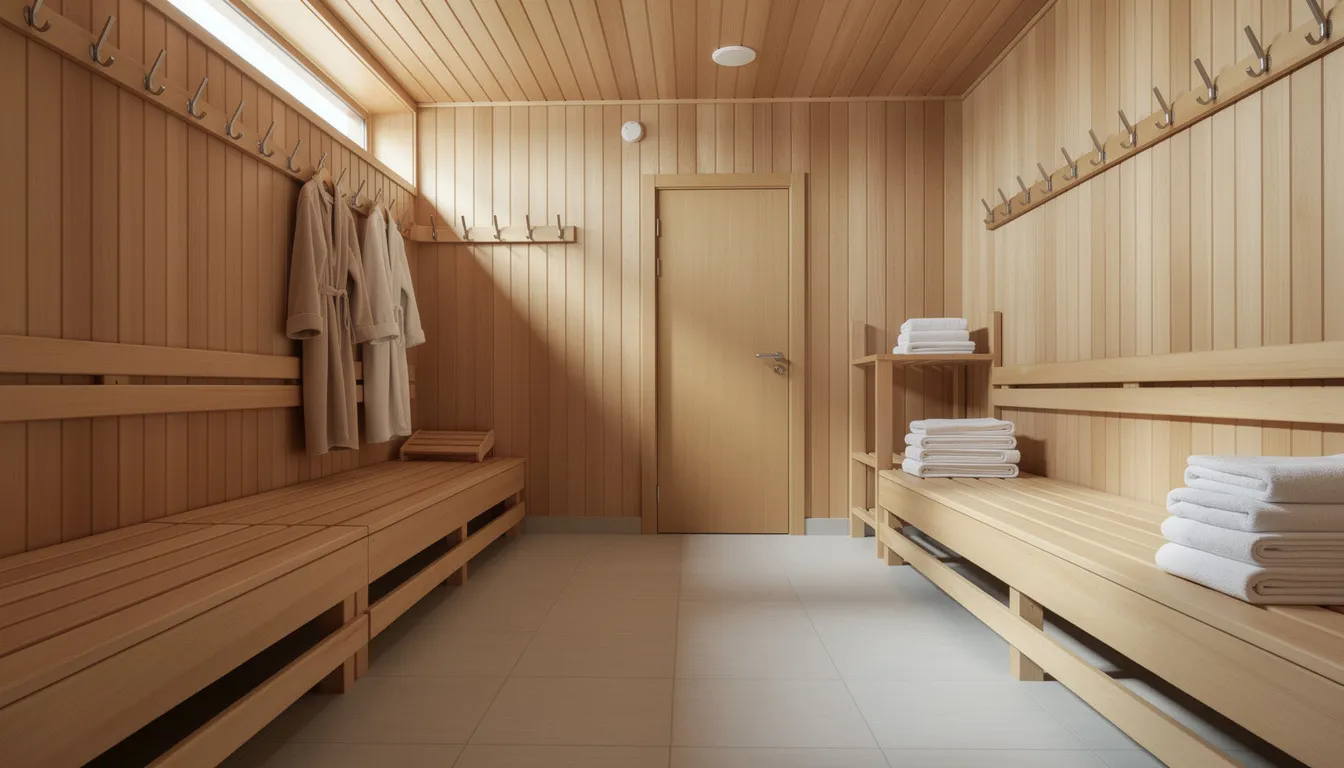
Understanding the sequence of use is essential before you sketch a single line.
The typical flow looks like this: arrive → undress → stow clothes → shower or rinse → enter sauna for a round → cool down (possibly with a cold plunge tub for home) → repeat → dress and leave.
Every element of your changing room layout should support this rhythm without creating bottlenecks.
Sizing Guidelines for Different Spaces
Based on established norms and expert recommendations, here are the proportional relationships that work:
|
Zone |
Typical Size (4-6 bathers) |
Minimum for Tight Spaces |
|
Hot room |
45–60 sq. ft. |
35–40 sq. ft. |
|
Shower/wet zone |
1.5x hot room size |
Single shower stall |
|
Changing area |
1.5–2x hot room size |
25–35 sq. ft. |
For example, in a 10x10-foot sauna building, experts recommend splitting the structure into a 10x6 hot room and a 10x4 changing room for 1-4 users. This allocates roughly 40% of the total space to changing, which provides adequate storage and circulation.
Whether you're planning a 1-person home sauna cost-effective setup or a larger one, these proportions scale appropriately.
Floor Plan Relationships
The ideal layout follows a linear or branching pattern:
- The main entrance leads directly into the changing area
- From the changing room, provide direct access to the shower/wet zone
- The shower connects to the hot room entrance
- Consider an optional door to an outdoor deck or cold plunge tub for home location
In urban environments where space is tight, you might need to stack functions.
A 5 ft. x 6 ft. changing nook with a wall-to-wall bench can serve effectively if you maintain a 32-inch clear door swing and at least 36 inches of circulation path along the benches.
This is particularly important when planning home infrared sauna installation in existing spaces.
Traffic Flow Principles
Avoid crossing paths where someone drying off blocks the entry.
The solution is straightforward:
- Use outward-swinging doors from the hot room (this also prevents steam intrusion and is safer)
- Position the towel warmer near the shower exit so warm towels are immediately accessible
- Keep the middle of the room clear for movement rather than filling it with furniture
Privacy matters for home users. Place windows with higher sills or frosted glass so guests aren't visible from living areas when changing. Door placement should create a visual buffer between the changing room and common spaces.
What Are the Best Space-Saving Layout Ideas for Small Changing Rooms?
Many SunHomeSaunas clients retrofit tight bathrooms, basements, or small outbuildings measuring 6–8 m², so compact solutions are essential.
The good news is that thoughtful design can make even modest spaces feel spacious and functional.
L-Shaped Bench Configuration
An L-shaped bench layout along two walls maximizes seating and storage in rooms of 5–7 m².
Use birch or cedar bench tops to match your best infrared sauna for home interior, and incorporate hinged lids for hidden storage beneath.
This single design choice can double your storage capacity while maintaining an open floor area.
Vertical Space Utilization
When floor area is limited, build upward:
- Install wall-to-wall countertops or slim shelves at about 90 cm height for baskets, water bottles, and folded towels
- Replace scattered single hooks with one continuous wooden rail or metal bar, mounted at 165–175 cm height to keep robes and towels off damp floors
- Use recessed cubbies between studs for rolled towels, sauna hats, and accessories
Flexible Furniture
Foldable or stackable stools work far better than bulky chairs in compact changing rooms. These can be carried outdoors between rounds during summer or stowed completely when you need more room for multiple bathers.
For tiny homes combining multiple functions, consider using under-bench space for laundry baskets, sliding bins, or integrated hampers. This eliminates the need for a separate laundry staging area.
What Storage Solutions Work Best for Towels, Robes, and Sauna Accessories?
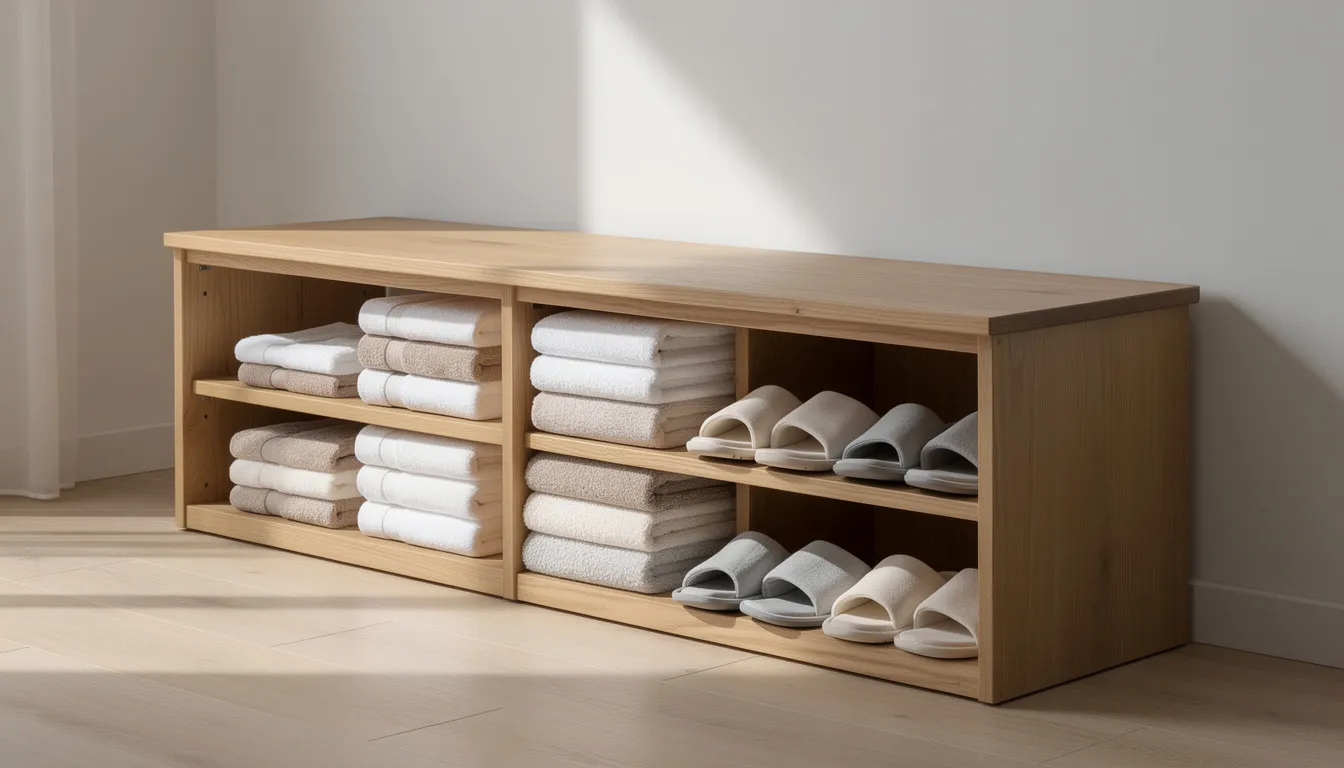
Dry, organized storage prevents mildew, extends the lifespan of quality Turkish and organic cotton towels, and maintains the minimalist spa feel that most saunas should convey.
Studies indicate that properly ventilated storage reduces odor buildup more significantly than enclosed units.
Bench-Based Storage
Box benches built from thermally treated aspen, hemlock, or cedar echo the hot room materials while providing substantial storage.
Features to incorporate:
- Hinged lids with soft-close hardware to prevent slamming
- Ventilation slats or gaps for air circulation
- Divided interior compartments for clean vs. used items
- Cushioned tops for comfortable seating during cool-down periods
A 4-foot bench with internal storage can hold 8–10 large bath towels plus robes, keeping everything accessible but hidden. This is particularly valuable for home sauna wellness spaces that also function as guest areas.
Wall-Mounted Solutions
Cabinet placement matters:
- Mount wall units 60–70 cm above bench height to prevent head bumps while sitting
- Use adjustable shelving to accommodate different towel sizes and sauna accessories
- Choose moisture-resistant cabinet materials like marine-grade plywood or sealed cedar
- Install soft-close hinges and magnetic catches to reduce noise
When to Use Open vs. Closed Storage
|
Storage Type |
Best For |
Avoid Using For |
|
Open shelving |
Frequently used towel baskets, cold plunge robes |
Cleaning supplies, electronics |
|
Closed cabinets |
Cleaning products, spare supplies, and personal items |
Items that need immediate access |
Hook and Rail Strategy
The approach depends on your wall surface:
Rustic log or paneled walls: Individual hooks work beautifully and complement the natural aesthetic
Modern drywall or tile: A continuous stainless steel or wooden rail provides cleaner lines and maximum flexibility
Install hooks at varying heights: higher for full-length robes (170–180 cm) and lower for hand towels (140–150 cm).
Space hooks 20–25 cm apart to prevent crowding and allow towels to dry properly. These are among the best sauna accessories for 2026 to maintain an organized space.
Specialized Storage for Sauna Items
Dedicated spaces for specific items improve the experience:
- Sauna hats and headbands: Small hooks or a dedicated cubby near the hot room door
- Water bottles and electrolytes: Shelf with drainage holes or a mini-fridge in larger setups
- Aromatherapy oils and essences: Closed cabinet away from heat sources
- Birch whisks (vihta): Vertical storage rack allowing air circulation
- Reading materials: Waterproof magazine holder or sealed basket
What Are the Best Towel Warming Solutions for Your Sauna Space?
Warm towels transform a good sauna session into a great one. The sensation of wrapping yourself in heated fabric after a cold plunge or between rounds elevates the entire ritual.
Here's how to choose and install the right system for your space, whether you're setting up an indoor 2-person infrared sauna cabin or a larger facility.
Hardwired Electric Towel Warmers
These permanent fixtures provide consistent, reliable warming and integrate seamlessly with bathroom or changing-room aesthetics.
Installation requirements:
- Dedicated 120V or 240V circuit (depending on model size)
- GFCI protection is mandatory in wet-adjacent locations
- Professional electrician recommended for code compliance
- Typical wall clearances: 4–6 inches from adjacent surfaces
Advantages:
- Always ready when you need them
- Higher heat output than portable units
- Can be integrated with smart home systems
- Clean, built-in appearance
Typical specifications:
- Power consumption: 60–150 watts
- Heating time: 30–60 minutes to reach operating temperature
- Capacity: 2–6 oversized bath towels, depending on size
This is an excellent choice for luxury home sauna installations where permanence and performance matter most.
Plug-In Portable Towel Racks
For renters or those wanting flexibility, freestanding units offer excellent results without electrical work.
Key features:
- 20A dedicated circuit operation (no special wiring)
- Freestanding design allows repositioning
- Timer functions on higher-end models
- Bucket-style and ladder-style configurations available
Placement tips:
- Position 3–4 feet from the shower exit for immediate access
- Ensure stable footing on tile or wood floors
- Keep cords away from water and traffic paths
This option works well for 1-person infrared saunas or temporary installations.
Hydronic (Water-Based) Towel Rails
Connected to home heating systems, these provide efficient heating through hot-water circulation.
When to consider:
- New construction or major renovation projects
- Homes with existing hydronic heating (radiant floors, baseboard hot water)
- Outdoor infrared sauna buildings with dedicated heating systems
Pros:
- Lower operating costs than electric models
- Environmentally efficient heat source
- Can warm larger spaces while heating towels
Cons:
- Complex installation requiring plumbing expertise
- Less responsive than electric (slower warm-up)
- May not function year-round if the heating system is seasonal
Built-In Bench Warmers
Some changing room benches incorporate low-voltage heating elements beneath seating surfaces.
Benefits:
- Dual function: warm seating and towel warming
- Concealed heating elements
- Safe, comfortable temperatures (90–105°F)
Ideal for:
- Minimalist designs prioritizing hidden technology
- Spaces where wall-mounted warmers don't fit
- Users who appreciate heated seating during cool-down
Choosing Based on Your Setup
For outdoor sauna buildings: Hardwired electric or hydronic systems connected to building heat
For bathroom conversions: Plug-in portable units or hardwired models matching existing fixtures
For basement installations: Hardwired with smart controls for scheduling
For rental properties: Portable plug-in models exclusively
How Can Smart Controls and Apps Enhance Your Changing Area?
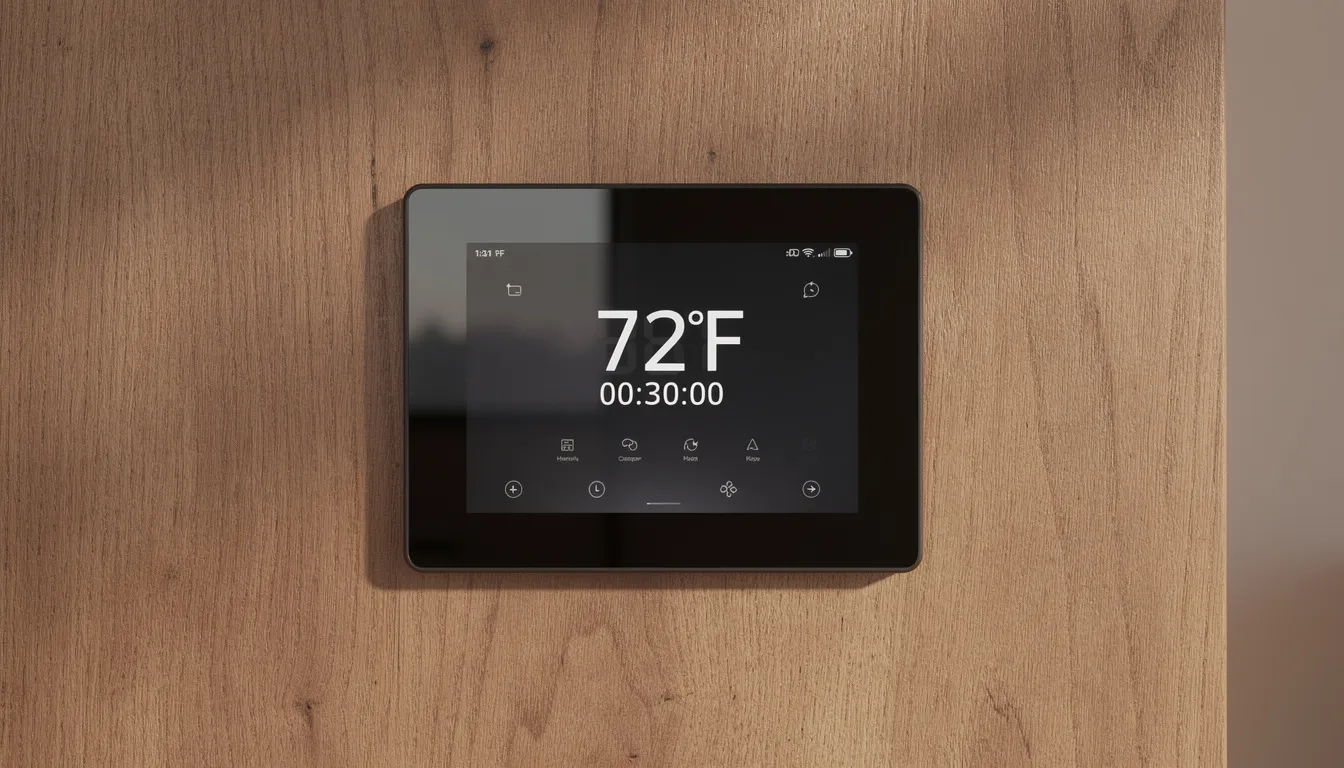
Modern technology extends far beyond the hot room. Smart controls for changing areas, towel warmers, and ventilation create a seamless, automated experience.
Wi-Fi Enabled sauna heaters
Many best infrared saunas for home models from SunHomeSaunas now include Wi-Fi connectivity:
- Pre-heat remotely via smartphone app
- Schedule recurring sessions (e.g., "Thursday evening sauna night")
- Receive notifications when the target temperature is reached
- Monitor energy usage and session duration
Smart Towel Warmer Integration
Even basic towel warmers can become part of your smart home ecosystem:
|
Integration Method |
Complexity |
Features |
|
Smart plug |
Easy |
Timer functions, app on/off, scheduling |
|
Wi-Fi-enabled warmer |
Moderate |
Precise temperature control, usage tracking |
|
Full system integration |
Advanced |
Synchronized with sauna pre-heat, geofencing |
Create automated routines like "Sauna Night" that dim changing-room lights, cue relaxing music, start the sauna pre-heat, and warm towels—all triggered by a single voice command or scheduled for your usual session time.
Compatible Protocols and Platforms
Look for devices supporting:
- Wi-Fi: 2.4GHz standard (most common for home devices)
- Bluetooth 5.0: Short-range control without internet dependency
- Zigbee or Z-Wave: Mesh networking for large home installations
- Voice assistants: Amazon Alexa, Google Home, Apple Home Kit integration
Advanced Automation Ideas
Geofencing triggers: Sauna and towel warmers activate when your phone enters a defined radius of your home
Weather-responsive scheduling: System adjusts pre-heat timing based on outdoor temperature
Usage analytics: Apps track session frequency and suggest optimal maintenance schedules
Multi-zone control: Separate settings for changing room, hot room, and outdoor infrared sauna areas
This level of integration represents the cutting edge of home sauna wellness technology and is particularly valuable for those exploring the health benefits of cold plunge therapy through contrast therapy routines.
How Should You Integrate Cold Plunge Areas with Your Changing Room?
Contrast therapy—alternating heat and cold—has become a cornerstone of modern wellness routines.
Integrating a cold plunge tub into your home sauna's changing area requires thoughtful planning.
Placement Options
Adjacent to the changing room (indoor):
- Professional cold plunge units with filtration and chilling systems
- Requires a floor drain and a water supply
- Climate-controlled environment year-round
- Higher installation cost, but a premium experience
Outdoor deck or patio (outdoor):
- Stock tanks, dedicated plunge pools, or natural water access
- Lower installation complexity
- Seasonal use in cold climates unless heated
- Requires weatherproofing and safety measures
Shared wet room:
- Combined shower and plunge space
- Space-efficient for tight footprints
- Excellent for outdoor infrared sauna buildings with limited square footage
Safety and Accessibility Considerations
- Adequate outdoor lighting controllable from changing-room switches
- Clear anti-slip routes with high-contrast edges
- Handrails if steps are involved
- A bench or chair positioned near the plunge for recovery
Many users exploring cold plunge vs ice bath for recovery options find that permanent installations offer better long-term value and convenience than temporary solutions.
Consider the home cold plunge system benefits when planning your overall wellness space.
What Maintenance and Hygiene Practices Keep Your Changing Area in Top Condition?
A clean, dry changing area is essential for hygienic sauna practice and for protecting your investment in quality materials and smart hardware.
The post-pandemic era has heightened awareness of hygiene, with current trends showing increased demand for UV sterilization (achieving 99.9% bacteria kill rates) and app-controlled dehumidifiers.
Design for Easy Cleaning
Build maintenance into your design from the start:
- Smooth wall panels instead of heavily textured surfaces that trap dust
- Removable duckboards for periodic deep cleaning underneath
- Cabinets mounted high enough off the floor for mops or robot vacuums
- Sloped floors (1/4-inch per foot) draining toward wet zones
Post-Session Routine
After each session, a simple 5-minute routine extends the life of everything in your changing room:
- Hang towels fully spread on hooks or rails
- Open a window or run an exhaust fan for 20-30 minutes
- Wipe bench tops where sweat or water collected
- Return cushions to dry positions if they got damp
Moisture Control Systems
Proper moisture management prevents the 10-15% higher mold incidence seen in poorly ventilated spaces:
- Vapor barriers behind exterior walls
- Insulated floors with rigid foam between joists
- Ventilation fans sized appropriately (aim for 1-2 air changes per hour)
- Smart controls or timers that automate ventilation cycles
Protecting Electronics
Keep towel warmer switches, smart plugs, and digital sauna controllers away from direct spray.
Check IP ratings to ensure devices are appropriate for damp zones—IP65 or higher for anything near water.
Long-Term Maintenance Schedule
|
Task |
Frequency |
Notes |
|
Re-oil or re-stain bench surfaces |
Every 1-2 years |
Use products rated for high-humidity areas |
|
Replace worn textiles |
As needed |
Towels, cushion covers, bath mats |
|
Check seals around windows and doors |
Annually |
Look for gaps, condensation issues |
|
Inspect electrical connections |
Annually |
Ensure GFCI protection is functioning |
|
Deep clean storage compartments |
Quarterly |
Remove everything, wash, fully dry |
How Can SunHomeSaunas Support Your Changing Area Setup?

SunHomeSaunas focuses on complete home wellness environments, including infrared and traditional saunas, cold plunges, and accessories for cohesive at-home spa layouts.
The changing area isn't an afterthought; it's an integral part of the sauna experience that deserves the same attention as the hot room itself.
Many SunHomeSaunas models are 20A dedicated circuit, making them easy to integrate into existing bathrooms or spare rooms with modest carpentry for changing-area benches and storage.
This flexibility means you don't need a full renovation to create a functional, beautiful sauna suite.
What SunHomeSaunas Advisors Can Help You Choose
- Heater types matched to your space and preferences (including full-spectrum infrared sauna for sale options)
- Control interfaces that integrate with your existing smart home
- Accessory placements (hooks, towel storage, warmers) optimized for your square footage and routines
- Compatible add-ons like red light therapy panels for mounting in either the hot room or the changing area
- Guidance on outdoor infrared sauna installation guide and weatherproof outdoor infrared sauna materials
- Information about the outdoor infrared sauna warranty and materials for long-term durability
The result is a multi-modal recovery zone where you can enjoy heat, cold, and light therapy in a single, thoughtfully designed space.
Whether you're interested in the best outdoor infrared sauna for your backyard or an outdoor full-spectrum infrared sauna for comprehensive wellness, SunHomeSaunas provides expert guidance.
Ready to Get Started?
Measure your available space, sketch a simple layout following the guidance in this article, and then visit SunHomeSaunas' product pages or contact support for tailored recommendations.
Your perfect sauna suite—complete with an ideal changing area—is closer than you think.
Consider the infrared sauna price range that fits your budget and explore options that maximize both the hot room and changing area experience.
Frequently Asked Questions
How Big Should My Sauna Changing Area Be Compared to The Sauna Itself?
For a typical 4-6-person sauna of about 45-60 sq. ft., a comfortable changing area is ideally 1.5-2x that size, giving you 70-120 sq. ft. to work with. However, small homes can function well with as little as 25-35 sq. ft. by using built-in benches with storage, vertical shelving, and continuous hook rails instead of bulky furniture.
The key is maintaining adequate circulation paths (at least 36 inches) and ensuring outward-swinging doors don't create bottlenecks. This applies whether you're planning a 1-person infrared sauna setup or a larger installation.
Can I Put a Towel Warmer Inside the Sauna Hot Room?
Most electric towel warmers are not designed for the extreme temperatures and humidity found in a hot room, which can exceed 180°F in traditional saunas. Install towel warmers in the changing area or bathroom, positioned just outside the hot room door for easy access.
Follow manufacturer clearance guidelines (typically 4-6 inches from adjacent surfaces) and always use GFCI-protected circuits in wet-adjacent spaces.
Do I Need a Separate Shower Room Next to My Changing Area?
A dedicated shower is ideal for hygiene and comfort, allowing you to rinse sweat between sauna rounds and wash before entering the hot room. However, many setups—especially infrared saunas installed in existing bathrooms—successfully use the main bathroom shower.
At a minimum, ensure you have a nearby place to rinse. The key is maintaining proper ventilation and drainage in whatever configuration you choose.
What Materials Work Best for Benches and Storage in A Damp Changing Room?
Moisture-tolerant woods like cedar, thermally treated aspen, or spruce are ideal for benches and cabinet fronts. Cedar offers natural antimicrobial properties and can last 20+ years with proper ventilation.
Use corrosion-resistant stainless steel fasteners throughout. Avoid raw MDF and unsealed particle board, which absorb moisture and can swell, warp, or develop mold over time. For cabinet interiors, consider marine-grade plywood or moisture-resistant melamine.
Can I Control My Sauna and Towel Warmer from My Phone?
Yes—many modern heaters from brands like SunHomeSaunas offer Wi-Fi and app control for preheating and scheduling. These systems typically support 2.4GHz Wi-Fi, Bluetooth 5.0, or Zigbee protocols, and integrate with Amazon Alexa, Google Home, and Apple Home Kit.
Basic towel warmers can be managed via smart plugs, while advanced models offer dedicated apps with precise temperature control and usage tracking. This enables automated "sauna night" routines that pre-heat everything before you arrive home.
References
- Research Gate – “Mitigating Particulate Matter Exposure in Naturally Ventilated Buildings During Haze Episodes.”
- Home Sauna – “What Are the Best Smart Sauna Controls for 2026?”
- Web MD – “Contrast Bath Therapy: Hydrotherapy, Benefits of Contrast Bath, and More.”
- Medical News Today – “Sauna: Health Benefits, Risks, and Precautions.”