


Sauna insulation efficiency is the primary factor determining the operational cost, longevity, and thermal comfort of a home wellness installation. By implementing a high-performance thermal envelope, such as utilizing materials like mineral wool and foil-faced polyisocyanurate, owners can reduce energy consumption by up to 50% while significantly decreasing heat-up times. This guide provides a comprehensive framework for understanding R-values, mitigating thermal bridging, and optimizing radiant heat reflection for red light and infrared saunas.
Key Takeaways
- Thermal Economics: Proper insulation reduces annual energy expenditure by 30–50% and extends the lifespan of the heating elements by reducing total "on-time."
- Material Science: Mineral wool is the industry standard for high-heat environments, capable of withstanding 2,000°F, while PIR boards offer the highest R-value per inch.
- The Vapor Barrier Factor: A flawlessly sealed foil vapor barrier is responsible for nearly 40% of a sauna’s efficiency by reflecting radiant energy and stopping convective air leaks.
- Climate Logic: Outdoor saunas in northern climates require up to R-50 ceiling insulation to combat extreme temperature differentials during winter months.
- Structural Integrity: Effective insulation prevents interstitial condensation, which is the leading cause of mold and structural rot in home sauna builds.
What Determines Sauna Insulation Efficiency?
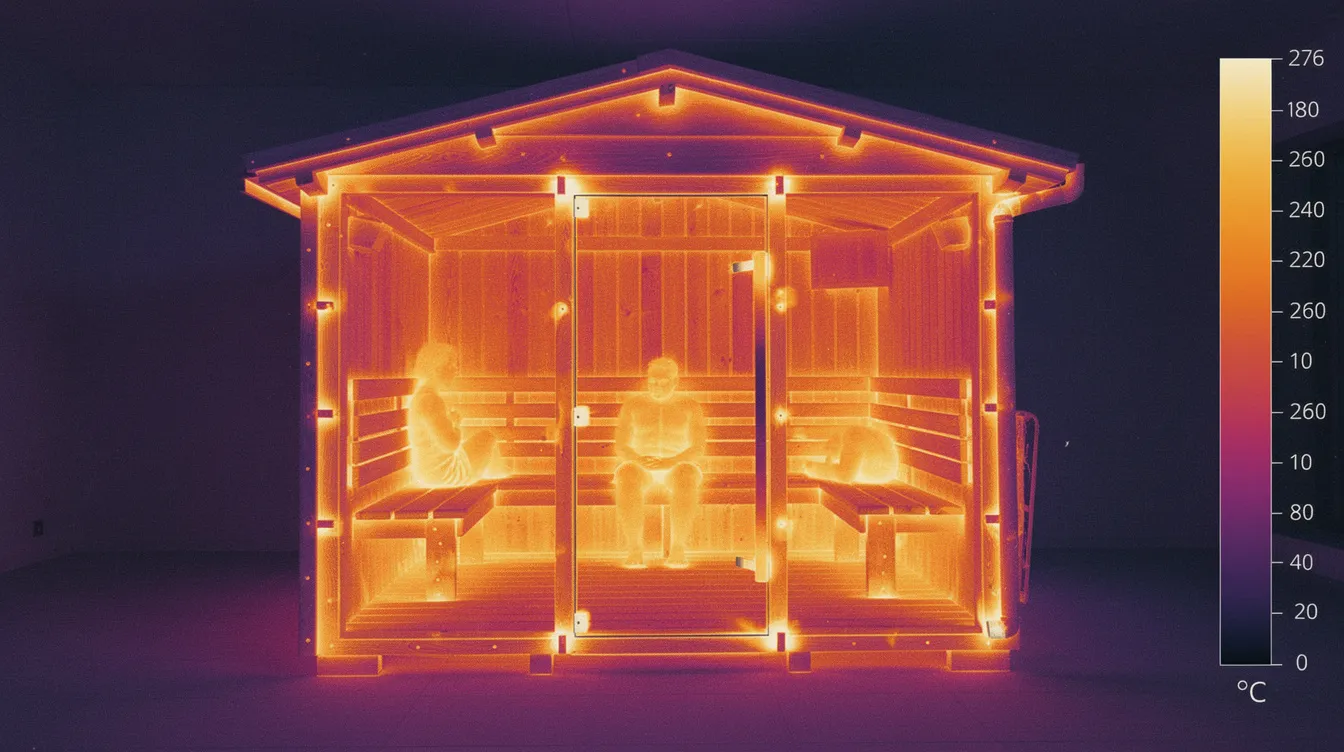
Understanding sauna efficiency requires a look at the three types of heat transfer: conduction, convection, and radiation. A truly efficient sauna addresses all three through a multi-layered material strategy.
How Does Conduction Impact Your Energy Bill?
Conduction is the transfer of heat through solid materials. In a sauna, heat moves from the hot interior air into the wood paneling, through the studs, and out to the exterior walls. Insulation materials like mineral wool are designed with millions of tiny air pockets that slow this transfer. The "R-value" measures this resistance; the higher the R-value, the slower the heat escapes. For a Sun Home Sauna to remain energy-efficient, the conductivity of the wall assembly must be minimized so the heater doesn't have to run at 100% capacity to maintain the target temperature.
Why Is Convection the "Silent Killer" of Sauna Heat?
Convection is heat transfer through the movement of air. If there are gaps in your sauna’s construction, around the door frame, the vent, or the floor-to-wall junction, hot air will physically leak out while cold air is sucked in. This is why air sealing is just as important as the insulation itself. A sauna with R-30 walls but a 1/4-inch gap under the door will perform worse than a properly sealed sauna with R-13 walls.
What Is the Role of Radiant Heat Reflection?
In an infrared sauna, heat travels via light waves (radiant energy). In a traditional sauna, the hot rocks also emit radiant heat. Standard insulation absorbs this heat, but a reflective foil vapor barrier bounces it back toward the user. This "thermal bounce" is what makes the interior of a high-end sauna feel consistently warm without "cold spots" near the walls.
How Do You Assess Your Current Sauna’s Thermal Performance?
Before performing a retrofit or judging a new build, ensure sauna’s electrical requirements are properly matched to the heater and circuit. Assessment is a technical process involving timing, temperature tracking, and visual inspection.
What Is the Standard Heat-Up Time for a Quality Sauna?
The clock best measures efficiency. A traditional sauna equipped with a correctly sized heater and high-grade insulation should hit 175°F in 30 to 45 minutes. If your unit takes over an hour to reach a usable temperature, you are likely losing heat through the ceiling or through massive air leaks. For infrared saunas, the benchmark is even tighter: you should feel the primary benefits within 15 to 20 minutes.
How Can an Infrared Thermometer Save You Money?
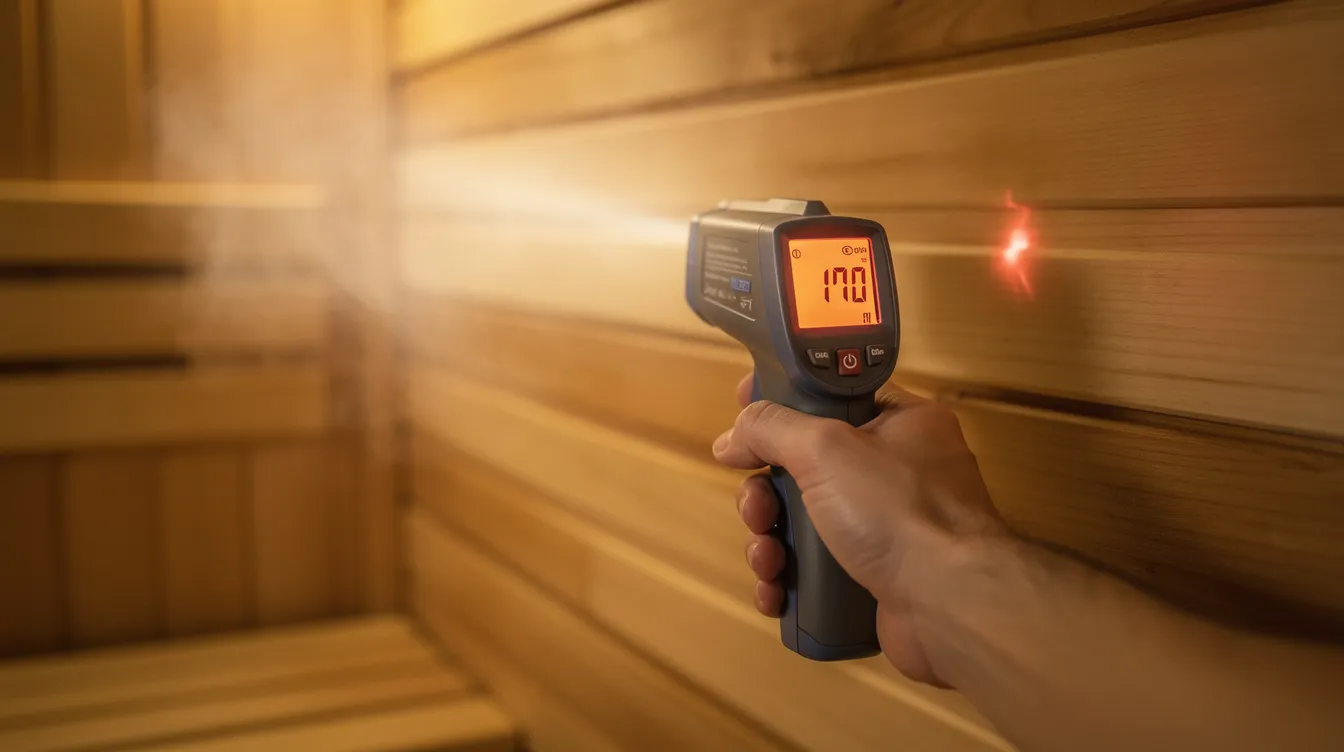
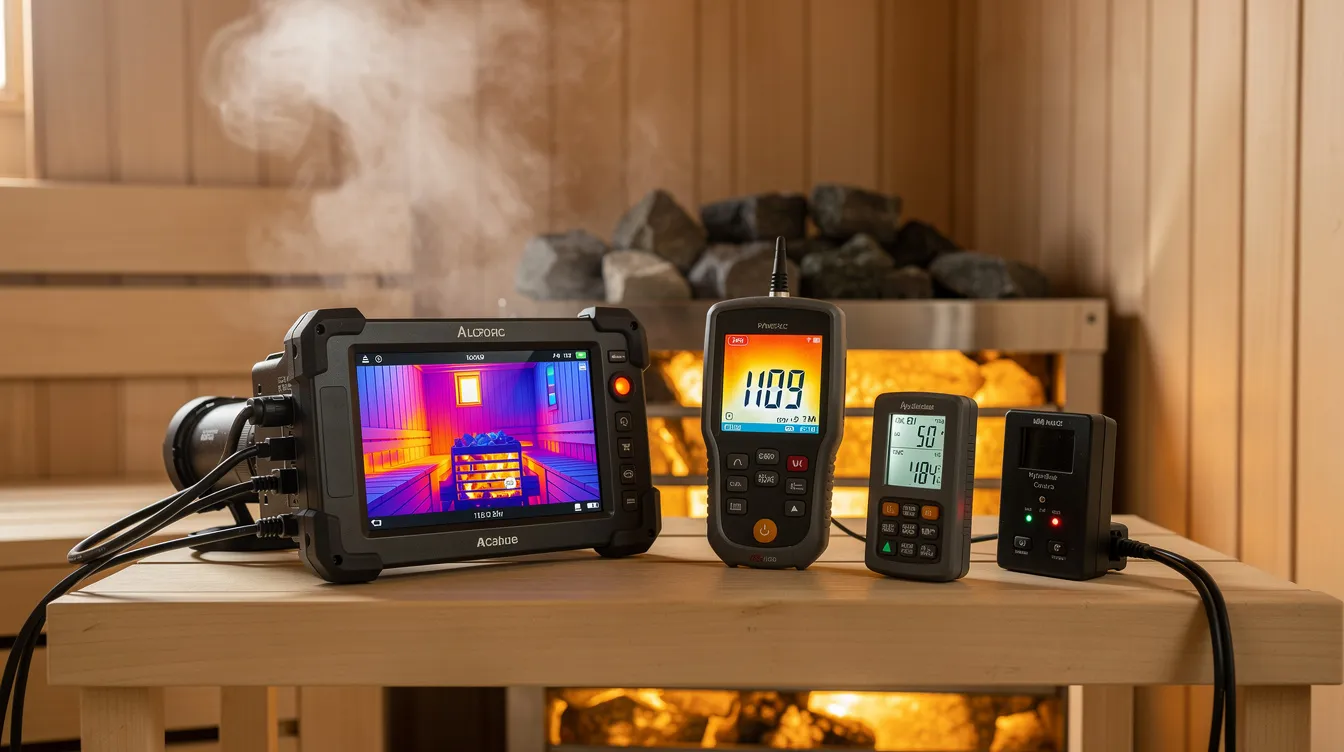
An infrared thermometer is an essential tool for any sauna owner. By scanning the walls during a session, you can identify "thermal bridges." If most of the wall is 160°F but certain spots (where the studs are located) are 120°F, heat is escaping through the wood. Identifying these "cold spots" allows you to target your insulation upgrades where they will have the most impact on your energy bill.
What Are the Signs of a Failing Vapor Barrier?
If you notice a "musty" smell or see water stains on the exterior of your sauna cabin, your vapor barrier has likely failed. When steam penetrates the insulation, the R-value of the material (especially fiberglass) drops to near zero. Furthermore, wet insulation leads to wood rot, which can compromise the structural safety of the entire unit.
When Does High-Efficiency Insulation Make the Biggest Difference?
Not every sauna needs R-50 insulation, but in specific configurations, anything less than premium materials will result in a frustrating and expensive experience.
Why Is Outdoor Sauna Insulation a Different Beast?
Outdoor units are exposed to "ambient load." In the summer, the sun beats down on the roof; in the winter, sub-zero winds strip heat away from the exterior siding. For an outdoor Sun Home Sauna in a cold climate, the temperature differential (Delta T) can be as high as 200°F. In these conditions, standard R-13 insulation is insufficient. You need a thicker thermal envelope and a heavy-duty foil barrier to ensure the heater can actually reach and hold 190°F.
How Does Usage Frequency Dictate Your Insulation Choice?
A "weekend warrior" who uses the sauna once a week may not care about a $5 increase in their electric bill. However, for daily users or commercial settings, the energy costs compound. Over 10 years, the difference between a "standard" insulated sauna and a "maximum efficiency" sauna can amount to several thousand dollars in energy savings, effectively making the premium outdoor sauna insulation "free" over time.
What Are the Most Efficient Insulation Materials for Saunas?
The interior of a sauna is a hostile environment. Materials must be able to handle extreme heat cycles and high humidity without off-gassing toxic chemicals.
|
Material |
R-Value Per Inch |
Max Temperature |
Moisture Resistance |
Cost Per Sq Ft |
|
Mineral Wool |
R-3.2 to R-4.3 |
Over 1,000°F |
Hydrophobic (dries quickly) |
$0.80 - $1.20 |
|
Foil-Faced PIR |
Up to R-6.5 |
392°F (Continuous) |
Excellent (Low absorption) |
$1.00 - $2.00 |
|
Fiberglass Batts |
R-3.3 to R-3.8 |
Safe for sauna temps |
Poor when wet |
$0.30 - $0.60 |
|
EPS/XPS Foam |
R-3.8 |
165°F - 175°F Max |
Good |
$0.50 - $1.00 |
Why Is Mineral Wool (Stone Wool) the Professional Choice?
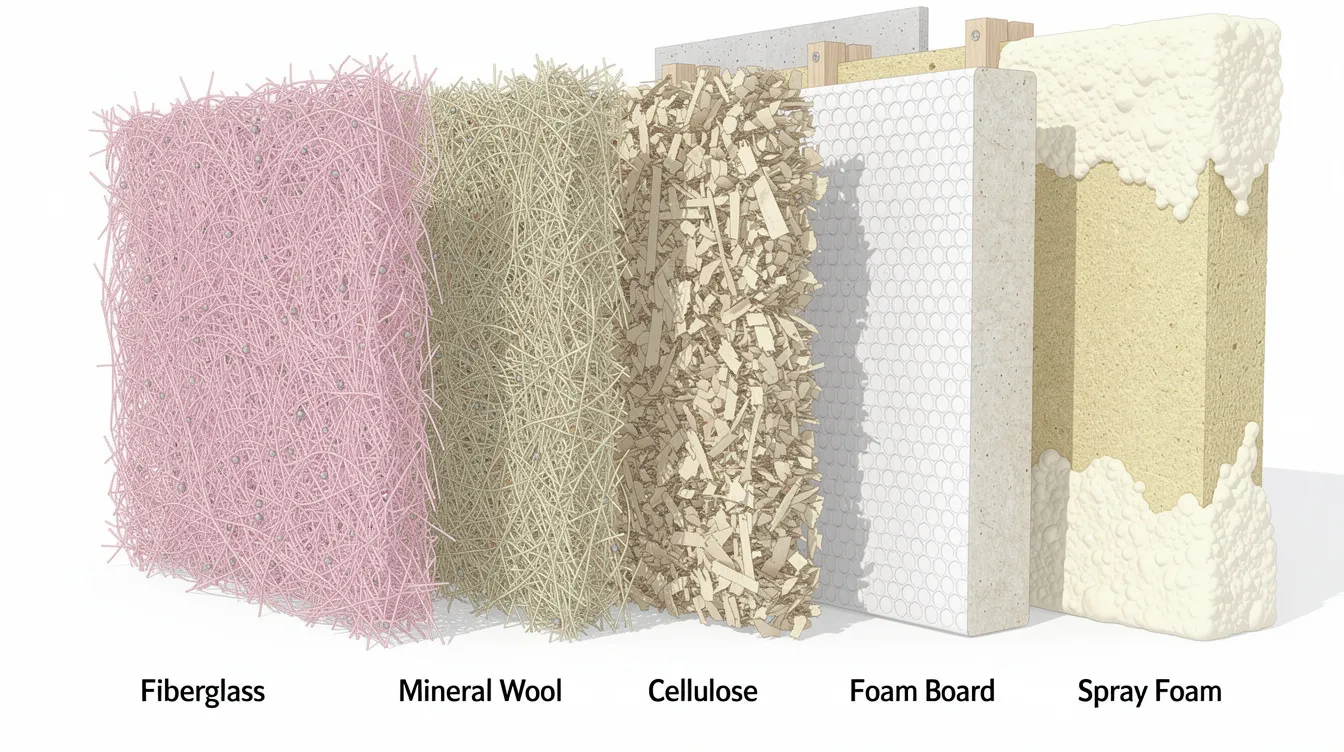
Mineral wool is made from molten basalt rock spun into fibers. Unlike fiberglass, which uses binders that can smell or degrade at high temperatures, mineral wool is non-combustible and dimensionally stable. It does not sag over time.
- Density: It is significantly denser than fiberglass, providing superior thermal resistance.
- Hydrophobic: It repels water, which is vital in a steam-heavy traditional sauna.
- Acoustics: It creates a silent, sanctuary-like environment by dampening the sound of the heater and exterior noise.
When Should You Opt for Foil-Faced PIR (Polyiso) Boards?
PIR boards are rigid foam panels with a foil facing on both sides. They offer an incredible R-6.5 per inch.
- Space Savings: If you are building a sauna in a tight space (like a closet or small basement corner), PIR allows you to get high R-values with only 2 inches of thickness.
- Radiant Efficiency: The foil is already attached, simplifying the installation of the radiant barrier.
- Note: PIR must be protected by a thermal barrier (like wood paneling) and should not be used in direct contact with the heater.
Is Fiberglass Ever Acceptable in a Sauna?
Fiberglass is the most common home insulation, but it is the "budget" choice for saunas. If you use it, you must ensure it is "unfaced" (no paper backing, which is a fire hazard) and that your foil vapor barrier is 100% airtight. Any moisture that enters fiberglass will stay there, leading to mold growth within the walls.
What Are the Specific High-Efficiency Installation Techniques?
A 4,000-word guide would be incomplete without a technical breakdown of the installation process. Proper execution is the difference between a warm room and a high-performance infrared thermal chamber.
How Do You Manage the "Thermal Bridge" Problem?
Wood is a relatively poor insulator (about R-1 per inch). If your wall is 10% wood (studs) and 90% insulation, that 10% acts as a highway for heat to leave.
- The Solution: Install a thin layer (1/2 inch) of rigid foil-faced foam over the faces of the studs before you nail your cedar tongue-and-groove. This "breaks" the bridge, ensuring that the heat must pass through an insulating layer before it hits the wood.
What Is the "Tape and Seal" Protocol?
The vapor barrier is only as good as its weakest seam.
1. Overlap: Always overlap foil sheets by at least 6 inches.
2. High-Temp Tape: Use aluminum foil tape specifically rated for 250°F+. Standard duct tape will fail within weeks.
3. Penetrations: Every electrical wire and vent pipe must be taped tightly to the foil.
4. The Floor Junction: The foil should overlap the floor plate and be sealed with a high-temp silicone or specialized gasket to prevent "chimney effect" air leaks. 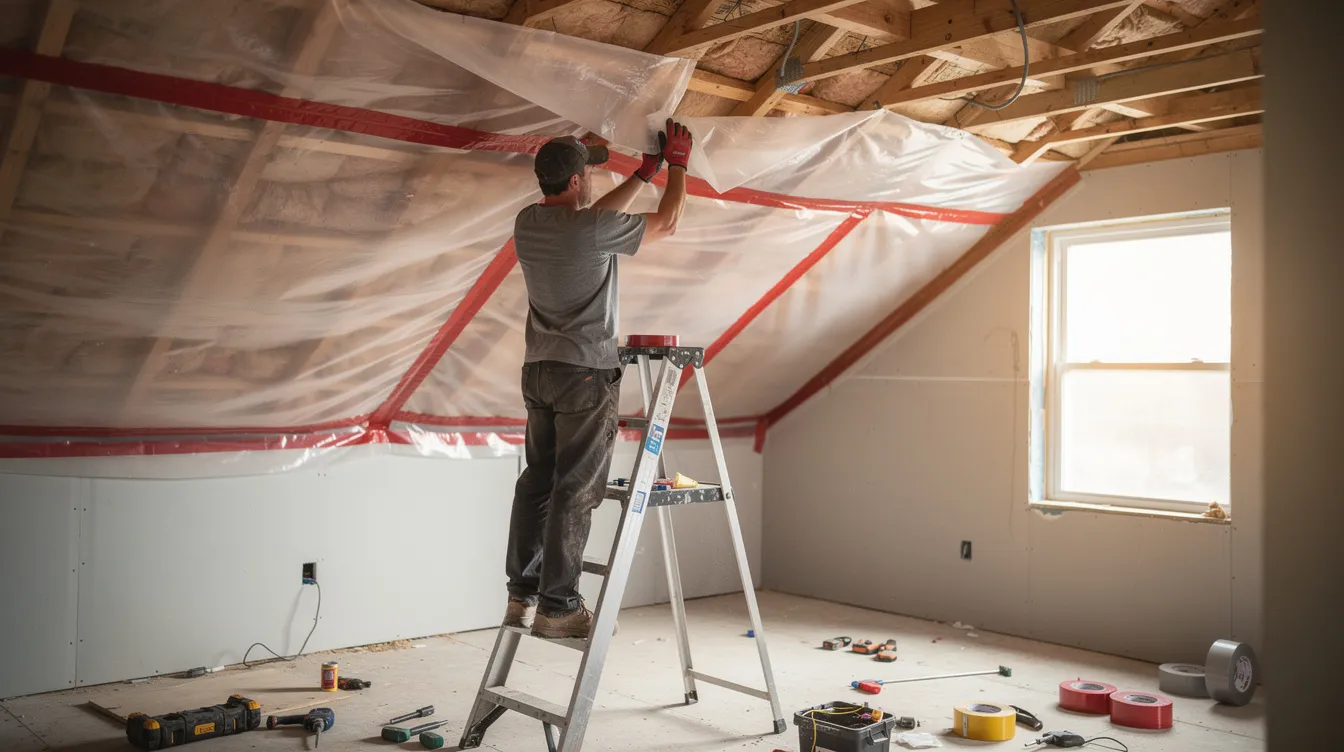
How Do You Insulate a Sauna Ceiling Correctly?
Since heat rises, the ceiling is where 50% of your heat loss occurs.
- Double Layering: Use two layers of insulation in the ceiling. The first layer goes between the joists, and the second layer runs perpendicular across the joists. This creates a seamless blanket of protection and eliminates all thermal bridging. Aim for R-30 or higher in the ceiling for maximum efficiency.
How Do Home Factors Affect Insulation Efficiency Requirements?
Your specific home environment dictates the "baseline" of your build. A sauna in a garage in Minnesota has very different needs than a sauna in a master bathroom in Florida.
Climate Zone Logic: The R-Value Matrix
For our Sun Home Saunas clients, we recommend the following R-value targets:
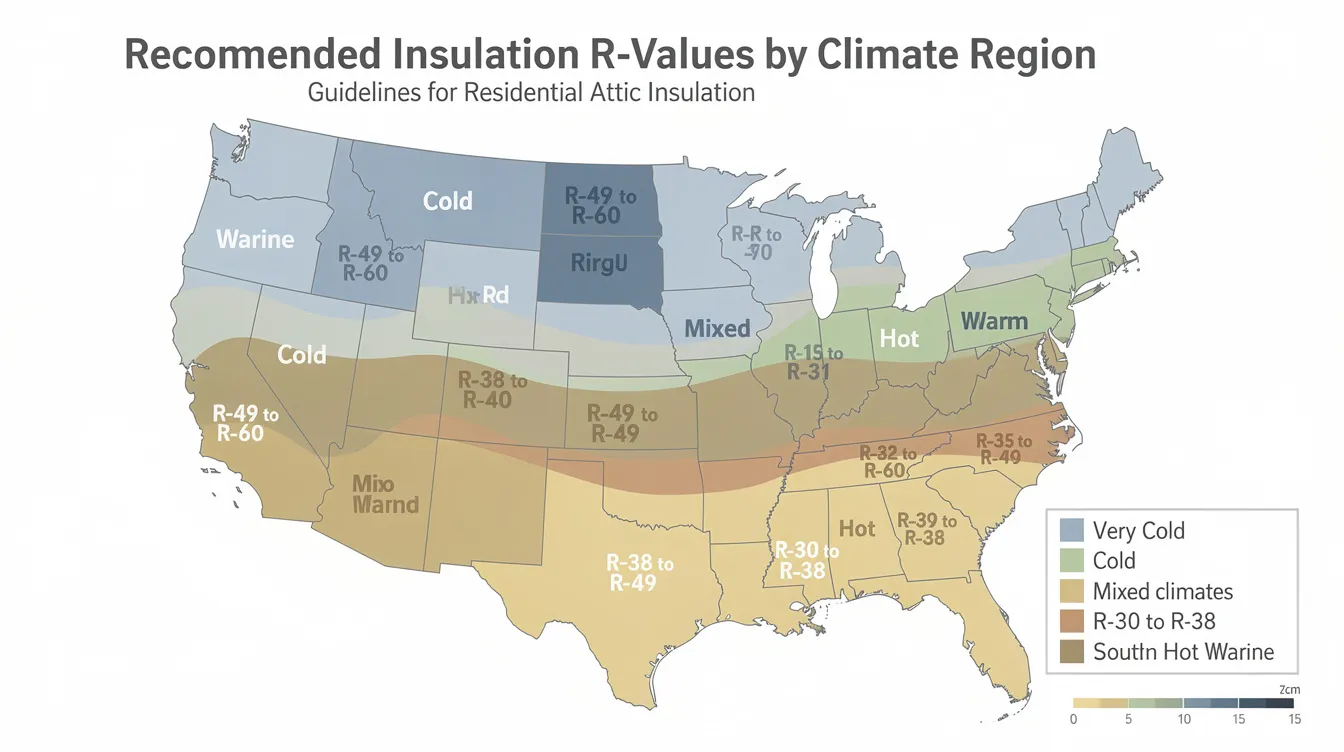
- Zone 1-3 (Southern US): Walls R-13, Ceiling R-26.
- Zone 4-5 (Midwest/Central): Walls R-15, Ceiling R-30.
- Zone 6-8 (Northern/Canada): Walls R-23, Ceiling R-40+.
The Garage vs. Basement Debate
- Basements: Usually have a stable ambient temperature (55-65°F). You can use standard insulation targets here.
- Garages: Are often unconditioned. If the garage drops to 30°F in the winter, the "load" on the sauna is doubled. In garage builds, we recommend treating the sauna as an "outdoor" unit and increasing the insulation thickness on all six sides, including the floor.
What Safety and Efficiency Standards Must You Follow?
Efficiency should never compromise safety. High-temperature environments require strict adherence to fire codes and air quality standards.
What Are the Electrical Safety Clearances?
Insulation can trap heat around electrical wires. When wiring a sauna, always use THHN or high-temperature rated wire. Do not pack insulation so tightly around junction boxes that the wires cannot dissipate the heat generated by the electrical current. Ensure all connections are outside the "hot zone" whenever possible.
Wall System Efficiency
Cavity filling techniques prevent the compression and air gaps that reduce effective R-value in wall assemblies. Cut insulation batts precisely to fit between wall studs without forcing material into undersized spaces. Compression reduces R-value proportionally, negating the benefits of premium materials.
Continuous exterior insulation provides advanced thermal performance by adding rigid board over the structural sheathing before exterior cladding. This approach is particularly valuable for outdoor sauna construction where the temperature differential between interior and exterior is greatest.
Corner and junction detailing ensures a complete thermal envelope without the gaps that commonly occur at geometric transitions. These areas require careful cutting and fitting, often benefiting from spray foam application to seal irregular spaces before installing primary insulation.
Floor Insulation Strategies
Underfloor insulation methods vary significantly depending on whether your sauna sits on a concrete slab or a raised floor system. Concrete slabs conduct heat efficiently into the ground, making rigid foam insulation under the slab essential for preventing heat loss and maintaining comfort.
Moisture management and drainage compatibility must be addressed in floor insulation design. Installing XPS foam boards achieving R-10 beneath concrete provides substantial thermal break while remaining moisture resistant. Raised floor systems allow installation of mineral wool between joists with a vapor barrier protecting the underside from moisture damage.
Comfort improvement and energy savings calculations show that floor insulation typically reduces heat loss by 20-25% while eliminating the uncomfortable cold floor surface that detracts from sauna sessions. Warm floors enhance the overall experience while contributing to faster heat-up times.
Integration with radiant floor heating systems requires coordination between insulation placement and heating elements. Insulation must be positioned below heating cables or tubes to direct heat upward into the sauna rather than downward into the substrate.
How Does Ventilation Interact with Insulation?
You might think that sealing every vent would make the sauna more efficient, but this is dangerous. A sauna needs "high-low" ventilation (an intake under the heater and an exhaust on the opposite wall).
- Efficiency Tip: Use adjustable dampers. During the "heat-up" phase, close the exhaust vent to trap the hot air. Once you begin your session, open the vent slightly to allow for fresh oxygen. This balances air quality with thermal retention.
How do home factors affect insulation efficiency requirements?
Your home’s location, climate, and existing conditions significantly influence the insulation efficiency level needed for optimal performance. Understanding these factors helps you specify appropriate R-values and materials for your specific situation.
How Does Your Climate Zone Affect Baseline R-Values?
Climate zone considerations determine your baseline requirements based on seasonal temperature variations. Outdoor saunas in northern climates with winter temperatures regularly below 20°F require significantly higher R-values to maintain efficiency compared to indoor units.
|
Climate Zone |
Wall R-Value |
Ceiling R-Value |
Floor R-Value |
Notes |
|
Mild (Indoor) |
R-13 to R-15 |
R-26 to R-30 |
R-7.5 to R-10 |
Minimal exterior exposure |
|
Moderate (Outdoor) |
R-19 to R-23 |
R-30 to R-38 |
R-10 to R-15 |
Seasonal temperature variation |
|
Cold (Outdoor) |
R-23 to R-30 |
R-38 to R-50 |
R-15 to R-20 |
Extreme temperature differential |
|
Infrared (All) |
R-10 to R-15 |
R-20 to R-25 |
R-7.5 to R-10 |
Lower operating temperatures |
How Does Building Location Impact Efficiency?
Building location significantly impacts efficiency needs. Indoor saunas within conditioned spaces benefit from surrounding insulation and stable temperatures. Outdoor saunas face direct weather exposure and maximum temperature differentials. Basement and garage installations in unheated spaces require attention to floor insulation and vapor management to prevent cold air infiltration.
How Does the Existing Structure Influence Performance?
Existing structure insulation and thermal mass affect how your sauna interacts with surrounding building elements. Locating a sauna against an exterior wall reduces the effective insulation on one side unless additional insulation is added. Concrete walls provide thermal mass that stabilizes temperatures but conduct heat away from the sauna envelope.
Are HVAC Interactions Important?
HVAC interaction and whole-house energy considerations become relevant when indoor saunas affect heating and cooling loads. A well-insulated sauna minimizes heat transfer to surrounding conditioned spaces, reducing air conditioning loads during summer operation.
What Safety and Efficiency Standards Must You Follow?
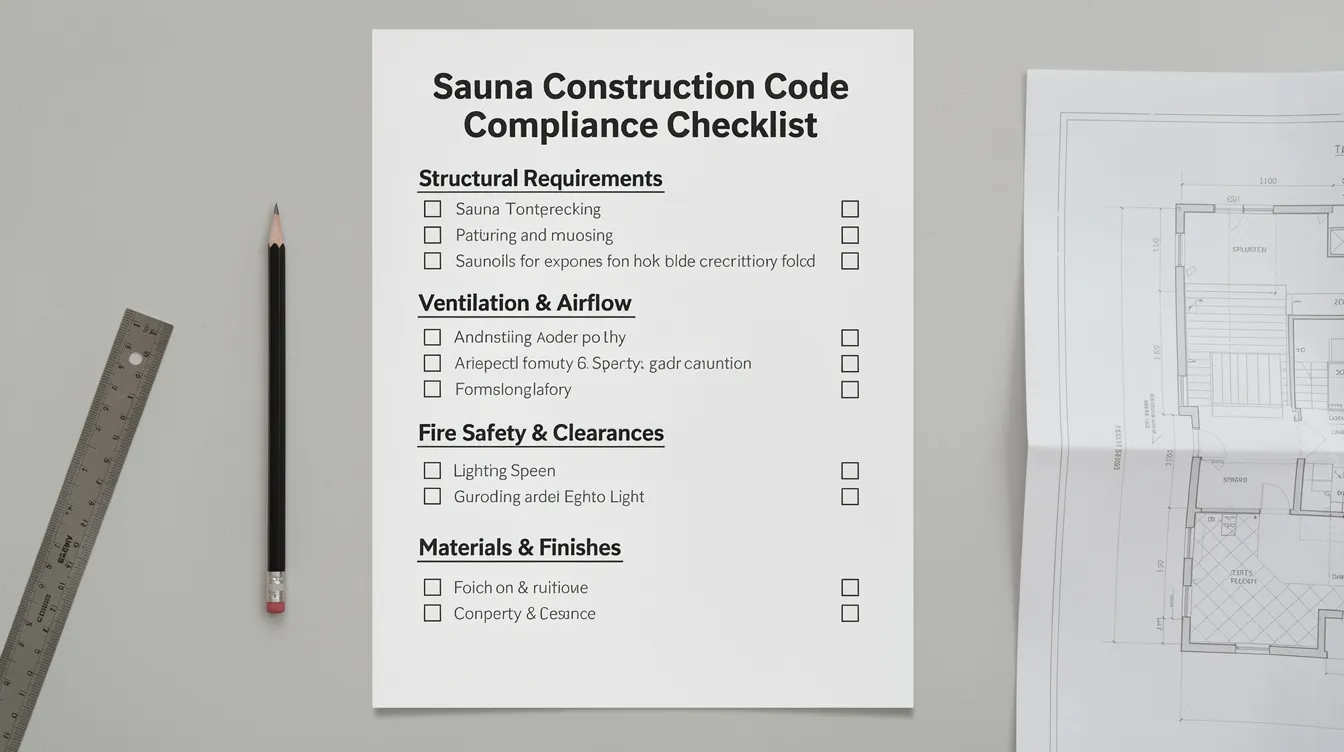
Building codes and safety standards ensure that sauna insulation systems perform reliably without creating fire hazards or air quality problems. Compliance protects both occupants and property while maintaining warranty coverage.
What Are the Building Code Requirements for Saunas?
Building code requirements for high-temperature insulation systems typically mandate non-combustible materials within specified distances from heat sources. Many jurisdictions require fire-resistant rated assemblies for saunas, particularly in multi-family residential or commercial applications. Check local requirements before beginning installation.
How Do Fire-Resistance Ratings Affect Material Choice?
Fire-resistance ratings and non-combustible material specifications determine which insulation products are acceptable for different locations within the sauna. Mineral wool meets the highest fire standards and can be installed adjacent to sauna heater locations. Foam insulation products typically require covering with non-combustible materials like cement board or metal.
How Is Ventilation Balanced with Efficiency?
Ventilation requirements balance efficiency with air quality by mandating minimum fresh air exchange rates. Overly sealed saunas can develop poor air quality, compromising health benefits and comfort. Design ventilation systems with dampers that allow control while maintaining adequate fresh air during sessions.
What Are the Electrical Safety Considerations?
Electrical safety considerations for insulated environments include maintaining clearances between wiring and high-temperature insulation, using high-temperature rated junction boxes, and ensuring proper grounding in humid conditions.
Does Insulation Affect Manufacturer Warranties?
Manufacturer warranty requirements often specify professional installation for insulation systems to maintain coverage. Sun Home Saunas technical documentation and assembly manuals provide specific guidance for insulation types and installation methods that preserve warranty protection.
Sauna Insulation Efficiency Performance Comparison
Understanding how different insulation approaches compare across key performance metrics helps sauna owners make informed investment decisions based on priorities and constraints.
|
Insulation Configuration |
Heat-Up Time (70°F to 175°F) |
Energy Per Session |
Annual Operating Cost |
Payback Period |
|
Minimal (R-11 walls, R-19 ceiling) |
50-65 minutes |
3.5-4.2 kWh |
$280-340 |
Baseline |
|
Standard (R-13 walls, R-26 ceiling) |
35-45 minutes |
2.8-3.3 kWh |
$225-265 |
2-3 years |
|
Premium (R-19 walls, R-38 ceiling) |
28-38 minutes |
2.2-2.7 kWh |
$175-215 |
3-4 years |
|
Maximum (R-30 walls, R-50 ceiling) |
25-32 minutes |
1.9-2.4 kWh |
$150-190 |
4-6 years |
How Does the Upgrade Impact Overall Efficiency?
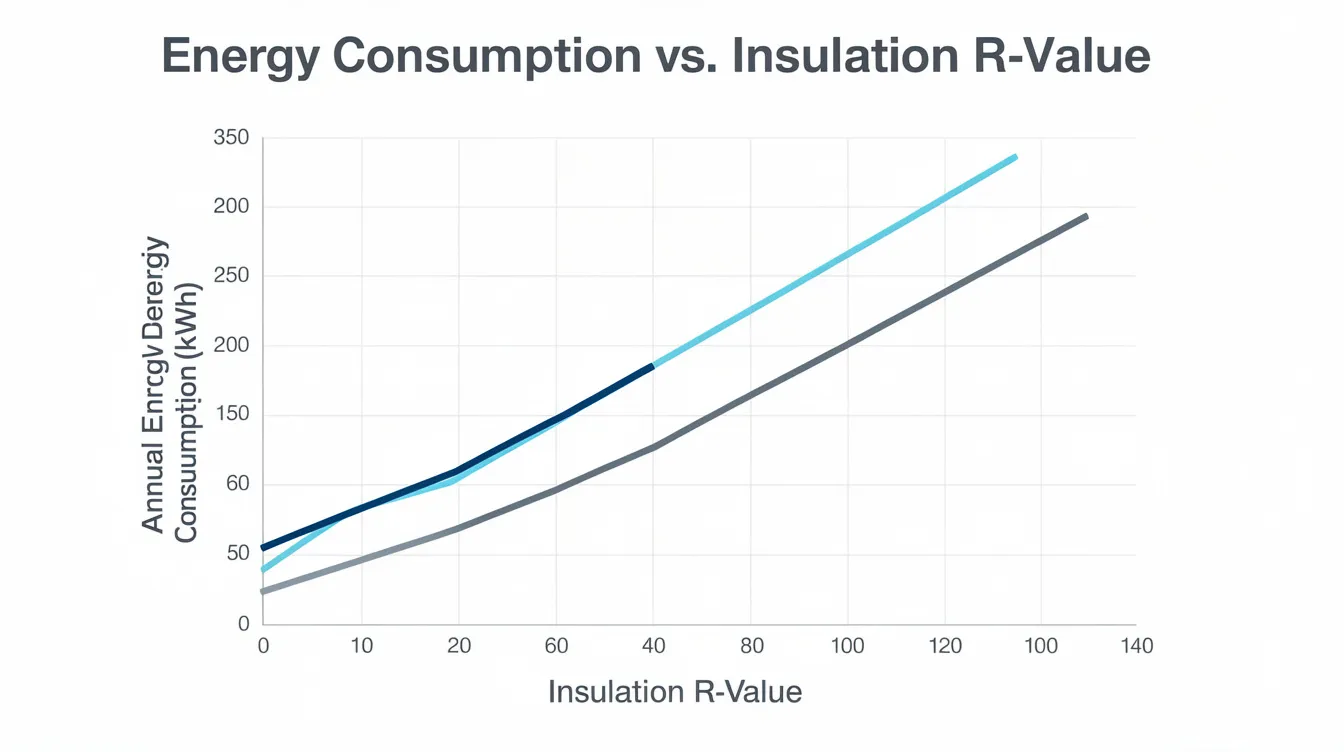
Performance data demonstrates that moving from minimal to standard insulation provides the greatest efficiency improvement per dollar invested. The jump from minimal to standard configuration reduces energy consumption by approximately 20–25% while cutting heat-up time by 15–20 minutes. Further upgrades to premium and maximum configurations provide incremental improvements with longer payback periods.
Are Integrated Models More Efficient?
Sun Home Saunas’ models with factory-installed insulation packages achieve optimal performance ratings immediately upon installation. The integrated design eliminates installation quality variables that affect field-installed insulation, ensuring consistent thermal performance and energy-efficient operation from the first session.
Do Infrared Saunas Have Different Efficiency Patterns?
Infrared sauna configurations show different efficiency patterns due to lower operating temperatures and radiant heat distribution. A properly insulated full-spectrum infrared sauna with appropriate reflective barrier materials achieves maximum efficiency at lower R-values than traditional saunas, making moderate insulation investments highly cost-effective.
Complete Sauna Insulation Efficiency Optimization Checklist
Use this checklist to ensure your project meets the highest industry standards for thermal performance.
Pre-Build Assessment
- Determine your Climate Zone R-value target.
- Check for existing moisture or rot in the wall studs.
- Verify the heater's kilowatt rating is sufficient for the insulated volume.
- Select a non-combustible insulation material (Mineral Wool).
The Insulation Layer
- Cut batts 1/2 inch wider than the cavity to ensure a "friction fit."
- Ensure no gaps are visible between the insulation and the studs.
- Insulate the door (if not glass) with high-temp foam cores.
- Install a thermal break over the ceiling joists.
The Vapor Barrier & Radiant Shield
- Install foil with the reflective side facing the interior.
- Overlap all seams by 6 inches.
- Use high-temperature aluminum tape on every seam.
- Seal the perimeter of the light fixtures and heater mounts.
Air Sealing & Finishing
- Install high-temperature gaskets around the door frame.
- Check that the intake vent is positioned correctly under the heater.
- Verify the exhaust vent has a functioning sliding damper.
- Perform a final "heat-up" test and document the time.
References
1. Department of Energy: Insulation Installation and Performance Standards
2. International Association of Certified Home Inspectors: Thermal Imaging and Air Leakage Diagnostics
3. National Institute of Standards and Technology: Thermodynamics of High-Temperature Enclosures
4. North American Insulation Manufacturers Association: Stone Wool Performance in Specialty Applications
5. Sun Home Saunas: Technical Manuals and High-Performance Assembly Guides