


Exploring Ice Bath Experiences in Different Climates: A Global Insight into Cold Water Therapy
Ever wondered what exploring ice bath experiences in different climates feels like? In this article, we dive into ice bathing practices around the world. From the extreme cold of the Arctic to the spiritual traditions of Asia. Discover the distinct benefits and cultural significance of ice baths in various settings.
Introduction to Cold Water Immersion
Cold water immersion is the practice of submerging the body in cold water to trigger a range of physiological responses. Whether it’s stepping into an ice bath or cold plunge tub, taking a brisk cold shower, or swimming in cold rivers, this method has become a cornerstone of modern wellness routines. The sudden drop in temperature initiates a cold shock response, which can lead to increased blood flow, improved circulation, and a boost in the immune system.
Many people turn to cold water immersion for its wide array of health benefits. These include reduced muscle soreness, faster recovery after exercise, and enhanced mental health. The invigorating sensation of cold water can help reset the body and mind, making it a popular choice for athletes, wellness seekers, and anyone looking to improve their overall well-being. Whether you’re seeking the benefits of cold therapy for physical recovery or mental clarity, the practice offers a refreshing way to support your health goals.
Key Takeaways
· Ice bathing in locations like Norway and Finland offers transformative health benefits
· North America’s diverse landscapes provide numerous opportunities for cold water immersion
· Cold water immersion practices across Asia and Africa emphasize both physical health and spiritual well-being
History and Cultural Significance of Cold Exposure
Cold exposure has deep roots in human history, with cultures around the world embracing cold water immersion as part of their daily routines and rituals. In ancient Greece and Rome, cold water baths were celebrated for their therapeutic properties, believed to restore vitality and promote overall health. In Japan, cold therapy remains a spiritual practice, used for meditation and purification, reflecting a long-standing belief in the benefits of cold exposure for both body and mind.
Nordic countries have cultivated a rich tradition of cold water swimming, often paired with outdoor infrared sauna sessions, to enhance well-being and resilience. These practices are not just about braving the cold. They are woven into the fabric of community life, supporting physical and mental health. Across the globe, the benefits of cold water immersion are universally recognized, making it a time-honored method for improving well-being, boosting energy, and fostering a sense of connection to nature.
Preparing for Cold Therapy
Before diving into cold therapy, it’s important to prepare your body and mind for the sudden shift to colder temperatures. Gradual acclimation is key. Start with warm showers and slowly lower the temperature over time to help your body adjust. This step-by-step approach can make the transition to full cold immersion, such as ice baths or cold plunges, much more manageable.
Consulting with a healthcare professional is essential, especially if you have any underlying medical conditions. Ensure you have the right equipment, such as a reliable thermometer to monitor water temperature and a safe, accessible location for your cold therapy sessions. Understanding how the cold shock response affects your body can help you anticipate and manage the initial shock, ensuring a safer and more enjoyable experience as you explore the benefits of cold therapy.
Arctic Adventures: Ice Bathing in Extreme Cold
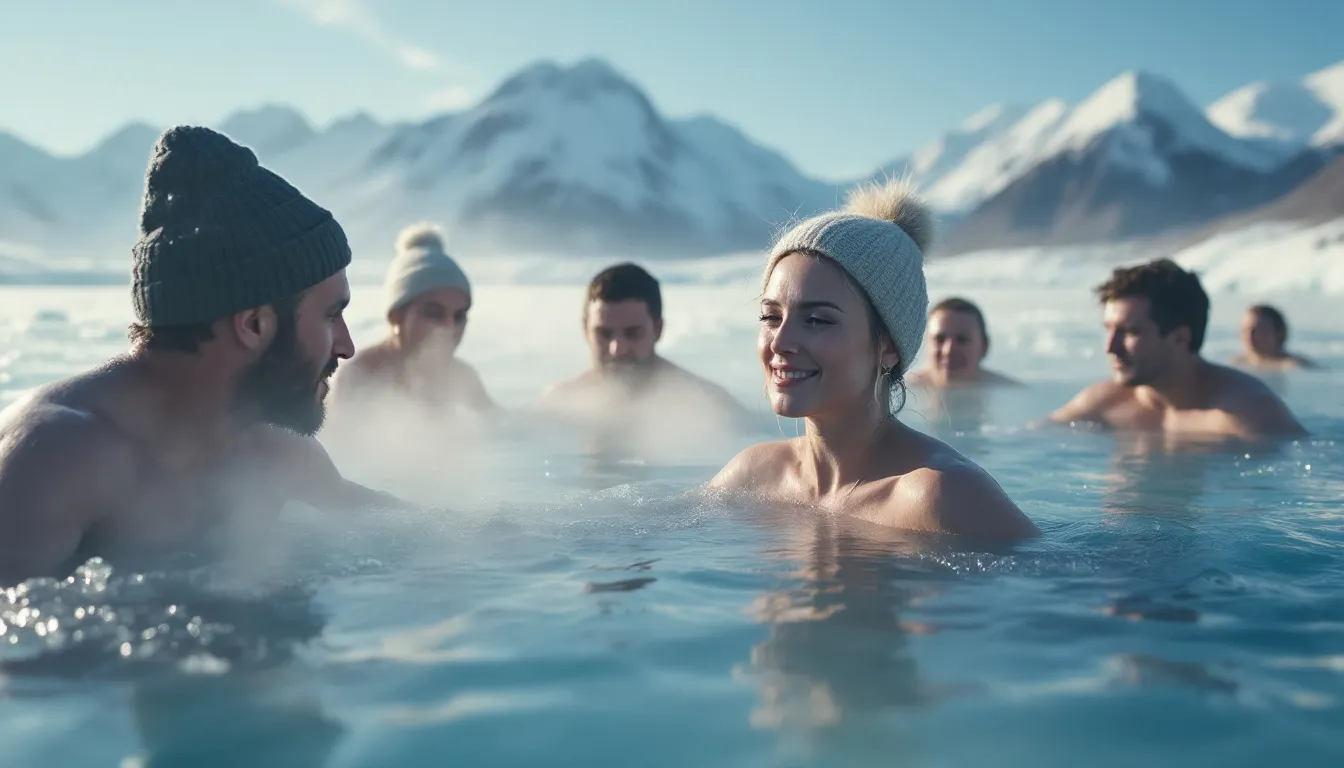
The Arctic regions are a natural haven for cold water immersion, with their frigid temperatures and stunning landscapes. Countries like Norway and Finland are renowned for their ice bath experiences, where plunging into ice-cold water amidst snow-covered peaks is a physical challenge and a transformative journey.
Cold exposure in these extreme cold conditions enhances physical resilience and also leads to increased mental clarity and mood. This is due to the increased production of norepinephrine and endorphins, which help improve resilience and elevate your emotional state.
Staying still in these icy waters, often for up to 15 minutes, allows your body to adapt and fully benefit from the cold shock response, activating the sympathetic nervous system and triggering a stress response. Full-body immersion in such cold can cause a rapid drop in core body temperature, making it crucial to monitor these levels to avoid hypothermia.
Moreover, cold exposure causes blood vessels to constrict and dilate, which can improve circulation but increase the risk of cardiovascular events. Individuals with underlying heart conditions should be cautious, as the physiological stress of cold water immersion can increase the risk of a heart attack.
Norway's Icy Fjords
Norway’s fjords are a sight to behold, with their towering cliffs and turquoise waters. Geirangerfjord, one of the most popular spots for cold plunge sessions, offers a breathtaking backdrop for your icy plunge. The combination of hot saunas and icy plunge pools in these regions enhances recovery and mental well-being, making the experience both invigorating and restorative.
Full body immersion in the fjord's icy waters elicits a stronger physiological response compared to partial immersion, as it exposes a larger surface area to the cold and promotes greater systemic effects. In the Lofoten Islands, cold water immersion takes on a wild, untamed character:
· The icy waters surrounded by steep mountains provide a dramatic setting for ice baths
· The cold shock response activates neural pathways and electrical impulses, enhancing mental clarity and focus
· Cold receptors in peripheral nerve endings detect the temperature change and send signals to the brain, further stimulating these neural pathways and chemical responses
· The Norwegian tradition of combining cold rivers with lakeside sauna sessions further amplifies the therapeutic benefits
Finland's Frozen Lakes
In Finland, cold water swimming is a cultural pillar deeply intertwined with the use of saunas. The practice of alternating between the intense heat of a sauna and the icy plunge into frozen lakes promotes physical and mental well-being. This mindful approach to cold water immersion fosters mental clarity and serenity, helping participants manage everyday stressors more effectively.
The benefits of cold water immersion extend to emotional regulation. Immersing in ice-cold water triggers the release of endorphins and noradrenaline, which elevate mood and reduce negative emotions. These neurochemicals are closely linked to positive emotions, boosting feelings of vigor, self-esteem, and overall well-being after cold water immersion. After a session, cortisol levels decrease and remain lower for hours, contributing to a sustained positive emotional state.
North America's Diverse Cold Water Landscapes
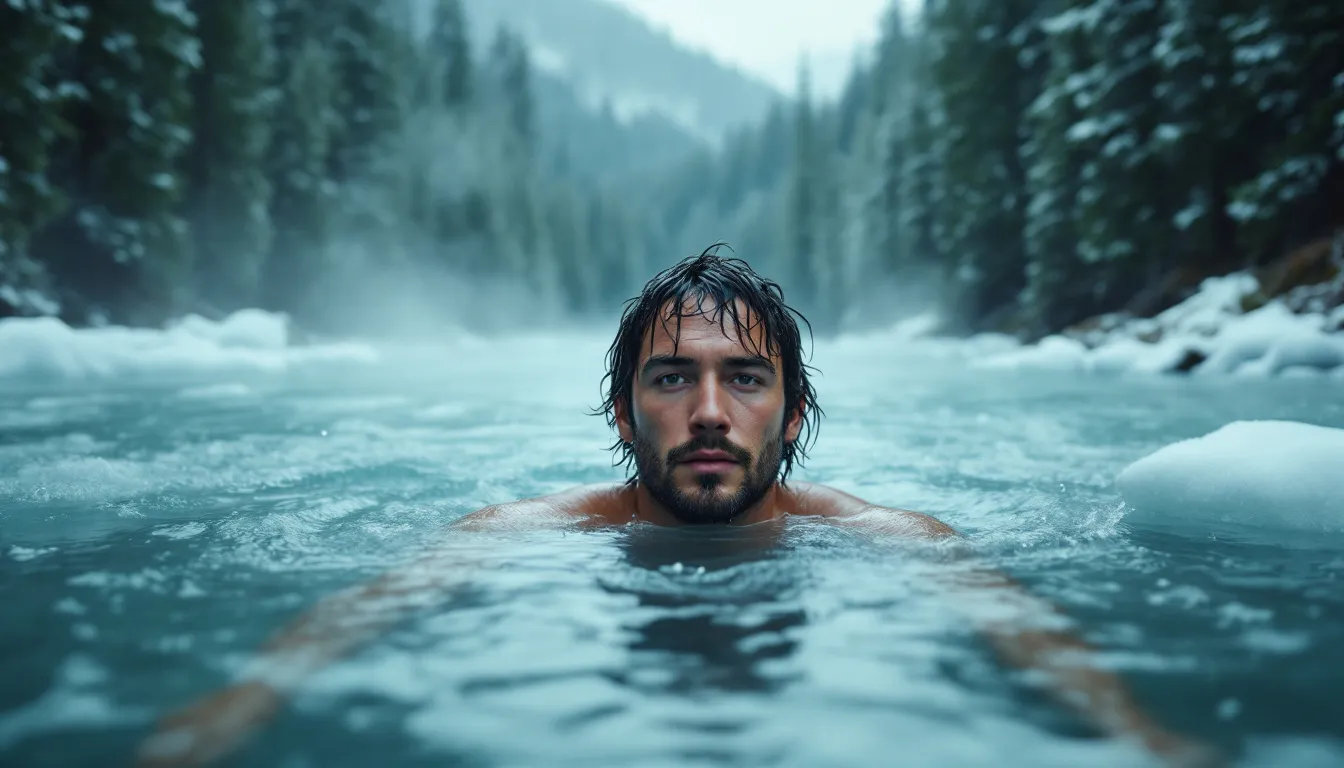
North America boasts a plethora of cold water landscapes, from serene glacial lakes in Canada to rushing icy rivers in the U.S. These diverse terrains offer numerous opportunities for ice bathing, catering to those seeking physical recovery and mental rejuvenation.
In Canada, stunning locations like Lake Louise and Emerald Lake serve as perfect spots for cold water immersion. These scenic sites enhance the experience and contribute to better recovery and athletic performance. Across the border in the U.S., places like Lake Tahoe and various rivers in the Pacific Northwest provide equally captivating settings for refreshing cold plunge sessions.
The breathtaking landscapes and varied climates across North America make ice bathing a uniquely appealing practice.
Canada's Glacial Waters
Lake Louise in Canada is a popular destination for cold water immersion, known for its stunning scenery and icy waters. The serene environment of glacial lakes like Lake Louise and Emerald Lake provides an ideal backdrop for ice baths, enhancing the physical and mental aspects of the practice.
Cold water immersion in these glacial waters has been linked to improved recovery and athletic performance. The combination of breathtaking landscapes and the therapeutic properties of ice-cold water makes Canada’s glacial lakes a must-visit for cold water enthusiasts.
U.S. Coastal and Mountain Streams
In the U.S., Lake Tahoe stands out as a prime location for ice baths, maintaining its chill even during the summer months. The Pacific Northwest is also renowned for its cold rivers, which offer invigorating ice bath experiences amidst lush forested landscapes, aligning with the growing ice bath trend.
Cold water immersion in these regions provides numerous benefits, including reduced muscle soreness, faster recovery, and enhanced emotion regulation.
Asian Traditions: Spiritual Cold Water Immersion
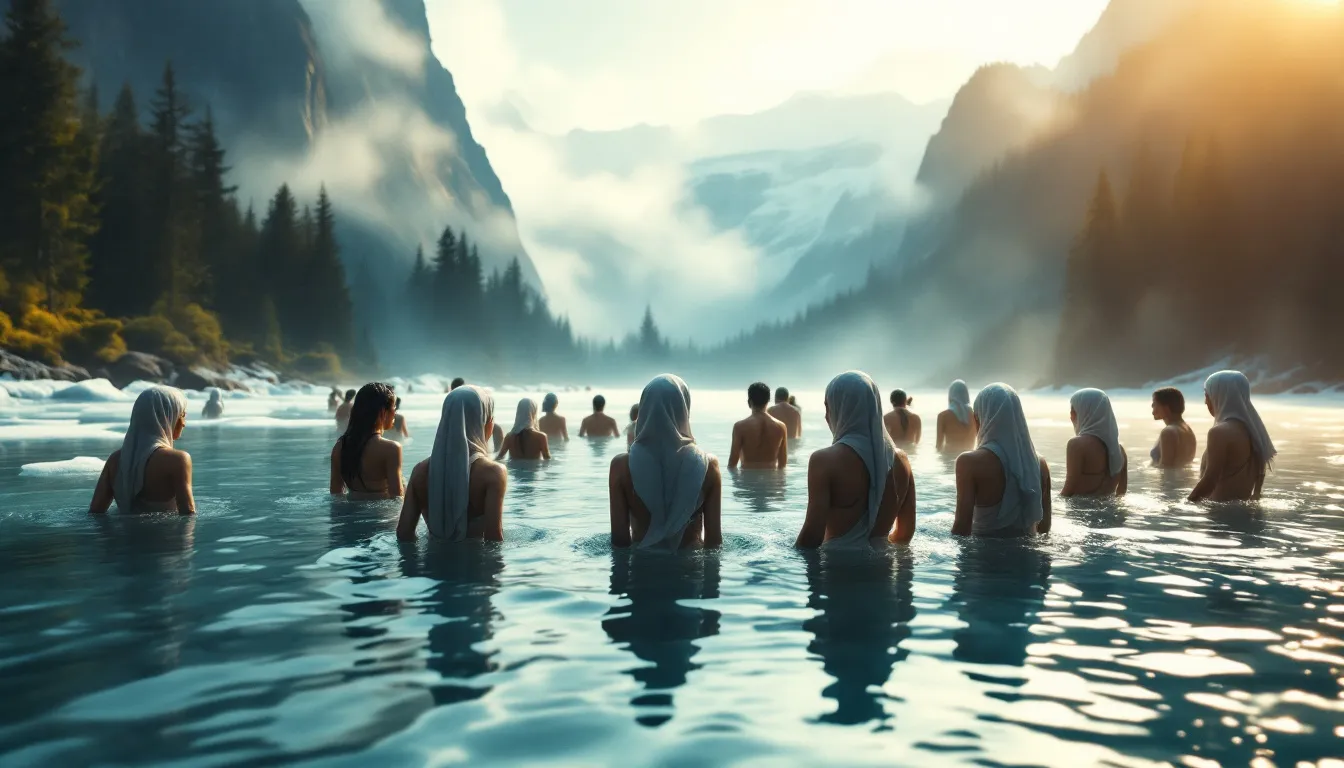
In Asia, cold water immersion is deeply rooted in spiritual and cultural traditions. From the purification rituals in Hinduism to the meditative practices in Japan, cold plunge therapy is seen as a transformative journey with profound emotional and physical benefits.
Participants are advised to bring dry clothes to change into immediately after immersion to prevent excessive cooling. Early spring is considered an ideal time for outdoor cold water immersion in many Asian regions, as water temperatures remain low but conditions are more accessible.
Each practice offers a unique interpretation of cold water therapy, reflecting the diverse traditions across the continent. Let’s delve into the specific practices in Japan and India to understand the spiritual significance and holistic benefits of cold water immersion in these regions.
Japan's Sacred Snow Country
In Japan, the practice of Mizugori involves immersion in cold water as a meditation and purification ritual. This ancient practice, often performed in mountain-fed streams, is associated with benefits such as mental clarity, improved blood circulation, and heightened focus.
The Yamagata Prefecture is particularly notable for its icy water mountain streams, which are integral to these cold water immersion practices. The combination of spiritual cleansing and physical benefits makes Mizugori a holistic approach to well-being.
India's Himalayan Rivers
In the Himalayas, cold immersion practices are deeply intertwined with local customs, emphasizing spiritual cleansing and solitude. The serene and majestic landscape of the Himalayan rivers offers an ideal setting for connecting with nature and seeking inner peace through cold water immersion. The spiritual significance of cold water immersion in the Himalayas is a testament to its transformative power.
Hidden Gems in Africa
Africa may not be the first place that comes to mind for cold water immersion, but it offers some hidden gems that are worth exploring. High-altitude and coastal areas provide refreshing cold plunge experiences amidst breathtaking scenery.
In South Africa, locations like Storms River Mouth and the Drakensberg Mountains offer unique opportunities for cold water enthusiasts. Another notable location is the Dalebrook Tidal Pool in Cape Town, known for its scenic beauty and inviting icy waters. These coastal wonders provide an invigorating cold water experience amidst some of the most beautiful landscapes in South Africa.
Morocco's Atlas Mountains
In Morocco, the Atlas Mountains offer cold water immersion opportunities that improve circulation, reduce inflammation, and help manage high blood pressure. The Ourika Valley near Marrakech features natural pools and waterfalls, providing a refreshing escape in the mountain air.
Modern Wellness Trends: Global Cold Plunge Practices

Cold water therapy has gained popularity as a modern wellness trend, with practices being adapted from ancient techniques to enhance recovery and overall health.
Cold water practices in Nordic countries are often integrated into daily routines, providing health benefits and enhancing community wellness. Meanwhile, cryotherapycryotherapycryotherapy has become increasingly popular in sports medicine for its effectiveness in reducing inflammation and speeding up recovery.
Let’s explore these modern wellness goals trends in more detail, starting with the cultural significance of Nordic winter swims and the growing popularity of cryotherapy in Western countries.
Nordic Winter Swims
In Nordic countries, cold water swimming is a common practice. Engaging in cold water swimming can enhance mental well-being, providing invigorating effects and promoting resilience.
The cultural significance of cold water swimming in these regions showcases its role in community wellness and resilience. This practice is not limited to elite athletes but is embraced by people of all ages, highlighting its widespread appeal.
Cryotherapy in Western Countries
Cryotherapy has become a staple in sports medicine due to its significant benefits in reducing inflammation and speeding up recovery times. Athletes utilize cryotherapy to enhance their recovery, ensuring they can return to training and competition more quickly.
Research suggests that cryotherapy chambers provide numerous benefits for overall health, including improved blood circulation and reduced muscle soreness. The growing popularity of cryotherapy in Western countries reflects its effectiveness as a modern wellness practice.
Cold Showers as an Alternative
If the idea of ice baths or cold plunges feels daunting, cold showers are a more approachable way to experience the benefits of cold water immersion. Taking a cold shower can activate the cold shock response, leading to increased blood flow, improved circulation, and a stronger immune system. Cold showers are also convenient and cost-effective, making them an easy addition to your daily routine.
To get started, begin with warm water and gradually lower the temperature, allowing your body to adapt to the cold. Over time, regular cold shower practice can help build cold tolerance, enabling you to withstand colder temperatures for longer periods. This gradual exposure makes the experience more comfortable and helps you reap the benefits of cold therapy.
Safety Tips for Cold Water Immersion

While the benefits of cold water immersion are numerous, it’s essential to approach this practice with caution. Consulting a healthcare professional before trying ice baths is crucial, especially if you have pre-existing health conditions like heart or respiratory issues.
Recognizing early warning signs of hypothermia, such as shivering uncontrollably, numbness, and confusion, is vital. Limit your ice bath sessions to a maximum of only a few minutes, and always have a companion present, particularly if you’re a novice with limited experience, as the initial shock can be overwhelming.
Gradual exposure, like starting with warm-to-cold, can help your body acclimate to colder temperatures and regulate body temperature.
Summary
Exploring ice bath experiences across different climates reveals the diverse practices and cultural significance, and the universal benefits of cold water immersion. From the Arctic’s extreme cold to North America’s varied landscapes, Asia’s spiritual traditions, and Africa’s hidden gems, each location offers a unique perspective on this invigorating practice. Are you considering incorporating cold water therapy into your wellness routine? Prioritize safety and embrace the transformative journey that lies ahead.
Reach out today and find out more from our Cold plunge experts.
Frequently Asked Questions
What are the primary benefits of cold water immersion?
Cold water immersion can boost your overall well-being by improving circulation, enhancing mental clarity, reducing muscle soreness, and helping with emotional regulation.
How long should an ice bath session last?
An ice bath session should generally last between 3 to 5 minutes for beginners, while those more experienced can comfortably extend it to about 15 minutes.
Are there any safety precautions to consider before trying an ice bath?
Absolutely! It's crucial to consult a healthcare professional if you have any existing health issues and to stay aware of hypothermia signs.
What are some popular locations for ice baths in North America?
Popular ice bath locations in North America include the stunning Lake Louise in Canada and the serene Lake Tahoe in the U.S., along with several rivers in the beautiful Pacific Northwest.
How does cold water immersion impact mental health?
Cold water immersion positively impacts mental health by boosting the release of endorphins and norepinephrine, leading to improved mood, focus, and emotional regulation.